Loading subject page…


317,339 views

Video Summary: What Is Body Planes
Ever wondered how radiologists can instantly locate a tumor in a chest X-ray or how surgeons plan precise incisions? Understanding body planes anatomy explained is the foundation of medical imaging and surgical navigation. Just like how GPS coordinates help locate any address in Chicago or Los Angeles, anatomical body planes serve as a universal mapping system for the human body. These three-dimensional reference planes allow healthcare professionals to communicate exact locations and describe movements with surgical precision. Watch the full video on JoVE Coach to master this concept with expert-led visuals and step-by-step explanations.
Body planes anatomy explained forms the cornerstone of anatomical education and clinical practice across all healthcare disciplines. These imaginary cutting surfaces provide a standardized framework that enables medical professionals from emergency room physicians in Houston to orthopedic surgeons in Boston to communicate patient conditions with absolute clarity and precision.
The concept becomes particularly relevant for students preparing for standardized exams. AP Biology students encounter body planes when studying human anatomy units, while pre-med students face detailed questions about anatomical orientation on the MCAT. Understanding these fundamental concepts early creates a strong foundation for advanced coursework in anatomy, physiology, and clinical sciences.
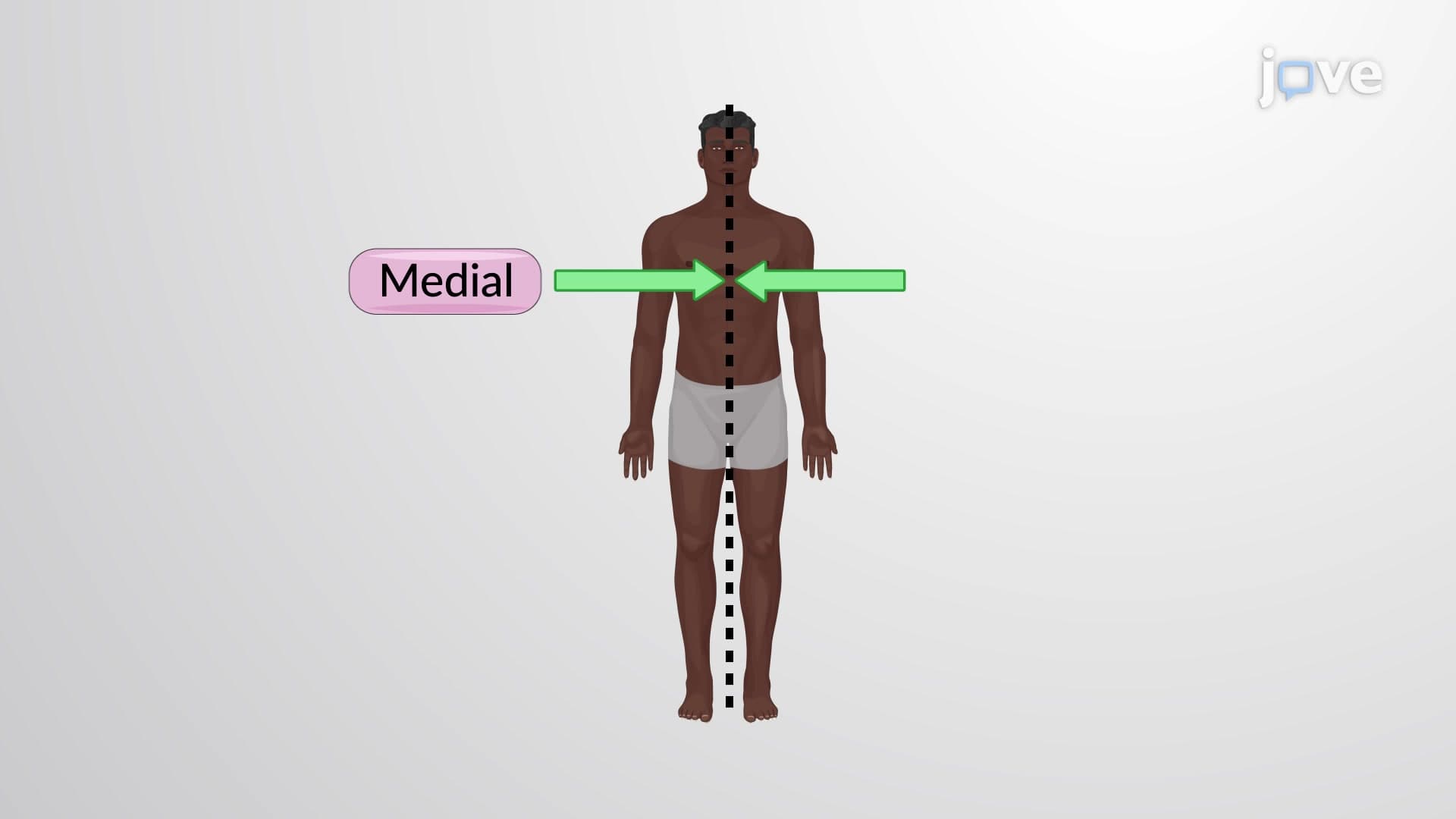
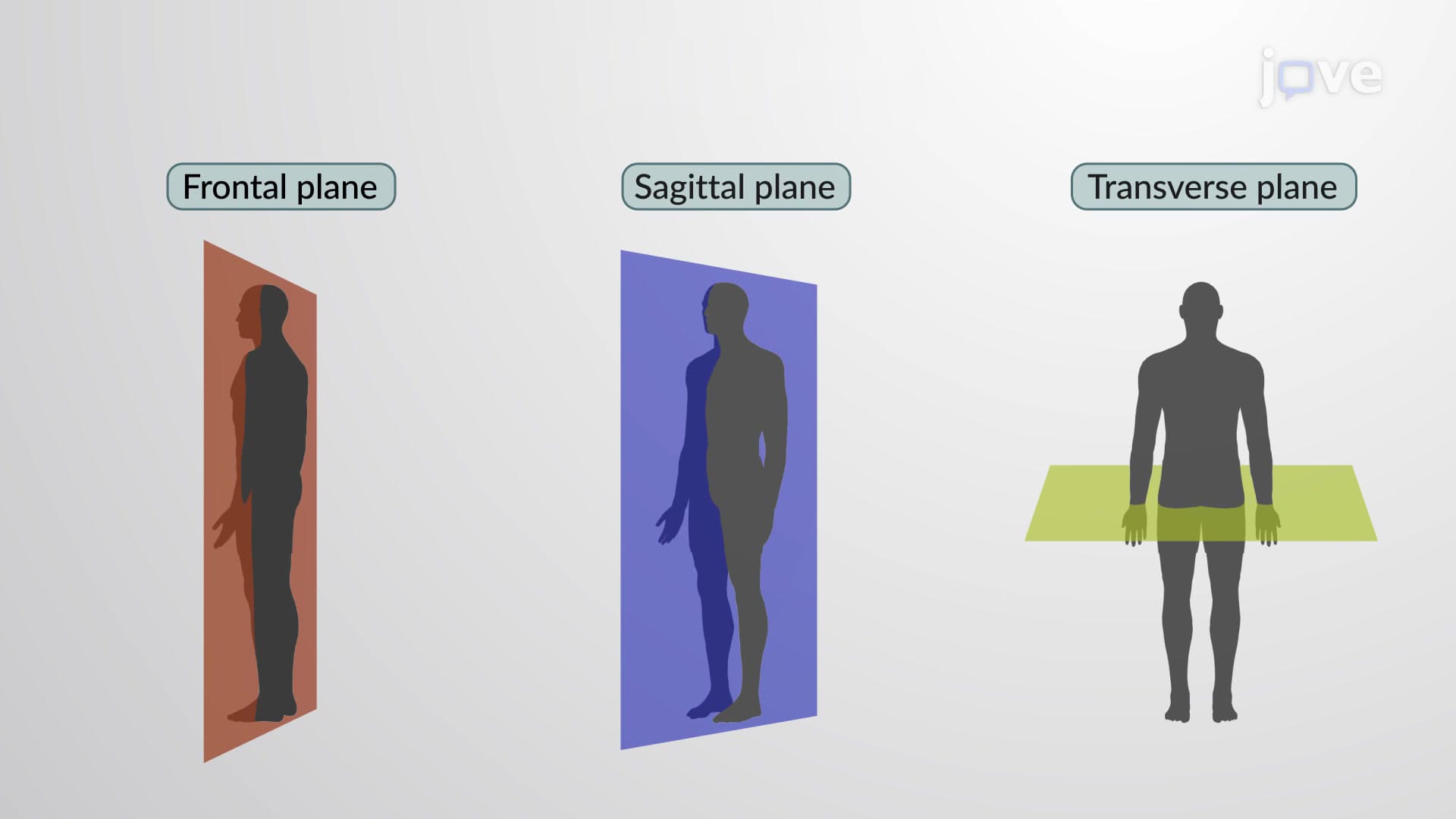
The sagittal plane anatomy represents the most commonly referenced cutting plane in medical practice. Running vertically from front to back, it creates right and left divisions of the body. The midsagittal plane produces equal halves through the body's midline, passing through structures like the nose, spine, and navel. Parasagittal planes create unequal divisions, which proves essential when examining asymmetrical organs or describing the location of injuries relative to the body's center.
Coronal frontal plane divisions separate anterior (front) from posterior (back) body regions. This plane proves crucial in radiological imaging, particularly in chest X-rays where physicians can identify pneumonia in the anterior lung fields versus posterior consolidations. The frontal plane also guides surgical approaches, helping surgeons plan incisions that minimize tissue damage while providing optimal access to target structures.
The transverse horizontal plane creates superior (upper) and inferior (lower) body segments. This orientation becomes vital in emergency medicine when describing injury locations - for instance, distinguishing between upper abdominal trauma affecting the liver versus lower abdominal injuries involving the bladder or reproductive organs.
Healthcare professionals rely on anatomical body planes overview knowledge daily. Radiologic technologists position patients according to specific planes to capture diagnostic images that reveal pathology clearly. Physical therapists use plane-based movement analysis to design rehabilitation programs, while emergency medical technicians communicate patient conditions using standardized anatomical references during hospital transport.
For students pursuing healthcare careers, mastering body section planes concepts proves essential for success in professional licensing exams. NCLEX questions frequently test nursing students' ability to position patients safely using anatomical references, while USMLE exams challenge medical students with complex scenarios requiring precise anatomical knowledge for diagnosis and treatment planning.
Related Micro-courses