Loading subject page…


317,328 views

Video Summary: What Is Directional Terms
Ever wonder how medical professionals can precisely describe where a broken bone is located or where to find your appendix? Directional anatomical terms provide the universal language that healthcare workers use to map the human body with pinpoint accuracy. These standardized terms, like anterior and posterior, allow a radiologist in California to communicate exactly with a surgeon in New York about a patient's condition. Understanding what are directional terms in anatomy transforms confusing medical jargon into a logical system anyone can master. Watch the full video on JoVE Coach to master this concept with expert-led visuals and step-by-step explanations.
Directional anatomical terms serve as the GPS system of human anatomy, providing healthcare professionals with a standardized vocabulary to describe body locations with surgical precision. Unlike everyday directions that might say "the heart is behind the breastbone," medical terminology uses "the heart is posterior to the sternum", leaving zero room for misinterpretation. This precision becomes critical when an emergency room physician in Texas needs to communicate with a specialist in Massachusetts about a patient's CT scan results.
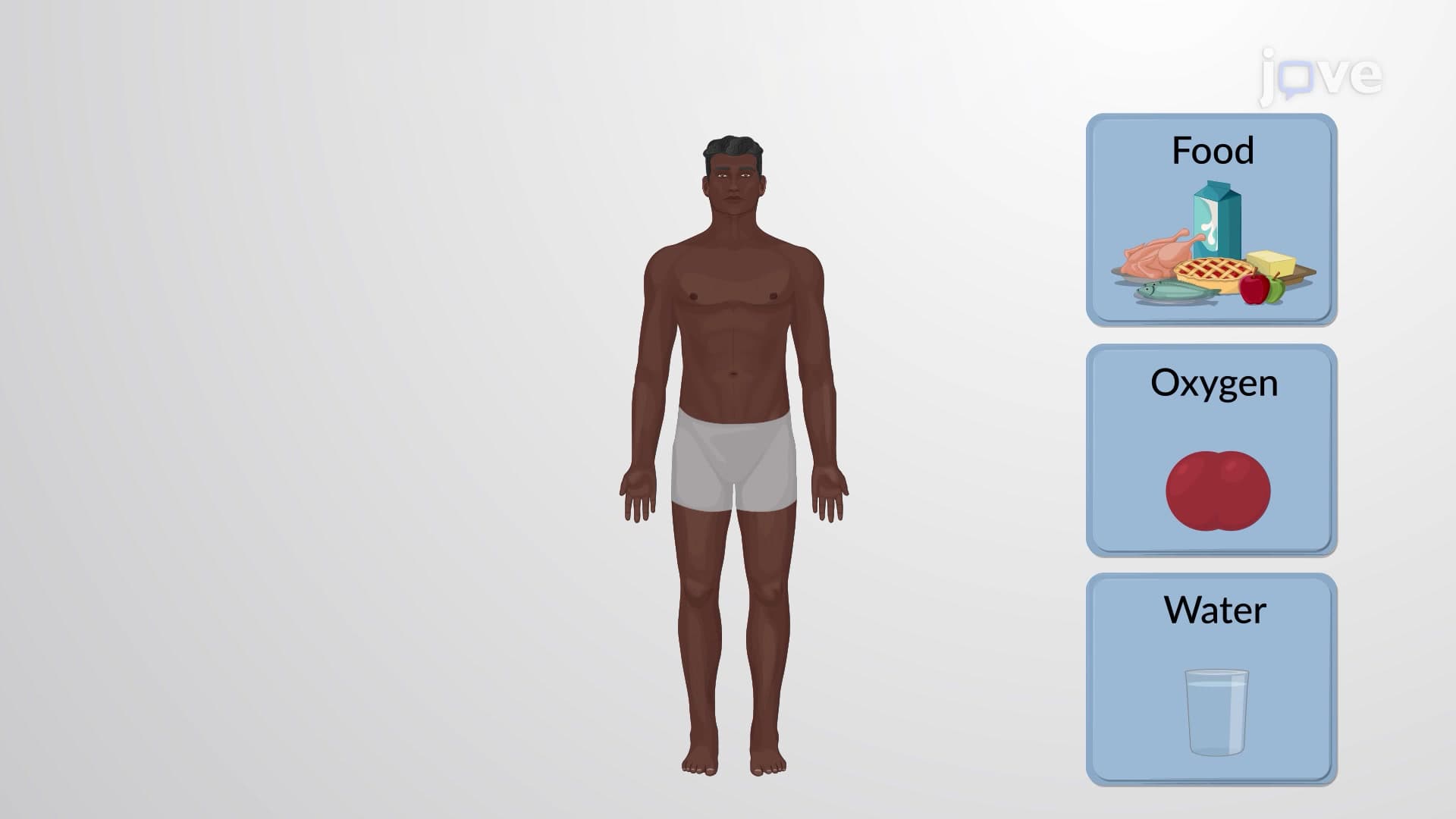
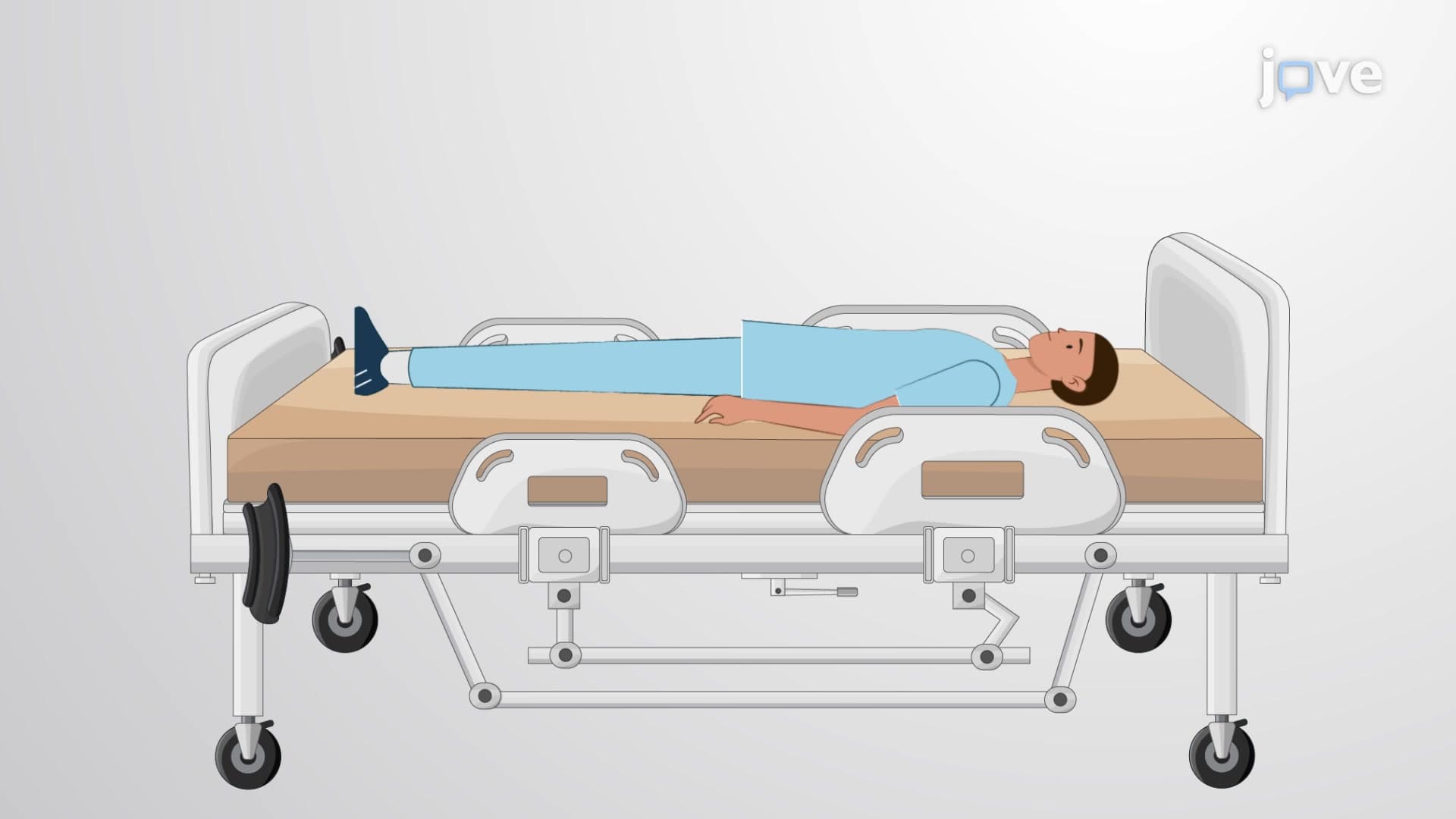
The foundation of all anatomical directional terms explained begins with the standard anatomical position: a person standing upright, arms at sides with palms facing forward, and feet parallel. This universal reference point ensures that whether you're studying for the MCAT, taking AP Biology, or working as a nurse practitioner, everyone speaks the same anatomical language.
Superior inferior directional terms describe vertical relationships relative to the head and feet. The brain is superior to the heart, while the pelvis is inferior to the chest. These terms prove invaluable when radiologists describe fracture locations or when physical therapists document injury sites. For instance, a basketball player's knee injury might involve "superior patellar displacement," immediately telling the sports medicine team exactly where to focus treatment.
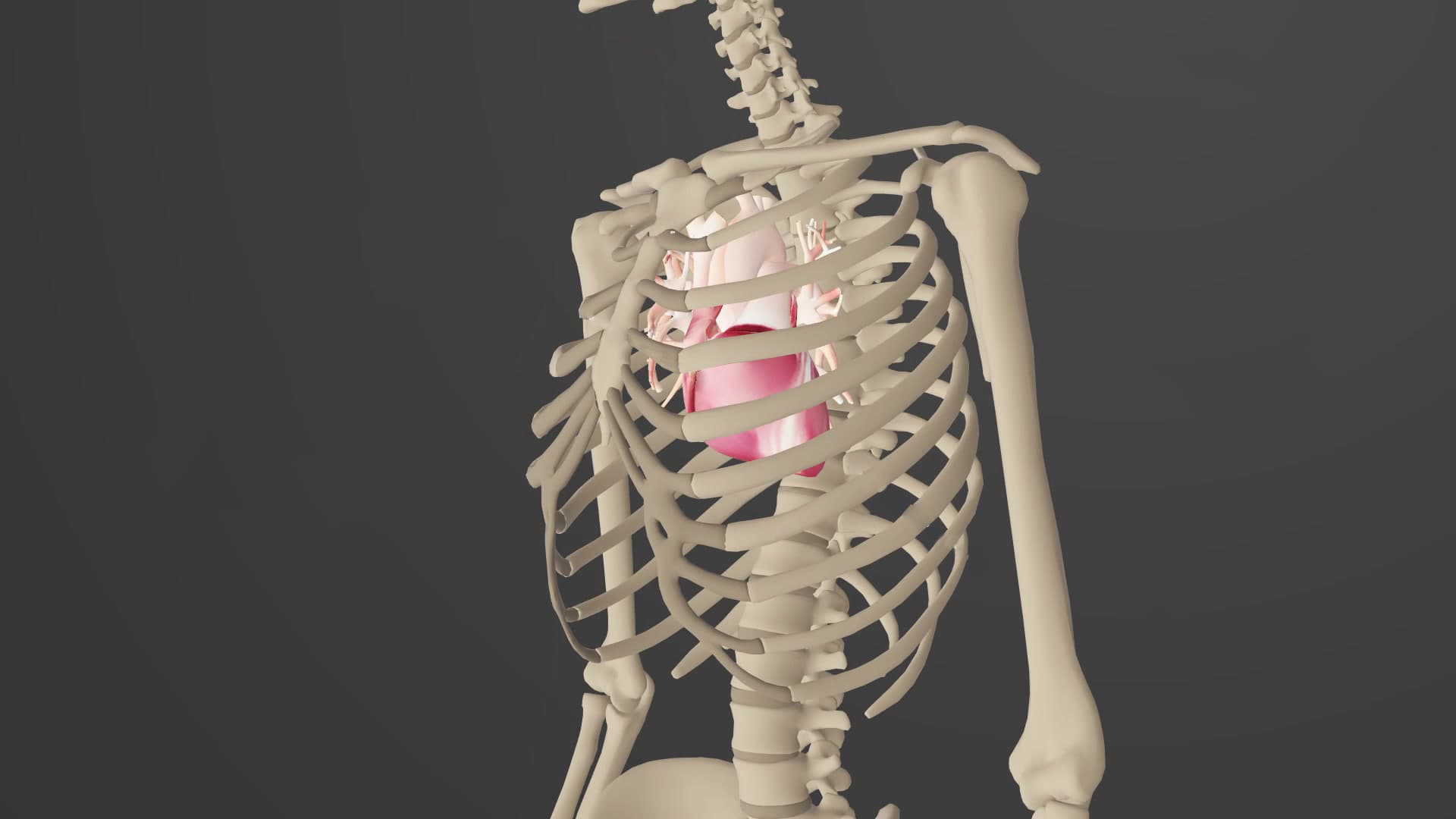
Anterior posterior anatomy terminology distinguishes front from back orientations. The sternum sits anterior to the heart, while the spine runs posterior to the abdominal organs. Emergency medical technicians rely on these terms when describing trauma locations, "anterior chest wall contusion" instantly communicates the injury's position to hospital staff before patient arrival.
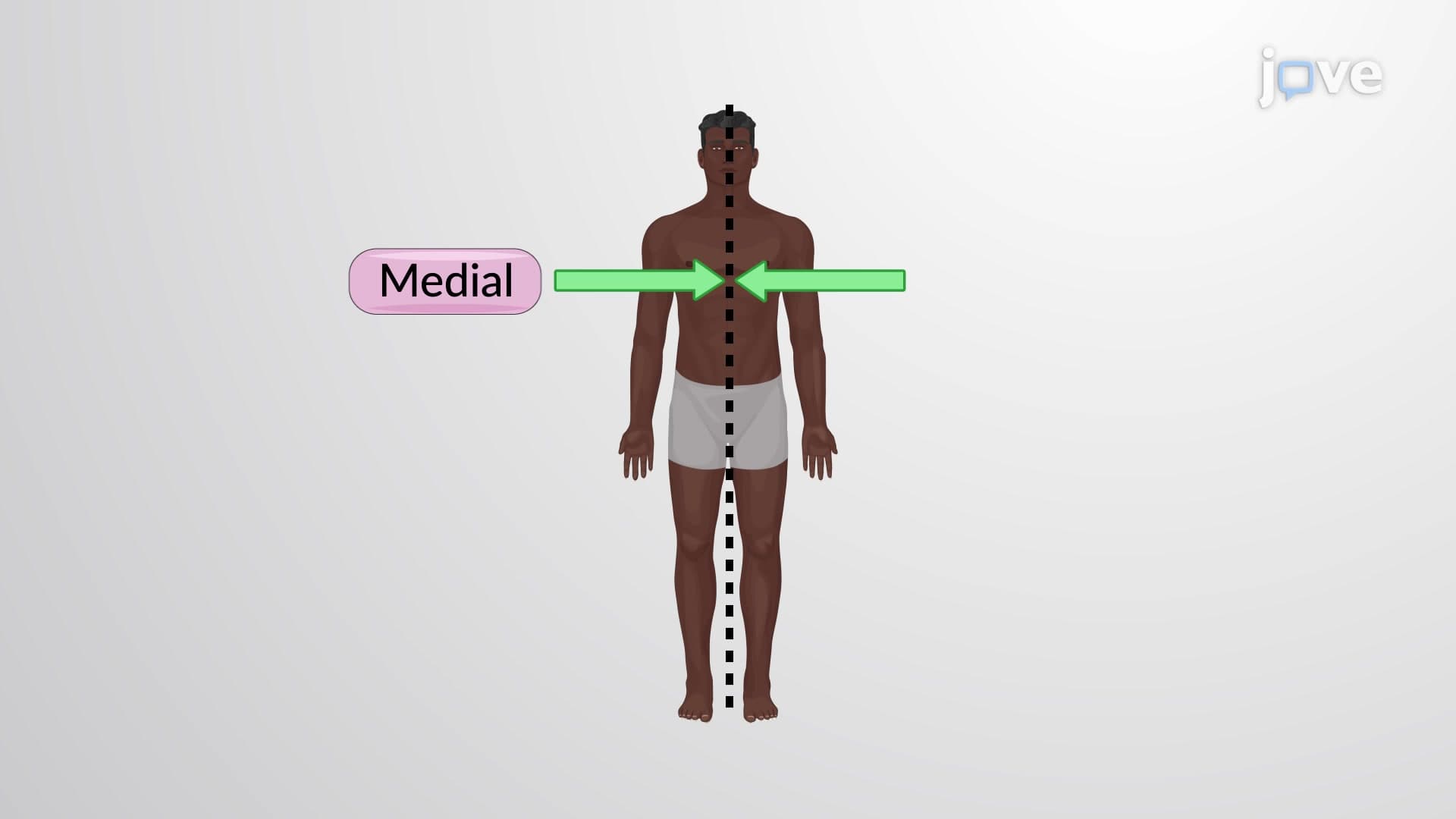
Medial lateral terms reference the body's midline, with medial meaning toward the center and lateral meaning away from center. The nose is medial to the ears, while the shoulders are lateral to the neck. Physical therapists frequently use these terms when describing muscle imbalances or joint dysfunctions that affect athletic performance.
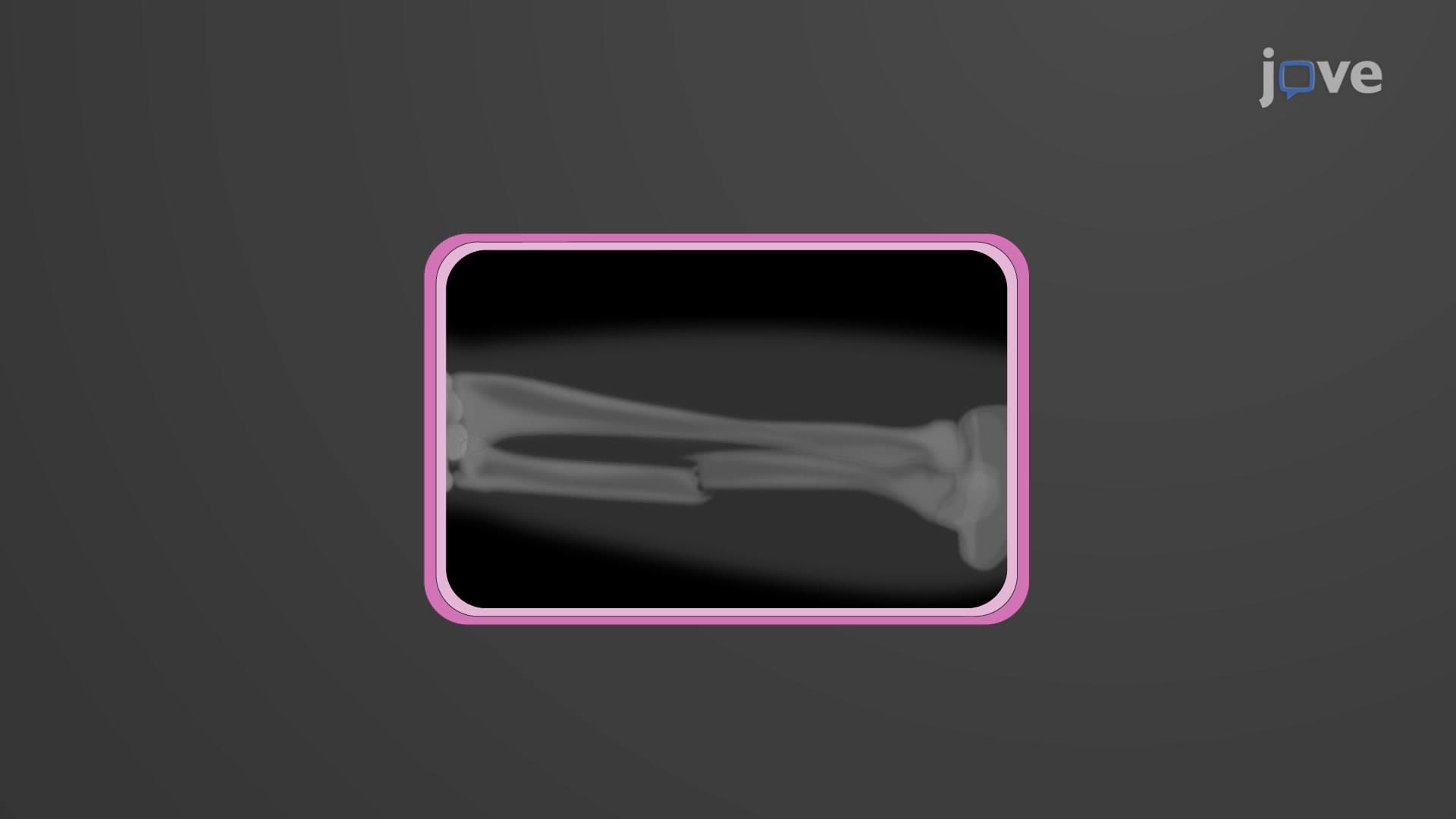
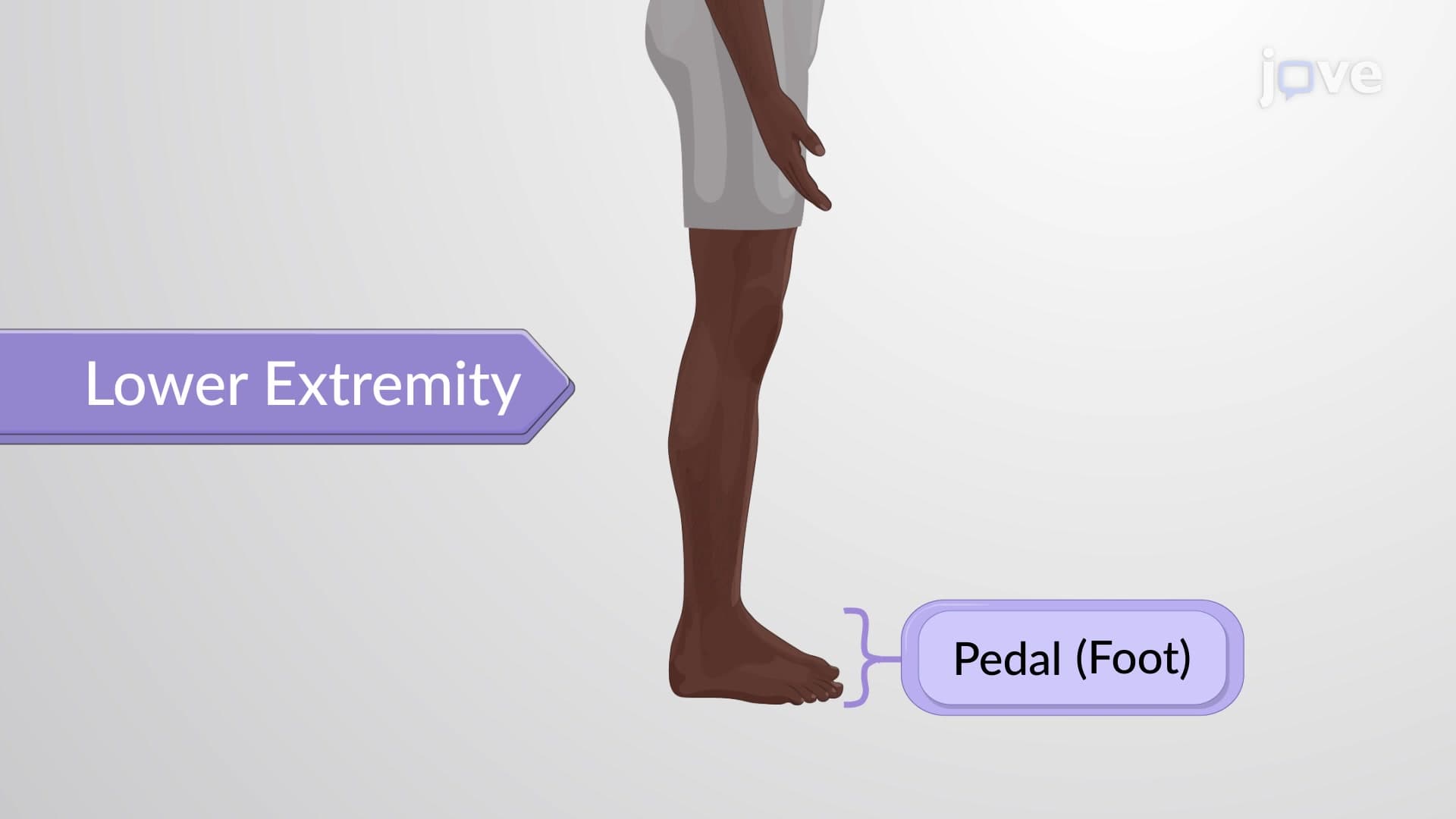
Proximal distal anatomy concepts describe distances from the body's center or trunk. The elbow is proximal to the wrist, meaning closer to the body's core, while the fingertips are distal to the shoulder. Orthopedic surgeons use this terminology extensively when documenting fracture locations or planning reconstructive procedures.
Understanding directional anatomy reference points becomes crucial for success on standardized exams like the MCAT, NCLEX-RN, and HESI A2. These assessments frequently test students' ability to apply directional terms in clinical scenarios, such as identifying injection sites or interpreting diagnostic imaging results. College anatomy courses build upon this foundation, with professors expecting students to use proper directional terminology in lab reports and practical examinations.
Related Micro-courses