Loading subject page…


317,339 views

Video Summary: What Is Regional Terms
When you tell a friend you hurt your "femoral region," they might look confused-but say "thigh" and they understand immediately. Regional anatomical terms provide precise medical language for describing specific body areas, from the cephalic region (head) to the pedal region (foot). These standardized terms help healthcare professionals at places like Johns Hopkins Hospital communicate with absolute clarity about patient conditions. Understanding what regional terms are forms the foundation for anyone pursuing healthcare careers or advanced biology studies. Watch the full video on JoVE Coach to master this concept with expert-led visuals and step-by-step explanations.
Regional anatomical terms represent a standardized vocabulary system that divides the human body into specific, named areas for precise medical and scientific communication. Unlike casual body part names we use daily, these terms follow international anatomical conventions established by organizations like the Terminologia Anatomica. This systematic approach ensures that when a radiologist at Stanford Medical Center describes a "thoracic region abnormality" to a surgeon at UCLA, both professionals understand exactly the same anatomical area.
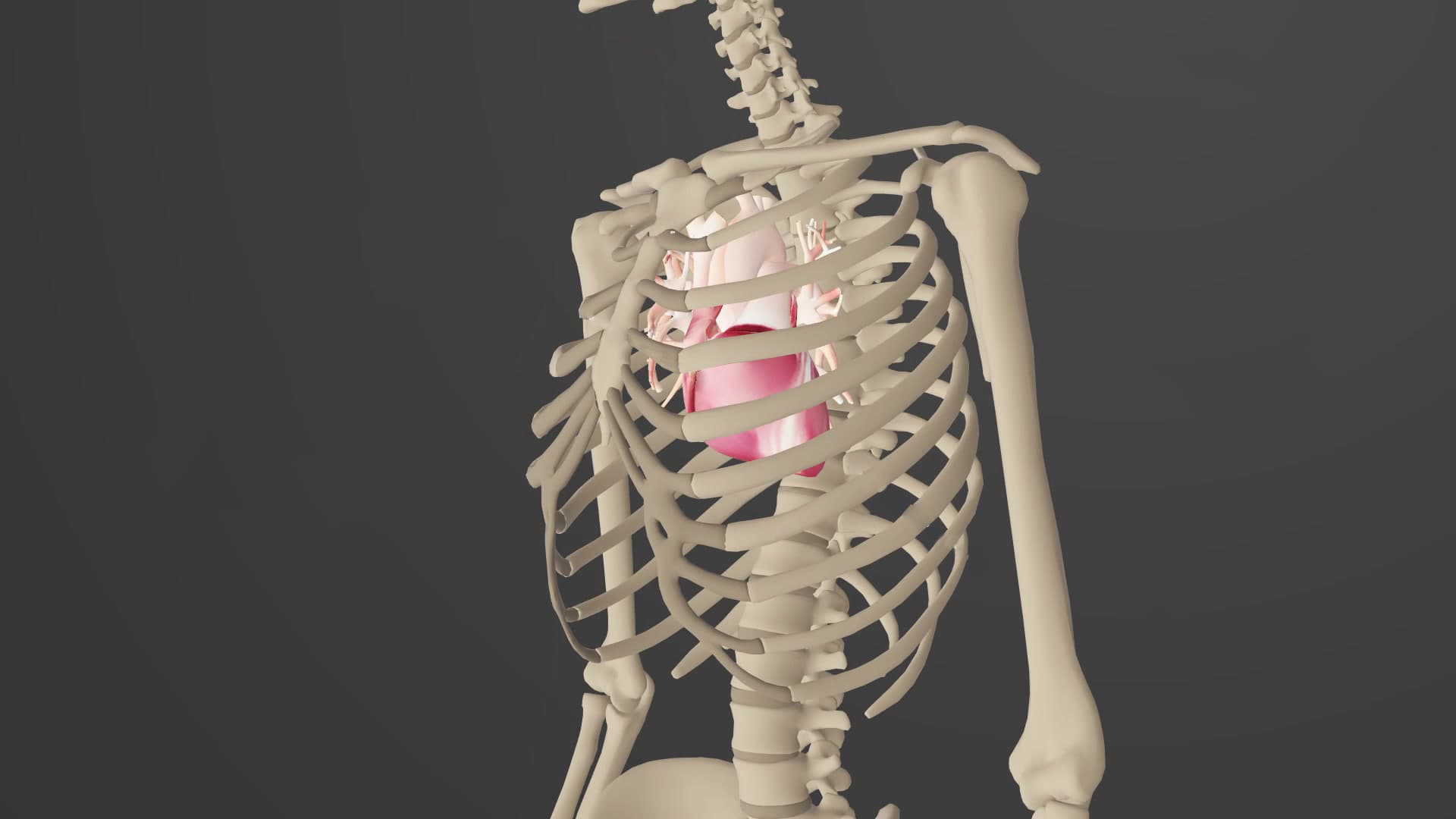
The axial region forms the body's central core, organized around a vertical axis extending from head to pelvis. This cranial thoracic abdominal regions classification includes five primary sub-regions. The cephalic region encompasses the entire head, while the cervical region covers the neck area-critical knowledge for students studying anatomy for the MCAT or nursing entrance exams. The thoracic region houses vital organs like the heart and lungs, making it frequently referenced in AP Biology coursework. The abdominal region contains digestive organs, and the sacral/coccygeal regions complete the axial structure at the spine's base.
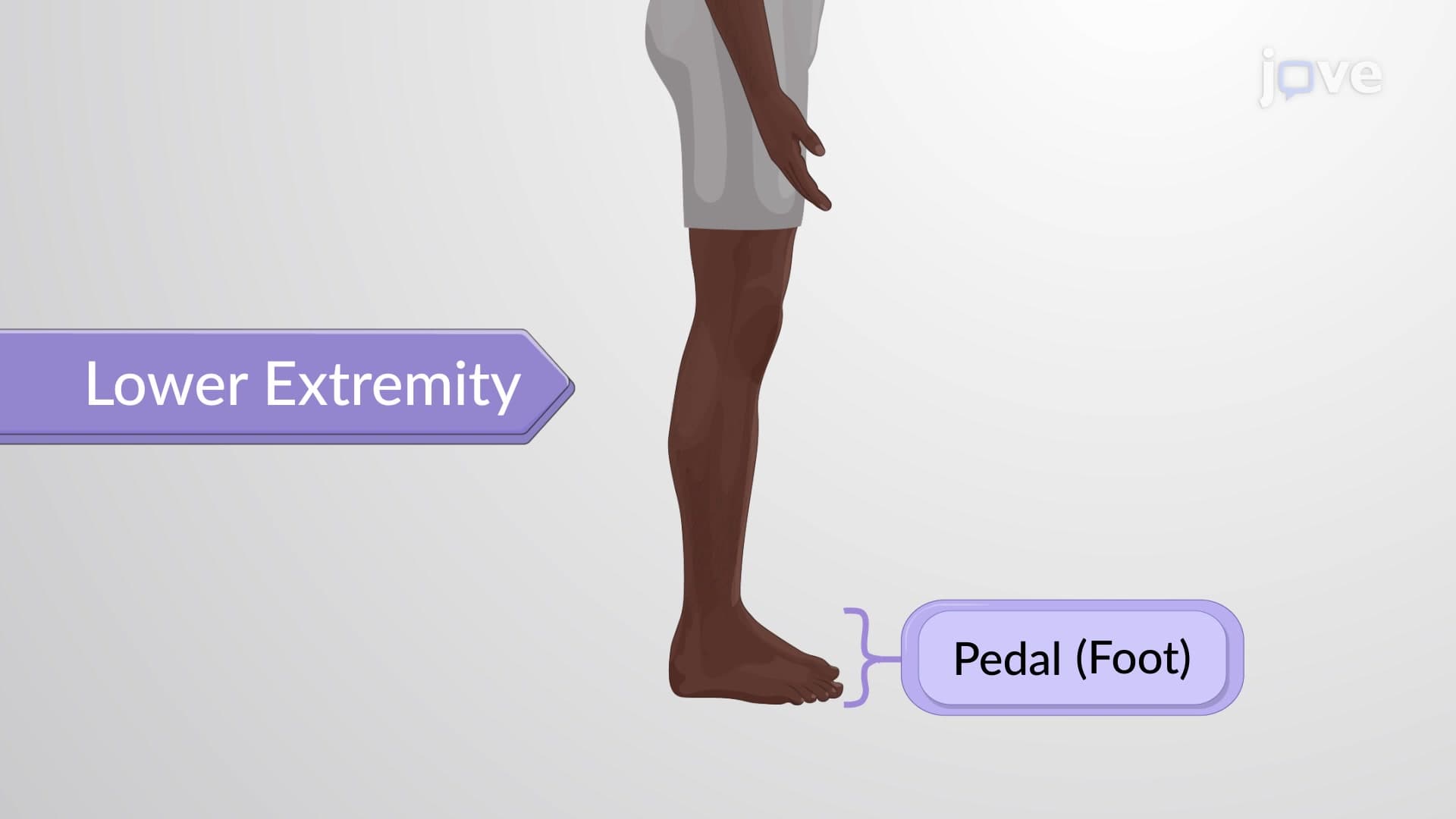
Body area terms anatomy for the appendicular region focuses on upper and lower limbs attached to the axial skeleton. Upper extremities include sophisticated terminology: the manus (hand), pollex (thumb), and digits (fingers). These terms appear regularly on nursing exams like the NCLEX-RN and HESI A2. Lower extremities begin at the coxal region (hip area), progress through the femoral region (thigh), and terminate at the pedal region (foot). Understanding these anatomical regional names proves essential for students pursuing healthcare careers, from physical therapy to orthopedic medicine.
Mastering anatomical region classification extends far beyond memorization-it enables precise professional communication essential in healthcare settings. Emergency room physicians use regional terms to quickly communicate injury locations, while physical therapists apply this knowledge when documenting patient assessments. For students preparing for medical school admissions or allied health programs, regional terminology frequently appears on entrance exams and forms the foundation for advanced anatomy courses. This systematic approach to body organization also supports learning other anatomical concepts, from organ systems to pathology studies.
Related Micro-courses