Loading subject page…


317,344 views

Video Summary: What Is Requirements for Human Life
Ever wonder why mountain climbers need oxygen tanks at high altitudes? The requirements for human life involve a precise balance of nutrients, gases, and physical conditions that keep our bodies functioning. Without oxygen, a person can survive only 3-4 minutes, while dehydration becomes life-threatening after just 3 days. American astronauts on the International Space Station must carefully monitor these same life requirements in the extreme environment of space. Understanding what is requirements for human life reveals the delicate physiological balance our bodies maintain every second. Watch the full video on JoVE Coach to master this concept with expert-led visuals and step-by-step explanations.
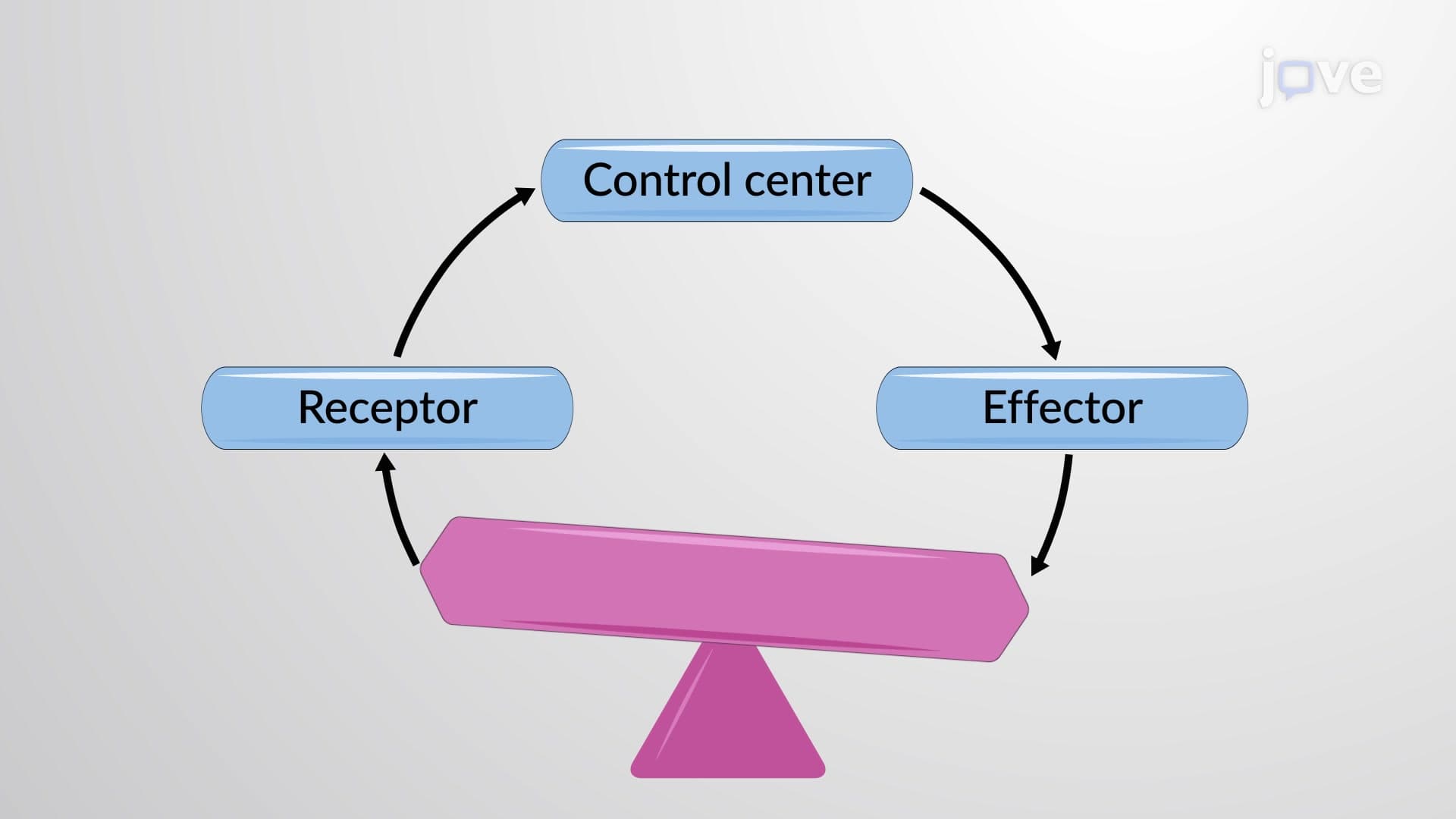
The requirements for human life represent the fundamental biological necessities that maintain homeostasis and enable survival. These requirements form the foundation of human physiology and are critical for understanding how our bodies function in health and disease. Medical professionals, from emergency room physicians to NASA flight surgeons, must understand these requirements to preserve human life in challenging conditions.
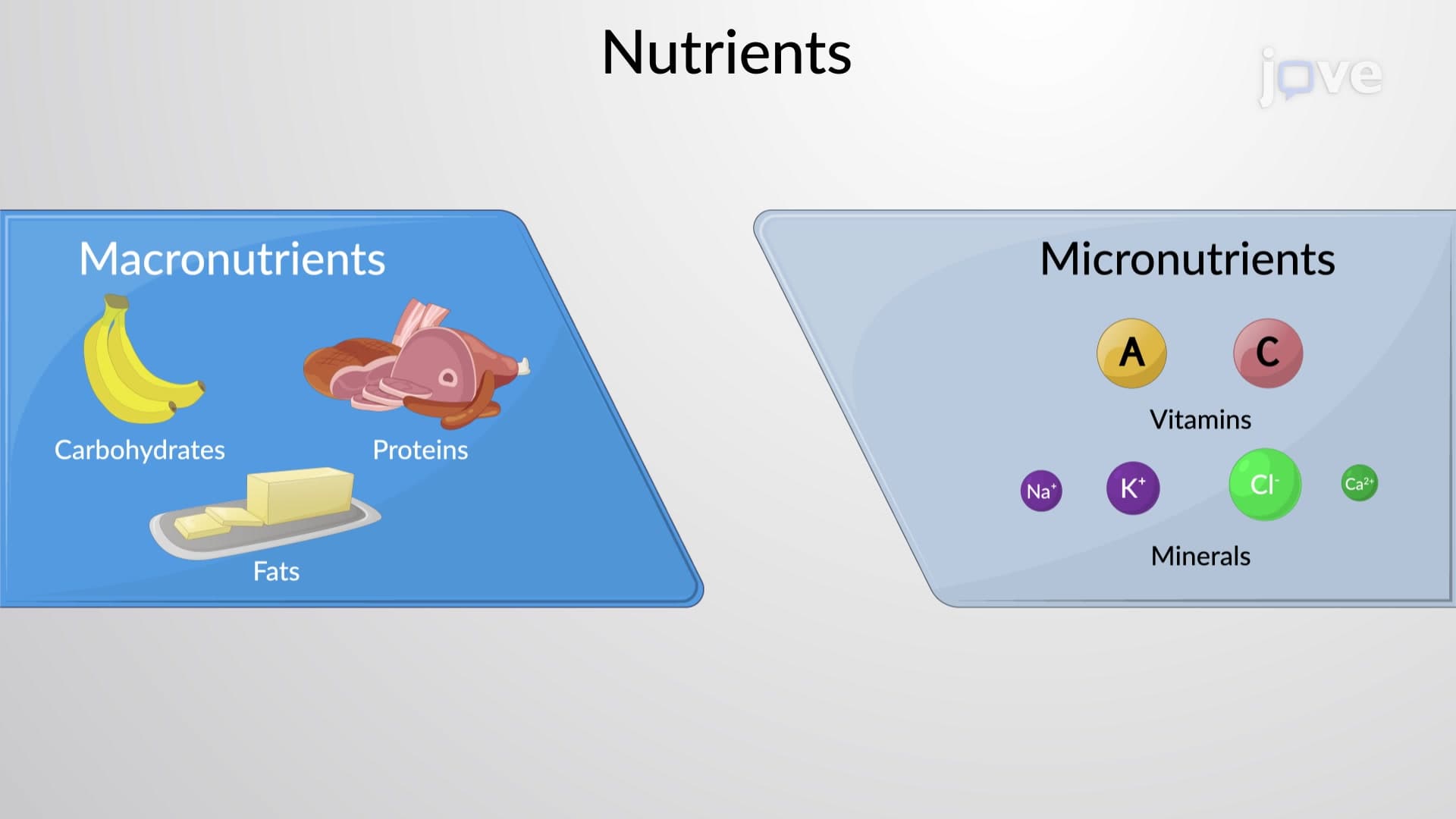
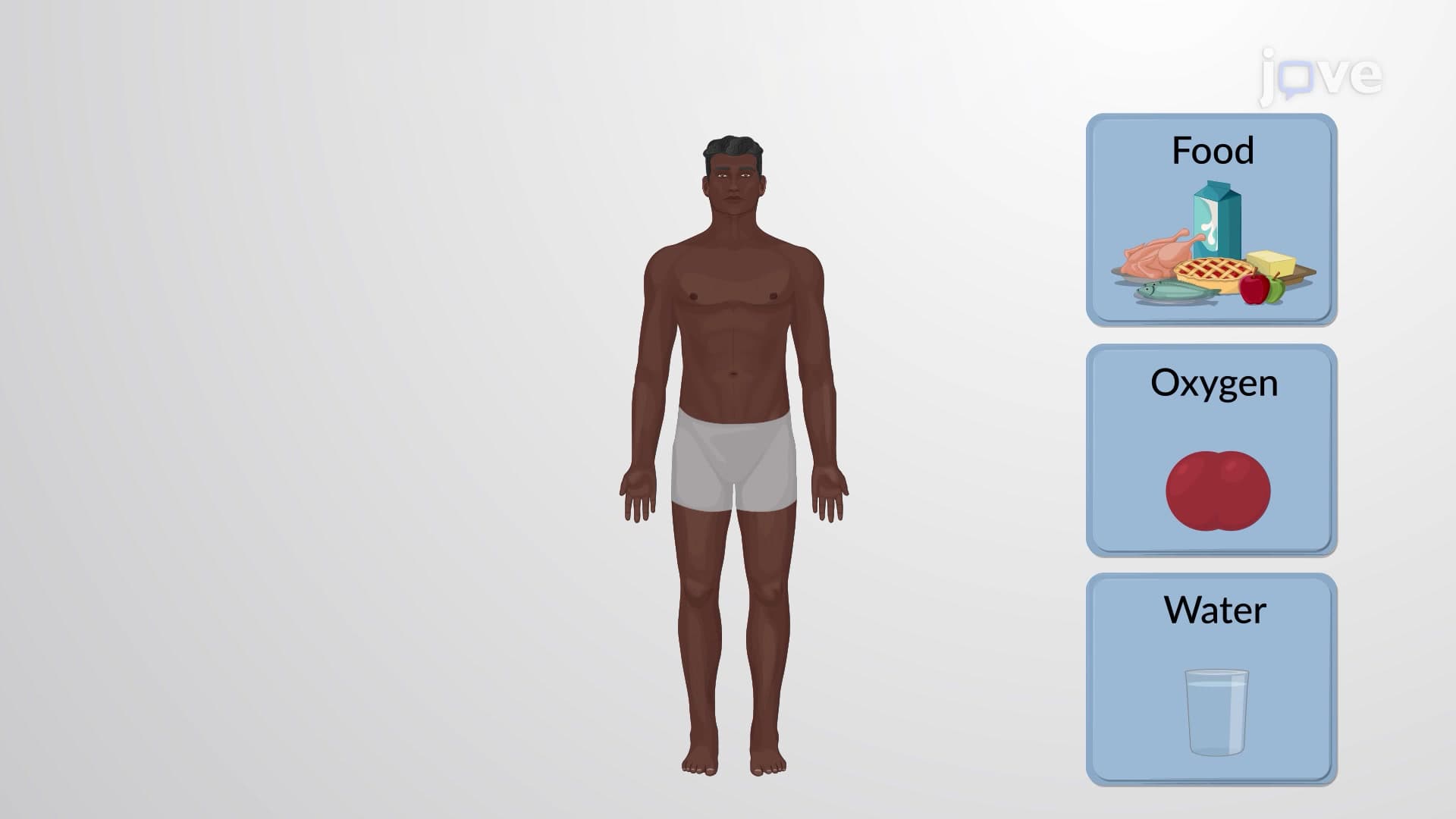
Food provides the building blocks and energy currency for all biological processes. The digestive system breaks down complex foods into five essential nutrient categories. Carbohydrates serve as the primary energy source, with glucose being the preferred fuel for brain cells. The average American consumes about 2,000-2,500 calories daily to meet energy demands. Proteins supply amino acids for tissue repair and enzyme production-critical for growing teenagers and athletes recovering from training. Fats provide concentrated energy storage and support hormone production, particularly important during adolescent development.
Vitamins and minerals act as cofactors in metabolic reactions. For example, iron deficiency anemia affects approximately 5% of American women, demonstrating how nutrient deficiencies directly impact physiological function. Students preparing for AP Biology or college-level anatomy courses should understand how nutrient absorption occurs in the small intestine and how deficiencies manifest clinically.
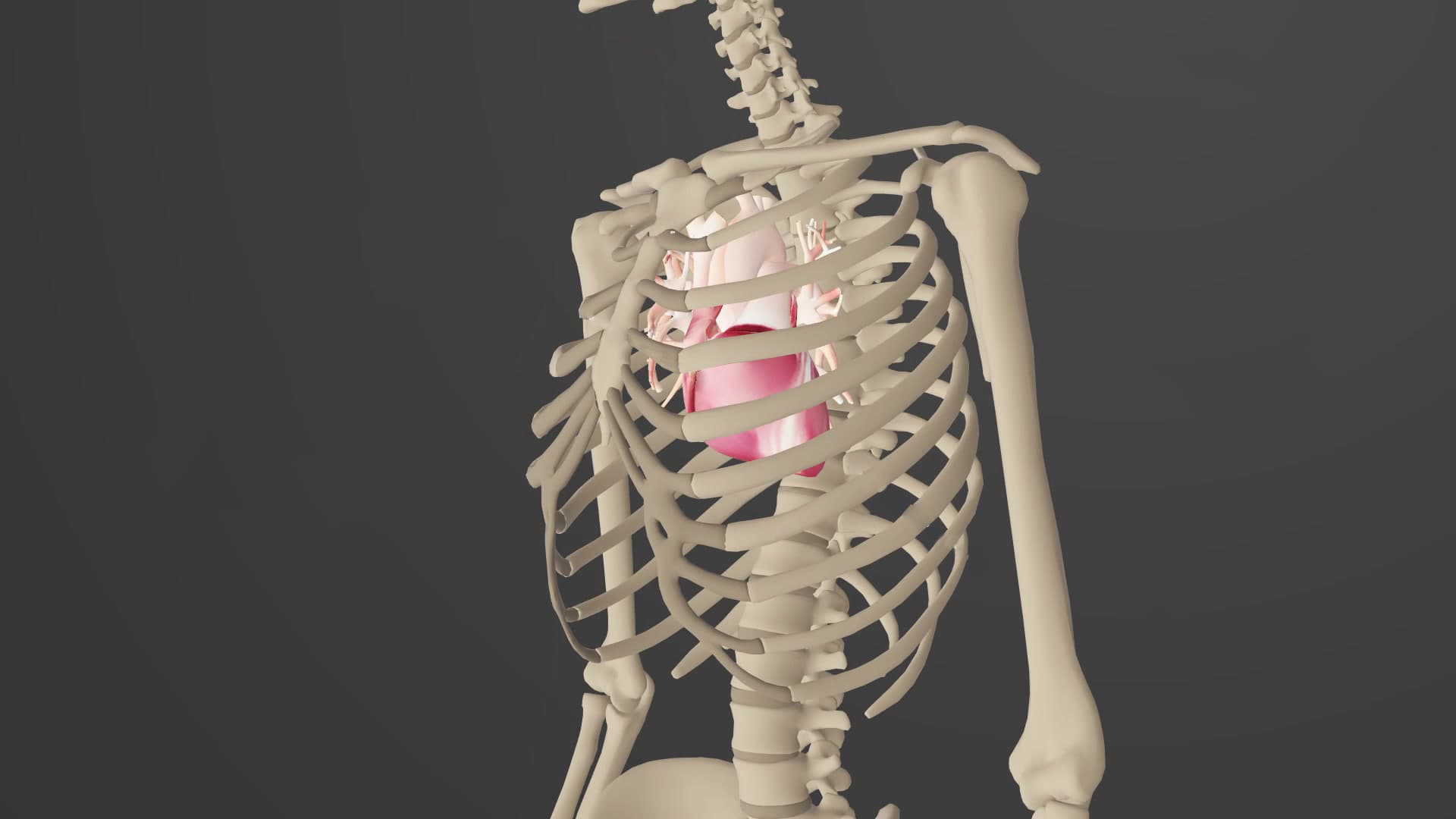
Oxygen enables aerobic cellular respiration, the process that generates ATP (adenosine triphosphate) from glucose. This oxidative process occurs in mitochondria and produces approximately 36-38 ATP molecules per glucose molecule-far more efficient than anaerobic metabolism. Emergency medical technicians understand that brain cells begin dying after 4-6 minutes without oxygen, which is why CPR training emphasizes rapid intervention.
High-altitude environments, like those found in Colorado's Rocky Mountains above 8,000 feet, demonstrate how reduced atmospheric pressure affects oxygen availability. Mountain rescue teams frequently encounter altitude sickness, where decreased oxygen partial pressure impairs normal physiological function.
Water comprises 55-60% of adult body weight and serves multiple physiological roles. It acts as a solvent for biochemical reactions, maintains blood volume for circulation, and enables temperature regulation through sweating. The human body loses approximately 2-3 liters of water daily through respiration, perspiration, and urination.
American military personnel training in desert environments like those at Fort Irwin, California, must carefully monitor hydration status. Dehydration exceeding 2% of body weight significantly impairs cognitive and physical performance-knowledge essential for MCAT preparation and understanding fluid balance disorders.
Human enzymes function optimally within the narrow temperature range of 36-37°C (96.8-98.6°F). This temperature sensitivity explains why fever above 104°F becomes life-threatening, as proteins begin denaturing. Emergency departments across the United States treat hypothermia and hyperthermia cases that demonstrate the critical nature of temperature homeostasis.
Atmospheric pressure maintains gas solubility in blood and tissues. Commercial airline cabins are pressurized to simulate altitudes of 6,000-8,000 feet, preventing decompression sickness that could occur at cruising altitudes of 35,000+ feet.
Related Micro-courses