Loading subject page…

- Anatomy and Physiology
- The Integumentary System
- Accessory Structures of the Skin: Sebaceous Glands
Micro-course: The Integumentary System
87,705 views
Learn key concepts and earn your certificate.




Accessory Structures of the Skin: Sebaceous Glands

00:00
01:21
Video Summary: Accessory Structures Skin Sebaceous Glands Explained
Ever wonder why teenagers at American high schools often struggle with oily skin and acne breakouts? The answer lies in sebaceous gland skin anatomy and how these microscopic oil factories work beneath our skin's surface. These specialized structures, found everywhere except our palms and soles, produce sebum-a complex oily mixture that both protects and sometimes betrays our skin. From the basketball courts of Texas to the cold winters of Minnesota, sebaceous glands help maintain skin barrier function across diverse climates. Watch the full video on JoVE Coach to master this concept with expert-led visuals and step-by-step explanations.
- Understand the complete Accessory Structures Skin Sebaceous Glands Explained framework, including cellular organization, distribution patterns, and secretion mechanisms
- Identify the anatomical location of sebaceous glands within dermal tissue and their relationship to hair follicles throughout the human body
- Analyze the holocrine secretion process and how sebocytes produce and release sebum through cellular rupture mechanisms
- Compare sebaceous follicles versus hair-associated sebaceous glands, understanding their different ductal opening pathways
- Evaluate sebum composition including triglycerides, cholesterol, fatty acids, squalene, and wax esters, and their individual protective functions
- Apply knowledge of sebaceous gland dysfunction to explain common dermatological conditions like acne vulgaris and seborrheic dermatitis
- Recognize the antimicrobial properties of sebum and how hormonal fluctuations affect sebaceous gland activity during adolescence
- Explore the relationship between sebaceous gland overactivity, pore blockage, and inflammatory skin responses in clinical contexts
Sebaceous Gland Skin Anatomy: Structural Organization
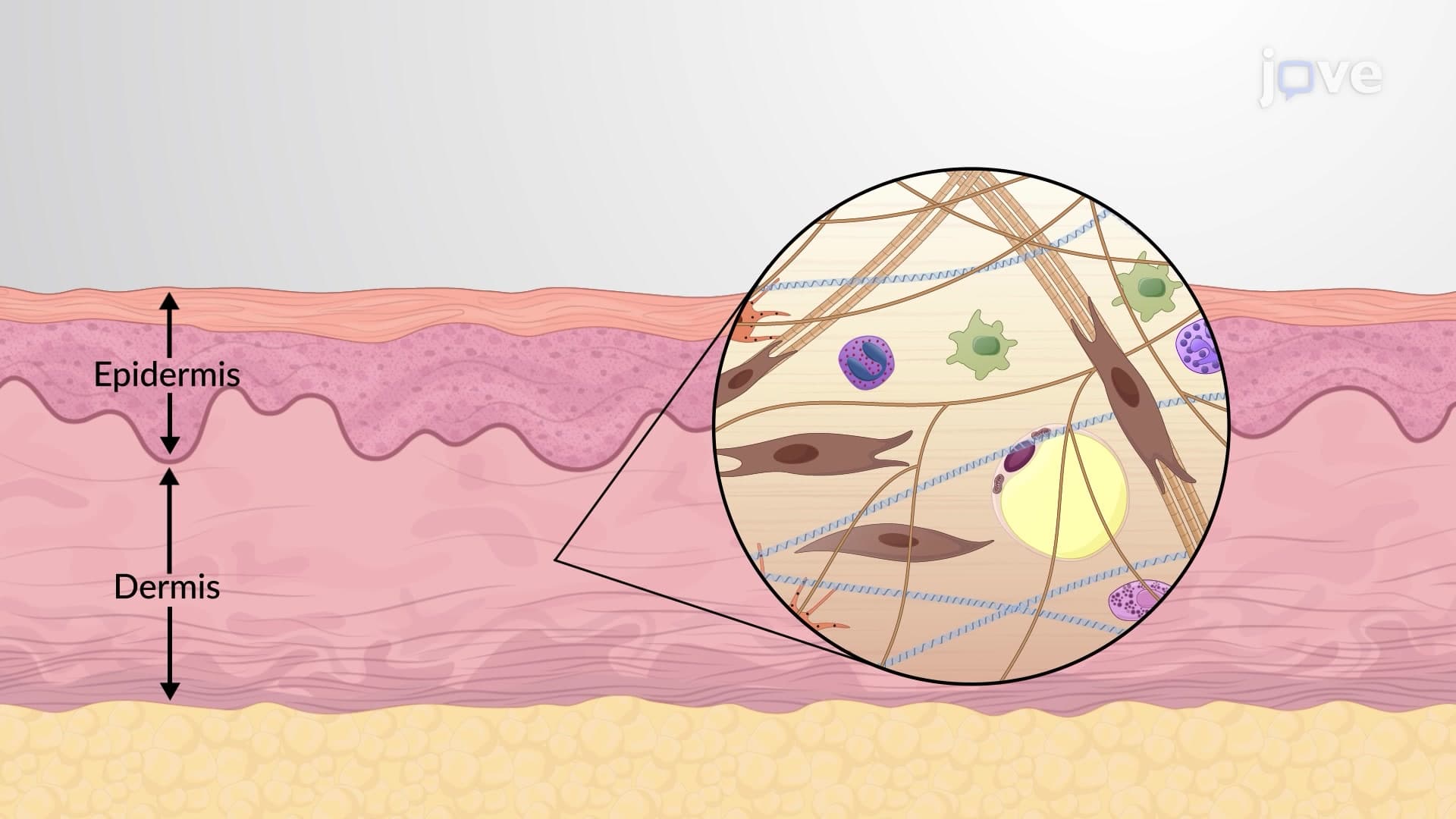
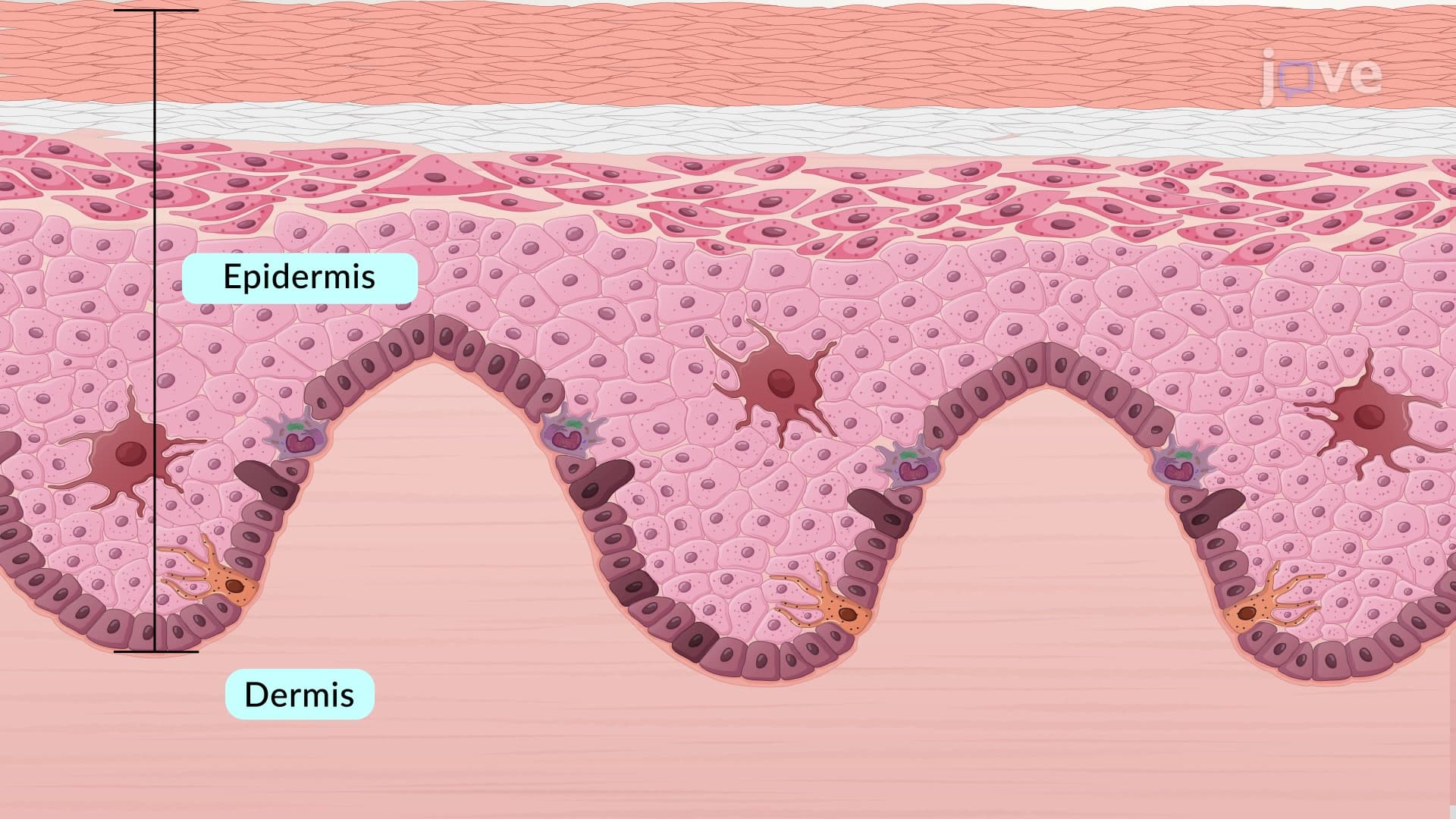
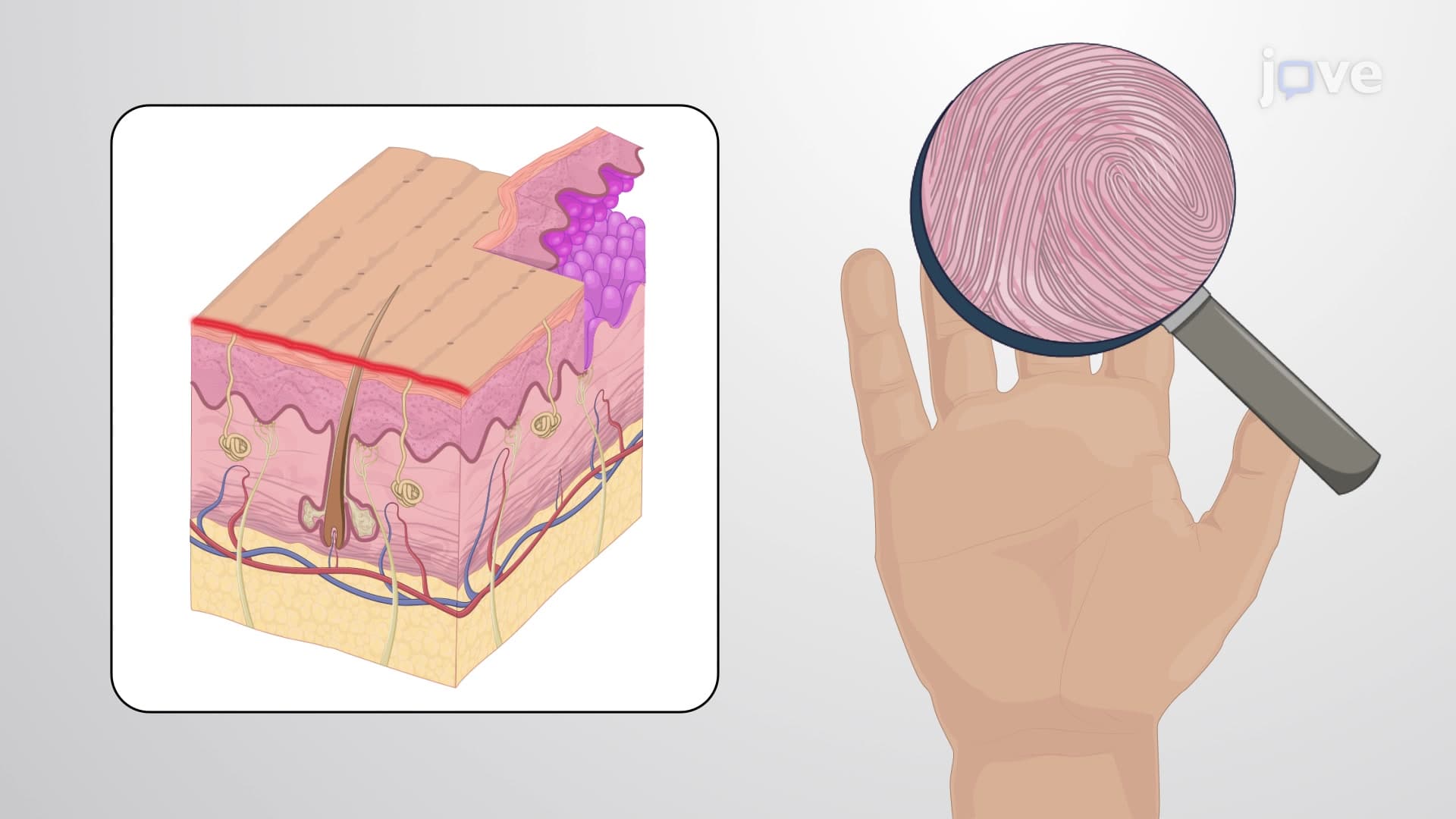
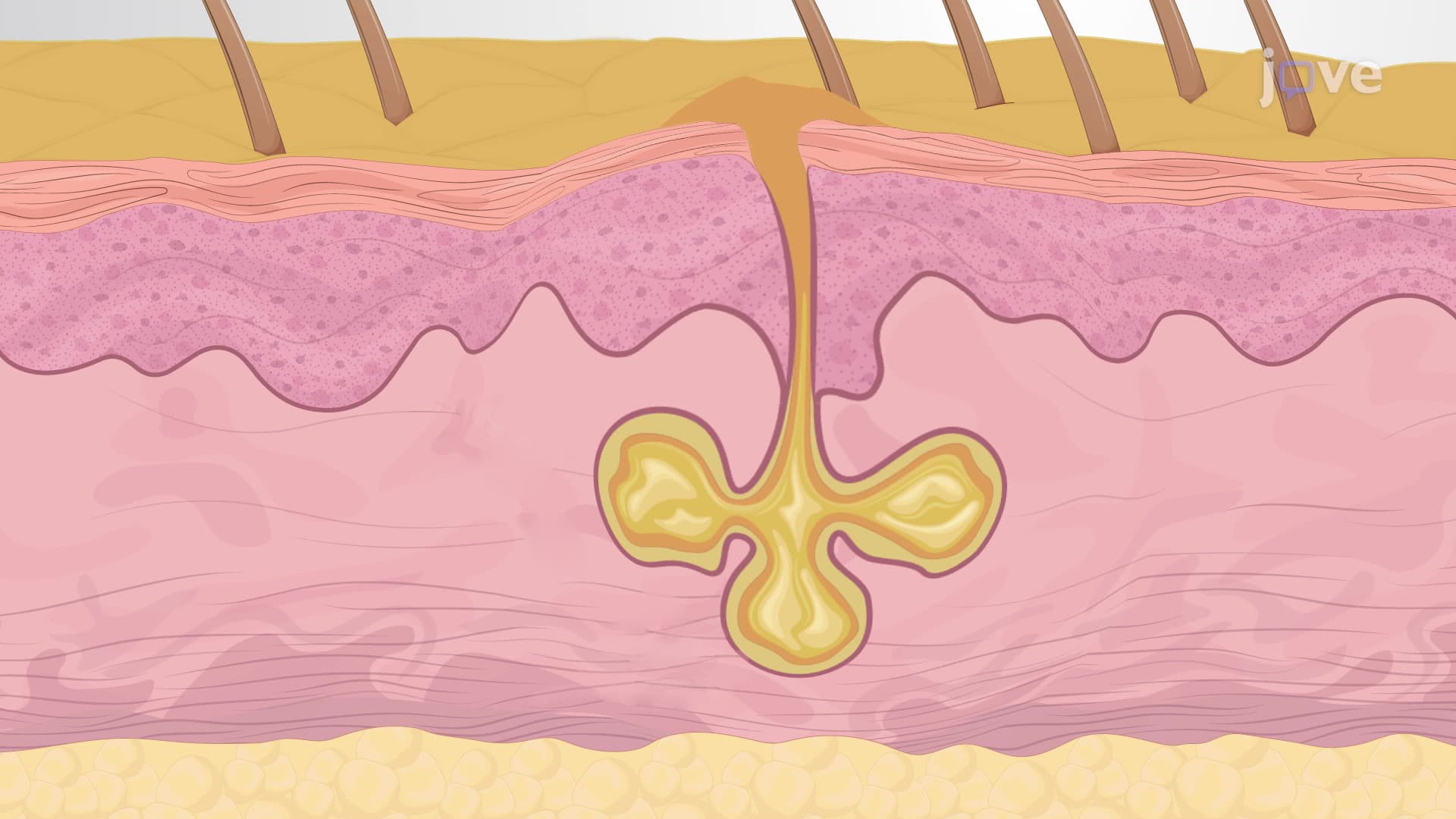
The sebaceous gland skin anatomy represents one of the most clinically significant accessory structures in human integumentary biology. These microscopic glands occupy strategic positions within the dermis, forming complex networks that extend throughout nearly the entire body surface. Unlike sweat glands, sebaceous glands demonstrate selective distribution-notably absent from palms and soles where thick, keratinized skin requires different protective mechanisms.
Each sebaceous gland contains specialized sebocytes arranged in grape-like clusters called acini. These cells undergo a remarkable transformation process where they accumulate lipid-rich granules before ultimately sacrificing themselves to release their contents. This holocrine secretion mechanism distinguishes sebaceous glands from other exocrine structures, making them essential study topics for AP Biology students and pre-med undergraduates preparing for the MCAT.
Skin Sebaceous Gland Function: The Sebum Production Process
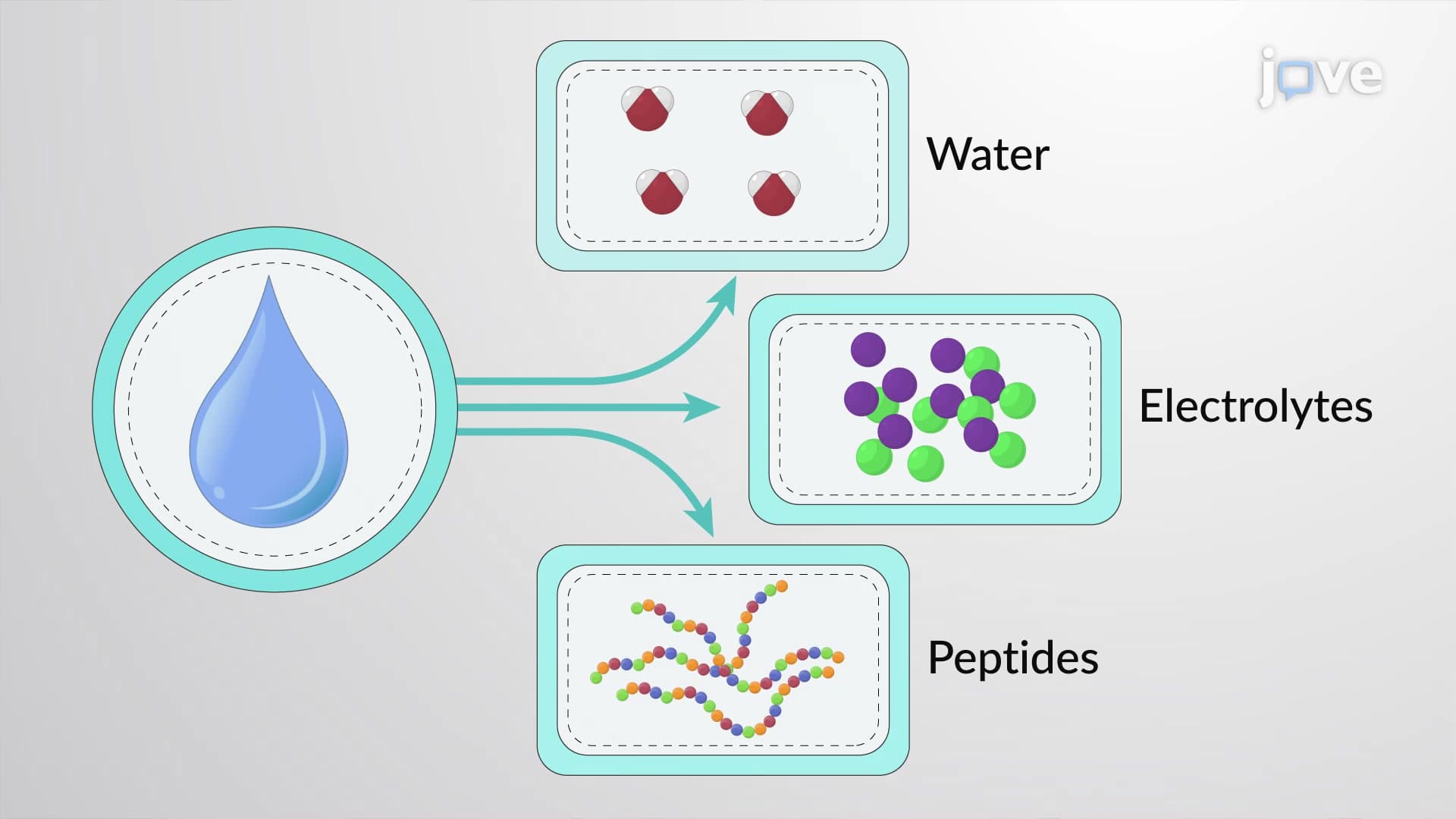
Understanding skin sebaceous gland function requires examining sebum's complex biochemical composition and protective properties. This oily secretion contains approximately 25% wax esters, 41% triglycerides, 16% fatty acids, and smaller percentages of squalene and cholesterol. Each component serves specific protective functions-wax esters provide water-resistant barriers, while fatty acids contribute antimicrobial properties.
The holocrine secretion process begins when sebocytes migrate from the gland's periphery toward central collecting ducts. As these cells mature, they accumulate increasing amounts of lipid droplets, eventually rupturing to release their contents. This cellular sacrifice ensures continuous sebum production, typically yielding 1-2 grams daily across the entire body surface in healthy adults.
Clinical Significance in American Healthcare Settings
Sebaceous gland dysfunction represents a primary concern in American dermatology practices, affecting approximately 85% of teenagers and 25% of adults. Major medical centers like Mayo Clinic and Johns Hopkins regularly treat sebaceous gland-related conditions, from mild comedonal acne to severe cystic presentations requiring systemic intervention.
Hormonal fluctuations, particularly during puberty, pregnancy, and menstrual cycles, significantly influence sebaceous gland activity. Androgens like testosterone stimulate sebocyte proliferation and increase sebum production, explaining why acne prevalence peaks during adolescence. Understanding these mechanisms proves crucial for students pursuing healthcare careers, particularly those preparing for NCLEX-RN examinations or medical school prerequisites.
Integration with Other Skin Structures
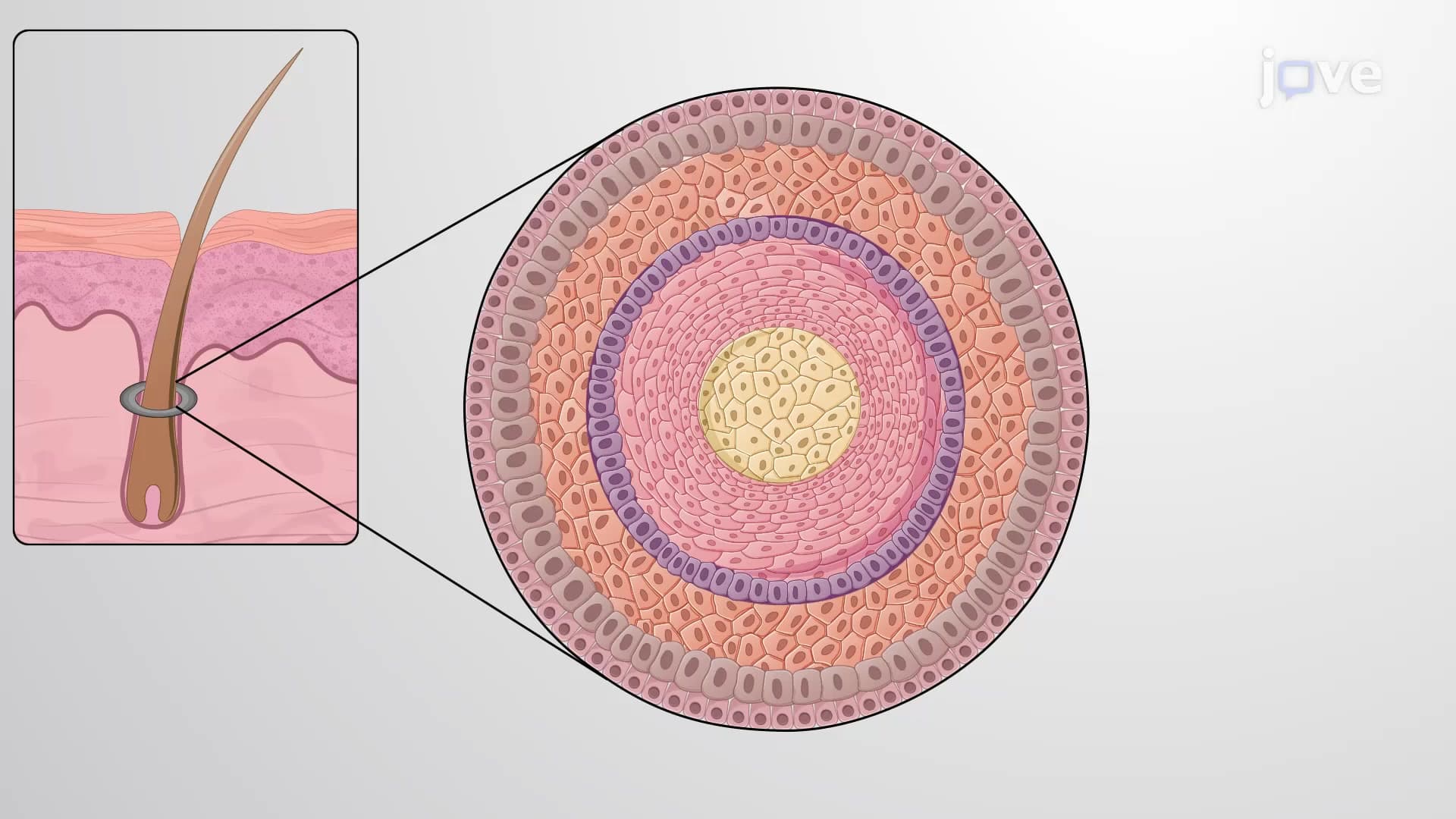
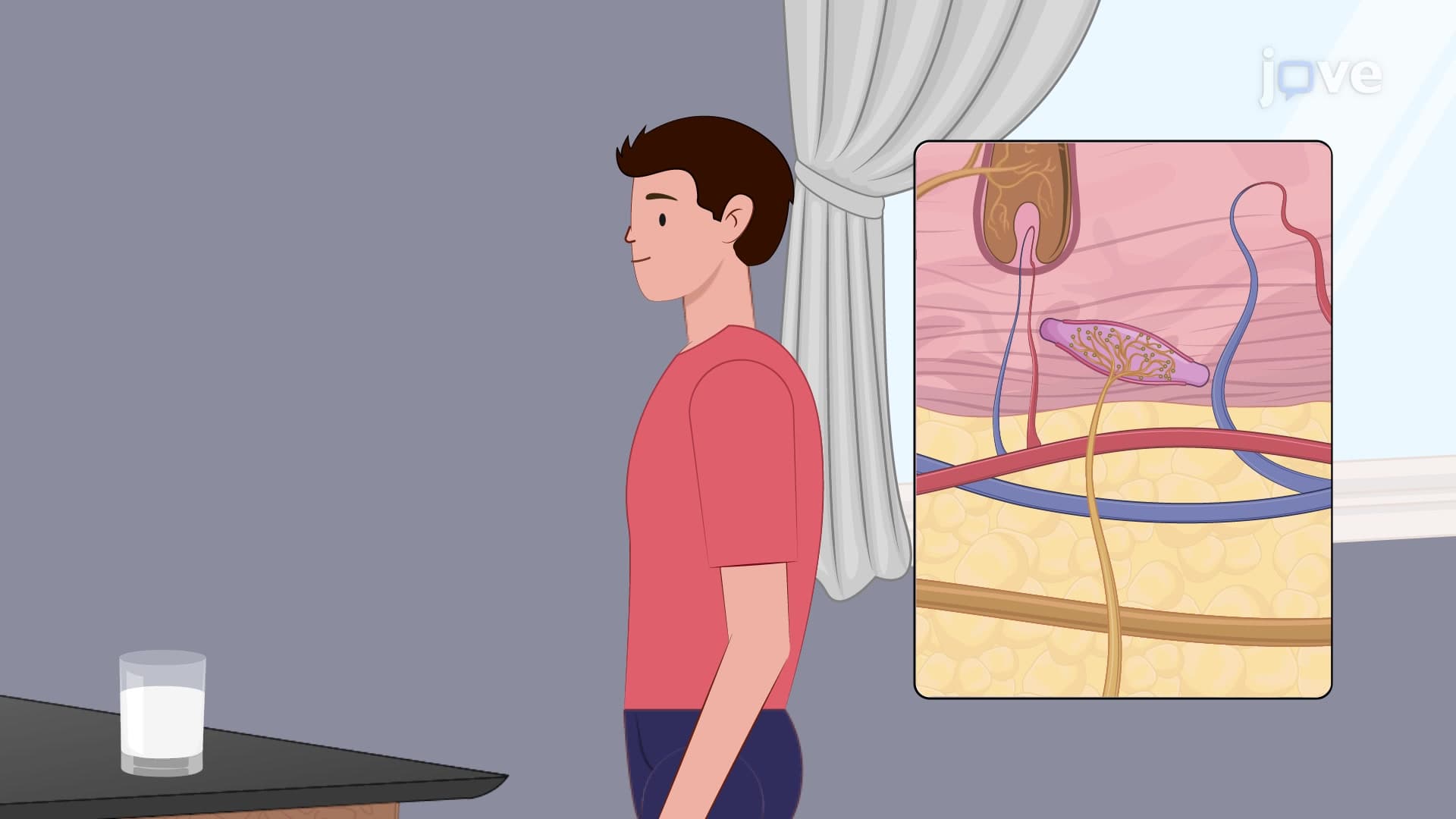
Sebaceous glands demonstrate intimate anatomical relationships with hair follicles and surrounding dermal components. Most sebaceous glands connect directly to hair follicle infundibula, releasing sebum onto hair shafts before spreading across skin surfaces. However, specialized sebaceous follicles-particularly prominent on facial skin-open directly through dedicated ducts, bypassing hair follicle associations entirely.
This structural variation explains regional differences in sebum distribution and acne susceptibility patterns commonly observed in clinical practice across American dermatology clinics.
Frequently Asked Questions
Sebaceous glands are specialized oil-producing structures located within the dermis throughout most of your body, except palms and soles. They consist of sebocyte cells arranged in grape-like clusters that produce sebum through a unique cellular rupture process. Most connect to hair follicles, but some larger ones called sebaceous follicles open directly onto the skin surface through dedicated ducts.
MCAT questions often focus on holocrine secretion mechanisms, sebum composition, and hormonal regulation of sebaceous glands. You'll need to understand how sebocytes rupture to release their contents, distinguish between sebaceous and other gland types, and explain how androgens increase sebaceous activity. Practice identifying sebaceous gland structures in histological images and understanding their role in skin barrier function.
AP Biology emphasizes sebaceous glands as examples of specialized cell differentiation and holocrine secretion. Focus on understanding how sebocytes transform from stem cells to lipid-filled mature cells that ultimately rupture. You should be able to explain the relationship between cellular structure and function, plus how feedback mechanisms regulate sebum production in response to hormonal changes.
College anatomy courses emphasize sebaceous glands because they demonstrate key principles of tissue organization, cellular specialization, and structure-function relationships. Understanding sebaceous gland histology helps students recognize similar patterns in other exocrine glands and appreciate how microscopic structures contribute to organ-level functions. This knowledge proves essential for students pursuing healthcare careers or advanced biological sciences.
Sebaceous glands significantly impact teenagers through increased oil production during puberty, leading to acne breakouts that affect approximately 85% of American high school students. Hormonal changes stimulate these glands to produce excess sebum, which can clog pores and create inflammatory responses. Understanding this process helps teenagers make informed decisions about skincare routines and recognize when professional dermatological treatment might be necessary.
Basic high school chemistry knowledge is sufficient for understanding sebaceous gland function at the introductory level. You should be familiar with lipids, particularly triglycerides and fatty acids, but detailed biochemical pathways aren't necessary initially. Focus on understanding that sebum contains various oily molecules that protect and lubricate skin, with antimicrobial properties that help prevent infections.
Create visual diagrams showing sebaceous gland location, structure, and relationship to hair follicles, then practice drawing the holocrine secretion process step-by-step. Use mnemonics for sebum components and make flashcards connecting sebaceous gland dysfunction to specific skin conditions. Focus on understanding cause-and-effect relationships rather than memorizing isolated facts, and practice explaining concepts in your own words.
After understanding sebaceous glands, explore other skin accessory structures like sweat glands, hair follicles, and nails to see how they work together in the integumentary system. Study hormonal regulation of skin function, particularly how androgens affect various skin structures during different life stages. Consider learning about common dermatological conditions and how they relate to accessory structure dysfunction.
Sebaceous glands demonstrate important connections to the endocrine system through hormonal regulation, the immune system through antimicrobial sebum components, and the nervous system through stress-related activity changes. Understanding these connections helps you see how the integumentary system integrates with other body systems, a key concept for comprehensive anatomy and physiology understanding.
Related Micro-courses

19 Concepts

11 Concepts
6 Concepts