Loading subject page…


37,300 views

Video Summary: What Is Articulations Vertebral Column
Ever wonder why football players can turn their heads to scan the field while keeping their bodies forward? Vertebral column articulations make this possible through a sophisticated system of joints connecting your 33 vertebrae. From enabling a gymnast's backbend at the 2024 US Olympic trials to allowing basic head nodding, spine joint articulations anatomy involves multiple specialized connections including intervertebral discs, facet joints, and the unique atlantoaxial pivot that lets you shake your head "no." Watch the full video on JoVE Coach to master this concept with expert-led visuals and step-by-step explanations.
The human spine represents one of anatomy's most sophisticated joint systems, where vertebral column articulations create a perfect balance between stability and mobility. Unlike a rigid rod, your spine functions as a flexible column through carefully orchestrated connections between 24 moveable vertebrae plus the fused sacrum and coccyx. These articulations enable everything from a baseball pitcher's wind-up to a student leaning over their desk during AP Biology exams.
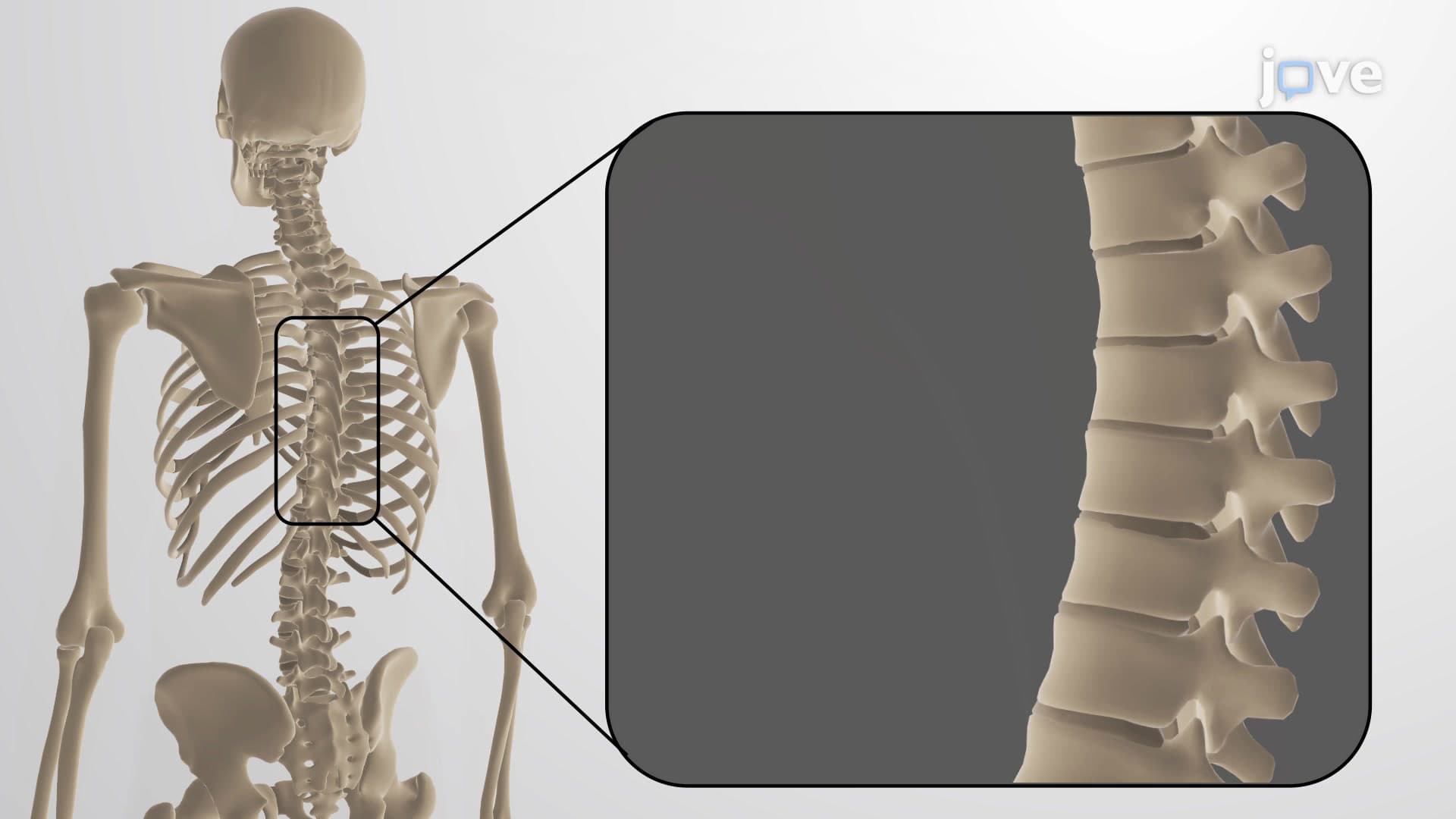
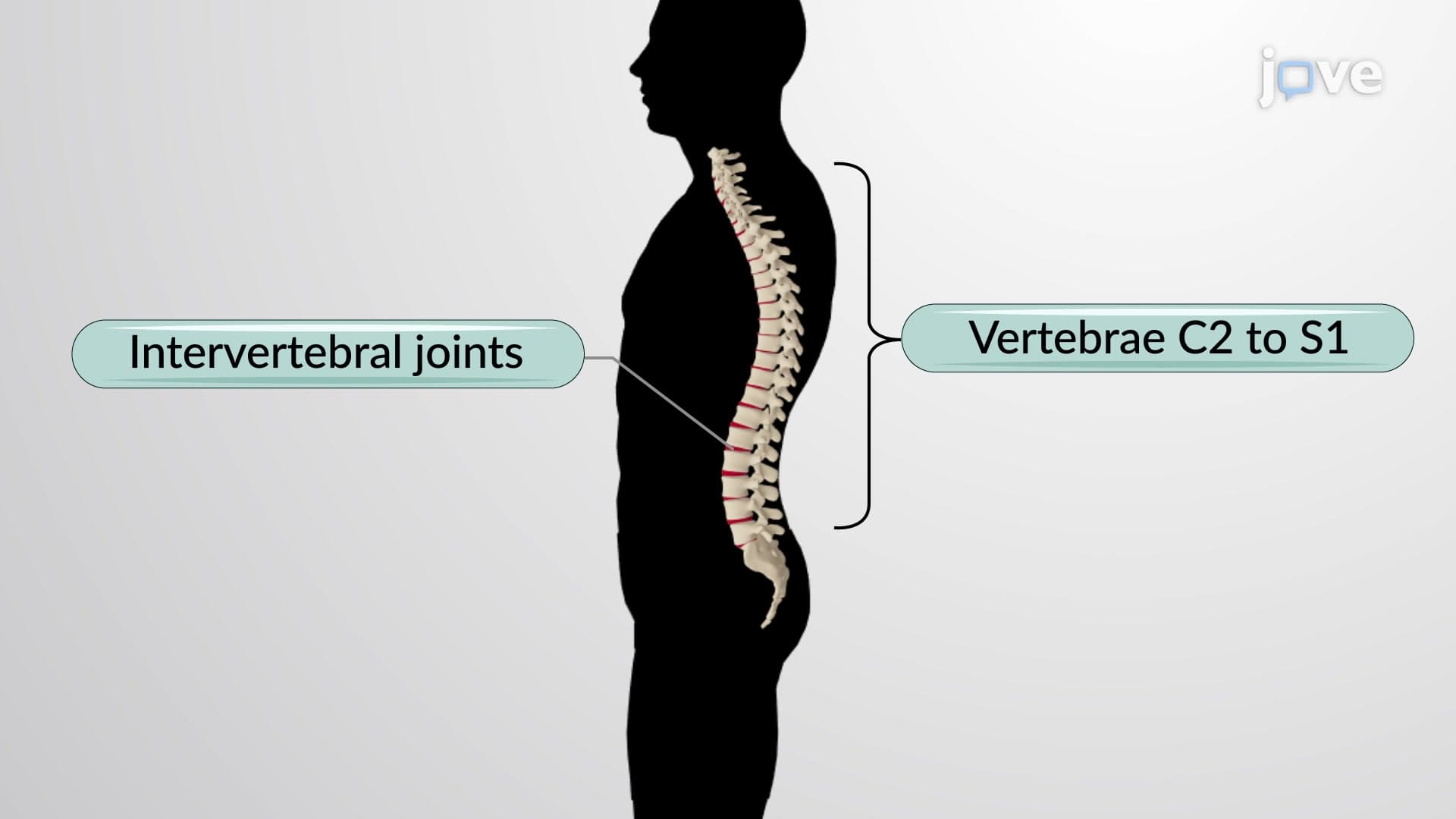
Intervertebral disc joints form the primary weight-bearing connections between adjacent vertebral bodies from C2 through L5. These symphysis joints utilize fibrocartilaginous discs that act like biological shock absorbers. Each disc contains a gel-like nucleus pulposus surrounded by the fibrous annulus fibrosus, creating a structure that can compress, expand, and slightly deform during movement. This design explains why astronauts grow taller in space-reduced gravity allows discs to expand without Earth's constant compression.
For students preparing for the MCAT or advanced anatomy courses, understanding disc biomechanics proves crucial. These joints permit approximately 2-3 degrees of movement between adjacent vertebrae, but when combined across the entire spine, they enable significant flexion, extension, and lateral bending. The disc's water content changes throughout the day, which is why people are typically 1-2 centimeters taller in the morning than evening.
Facet zygapophysial joints represent the spine's steering mechanism, determining which movements are possible in each spinal region. These synovial plane joints connect the superior articular processes of one vertebra with the inferior processes of the vertebra above. The orientation of these joints varies dramatically by spinal region, creating distinct movement patterns that appear frequently on anatomy practicals and USMLE Step 1 examinations.
In the cervical spine, facet joints are oriented approximately 45 degrees to the horizontal plane, permitting extensive rotation-essential for activities like checking blind spots while driving. Thoracic facets align more vertically, restricting rotation but allowing flexion and extension. Lumbar facets face primarily medially, optimizing for flexion and extension while limiting rotation to protect against injury during heavy lifting.
The atlantoaxial joint articulation represents spinal engineering at its finest. This unique pivot joint between C1 and C2 provides approximately 50% of total cervical rotation through the odontoid process (dens) acting as a central pivot. Meanwhile, the atlantooccipital joint enables the nodding motion essential for non-verbal communication.
Costovertebral joint thoracic connections demonstrate how vertebral articulations extend beyond the spine itself. These joints between thoracic vertebrae and ribs create the mechanical foundation for breathing, allowing ribs to elevate during inspiration while maintaining structural integrity during activities like singing in school choir or playing wind instruments.
Related Micro-courses