Loading video…


 10 Concepts
 37.3K views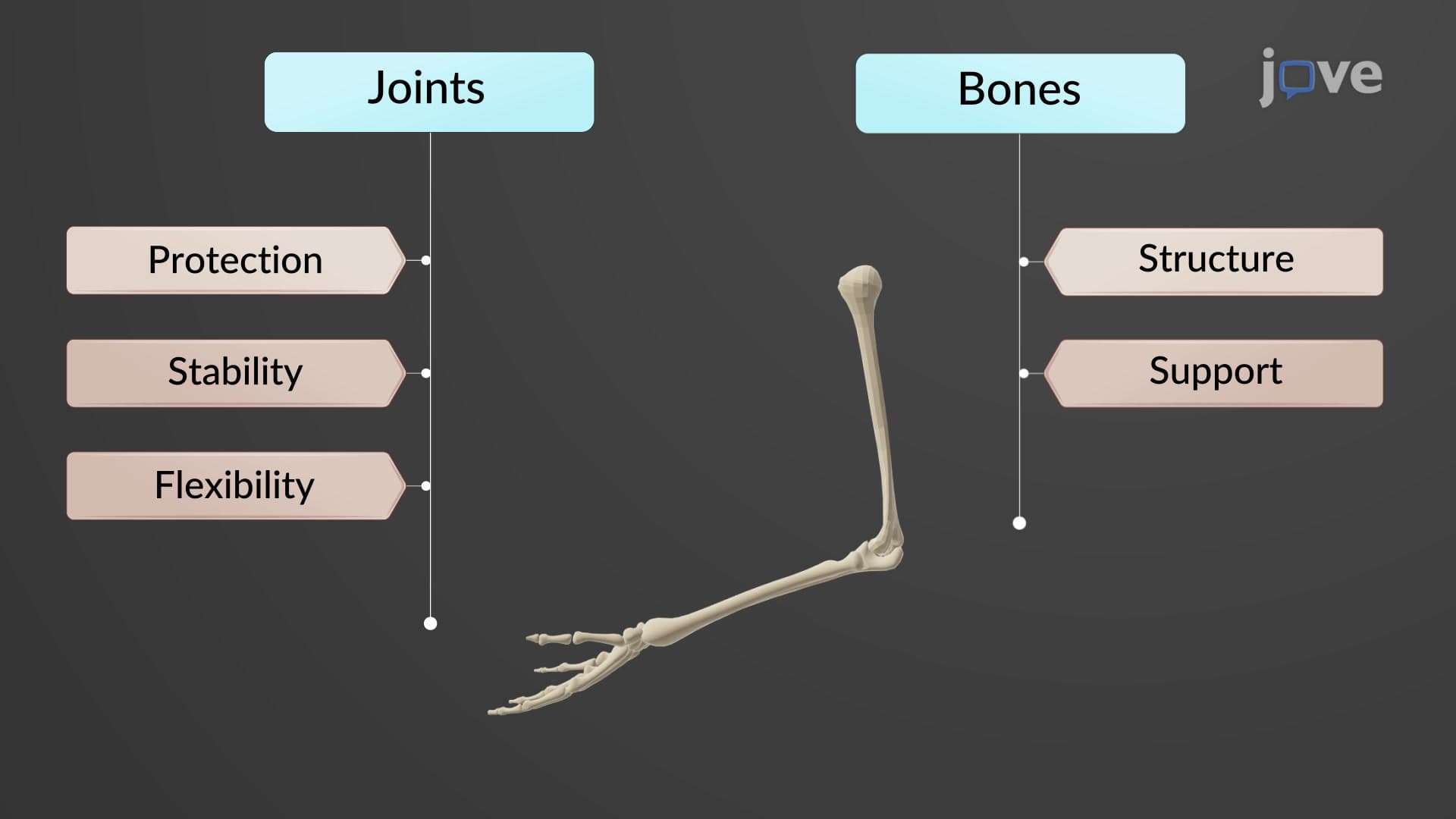

Video Summary: Introduction to Joints Structure Classification and Function
Did you know that when an NFL quarterback throws a touchdown pass, over 30 different joints introduction anatomy concepts work together to make that motion possible? From the shoulder's ball-and-socket design to the elbow's hinge mechanism, understanding the Introduction to Joints: Structure, Classification, and Function reveals how our skeletal system balances stability with mobility. These articulation points determine whether bones protect vital organs or enable complex movements. Watch the full video on JoVE Coach to master this concept with expert-led visuals and step-by-step explanations.
The human body contains approximately 360 joints, each engineered for specific biomechanical functions. These joint anatomy basics explained through two primary classification systems that healthcare professionals use to diagnose and treat musculoskeletal disorders. Understanding these systems is crucial for students preparing for the MCAT, nursing entrance exams like the HESI A2, and undergraduate anatomy courses.
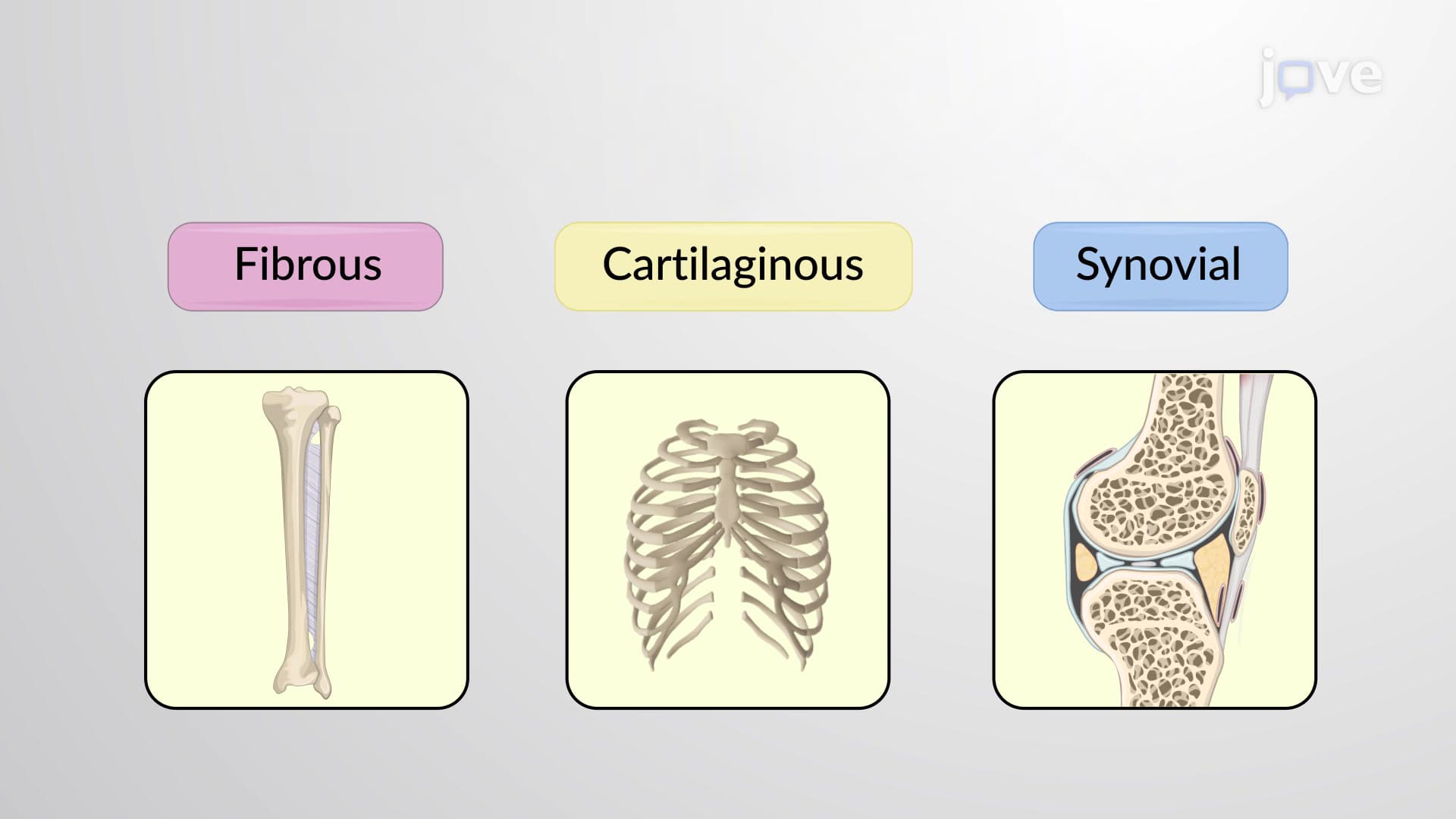
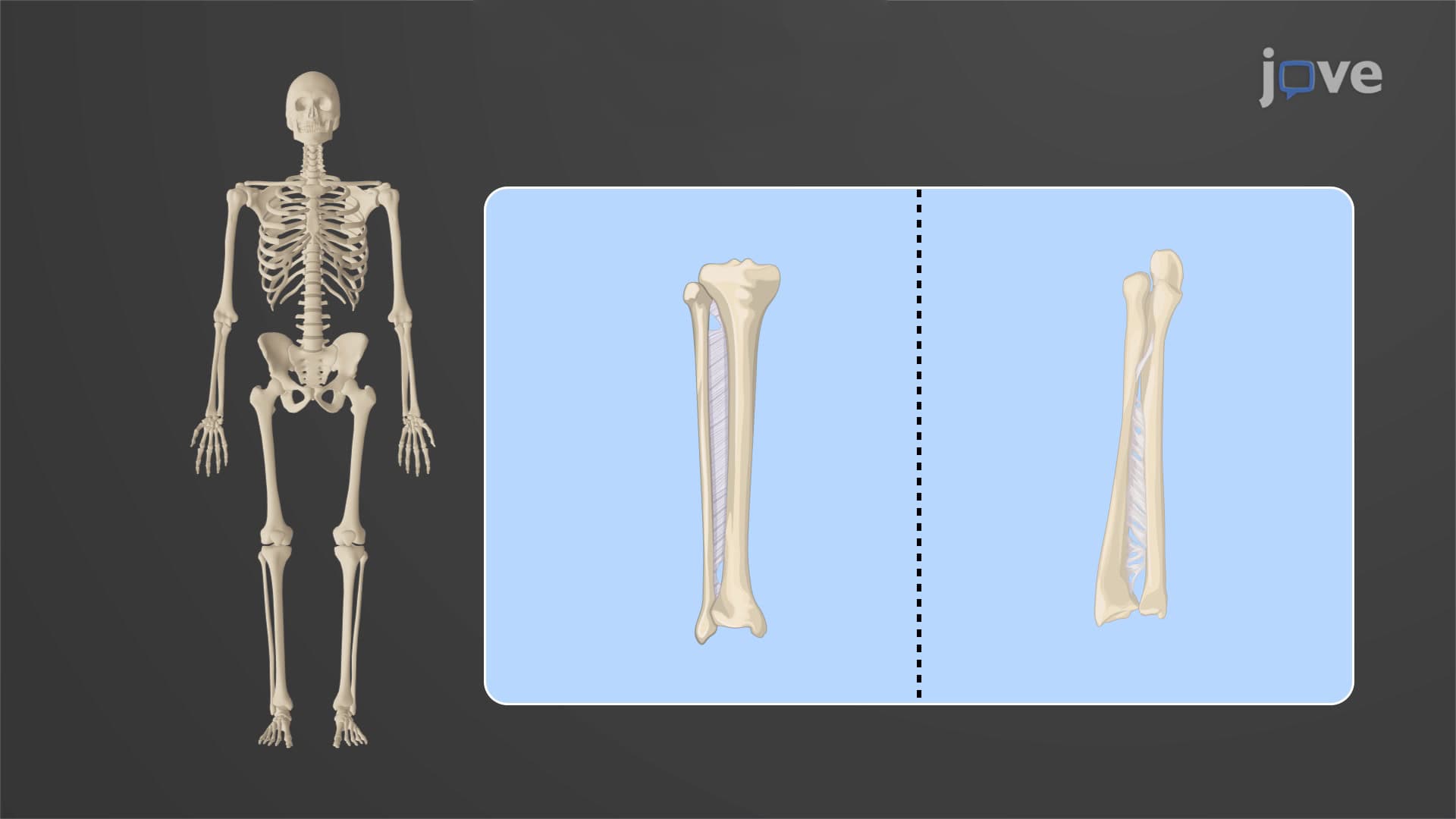
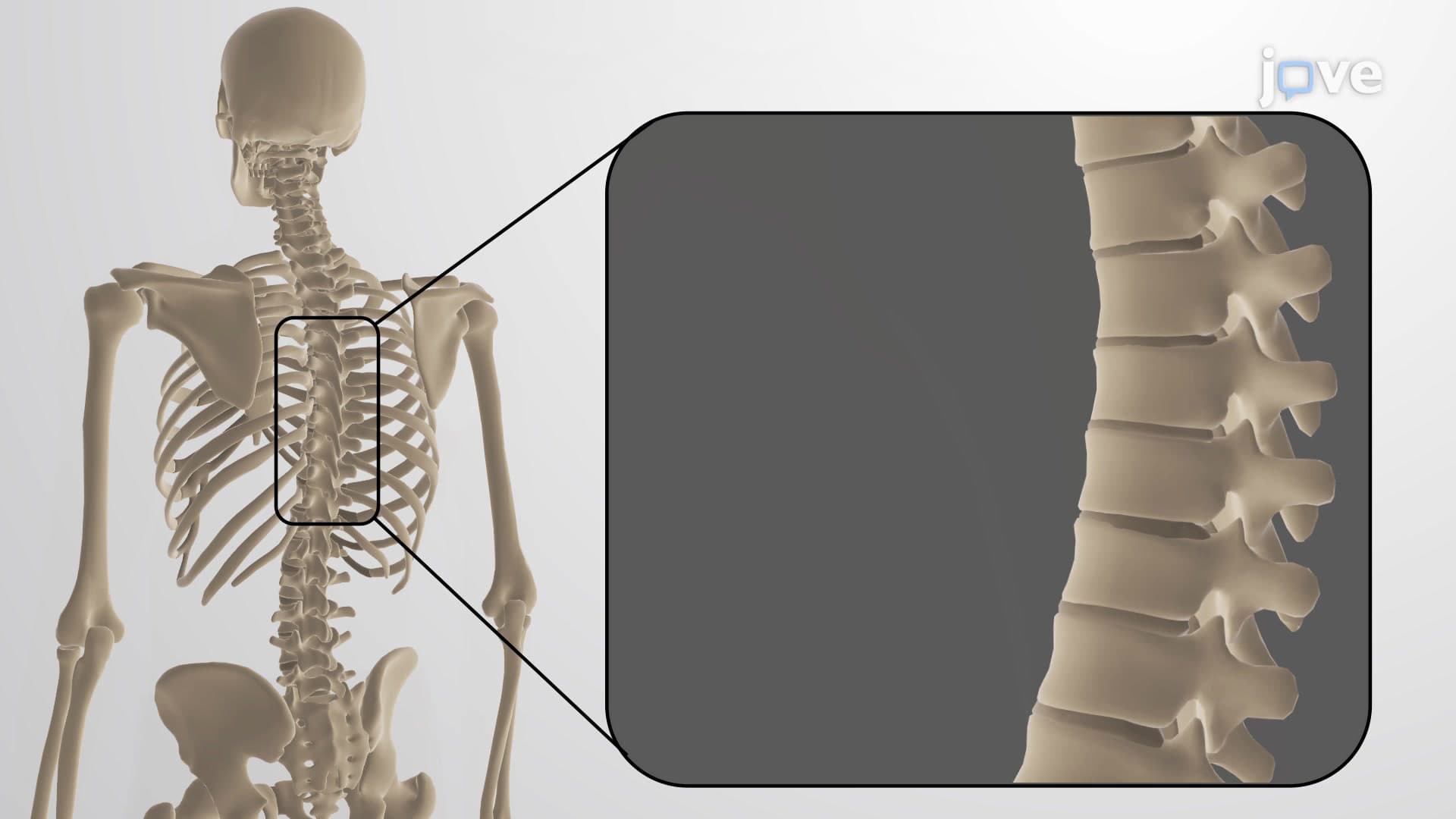
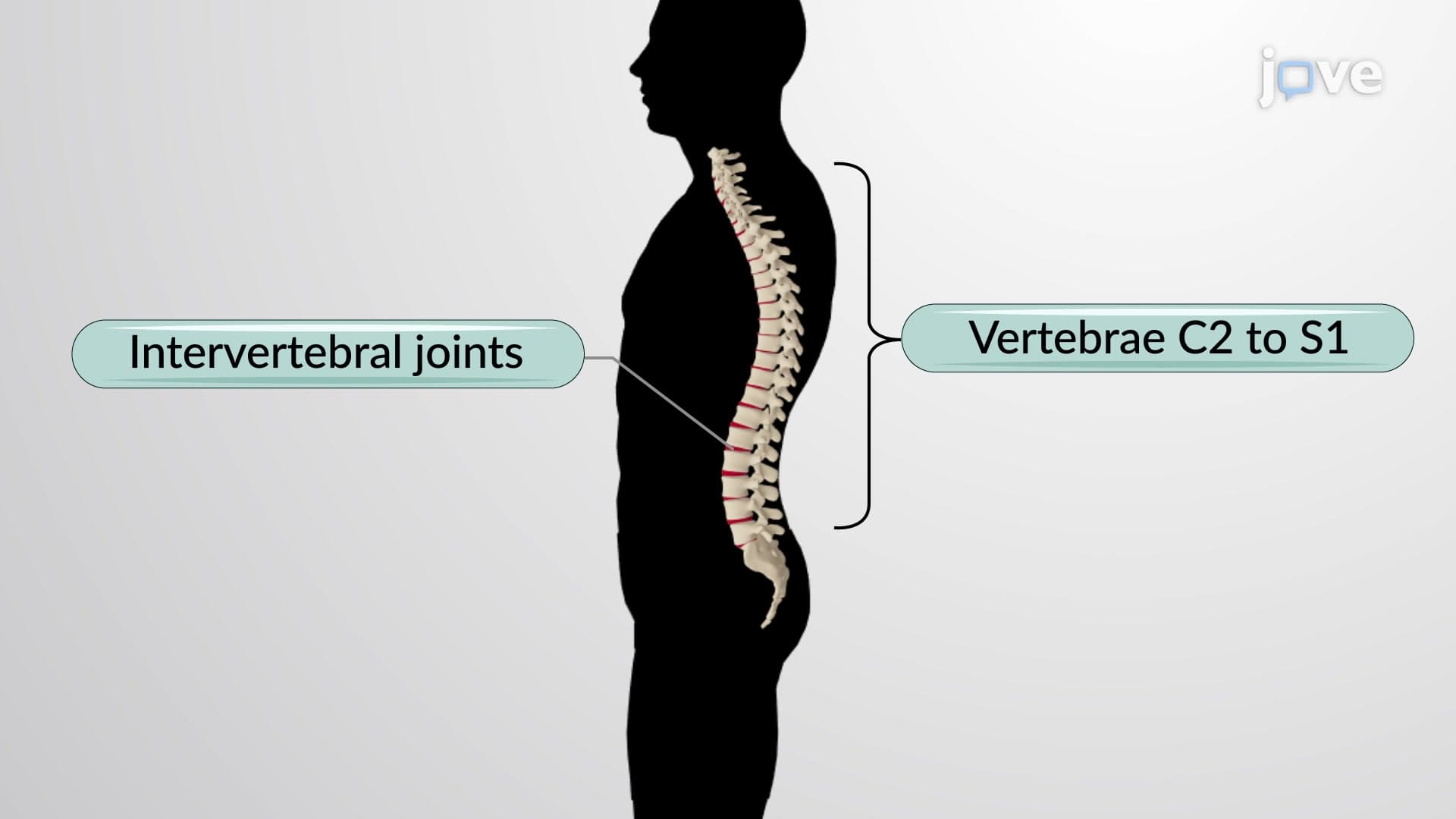
Structural classification focuses on what is an introduction to joints structure classification function by examining the materials that bind bones together. Fibrous joints, found in the skull's sutures, use dense connective tissue to create immovable connections that protect the brain during impacts-critical knowledge for sports medicine and emergency medicine. Cartilaginous joints, like those between vertebrae, employ cartilage to allow slight movement while maintaining spinal stability during activities like weightlifting or gymnastics.
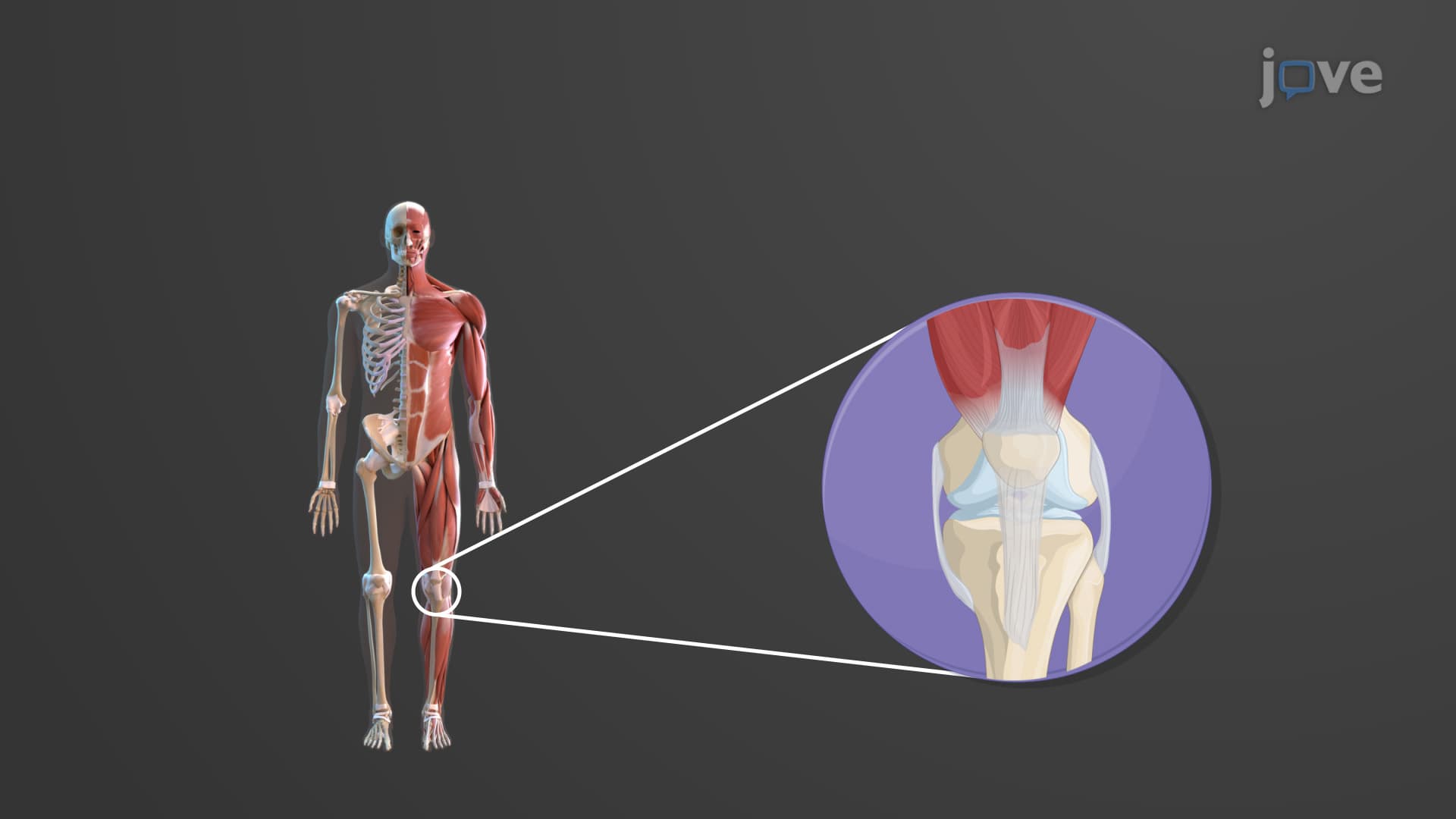
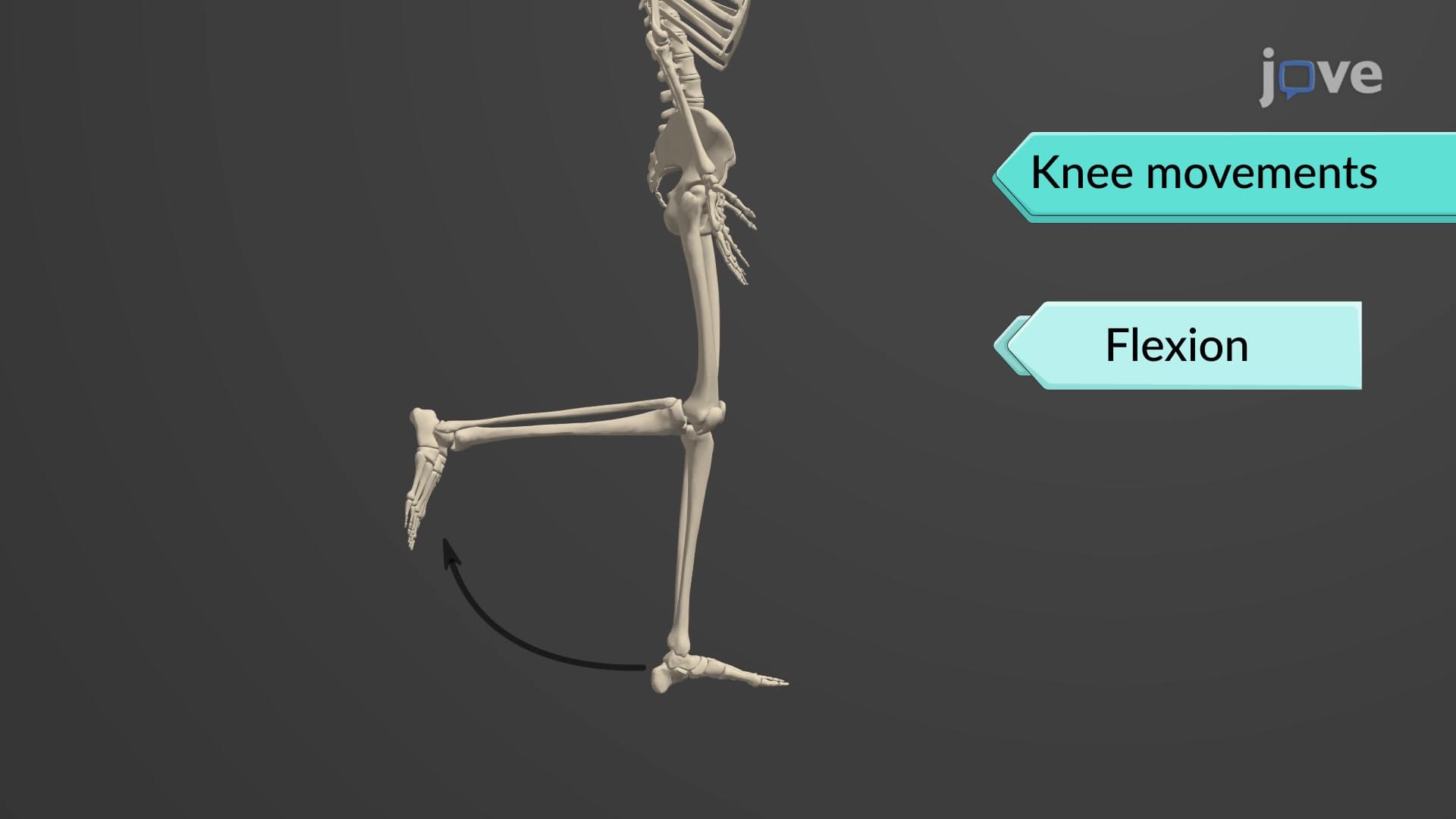
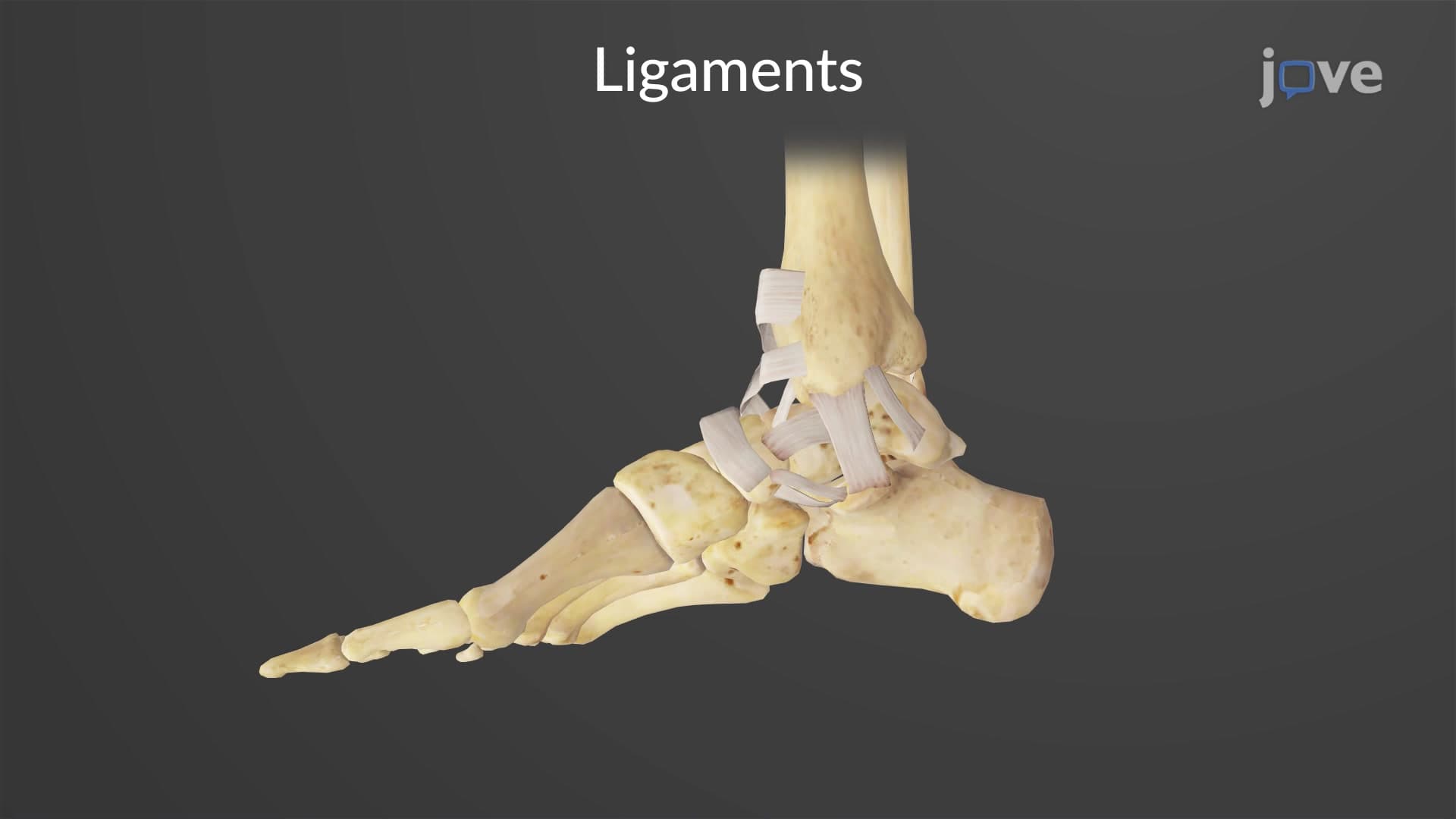
Synovial joints represent the most complex category, featuring joint cavity synovial fluid that reduces friction to near-zero levels. The knee joint, America's most frequently injured joint in sports, exemplifies this design with its intricate capsule, ligaments, and menisci working together to support body weight while enabling running and jumping motions.
The functional system categorizes joints by their movement capacity, directly correlating with their structural functional joint class characteristics. Synarthroses (immovable joints) include cranial sutures that fuse completely by age 30, while amphiarthroses (slightly movable joints) like the pubic symphysis expand during childbirth-a concept frequently tested on nursing exams.
Diarthroses (freely movable joints) dominate the appendicular skeleton and include six subtypes: ball-and-socket (shoulder, hip), hinge (elbow, knee), pivot (atlantoaxial), condyloid (wrist), saddle (thumb), and gliding (intercarpal). Each subtype appears regularly on AP Biology exams and medical school assessments.
This joint anatomy function overview connects directly to pathology understanding. Rheumatoid arthritis affects synovial joints systematically, while osteoarthritis typically impacts weight-bearing joints like knees and hips. Students encounter these conditions in case studies throughout pre-med and nursing programs, making joint classification knowledge essential for clinical reasoning and USMLE Step 1 preparation.
Related Micro-courses