Loading subject page…

- Biology
- Cell Cycle and Division
- Genomic DNA in Eukaryotes
Micro-course: Cell Cycle and Division
1,031,803 views
Learn key concepts and earn your certificate.

Genomic DNA in Eukaryotes

00:00
00:58
Video Summary: What Is Genomic DNA in Eukaryotes
Did you know that if you stretched out all the DNA in just one human cell, it would reach about 6 feet long? Yet this massive amount of genomic DNA in eukaryotes fits perfectly inside a cell nucleus that's only about 10 micrometers wide. Understanding what is genomic DNA in eukaryotes reveals an incredible biological engineering feat-how cells organize approximately 3 billion base pairs of genetic information through sophisticated packaging systems. From medical research at Johns Hopkins to genetic testing at companies like 23andMe, this DNA organization is fundamental to all eukaryotic life. Watch the full video on JoVE Coach to master this concept with expert-led visuals and step-by-step explanations.
- Understand what is genomic DNA in eukaryotes and how it differs from prokaryotic DNA organization in terms of nuclear compartmentalization and packaging complexity
- Identify the hierarchical levels of DNA packaging, from nucleosomes to chromatin fibers to fully condensed chromosomes during cell division
- Analyze the role of histone proteins in DNA compaction and how nucleosomes function as the basic repeating units of chromosome structure
- Compare the "beads on a string" appearance of loosely packed chromatin to the highly condensed metaphase chromosomes visible during mitosis
- Evaluate how chromatin structure changes throughout the cell cycle and impacts gene accessibility for transcription and replication
- Apply knowledge of DNA packaging to understand genetic disorders caused by chromatin remodeling defects and epigenetic modifications
- Recognize the relationship between chromosome condensation levels and cellular processes like DNA repair, transcription, and cell division
- Explore how understanding eukaryotic DNA organization contributes to advances in gene therapy, cancer research, and personalized medicine
Understanding Genomic DNA Organization in Eukaryotes
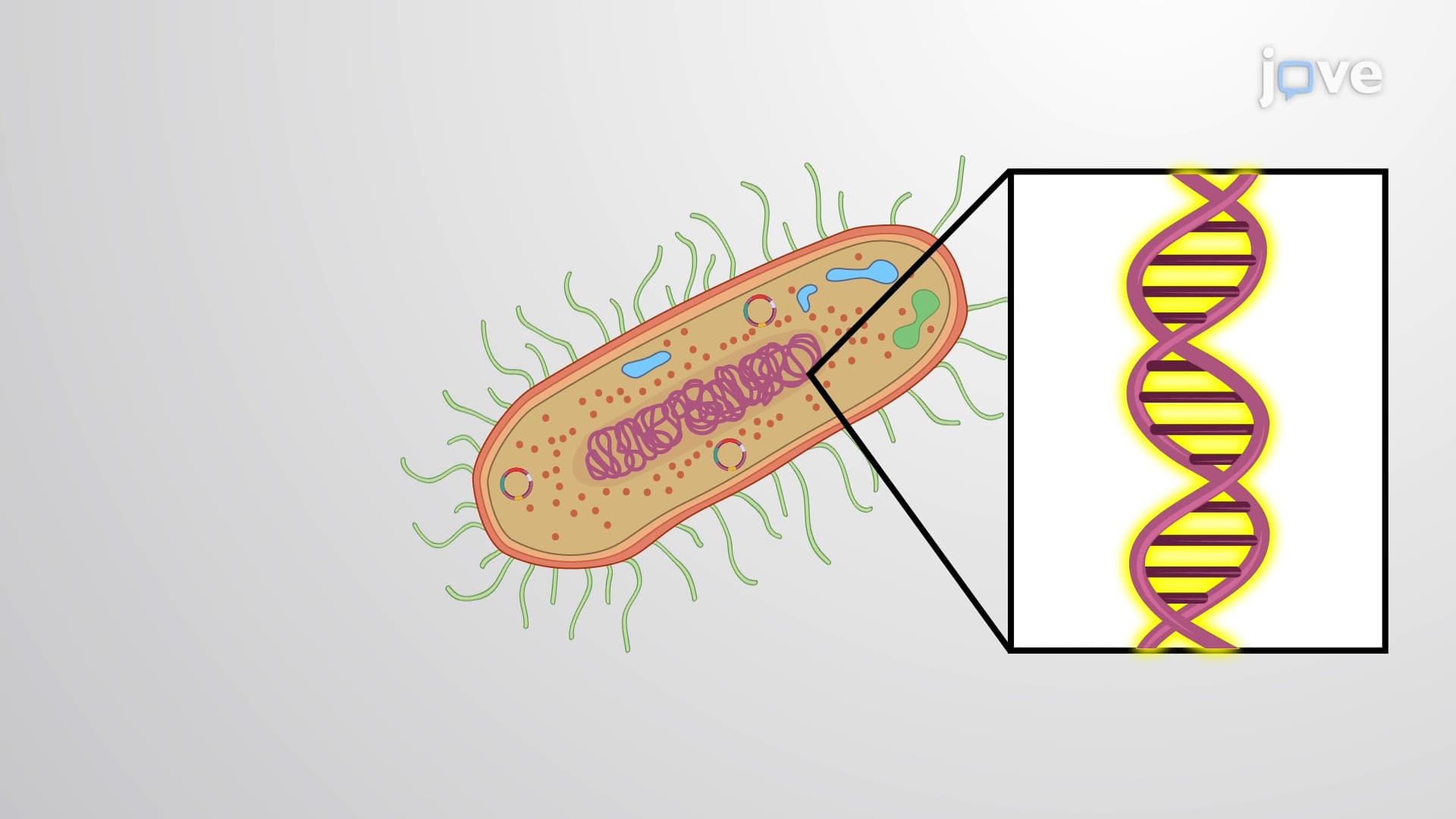
Genomic DNA in eukaryotes represents one of biology's most elegant solutions to a massive storage problem. Unlike prokaryotes, where DNA floats freely in the cytoplasm, eukaryotic cells must pack enormous amounts of genetic material into a membrane-bound nucleus. This genomic DNA in eukaryotes biology explained through a sophisticated hierarchical packaging system that maintains both organization and accessibility.
The human genome contains approximately 3.2 billion base pairs spread across 46 chromosomes. If this DNA were laid end-to-end, it would stretch nearly 2 meters-yet it must fit within a nucleus measuring only 10-20 micrometers in diameter. This represents a compaction ratio of roughly 10,000:1, achieved through multiple levels of folding and organization.
The Nucleosome: Foundation of DNA Packaging
The first level of genomic DNA eukaryotes organization begins with nucleosomes, often called the "beads on a string" structure. Each nucleosome core consists of an octamer of histone proteins (two each of H2A, H2B, H3, and H4) around which approximately 147 base pairs of DNA wrap 1.65 times. This wrapping reduces the linear length by about sevenfold while maintaining the DNA's structural integrity.
Linker DNA, typically 20-80 base pairs long, connects adjacent nucleosomes. The histone H1 protein often associates with this linker region, helping to compact the chromatin further. This nucleosome arrangement is visible under electron microscopy as the characteristic beaded appearance that gave rise to its descriptive name.
Chromatin Fiber Formation and Higher-Order Structure
Beyond nucleosomes, genomic DNA eukaryotes definition encompasses the formation of 30-nanometer chromatin fibers. These fibers result from nucleosome coiling and the interaction of histone tails with neighboring nucleosomes. Various models, including the solenoid and zigzag models, attempt to explain this level of organization, though the exact structure remains an active area of research.
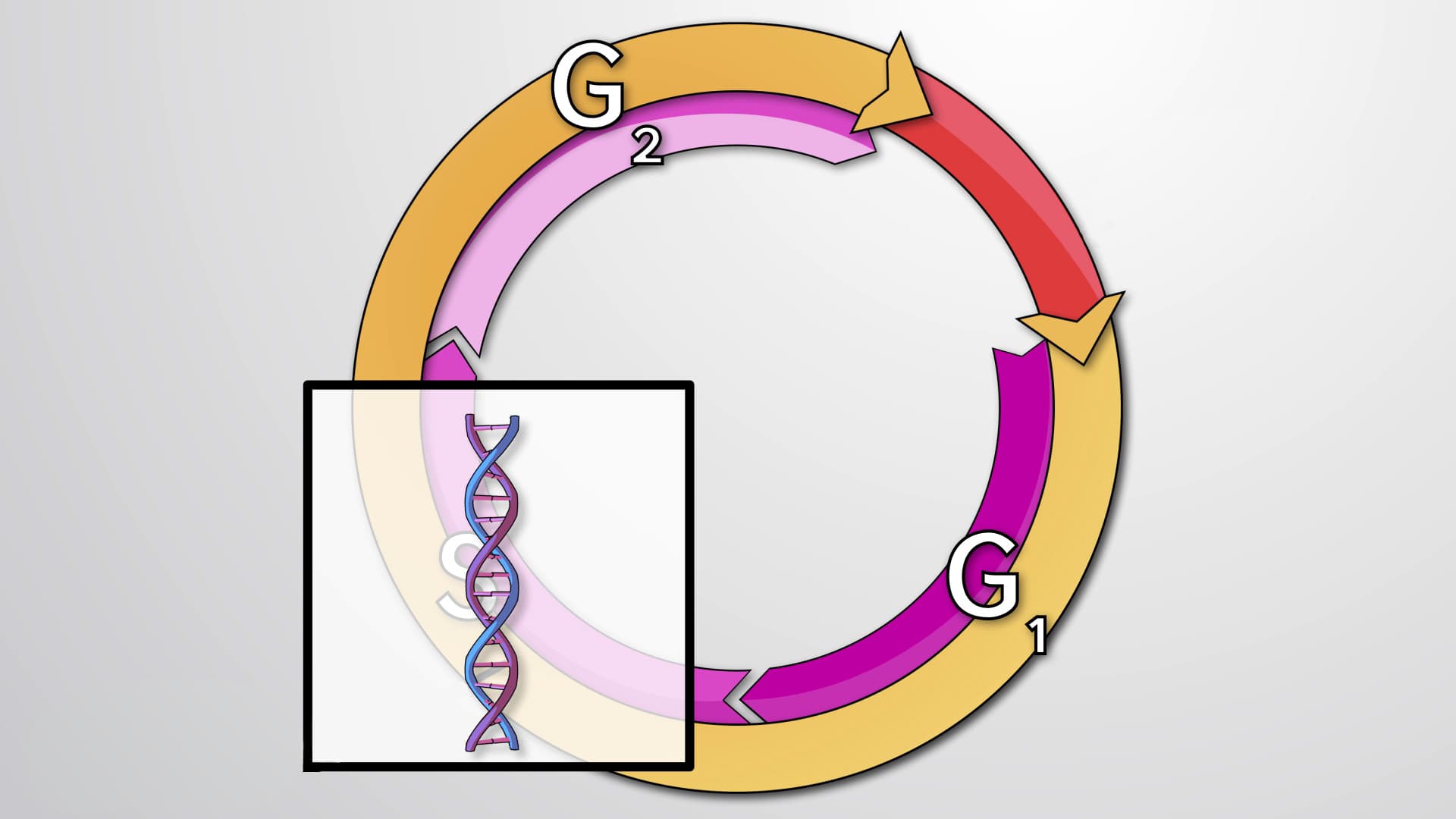
During different phases of the cell cycle, chromatin undergoes dramatic structural changes. In interphase, much of the chromatin exists in a relatively relaxed state called euchromatin, allowing access for transcription machinery. However, some regions remain highly condensed as heterochromatin, which is generally transcriptionally inactive.
Clinical and Research Applications
Understanding genomic DNA in eukaryotes has profound implications for medicine and research. At institutions like the National Institutes of Health and major cancer centers such as MD Anderson, researchers study how chromatin structure affects gene expression in diseases. Epigenetic modifications-chemical changes to histones and DNA that don't alter the genetic sequence-can dramatically impact chromatin organization and gene accessibility.
For students preparing for the MCAT or AP Biology exams, mastering this concept is crucial for understanding topics ranging from gene regulation to cancer biology. The relationship between chromatin structure and gene expression appears frequently on standardized tests, making this foundational knowledge essential for academic success.
Frequently Asked Questions
Genomic DNA in eukaryotes refers to the complete genetic material housed within a membrane-bound nucleus and organized through complex packaging systems. Unlike prokaryotic DNA, which exists as a simple circular molecule freely floating in the cytoplasm, eukaryotic DNA is linear, much larger, and requires sophisticated histone-based packaging to fit within the nuclear space. This organization allows for more complex gene regulation and cellular processes.
The MCAT frequently tests chromatin structure, gene expression regulation, and cell cycle concepts that all depend on understanding DNA packaging. Questions often focus on how chromatin modifications affect gene accessibility, the relationship between chromosome condensation and cell division phases, and how epigenetic changes influence development and disease. Mastering this topic provides the foundation for tackling complex passages about cancer biology, developmental genetics, and molecular medicine.
AP Biology extensively covers chromatin structure in multiple units, including Gene Expression and Regulation, Cell Communication and Cell Cycle, and Heredity. Students encounter questions about nucleosome formation, histone modifications, chromosome condensation during mitosis, and how chromatin structure affects transcription. Understanding DNA packaging is essential for explaining phenomena like X-chromosome inactivation, genomic imprinting, and cancer-related epigenetic changes.
Major medical centers like Mayo Clinic and Cleveland Clinic use knowledge of chromatin structure in cancer treatment, where abnormal DNA packaging contributes to tumor formation. Pharmaceutical companies develop drugs targeting histone-modifying enzymes, while genetic counseling services help patients understand hereditary conditions linked to chromatin defects. Personalized medicine approaches increasingly consider epigenetic factors that affect how genes are packaged and expressed.
Absolutely not! While the molecular details are sophisticated, the basic concepts build logically from simple to complex. Starting with the analogy of packing a long rope into a small box, students can easily grasp why cells need DNA packaging systems. The hierarchical nature-from nucleosomes to chromatin fibers to chromosomes-follows an intuitive progression that high school students master successfully with proper instruction and practice.
Focus on understanding the progression from DNA to nucleosomes to chromatin fibers to chromosomes, rather than memorizing isolated facts. Create visual diagrams showing each packaging level, practice explaining how histone modifications affect gene expression, and work through problems connecting chromatin structure to cell cycle phases. Use active recall techniques and teach the concepts to classmates to identify knowledge gaps before exam day.
This foundational knowledge directly supports advanced topics in molecular biology, genetics, and biochemistry courses. Students who thoroughly understand chromatin structure excel when studying gene regulation mechanisms, developmental biology, cancer genetics, and epigenetics. The concepts also provide essential background for understanding research techniques like ChIP-seq, chromatin immunoprecipitation, and genome-wide association studies commonly discussed in upper-level courses.
Building on chromatin structure knowledge, students should explore gene expression regulation, including transcription factors, enhancers, and silencers. Epigenetic modifications like DNA methylation and histone acetylation represent natural next steps, followed by studying how chromatin remodeling complexes alter gene accessibility. These topics connect directly to advanced subjects like developmental biology, cancer genetics, and evolutionary genomics.
Related Micro-courses