Loading subject page…

- Biology
- Cell Signaling
- What is Cell Signaling?
Micro-course: Cell Signaling
986,624 views
Learn key concepts and earn your certificate.

What is Cell Signaling?


00:00
02:03
Video Summary: Cell Signaling Definition
Ever wonder how insulin from your pancreas knows to tell muscle cells to absorb glucose after eating a slice of pizza? Cell signaling makes this life-sustaining coordination possible, allowing the trillions of cells in your body to communicate with precision. From hormone regulation to nerve impulses, understanding the cell signaling definition reveals how organisms maintain homeostasis and respond to environmental changes. Watch the full video on JoVE Coach to master this concept with expert-led visuals and step-by-step explanations.
- Understand the cell signaling definition and distinguish between intercellular and intracellular communication mechanisms
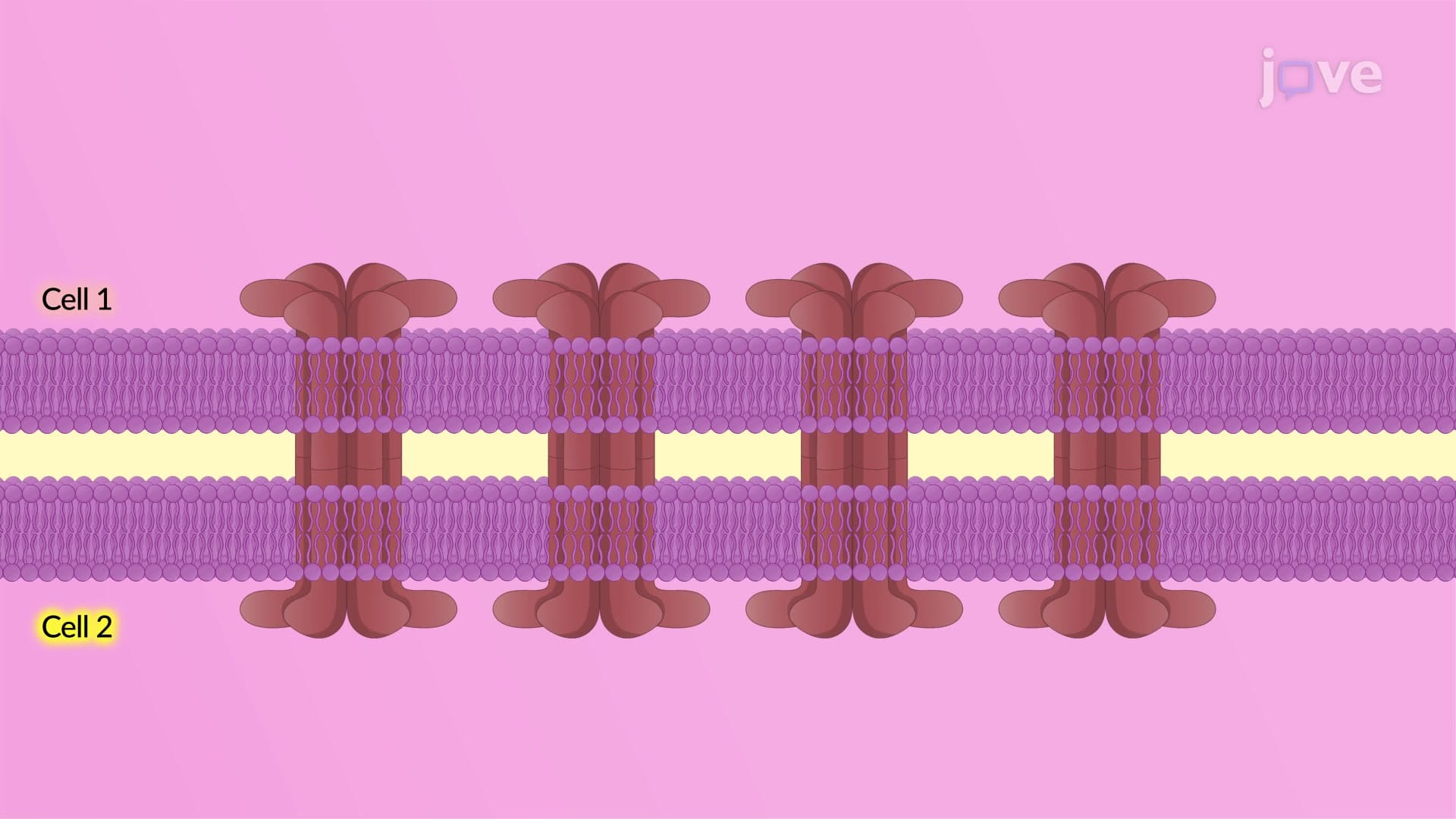
- Identify the four major types of cell signaling: autocrine, paracrine, endocrine, and contact-dependent signaling
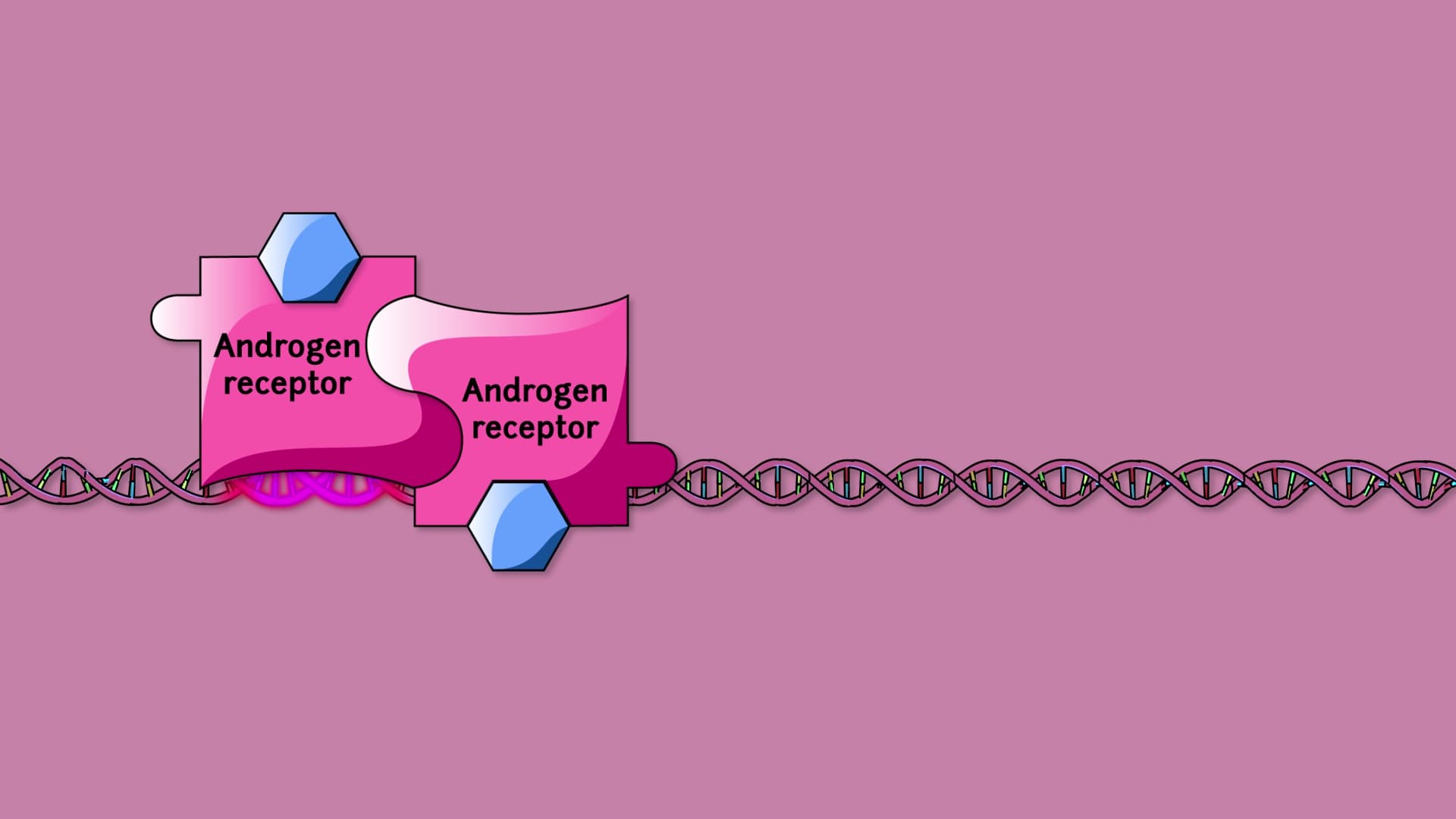
- Analyze how ligands bind to receptors to initiate cellular responses and signaling cascades
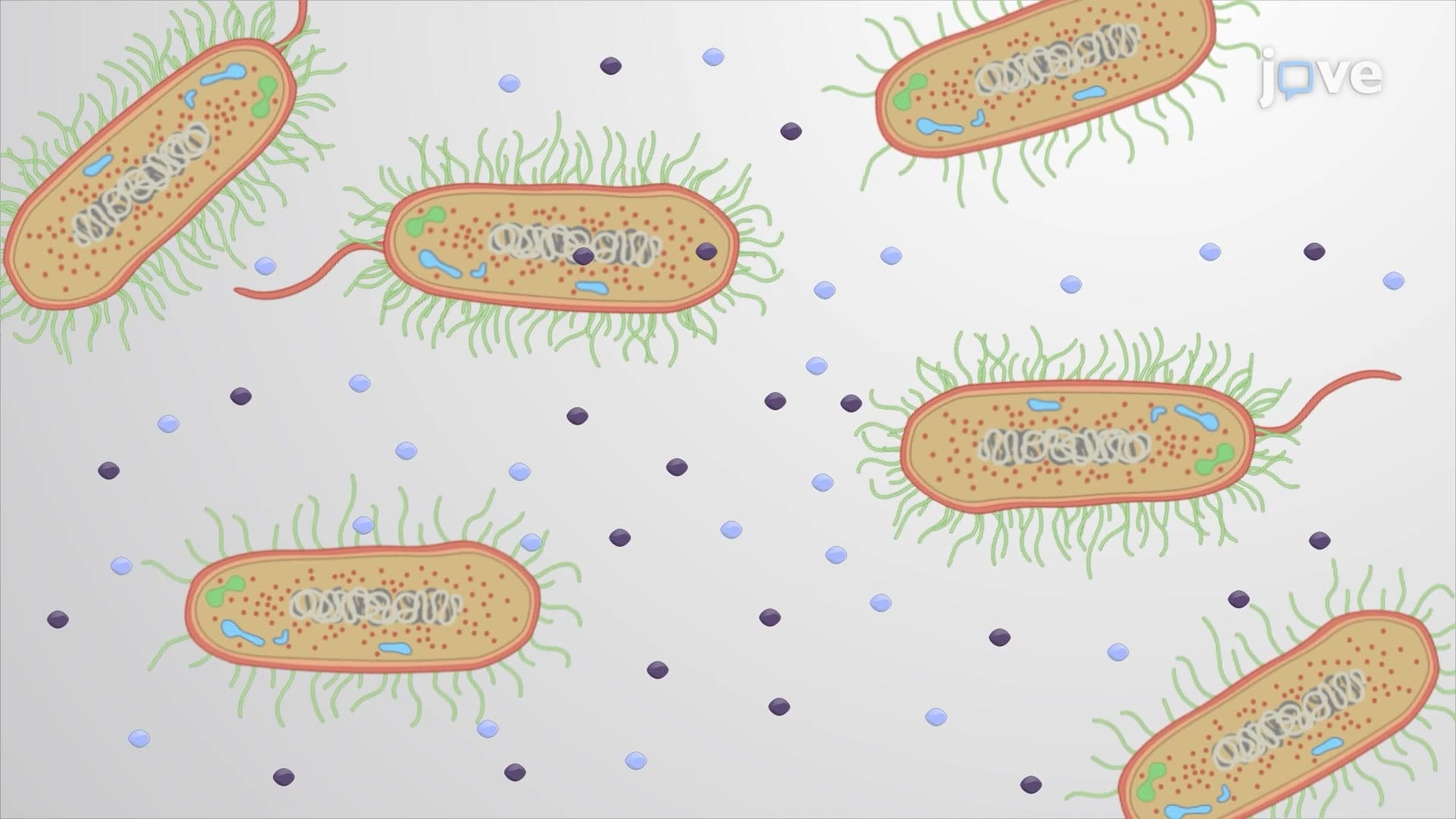
- Compare quorum sensing in bacterial communities with eukaryotic signaling pathways
- Evaluate the role of neurotransmitters in synaptic communication within the nervous system
- Apply knowledge of signaling transduction pathways to understand gene expression regulation
- Recognize real-world examples of cell signaling in human physiology and disease
- Explore how signaling dysfunction leads to medical conditions like diabetes and cancer
Understanding Cell Signaling Definition and Fundamentals
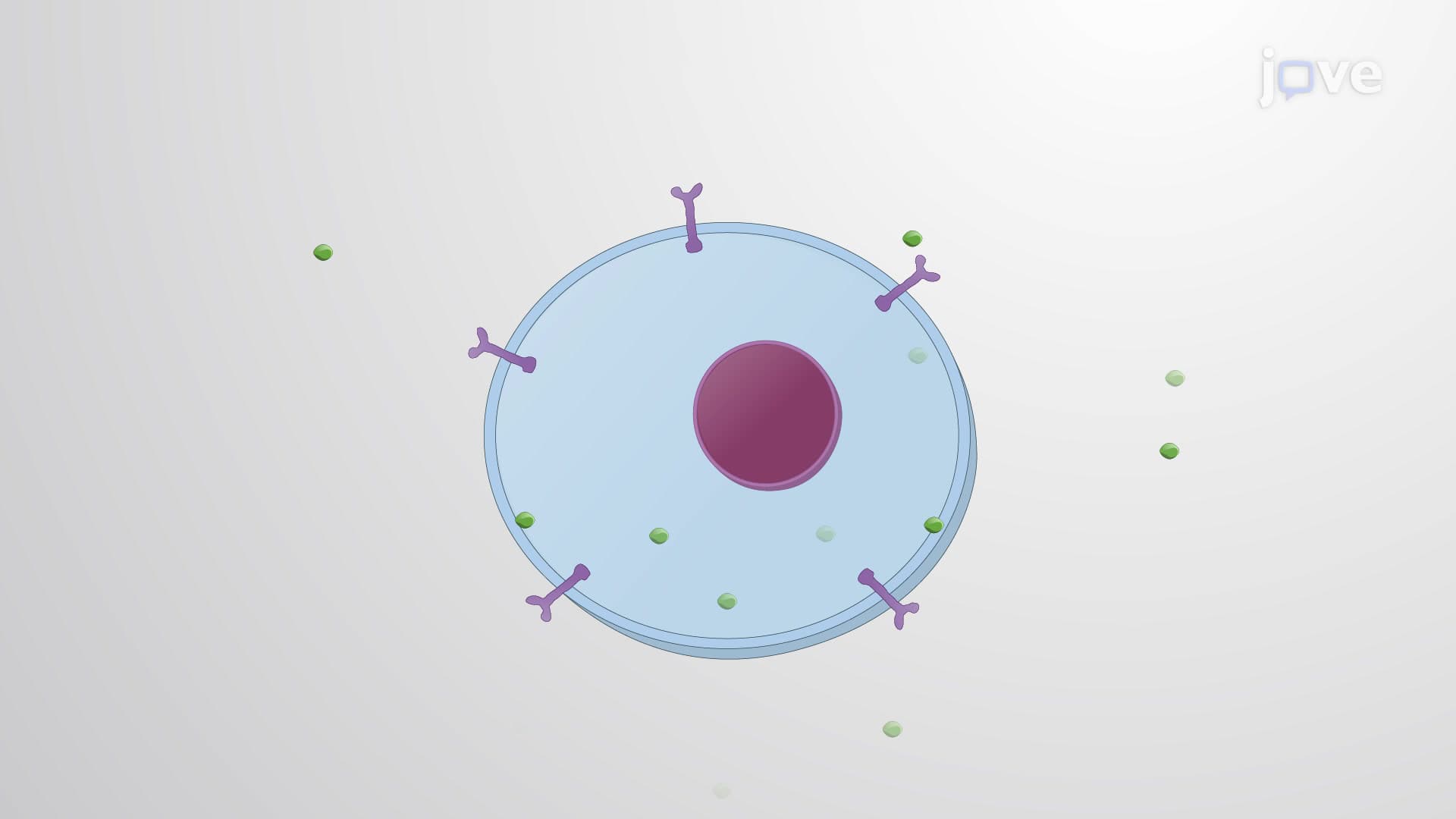
Cell signaling represents one of biology's most elegant coordination systems, enabling single-celled and multicellular organisms to respond appropriately to internal and external stimuli. At its core, cell signaling involves three critical components: signal detection, signal transduction, and cellular response. This process allows a pancreatic beta cell to release insulin when blood glucose rises, or enables your immune system to mount a defense against pathogens.
Types of Intercellular Communication
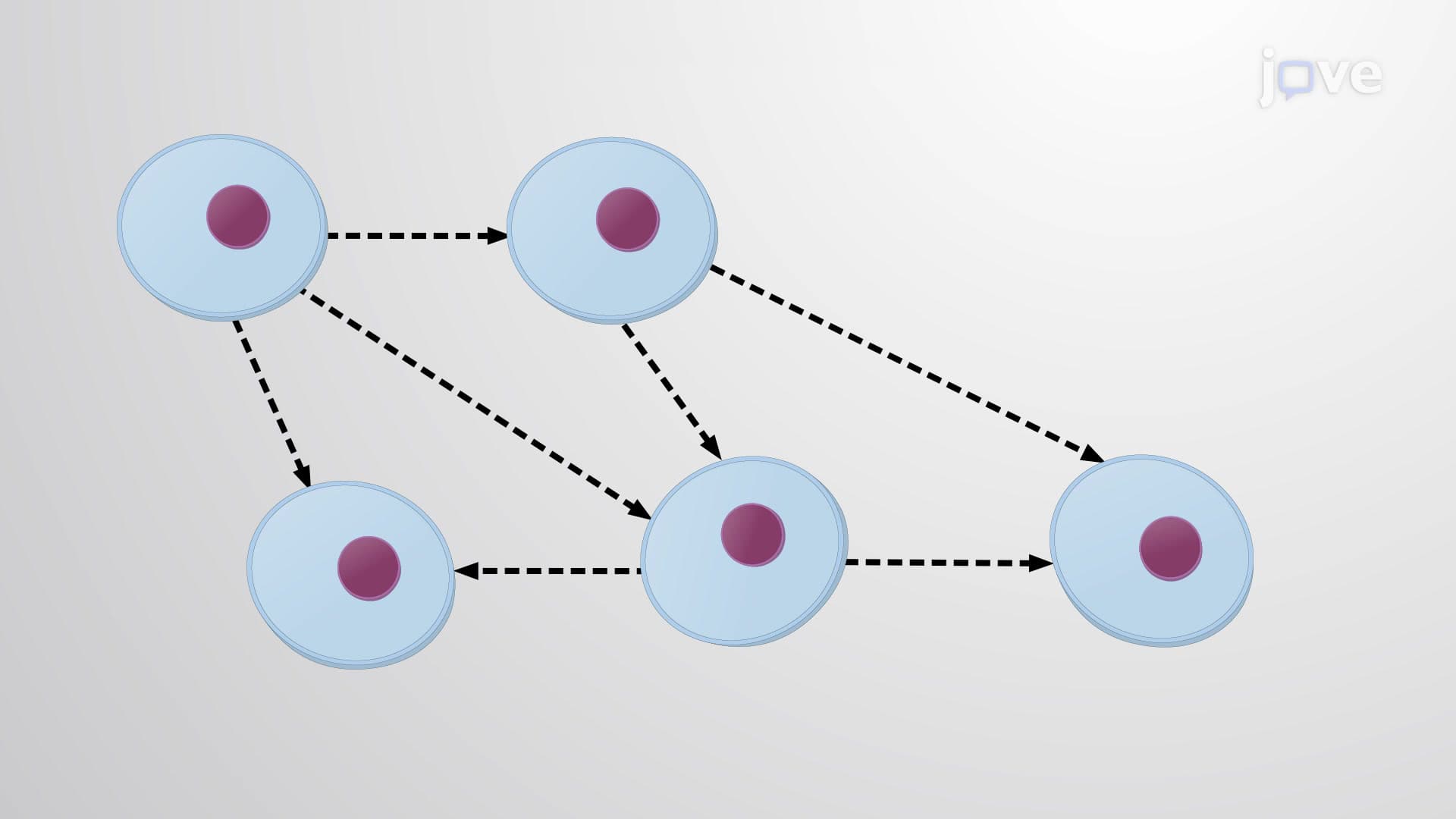
Autocrine and Paracrine Signaling Autocrine signaling occurs when cells respond to signals they produce themselves-think of immune T-cells releasing cytokines that enhance their own activation during infection. Paracrine signaling involves short-distance communication between neighboring cells, exemplified by growth factors released during wound healing that stimulate nearby tissue repair.
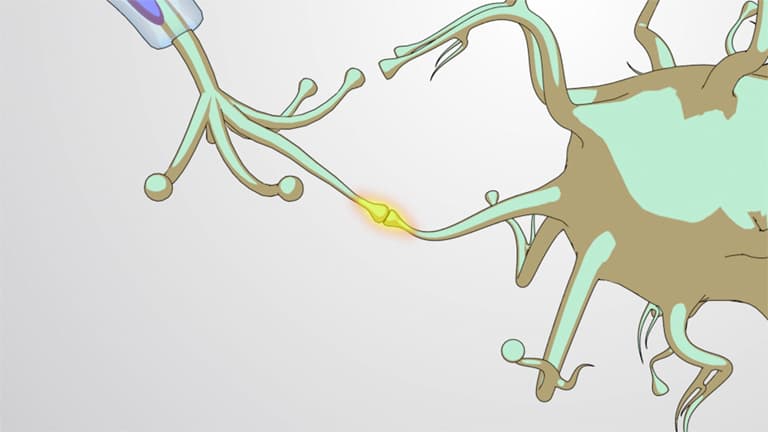
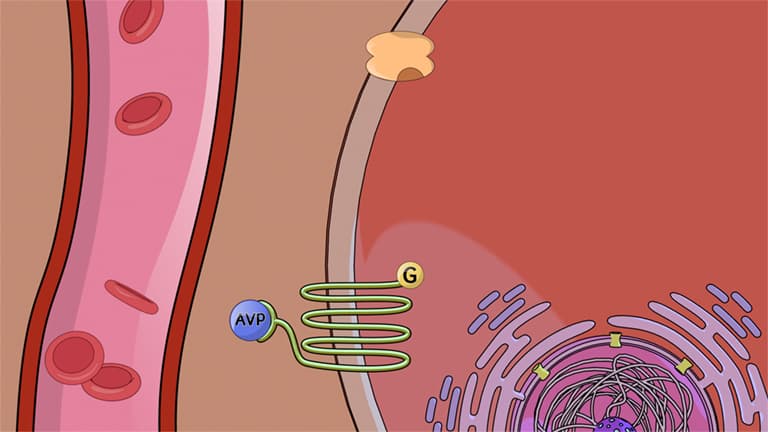
Endocrine and Synaptic Signaling Endocrine signaling enables long-distance cellular communication through hormones transported via the bloodstream. The thyroid gland releasing thyroid hormone that affects metabolism in cells throughout your body demonstrates this concept. Synaptic signaling represents the nervous system's specialized communication method, where neurons release neurotransmitters like dopamine or serotonin across synaptic gaps to influence target cells.
Signal Transduction Mechanisms
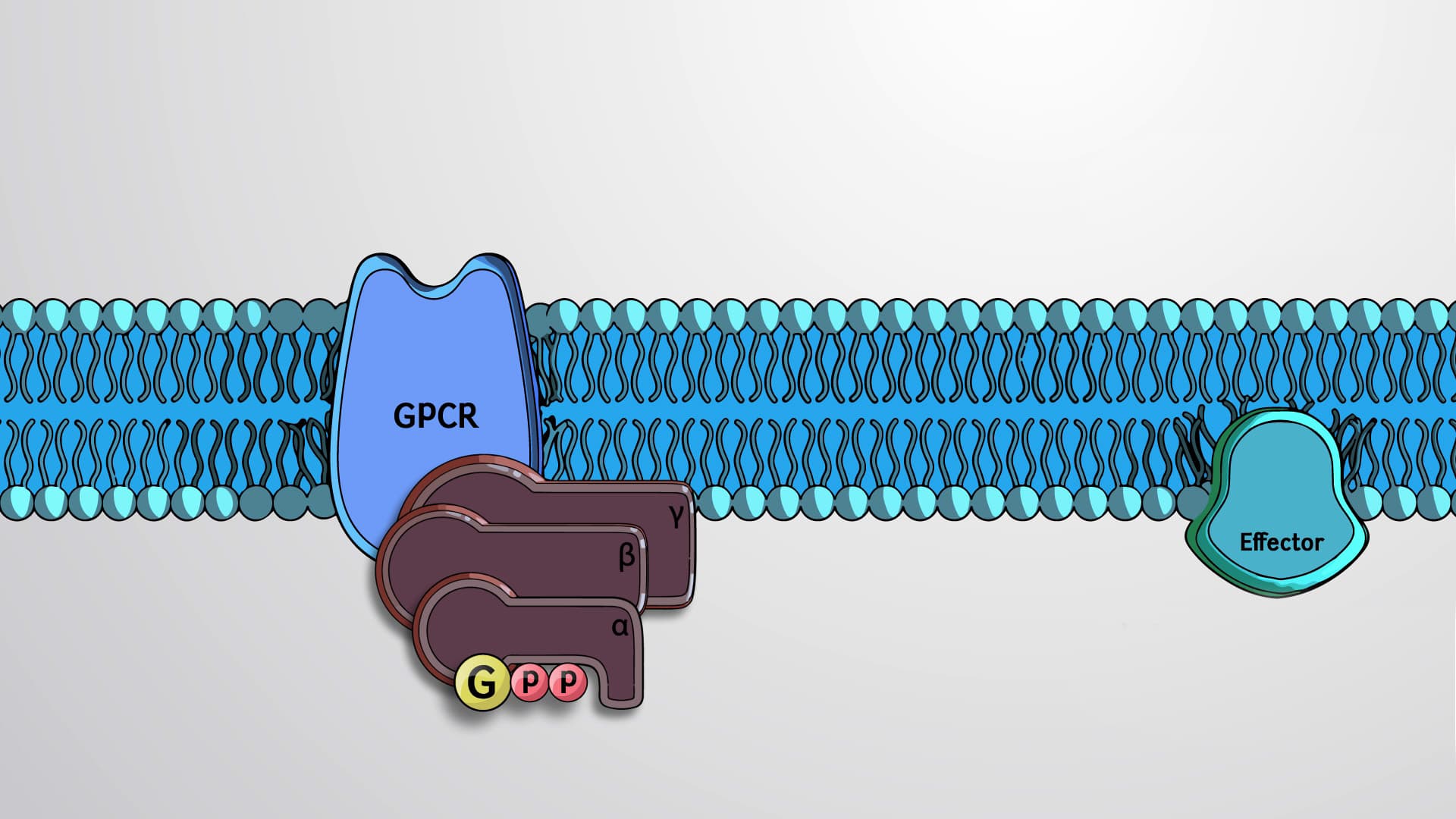
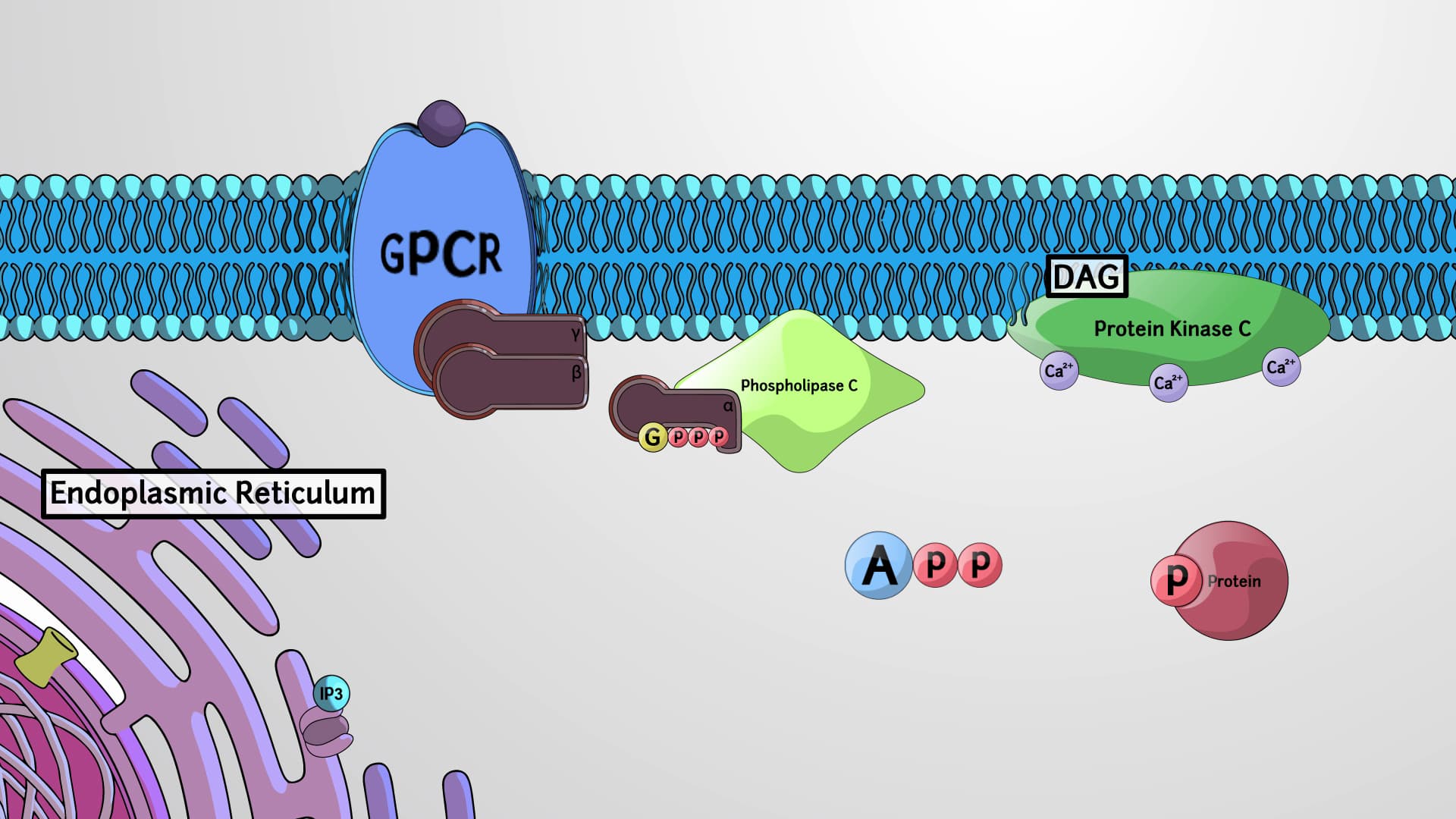
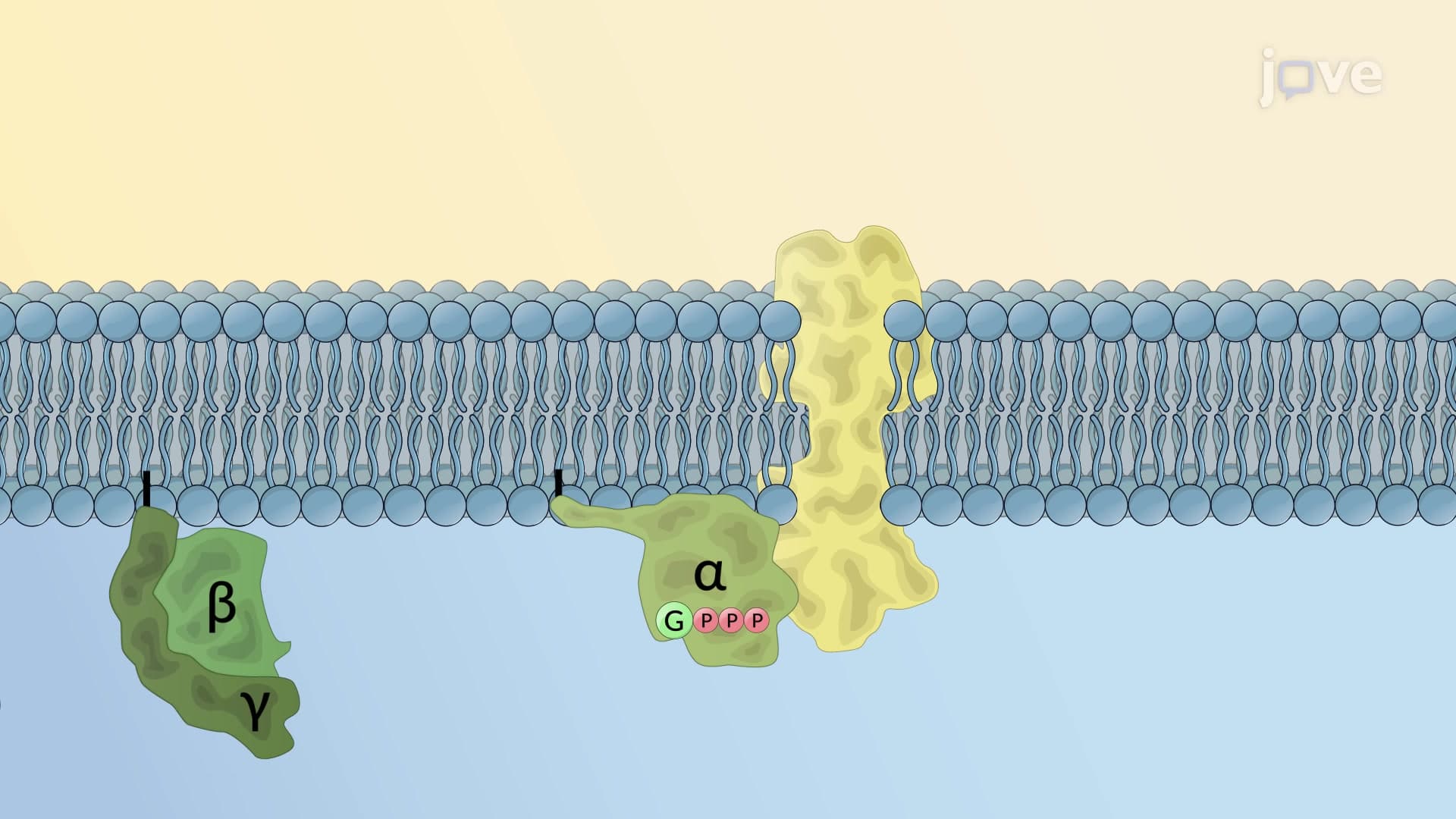
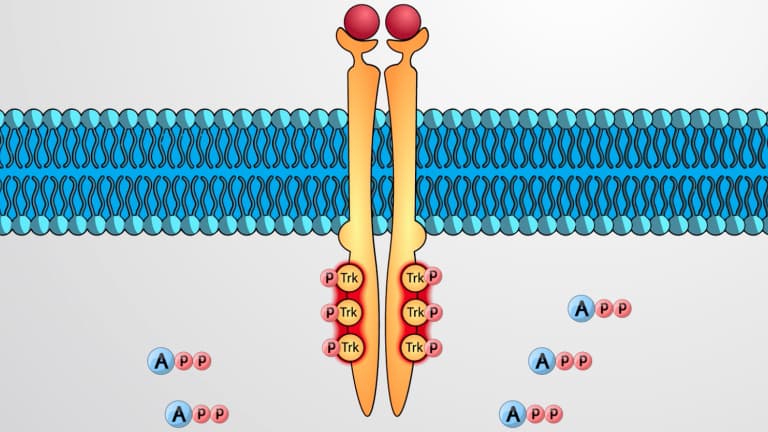
Once ligands bind to cellular receptors, intracellular signaling cascades amplify the initial signal. These cascades often involve protein phosphorylation chains that culminate in altered gene expression or enzyme activity. Understanding these pathways proves crucial for AP Biology students, as signal transduction questions frequently appear on exams, testing knowledge of G-protein coupled receptors, receptor tyrosine kinases, and second messenger systems like cAMP.
Clinical and Research Applications
Cell signaling dysfunction underlies numerous diseases treated in American hospitals. Cancer often results from disrupted growth factor signaling, while Type 1 diabetes stems from autoimmune destruction of insulin-producing cells. Pharmaceutical companies develop targeted therapies by manipulating specific signaling pathways-for instance, insulin therapy replaces defective endocrine signaling in diabetic patients. Students preparing for the MCAT should understand how signaling pathway knowledge translates to medical interventions and drug development strategies.
Frequently Asked Questions
Cell signaling is the process by which cells communicate through chemical signals to coordinate activities and respond to environmental changes. It's essential for maintaining homeostasis, enabling growth and development, coordinating immune responses, and allowing multicellular organisms to function as integrated systems rather than collections of independent cells.
AP Biology frequently tests cell signaling through free-response questions involving hormone pathways, signal transduction cascades, and cellular responses. Students should expect to analyze diagrams showing receptor-ligand interactions, predict outcomes of disrupted signaling, and explain how environmental stimuli trigger cellular responses through multiple-choice and essay questions.
Autocrine signaling involves cells responding to their own chemical signals, like cancer cells producing growth factors that stimulate their own division. Paracrine signaling affects nearby cells, such as immune cells releasing inflammatory molecules that alert neighboring tissue. Understanding these differences helps explain how localized infections spread and how targeted cancer therapies work.
Not at all-cell signaling builds on basic biology concepts you already know like enzymes, proteins, and cellular transport. Starting with familiar examples like insulin regulating blood sugar or adrenaline triggering fight-or-flight responses makes complex pathways more approachable. Focus on understanding the signal-receptor-response pattern before diving into specific molecular details.
Create flowcharts showing signal transduction pathways from ligand binding to cellular response. Practice identifying signaling types using real physiological examples, and focus on understanding how pathway disruption causes disease. Many professors test application rather than memorization, so emphasize connecting signaling concepts to medical conditions and therapeutic interventions.
Defective cell signaling causes numerous diseases treated in American healthcare systems. Diabetes results from impaired insulin signaling, depression may involve disrupted neurotransmitter pathways, and cancer often stems from faulty growth control signals. Understanding these connections helps explain why many medications target specific signaling components to restore normal cellular communication.
After mastering basic signaling types, explore specific pathway mechanisms like G-protein coupled receptors, protein kinase cascades, and transcription factor regulation. Study how hormones like cortisol and growth hormone affect multiple organ systems, and investigate how pharmaceutical companies design drugs targeting specific receptors or enzymes within signaling networks.
Related Micro-courses