Loading subject page…


986,640 views

Video Summary: What are Enzyme Linked Receptors
Ever wondered how insulin helps your body respond to a meal within minutes? Enzyme linked receptors are specialized membrane proteins that combine signal detection with enzymatic activity to trigger rapid cellular responses. These molecular machines, including receptor tyrosine kinases (RTKs), play crucial roles in growth hormone signaling and cancer development. Understanding what are enzyme linked receptors reveals how cells communicate through phosphorylation cascades that amplify signals thousands of times. Watch the full video on JoVE Coach to master this concept with expert-led visuals and step-by-step explanations.
Enzyme linked receptors represent a sophisticated class of transmembrane proteins that revolutionize cellular communication by combining signal recognition with enzymatic activity. Unlike simple binding receptors, these molecular machines directly catalyze chemical reactions upon ligand binding, creating amplified cellular responses essential for development, metabolism, and disease processes.
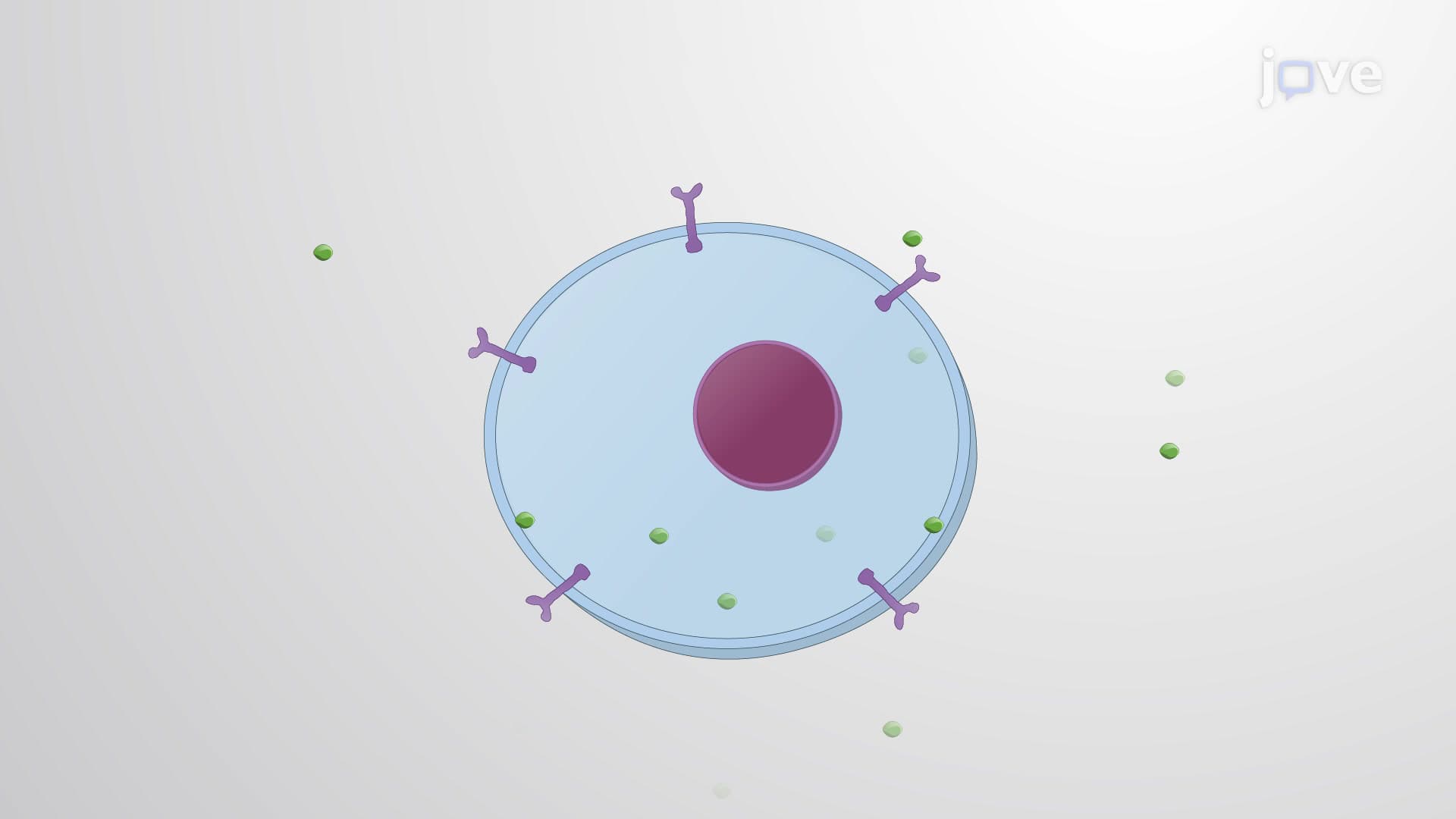
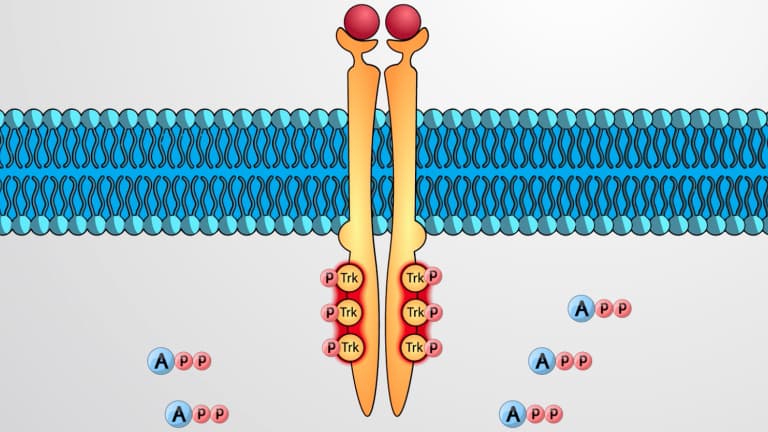
The most extensively studied enzyme linked receptors are receptor tyrosine kinases (RTKs), which include critical players like the insulin receptor, epidermal growth factor receptor (EGFR), and platelet-derived growth factor receptor. These receptors share a common architecture: an extracellular ligand-binding domain, a single transmembrane helix, and an intracellular tyrosine kinase domain that catalyzes phosphorylation reactions.
The activation process begins when specific signaling molecules (ligands) bind to the extracellular domains of RTKs. This binding induces receptor dimerization, where two individual RTK molecules come together to form a functional complex. Dimerization serves as the molecular switch that transforms inactive monomers into catalytically active dimers.
Once dimerized, the cytoplasmic tyrosine kinase domains undergo conformational changes that enable autophosphorylation. Each RTK in the dimer phosphorylates specific tyrosine residues on its partner using ATP as the phosphate donor. This cross-phosphorylation creates multiple phosphotyrosine sites that serve as precise docking platforms for downstream signaling proteins.
The phosphorylated tyrosines recruit various adaptor proteins and enzymes, each recognizing specific phosphorylation patterns through specialized domains like SH2 (Src homology 2) domains. This recruitment mechanism allows a single activated RTK dimer to simultaneously initiate multiple signaling cascades, including the MAPK pathway, PI3K/Akt pathway, and PLCγ pathway.
For AP Biology and college-level cell biology courses, understanding these pathways proves crucial for explaining how growth factors regulate cell division, how insulin controls glucose metabolism, and how oncogenes contribute to cancer development. The FDA-approved cancer drug trastuzumab (Herceptin), for example, works by blocking HER2 receptor dimerization in breast cancer cells.
Enzyme linked receptors serve as major pharmaceutical targets, with numerous FDA-approved drugs designed to modulate their activity. Tyrosine kinase inhibitors like imatinib (Gleevec) revolutionized cancer treatment by specifically blocking aberrant RTK signaling in chronic myeloid leukemia. Understanding these mechanisms proves essential for MCAT preparation, particularly in biochemistry and cell biology sections.
Related Micro-courses