Loading subject page…


986,639 views

Video Summary: What are Internal Receptors
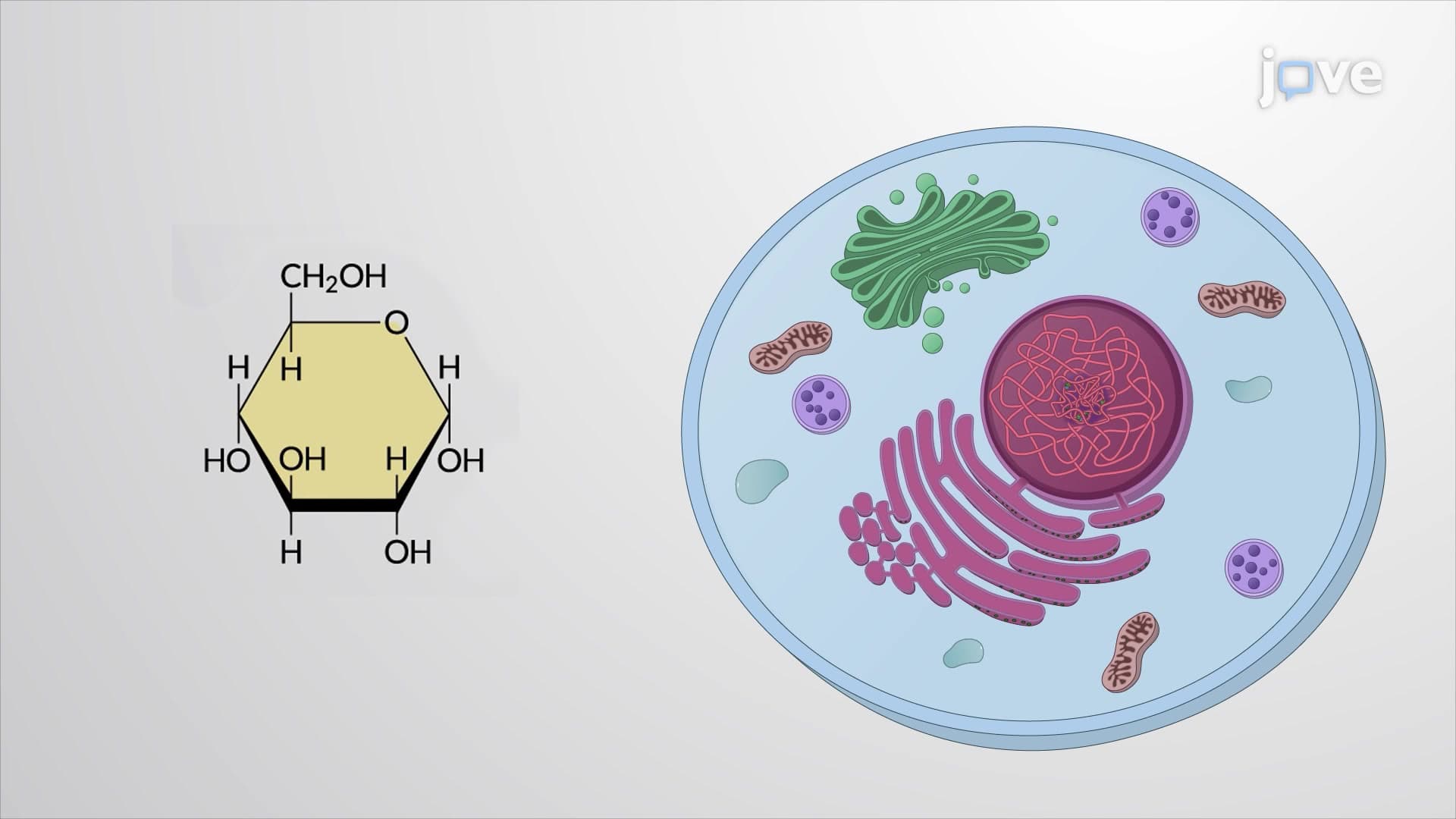
Ever wonder how testosterone transforms a teenager's voice during puberty? Internal receptors are the cellular proteins that make this transformation possible by binding signaling molecules like hormones inside cells to trigger gene expression changes. When testosterone enters muscle cells and binds to androgen receptors in high school athletes, it can promote protein synthesis for muscle growth. Understanding what are internal receptors reveals how our bodies respond to hormones at the molecular level. Watch the full video on JoVE Coach to master this concept with expert-led visuals and step-by-step explanations.
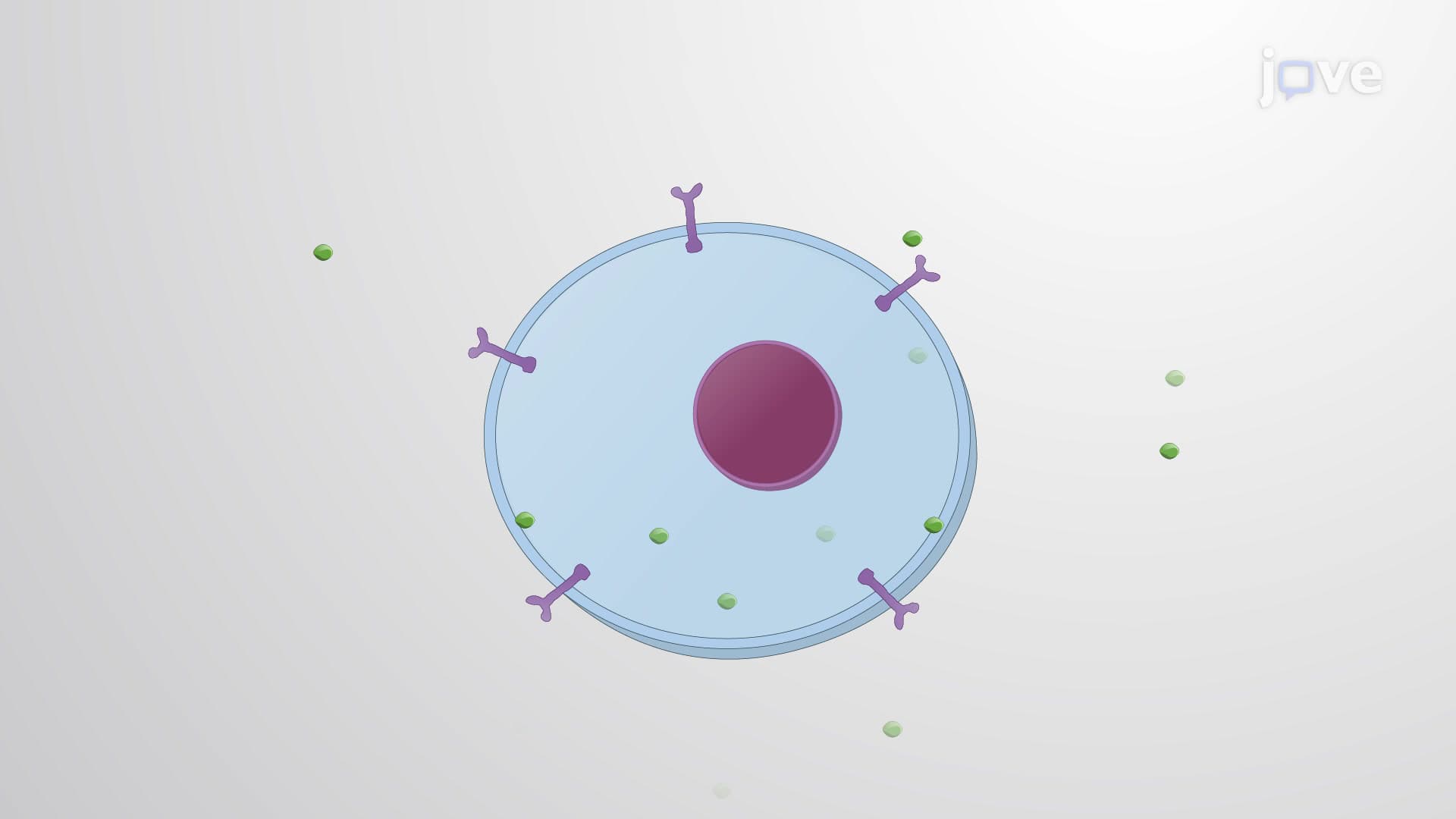
Internal receptors represent a crucial class of signaling proteins that operate within the cell's interior, distinguishing them from surface receptors embedded in cell membranes. These soluble proteins function as molecular switches, binding specific signaling molecules to initiate cascades of cellular responses, particularly changes in gene expression that can alter cell behavior for hours or days.
Internal receptors exist in two primary locations within cells: the cytoplasm and the nucleus. Cytoplasmic receptors, like androgen and estrogen receptors, initially reside in the cell's fluid interior but migrate to the nucleus upon activation. Nuclear receptors, such as thyroid hormone receptors, are already positioned in the nucleus, ready to bind their ligands directly at DNA sites.
The architecture of these receptors typically includes distinct functional domains: a ligand-binding region that recognizes specific hormones, a DNA-binding domain containing zinc finger motifs, and regulatory sequences that modulate the receptor's activity. This modular design allows internal receptors to serve as direct links between chemical signals and genetic responses.
The signaling molecules that activate internal receptors share common characteristics that enable their cellular entry. Most are lipophilic (fat-loving) compounds like steroid hormones-testosterone, estrogen, cortisol-and thyroid hormones. Their hydrophobic nature allows passive diffusion through cell membranes, bypassing the need for specialized transport mechanisms required by water-soluble signals.
Consider the androgen receptor pathway relevant to conditions treated in US hospitals: when DHT (dihydrotestosterone) binds to androgen receptors in prostate cells, it can promote cell division. Understanding this mechanism helps explain both normal male development and pathological conditions like benign prostatic hyperplasia, commonly studied in medical schools across institutions like Harvard Medical School and Johns Hopkins University.
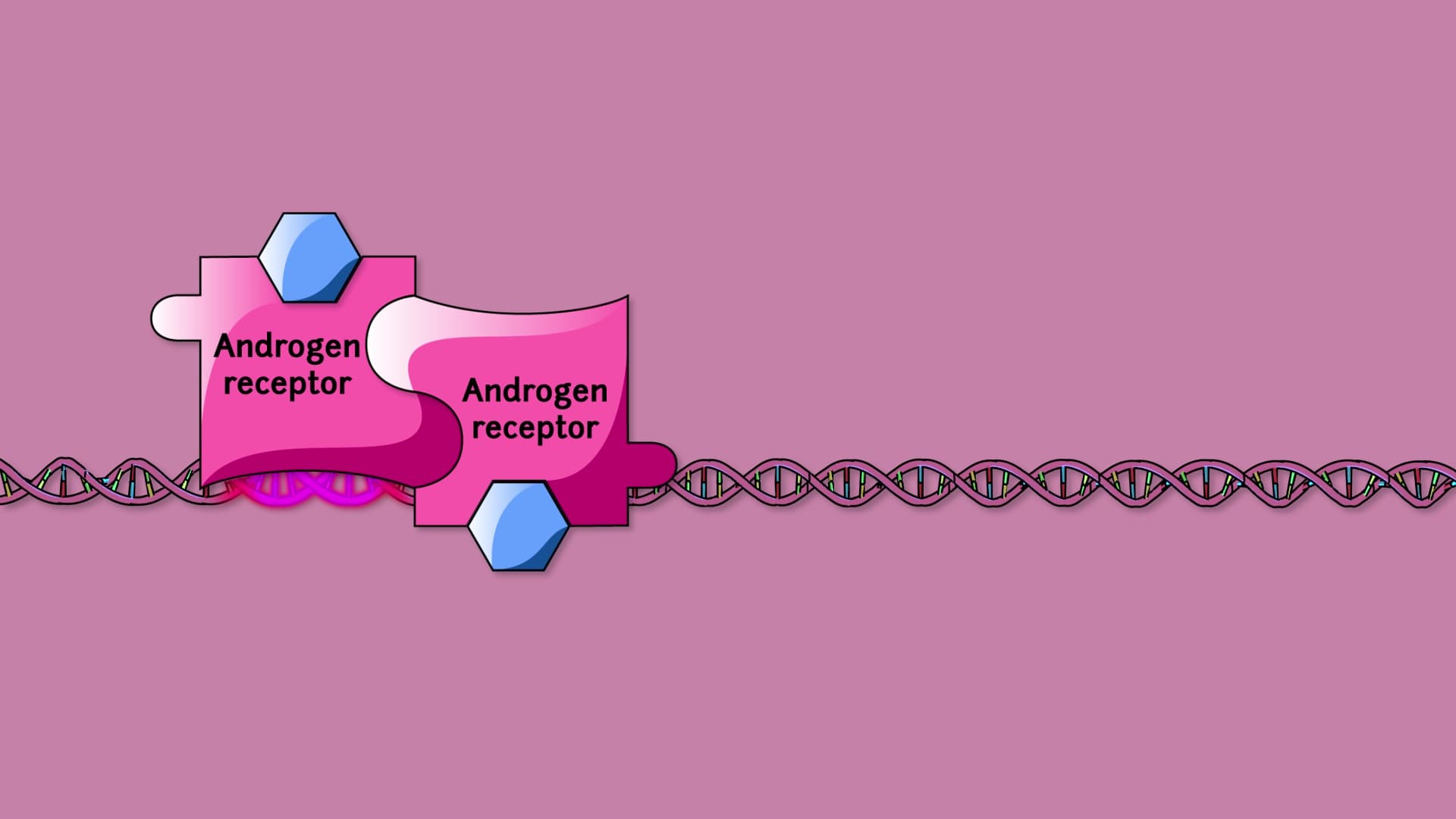
Upon ligand binding, internal receptors undergo conformational changes that expose DNA-binding sites and enable dimerization-the pairing of two receptor molecules. This activated complex then locates specific DNA sequences called hormone response elements, acting as molecular keys that unlock particular genetic programs.
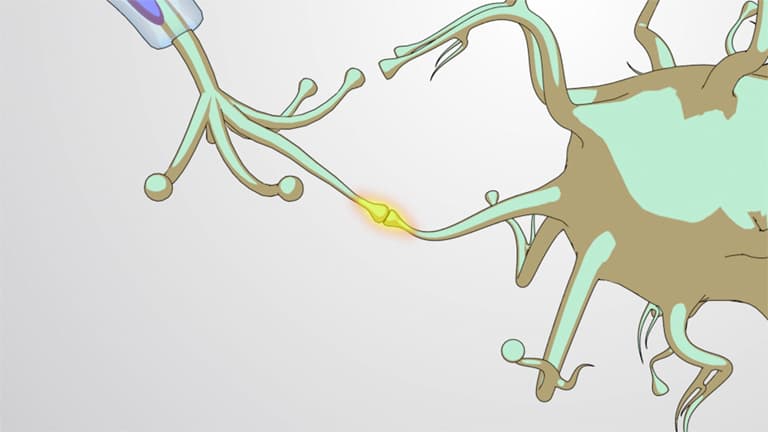
For AP Biology students and pre-med undergraduates, this concept frequently appears in standardized exams like the MCAT, where understanding the distinction between fast synaptic signaling and slower hormonal responses through internal receptors is crucial for questions about endocrine system function and cellular communication pathways.
Related Micro-courses