Loading subject page…


986,642 views

Video Summary: What are Intracellular Signaling Cascades
When you feel your heart race after a scary movie, that's intracellular signaling cascades at work-transforming external signals into internal cellular responses within milliseconds. These molecular communication networks relay messages from outside the cell to its interior, amplifying signals through pathways like cyclic AMP and MAPK/ERK. For instance, when adrenaline hits your cells during a roller coaster ride at Six Flags, it triggers cascading reactions that prepare your body for action. Understanding what are intracellular signaling cascades reveals how cells coordinate complex responses to environmental changes. Watch the full video on JoVE Coach to master this concept with expert-led visuals and step-by-step explanations.
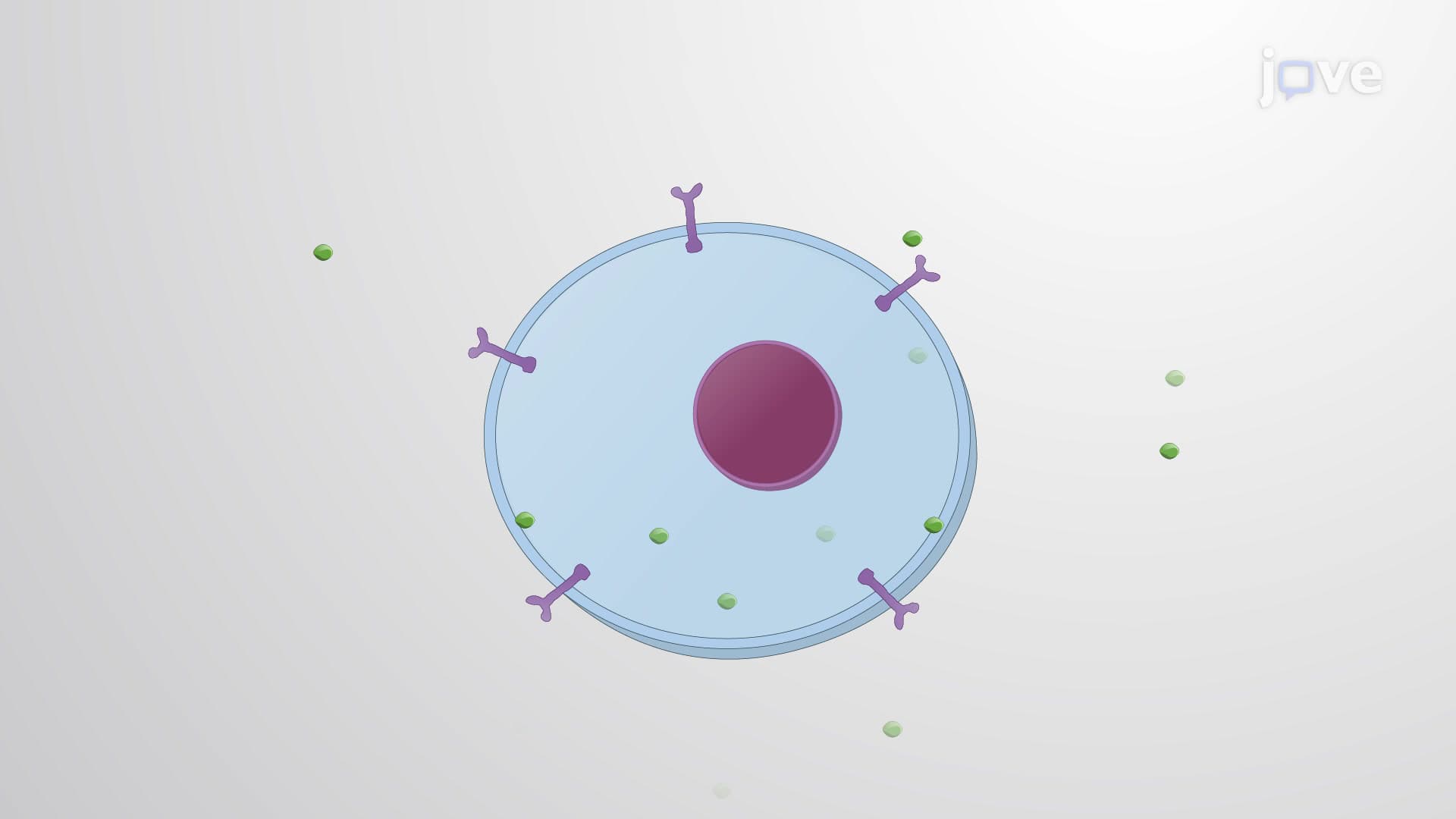
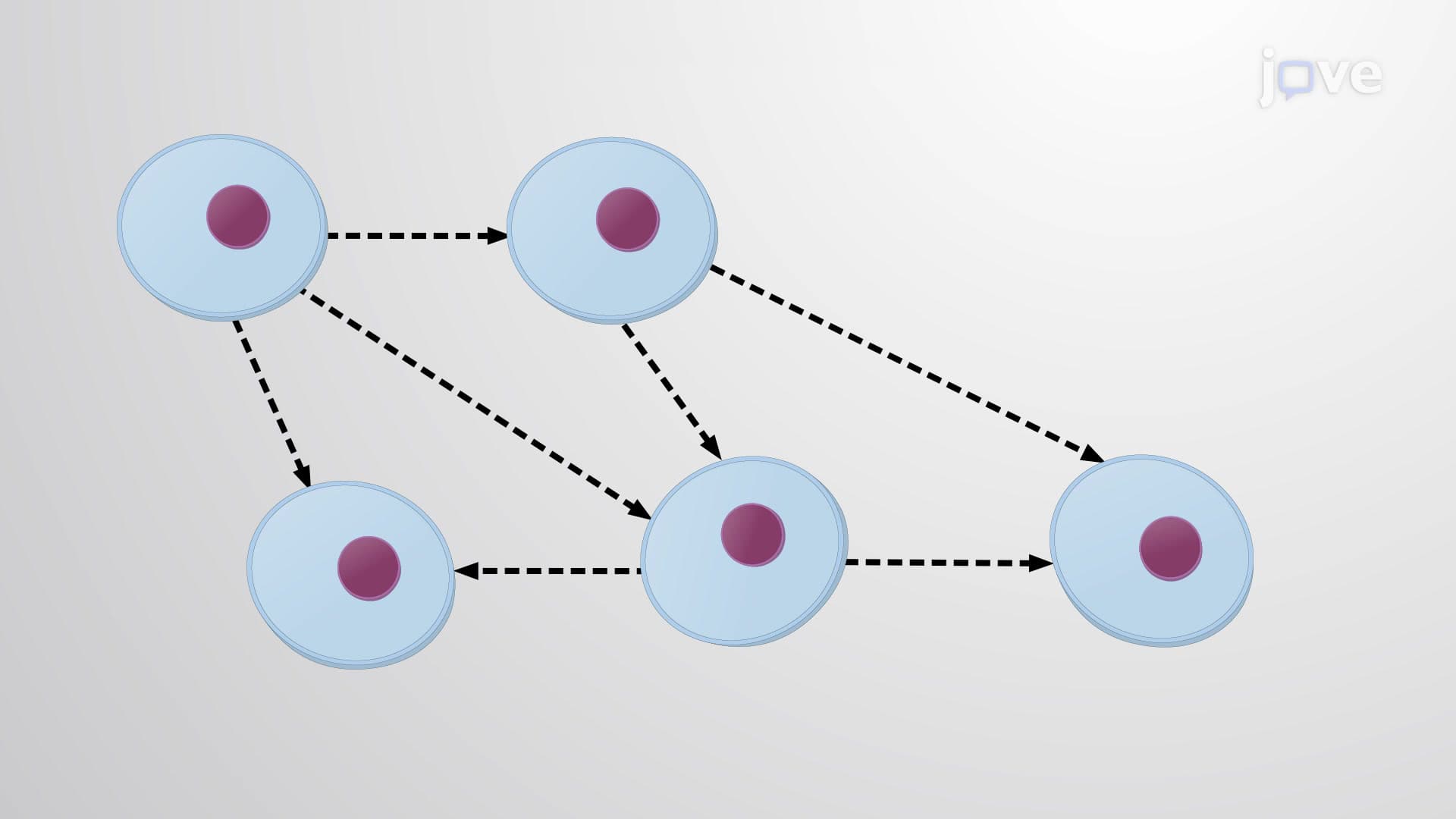
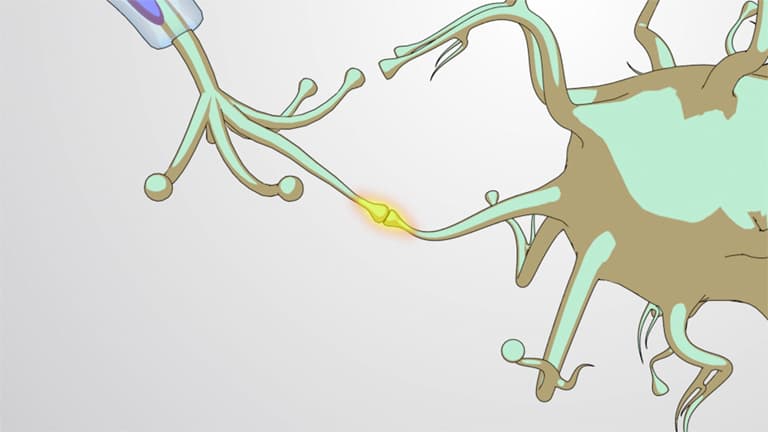
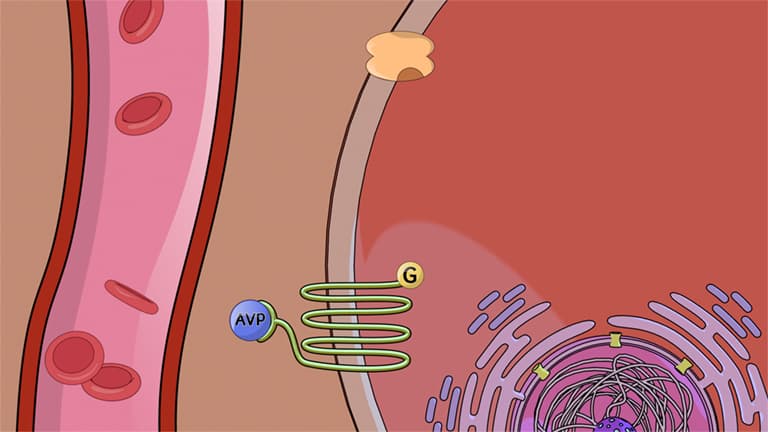
Intracellular signaling cascades represent sophisticated molecular communication systems that enable cells to detect, process, and respond to environmental changes. These pathways function like cellular telephone networks, converting external messages into internal actions through sequential protein interactions and enzymatic reactions. Unlike simple one-to-one communication, these cascades amplify signals exponentially-a single hormone molecule binding to a receptor can ultimately trigger thousands of protein modifications inside the cell.
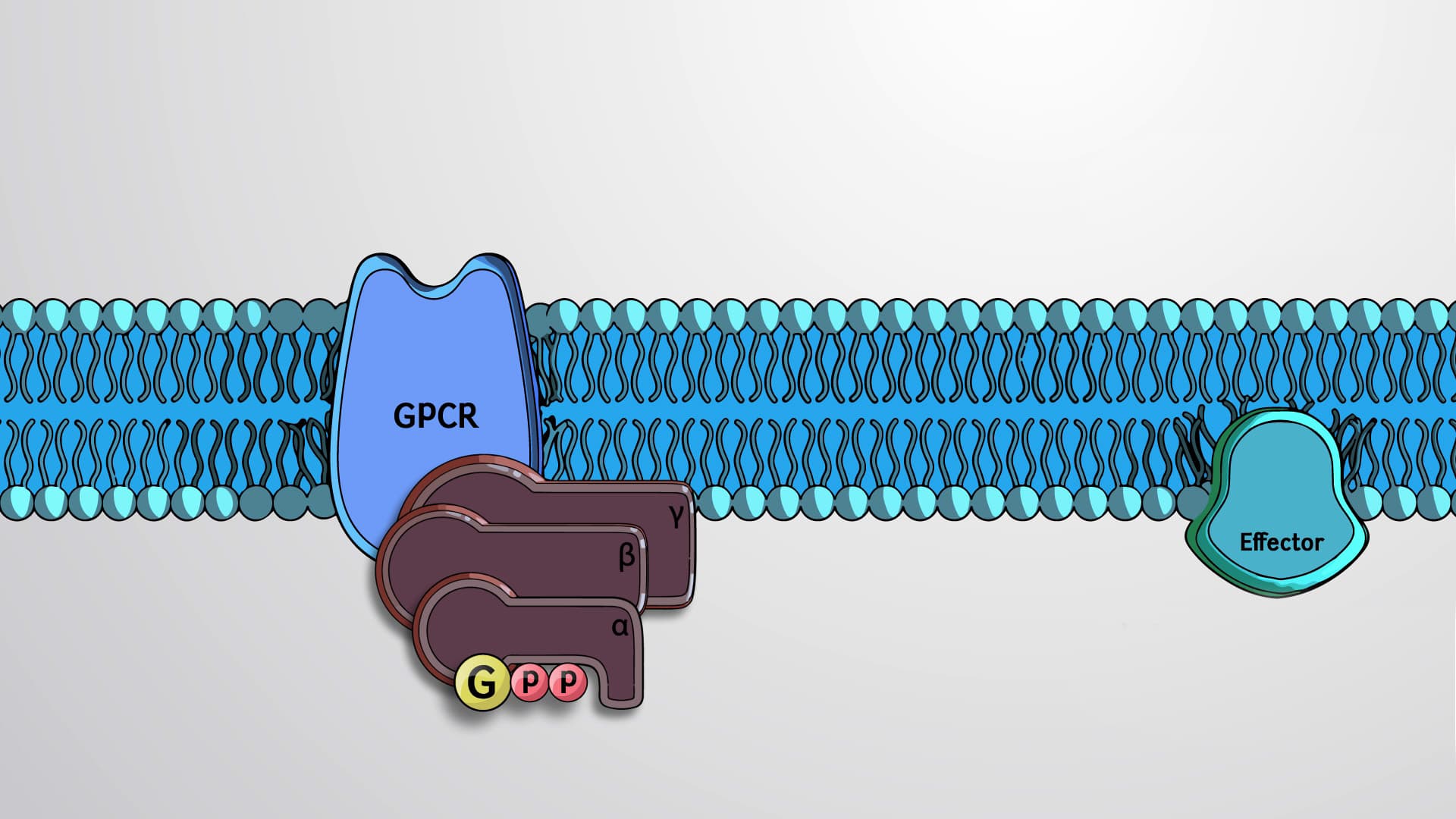
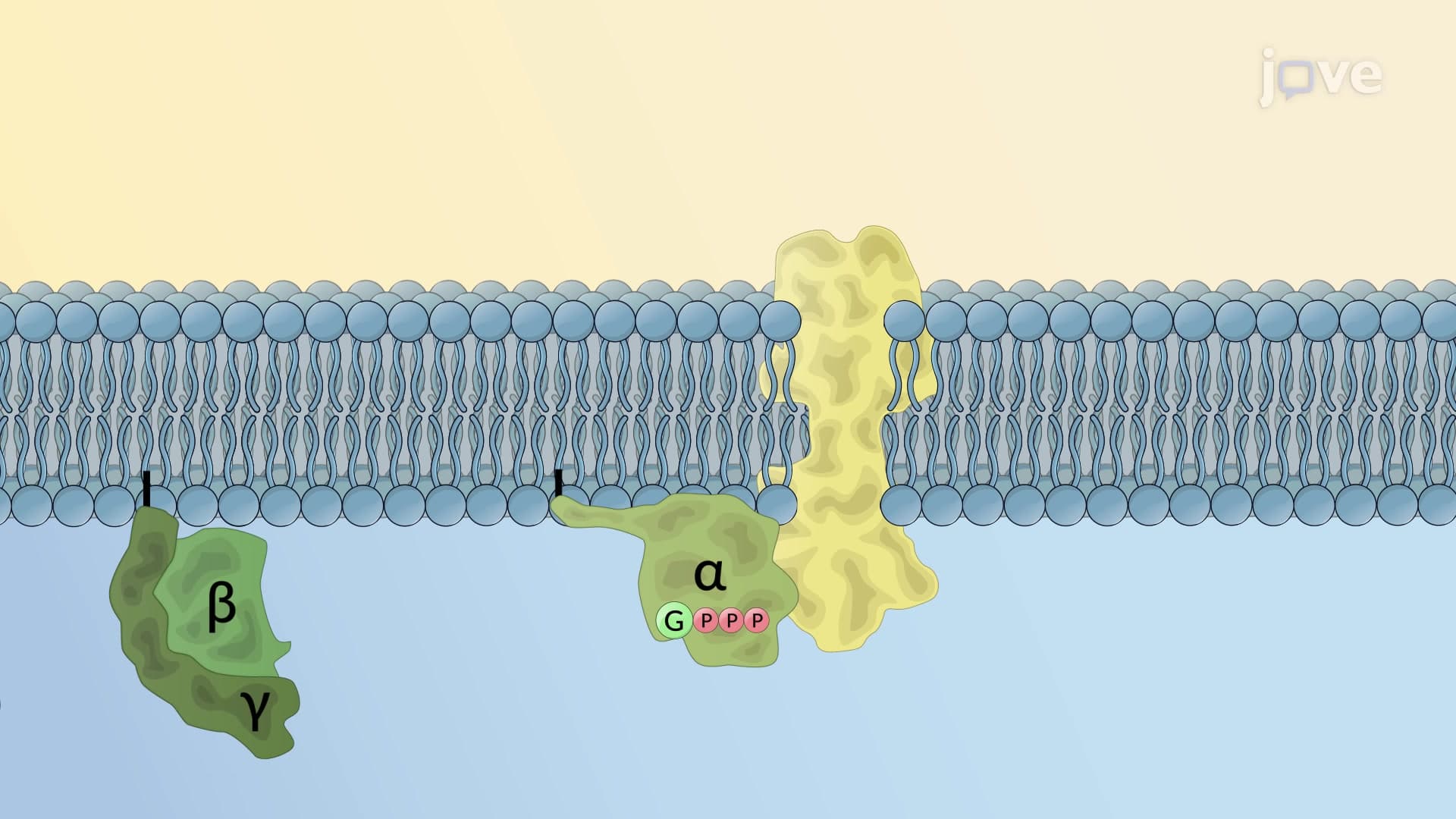
The genius of intracellular signaling lies in its cascade structure. Consider the cyclic AMP pathway activated during exercise when epinephrine (adrenaline) floods your bloodstream. When epinephrine binds to beta-adrenergic receptors on muscle cells, it doesn't directly cause muscle contraction. Instead, it triggers a molecular domino effect: one activated receptor stimulates multiple G proteins, each G protein activates numerous adenylyl cyclase enzymes, and each enzyme produces hundreds of cyclic AMP molecules. This amplification means your body can mount a massive cellular response from relatively few circulating hormone molecules.
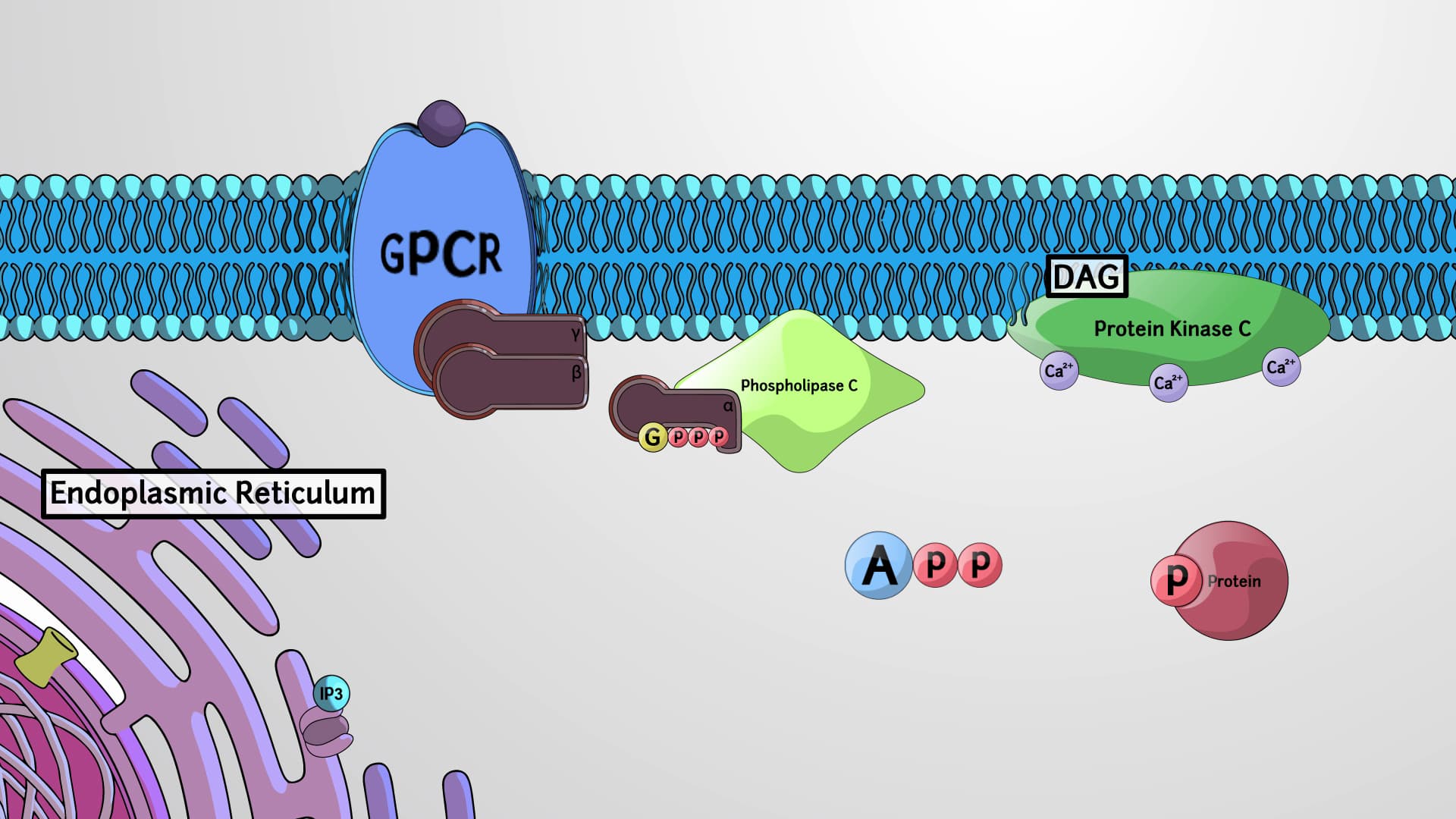
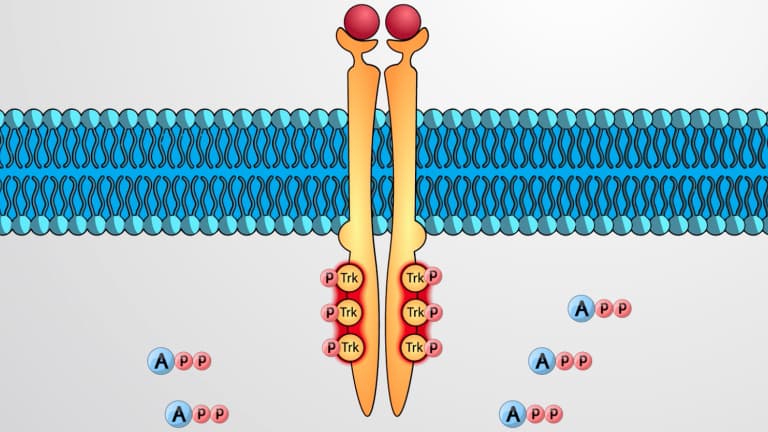
Three primary intracellular signaling cascades dominate cellular communication in human physiology. The cyclic AMP pathway regulates metabolism and gene expression, particularly important in liver cells responding to glucagon during fasting states. The MAPK/ERK pathway controls cell division and differentiation, crucial for wound healing and tissue repair. The IP3/DAG pathway manages calcium release and protein activation, essential for muscle contraction and neurotransmitter release. Each pathway involves distinct molecular players but shares common principles of signal reception, transduction, and amplification.
Understanding these pathways proves essential for success in advanced coursework and standardized exams. AP Biology extensively covers signal transduction mechanisms, while MCAT questions frequently test cyclic AMP pathway details. Medical students encounter these concepts in pharmacology-many medications work by modulating specific steps in signaling cascades. Beta-blockers, for example, inhibit epinephrine's effects by blocking its receptors, preventing cyclic AMP formation. Cancer research increasingly focuses on MAPK pathway mutations that cause uncontrolled cell division. Mastering these fundamental communication networks provides the foundation for understanding both normal physiology and disease mechanisms in advanced STEM studies.
Related Micro-courses