Loading subject page…

- Biology
- Cell Signaling
- Ion Channels
Micro-course: Cell Signaling
986,624 views
Learn key concepts and earn your certificate.


Ion Channels

00:00
01:19
Video Summary: What are Ion Channels
Every time you blink, think, or feel your heart beat, ion channels are working behind the scenes to make it happen. These specialized proteins act like molecular gates in cell membranes, controlling the flow of charged particles that power cellular communication. From the sodium channels that help transmit pain signals when you touch a hot stove to the potassium channels that regulate your heartbeat, what are ion channels becomes clear when you see their impact on daily life. Watch the full video on JoVE Coach to master this concept with expert-led visuals and step-by-step explanations.
- Understand what are ion channels and their fundamental role as transmembrane proteins that facilitate selective ion movement across cell membranes
- Identify the two main types of ion channels: gated channels (requiring stimuli like voltage changes or ligand binding) and non-gated channels (opening randomly)
- Analyze how voltage-gated sodium and potassium channels work together to generate and propagate action potentials in neurons
- Compare the functions of different ion channel types in maintaining resting membrane potential versus active cellular signaling
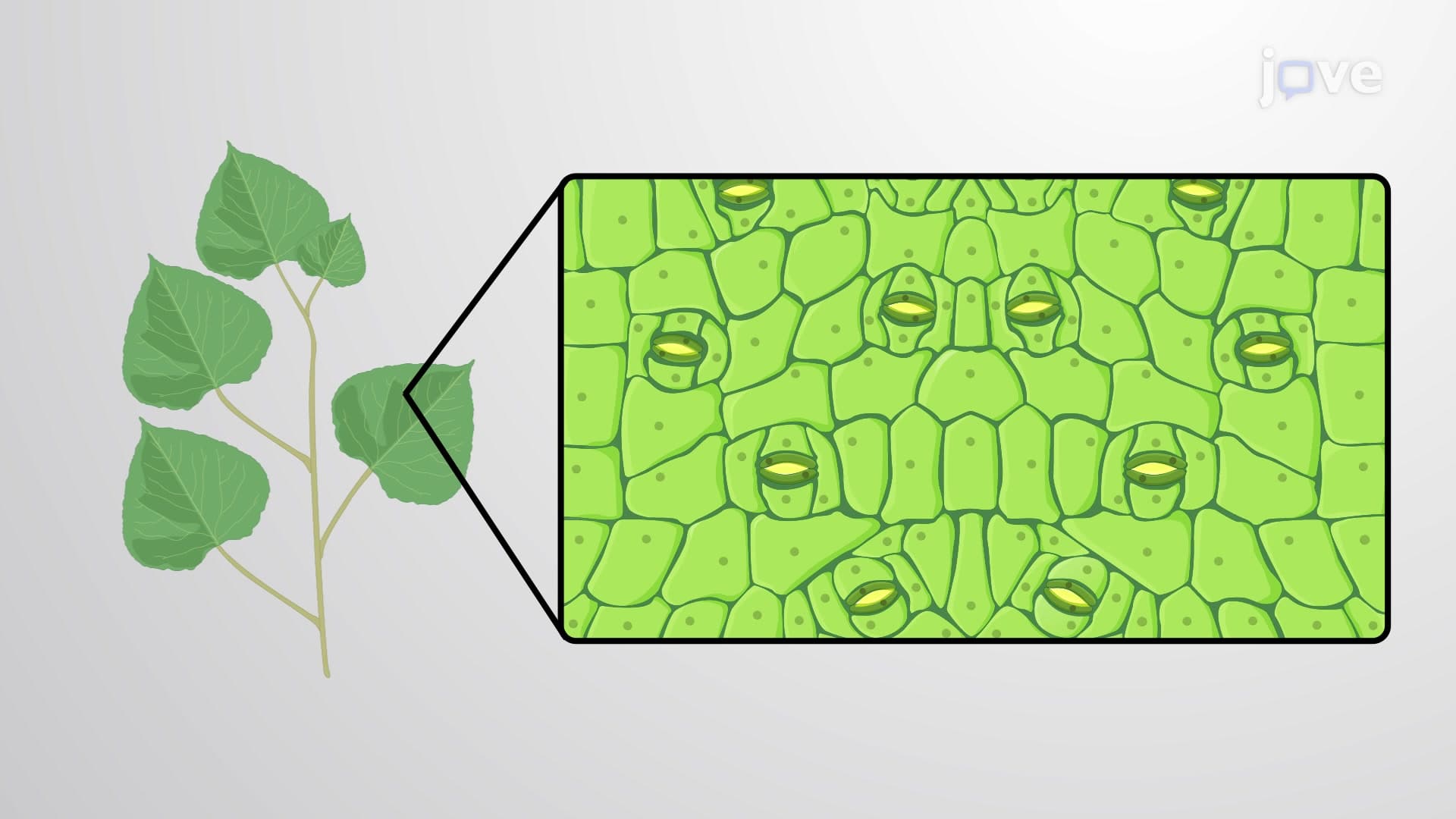
- Evaluate the physiological importance of ion channels in diverse biological processes, from nerve transmission to plant stomatal regulation
- Apply knowledge of ion channel mechanisms to explain real-world phenomena like cardiac arrhythmias and neurological disorders
- Recognize the clinical significance of ion channel dysfunction in human diseases and pharmaceutical interventions
- Explore how ion channels maintain osmotic balance and facilitate nutrient transport across various cell types
Understanding What Are Ion Channels: The Cellular Gatekeepers
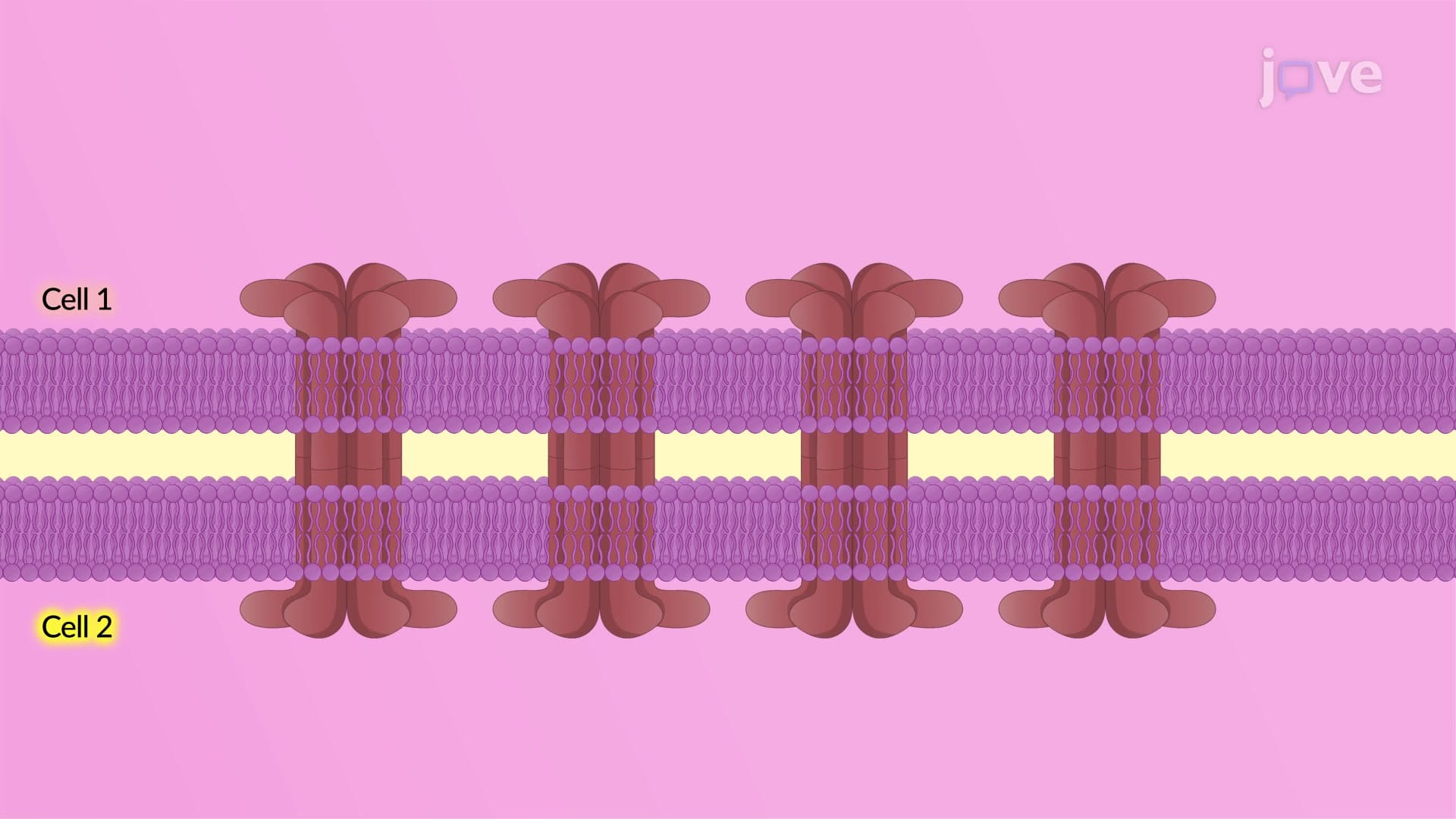
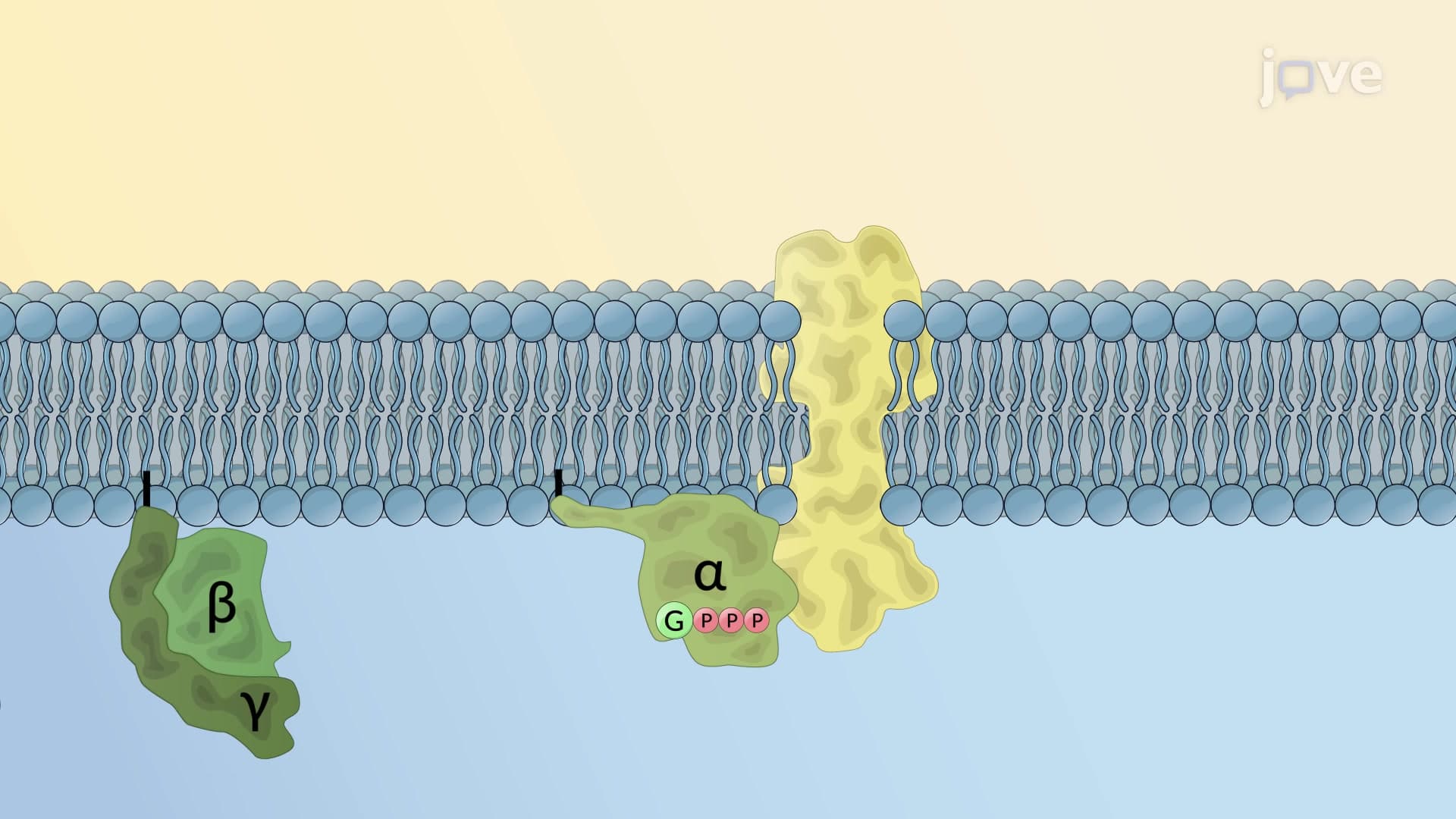
Ion channels represent one of biology's most elegant solutions to cellular communication and homeostasis. These transmembrane proteins function as highly selective pores, allowing specific ions to cross otherwise impermeable lipid bilayers. Unlike simple holes, ion channels demonstrate remarkable specificity-a sodium channel typically excludes potassium ions despite their similar size and charge.
The selectivity mechanism involves precise amino acid arrangements within the channel pore. For instance, the selectivity filter of potassium channels contains carbonyl oxygens positioned exactly 2.8 Angstroms apart, perfectly matching the hydrated radius of potassium ions while excluding smaller sodium ions.
Gated vs. Non-Gated Ion Channels: Controlled Access Systems
Gated ion channels operate like sophisticated security systems, opening only in response to specific stimuli. Voltage-gated channels respond to membrane potential changes-crucial for action potential propagation in neurons. The famous Hodgkin-Huxley experiments at Woods Hole Marine Biological Laboratory first characterized these channels using giant squid axons, work that earned them the Nobel Prize.
Ligand-gated channels open when specific molecules bind, like acetylcholine receptors at neuromuscular junctions. Mechanically-gated channels respond to physical forces, enabling touch sensation and hearing. Non-gated channels, conversely, exhibit random opening and closing patterns, contributing to resting membrane potential maintenance.
Physiological Roles: From Neurons to Heart Muscle
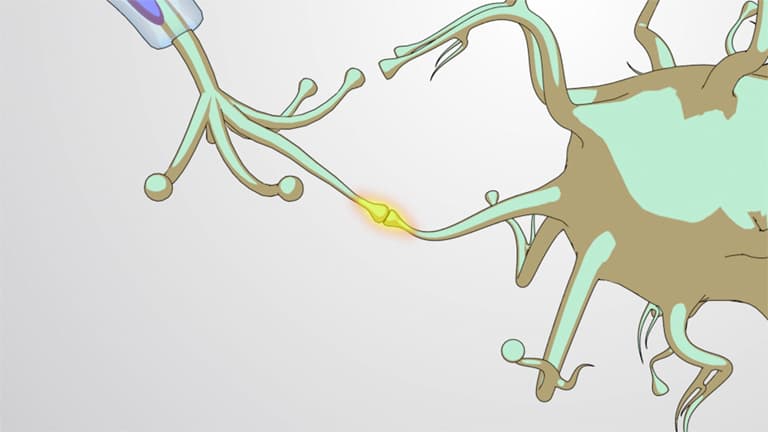
In the human nervous system, coordinated ion channel activity enables everything from reflexes to complex thinking. During an action potential, voltage-gated sodium channels rapidly open, causing membrane depolarization. Subsequently, potassium channels open while sodium channels inactivate, restoring the resting potential of approximately -70 millivolts.
Cardiac muscle relies on specialized calcium channels for contraction coupling. The Stanford University Medical School's research on calcium channel blockers led to breakthrough treatments for hypertension and cardiac arrhythmias. These medications, including amlodipine and diltiazem, selectively inhibit calcium influx, reducing heart muscle contraction force.
Clinical Significance and Exam Applications
Understanding ion channels proves essential for MCAT success, particularly in biological and biochemical foundations sections. AP Biology students encounter ion channels when studying membrane transport and nerve function. College physiology courses extensively cover channel kinetics and pharmacology.
Clinically, ion channel mutations cause channelopathies-diseases ranging from cystic fibrosis (defective chloride channels) to epilepsy (sodium channel dysfunction). The FDA has approved numerous ion channel-targeting drugs, making this knowledge crucial for pre-medical students and healthcare professionals.
Frequently Asked Questions
Ion channels are specialized proteins embedded in cell membranes that act like selective doors, allowing specific charged particles (ions) to pass through. They control the movement of ions like sodium, potassium, calcium, and chloride across cell membranes, enabling cellular communication and maintaining proper cell function.
Ion channels are transmembrane proteins that facilitate passive ion transport down electrochemical gradients. They contain selective pores that discriminate between different ion types and can be either constantly open (non-gated) or regulated by stimuli like voltage changes, ligand binding, or mechanical stress (gated).
MCAT questions often focus on ion channel mechanisms in nerve conduction, muscle contraction, and membrane potential maintenance. AP Biology emphasizes their role in cellular transport and nervous system function. Expect questions about action potentials, channel selectivity, and the relationship between structure and function.
College exams typically cover channel kinetics, pharmacological effects, and disease mechanisms. Common topics include cardiac ion channels in arrhythmias, neuronal channels in epilepsy, and how anesthetics work by blocking sodium channels. Students should understand both normal function and pathological conditions.
USMLE Step 1 tests ion channel knowledge in pharmacology and pathophysiology contexts. Understanding calcium channel blockers for hypertension, sodium channel blockers for arrhythmias, and channelopathies like cystic fibrosis is crucial for clinical reasoning and treatment selection questions.
In hospital emergency rooms, doctors use lidocaine (a sodium channel blocker) for local anesthesia during wound suturing. Cardiac units rely on calcium channel blockers to treat high blood pressure and irregular heartbeats. Neurologists prescribe sodium channel blockers like phenytoin to prevent seizures in epilepsy patients.
Basic chemistry suffices for introductory understanding. You should know that ions are charged particles, understand electrochemical gradients, and grasp the concept of selective permeability. Advanced topics like channel kinetics and molecular modeling require more chemistry background but aren't necessary for foundational learning.
Progress to action potential mechanisms, synaptic transmission, and muscle contraction coupling. Then explore ion channel pharmacology, including how drugs like anesthetics and cardiac medications work. Advanced students can study patch-clamp electrophysiology techniques and ion channel structure-function relationships.
Create concept maps linking ion types to their channels and physiological roles. Practice drawing action potentials while explaining which channels open and close at each phase. Use clinical examples to make concepts memorable-associate calcium channels with heart medications and sodium channels with local anesthetics for better retention.
Related Micro-courses