Loading subject page…


986,639 views

Video Summary: What Is Contact Dependent Signaling
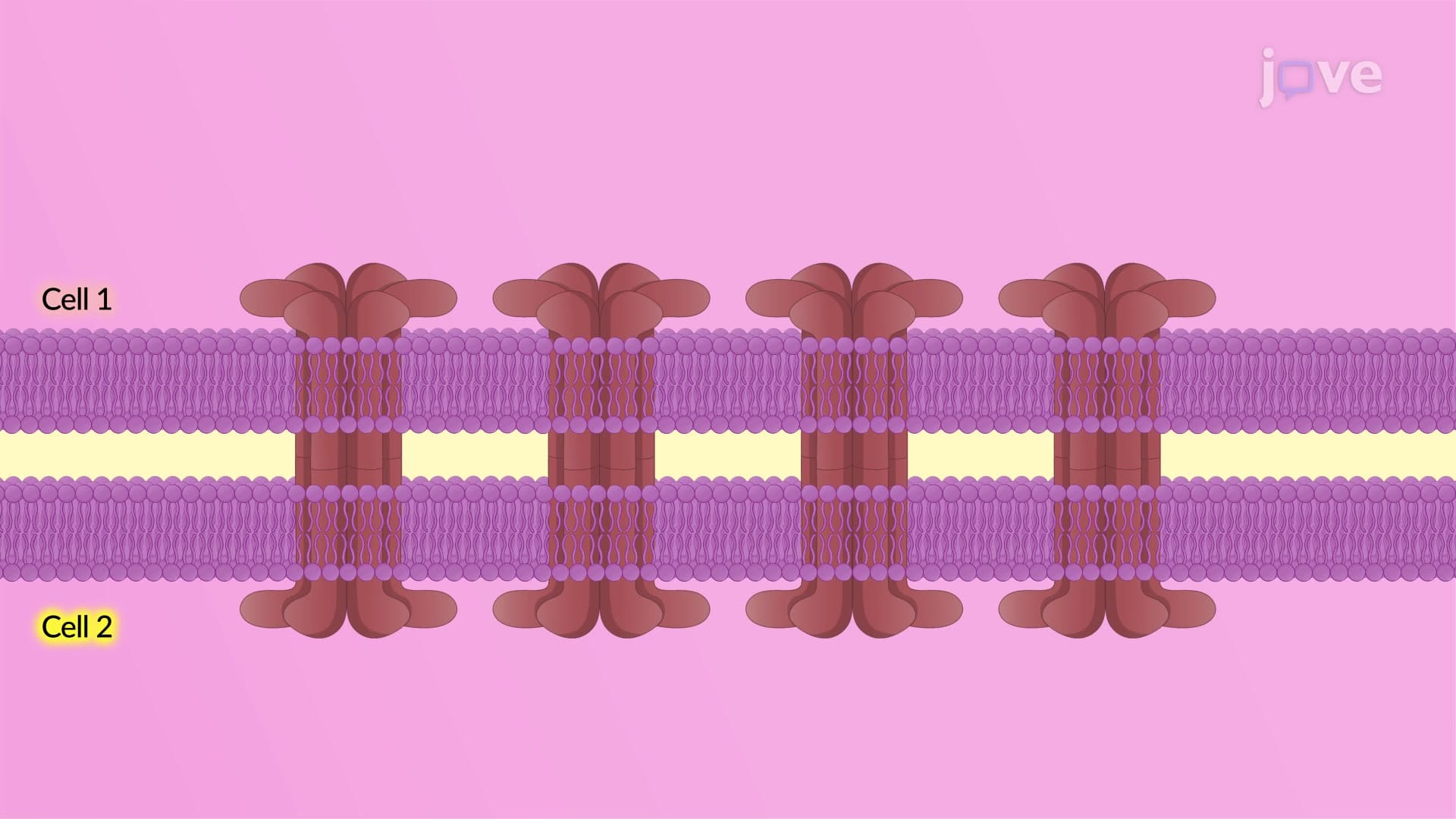
Ever wonder how cardiac muscle cells in your heart coordinate their synchronized beating? Contact dependent signaling enables cells to communicate through direct physical connections, creating the precise coordination essential for life. In the human heart, specialized gap junctions allow cardiac cells to rapidly share electrical signals, ensuring your heart beats as one unified organ rather than billions of individual cells. What is Contact Dependent Signaling becomes clear when you see these cellular "handshakes" in action. Watch the full video on JoVE Coach to master this concept with expert-led visuals and step-by-step explanations.
Contact dependent signaling represents one of the most intimate forms of cellular communication, requiring direct physical contact between cells to transmit information. Unlike endocrine or paracrine signaling that relies on chemical messengers traveling through body fluids, contact dependent signaling creates immediate, localized communication channels between adjacent cells. This mechanism proves essential in tissues requiring rapid, coordinated responses, such as the smooth muscle in your digestive tract or the synchronized contractions of uterine muscle during childbirth.
Gap junctions serve as the primary mechanism for contact dependent signaling in animal tissues. These sophisticated protein complexes consist of connexin proteins arranged in hexagonal patterns called connexons. When connexons from neighboring cells align perfectly, they create continuous channels spanning both cell membranes. The human body contains over 20 different connexin types, with Connexin-43 being particularly abundant in cardiac muscle. These channels exhibit selective permeability, allowing ions, small metabolites, and signaling molecules under 1,000 daltons to pass freely while blocking larger macromolecules like proteins and nucleic acids.
The clinical relevance becomes apparent in conditions like cardiac arrhythmias, where defective gap junctions disrupt the heart's electrical conduction system. Medical students studying for the MCAT often encounter questions about gap junction dysfunction in hereditary diseases like Charcot-Marie-Tooth neuropathy, where connexin mutations cause progressive muscle weakness.
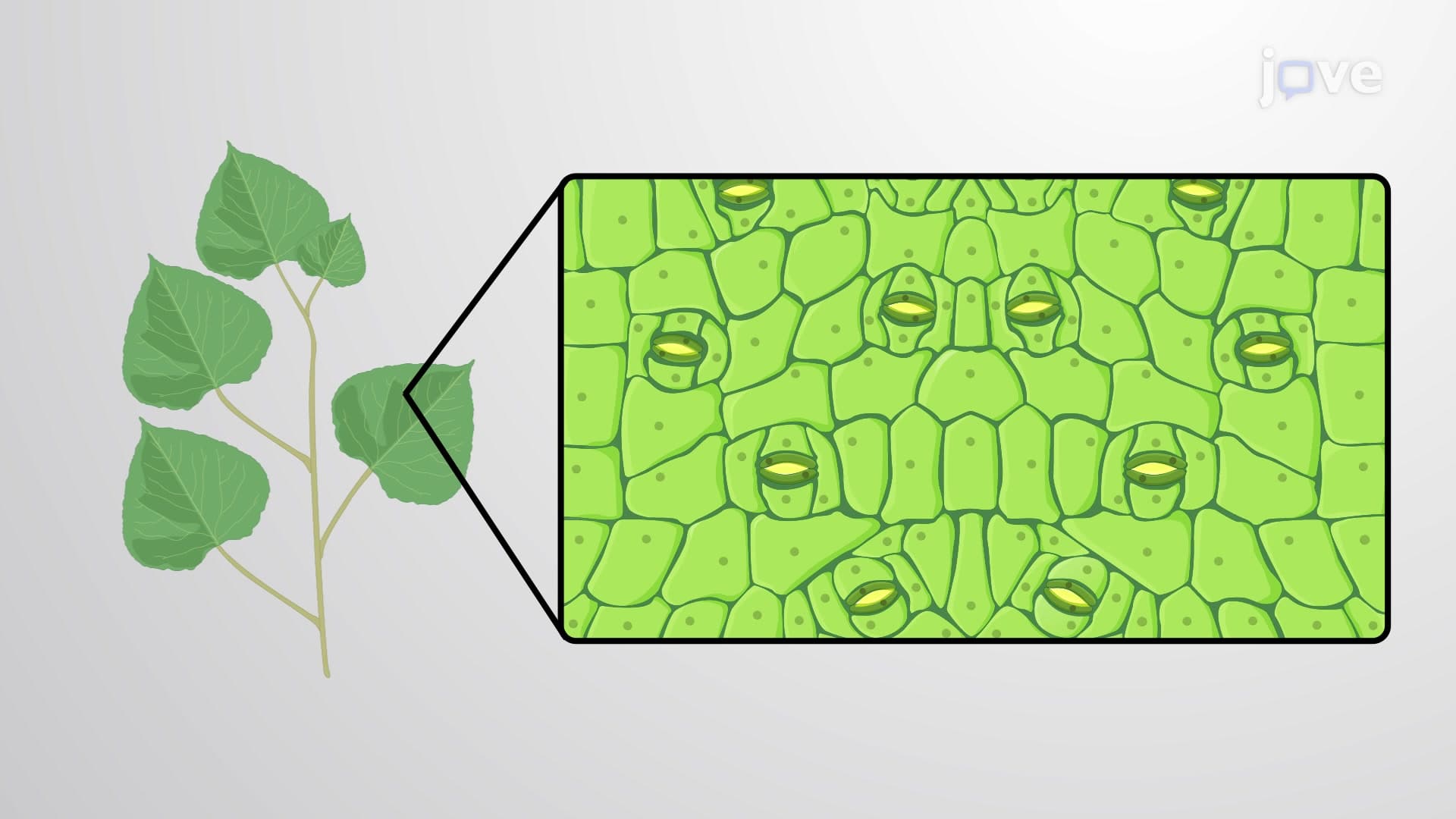
Plants face unique challenges in cellular communication due to their rigid cell walls. Plasmodesmata solve this problem by creating membrane-lined tunnels that penetrate cell walls, establishing cytoplasmic continuity between adjacent plant cells. Each plasmodesma contains a desmotubule-a narrow tube derived from the endoplasmic reticulum-surrounded by cytoplasmic space. This dual-channel system allows both small molecules and larger signaling proteins to move between cells, enabling plant tissues to coordinate responses to environmental stimuli.
Students preparing for AP Biology exams frequently encounter contact dependent signaling in questions about tissue organization and cellular communication. College-level biology courses explore this concept when studying developmental biology, where gap junctions enable coordinating cell fate decisions during embryogenesis. Pre-med students should understand how gap junction-mediated contact dependent signaling contributes to normal physiology and disease states, as this knowledge appears regularly on MCAT biology sections focusing on cell biology and physiology integration.
Related Micro-courses