Loading subject page…


986,639 views

Video Summary: What Is Endocrine Signaling
Ever wonder how your brain tells your kidneys to conserve water when you're dehydrated? Endocrine signaling makes this remarkable long-distance cellular communication possible by using hormones as chemical messengers that travel through your bloodstream. For instance, when you haven't had enough water, your pituitary gland releases hormones that signal your kidneys to retain more water from urine. Watch the full video on JoVE Coach to master this concept with expert-led visuals and step-by-step explanations.
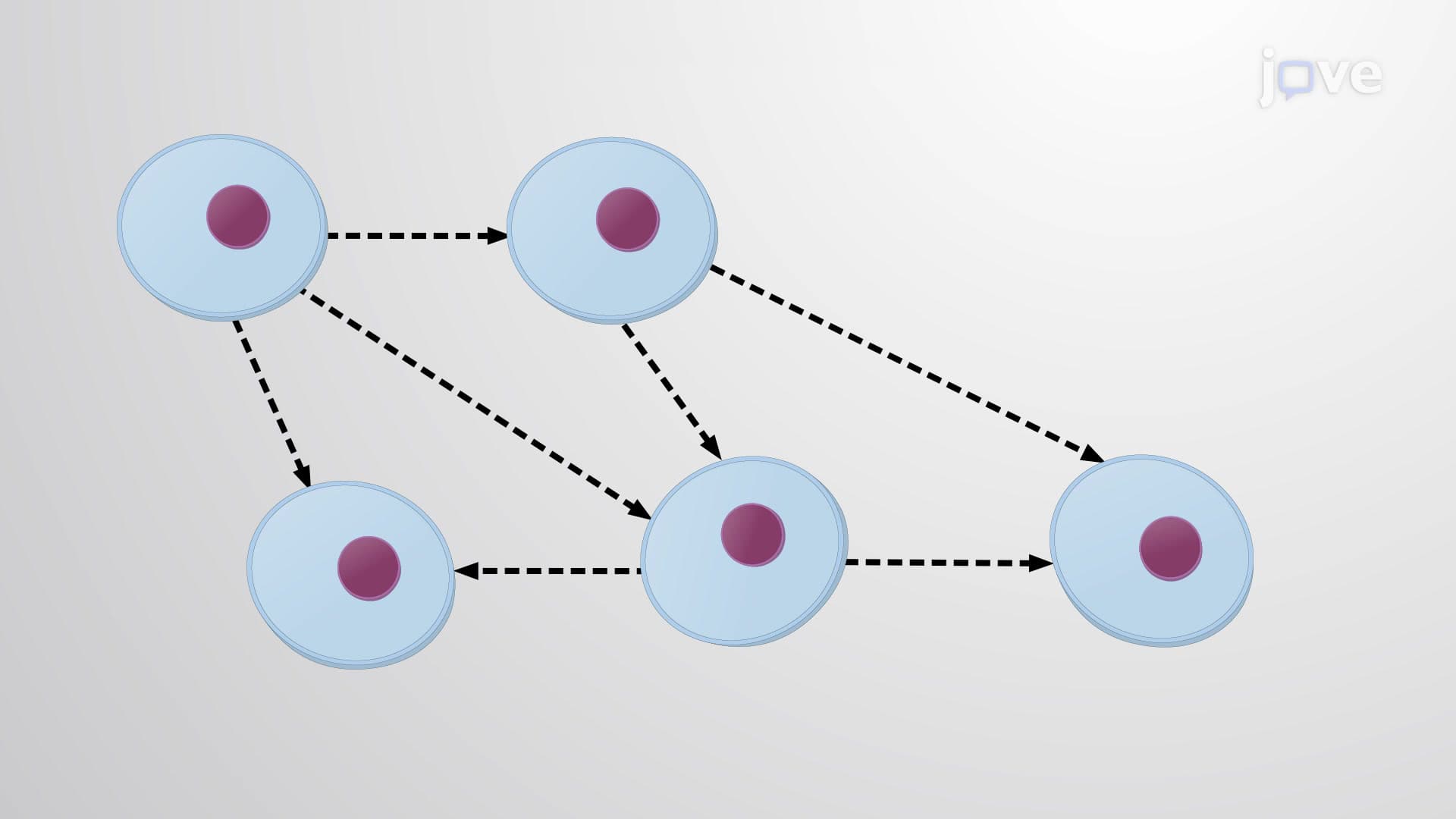
Endocrine signaling represents one of the most sophisticated communication networks in the human body, allowing cells in completely different organs to coordinate their activities. Unlike local cell-to-cell communication, endocrine signaling uses the circulatory system as a highway for chemical messages called hormones. This system enables your pancreas to regulate blood sugar levels in muscle cells throughout your body, or your thyroid gland to control metabolism in virtually every tissue.
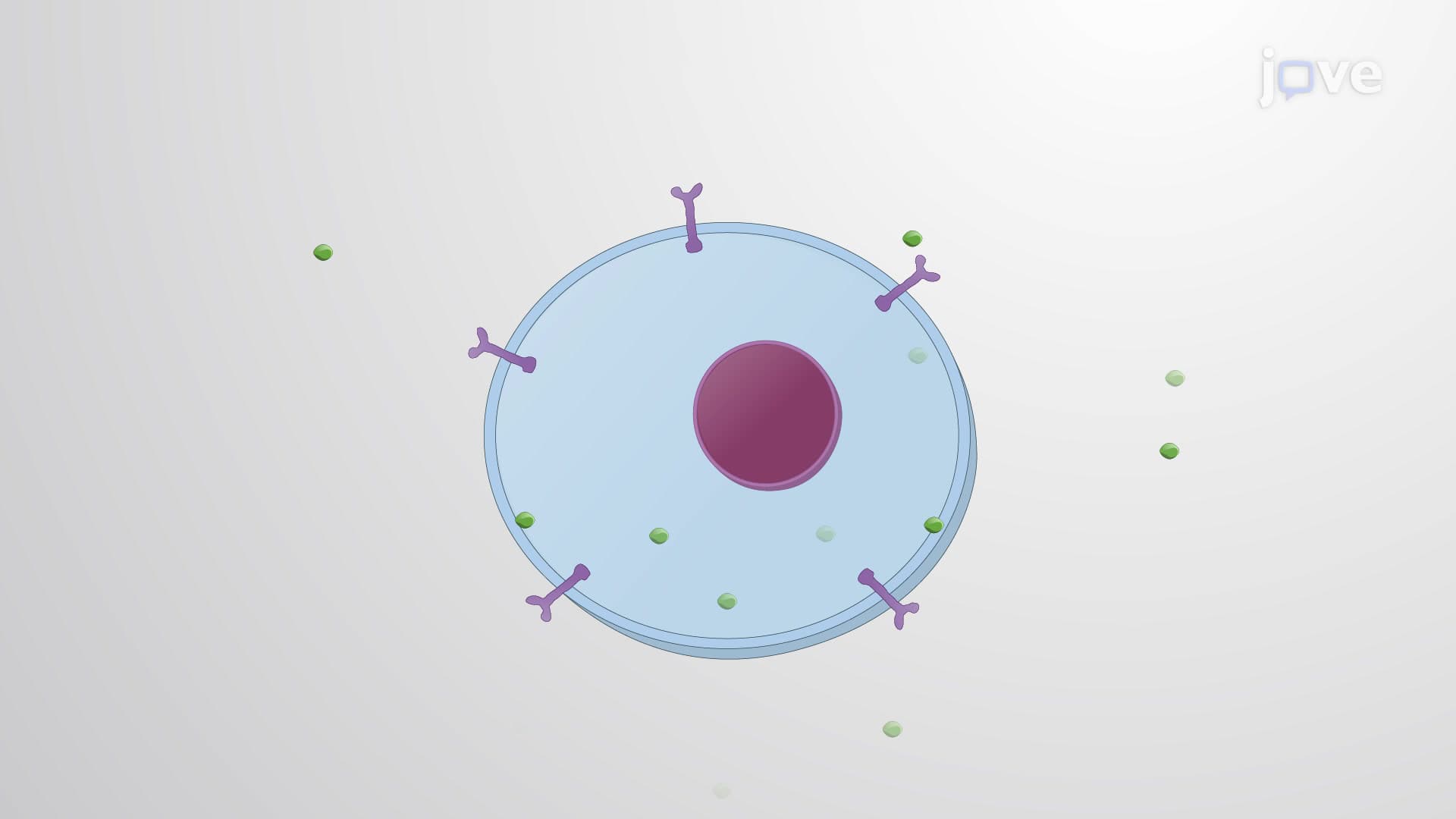
The process begins when endocrine glands-specialized organs like the pituitary, thyroid, or adrenal glands-release hormones directly into the bloodstream. These chemical messengers circulate throughout the body until they encounter their specific target cells, which contain matching receptors like molecular locks awaiting the right key.
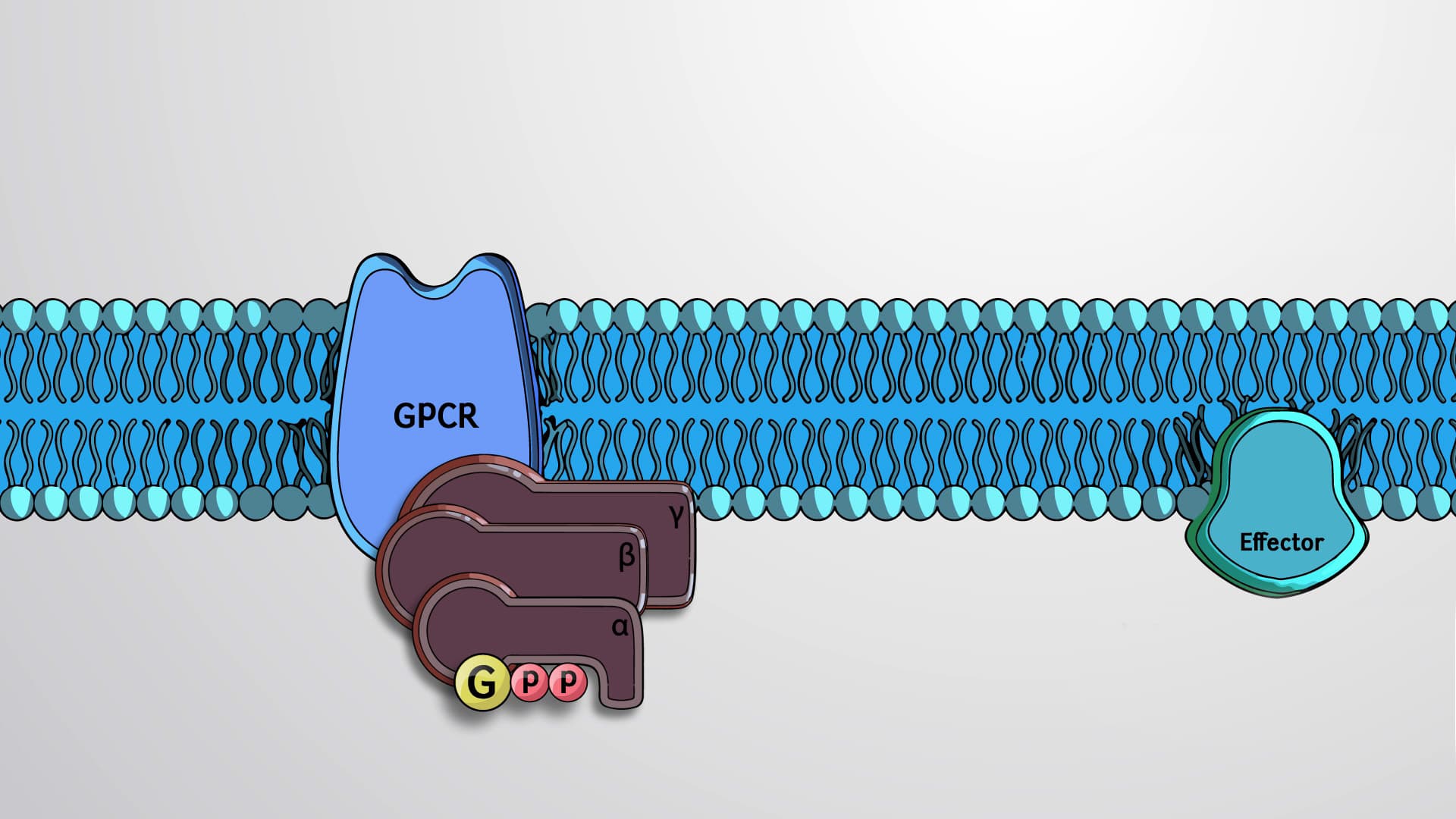
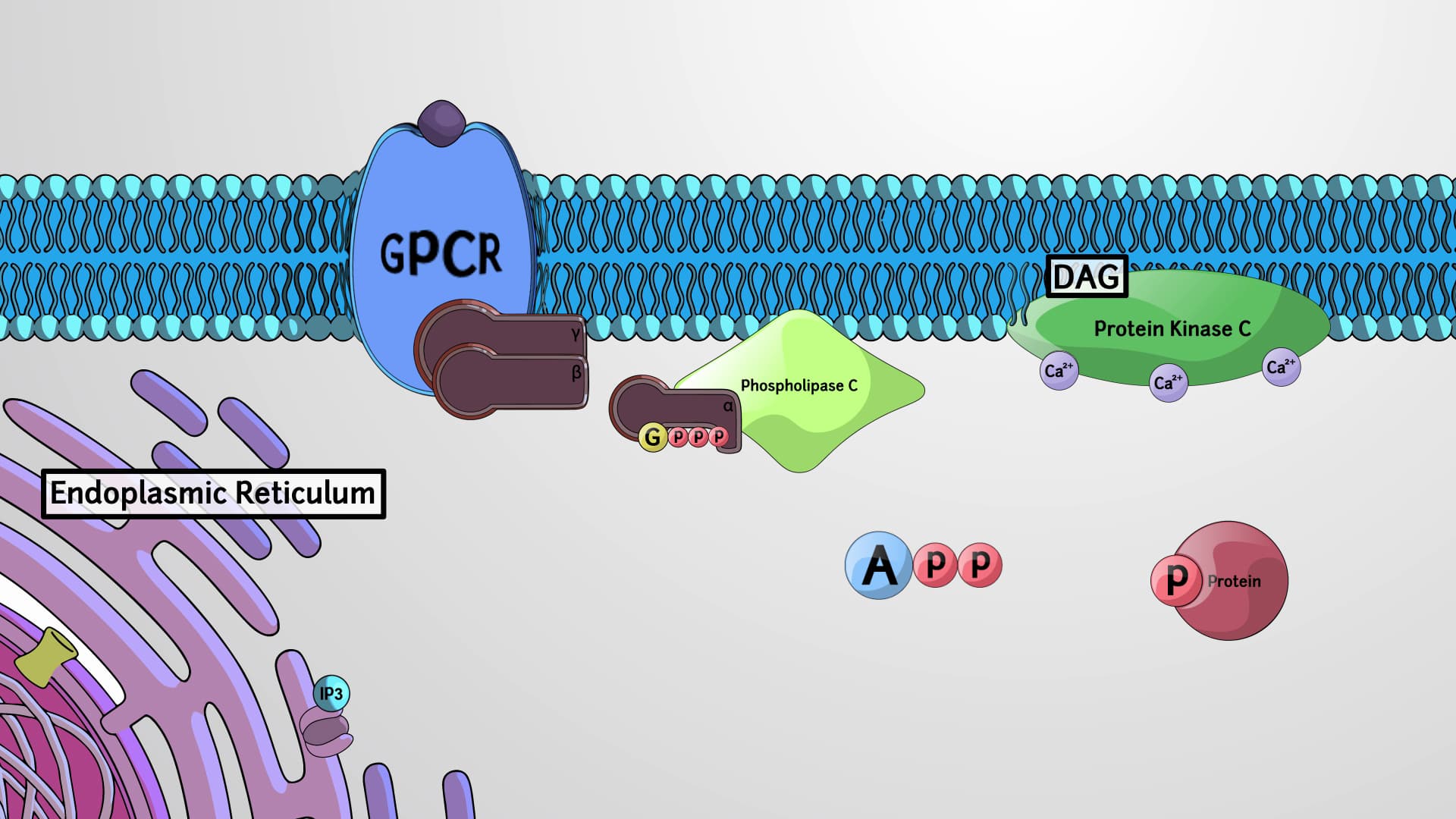
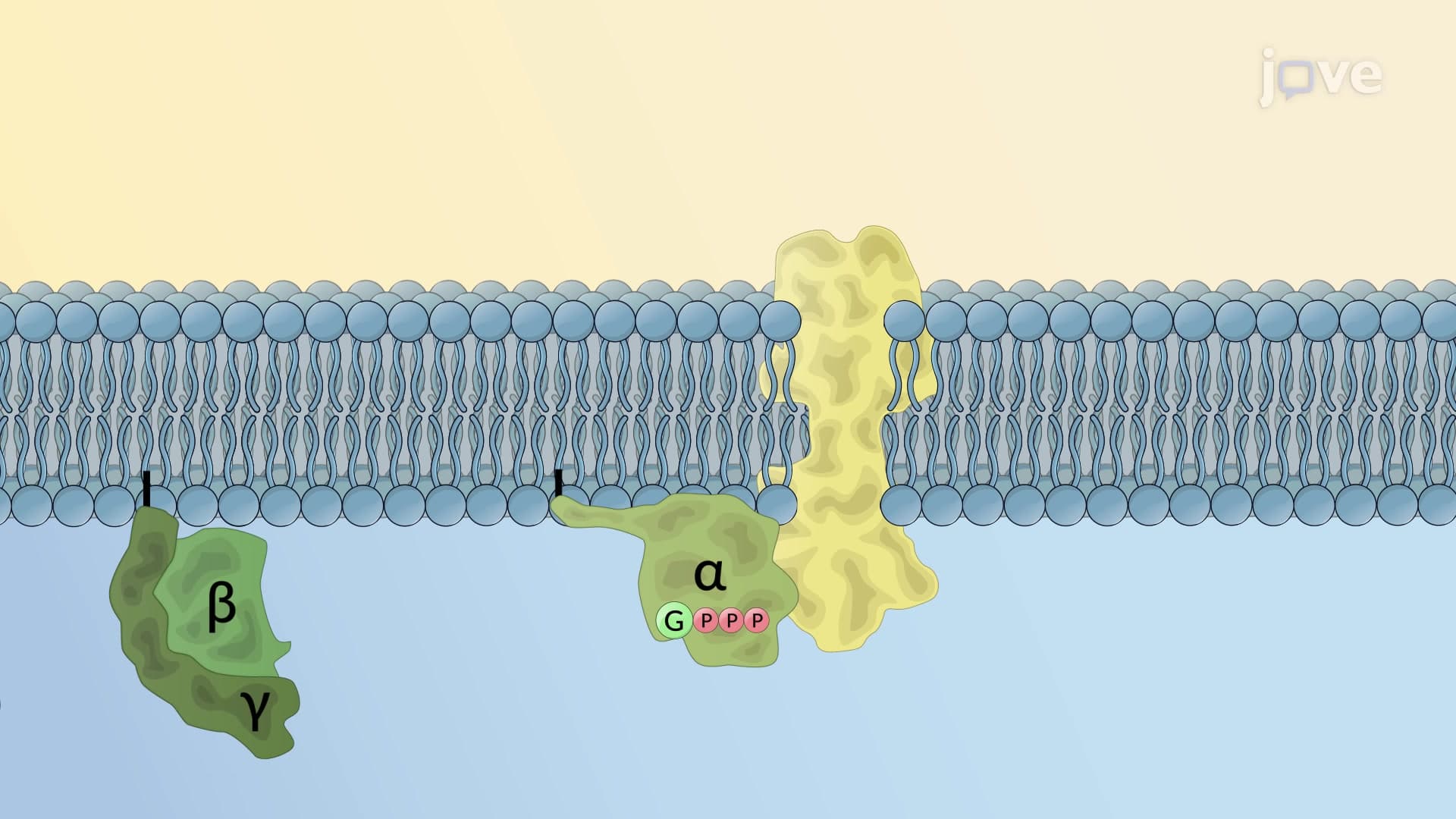
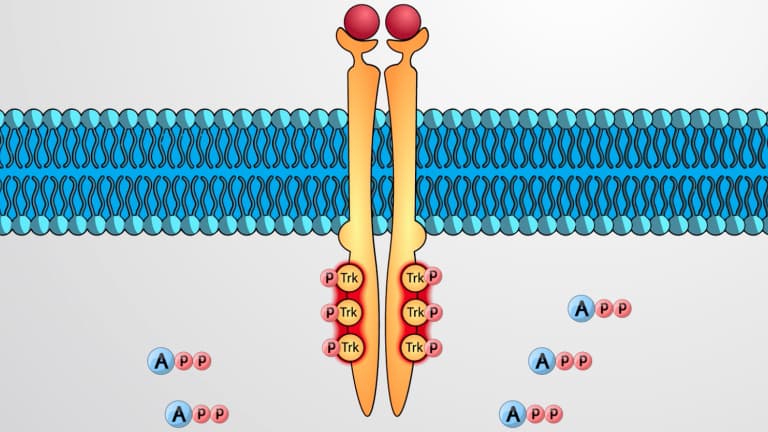
The precision of endocrine signaling lies in its molecular specificity. When hormones like insulin, cortisol, or growth hormone reach their target tissues, they bind to highly specific receptors. Many hormones work through G protein-coupled receptors (GPCRs), which are embedded in cell membranes and trigger cascading reactions inside cells.
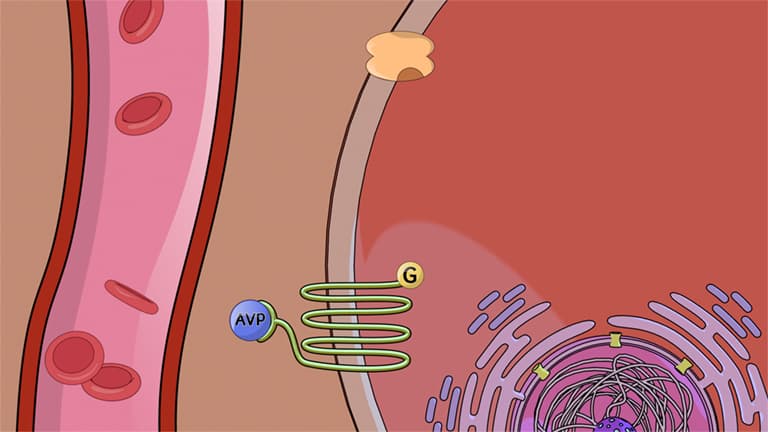
Take the antidiuretic hormone (ADH) pathway as a prime example. When you become dehydrated, your hypothalamus detects increased blood concentration and signals the pituitary to release ADH. This hormone travels to kidney cells, binds to AVPR2 receptors, and activates a cascade involving cyclic AMP and protein kinase A. The result? Your kidneys dramatically increase water reabsorption, helping restore proper hydration levels.
Understanding endocrine signaling becomes crucial when studying diseases that affect millions of Americans. Type 1 diabetes occurs when pancreatic beta cells cannot produce insulin, disrupting glucose signaling to muscle and fat cells. Type 2 diabetes involves insulin resistance, where target cells become less responsive to insulin's signal despite adequate hormone production.
Thyroid disorders provide another compelling example. Hyperthyroidism results from excessive thyroid hormone production, causing accelerated metabolism, while hypothyroidism involves insufficient hormone levels, slowing bodily functions. These conditions demonstrate how endocrine signaling disruptions can have widespread physiological consequences.
For AP Biology students, endocrine signaling frequently appears in free-response questions about homeostasis and cellular communication. The College Board often tests understanding of feedback loops, receptor specificity, and signal transduction pathways. Pre-med students preparing for the MCAT should focus on hormone structures, receptor types, and pathophysiology of endocrine disorders.
College physiology courses typically emphasize quantitative aspects, such as hormone half-lives, receptor binding kinetics, and dose-response relationships. Understanding these concepts proves essential for healthcare-related programs and provides foundation knowledge for advanced topics in pharmacology and pathophysiology.
Related Micro-courses