Loading subject page…

- Biology
- Cell Signaling
- Synaptic Signaling
Micro-course: Cell Signaling
986,624 views
Learn key concepts and earn your certificate.


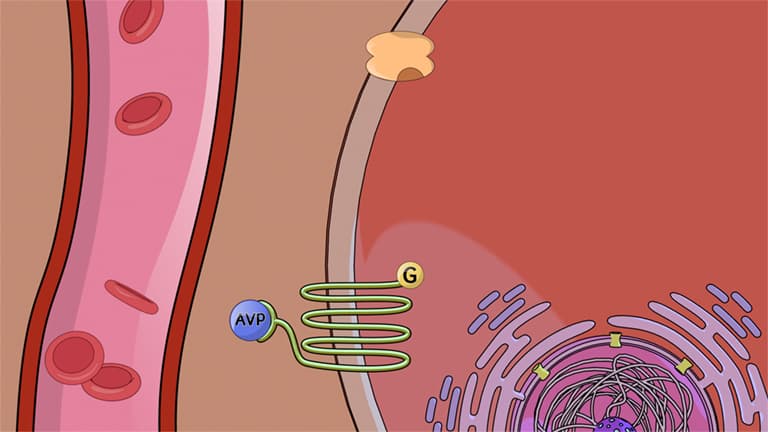
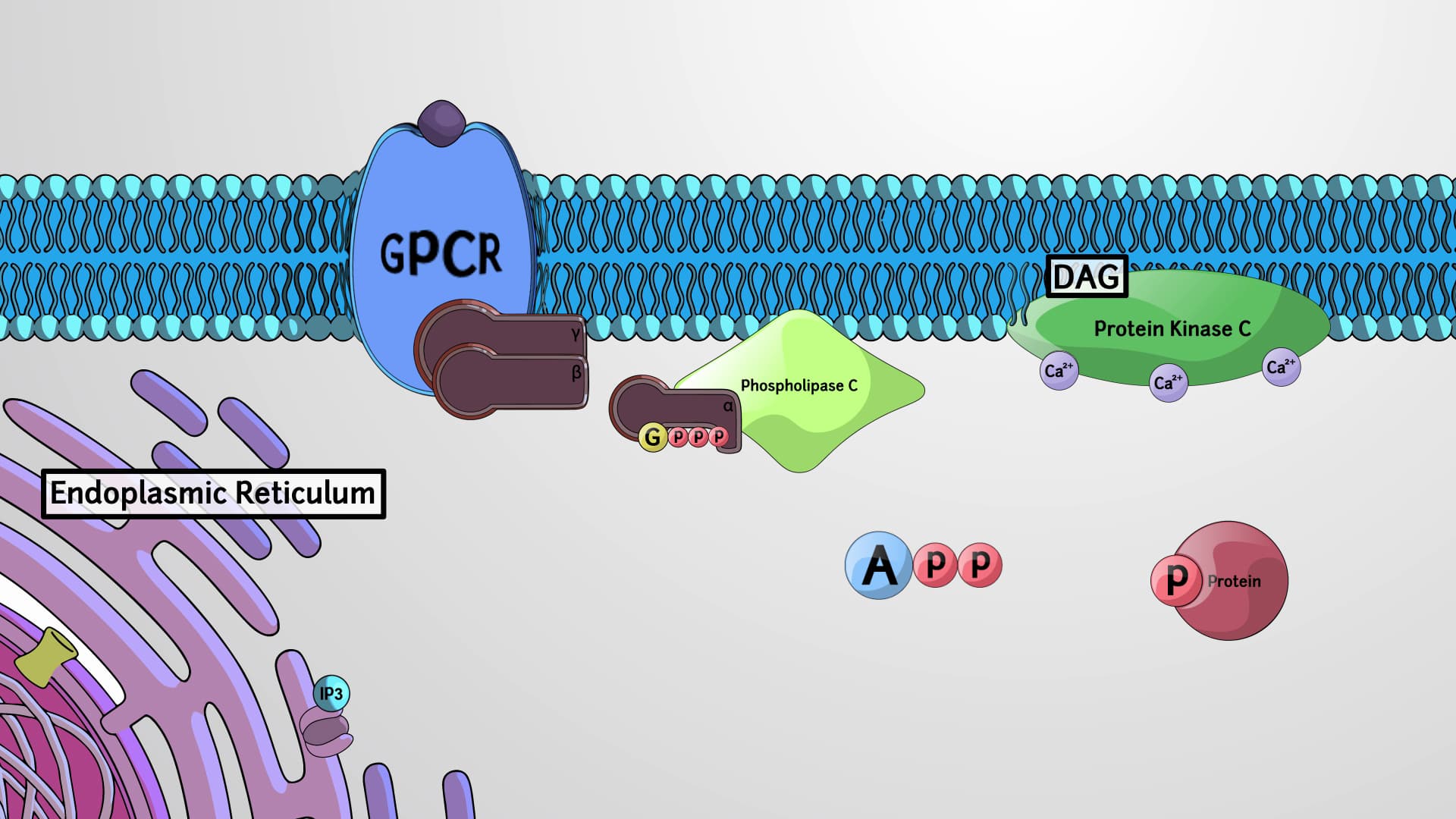
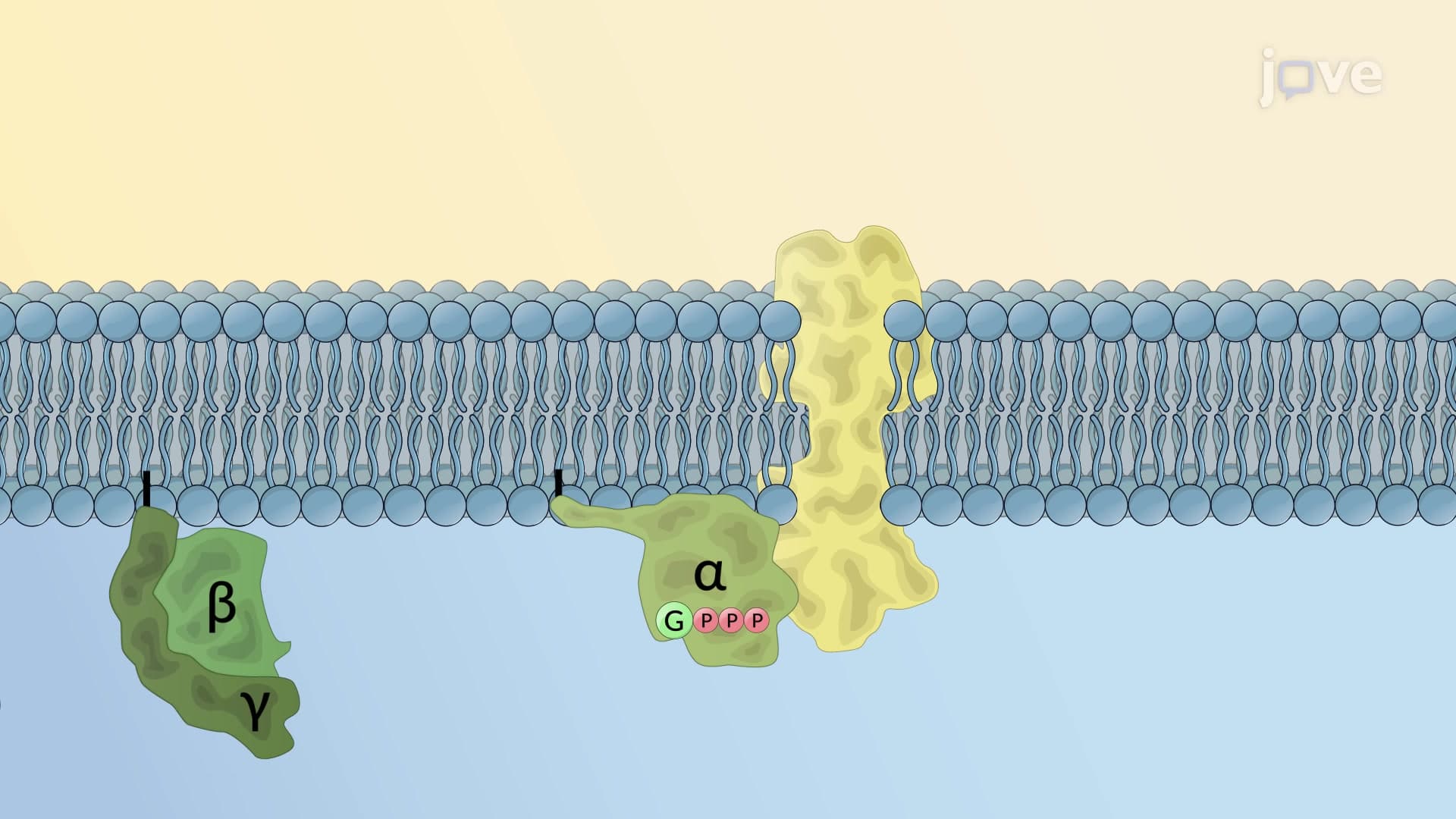
Synaptic Signaling

00:00
01:12
Video Summary: What Is Synaptic Signaling
Every time you remember your friend's phone number or feel your heart race before a big exam, billions of neurons are communicating through synaptic signaling. This fundamental process enables neurons to transmit chemical messages across microscopic gaps called synapses, allowing your brain to process everything from simple reflexes to complex thoughts. When a student at Stanford University studies for the MCAT, their neurons use synaptic signaling to form new memory pathways and retrieve stored information. Watch the full video on JoVE Coach to master this concept with expert-led visuals and step-by-step explanations.
- Understand what is synaptic signaling and how neurons communicate through chemical messengers at specialized junctions called synapses
- Identify the key components of synaptic transmission, including presynaptic neurons, postsynaptic cells, neurotransmitters, and synaptic vesicles
- Analyze the step-by-step process from action potential arrival to neurotransmitter release and receptor binding
- Compare different types of neurotransmitters and their specific roles in nervous system function
- Evaluate how synaptic signaling enables both local and long-distance communication throughout the nervous system
- Apply knowledge of synaptic mechanisms to understand neurological conditions and pharmaceutical interventions
- Recognize the relationship between electrical signals (action potentials) and chemical signaling at synapses
- Explore how synaptic plasticity contributes to learning, memory formation, and behavioral adaptations
Understanding Synaptic Signaling Fundamentals
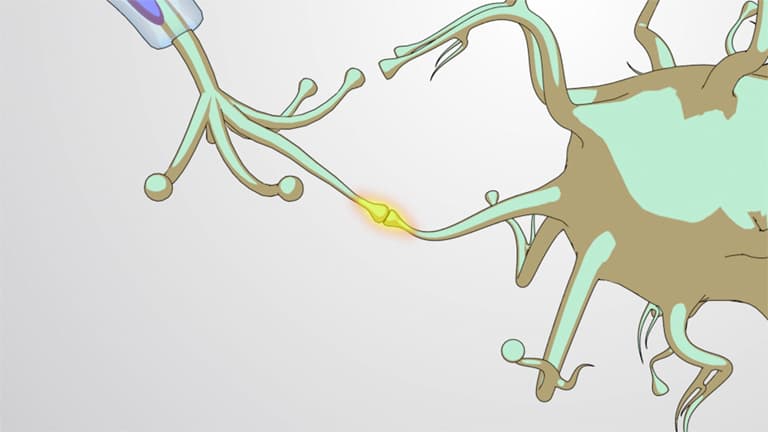
Synaptic signaling represents one of the most sophisticated communication systems in biology, enabling the human nervous system to process approximately 100 billion neurons simultaneously. Unlike simple electrical circuits, neurons cannot directly connect to each other due to cell membrane barriers. Instead, they rely on chemical messengers called neurotransmitters to bridge the microscopic gaps between cells, known as synaptic clefts.
The process begins when an electrical signal, or action potential, travels down the axon of a presynaptic neuron like a wave. This electrical activity reaches specialized terminals containing thousands of membrane-bound packages called synaptic vesicles, each loaded with neurotransmitter molecules. The arrival of the action potential triggers a cascade of molecular events that cause these vesicles to fuse with the cell membrane and dump their chemical contents into the synaptic cleft.
Neurotransmitter Release and Reception Mechanisms
The synaptic cleft, measuring only 20-50 nanometers wide, serves as the critical communication bridge between neurons. When neurotransmitters are released, they diffuse across this narrow space and bind to specific receptor proteins on the postsynaptic cell membrane. This binding acts like a molecular key fitting into a lock, triggering changes in the receiving cell that can either excite or inhibit its activity.
Different neurotransmitters serve distinct functions throughout the nervous system. Dopamine, produced in brain regions like the substantia nigra, plays crucial roles in movement control and reward pathways. Patients with Parkinson's disease, treated at institutions like Johns Hopkins Hospital, experience movement difficulties due to dopamine-producing neuron loss. Acetylcholine enables muscle contractions at neuromuscular junctions, while serotonin regulates mood and sleep cycles.
Clinical and Academic Applications
Understanding synaptic signaling proves essential for students preparing for advanced coursework and professional exams. AP Biology students encounter synaptic transmission when studying nervous system coordination, while pre-med students face detailed questions about neurotransmitter mechanisms on the MCAT. Medical students at institutions like Harvard Medical School must master synaptic pharmacology to understand how medications like antidepressants and anesthetics work.
Many psychiatric medications target synaptic signaling pathways. Selective serotonin reuptake inhibitors (SSRIs) block the removal of serotonin from synaptic clefts, increasing its availability for receptor binding. This mechanism helps explain why medications like Prozac can alleviate depression symptoms by enhancing serotonin signaling between neurons in mood-regulating brain circuits.
Synaptic Plasticity and Learning
Synaptic signaling exhibits remarkable adaptability through processes collectively known as synaptic plasticity. Repeated activation of specific synaptic pathways can strengthen connections between neurons, forming the biological basis for learning and memory formation. Students at universities like MIT studying neuroscience learn that the phrase "neurons that fire together, wire together" describes how synaptic connections become reinforced through use, explaining why practice and repetition enhance skill acquisition and knowledge retention.
Frequently Asked Questions
Synaptic signaling is the process by which neurons communicate through chemical messengers called neurotransmitters at specialized junctions called synapses. This mechanism enables your nervous system to coordinate everything from basic reflexes to complex cognitive processes like memory formation and decision-making. Without synaptic signaling, neurons couldn't communicate effectively, making coordinated brain function impossible.
AP Biology frequently tests synaptic signaling through questions about neurotransmitter release mechanisms, receptor binding, and signal transmission pathways. Students often encounter free-response questions asking them to trace the path of a nerve impulse from action potential to postsynaptic response. MCAT test-takers face more detailed questions about specific neurotransmitters, synaptic disorders, and pharmaceutical interventions targeting synaptic mechanisms.
College neuroscience and biology exams typically include questions about the sequence of synaptic transmission events, neurotransmitter classification, and synaptic dysfunction in neurological diseases. You might analyze case studies of patients with conditions like myasthenia gravis, where antibodies attack acetylcholine receptors. Many professors also test understanding of how drugs like caffeine, alcohol, and prescription medications affect synaptic signaling pathways.
Many common medical conditions involve synaptic signaling dysfunction, making this concept highly relevant to healthcare careers. Depression often involves altered serotonin signaling, while Alzheimer's disease affects acetylcholine pathways involved in memory formation. Understanding synaptic mechanisms helps explain why certain medications work and guides treatment decisions in clinical settings across the United States.
While synaptic signaling involves detailed molecular mechanisms, the core concepts are highly accessible when approached systematically. High school students successfully learn this material in AP Biology and dual-enrollment courses nationwide. Focus on understanding the basic sequence: action potential → vesicle fusion → neurotransmitter release → receptor binding → postsynaptic response, then gradually add complexity.
Create step-by-step diagrams showing the synaptic transmission process, and practice explaining each stage aloud to reinforce understanding. Use flashcards for neurotransmitter names and functions, and work through practice problems that require you to predict the effects of different drugs or disease conditions on synaptic function. Many students find success drawing and redrawing synaptic diagrams until they can reproduce them from memory.
Once you understand basic synaptic signaling, explore synaptic plasticity and its role in learning and memory formation. Advanced students should investigate neurotransmitter synthesis pathways, synaptic development, and the molecular basis of neurological diseases. These topics frequently appear in upper-level neuroscience courses and professional school curricula, building naturally on foundational synaptic signaling knowledge.
Related Micro-courses