Loading subject page…

- Biology
- Cell Signaling
- What are Second Messengers?
Micro-course: Cell Signaling
986,624 views
Learn key concepts and earn your certificate.


What are Second Messengers?

00:00
01:12
Video Summary: What Is What are Second Messengers
Ever wonder how your brain signals your muscles to move instantly during an emergency? Second messengers are the cellular communication champions that make this lightning-fast response possible, converting external signals into precise internal actions within milliseconds. When a hormone like adrenaline hits a cell during a fight-or-flight response, second messengers like IP3 and DAG spring into action, triggering cascades that prepare your body for action. Watch the full video on JoVE Coach to master this concept with expert-led visuals and step-by-step explanations.
- Understand what are second messengers and their essential role in cellular communication pathways
- Identify the key components of the IP3/DAG signaling cascade and their specific cellular locations
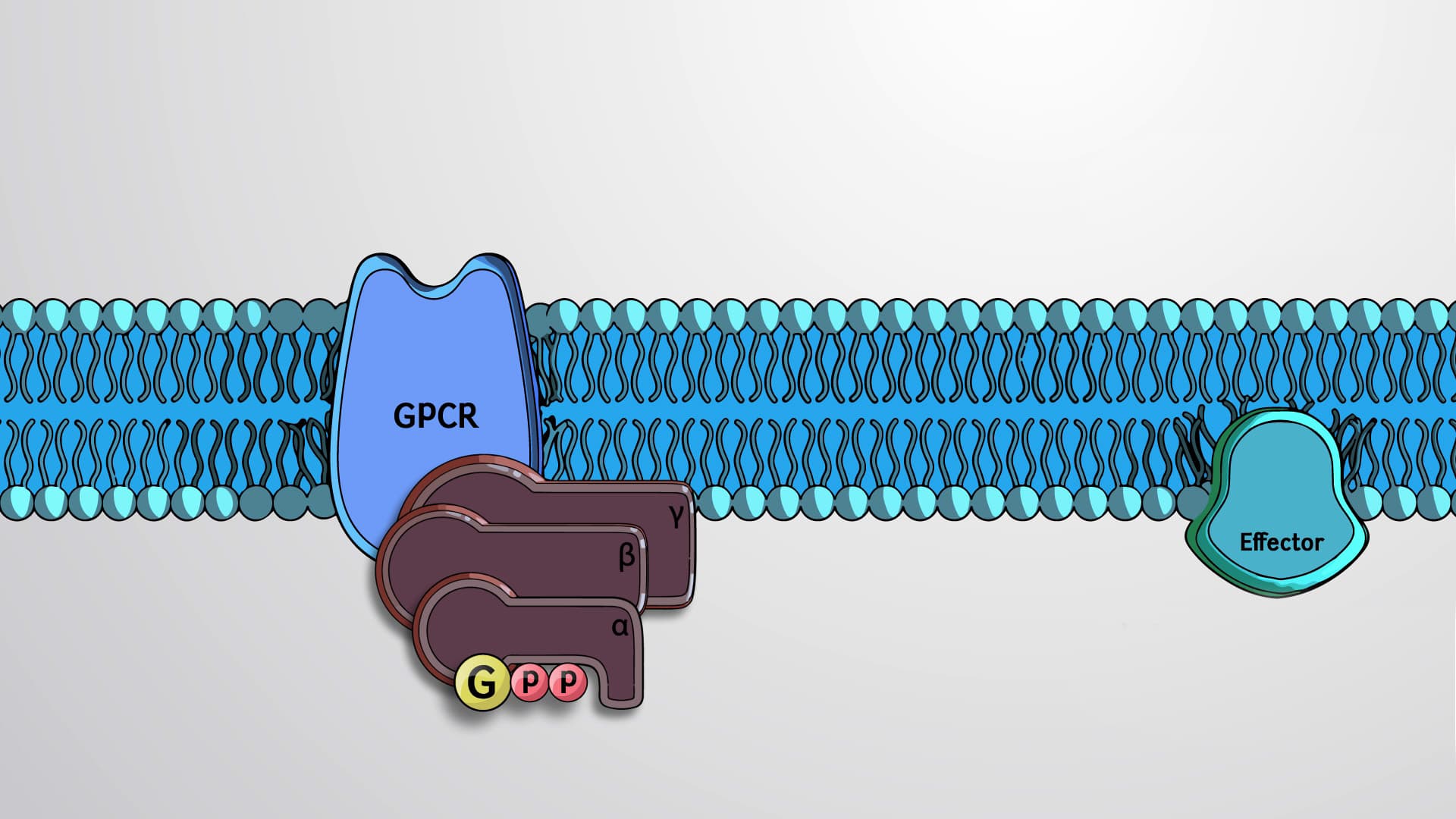
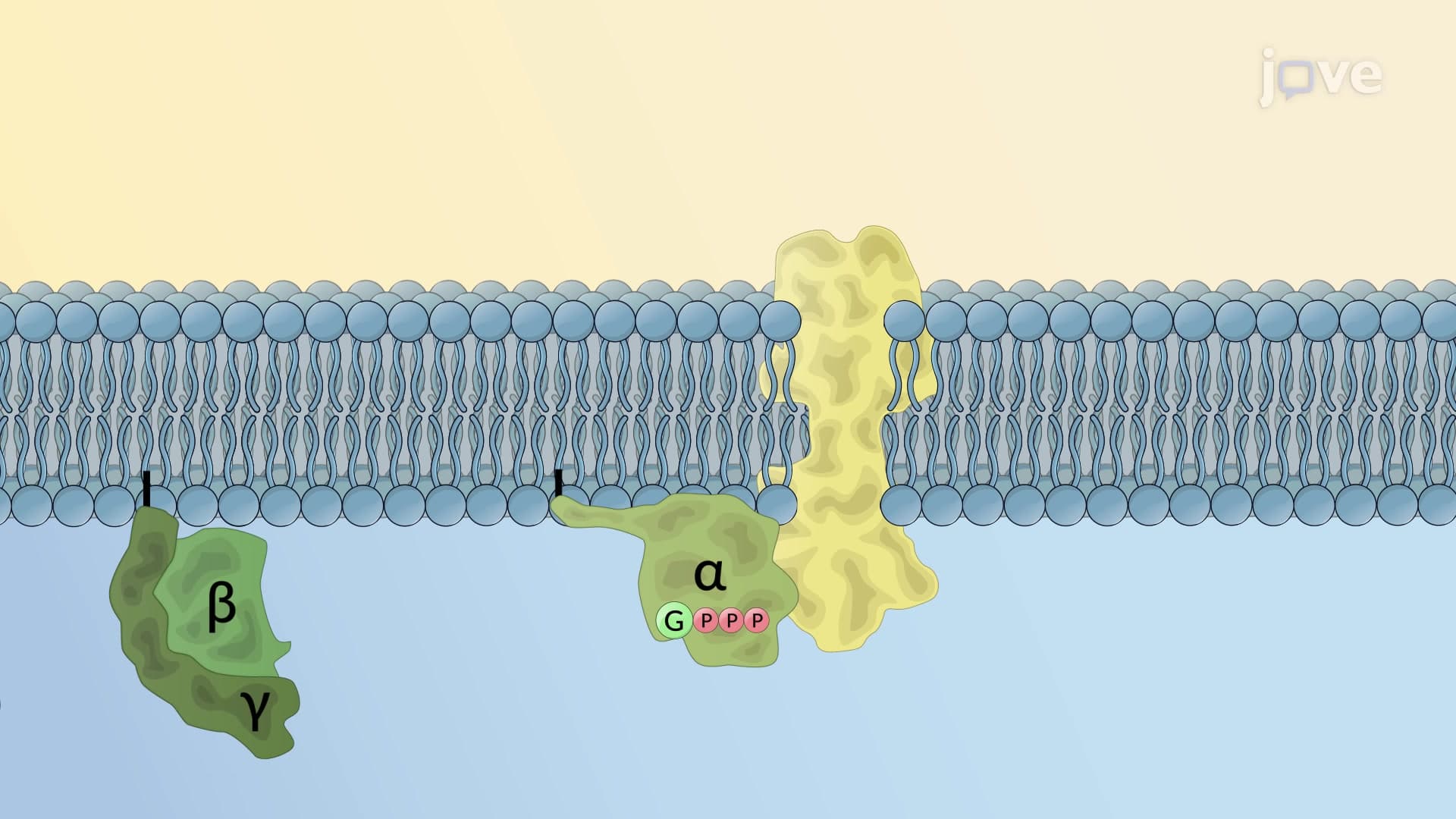
- Analyze how G-protein coupled receptors initiate second messenger production through enzyme activation
- Compare the different functions of DAG and IP3 as distinct second messengers in the same pathway
- Evaluate the role of calcium ions as intracellular signaling molecules in protein kinase C activation
- Apply knowledge of phosphorylation cascades to predict cellular responses to hormonal stimulation
- Recognize the importance of membrane-bound and cytoplasmic second messengers in signal amplification
- Explore how disruptions in second messenger systems contribute to various disease states
What are Second Messengers: The Cellular Communication Network
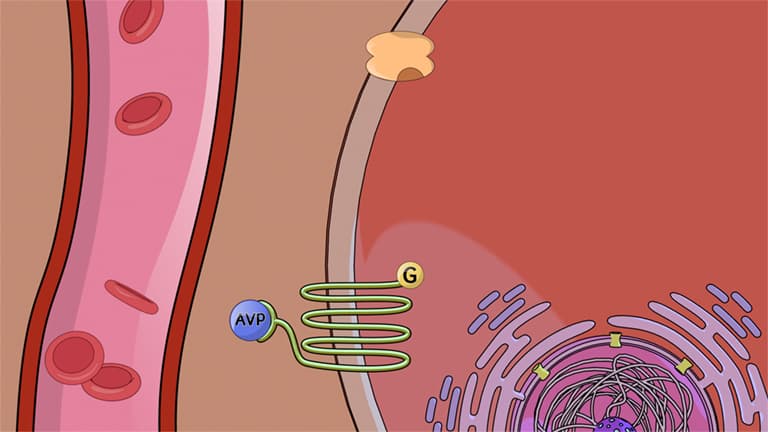
Second messengers function as the cellular equivalent of a relay race, carrying critical information from the cell's exterior to its interior machinery. These small, rapidly diffusible molecules amplify and transmit signals initiated by hormones, neurotransmitters, and other external stimuli. Unlike primary messengers (the original signal molecules), second messengers work entirely within the cell to coordinate complex biological responses.
The IP3/DAG Pathway: A Master Class in Signal Transduction
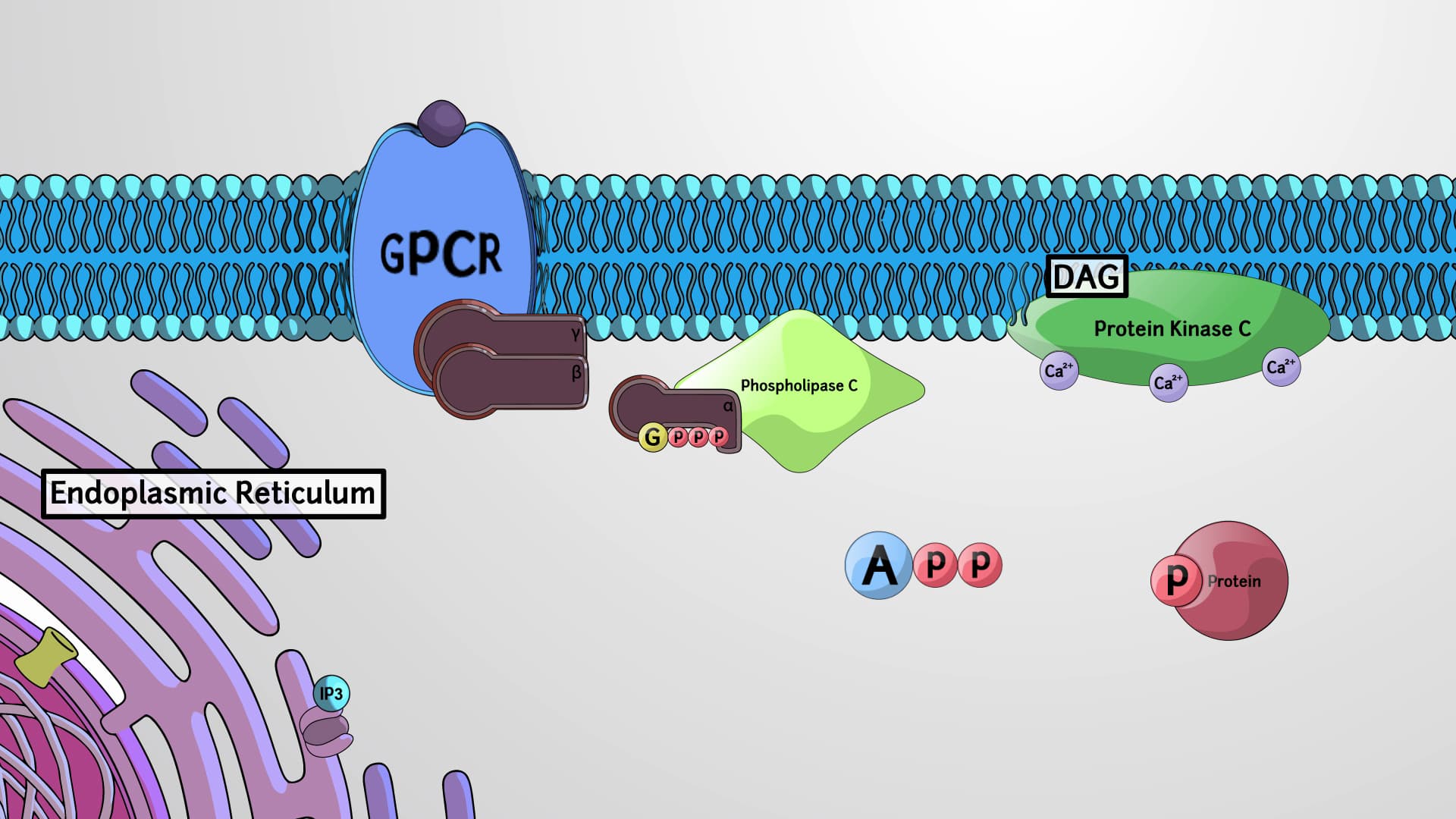
The inositol triphosphate (IP3) and diacylglycerol (DAG) pathway represents one of the most important second messenger systems in human physiology. This pathway begins when signaling molecules bind to G-protein coupled receptors, activating phospholipase C. This enzyme cleaves PIP2 (phosphatidylinositol 4,5-bisphosphate) from the inner leaflet of the plasma membrane, generating both IP3 and DAG simultaneously.
Students preparing for the MCAT or AP Biology exam should understand that these two second messengers have complementary but distinct roles. DAG remains membrane-bound, serving as a docking platform for protein kinase C, while IP3 travels through the cytoplasm to trigger calcium release from the endoplasmic reticulum.
Calcium: The Universal Second Messenger
Calcium ions represent perhaps the most versatile second messengers in biology. When IP3 binds to receptors on the endoplasmic reticulum, it triggers massive calcium release into the cytoplasm. This calcium surge activates protein kinase C and numerous other calcium-binding proteins, creating a powerful amplification effect. A single hormone molecule can ultimately trigger the phosphorylation of thousands of target proteins.
Clinical and Real-World Applications
Second messenger dysfunction underlies many human diseases. For example, cholera toxin disrupts normal second messenger signaling in intestinal cells, leading to massive fluid loss. Pharmaceutical companies like Pfizer and Merck design many medications to target second messenger pathways, including blood pressure medications that affect calcium signaling and diabetes drugs that influence cAMP levels.
Understanding these pathways is crucial for pre-med students, as USMLE Step 1 frequently tests second messenger mechanisms in pharmacology and pathophysiology contexts.
Frequently Asked Questions
Second messengers are intracellular signaling molecules that relay and amplify signals from primary messengers (hormones, neurotransmitters) that cannot enter the cell. Unlike primary messengers that bind to surface receptors, second messengers work inside the cell to trigger specific responses. They act as molecular switches that convert one type of signal into another, allowing cells to respond appropriately to external stimuli.
The MCAT frequently tests second messenger pathways in biological and biochemical foundations sections, often asking students to trace signal transduction cascades or predict cellular responses. AP Biology exam questions typically focus on identifying second messengers in diagrams and explaining their roles in feedback mechanisms. Students should memorize key pathways like cAMP, IP3/DAG, and calcium signaling for both exams.
Focus on the "big four" second messengers: cAMP, cGMP, IP3/DAG, and calcium ions. Know their synthesis pathways, target proteins, and physiological effects. College exams often test the enzymes involved (adenylyl cyclase, phospholipase C) and downstream effectors like protein kinase A and protein kinase C.
Second messenger disruption causes numerous diseases treated in US hospitals daily. Diabetes involves insulin signaling through second messengers, while heart medications like nitroglycerin work through cGMP pathways. Mental health conditions often involve neurotransmitter-second messenger dysfunction, making this knowledge essential for understanding both disease mechanisms and treatment strategies.
Not at all! While the molecular details can seem complex, the basic concept is like a cellular telephone system - external signals get converted into internal messages. Start with understanding that cells need ways to communicate internally, then gradually add details about specific messengers. Most high school AP Biology students successfully master these concepts with proper study strategies.
Create flowcharts showing each pathway from stimulus to response, including all intermediate steps. Practice drawing the IP3/DAG pathway from memory, labeling each component and its location. Use active recall by covering parts of your diagrams and testing yourself on missing elements. Connect each pathway to specific physiological examples to make memorization easier.
Progress to studying protein kinase cascades and phosphorylation mechanisms in detail. Explore how second messengers integrate with gene expression changes and metabolism regulation. Advanced students should investigate how pharmaceutical drugs target second messenger systems and how these pathways become dysregulated in cancer and metabolic diseases.
Related Micro-courses