Loading subject page…


986,639 views

Video Summary: What Is Yeast Signaling
Ever wonder how single cells "talk" to each other without words or gestures? Yeast signaling demonstrates how even microscopic organisms communicate through sophisticated molecular pathways, much like how pharmaceutical companies use yeast models to test new drugs at facilities like Pfizer's research centers in Connecticut. What is yeast signaling reveals the fundamental principles of cellular communication that govern everything from reproduction to survival responses. Watch the full video on JoVE Coach to master this concept with expert-led visuals and step-by-step explanations.
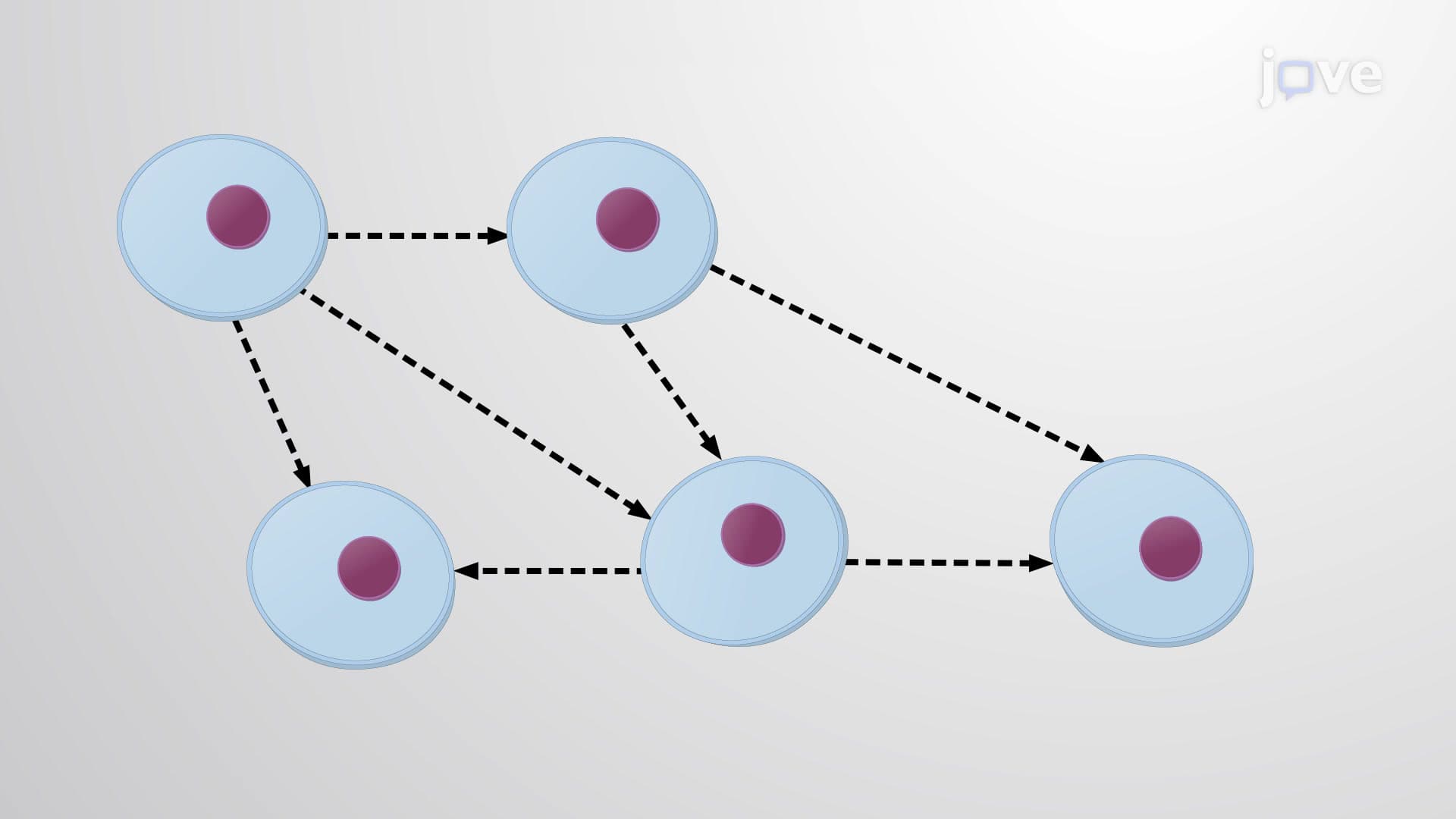
Yeast signaling represents one of nature's most elegant examples of cellular communication, where single-celled organisms coordinate complex behaviors through sophisticated molecular messaging systems. This process demonstrates that even the simplest eukaryotic cells possess remarkable abilities to sense, process, and respond to environmental information-principles that form the foundation of cell biology courses at universities like Harvard Medical School and Stanford University.
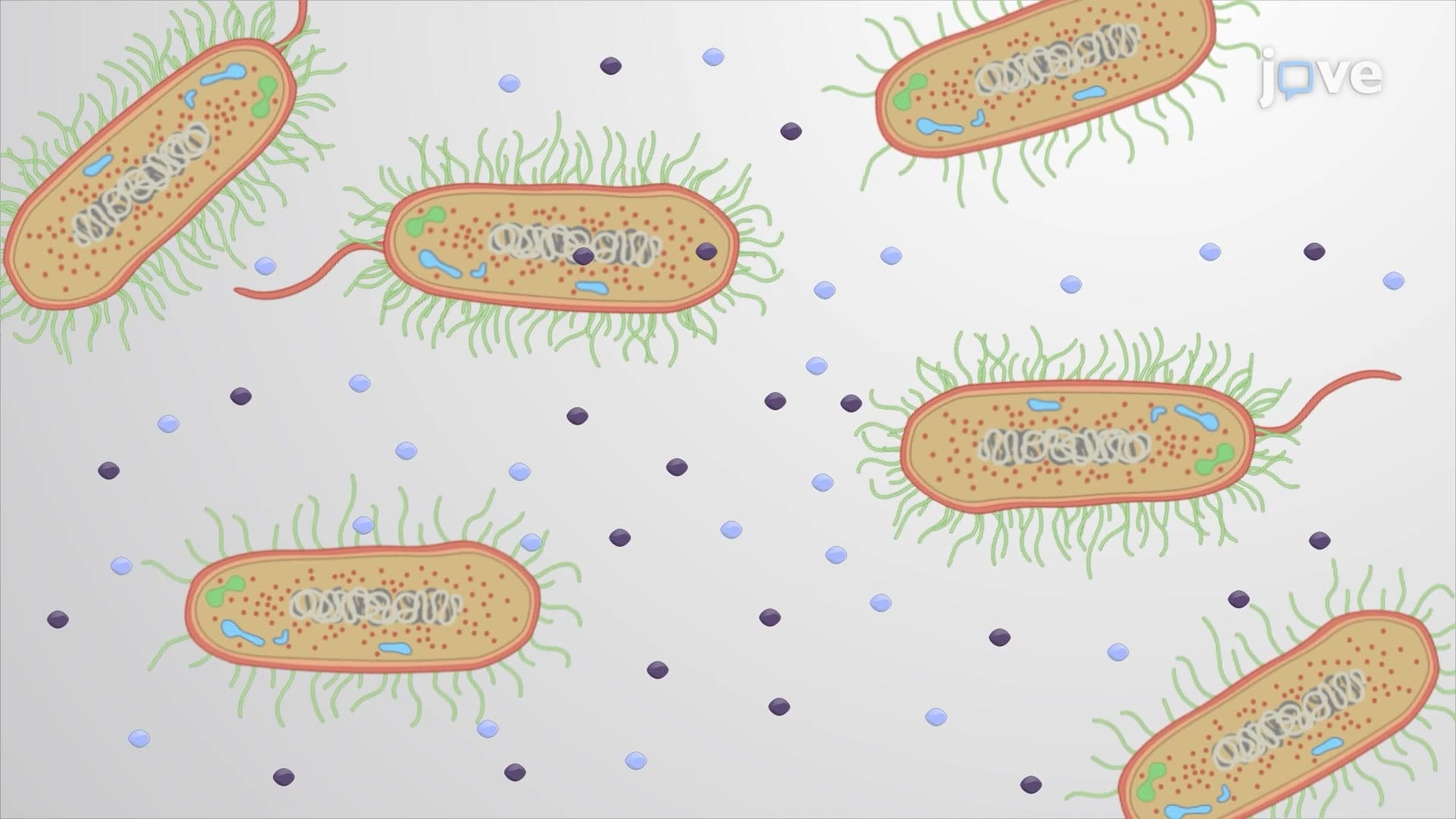
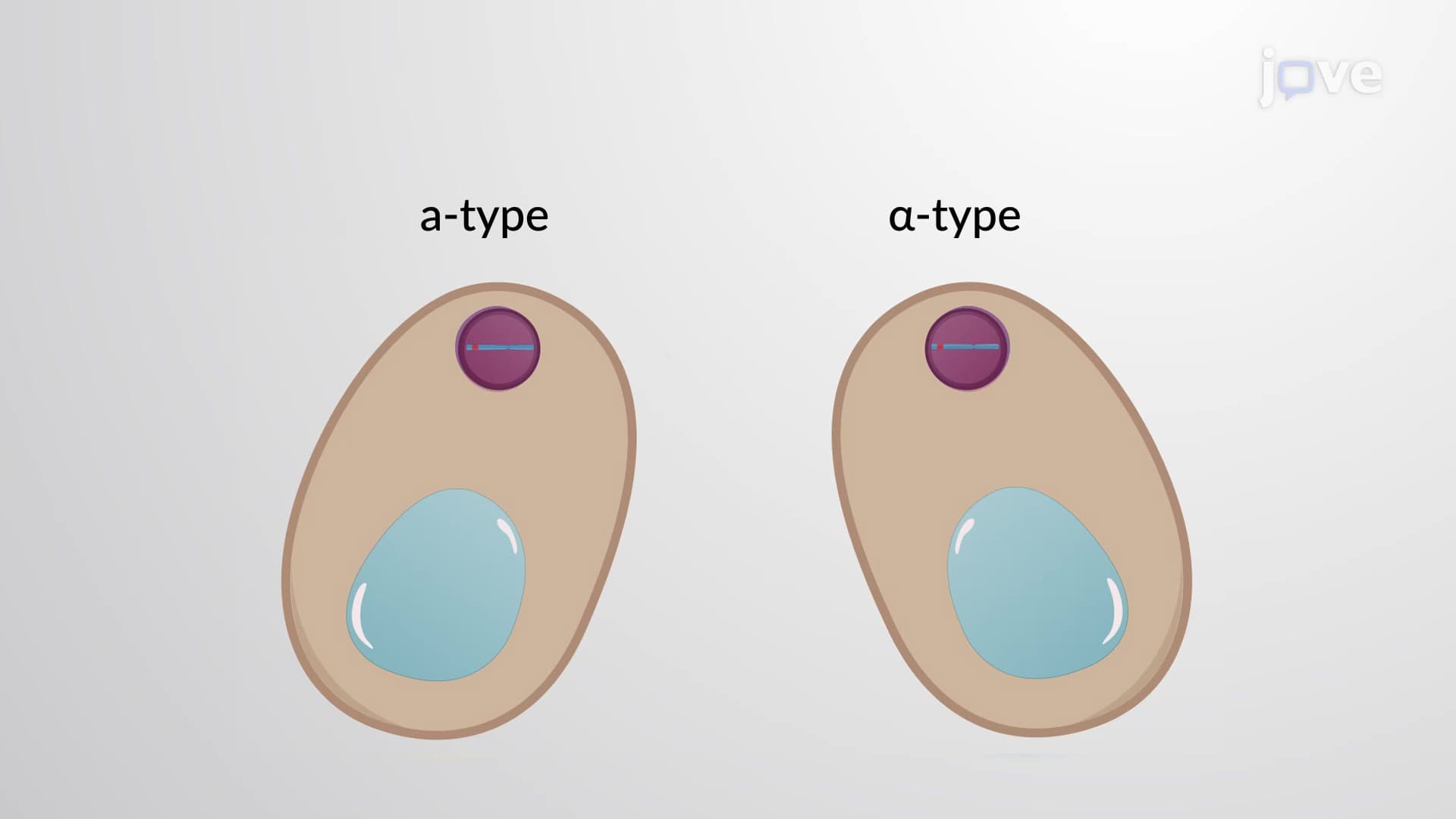
Yeast cells exist as two distinct haploid mating types: a and α (alpha), each carrying a single set of chromosomes. These mating types function like biological "genders," with each secreting specific chemical signals called mating pheromones or mating factors. The a-type cells produce a-factor, while α-type cells secrete α-factor. This system ensures that only compatible cells can mate, preventing wasteful interactions between identical cell types.
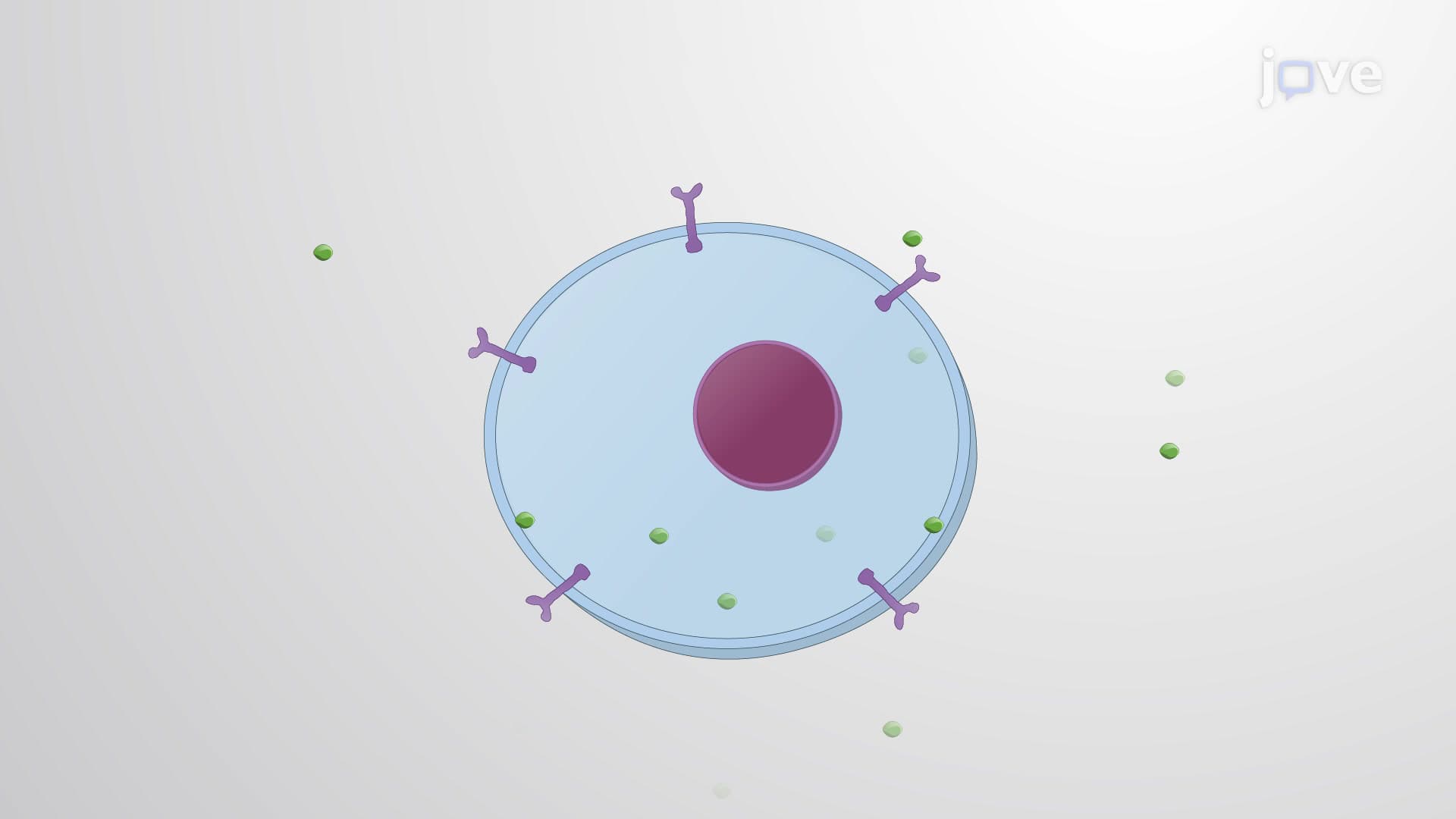
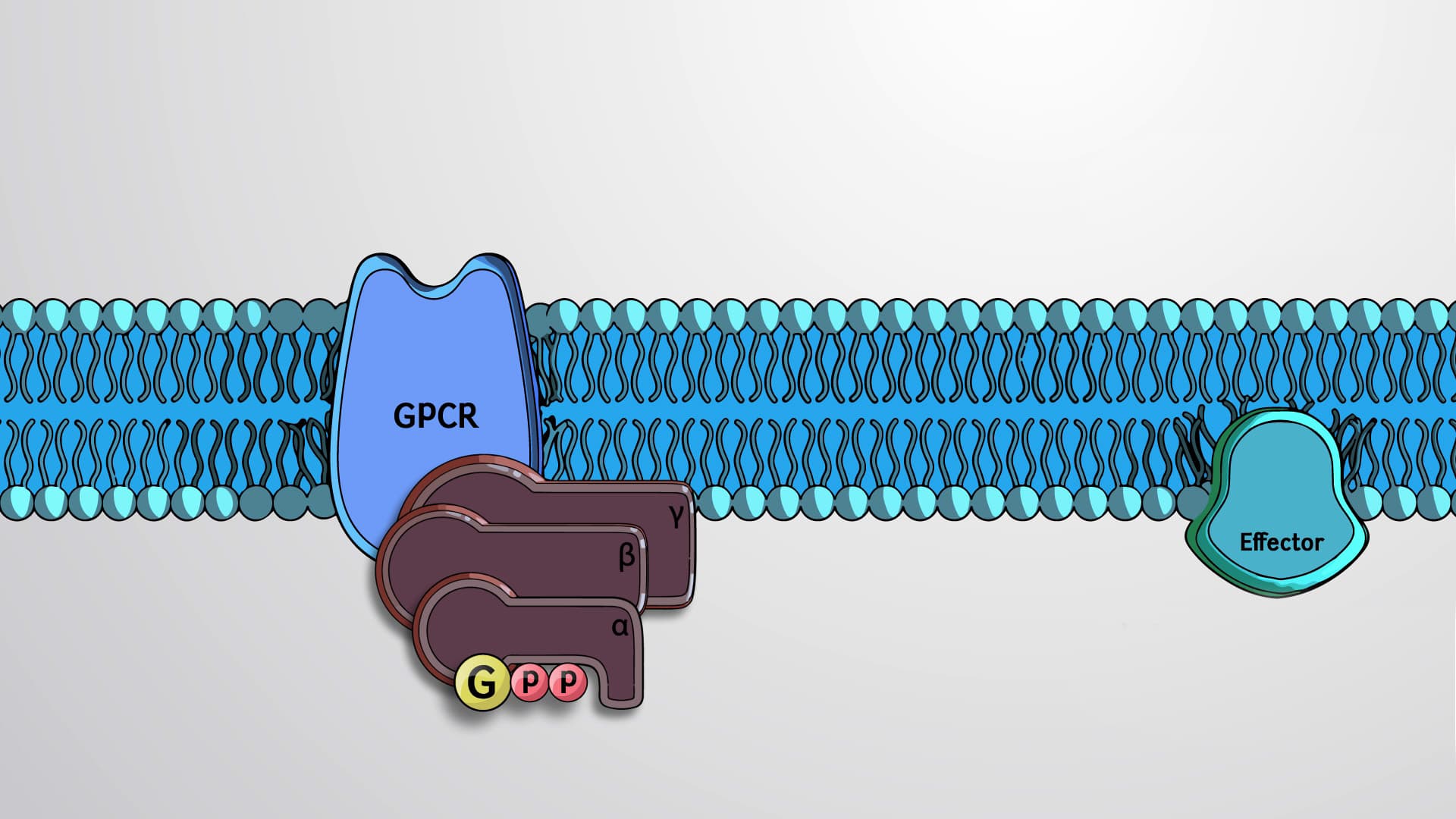
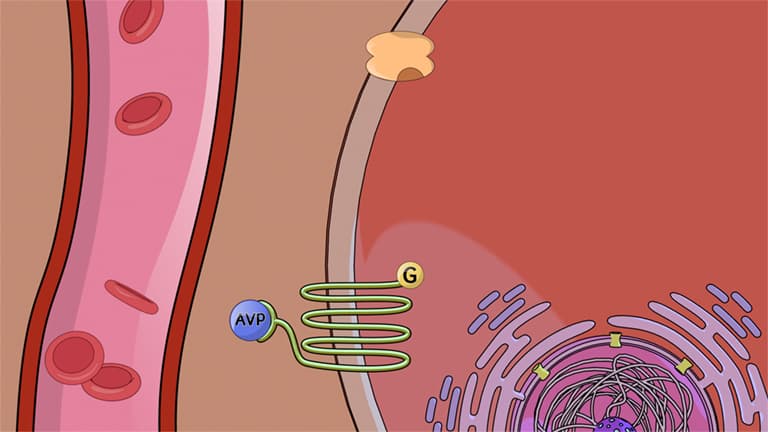
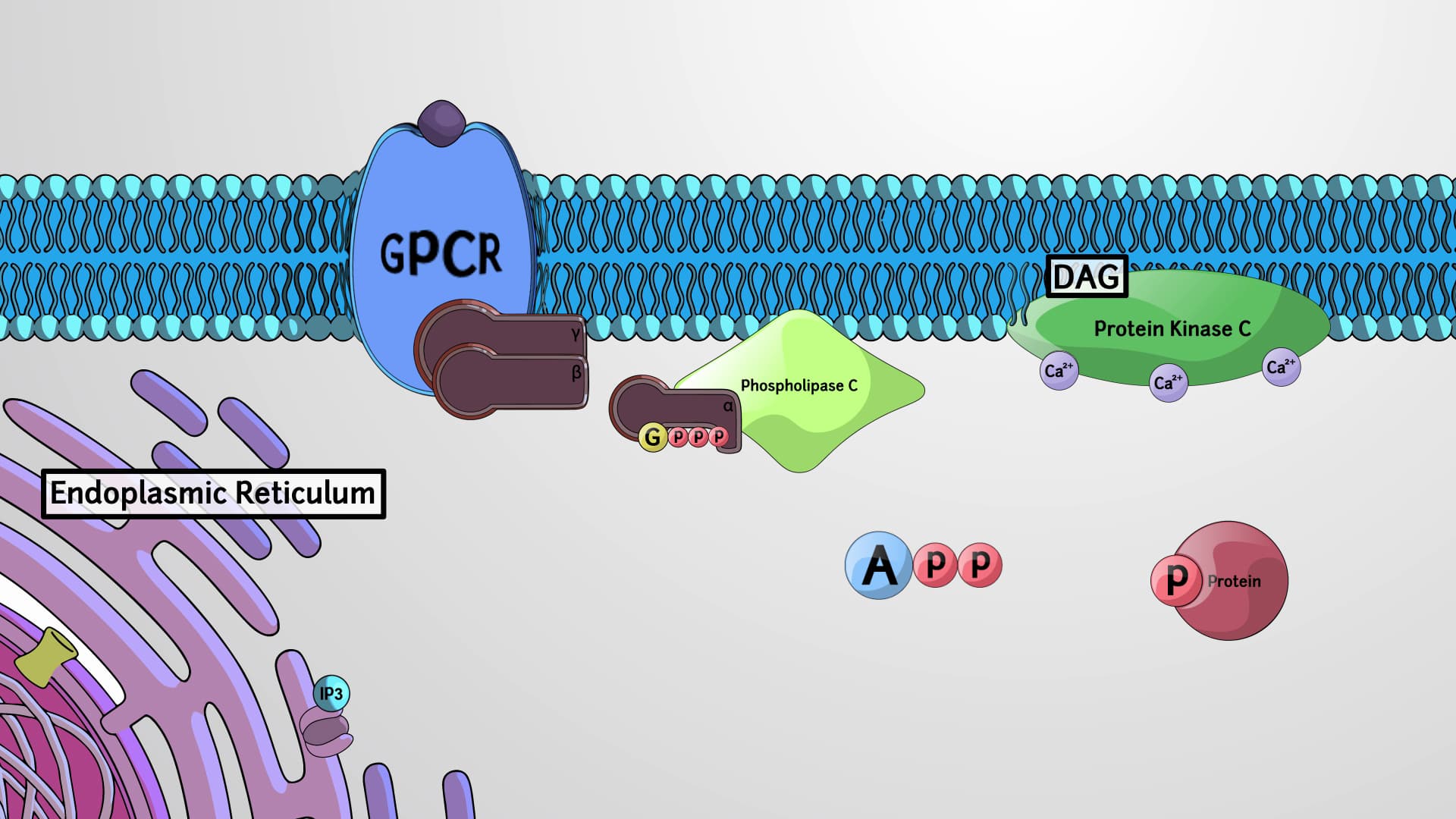
The receiving cells detect these chemical messages through specialized G-protein coupled receptors (GPCRs) embedded in their cell surface. These receptors act like molecular "ears," specifically tuned to recognize only the appropriate mating factor. When students encounter this concept on the MCAT or AP Biology exam, they should remember that GPCRs represent one of the most important protein families in biology, with over 1,000 different types found in human cells.
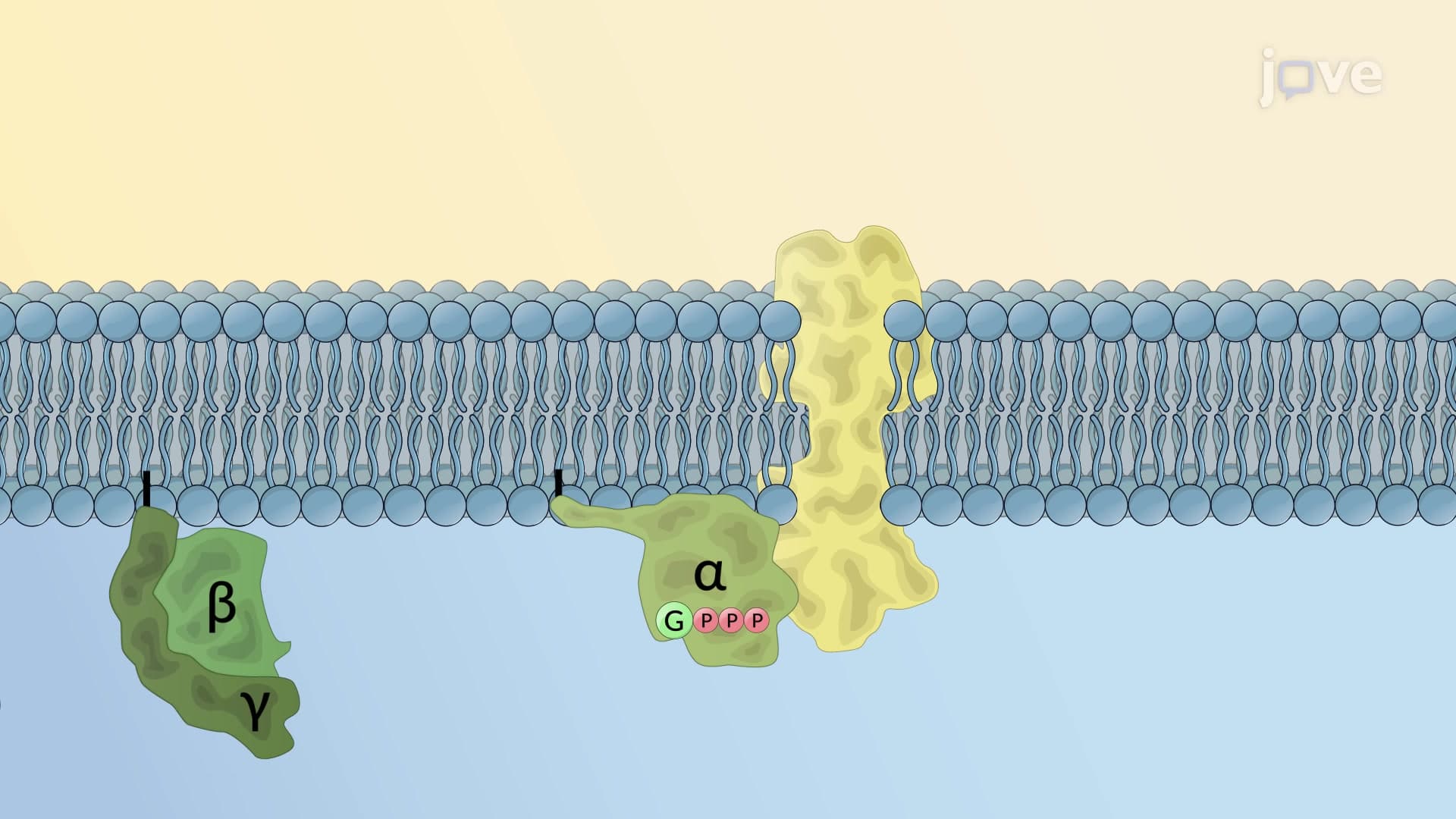
Once a GPCR binds its specific mating factor, it undergoes a dramatic conformational change-essentially changing shape like a molecular switch. This shape change activates an associated G-protein by facilitating the exchange of GDP (guanosine diphosphate) for GTP (guanosine triphosphate). Think of this exchange as swapping a dead battery (GDP) for a charged one (GTP).
The activated G-protein then dissociates from the receptor and splits into two functional units that can independently activate downstream effector proteins. These effectors generate secondary messengers such as cyclic adenosine monophosphate (cAMP), which amplify the original signal throughout the cell. This amplification is crucial-a single pheromone molecule can ultimately affect the expression of hundreds of genes.
The most visually striking result of yeast signaling is "shmooing"-the process where cells grow directionally toward their mating partner, forming distinctive pear-shaped projections. This directed growth requires precise coordination between signal detection, cytoskeletal reorganization, and membrane expansion. Research at institutions like the University of California, San Francisco has shown that defects in shmooing can reveal important principles about cell polarity and cancer metastasis.
The signaling cascade culminates in nuclear fusion, where two haploid nuclei merge to create a diploid cell with a complete set of chromosome pairs. This process mirrors sexual reproduction in more complex organisms and serves as an excellent model system for studying fertility and reproductive biology in medical schools across the United States.
Related Micro-courses