Loading…
Loading video…

1,269,010 views
Did you know that mutations in just one nucleotide can mean the difference between a perfectly healthy individual and someone with sickle cell anemia? Mutations are changes in DNA sequences that can dramatically alter protein function, affecting everything from enzyme activity to disease susceptibility. These genetic changes include silent, missense, nonsense, and frameshift mutations, each with distinct impacts on protein structure and cellular function. Understanding what are mutations helps explain conditions like cystic fibrosis, which affects over 30,000 Americans due to specific DNA sequence changes. Watch the full video on JoVE Coach to master this concept with expert-led visuals and step-by-step explanations.
Mutations represent fundamental changes in the DNA sequence that serve as the raw material for evolution and the underlying cause of many genetic diseases. At the molecular level, these DNA alterations affect the genetic code's translation into proteins, making mutations definition essential for understanding genetics, molecular biology, and medicine. The relationship between DNA sequence changes and protein function exemplifies how minor molecular alterations can have profound biological consequences.
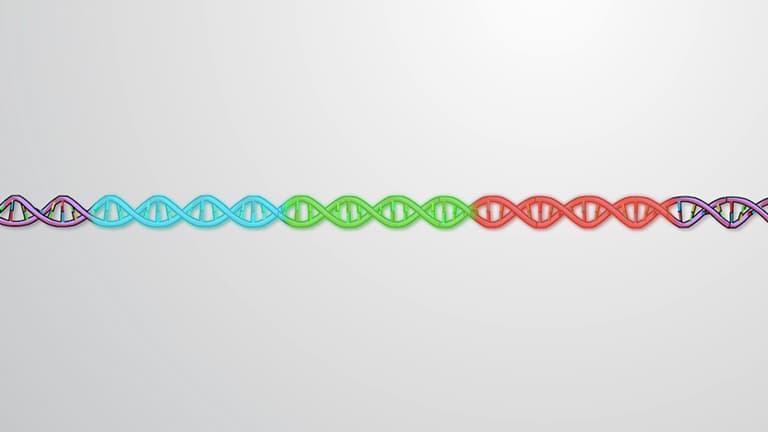
Silent mutations demonstrate the redundancy built into the genetic code, where nucleotide changes don't alter amino acid sequences due to codon degeneracy. For example, both UUA and UUG codons encode leucine, so a mutation changing one to the other produces no functional protein change. This mutations concept explained shows how the genetic code's structure provides some protection against harmful mutations.
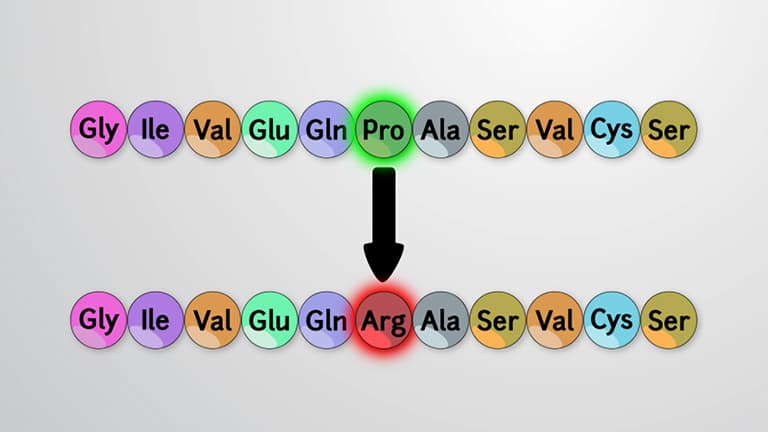
Missense mutations create more complex scenarios, substituting one amino acid for another and potentially altering protein structure and function. The classic example involves sickle cell anemia, where a single nucleotide change converts glutamic acid to valine in hemoglobin, causing red blood cells to assume their characteristic sickle shape. This mutations overview demonstrates how one amino acid change can affect protein folding, cellular function, and organism health.
Nonsense mutations represent particularly severe alterations, converting amino acid-coding codons into premature stop signals. These mutations typically produce truncated, non-functional proteins that can cause severe genetic disorders. Duchenne muscular dystrophy often results from nonsense mutations in the dystrophin gene, leading to progressive muscle weakness in affected individuals.
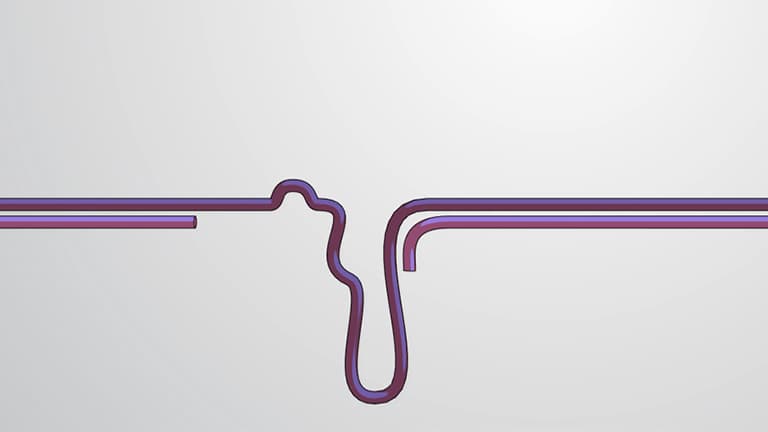
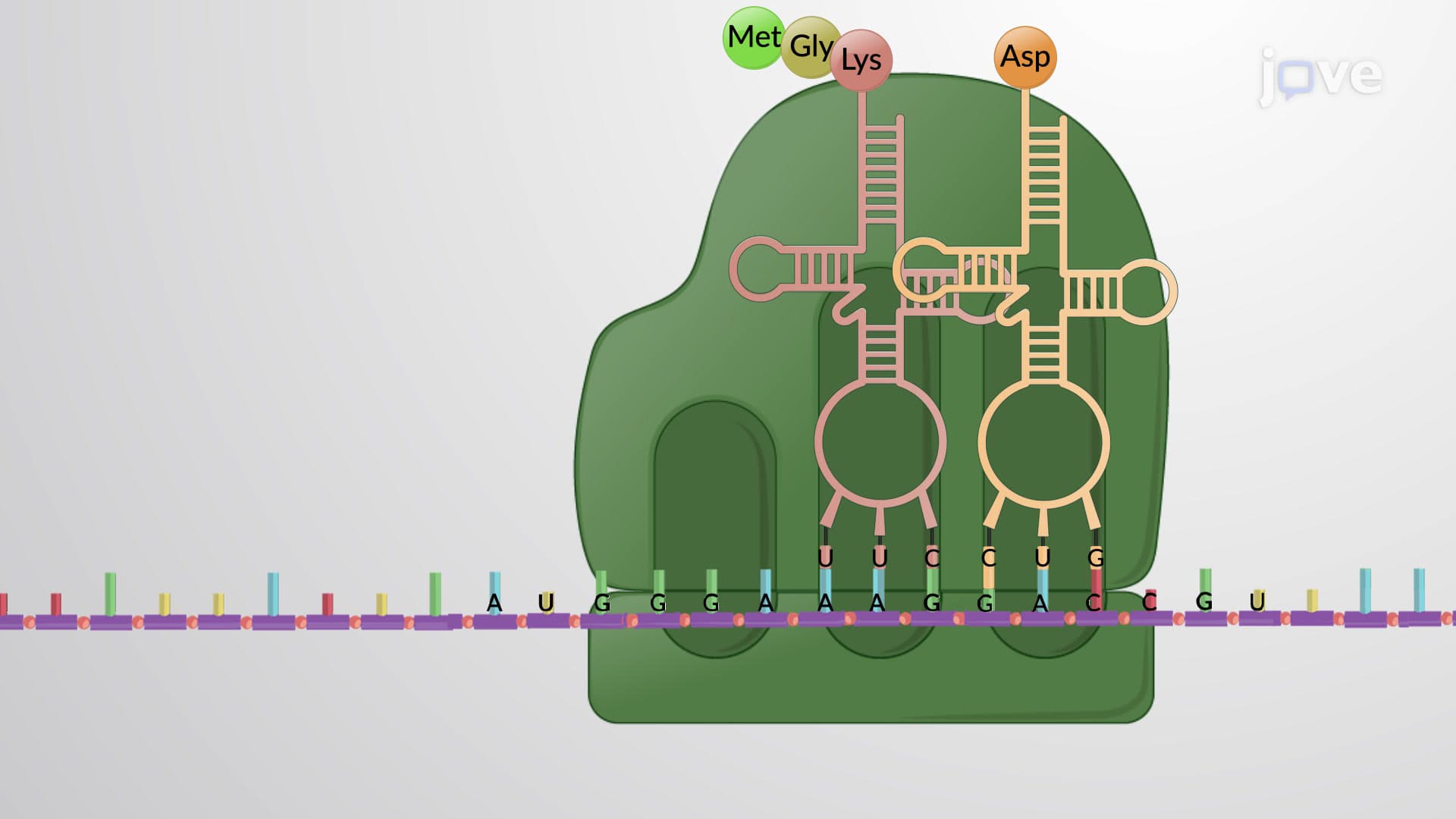
Frameshift mutations fundamentally alter how ribosomes read mRNA sequences by shifting the three-nucleotide reading frame. Unlike point mutations affecting single codons, frameshift mutations change every codon downstream from the mutation site. Insertions or deletions not divisible by three nucleotides cause these dramatic effects, often producing completely altered protein sequences.
Tay-Sachs disease provides a compelling example of frameshift mutation consequences. A four-nucleotide insertion in the HEXA gene disrupts the reading frame, producing a non-functional enzyme that leads to toxic lipid accumulation in nerve cells. This mutations study guide example illustrates how frameshift mutations can cause severe metabolic disorders affecting the nervous system.
Understanding mutations proves crucial for success in advanced placement biology, pre-medical studies, and clinical medicine. The MCAT extensively tests mutation concepts, requiring students to analyze DNA sequences, predict protein changes, and understand disease mechanisms. Medical school curricula build upon these foundations, connecting molecular genetics to clinical diagnosis and treatment.
Genetic counselors use mutation knowledge to help families understand inheritance risks and make informed reproductive decisions. For instance, understanding that cystic fibrosis results from mutations in the CFTR gene helps counselors explain why two carrier parents have a 25% chance of having an affected child with each pregnancy.
Frequently Asked Questions
Mutations are changes in DNA sequences that can alter how proteins function in cells. These genetic changes range from harmless silent mutations to severe alterations causing genetic diseases like sickle cell anemia or cystic fibrosis. Understanding mutations helps explain both evolution and inherited disorders.
AP Biology defines mutations as heritable changes in DNA sequences that can affect gene expression and protein function. Exam questions often focus on distinguishing between silent, missense, nonsense, and frameshift mutations. Students must analyze how each type affects protein structure and cellular processes.
The MCAT frequently presents DNA sequences and asks students to predict mutation effects on protein function and organism health. Questions may involve analyzing codon changes, determining amino acid substitutions, or explaining disease mechanisms. Practice identifying mutation types and their molecular consequences for optimal performance.
Sickle cell anemia demonstrates missense mutations, where one amino acid change alters protein function and causes disease symptoms affecting millions of Americans. Huntington's disease illustrates how DNA repeat expansions can cause progressive neurodegeneration. These examples connect molecular genetics to human health outcomes.
Mutations become manageable when students master the genetic code and protein synthesis basics first. Starting with simple examples like silent mutations helps build confidence before tackling complex frameshift mutations. Visual aids showing DNA-to-protein relationships make abstract concepts more concrete and understandable.
Create charts comparing mutation types, their mechanisms, and effects on protein function. Practice analyzing DNA sequences and predicting amino acid changes using codon tables. Focus on real disease examples to understand clinical relevance and remember key concepts more effectively.
Explore DNA repair mechanisms that prevent or correct mutations in cells. Study population genetics to understand how mutations contribute to genetic diversity and evolution. Investigate epigenetics to learn how gene expression changes without DNA sequence alterations, expanding your genetics knowledge foundation.
Cancer results from accumulated mutations in genes controlling cell division and growth. Oncogenes and tumor suppressor genes become altered through various mutation types, leading to uncontrolled cell proliferation. Understanding mutations provides the foundation for comprehending cancer development, treatment, and prevention strategies used in modern medicine.
Disease-causing potential depends on where mutations occur and how they affect protein function. Mutations in essential proteins or regulatory regions often cause problems, while changes in non-critical areas may have minimal impact. The protein's role in cellular processes and the specific amino acid change determine the mutation's clinical significance.
Related Micro-courses
Related Subjects