Loading…
Loading video…

1,269,010 views
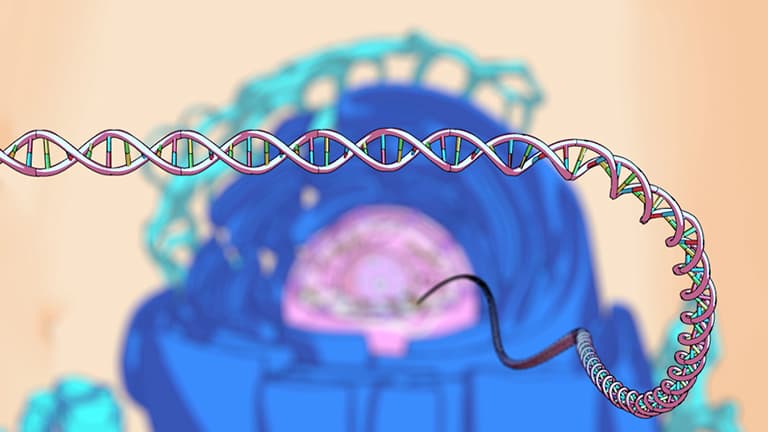
Every human cell contains 6 feet of DNA squeezed into a nucleus just 0.00001 inches wide—imagine fitting 30 miles of thread into a tennis ball! DNA packaging is the remarkable process that makes this possible through hierarchical folding mechanisms. The Mayo Clinic's genetic research labs study these packaging errors linked to cancer development. What is DNA packaging becomes clear through understanding nucleosomes, chromatin fibers, and chromosome formation. Watch the full video on JoVE Coach to master this concept with expert-led visuals and step-by-step explanations.
What is DNA packaging represents one of biology's most elegant engineering solutions. Human diploid cells contain approximately 3.2 billion base pairs of DNA, creating a linear molecule stretching over 6 feet when fully extended. Yet this massive information repository must fit within a nucleus measuring just 10 micrometers in diameter—roughly 1/2500th the width of a human hair.
The National Human Genome Research Institute estimates that without proper packaging, cellular DNA would be 200,000 times longer than the cell itself. This spatial constraint drives the evolution of sophisticated packaging mechanisms that maintain both DNA integrity and accessibility for essential cellular processes.
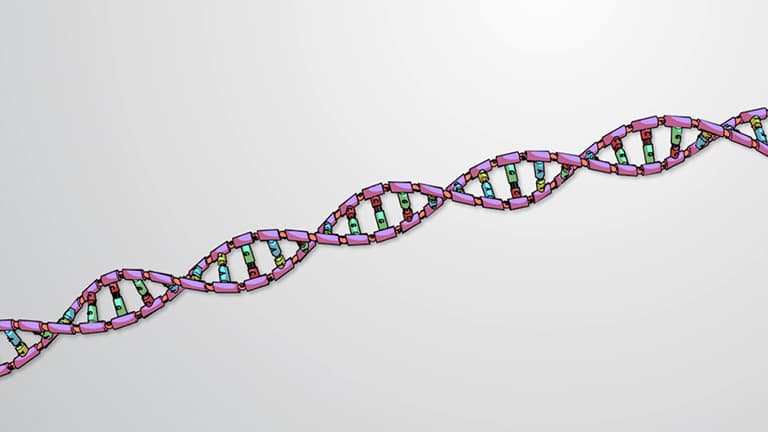
The first packaging level involves histone proteins—positively charged molecules that attract negatively charged DNA through electrostatic interactions. The core histone octamer contains two copies each of H2A, H2B, H3, and H4 proteins, forming a protein disk around which DNA wraps 1.65 times.
Each nucleosome packages approximately 147 base pairs of DNA, creating the characteristic "beads on a string" appearance visible under electron microscopy. Stanford University's chromatin research demonstrates that nucleosome positioning significantly influences gene accessibility, with tightly wrapped regions showing reduced transcriptional activity.
Nucleosomes connected by linker DNA segments further condense into 30-nanometer chromatin fibers through interactions with histone H1 and other architectural proteins. This secondary packaging reduces DNA length by an additional 6-fold, creating the chromatin structure visible in non-dividing cell nuclei.
Research at Harvard Medical School reveals that chromatin modifications—including histone methylation and acetylation—regulate fiber compaction and gene expression patterns. These epigenetic modifications create "open" euchromatin regions for active genes and "closed" heterochromatin regions for silenced sequences.
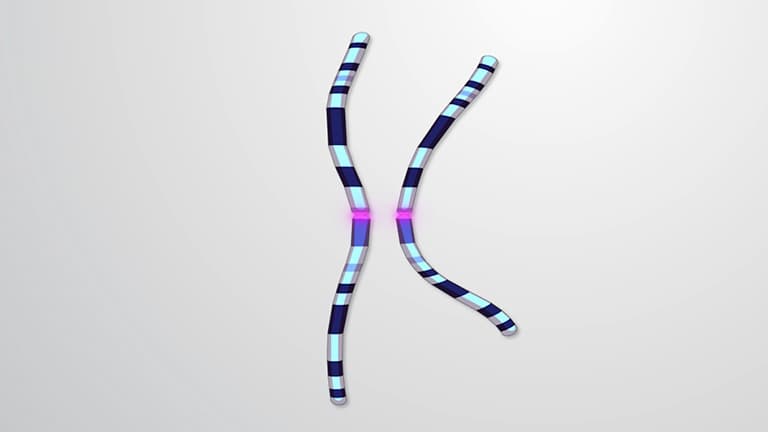
During mitosis and meiosis, chromatin fibers undergo extreme condensation facilitated by condensin proteins and topoisomerase enzymes. This final packaging level creates the familiar X-shaped chromosomes visible under light microscopy, achieving a 10,000-fold compaction compared to naked DNA.
The University of California system's cell biology programs emphasize understanding chromosome packaging for AP Biology and MCAT preparation, as packaging defects contribute to genetic disorders like cancer and developmental abnormalities. Clinical applications include analyzing chromosome structure in genetic counseling and developing targeted cancer therapies that exploit packaging vulnerabilities in tumor cells.
Frequently Asked Questions
DNA packaging is the hierarchical process of organizing long DNA molecules into compact, manageable structures within cell nuclei. Without packaging, human DNA would be thousands of times longer than the cell itself, making cellular function impossible. This system allows 6 feet of genetic material to fit into microscopic spaces while maintaining accessibility for replication and gene expression.
AP Biology frequently tests nucleosome structure, chromatin organization, and packaging's role in gene regulation through multiple choice and free response questions. MCAT passages often connect packaging defects to disease mechanisms, requiring students to analyze how structural changes affect cellular function. Both exams emphasize understanding the relationship between packaging density and transcriptional accessibility.
MCAT biology sections integrate DNA packaging with gene expression, cell cycle regulation, and cancer biology. Students encounter passages linking histone modifications to disease, chromosome abnormalities in genetic disorders, and how packaging affects DNA repair mechanisms. Understanding these connections helps answer complex reasoning questions about cellular processes and therapeutic interventions.
Major medical centers like Johns Hopkins and Cleveland Clinic analyze chromosome packaging abnormalities to diagnose genetic conditions and plan cancer treatments. Oncologists study how cancer cells alter DNA packaging to silence tumor suppressor genes, leading to targeted therapies that restore normal packaging patterns. Genetic counselors use packaging knowledge to explain inheritance patterns and chromosomal disorders to families.
DNA packaging concepts are definitely accessible to motivated high school students, especially those taking AP Biology or preparing for pre-med tracks. The key is building understanding step-by-step, starting with basic histone-DNA interactions before progressing to complex chromatin modifications. Most students successfully master these concepts with proper visual aids and practice problems.
Create a hierarchical memory device linking each packaging level to size comparisons—DNA around histones like thread on spools, nucleosomes like beads on string, chromatin fibers like coiled rope, chromosomes like tightly wound cables. Practice drawing the structures while explaining their functions, as this multi-modal approach strengthens retention for both multiple choice and essay questions.
Once comfortable with packaging fundamentals, explore epigenetic modifications, chromatin remodeling complexes, and packaging's role in gene therapy approaches. Advanced students can investigate how CRISPR technology must navigate packaging barriers to reach target genes, or study how packaging defects contribute to aging and neurodegenerative diseases—topics increasingly relevant for modern biomedical research and clinical applications.
Strong DNA packaging knowledge provides the foundation for advanced genetics topics including population genetics, molecular evolution, and biotechnology applications. College courses build extensively on packaging concepts when covering gene regulation, developmental biology, and medical genetics, making thorough understanding essential for success in upper-level biology coursework and professional school preparation.
Related Micro-courses
Related Subjects