Loading subject page…

- Biology
- DNA Structure and Function
- Organization of Genes
Micro-course: DNA Structure and Function
1,269,014 views
Learn key concepts and earn your certificate.



Organization of Genes

00:00
02:07
Video Summary: What Is Organization of Genes
Ever wonder how your DNA knows exactly when to make insulin versus growth hormone? The organization genes possess determines which proteins your cells produce at any given moment. Consider how the BRCA1 gene, linked to breast cancer risk in families across the United States, demonstrates precise structural organization with specific promoters and regulatory sequences. Understanding what is organization of genes reveals how genetic material coordinates complex cellular functions through promoters, exons, introns, and regulatory elements working in harmony. Watch the full video on JoVE Coach to master this concept with expert-led visuals and step-by-step explanations.
- Understand what is organization of genes and how genetic material is structurally arranged within chromosomes to control protein synthesis
- Identify the essential components of gene organization, including promoters, transcription initiation sites, exons, introns, and termination sequences
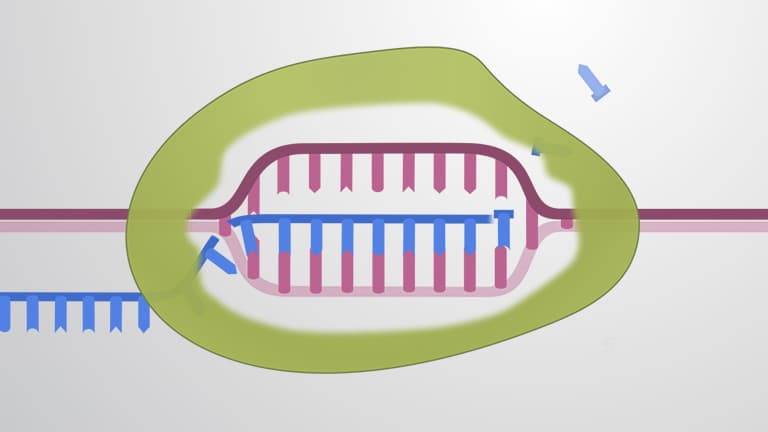
- Analyze the role of RNA polymerase in recognizing promoter regions and traversing genes during transcription processes
- Compare coding regions (exons) with non-coding sequences (introns) and explain how RNA processing removes introns from transcripts
- Evaluate how regulatory elements like silencers and repressor proteins control gene expression by preventing transcription
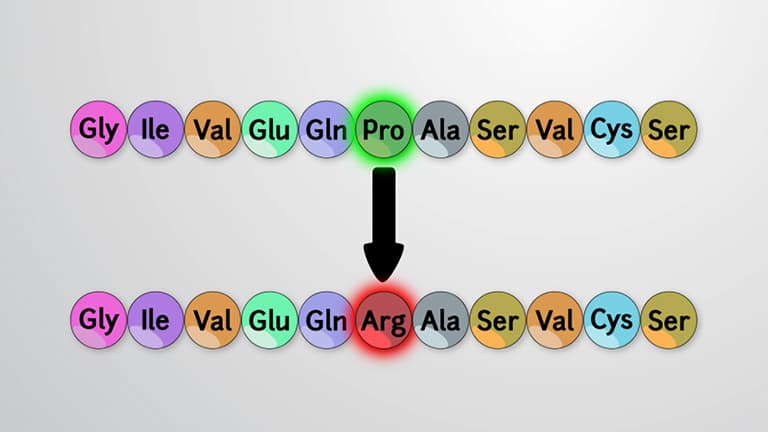
- Apply knowledge of gene organization to predict how mutations in different gene regions might affect protein production
- Recognize the relationship between gene structure and cellular regulation in maintaining proper protein expression levels
- Explore how understanding gene organization contributes to advances in genetic medicine and biotechnology applications
Understanding What is Organization of Genes at the Molecular Level
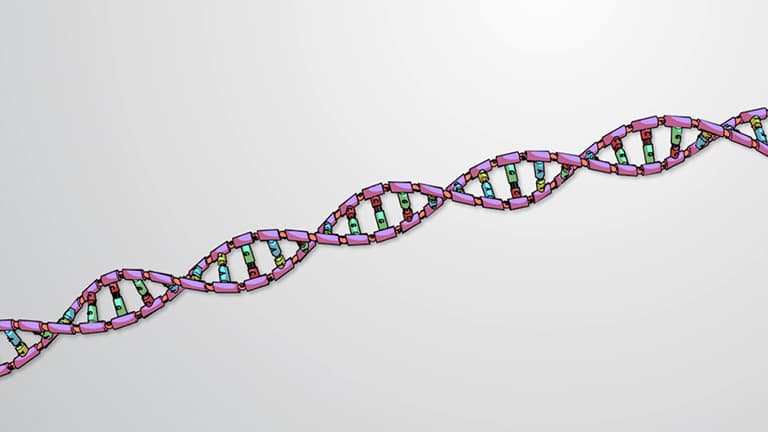
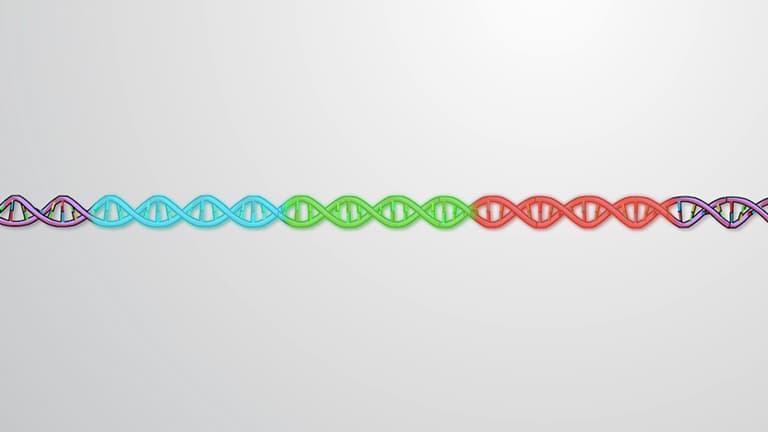
The organization of genes represents one of biology's most elegant structural arrangements, where over 20,000 human genes exist as discrete functional units scattered across our 23 chromosome pairs. Unlike a simple linear sequence, each gene demonstrates sophisticated organization that enables precise control over when, where, and how much protein gets produced. This intricate structure proves essential for cellular function-imagine if every gene in your body activated simultaneously rather than following organized patterns.
Essential Components of Gene Structure and Function
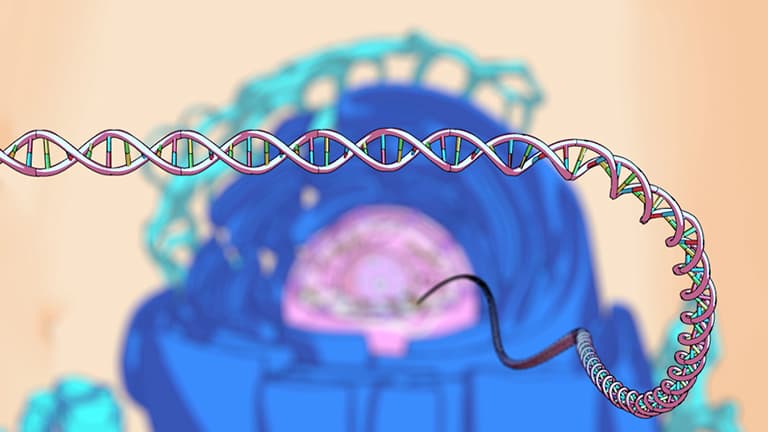
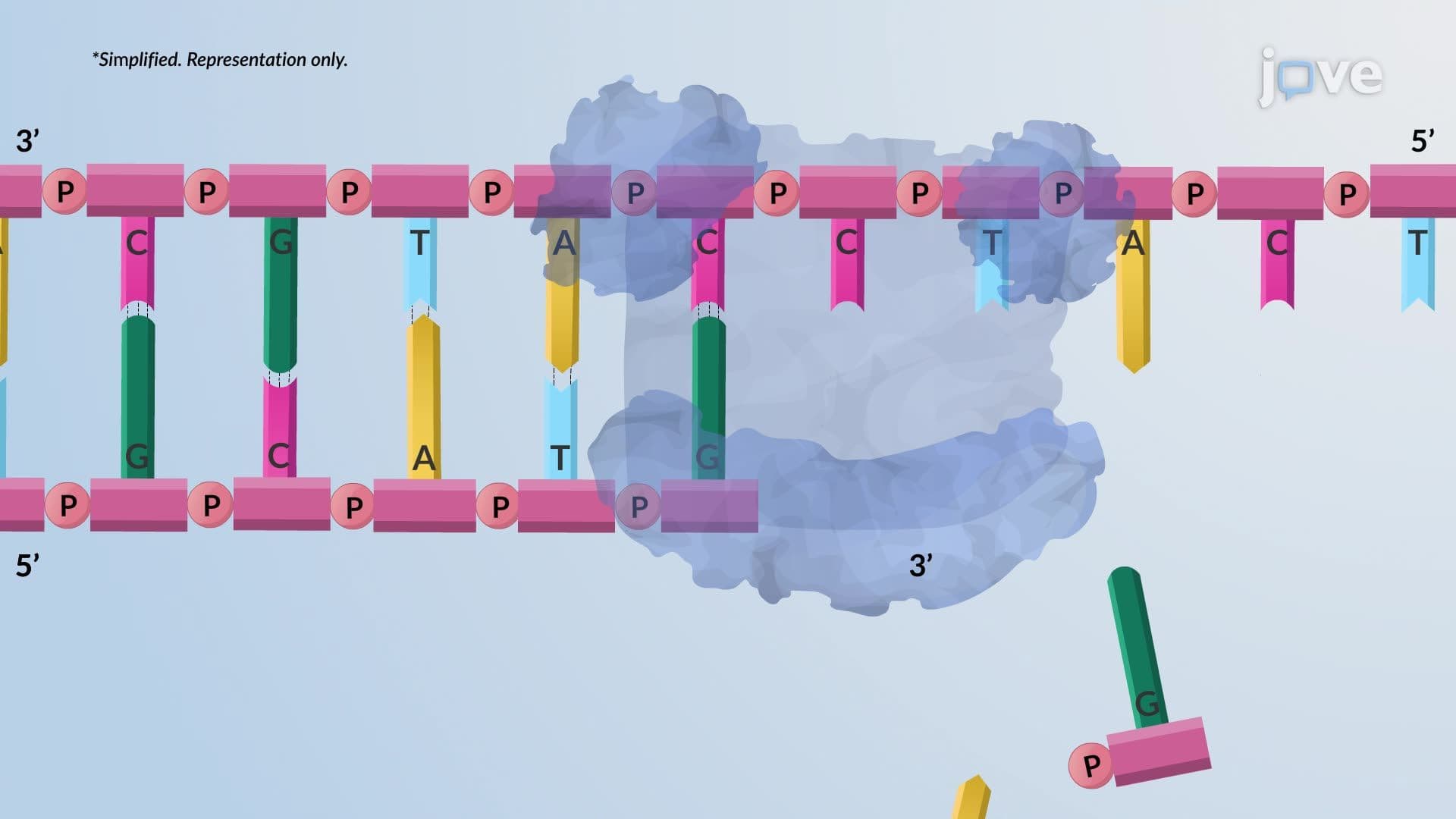
Every gene contains several critical organizational elements that work together like a molecular assembly line. The promoter serves as the gene's "on switch," providing a binding site where RNA polymerase and other transcription machinery can attach. When polymerase recognizes the nearby transcription initiation site, it begins synthesizing RNA using the DNA template-a process fundamental to understanding how genetic information flows from genes to proteins.
The gene body contains alternating sequences called exons and introns. Exons represent coding regions that will ultimately determine protein structure, while introns constitute non-coding sequences removed during RNA processing. This organization allows for remarkable flexibility-the average human gene contains about 8 exons separated by introns, enabling processes like alternative splicing that can generate multiple protein variants from a single gene.
Regulatory Elements and Gene Expression Control
Beyond basic structural components, genes incorporate sophisticated regulatory elements that fine-tune expression levels. Silencer sequences bind repressor proteins, effectively blocking RNA polymerase access to promoters when gene activity needs restriction. This regulatory organization proves crucial for proper development-without it, stem cells couldn't differentiate into specialized cell types like neurons or muscle cells.
Understanding gene organization becomes particularly relevant for students preparing for advanced coursework and standardized exams. The AP Biology exam frequently tests knowledge of transcription regulation, while MCAT questions often require analyzing how mutations in different gene regions affect protein function. Medical students studying for USMLE Step 1 must thoroughly understand these concepts when learning about genetic disorders and therapeutic interventions.
Real-World Applications in Medicine and Research
Gene organization principles directly impact modern medical practice and research. Pharmaceutical companies designing gene therapies must understand promoter sequences to ensure therapeutic genes activate in target tissues. The FDA's approval of treatments like Luxturna for inherited retinal dystrophy relies on precise knowledge of gene organization to deliver functional copies of defective genes to the right cellular locations.
Frequently Asked Questions
Gene organization refers to how genetic material is structurally arranged within chromosomes, including the specific sequence and function of different gene components. Each gene contains promoters for starting transcription, coding sequences (exons) that determine protein structure, non-coding regions (introns) that get removed, and regulatory elements that control when genes activate. This organized structure enables cells to produce the right proteins at the right times.
AP Biology extensively tests transcription and translation concepts that directly relate to gene organization principles. You'll encounter questions about promoter function, the role of RNA polymerase, and how regulatory sequences control gene expression. Understanding intron/exon organization helps explain RNA processing, while knowledge of silencers and repressors supports questions about gene regulation mechanisms that appear frequently on both multiple choice and free response sections.
The MCAT emphasizes gene regulation mechanisms, particularly how promoters, enhancers, and silencers control transcription initiation. You'll need to analyze scenarios involving mutations in different gene regions and predict their effects on protein production. Questions often integrate gene organization with molecular biology techniques like Northern blots or gene expression studies, requiring you to connect structural knowledge with experimental applications.
Many genetic disorders result from mutations affecting gene organization rather than just coding sequences. For example, thalassemia often involves mutations in regulatory regions that reduce globin gene expression, while some muscular dystrophies result from intronic mutations affecting RNA splicing. Understanding these organizational principles helps clinicians interpret genetic test results and counsel patients about inheritance patterns and disease mechanisms.
Gene organization builds logically on basic DNA and protein synthesis concepts taught in introductory biology courses. If you understand that DNA codes for proteins and that transcription creates RNA from DNA templates, you already have the foundation needed. The key is recognizing that genes aren't just simple coding sequences-they're organized structures with specific components serving different functions, much like how a car has an engine, steering wheel, and brakes working together.
Focus on understanding function rather than just memorizing terms-this approach works better for both multiple choice questions and essay responses. Create a mental flow chart following RNA polymerase's journey: it binds at promoters, starts transcription at initiation sites, reads through exons and introns, and stops at termination sequences. Remember that regulatory elements like silencers act like "brakes" on this process, helping cells control when genes activate.
Consider studying epigenetic modifications, which add another layer of gene regulation through DNA methylation and histone modifications. Alternative splicing represents another fascinating area where exon organization enables one gene to produce multiple protein variants. For pre-med students, exploring how gene organization principles apply to cancer biology and genetic engineering will provide valuable context for advanced coursework and clinical applications.
Biotechnology companies leverage gene organization principles when designing recombinant proteins, gene therapies, and CRISPR-based treatments. Understanding promoter sequences helps researchers control when therapeutic genes activate, while knowledge of intron/exon boundaries guides the design of gene-editing strategies. Companies like Genentech and Moderna apply these principles when developing treatments that must precisely target specific cell types and expression levels.
Related Micro-courses