Loading…
Loading video…

1,269,010 views
Did you know that your cells must copy over 3 billion base pairs of DNA every time they divide? DNA replication eukaryotes involves a sophisticated process where multiple origins fire simultaneously across chromosomes. Unlike bacterial cells with single replication origins, human cells utilize thousands of replication starting points to efficiently duplicate their complex genomes. This intricate mechanism ensures that each new cell receives an exact copy of genetic information, from skin cells healing a wound to neurons developing in the brain. Watch the full video on JoVE Coach to master this concept with expert-led visuals and step-by-step explanations.
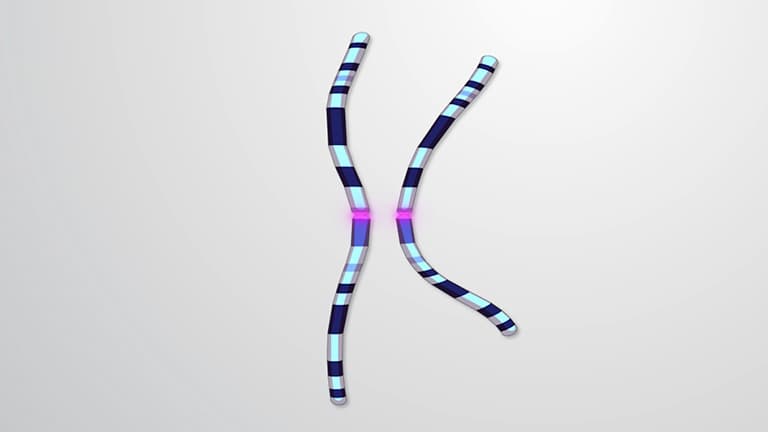
What is replication in eukaryotes represents one of the most precisely orchestrated molecular processes in biology. Unlike the relatively simple replication machinery in bacteria like E. coli, eukaryotic cells face the challenge of duplicating massive genomes housed within membrane-bound nuclei. Human cells, for example, must accurately copy approximately 3.2 billion base pairs distributed across 46 chromosomes during each cell division cycle.
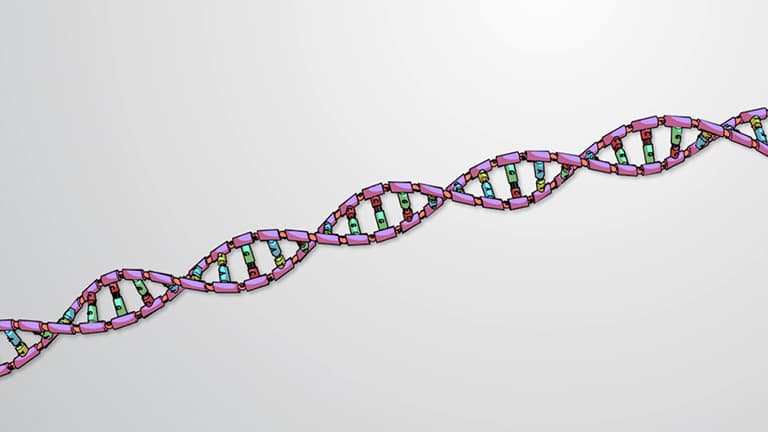
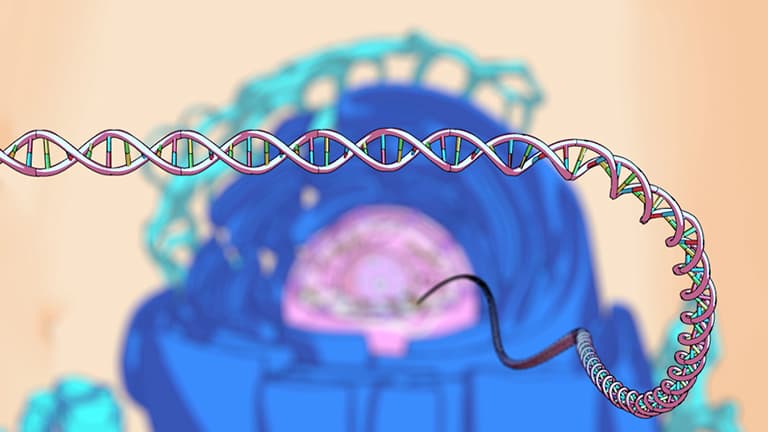
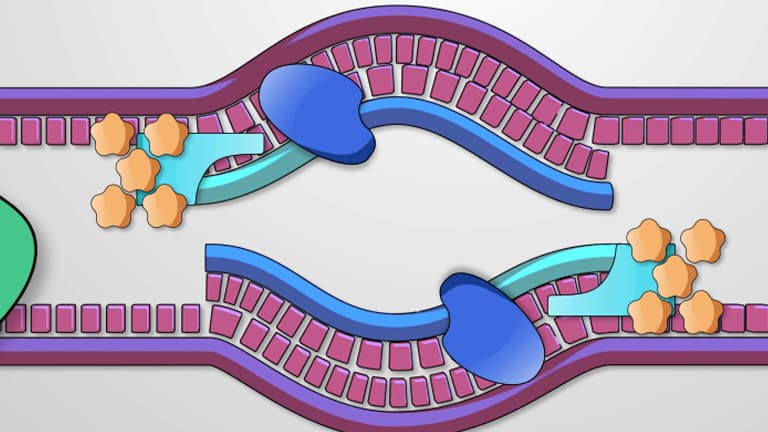
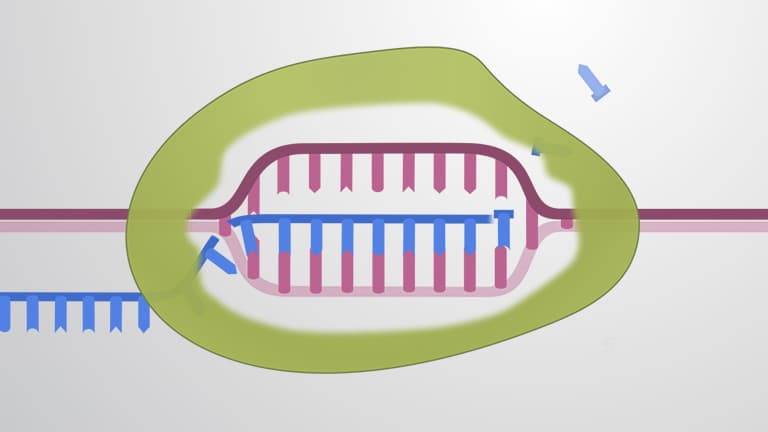
The process begins at specific DNA sequences called origins of replication, where the Origin Recognition Complex (ORC) binds and recruits additional factors. This creates a pre-replication complex that remains inactive until S-phase of the cell cycle begins. When replication initiates, helicases unwind the double helix, creating replication bubbles with characteristic Y-shaped replication forks at each end.
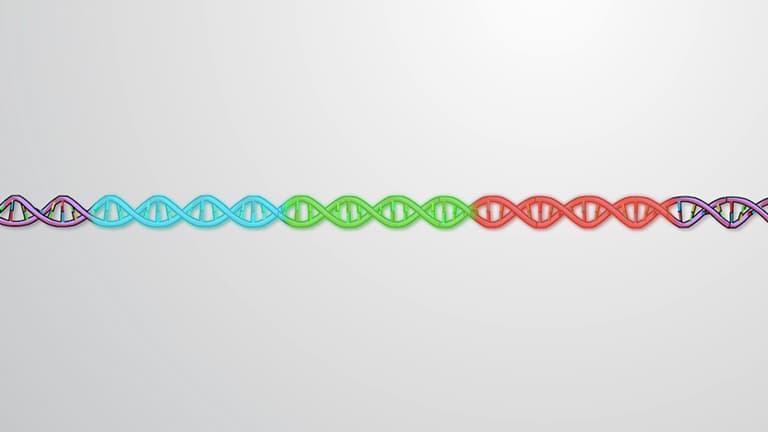
Eukaryotic DNA replication explained requires understanding why cells use thousands of replication origins rather than just one. A single human chromosome may contain hundreds of origins spaced roughly 50,000-200,000 base pairs apart. This organization dramatically reduces replication time from what would theoretically take weeks to just a few hours during S-phase.
Each origin creates a replication bubble that expands bidirectionally as DNA polymerases work in both directions. Adjacent bubbles eventually merge, ensuring complete chromosome duplication. This process is particularly crucial during embryonic development when rapid cell divisions occur, such as in early stages following fertilization studied extensively at institutions like Stanford's developmental biology programs.
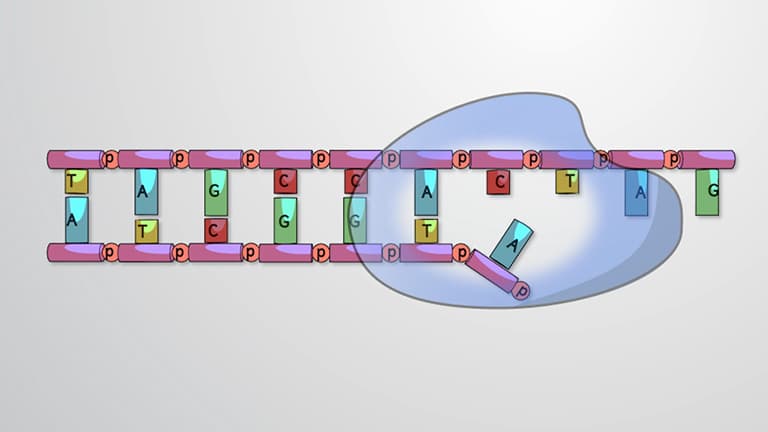
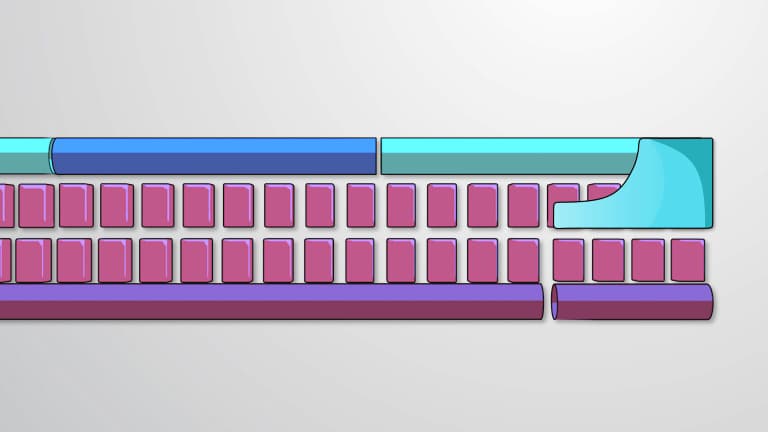
The fundamental challenge of eukaryotic replication lies in accommodating DNA polymerase's 5' to 3' synthesis requirement while copying antiparallel strands. The leading strand grows continuously in the same direction as replication fork movement, while the lagging strand must be synthesized discontinuously in short Okazaki fragments (typically 150-200 nucleotides in eukaryotes, much shorter than prokaryotic fragments).
This discontinuous synthesis creates temporary gaps that must be filled and sealed by DNA ligase. Students preparing for AP Biology or college biochemistry courses often encounter questions about this asymmetric replication pattern, as it illustrates fundamental molecular constraints governing DNA synthesis.
Perhaps the most distinctive feature of eukaryotic DNA replication involves telomere maintenance. Linear chromosomes create an "end-replication problem" because DNA polymerase cannot completely replicate the 3' end of lagging strands. Without intervention, chromosomes would shorten with each division, eventually causing cell death.
Telomerase enzyme solves this problem by adding repetitive DNA sequences (TTAGGG repeats in humans) to chromosome ends. This mechanism is particularly active in stem cells and unfortunately, cancer cells, making telomerase a target for both anti-aging research and cancer therapy development at institutions like Johns Hopkins and MD Anderson Cancer Center.
Frequently Asked Questions
Eukaryotic DNA replication is the process where cells duplicate their chromosomal DNA using multiple origins of replication, specialized polymerases, and telomerase enzymes. Unlike prokaryotes that use a single circular chromosome with one origin, eukaryotes replicate linear chromosomes from hundreds of origins simultaneously. The process is more complex, involving chromatin remodeling, cell cycle checkpoints, and telomere maintenance that prokaryotes don't require.
The MCAT commonly tests semi-conservative replication, leading vs. lagging strand synthesis, and telomerase function. Expect questions about Okazaki fragments, DNA polymerase directionality, and how multiple origins coordinate replication timing. Practice problems often involve experimental scenarios testing replication fidelity or mutations affecting replication machinery, particularly in the context of cancer biology.
AP Biology frequently includes free-response questions requiring students to diagram replication forks, explain semi-conservative replication using experimental evidence, or analyze data about replication rates. Multiple choice questions often test knowledge of enzyme functions, the relationship between cell cycle phases and replication, and evolutionary advantages of eukaryotic replication strategies compared to prokaryotic methods.
Cancer cells reactivate telomerase to avoid cellular senescence, allowing unlimited replication potential. Approximately 90% of cancers show elevated telomerase activity, making it an attractive therapeutic target. Current clinical trials at centers like Memorial Sloan Kettering are testing telomerase inhibitors, though challenges include protecting normal stem cells that also require telomerase function.
Basic understanding of chemical bonds, pH, and enzyme function suffices for most high school and introductory college courses. Focus on the biological significance rather than detailed reaction mechanisms. Students with strong foundation in basic biochemistry concepts like complementary base pairing and enzyme specificity typically master replication concepts successfully, regardless of their chemistry background.
Create detailed diagrams showing replication fork progression, labeling all major enzymes and their functions. Practice drawing the process from memory, emphasizing the asymmetric nature of leading and lagging strand synthesis. Focus on understanding experimental evidence for semi-conservative replication, as professors often test this through data interpretation questions involving isotope labeling or mutation analysis.
DNA replication knowledge forms the foundation for understanding cancer biology, genetic diseases, and therapeutic mechanisms. Medical schools expect students to connect replication errors with mutation rates, understand how chemotherapy drugs target replication machinery, and explain genetic counseling scenarios involving replication-related disorders. This knowledge directly applies to pathology, pharmacology, and clinical genetics coursework.
Explore epigenetic inheritance during replication, focusing on how histone modifications and DNA methylation patterns are maintained. Investigate replication timing regulation and its relationship to gene expression. Advanced students should examine replication stress responses, homologous recombination repair mechanisms, and the connection between replication timing and nuclear organization in different cell types.
Related Micro-courses
Related Subjects