Loading subject page…
Micro-course: Membranes and Cellular Transport
2,101,717 views
Learn key concepts and earn your certificate.





Diffusion

00:00
01:12
Video Summary: What Is Diffusion
Ever wonder how oxygen reaches every cell in your body without your heart pumping it there directly? Diffusion explained biology reveals this fascinating passive transport process where molecules naturally move from areas of high concentration to low concentration. Consider how a drop of food coloring spreads throughout a glass of water in your kitchen-this demonstrates the same principle that allows carbon dioxide to exit your lungs during respiration. What is diffusion becomes clear when you understand it requires no cellular energy, making it one of nature's most efficient transport mechanisms. Watch the full video on JoVE Coach to master this concept with expert-led visuals and step-by-step explanations.
- Understand what is diffusion as a passive transport mechanism that moves substances down concentration gradients without requiring cellular energy
- Identify the key factors that influence diffusion rates, including molecular size, polarity, and lipid solubility
- Analyze how membrane permeability affects different types of molecules during simple diffusion movement
- Compare the diffusion rates of hydrophobic molecules like oxygen versus polar molecules like glucose
- Evaluate the relationship between concentration gradient diffusion and dynamic equilibrium states
- Apply Fick's law principles to predict diffusion rates across biological membranes
- Recognize examples of passive transport diffusion in physiological processes like gas exchange
- Explore how diffusion membrane biology concepts connect to cellular respiration and homeostasis
Understanding What is Diffusion: The Fundamentals
Diffusion definition and process centers on the spontaneous movement of particles from regions of higher concentration to regions of lower concentration. This passive transport mechanism operates without any input of cellular energy (ATP), making it distinct from active transport processes. The driving force behind diffusion is the natural kinetic energy of molecules, which causes them to move randomly until they reach equilibrium.
Molecular Properties Affecting Diffusion Rates
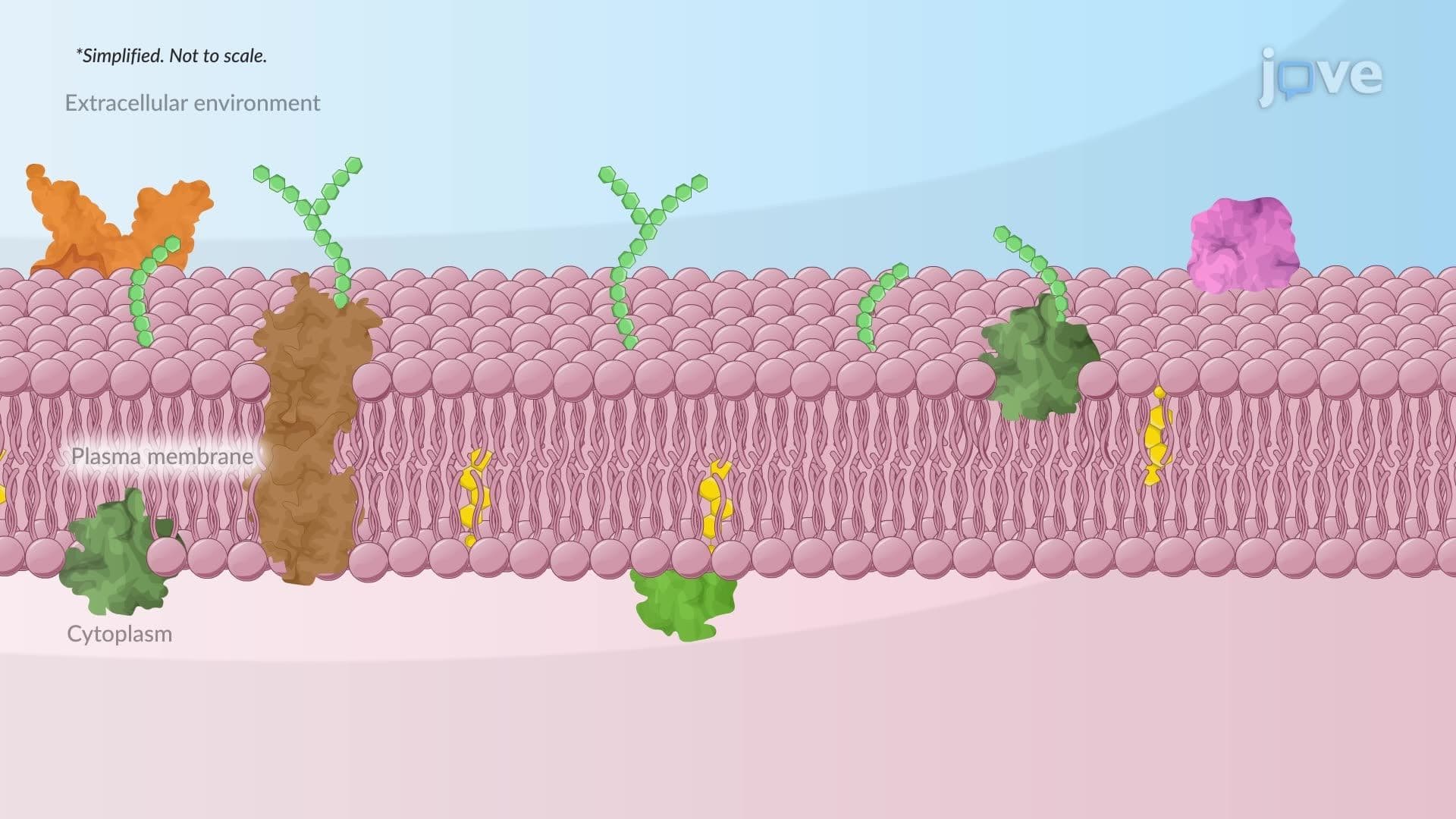
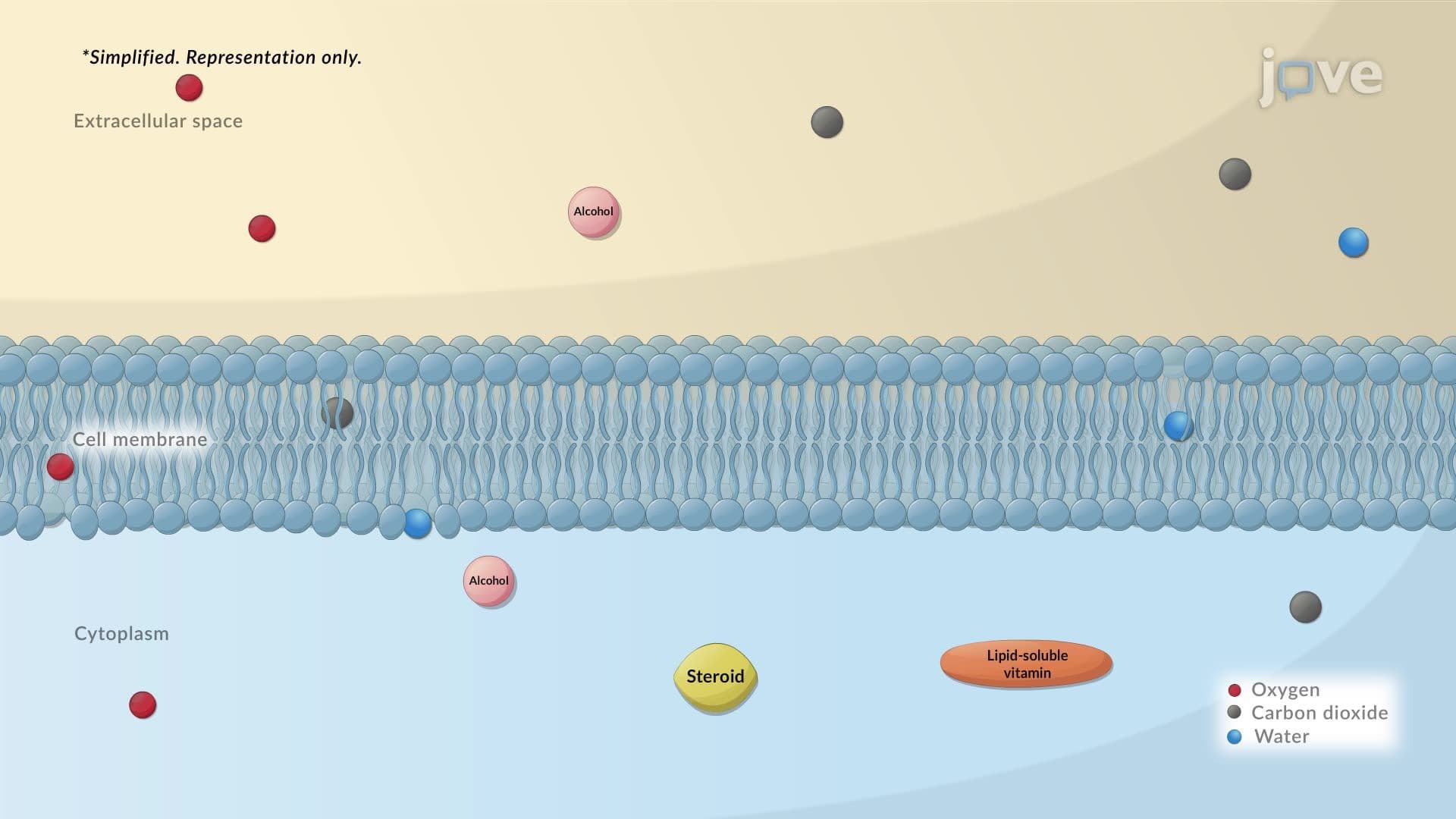
The success of what is diffusion in biology and chemistry depends heavily on molecular characteristics. Lipid-soluble, nonpolar molecules like oxygen (O2) and carbon dioxide (CO2) diffuse rapidly through cell membranes because they can easily pass through the hydrophobic lipid bilayer. These small gases are crucial for cellular respiration in human tissues.
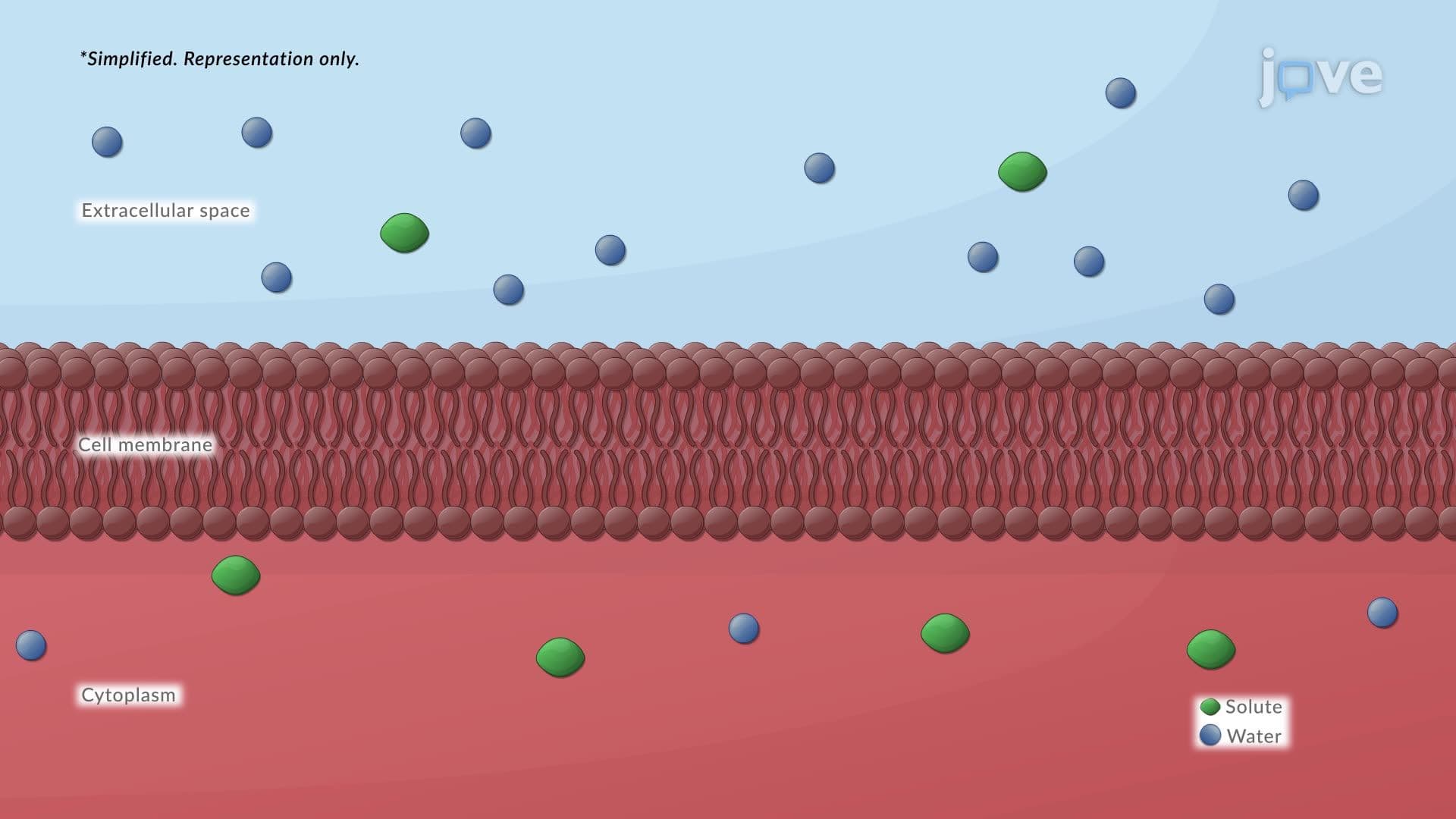
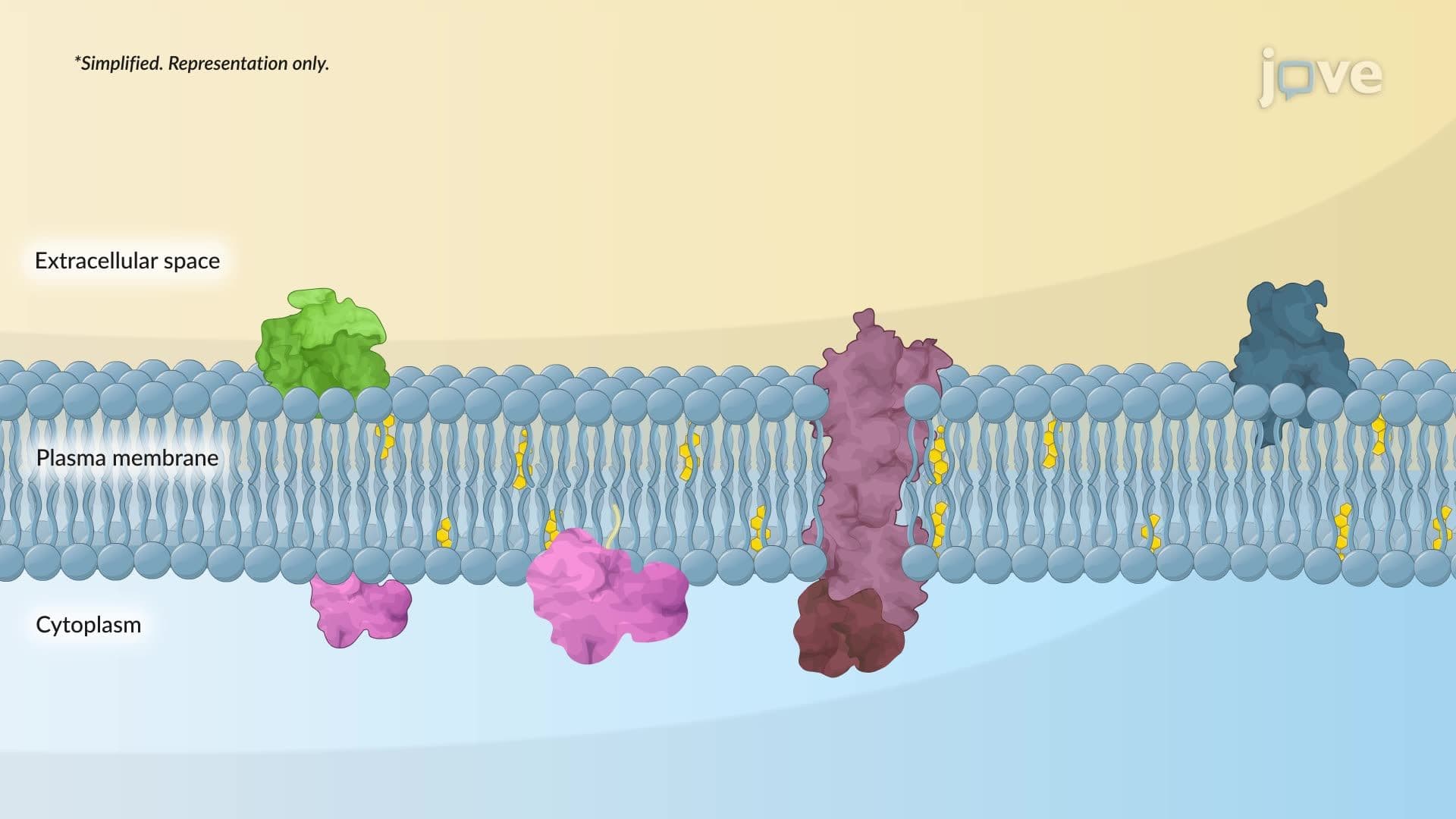
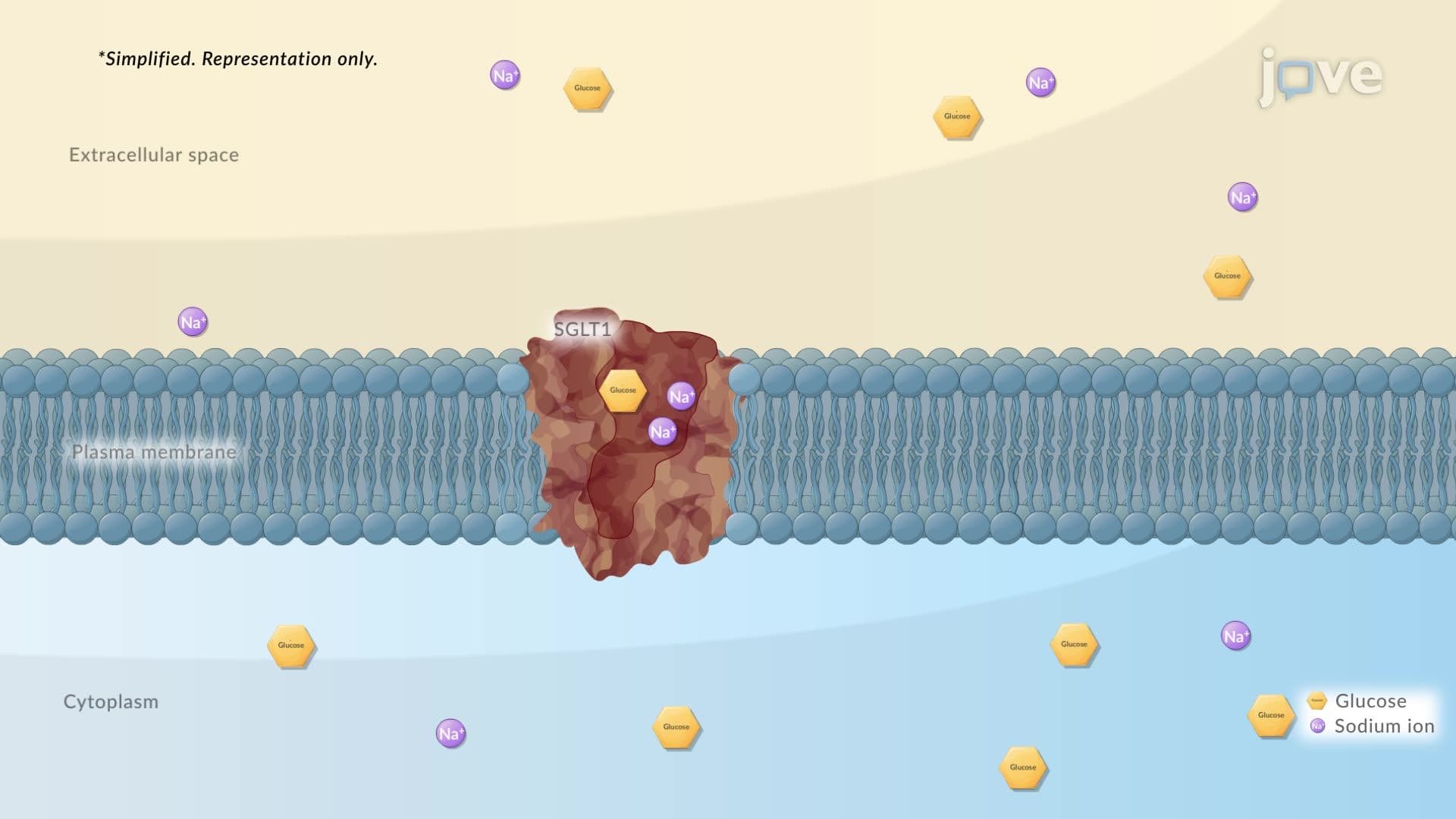
Larger lipophilic substances, including fat-soluble vitamins (A, D, E, K), also diffuse effectively but at slower rates due to their increased molecular size. In contrast, polar molecules like water and glucose face greater resistance when crossing membranes. While water can pass through via specialized channels called aquaporins, glucose typically requires facilitated diffusion through specific transport proteins.
Membrane Selectivity and Biological Significance
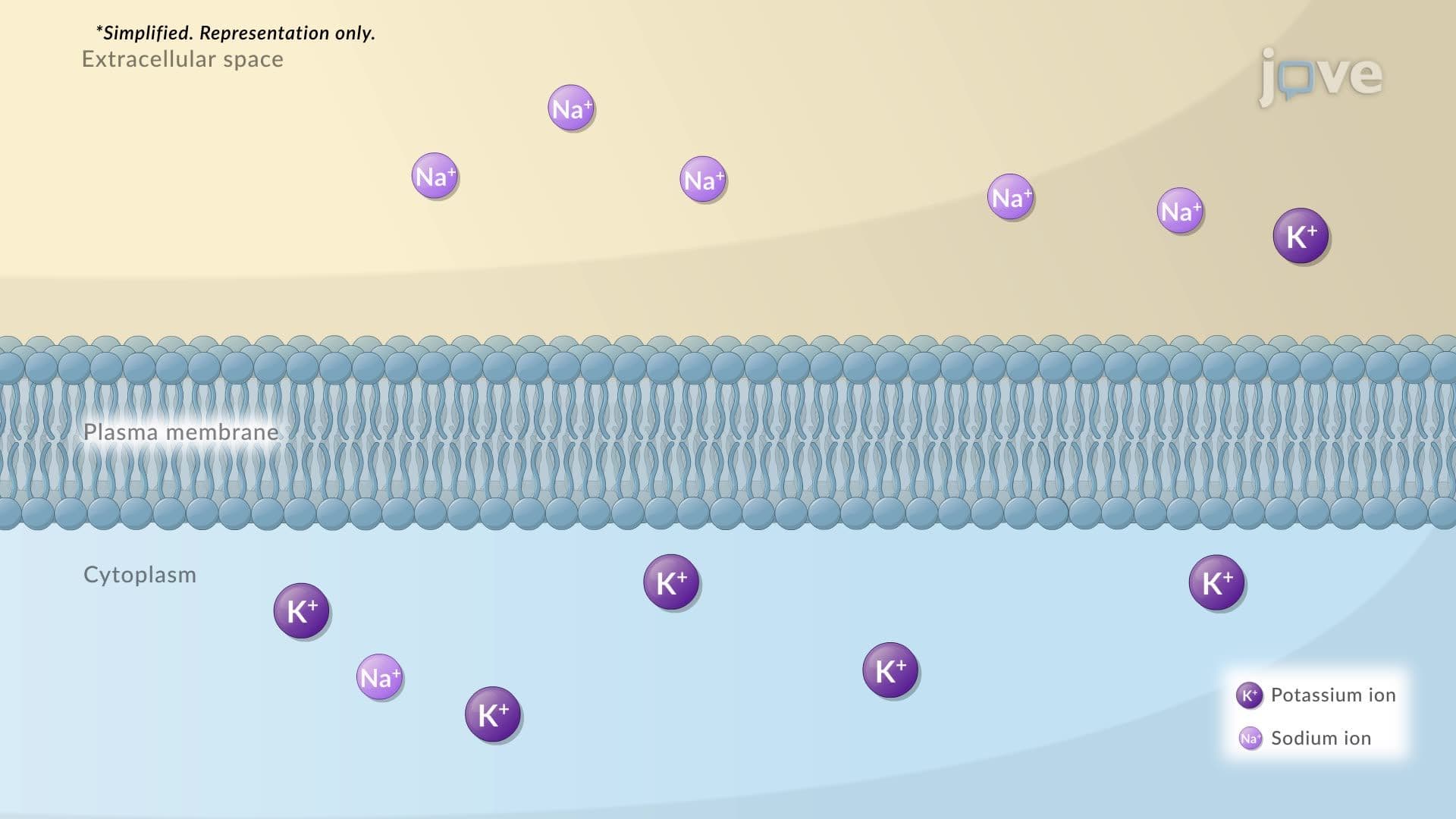
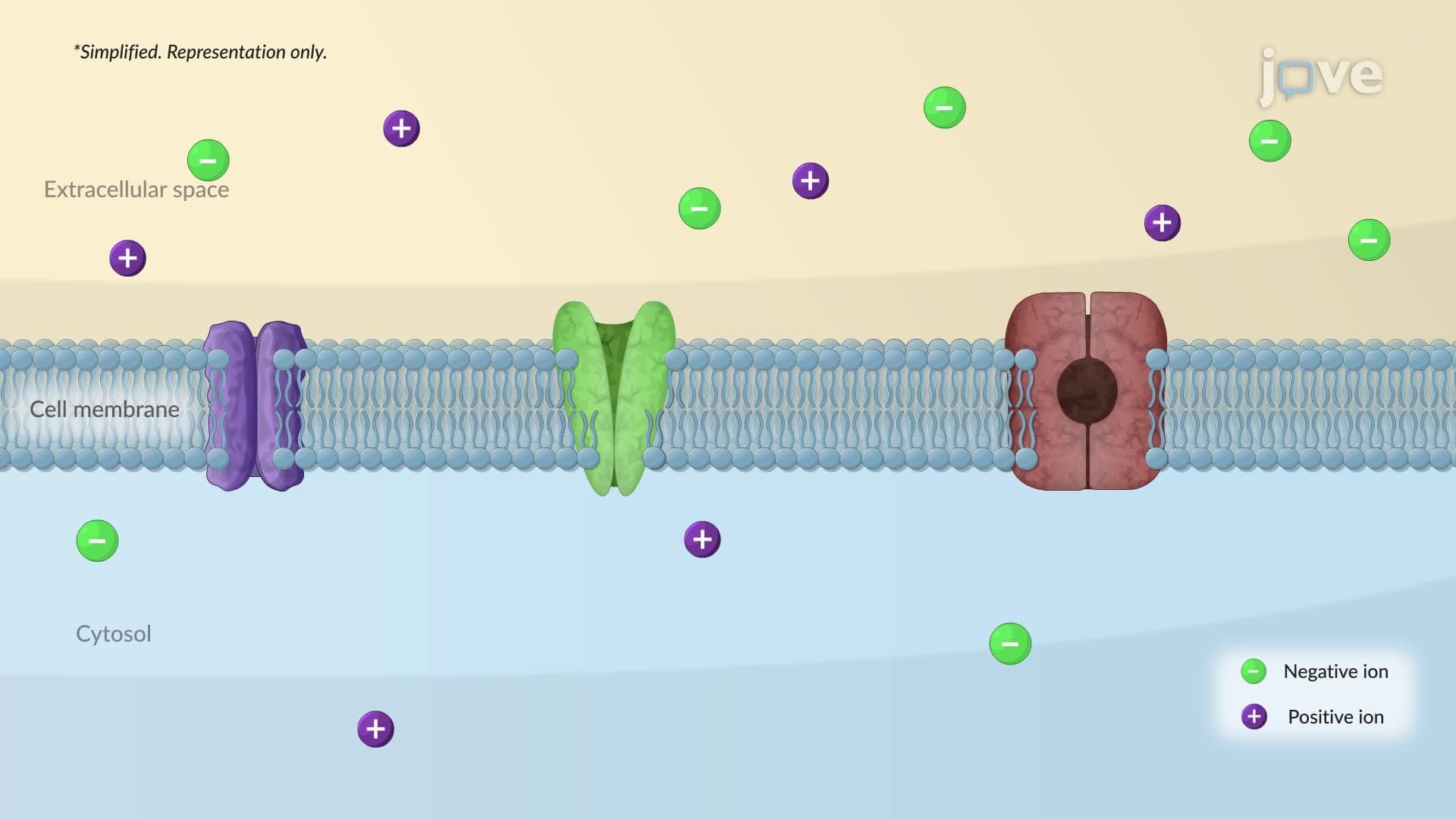
The lipid bilayer structure of cell membranes creates selective permeability that's essential for cellular function. Charged ions (Na+, K+, Cl-) and large proteins cannot cross through simple diffusion movement regardless of concentration gradients. This selectivity maintains cellular integrity and necessitates specialized transport mechanisms like ion channels and pumps.
Clinical and Academic Applications
Understanding concentration gradient diffusion is fundamental for success on standardized exams including the MCAT, AP Biology, and college-level physiology courses. Medical students studying for the USMLE frequently encounter diffusion concepts when learning about drug absorption, gas exchange in alveoli, and kidney filtration processes.
Fick's law diffusion quantifies the relationship between diffusion rate, surface area, concentration difference, and membrane thickness. This principle explains why the thin alveolar-capillary barrier (0.5 micrometers) in human lungs facilitates rapid gas exchange, while thicker barriers would impede oxygen and carbon dioxide transfer.
The concept of dynamic equilibrium represents the end point of diffusion, where molecules continue moving but maintain equal concentrations on both sides of the membrane. This steady state is crucial for maintaining proper cellular environments and is disrupted in various disease conditions.
Frequently Asked Questions
Diffusion is the natural spreading of molecules from crowded areas to less crowded areas, like how perfume scent spreads across a room. This passive process requires no cellular energy and continues until molecules are evenly distributed. It's essential for processes like oxygen entering your bloodstream and carbon dioxide leaving your cells.
These standardized tests frequently test diffusion through scenarios involving cell membrane transport, osmosis comparisons, and gas exchange physiology. Students must identify factors affecting diffusion rates, predict molecular movement directions, and explain why certain substances can or cannot cross membranes. Practice with concentration gradient calculations and membrane permeability questions is essential.
Simple diffusion involves molecules crossing membranes directly through the lipid bilayer without assistance, while facilitated diffusion requires transport proteins or channels. College physiology courses emphasize that both are passive processes, but facilitated diffusion helps polar molecules and ions that cannot cross membranes independently. This distinction frequently appears on midterm and final examinations.
Glucose is a large, polar molecule that cannot pass through the hydrophobic lipid bilayer effectively, while oxygen is small and nonpolar. This explains why cells need glucose transporters (GLUT proteins) for efficient sugar uptake, but oxygen diffuses freely. Understanding molecular polarity helps predict membrane permeability in biological systems.
Diffusion drives critical processes like anesthesia delivery, where gas anesthetics diffuse from lungs into bloodstream, and dialysis treatment, where waste products diffuse from blood across artificial membranes. Emergency medicine relies on understanding oxygen diffusion rates when treating respiratory conditions. These applications demonstrate diffusion's clinical importance beyond textbook examples.
Basic chemistry understanding of molecular polarity and size helps, but diffusion concepts are accessible to high school students. Focus on concentration gradients, molecular movement patterns, and membrane structure rather than complex chemical formulas. Most biology courses introduce necessary chemistry concepts alongside diffusion principles, making the topic manageable for students at various levels.
Create visual diagrams showing molecular movement across membranes, practice predicting diffusion directions using concentration scenarios, and memorize which molecules can cross lipid bilayers independently. Use flashcards for molecular properties (polar vs. nonpolar, size comparisons) and work through practice problems involving Fick's law calculations. Connect diffusion to familiar examples like air fresheners or tea bag steeping.
Build on diffusion knowledge by exploring osmosis, active transport mechanisms, and membrane protein functions. Advanced students can investigate diffusion's role in pharmacokinetics, gas exchange physiology, and kidney function. These connections prepare students for upper-level courses in cell biology, physiology, and medical school prerequisites.
Related Micro-courses