Loading subject page…

- Biology
- Metabolism
- What is Metabolism?
Micro-course: Metabolism
1,097,517 views
Learn key concepts and earn your certificate.


What is Metabolism?

00:00
00:52
Video Summary: Metabolism Definition
Ever wonder why eating a large meal makes you feel energized, or why your body temperature stays constant even when it's freezing outside? Metabolism is the powerhouse behind these everyday phenomena-it's the sum total of all chemical reactions occurring in your body right now. Consider how a marathon runner in the Boston Marathon breaks down energy from a pre-race pasta dinner while simultaneously building new muscle proteins during training. Watch the full video on JoVE Coach to master this concept with expert-led visuals and step-by-step explanations.
- Understand the metabolism definition as the complete set of chemical reactions that sustain life in organisms
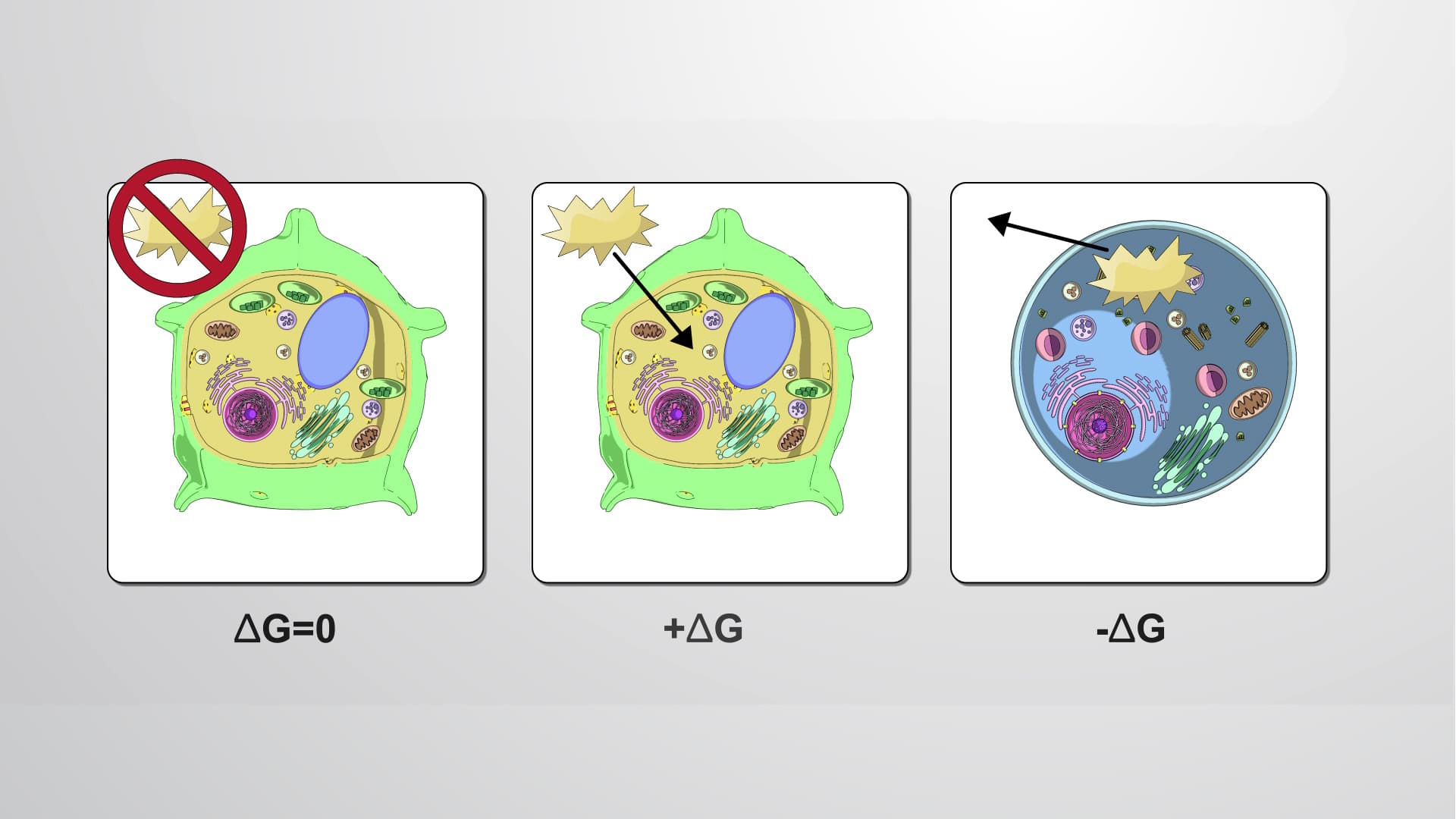
- Identify the two major metabolic pathways: catabolic reactions that break down molecules and anabolic reactions that build them up
- Analyze how protein digestion demonstrates catabolism through the breakdown of large proteins into amino acids
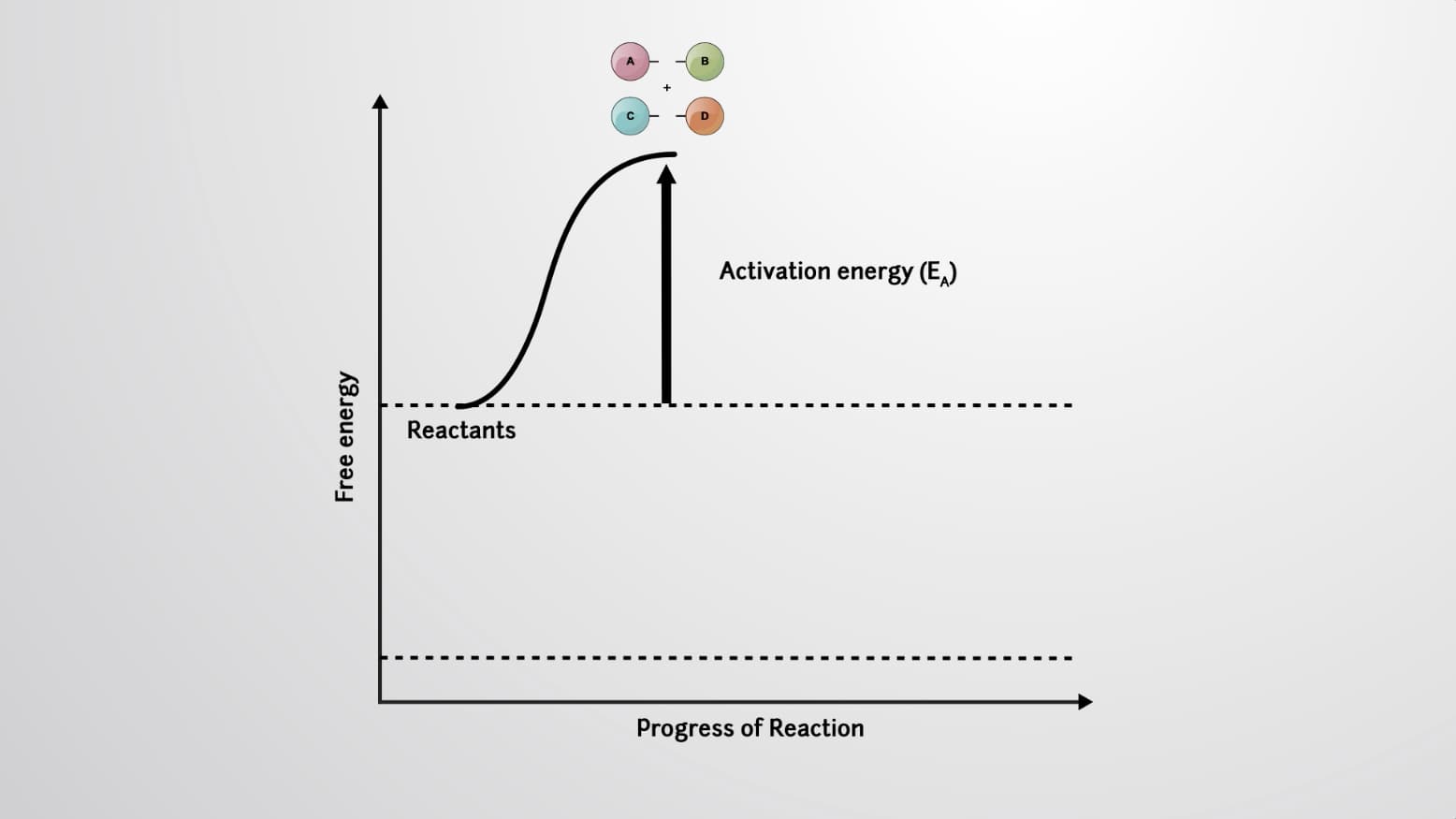
- Compare energy release in catabolic processes with energy consumption in anabolic processes
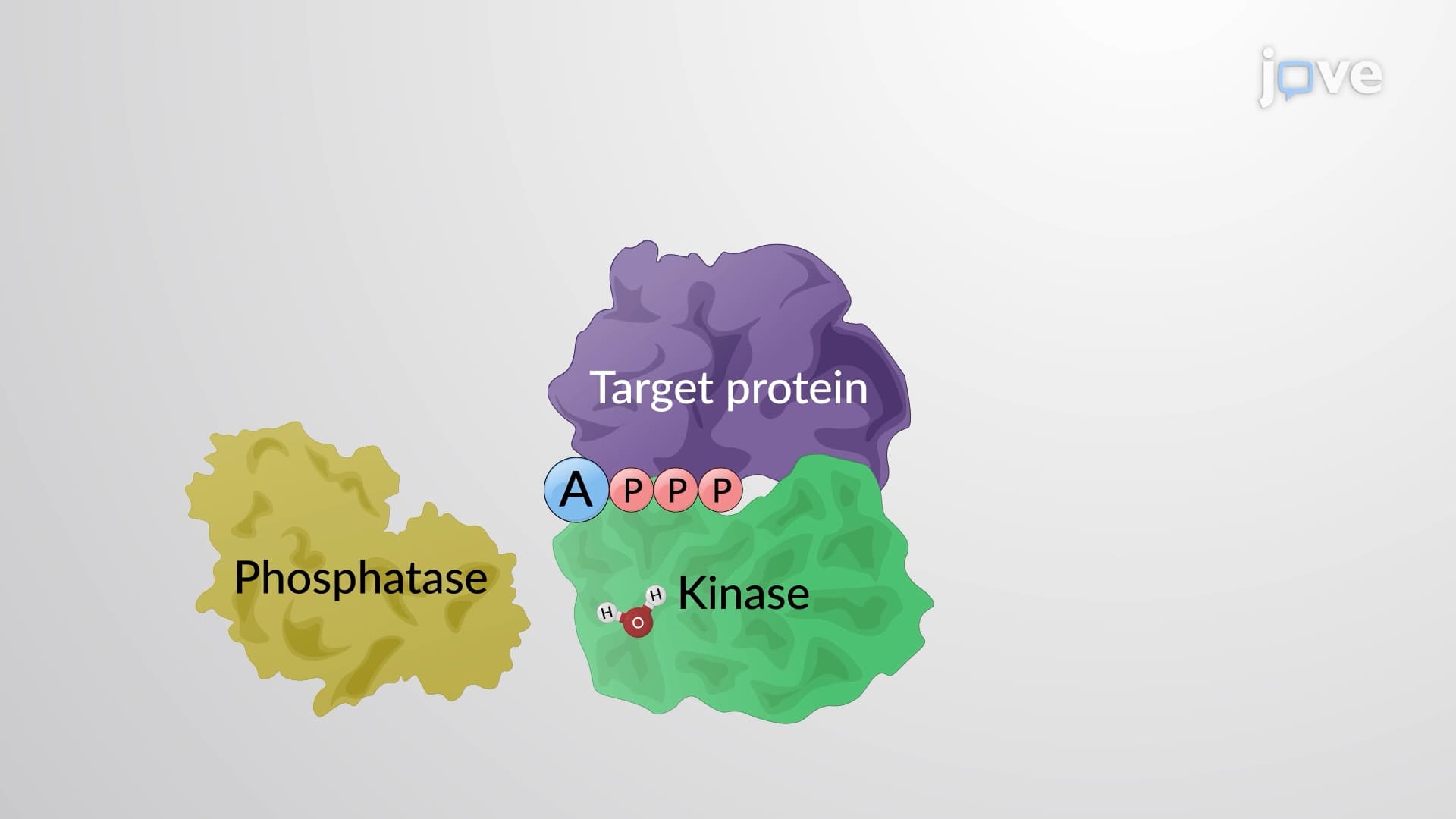
- Evaluate the role of ATP as the universal energy currency connecting breakdown and synthesis reactions
- Apply metabolic concepts to explain how organisms maintain energy balance and homeostasis
- Recognize real-world examples of metabolism in daily activities like digestion, exercise, and growth
- Explore the interconnected nature of metabolic pathways in maintaining cellular function
Understanding the Metabolism Definition and Its Core Components
Metabolism represents one of the fundamental characteristics of life itself. At its essence, metabolism encompasses every chemical reaction occurring within a living organism, from the microscopic cellular level to complex organ system interactions. This intricate network of reactions serves a critical purpose: maintaining the delicate balance between energy production and energy consumption that keeps organisms alive and functioning.
Catabolic Pathways: Breaking Down for Energy
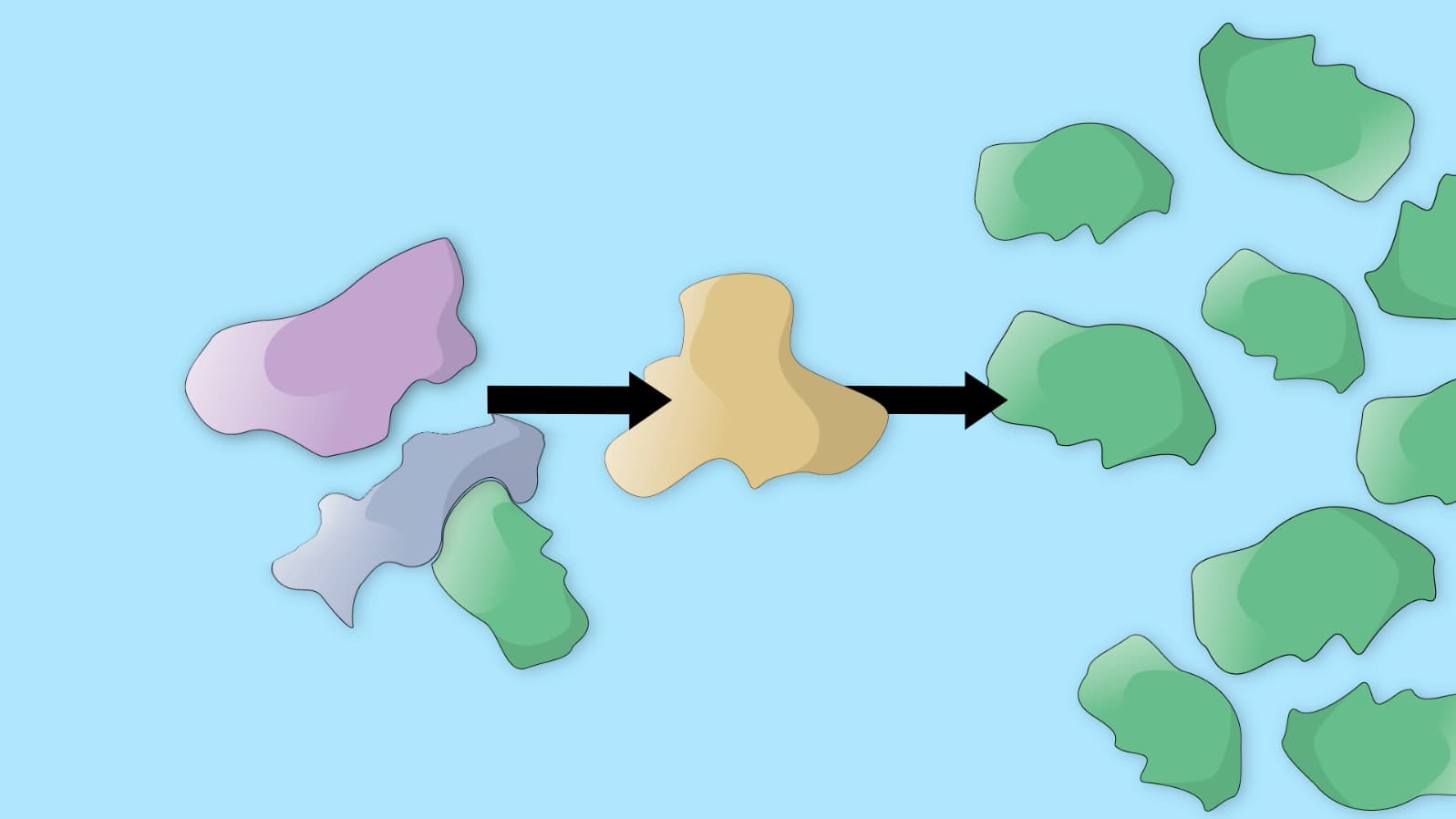
Catabolic reactions form the destructive-yet essential-half of metabolism. These pathways systematically dismantle complex molecules into simpler components, releasing stored energy in the process. When you consume a turkey sandwich during lunch, your digestive system initiates catabolic pathways that break down proteins, carbohydrates, and fats. Protein catabolism, for instance, begins in your stomach where pepsin starts fragmenting large protein molecules into smaller polypeptides, which are then further broken down into individual amino acids in the small intestine.
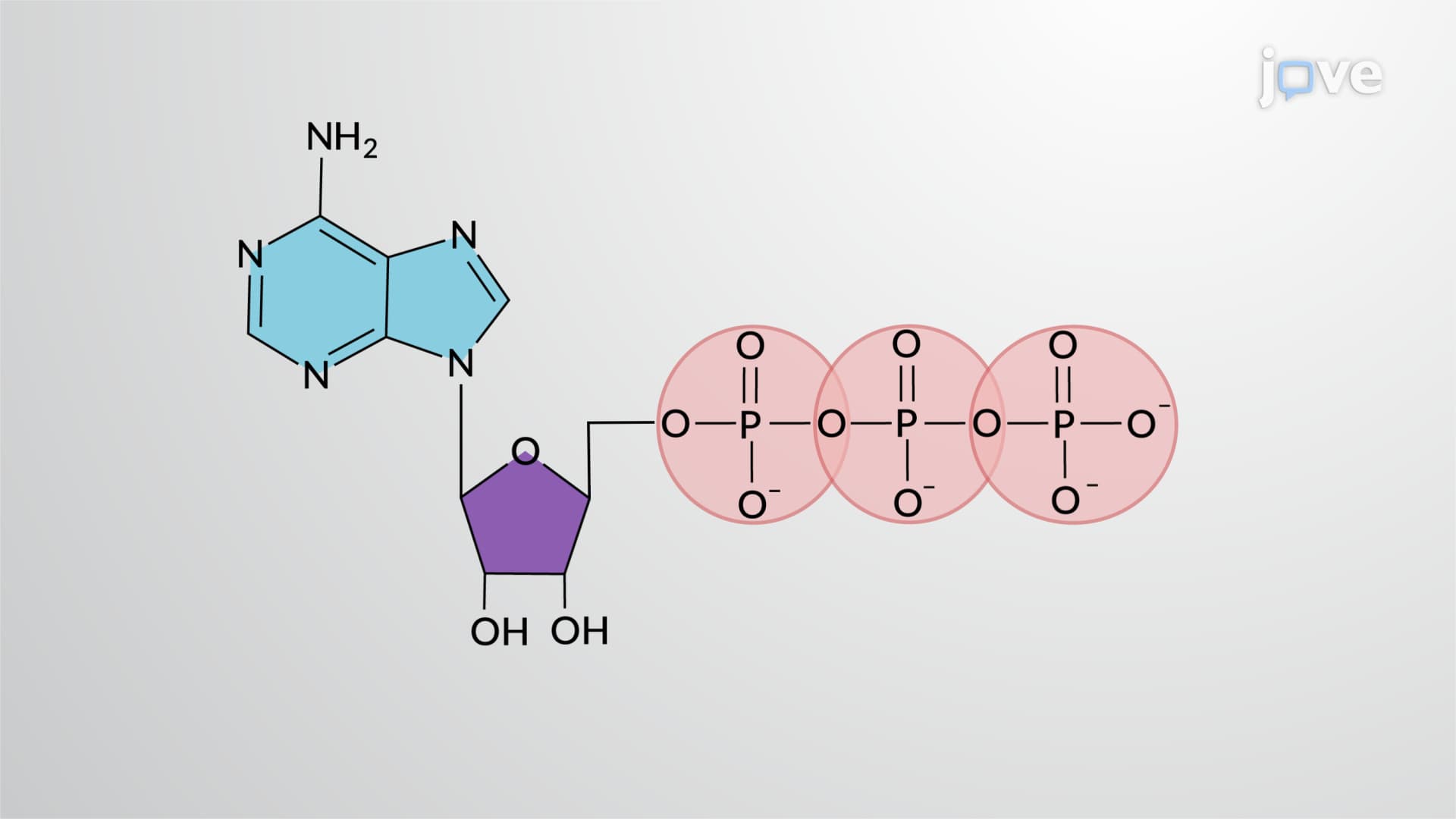
This process isn't merely about digestion-it's about energy liberation. Each broken chemical bond releases energy that gets captured and stored in ATP (adenosine triphosphate) molecules. Think of ATP as your body's rechargeable battery, constantly being charged through catabolic processes and discharged during energy-requiring activities.
Anabolic Pathways: Building Up for Growth and Repair
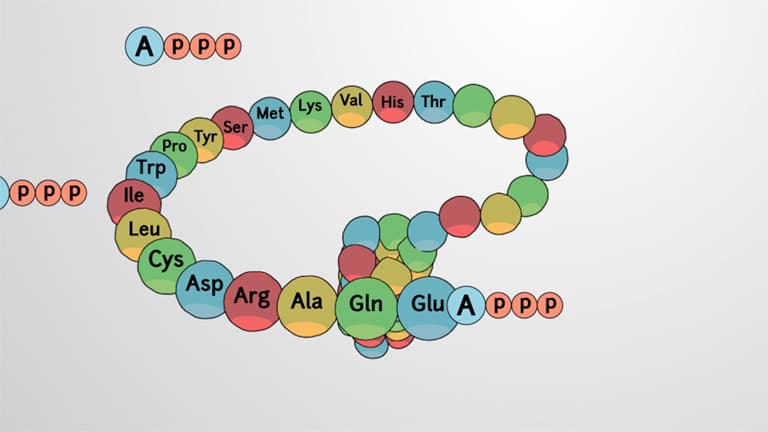
While catabolism tears down, anabolism builds up. Anabolic pathways consume energy (usually in the form of ATP) to construct complex molecules from simpler building blocks. After that turkey sandwich gets broken down, your body uses those liberated amino acids in anabolic processes to synthesize new proteins-perhaps muscle proteins if you're an athlete training for track and field, or enzymes needed for various cellular functions.
This building process requires significant energy investment. Your cells must activate amino acids, transport them to ribosomes, and carefully string them together in precise sequences. The resulting polypeptide chains then fold into specific three-dimensional shapes, creating functional proteins that serve countless roles in your body.
Metabolic Balance in Academic and Professional Contexts
Understanding metabolism proves crucial for success in various US academic assessments. AP Biology students encounter metabolism extensively in Unit 3 (Cellular Energetics), while pre-med students preparing for the MCAT must master metabolic pathways for the Chemical and Physical Foundations of Biological Systems section. Nursing students studying for the NCLEX-RN examination need solid metabolic knowledge to understand medication effects, nutritional therapy, and disease pathophysiology.
Frequently Asked Questions
Metabolism is all the chemical reactions happening in your body to keep you alive and functioning. It includes breaking down food for energy (like digesting a hamburger) and using that energy to build new molecules your body needs (like making new muscle proteins). Think of it as your body's internal factory system that never stops working.
Metabolism questions frequently appear in AP Bio FRQs and multiple choice, especially focusing on cellular respiration and photosynthesis pathways. You'll need to explain energy flow, identify rate-limiting steps, and analyze how environmental factors affect metabolic processes. Practice drawing and labeling metabolic pathways, as visual representations often appear in exam questions.
The MCAT heavily tests glycolysis, citric acid cycle, electron transport chain, and amino acid metabolism in the Chem/Phys and Bio/Biochem sections. Expect questions about enzyme regulation, metabolic disorders, and how different tissues utilize various fuel sources. Focus on understanding pathway interconnections rather than memorizing every intermediate structure.
Metabolic disorders affect millions of Americans, with Type 2 diabetes being the most common example involving glucose metabolism dysfunction. Other conditions like phenylketonuria (PKU) demonstrate how genetic defects in metabolic enzymes can cause serious health problems. Understanding metabolism helps explain why dietary modifications and medications work for these conditions.
Not at all! While metabolism involves complex pathways, the basic concepts build logically on chemistry foundations you already know. Start with simple energy concepts (breaking bonds releases energy, forming bonds requires energy) and gradually add complexity. Most high schoolers successfully master metabolism in AP Biology or dual enrollment courses.
Focus on understanding patterns rather than memorizing every detail-catabolic pathways generally break down large molecules and release energy, while anabolic pathways build up molecules using energy. Create flowcharts showing major pathways, practice identifying which reactions require or release ATP, and work through metabolism problems regularly. Many students find success using active recall with flashcards for enzyme names and pathway steps.
Advanced topics include metabolic regulation, tissue-specific metabolism, and metabolic integration during different physiological states. Consider exploring how hormones like insulin and glucagon control metabolic pathways, or how metabolism changes during exercise, fasting, or disease states. These concepts prepare you well for advanced biochemistry or physiology courses.
Related Micro-courses