Loading subject page…

- Biology
- Metabolism
- Activation Energy
Micro-course: Metabolism
1,097,517 views
Learn key concepts and earn your certificate.




Activation Energy

00:00
01:26
Video Summary: What Is Activation Energy
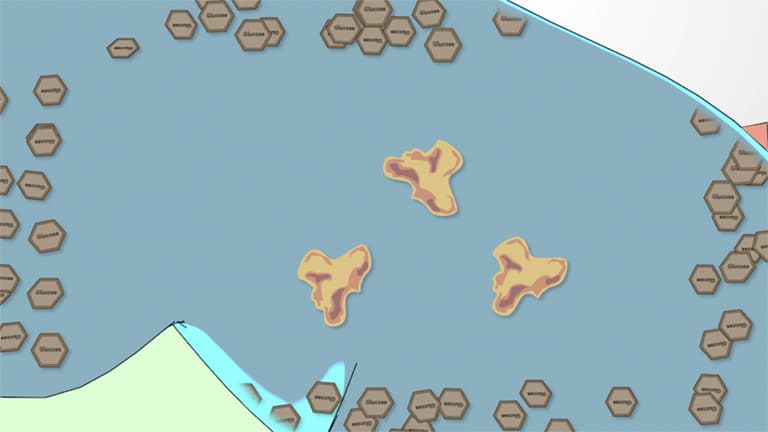
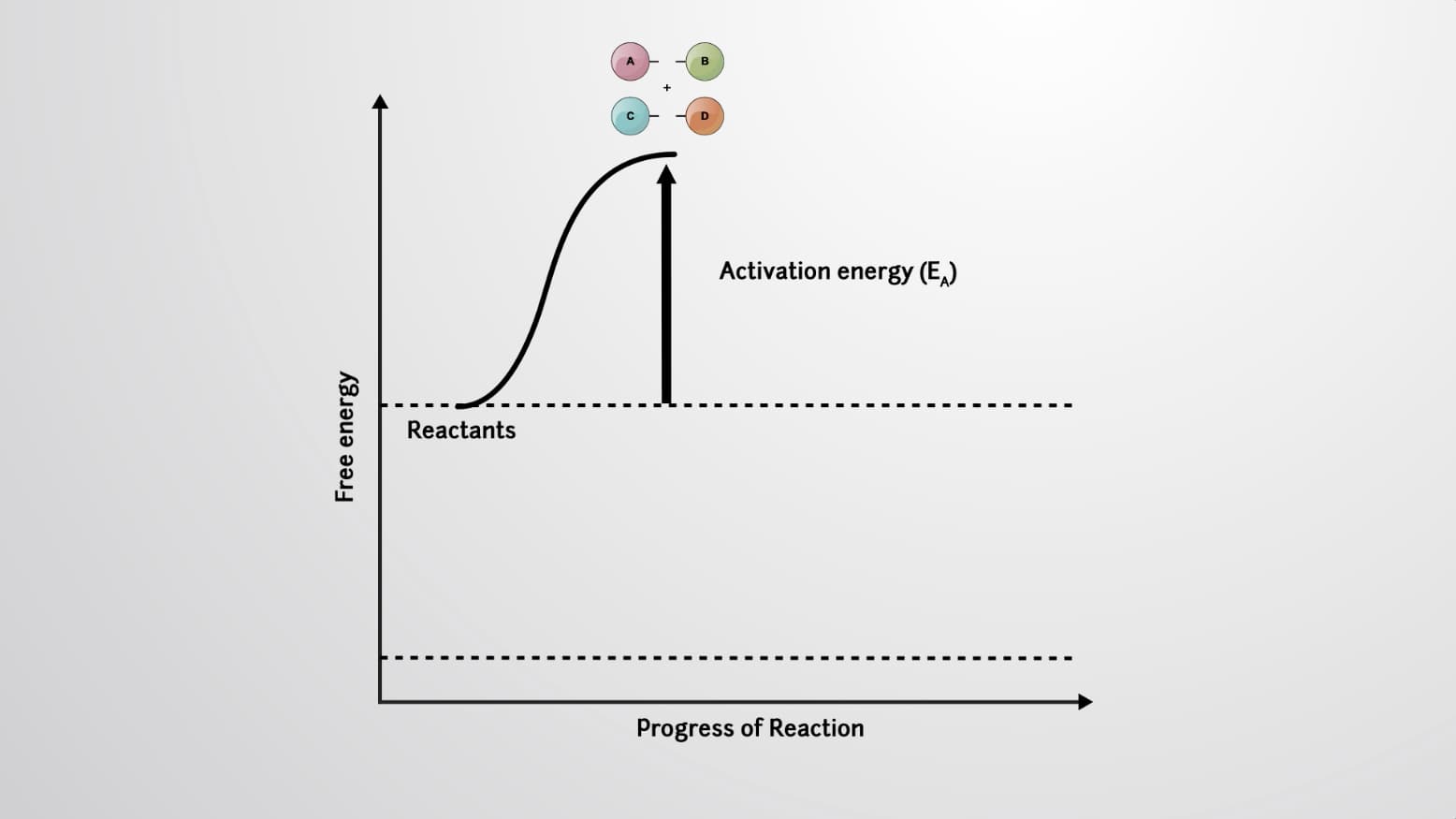
Why do sparklers need a match to ignite despite containing all the necessary chemicals for combustion? Activation energy is the minimum energy barrier that reactants must overcome to start a chemical reaction. Consider how glucose in your bloodstream requires specific enzymes to release energy-without these biological catalysts lowering the activation energy, your cells would literally cook from the heat released during sugar breakdown. Understanding what is activation energy reveals why reactions need that initial "push" to proceed, whether it's lighting a Bunsen burner in chemistry class or breaking down food in your digestive system. Watch the full video on JoVE Coach to master this concept with expert-led visuals and step-by-step explanations.
- Understand what is activation energy and why it serves as the critical energy barrier that determines whether chemical reactions can proceed spontaneously
- Identify the relationship between activation energy and reaction rate, recognizing how lower activation energy leads to faster reaction kinetics
- Analyze energy diagrams to locate the transition state and calculate activation energy values from graphical representations
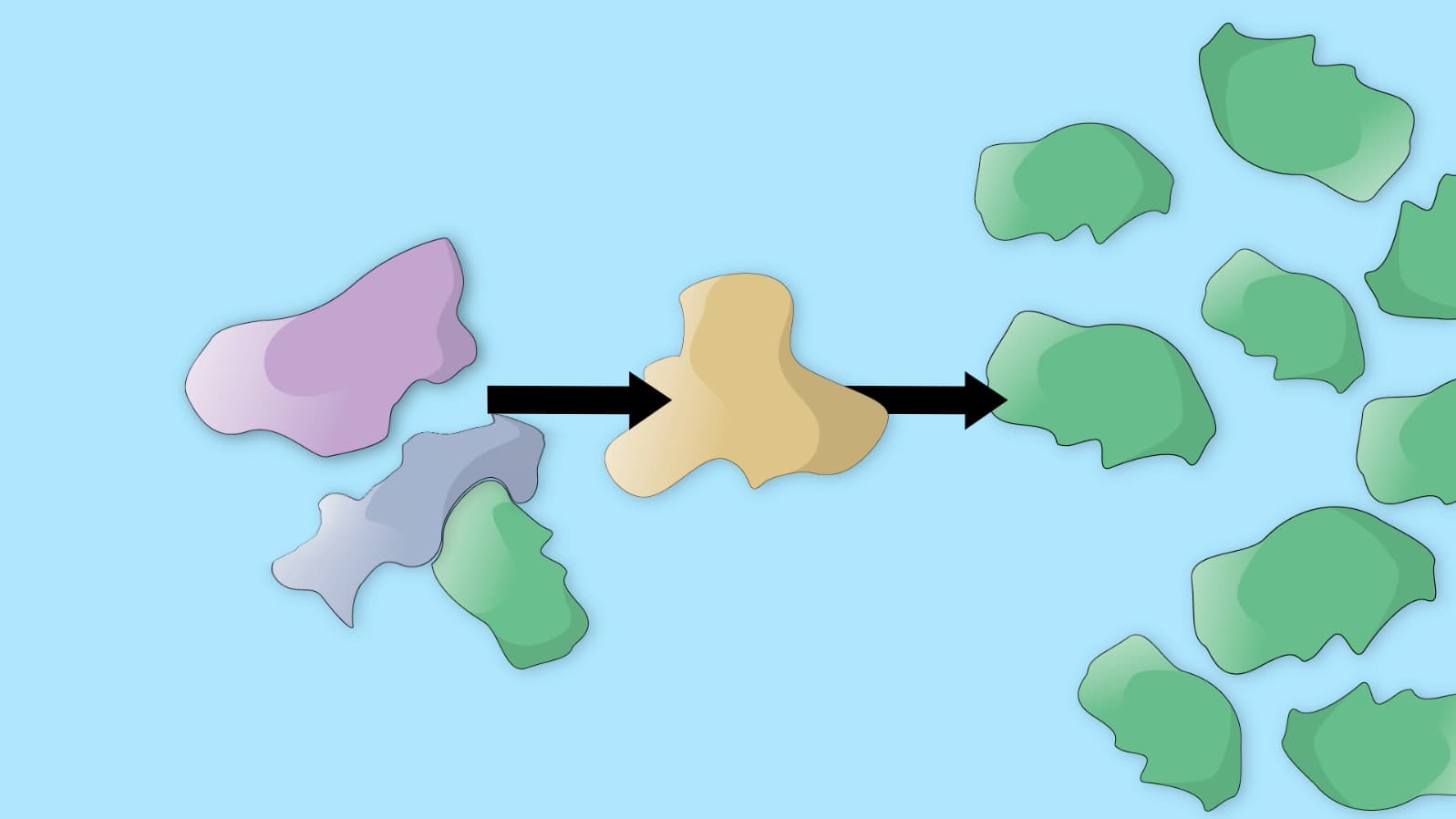
- Compare how catalysts and enzymes reduce activation energy without being consumed in the overall reaction process
- Evaluate the role of temperature in providing thermal energy to help reactants overcome activation energy barriers
- Apply activation energy concepts to explain why certain reactions require heat, light, or catalysts to initiate
- Recognize how biological systems use enzymes to lower activation energy and prevent cellular damage from excessive heat release
- Explore real-world applications from industrial catalysis to metabolic pathways in living organisms
Understanding What is Activation Energy: The Energy Barrier Concept
Activation energy represents the minimum energy input required to transform stable reactants into products through a chemical reaction. Think of it as an energy "hill" that molecules must climb before they can slide down into a more stable, lower-energy product state. This concept explains why gasoline doesn't spontaneously combust at room temperature despite being thermodynamically favorable-the molecules lack sufficient energy to overcome the activation barrier without an ignition source.
The Transition State and Energy Profile
Every chemical reaction progresses through a high-energy intermediate called the transition state, where old bonds are breaking and new bonds are forming simultaneously. On an energy diagram, this appears as the peak of the activation energy curve. For example, when sodium chloride dissolves in water, the transition state involves partial bond breaking between Na+ and Cl- ions while new ion-dipole interactions with water molecules begin forming. Students preparing for AP Chemistry or college general chemistry courses must master reading these energy diagrams, as they frequently appear on exams like the MCAT and standardized chemistry assessments.
Catalysts: Lowering the Energy Barrier
Catalysts provide alternative reaction pathways with lower activation energy requirements, dramatically increasing reaction rates without being consumed. Industrial processes rely heavily on this principle-the Haber process for ammonia production uses iron catalysts to lower activation energy, making fertilizer production economically viable. In biological systems, enzymes serve as highly specific catalysts. For instance, the enzyme catalase in your liver cells reduces the activation energy for decomposing hydrogen peroxide from about 75 kJ/mol to just 23 kJ/mol, preventing cellular damage from toxic peroxide accumulation.
Temperature Effects and Kinetic Energy Distribution
Higher temperatures increase the average kinetic energy of molecules, meaning more particles possess sufficient energy to overcome activation barriers. The Arrhenius equation (k = Ae^(-Ea/RT)) quantifies this relationship, showing exponential increases in reaction rate with temperature. This explains why refrigeration preserves food-lowering temperature reduces the kinetic energy available to reactant molecules, slowing down spoilage reactions. Understanding this relationship proves crucial for students tackling physical chemistry coursework and professional exams like the American Chemical Society standardized tests.
Frequently Asked Questions
Activation energy is the minimum energy needed to start a chemical reaction, like the initial push required to roll a ball over a hill. Even if a reaction releases energy overall, reactants still need this initial energy investment to break existing bonds and form new ones. It's why matches are needed to light candles despite combustion being energy-releasing.
These exams frequently test activation energy through energy diagram interpretation, catalyst mechanism questions, and kinetics calculations. You'll encounter problems asking you to identify activation energy values, compare catalyzed versus uncatalyzed pathways, and explain how temperature affects reaction rates. The concept also appears in biochemistry contexts on the MCAT.
Activation energy bridges thermodynamics and kinetics, two fundamental chemistry pillars that students often find challenging to connect. Mastering this concept helps students understand reaction spontaneity versus reaction rate-why some thermodynamically favorable reactions proceed slowly or require catalysts. It's essential for advanced coursework in physical chemistry, biochemistry, and materials science.
Pharmaceutical drug development relies on understanding activation energy to design medications that work at body temperature without causing harmful side reactions. Food preservation techniques like pasteurization use controlled heating to provide activation energy for destroying harmful bacteria while minimizing nutrient loss. Automotive catalytic converters reduce pollutant activation energy requirements for cleaner emissions.
While quantitative calculations involving the Arrhenius equation require some mathematical comfort, the core concept is highly visual and intuitive. Most high school students grasp the "energy hill" analogy easily, and energy diagrams provide clear graphical representations. The mathematical complexity only increases in advanced physical chemistry courses.
Focus on drawing and interpreting energy diagrams, practicing catalyst mechanism problems, and connecting activation energy to observable phenomena like cooking and combustion. Create flashcards linking activation energy to related terms like transition state, catalyst, and reaction coordinate. Work through practice problems involving temperature effects on reaction rates.
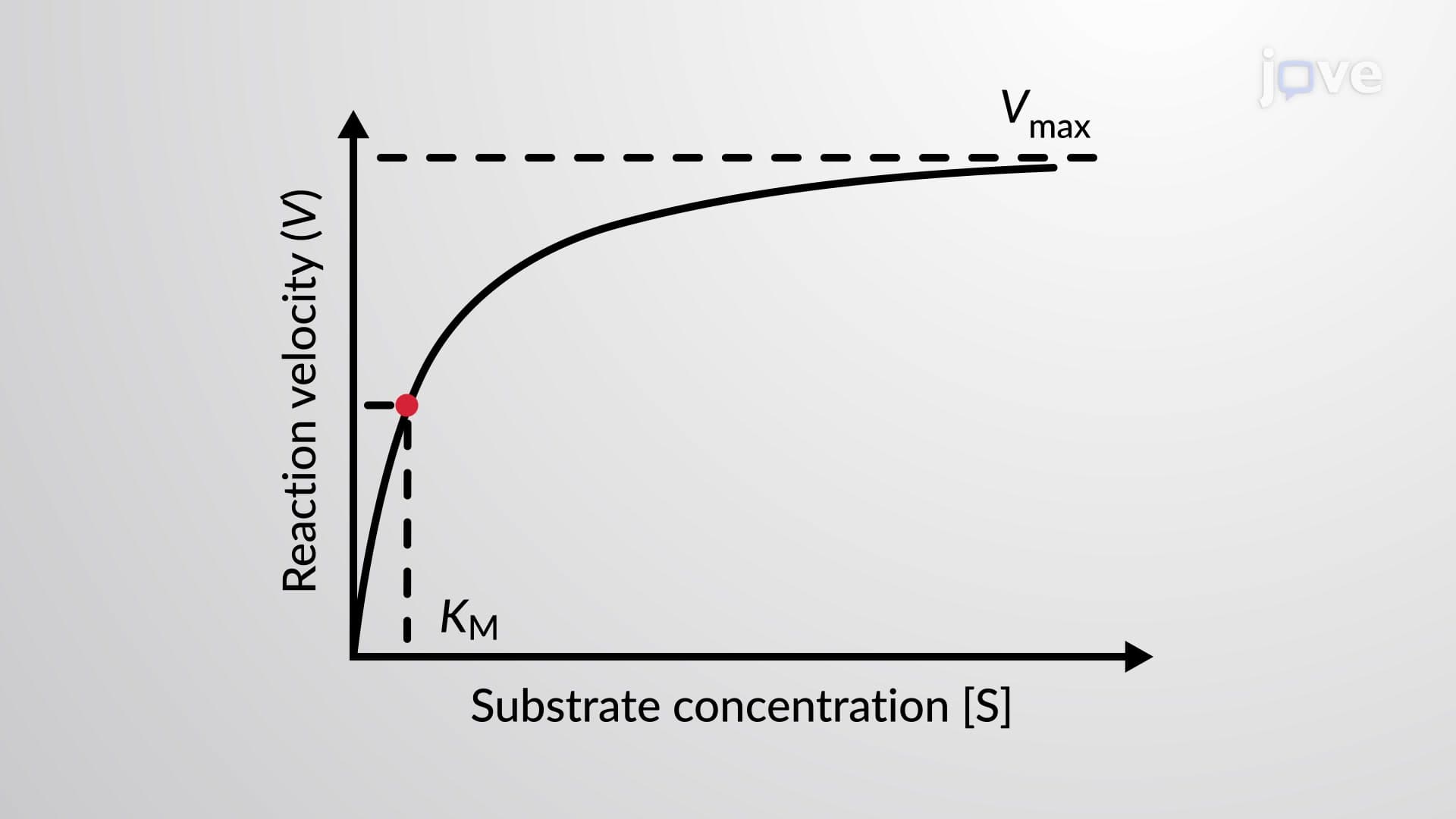
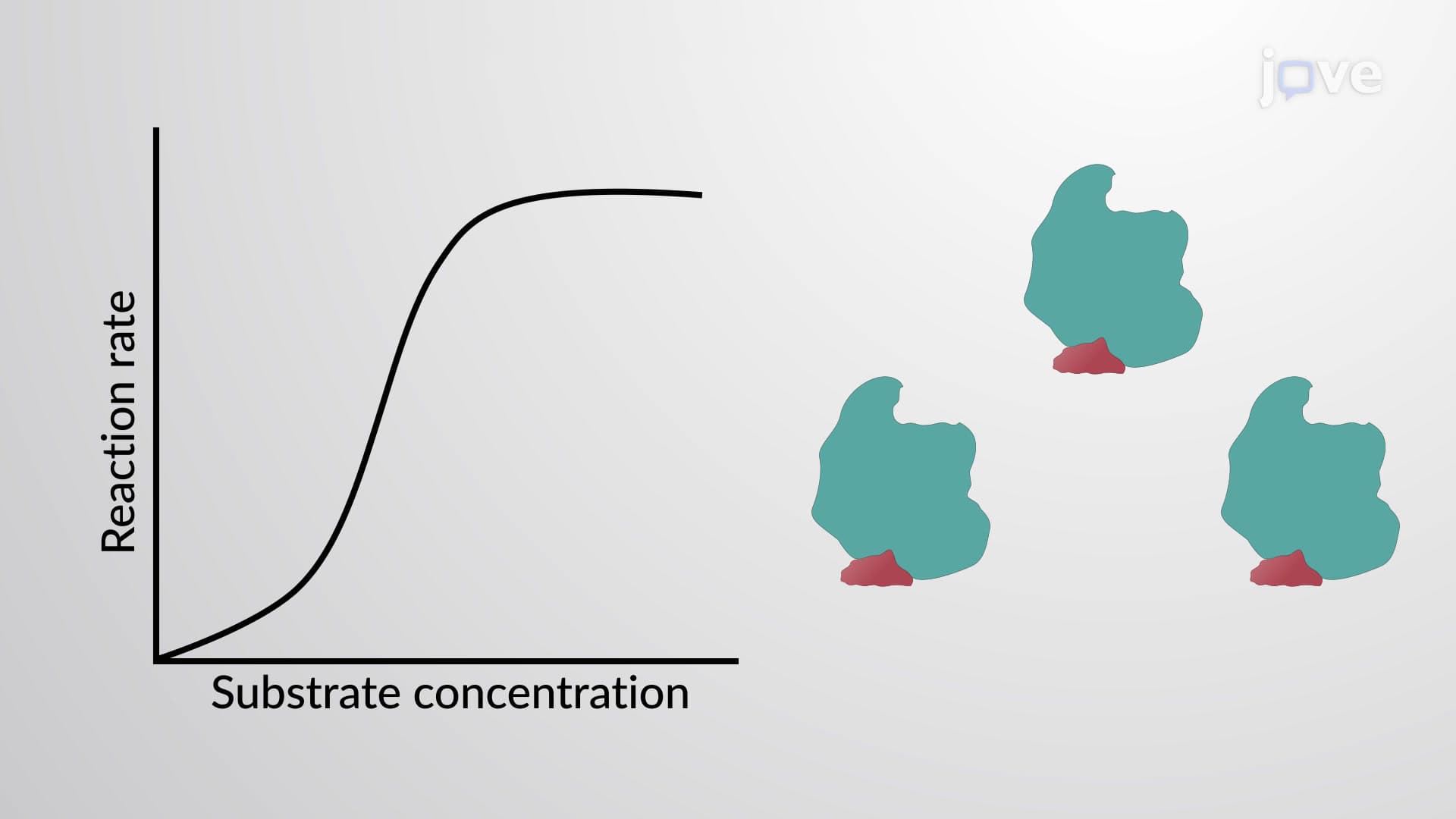
Enzyme kinetics and Michaelis-Menten mechanisms in biochemistry heavily utilize activation energy principles, as do transition state theory and Marcus theory in physical chemistry. Students interested in chemical engineering will encounter activation energy in reactor design and process optimization coursework.
Enzymes dramatically lower activation energy for specific biological reactions, allowing life processes to occur at body temperature without denaturing proteins. For example, digestive enzymes reduce the activation energy for breaking down nutrients, while metabolic enzymes enable cellular respiration pathways that would otherwise require dangerously high temperatures.
Activation energy is always positive because it represents an energy barrier that must be overcome, though catalysts can reduce it to very small positive values. A zero or negative activation energy would violate fundamental thermodynamic principles and isn't observed in real chemical systems.
Related Micro-courses