Loading subject page…

- Biology
- Metabolism
- Allosteric Regulation
Micro-course: Metabolism
1,097,517 views
Learn key concepts and earn your certificate.







Allosteric Regulation

00:00
01:08
Video Summary: What Is Allosteric Regulation
Ever wonder how your body's enzymes "know" when to speed up or slow down their chemical reactions? Allosteric regulation is the fascinating mechanism that controls enzyme activity through binding sites completely separate from where the actual chemical reaction occurs. Think of how insulin regulates glucose metabolism in your pancreas-effector molecules bind to distant sites on enzymes, causing shape changes that either boost or block the enzyme's function. This sophisticated control system allows cells to fine-tune their metabolic processes with remarkable precision. Watch the full video on JoVE Coach to master this concept with expert-led visuals and step-by-step explanations.
- Understand what is allosteric regulation and how it differs from competitive enzyme inhibition
- Identify the key components of allosteric systems: allosteric sites, effector molecules, and conformational changes
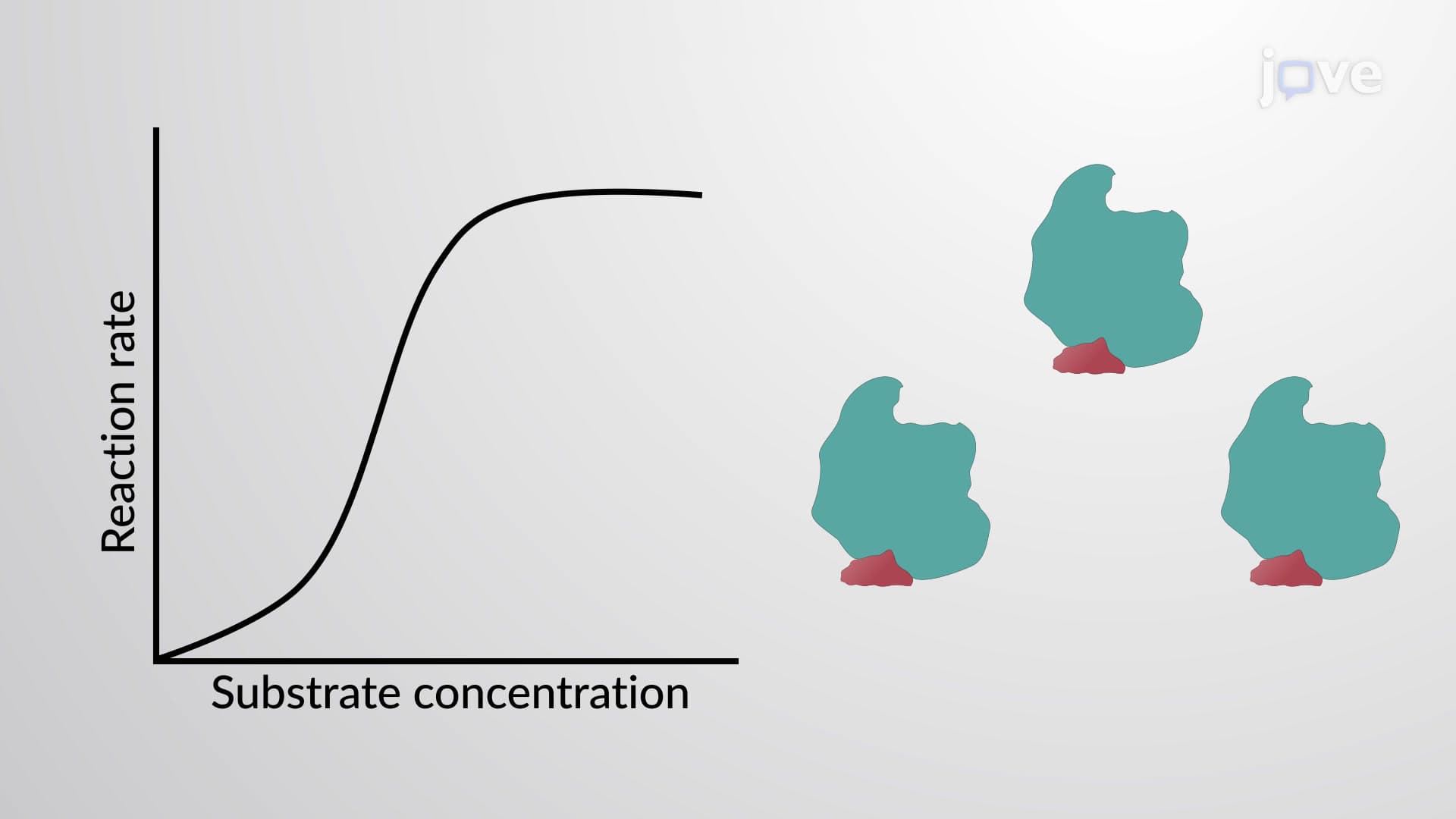
- Analyze the characteristic S-shaped curves produced by allosteric enzymes and interpret their biological significance
- Compare allosteric activation versus allosteric inhibition mechanisms and their effects on enzyme kinetics
- Evaluate how positive effectors transform sigmoidal curves into hyperbolic patterns in enzyme activity graphs
- Apply allosteric regulation principles to predict enzyme behavior under different cellular conditions
- Recognize real-world examples of allosteric control in human metabolism and disease states
- Explore the evolutionary advantages of allosteric regulation in maintaining cellular homeostasis
Understanding Allosteric Regulation: Beyond the Active Site
Allosteric regulation represents one of nature's most elegant control mechanisms for enzyme activity. Unlike simple competitive inhibition that blocks the active site directly, allosteric regulation operates through distinct binding sites located away from where substrate conversion occurs. This spatial separation allows for sophisticated regulatory networks that can respond to cellular needs without interfering with the enzyme's primary catalytic function.
The term "allosteric" derives from Greek roots meaning "other shape," reflecting how effector molecule binding induces conformational changes throughout the entire protein structure. These shape changes can propagate across considerable distances within the enzyme, demonstrating the dynamic nature of protein architecture.
Allosteric Activation: Enhancing Enzyme Performance
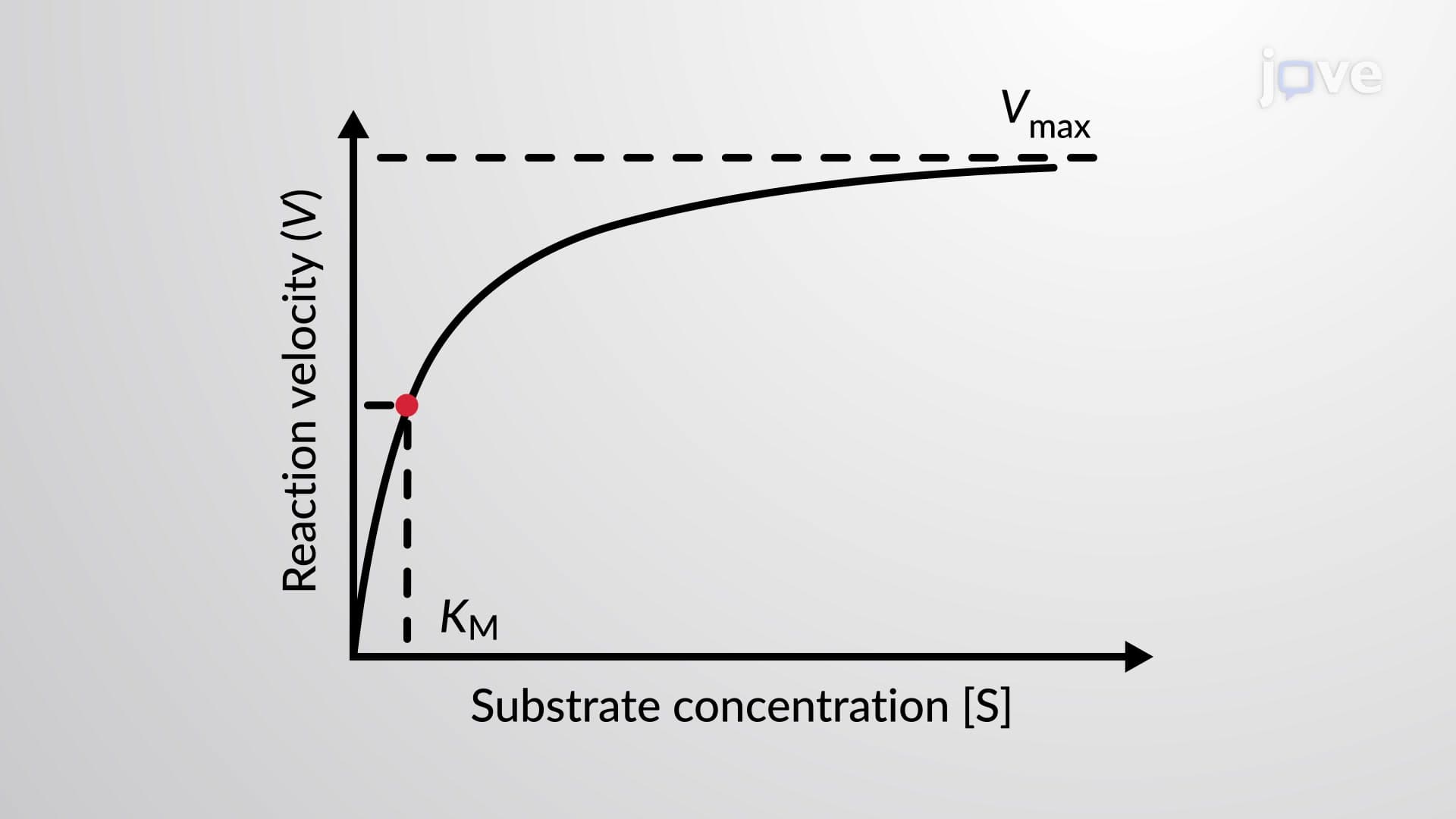
When positive effectors bind to allosteric sites, they trigger conformational changes that increase the enzyme's affinity for its substrates. This process, known as allosteric activation, effectively "primes" the enzyme for enhanced catalytic activity. The most striking feature of allosteric enzymes is their sigmoidal (S-shaped) kinetic curves when plotting reaction velocity against substrate concentration.
In the presence of positive effectors, these S-shaped curves transform into more familiar hyperbolic patterns, similar to those seen in simple Michaelis-Menten kinetics. This transformation indicates that the enzyme now binds substrate more readily at lower concentrations, making the system more sensitive to substrate availability.
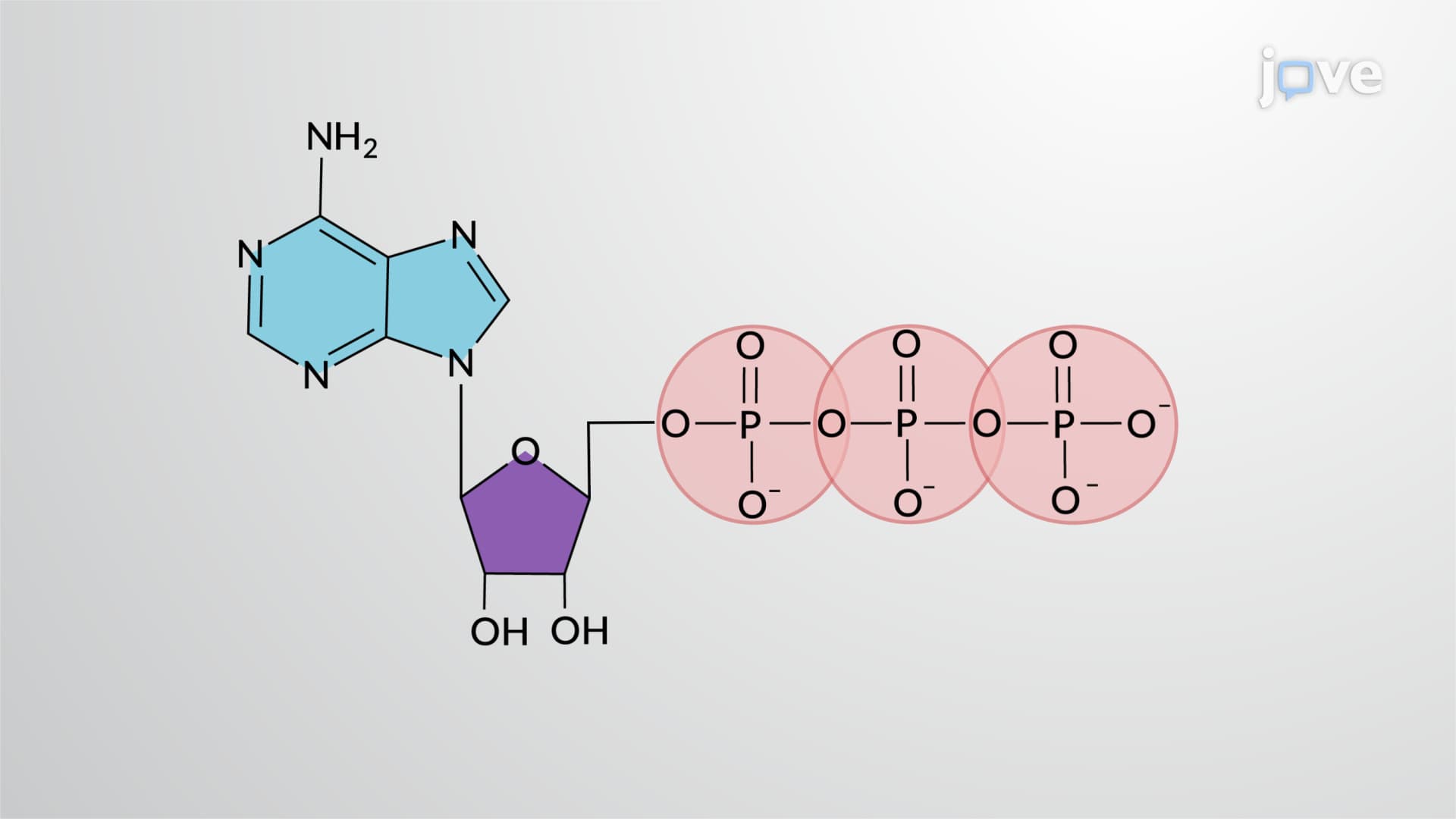
Consider phosphofructokinase, a key regulatory enzyme in glycolysis found in human muscle cells. When AMP (adenosine monophosphate) levels rise during exercise, AMP acts as a positive effector, activating this enzyme to accelerate glucose breakdown for energy production.
Allosteric Inhibition: Cellular Braking Systems
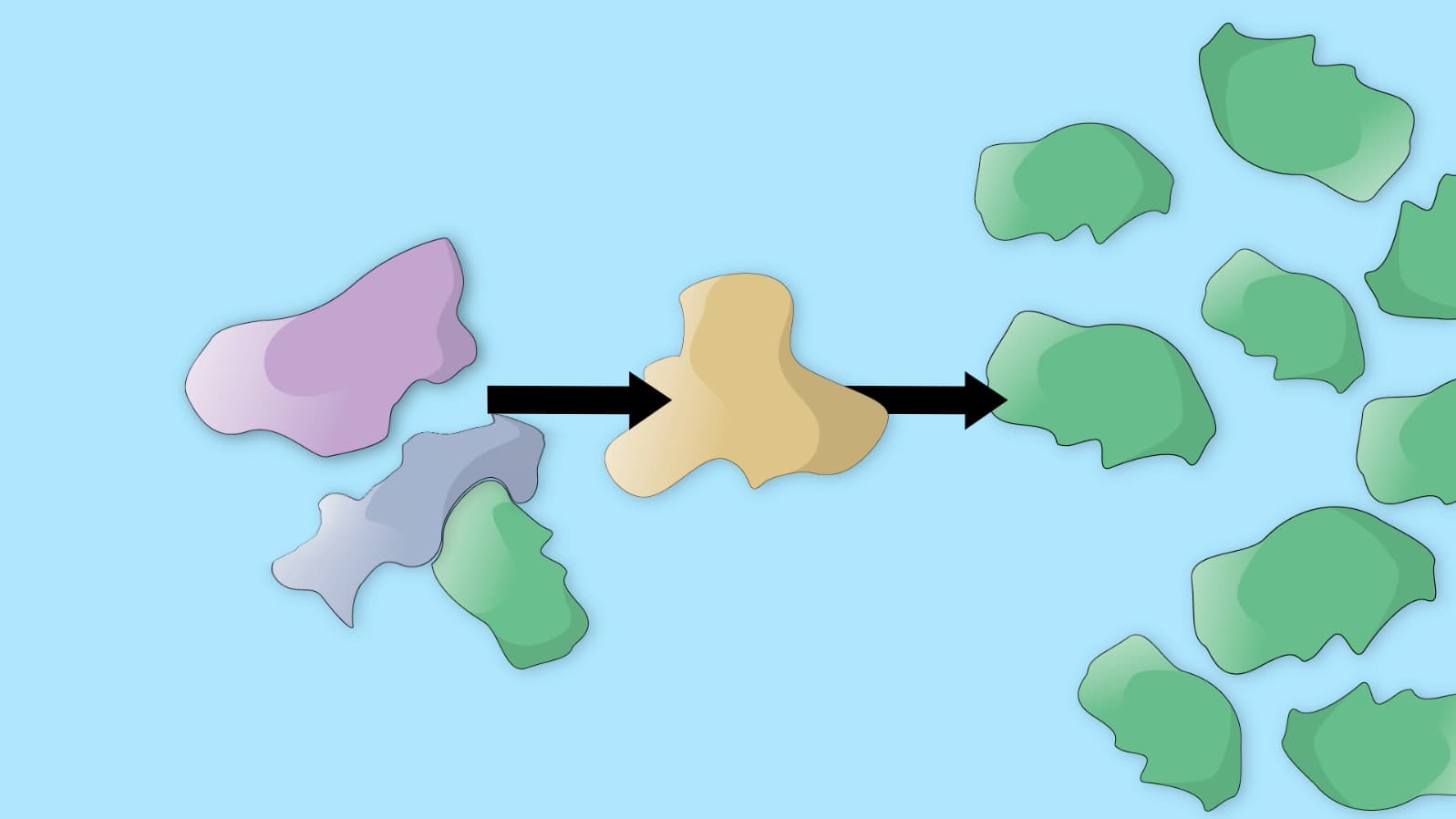
Conversely, allosteric inhibition occurs when negative effectors bind and reduce the enzyme's substrate affinity. This mechanism serves as a cellular "braking system," allowing rapid shutdown of metabolic pathways when their products are no longer needed. The conformational changes induced by negative effectors typically make the active site less accessible or less complementary to the substrate.
A classic example is CTP (cytidine triphosphate) inhibition of aspartate transcarbamoylase in pyrimidine biosynthesis. When cells have sufficient CTP for DNA and RNA synthesis, CTP binds to the allosteric site and inhibits its own production pathway-a perfect example of negative feedback control.
Clinical and Academic Relevance
Understanding allosteric regulation proves essential for students preparing for standardized exams like the MCAT, AP Biology, and college biochemistry courses. These concepts frequently appear in questions about metabolic regulation, enzyme kinetics, and cellular homeostasis. Medical students encounter allosteric principles when studying drug mechanisms, as many pharmaceuticals function as allosteric modulators of key enzymes and receptors.
Frequently Asked Questions
Allosteric regulation controls enzyme activity through binding sites separate from the active site, causing shape changes that modify the enzyme's function. When effector molecules bind to these allosteric sites, they trigger conformational changes that either increase (activation) or decrease (inhibition) the enzyme's affinity for its substrates. This allows cells to fine-tune metabolic processes without directly blocking the catalytic site.
Allosteric regulation is like having a remote control for enzymes-effector molecules bind to "remote" sites and change the enzyme's shape to turn activity up or down. Unlike competitive inhibition that blocks the active site directly, allosteric control works from a distance through protein shape changes. This system allows sophisticated regulation of cellular processes.
These exams commonly test allosteric concepts through enzyme kinetics graphs, metabolic pathway regulation, and feedback mechanisms. Expect questions comparing S-shaped curves to hyperbolic curves, identifying positive versus negative effectors, and explaining how allosteric sites differ from active sites. Practice interpreting kinetic data and predicting how effectors will shift enzyme activity curves.
Allosteric regulation intersects with glycolysis regulation, hemoglobin oxygen binding, metabolic pathway control, and enzyme kinetics. MCAT questions often combine allosteric concepts with thermodynamics, protein structure, and cellular respiration. Understanding cooperativity, feedback inhibition, and sigmoidal binding curves strengthens your performance across multiple biochemistry topics.
Hemoglobin demonstrates allosteric regulation beautifully-when one oxygen molecule binds, it changes hemoglobin's shape to increase affinity for additional oxygen molecules (positive cooperativity). This allows efficient oxygen pickup in lungs and release in tissues. Carbon dioxide acts as a negative effector, promoting oxygen release where it's needed most for cellular respiration.
No advanced chemistry background is required-focus on understanding the basic concept of shape changes affecting function. If you grasp how a key changes shape to fit different locks, you can understand allosteric regulation. The mathematical aspects involve basic graph interpretation skills taught in introductory chemistry and biology courses.
Practice drawing and interpreting kinetic curves, especially comparing S-shaped (sigmoidal) versus hyperbolic patterns. Create concept maps connecting allosteric regulation to metabolic pathways, and use flashcards for key examples like phosphofructokinase and hemoglobin. Focus on predicting how positive and negative effectors will shift enzyme activity graphs.
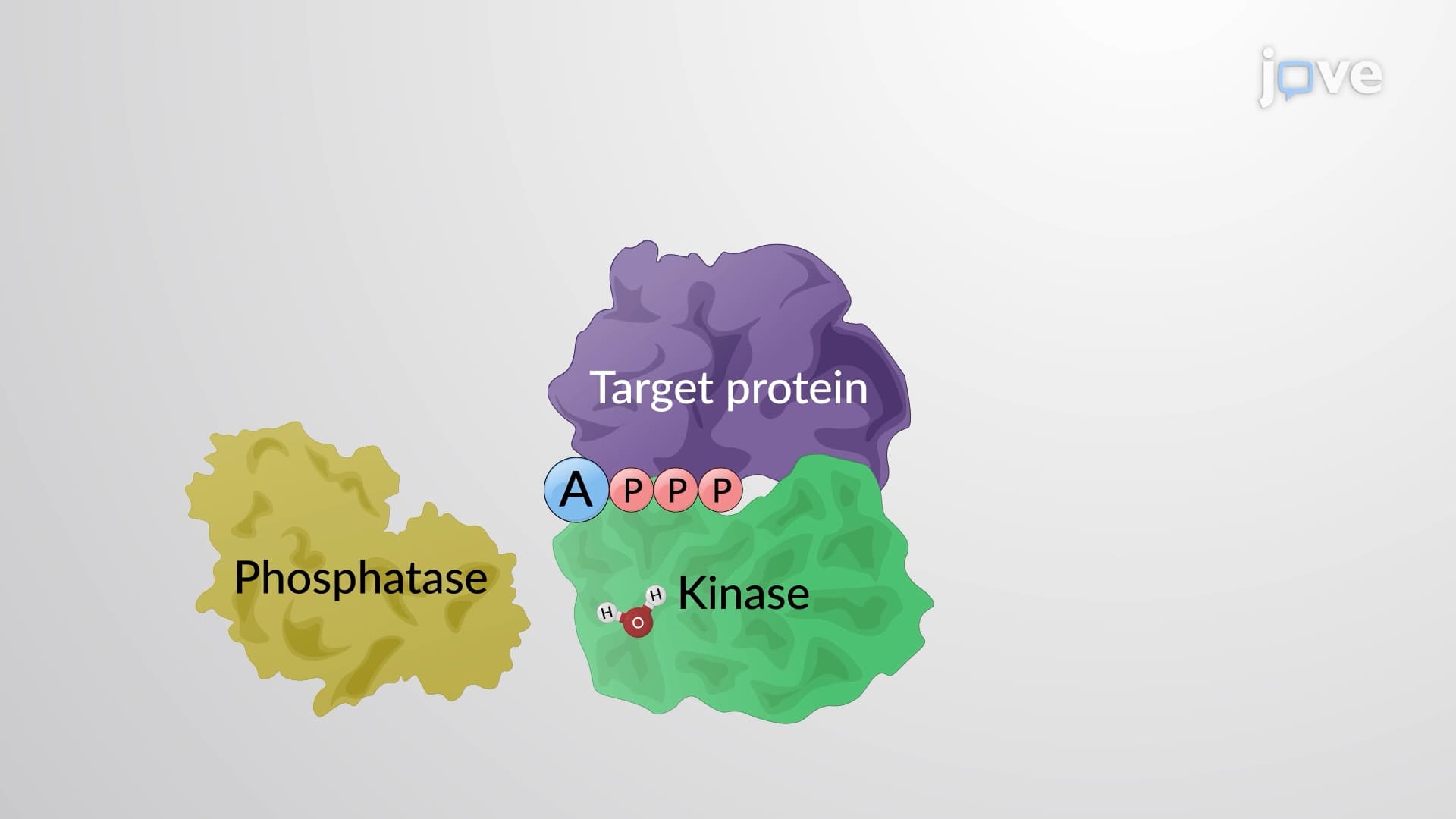
Build on this foundation by exploring enzyme regulation mechanisms like covalent modification (phosphorylation), competitive inhibition, and metabolic pathway integration. Study cooperative binding in detail, examine allosteric drug design principles, and investigate how allosteric mutations cause genetic diseases. These advanced topics frequently appear in upper-level biochemistry and medical school coursework.
Related Micro-courses