Loading subject page…


1,097,517 views

Video Summary: What Is Enzyme Inhibition
Ever wonder why aspirin blocks pain signals or why certain toxins can be deadly? The answer lies in enzyme inhibition, a fundamental biological process where specific molecules block or reduce enzyme activity. From life-saving medications like statins that lower cholesterol to deadly poisons like cyanide that halt cellular respiration, understanding what is enzyme inhibition reveals how cells control biochemical reactions. Watch the full video on JoVE Coach to master this concept with expert-led visuals and step-by-step explanations.
Enzyme inhibition represents one of biology's most elegant regulatory mechanisms, where specific molecules decrease or completely block enzyme activity. This process governs everything from metabolic pathways in your cells to how prescription medications work in your body. For students preparing for AP Biology, MCAT, or college biochemistry courses, mastering enzyme inhibition concepts is essential for understanding cellular regulation and pharmacology.
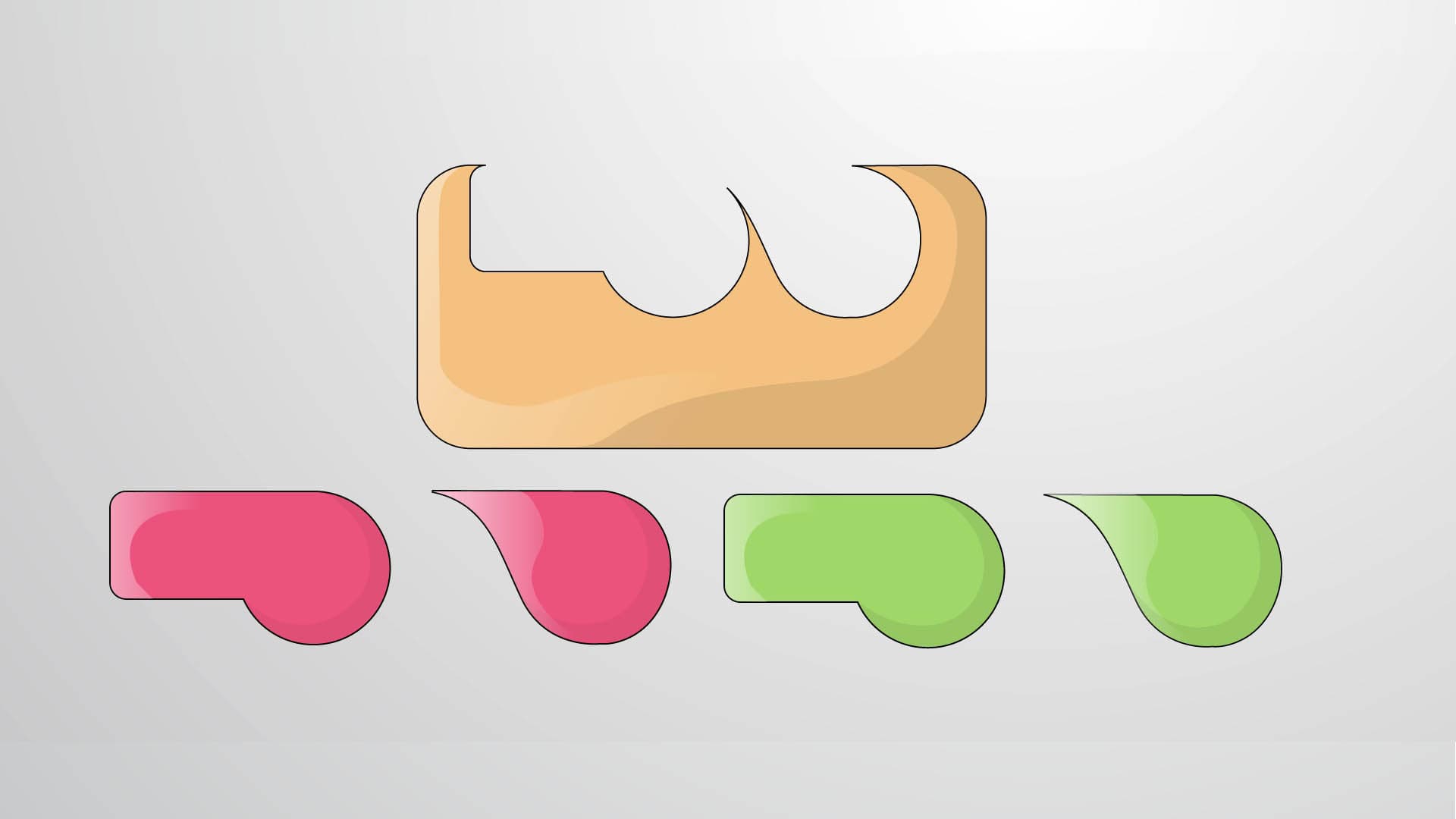
Competitive inhibitors succeed through molecular deception-they closely resemble the enzyme's natural substrate, allowing them to bind directly to the active site. Picture a key that's similar enough to fit into a lock but different enough that it won't turn. Classic examples include statins (like Lipitor) that inhibit HMG-CoA reductase in cholesterol synthesis, or sulfonamide antibiotics that block bacterial enzyme pathways by mimicking essential metabolites.
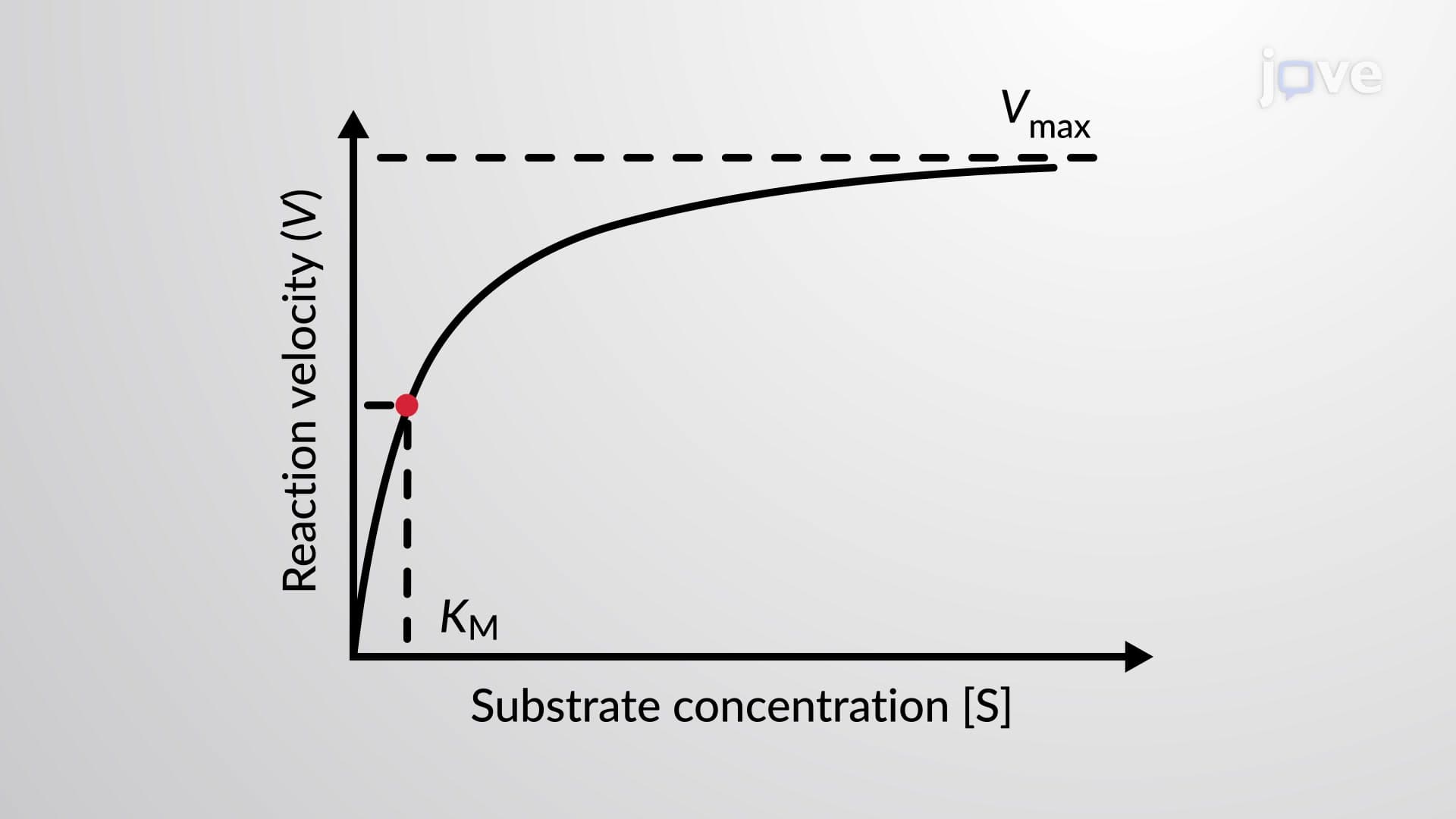
The kinetic signature of competitive inhibition shows increased Km (Michaelis constant) but unchanged Vmax. This means you need more substrate to achieve half-maximal velocity, but given enough substrate, you can still reach maximum reaction rate. On college exams, look for graphs where the inhibited reaction curve shifts right but reaches the same peak.
Non-competitive inhibitors take a different approach-they bind to allosteric sites (locations other than the active site) and change the enzyme's three-dimensional shape. This conformational change reduces the enzyme's affinity for its substrate, like a lock whose mechanism has been jammed. Prominent examples include heavy metal poisoning, where mercury or lead ions bind to enzyme sulfur groups, or feedback inhibition in metabolic pathways where end products regulate their own synthesis.
Non-competitive inhibition creates a distinctive kinetic pattern: unchanged Km but decreased Vmax. The enzyme-substrate affinity remains constant, but fewer functional enzymes are available. This appears on kinetic graphs as curves that plateau at lower maximum velocities.
Understanding enzyme inhibition is crucial for MCAT preparation and medical school coursework. Pharmaceutical companies design drugs as specific enzyme inhibitors-ACE inhibitors for hypertension, protease inhibitors for HIV treatment, and cyclooxygenase inhibitors (NSAIDs) for inflammation. In research settings, enzyme inhibitors serve as powerful tools for studying metabolic pathways and cellular processes.
For standardized tests, focus on interpreting Lineweaver-Burk plots and Michaelis-Menten curves. Competitive inhibition shows increased y-intercept slopes, while non-competitive inhibition demonstrates decreased maximum velocities. These graphical interpretations frequently appear on AP Biology and college biochemistry exams.
Related Micro-courses