Loading subject page…

- Biology
- Metabolism
- Feedback Inhibition
Micro-course: Metabolism
1,097,517 views
Learn key concepts and earn your certificate.





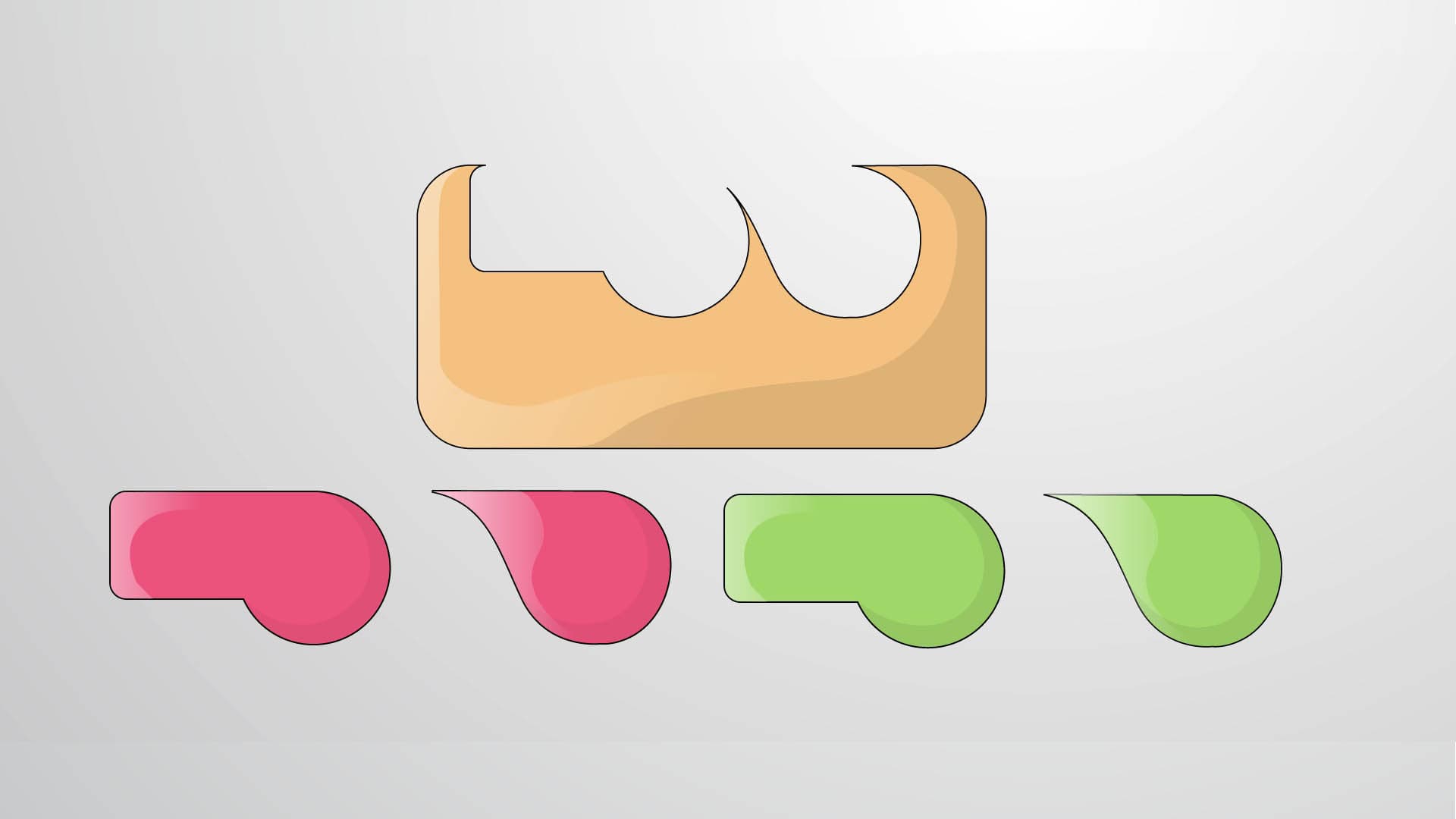
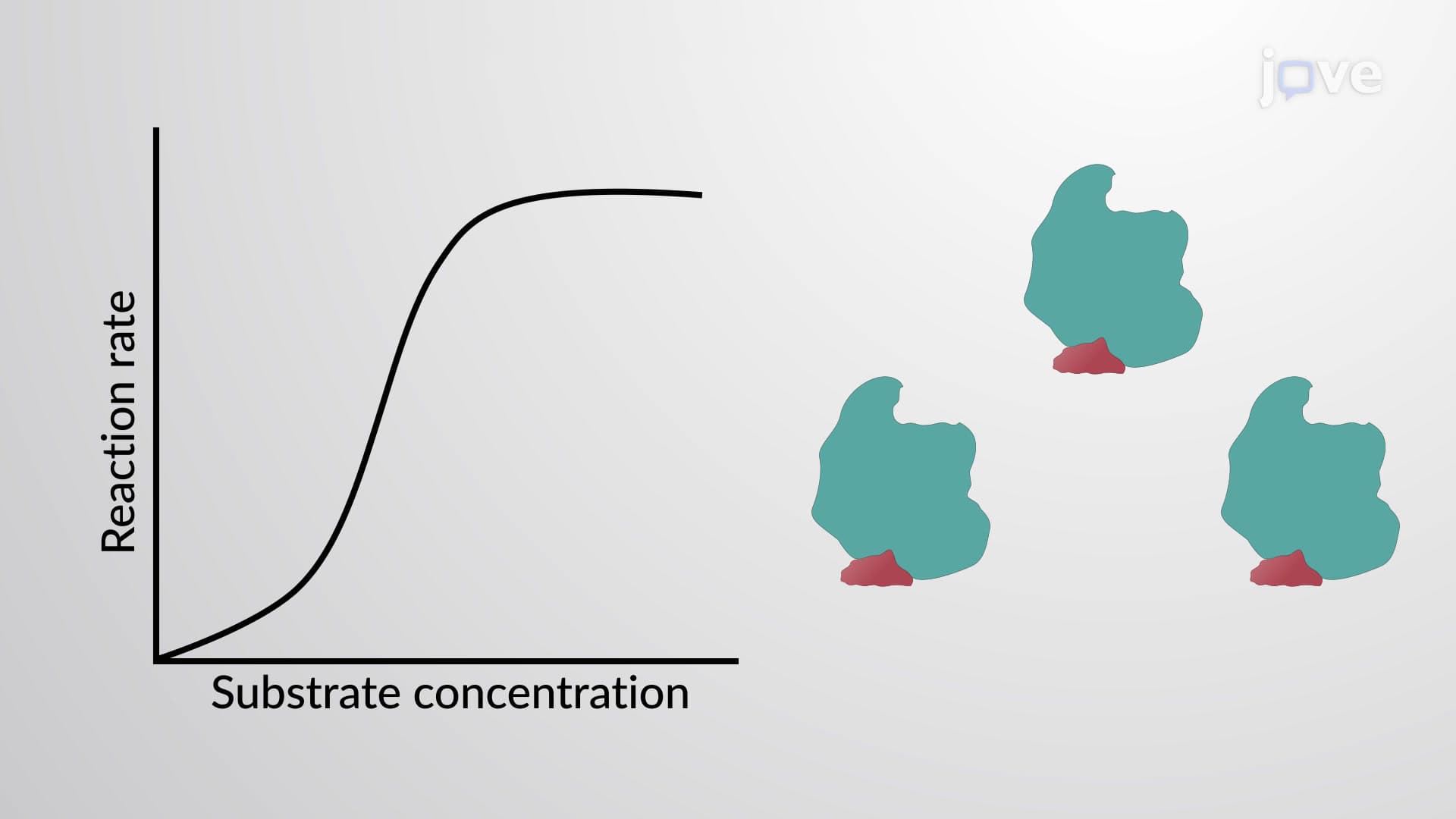
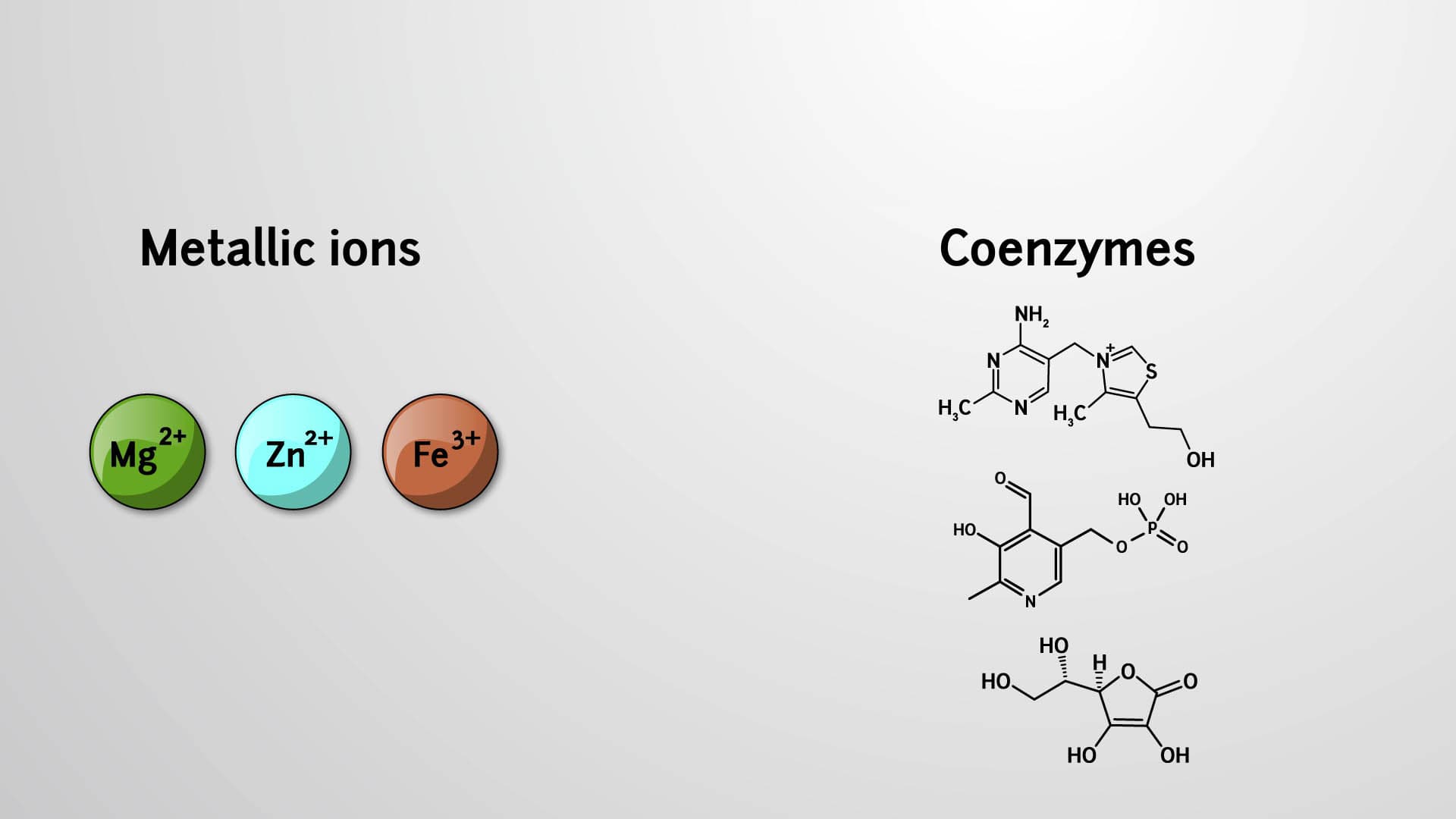
Feedback Inhibition


00:00
00:46
Video Summary: What Is Feedback Inhibition
Ever wonder why your body doesn't overproduce essential molecules like cholesterol? Feedback inhibition acts like a cellular thermostat, automatically preventing metabolic pathways from creating too much product. In cholesterol synthesis, the end product actually shuts down HMG-CoA reductase, the rate-limiting enzyme, preventing dangerous accumulation. This regulatory mechanism keeps cellular chemistry balanced and efficient. Watch the full video on JoVE Coach to master this concept with expert-led visuals and step-by-step explanations.
- Understand what is feedback inhibition and how it regulates metabolic pathways through product-enzyme interactions
- Identify the key components: end product, regulatory enzyme, allosteric site, and conformational change
- Analyze how feedback inhibition prevents toxic accumulation of metabolic products in living cells
- Compare feedback inhibition to other regulatory mechanisms like competitive and non-competitive inhibition
- Recognize real-world examples of feedback inhibition in cholesterol synthesis, amino acid production, and hormone regulation
- Apply feedback inhibition principles to predict metabolic pathway behavior under different cellular conditions
- Evaluate the evolutionary advantages of feedback control systems in maintaining cellular homeostasis
- Explore how disrupted feedback inhibition contributes to metabolic disorders and disease states
Understanding Feedback Inhibition Mechanisms
Feedback inhibition represents one of nature's most elegant regulatory solutions for controlling metabolic pathways. Unlike simple on-off switches, this mechanism creates a sophisticated feedback loop where the final product of a biochemical pathway regulates its own production rate. The process occurs through allosteric regulation, where the end product binds to a specific regulatory site on an enzyme earlier in the pathway-not the active site where normal substrate binding occurs.
Molecular Mechanics and Conformational Changes
When the end product reaches sufficient concentrations, it binds to the allosteric site of the regulatory enzyme, triggering a conformational change that reduces or eliminates enzyme activity. This shape change effectively "turns down" the metabolic pathway's productivity. As product levels decrease through normal cellular consumption, fewer molecules remain bound to the regulatory sites, allowing the enzyme to resume normal activity. This creates a self-balancing system that maintains optimal product concentrations without external intervention.
Clinical and Real-World Applications
Feedback inhibition plays crucial roles in human health and disease. Cholesterol biosynthesis provides an excellent example: HMG-CoA reductase, the rate-limiting enzyme in cholesterol production, is inhibited by cholesterol itself. Statin medications (like Lipitor) exploit this pathway by inhibiting HMG-CoA reductase, forcing cells to increase cholesterol receptor production and lower blood cholesterol levels. Similarly, feedback inhibition controls amino acid synthesis-when tryptophan levels rise, the enzyme controlling the first step of tryptophan synthesis shuts down, preventing wasteful overproduction.
Academic and Exam Relevance
Students encounter feedback inhibition across multiple disciplines and standardized tests. AP Biology extensively covers this topic in enzyme regulation units, while MCAT biochemistry sections frequently test understanding of allosteric regulation and metabolic control. College biochemistry courses use feedback inhibition as a fundamental example of cellular homeostasis, often requiring students to diagram pathway regulation and predict system responses to various perturbations. Understanding this concept proves essential for advanced studies in medicine, pharmacy, and biomedical research.
Frequently Asked Questions
Feedback inhibition is a regulatory mechanism where the end product of a metabolic pathway inhibits an enzyme earlier in that same pathway, controlling its own production rate. The product binds to an allosteric site on the regulatory enzyme, causing a conformational change that reduces enzyme activity. This prevents overproduction and maintains optimal product concentrations through a self-regulating feedback loop.
Both exams frequently test feedback inhibition through pathway diagrams, asking students to identify regulatory points and predict system responses to perturbations. AP Biology emphasizes the homeostatic role, while MCAT questions often involve clinical scenarios like statin drug mechanisms or metabolic disorders. Students must understand allosteric regulation, enzyme kinetics, and pathway control to succeed on these assessments.
Competitive inhibition involves molecules competing with substrate for the active site, while feedback inhibition uses allosteric binding at separate regulatory sites. Competitive inhibition can be overcome by increasing substrate concentration, but feedback inhibition creates a true regulatory switch. Feedback inhibition specifically involves the pathway's end product as the inhibitor, creating self-regulation that competitive inhibition cannot achieve.
Cholesterol synthesis demonstrates classic feedback inhibition-cholesterol inhibits HMG-CoA reductase, the rate-limiting enzyme in its production pathway. Thyroid hormone regulation shows another example, where T3 and T4 inhibit TSH release from the pituitary gland. Amino acid biosynthesis pathways universally employ feedback inhibition, with end products like tryptophan and histidine inhibiting their respective synthetic enzymes.
Not at all-feedback inhibition builds on familiar concepts like homeostasis and negative feedback that students learn in earlier biology courses. The basic principle resembles a thermostat: when temperature (product level) gets too high, the system shuts off heating (enzyme activity). Starting with simple analogies and progressing to molecular details makes this concept accessible to motivated high school students taking AP or dual enrollment courses.
Create pathway diagrams showing regulatory points and practice predicting system responses to different scenarios. Use active recall by explaining the mechanism aloud without notes, focusing on the sequence: product accumulation → allosteric binding → conformational change → reduced activity → homeostasis. Connect examples across different biological systems to reinforce pattern recognition essential for standardized test success.
Feedback inhibition provides the foundation for understanding drug mechanisms, metabolic disorders, and biotechnology applications in upper-level courses. Medical students use this knowledge to comprehend how medications like statins work and why metabolic diseases develop. Biochemistry and molecular biology courses extensively build upon these regulatory principles, making early mastery crucial for academic success.
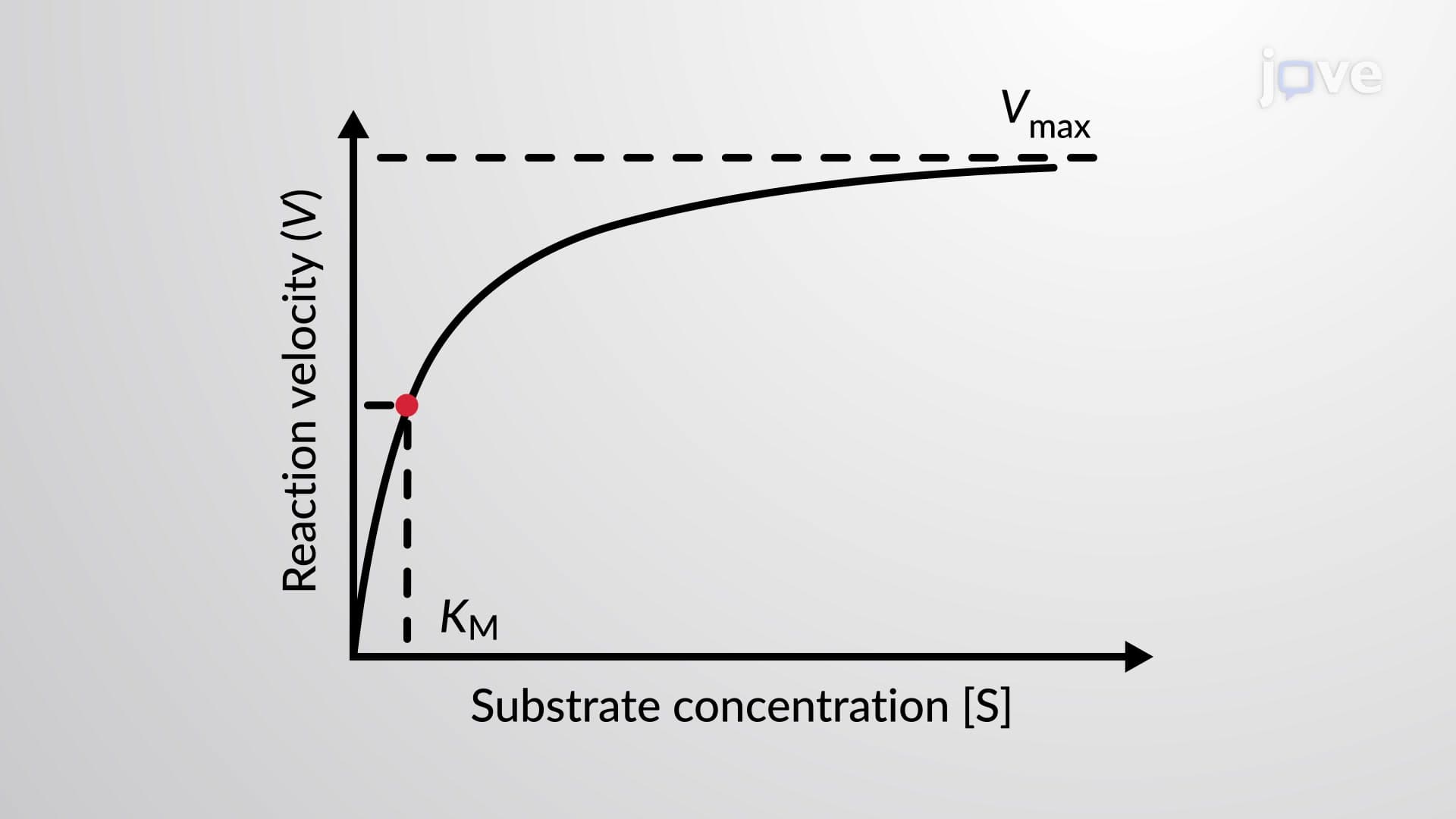
Explore positive feedback mechanisms, enzyme kinetics (Michaelis-Menten), and other allosteric regulation examples like hemoglobin oxygen binding. Study metabolic pathway integration, including how multiple feedback loops interact in complex biological systems. Understanding transcriptional regulation and signal transduction pathways will deepen your appreciation for cellular control mechanisms and their clinical implications.
Related Micro-courses