Loading subject page…


1,097,517 views

Video Summary: What Is Free Energy
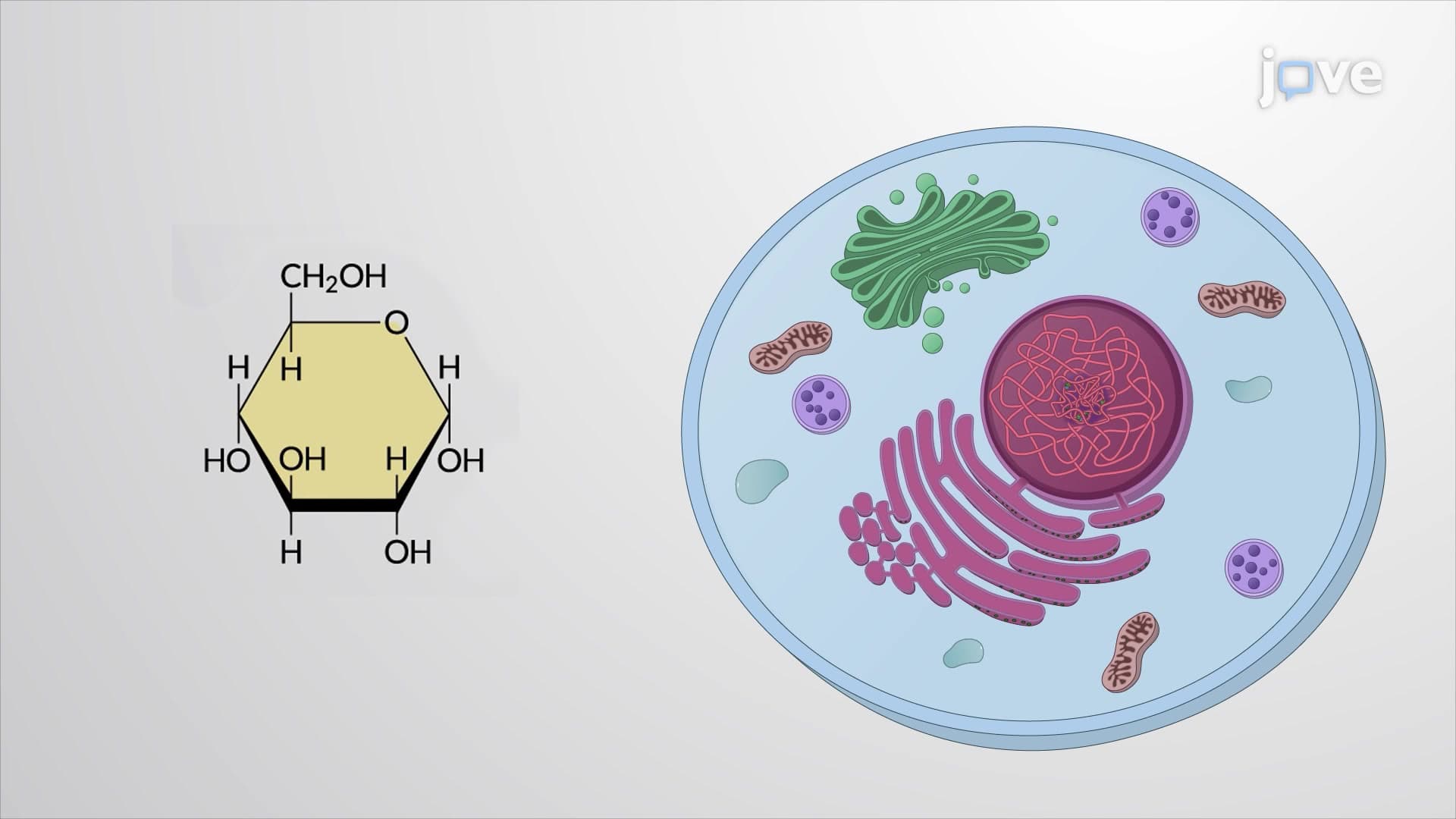
Why don't your cells just stop working and reach perfect chemical balance? Free energy, the driving force behind every cellular process, prevents this deadly equilibrium by measuring how much useful energy reactions can extract to power life's essential work. Consider how your muscle cells during a CrossFit workout at your local gym continuously break down glucose to release energy for contraction-this is free energy in action. Watch the full video on JoVE Coach to master this concept with expert-led visuals and step-by-step explanations.
Free energy, symbolized as G in honor of physicist Josiah Willard Gibbs, represents the portion of a system's total energy that can perform useful work. In biological contexts, this concept becomes crucial for understanding how living organisms maintain the energy-dependent processes that sustain life. Unlike total energy, which includes unusable heat energy, free energy specifically measures the energy available to drive chemical reactions, transport molecules across membranes, and power cellular machinery.
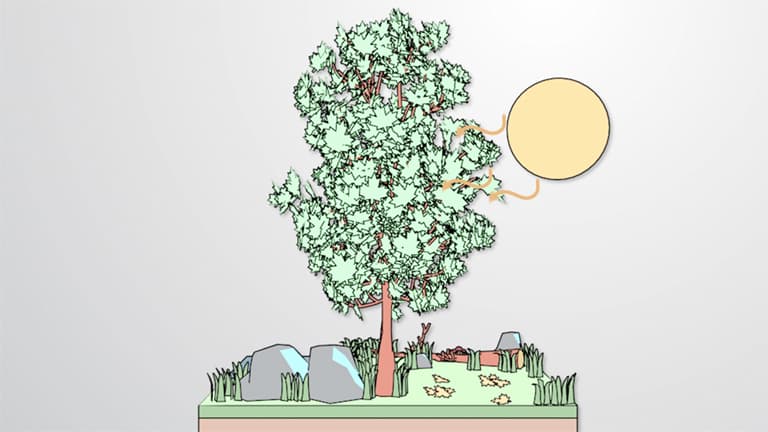
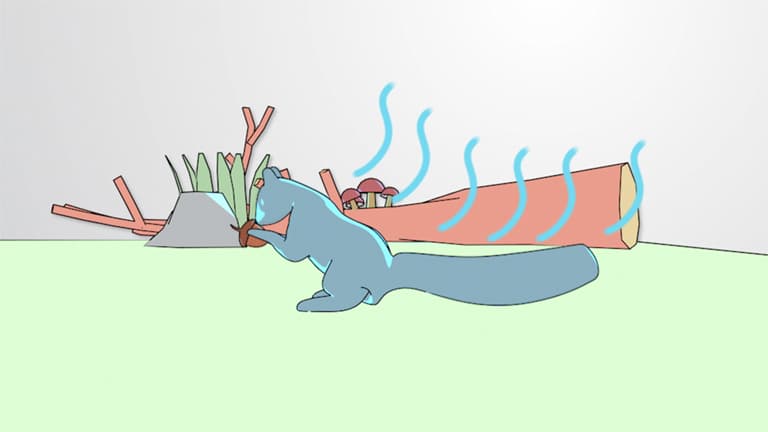
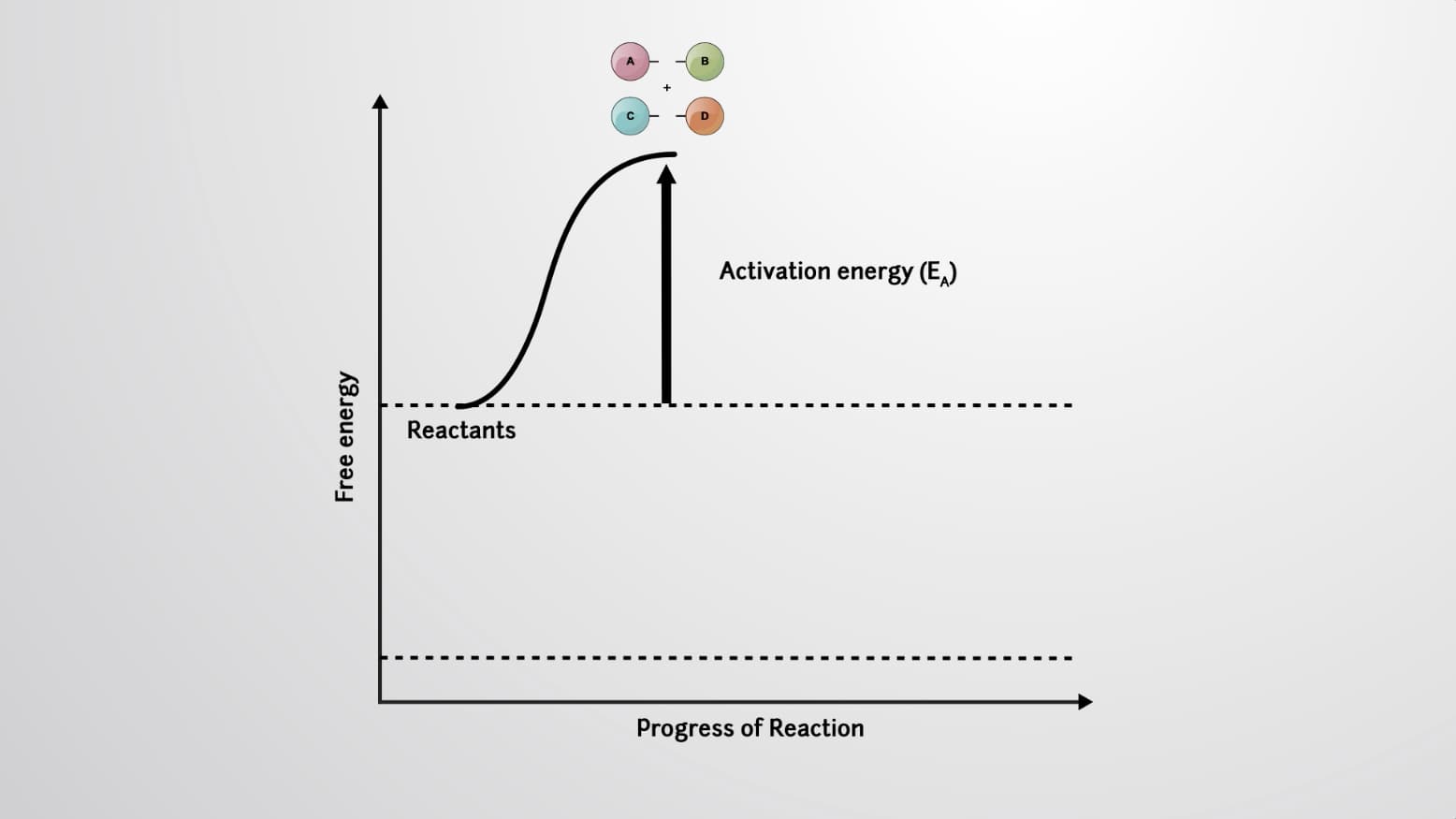
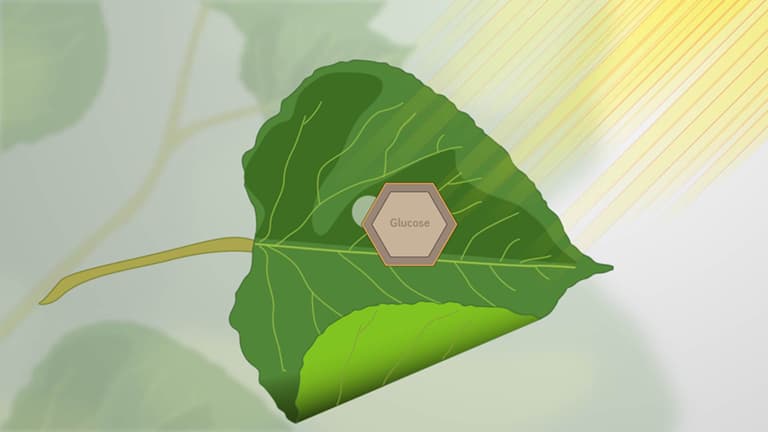
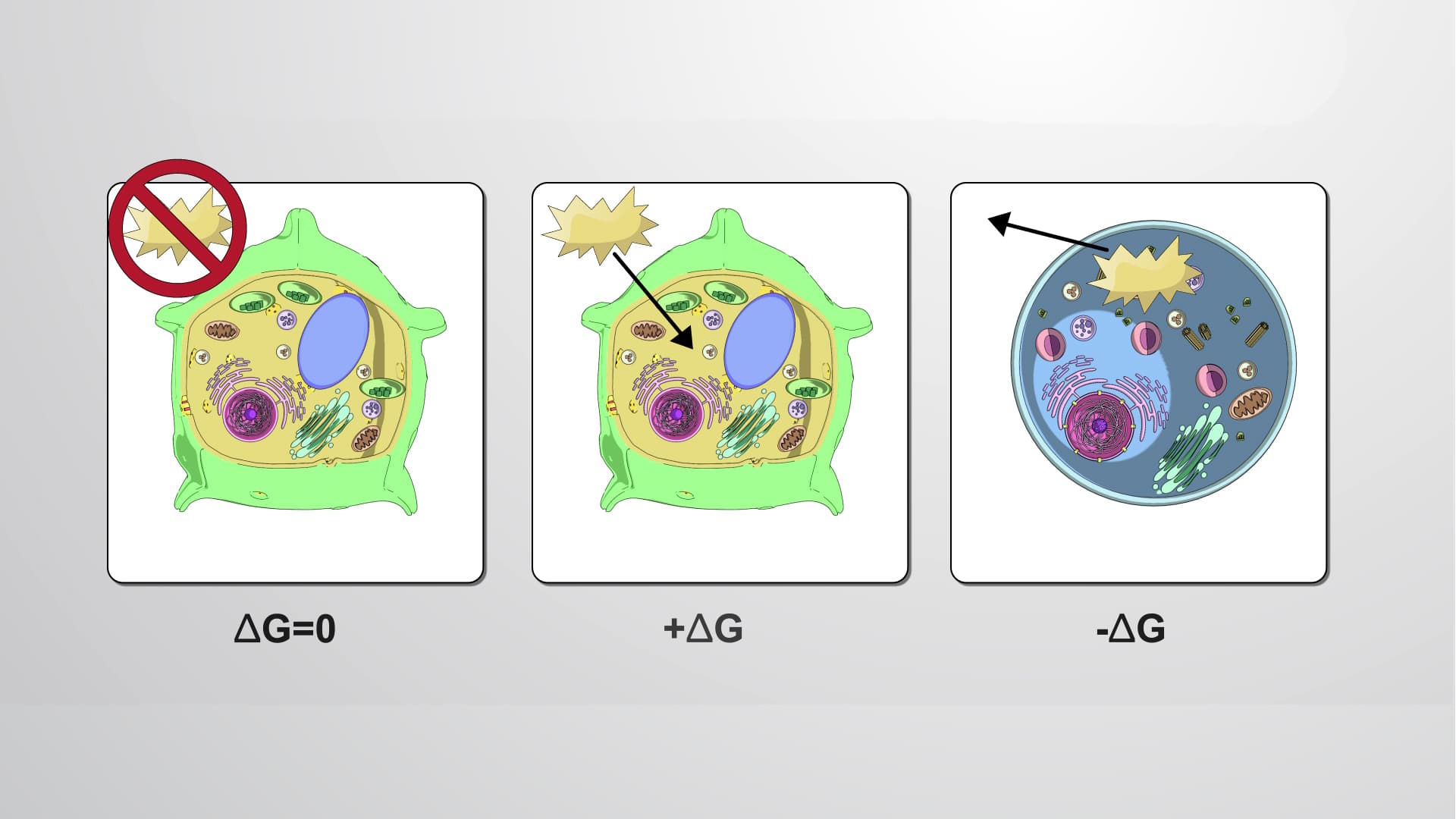
Chemical reactions fall into three categories based on their free energy changes. Endergonic reactions require energy input to proceed, storing energy in their products' chemical bonds. A prime example occurs in plant chloroplasts across American cornfields, where photosynthesis converts carbon dioxide and water into glucose using solar energy-essentially charging glucose molecules like biological batteries. Exergonic reactions release stored energy, such as when your muscle cells break down glucose during exercise, releasing energy to power muscle contraction. Equilibrium reactions show no net free energy change, representing a state incompatible with life since no energy remains available for cellular work.
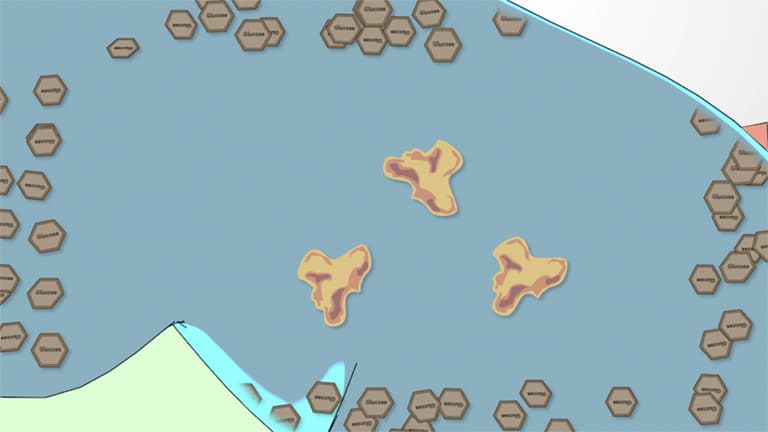
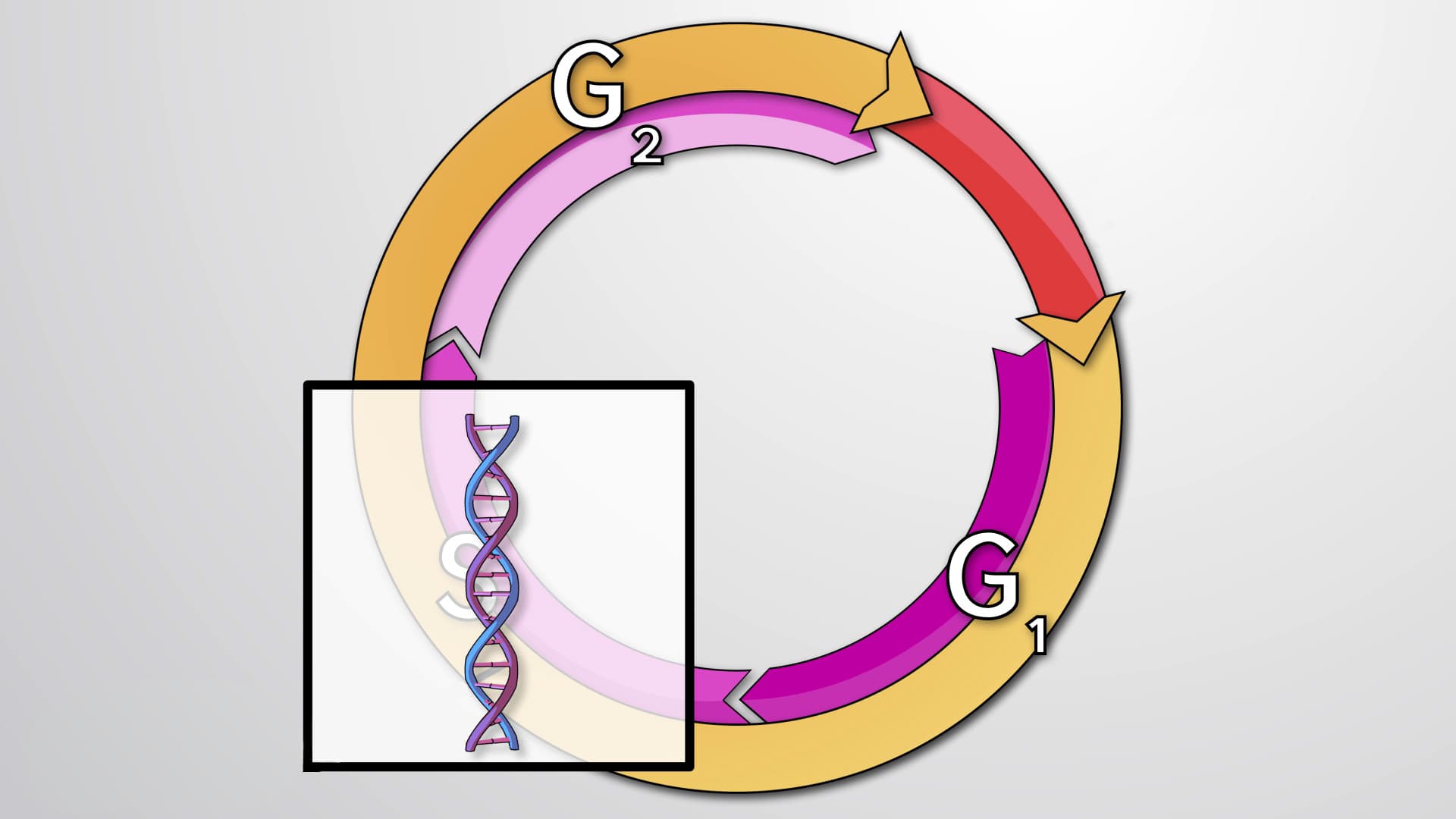
Cellular survival depends on avoiding chemical equilibrium, which would halt all energy-dependent processes and lead to cell death. Cells achieve this by continuously adjusting reactant and product concentrations, effectively "pushing" reactions away from equilibrium. For instance, liver cells rapidly convert glucose to glucose-6-phosphate, keeping glucose concentrations low and driving continued glucose uptake from the bloodstream. This principle proves essential for AP Biology students and pre-med students taking the MCAT, as it explains how cells maintain the energy gradients necessary for active transport, protein synthesis, and DNA replication.
Healthcare professionals regularly encounter free energy principles when analyzing metabolic disorders. Diabetic patients struggle with glucose metabolism partly because their cells cannot efficiently extract free energy from glucose molecules, leading to elevated blood sugar levels. Similarly, pharmaceutical companies design drugs that either release energy (like ATP analogs) or block energy-consuming processes (like certain chemotherapy agents that disrupt cancer cell energy production). Understanding these principles proves invaluable for students preparing for health science programs and professional exams like the MCAT, NCLEX, or HESI A2.
Related Micro-courses