Loading subject page…


1,097,518 views

Video Summary: What Is Hydrolysis of Atp
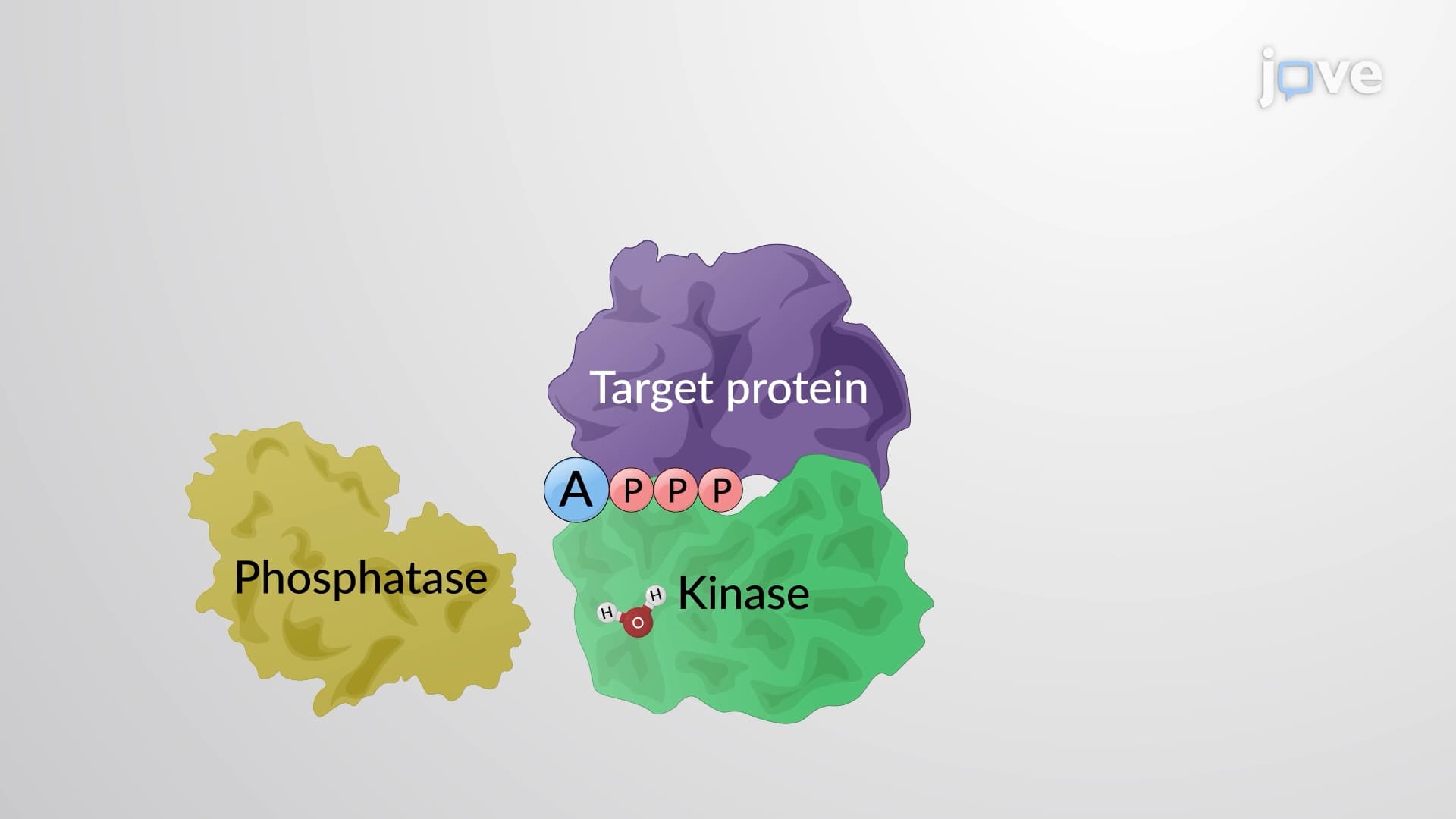
Every second, your heart muscle breaks down millions of ATP molecules to keep beating-but how exactly does this cellular "energy currency" release its power? Hydrolysis of ATP is the fundamental biochemical process where water molecules break the high-energy bonds in adenosine triphosphate, instantly releasing energy that drives everything from muscle contractions in Olympic sprinters to nerve signals in your brain. This exergonic reaction converts ATP to ADP (adenosine diphosphate) plus inorganic phosphate, powering cellular processes like the sodium-potassium pump that maintains proper nerve function. Watch the full video on JoVE Coach to master this concept with expert-led visuals and step-by-step explanations.
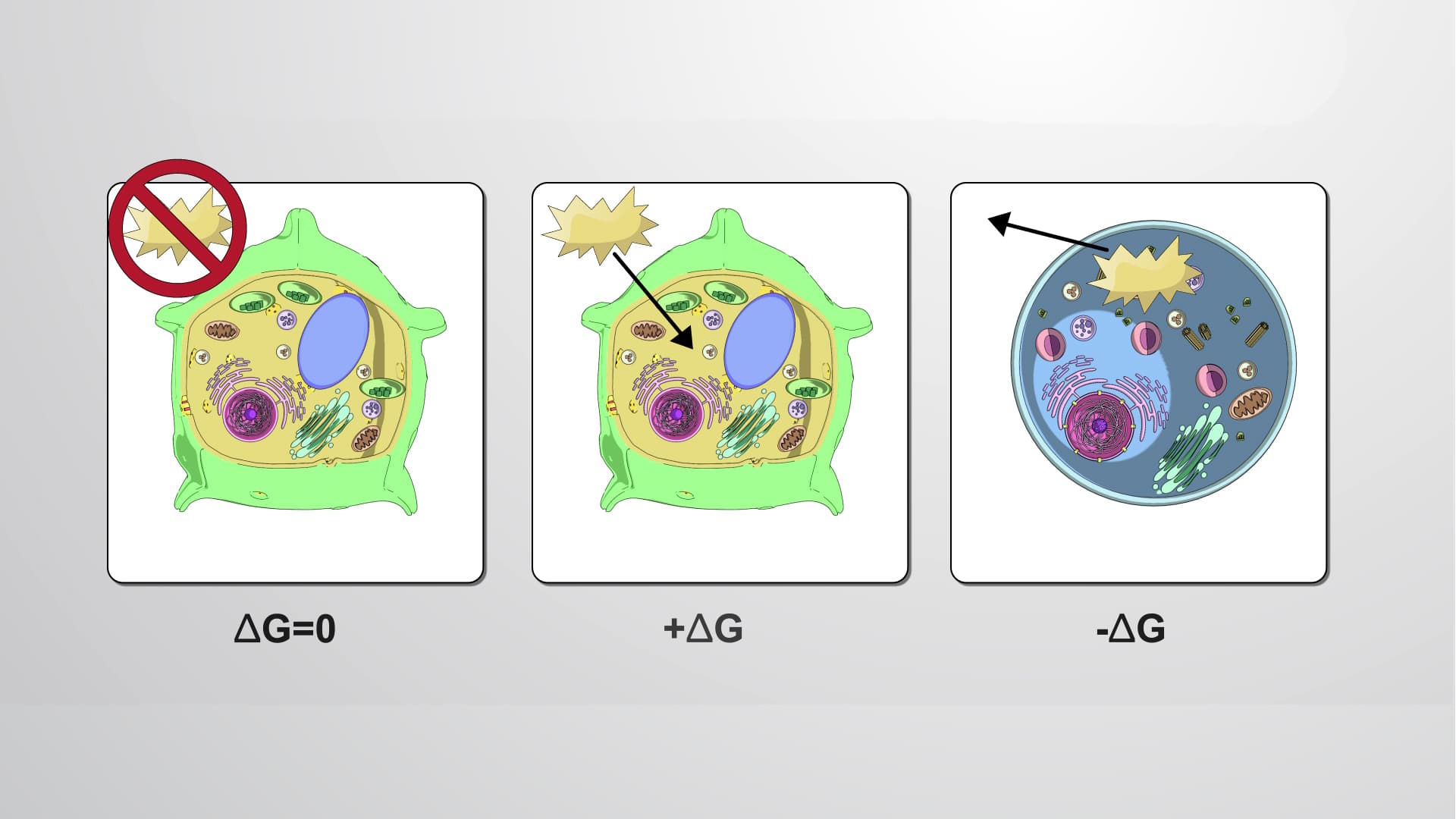
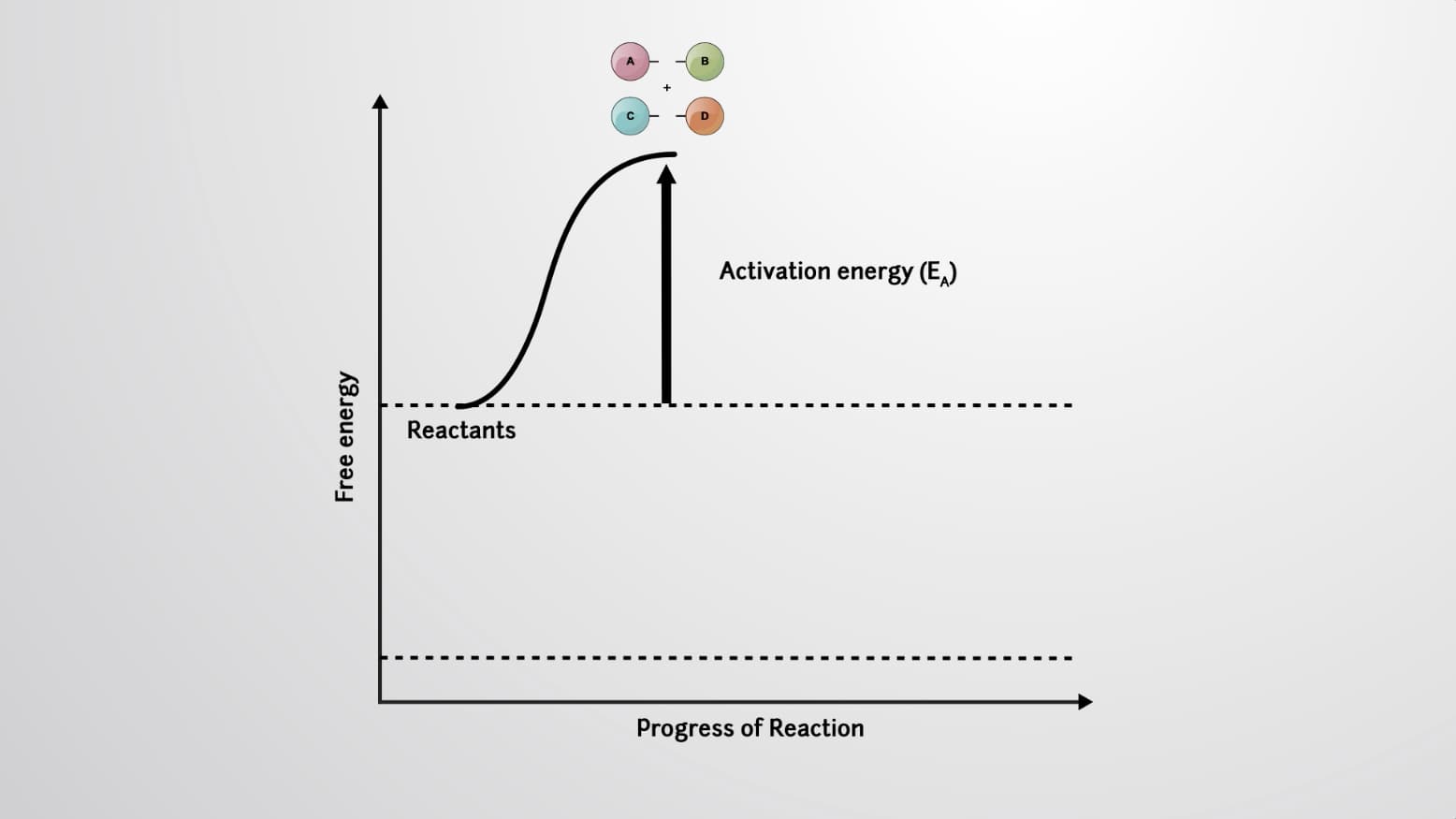
The hydrolysis of ATP represents one of biology's most crucial energy-coupling reactions, serving as the primary mechanism for cellular energy transfer in all living organisms. This process involves the enzymatic cleavage of ATP's terminal phosphate bond through the addition of a water molecule, releasing approximately 7.3 kcal/mol of free energy under standard cellular conditions. The reaction's spontaneous nature (negative ΔG) makes it thermodynamically favorable, driving countless endergonic cellular processes that would otherwise be impossible.
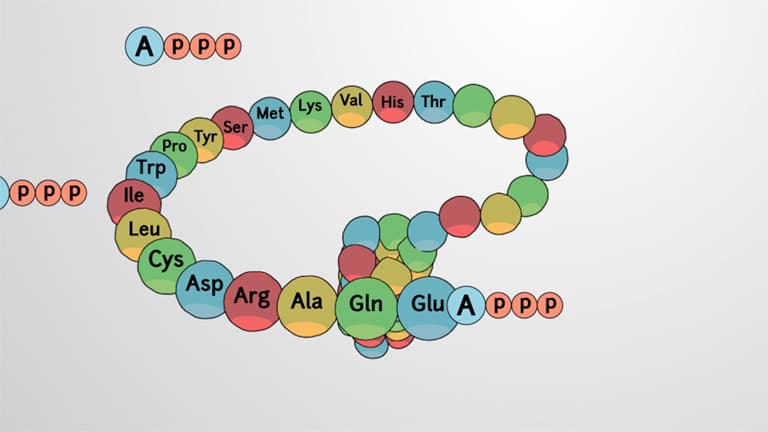
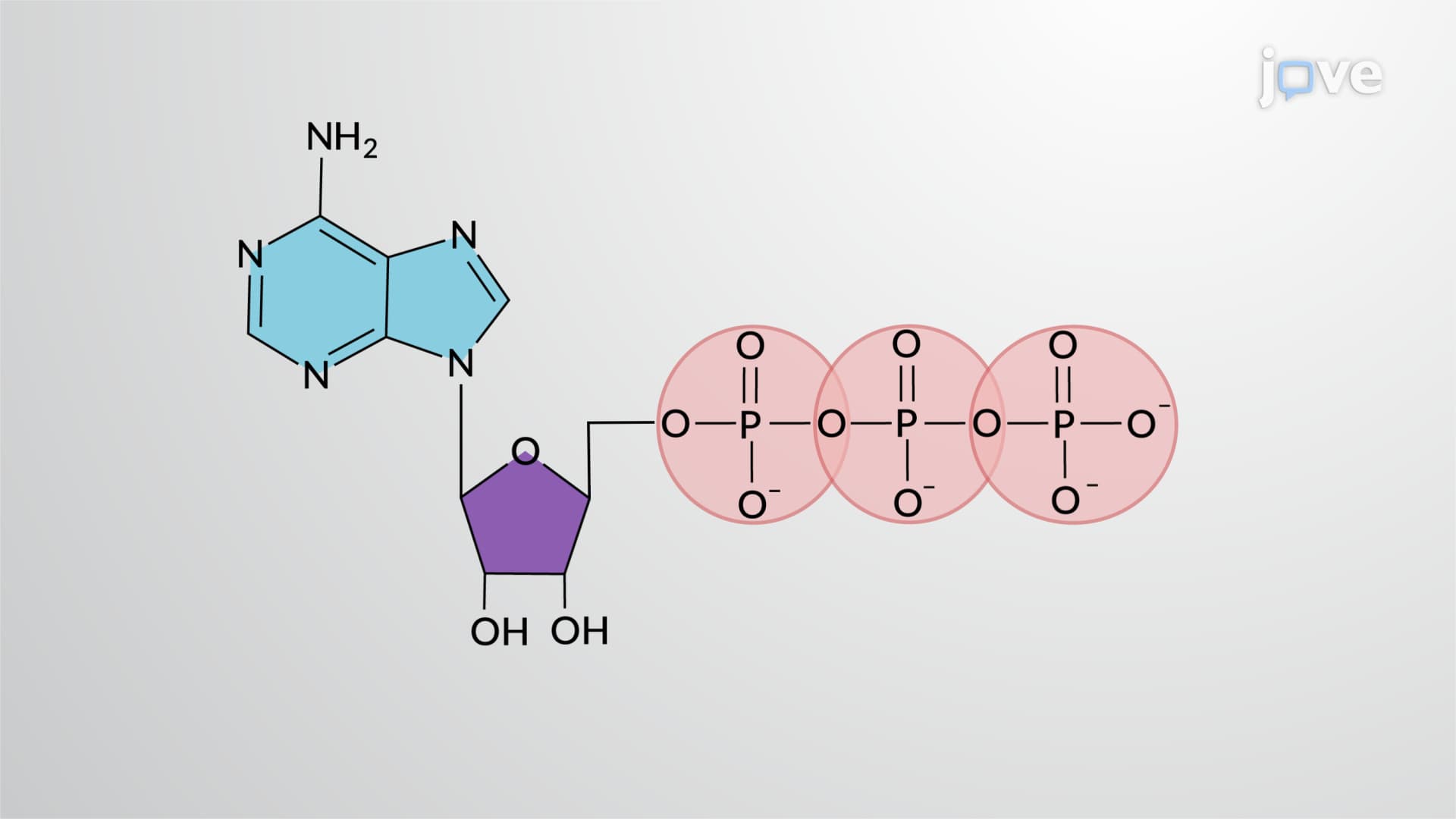
ATP's unique structure makes it an ideal cellular energy carrier. The molecule consists of adenine (a purine base), ribose (a five-carbon sugar), and three phosphate groups arranged in a linear chain. The critical feature lies in the phosphoanhydride bonds linking these phosphate groups-particularly the bonds between the second and third phosphates (β-γ bond) and first and second phosphates (α-β bond). These bonds contain significant potential energy due to electrostatic repulsion between negatively charged phosphate groups, structural strain, and resonance stabilization differences between ATP and its hydrolysis products.
The sodium-potassium pump exemplifies ATP hydrolysis in action, demonstrating how cells harness this energy for essential functions. This transmembrane protein uses energy from ATP hydrolysis to transport three sodium ions out of the cell while bringing two potassium ions inside, creating the electrochemical gradients necessary for nerve impulse transmission, muscle contraction, and maintaining cell volume. In human neurons, this process consumes approximately 20-40% of total ATP production, highlighting its metabolic significance.
ATP hydrolysis can proceed in stages, first producing ADP and inorganic phosphate (Pi), then potentially continuing to form AMP through ADP hydrolysis. This sequential process allows cells to fine-tune energy release based on metabolic demands. The resulting ADP and AMP serve as allosteric regulators for key metabolic enzymes, creating feedback mechanisms that coordinate energy production with cellular needs. For students preparing for the AP Biology exam or college biochemistry courses, understanding these regulatory relationships proves essential for explaining cellular metabolism integration questions.
In medical diagnostics, ATP hydrolysis measurements help assess cellular health and metabolic function. Clinicians use creatine kinase assays (which depend on ATP hydrolysis) to diagnose heart attacks, while researchers studying mitochondrial diseases examine ATP hydrolysis efficiency to understand cellular energy disorders. These applications demonstrate the concept's relevance beyond textbook learning, connecting classroom knowledge to real-world medical practice and research methodologies used in US hospitals and research institutions.
Related Micro-courses