Loading subject page…

- Biology
- Metabolism
- Induced-fit Model
Micro-course: Metabolism
1,097,517 views
Learn key concepts and earn your certificate.





Induced-fit Model


00:00
01:13
Video Summary: What Is Induced Fit Model
Ever wondered how enzymes in your digestive system can break down thousands of different food molecules with such precision? The induced fit model explains this remarkable specificity by showing how enzymes actually change shape when they bind to their substrates, much like how a baseball glove adjusts to catch different sized balls. Unlike the rigid lock-and-key model, this dynamic process allows enzymes like pepsin in your stomach to adapt and catalyze reactions efficiently. Watch the full video on JoVE Coach to master this concept with expert-led visuals and step-by-step explanations.
- Understand what is induced fit model and how it differs from the lock-and-key model of enzyme function
- Identify the key components involved in enzyme-substrate interactions, including the active site and conformational changes
- Analyze how the induced fit mechanism lowers activation energy and increases reaction rates
- Compare the flexibility of the induced fit model versus the rigidity of alternative enzyme models
- Evaluate the role of amino acid repositioning in enhancing substrate binding affinity
- Apply induced fit principles to explain enzyme specificity in biological systems
- Recognize how enzymes return to their original shape after product release for repeated catalytic cycles
- Explore real-world examples of induced fit in human metabolism and drug interactions
Understanding the Induced Fit Model Fundamentals
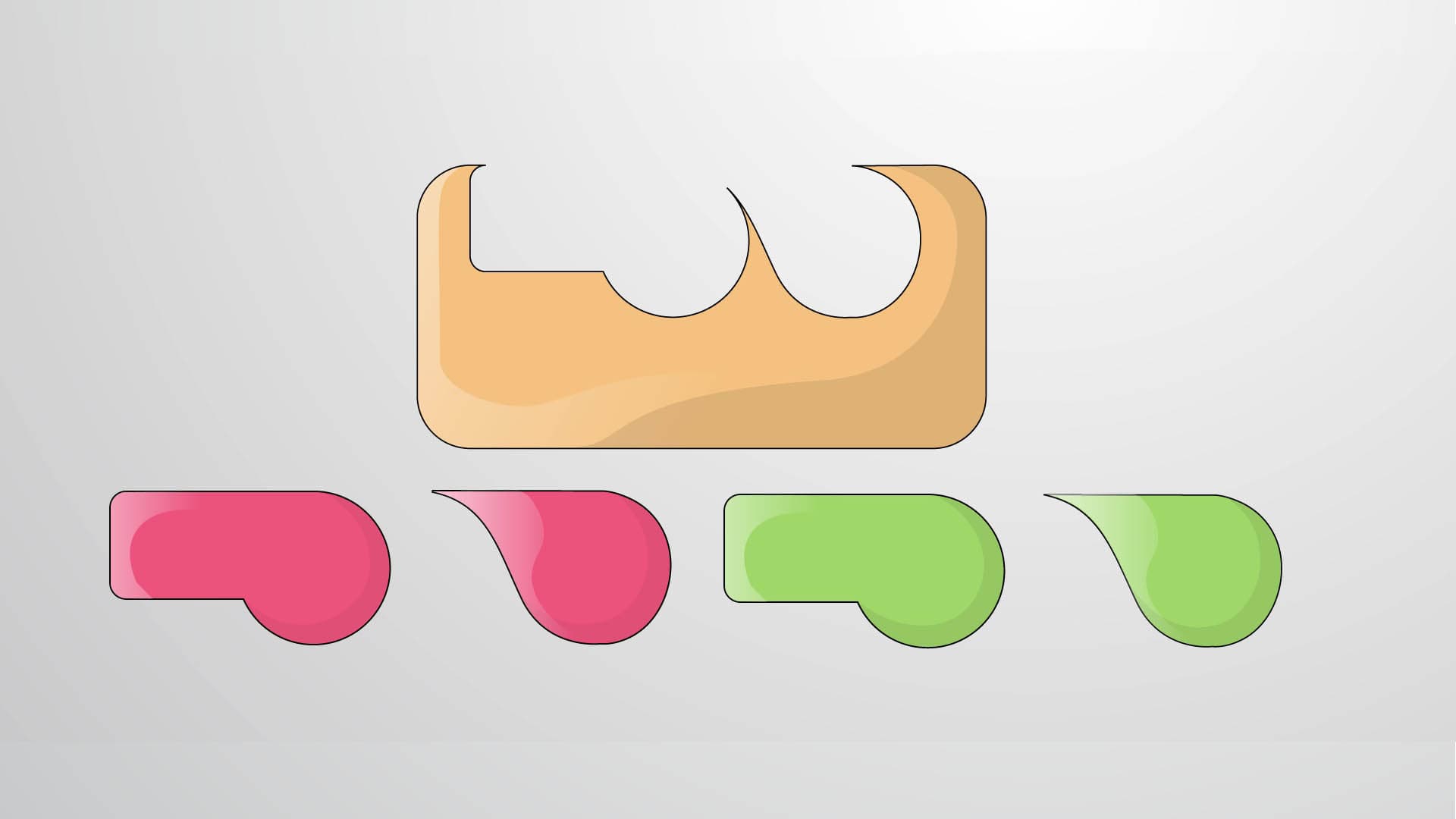
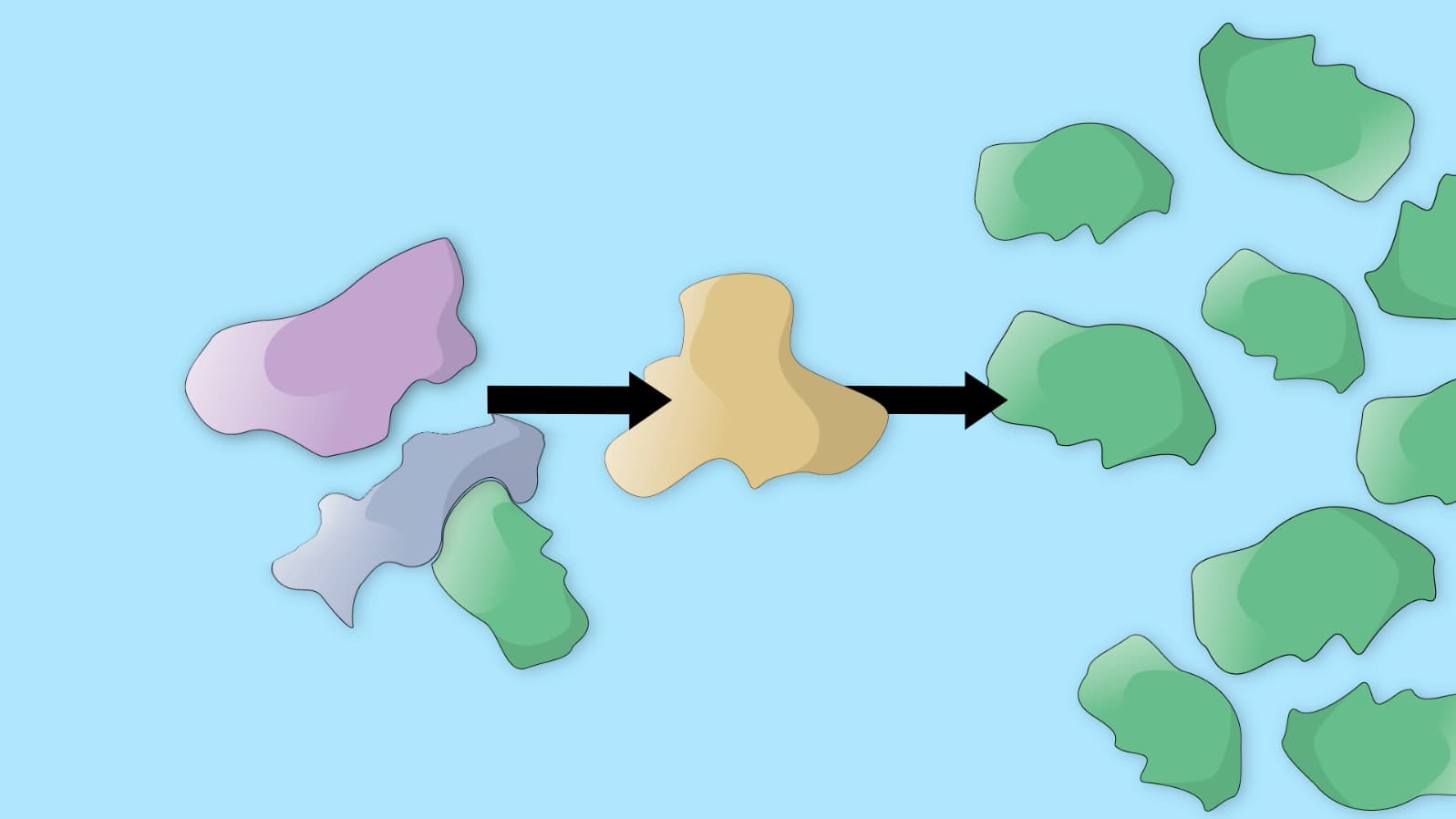
The induced fit model represents a revolutionary understanding of how enzymes function at the molecular level. This model proposes that enzymes are not rigid structures but dynamic proteins that undergo conformational changes upon substrate binding. When a substrate approaches an enzyme's active site, both molecules adjust their shapes to achieve optimal binding-like two puzzle pieces that bend slightly to fit together perfectly.
This flexibility contrasts sharply with the earlier lock-and-key model, which suggested enzymes were inflexible templates. The induced fit model better explains experimental observations of enzyme kinetics and has become the accepted mechanism taught in AP Biology, college biochemistry courses, and tested on the MCAT.
Molecular Mechanics of Enzyme-Substrate Interaction
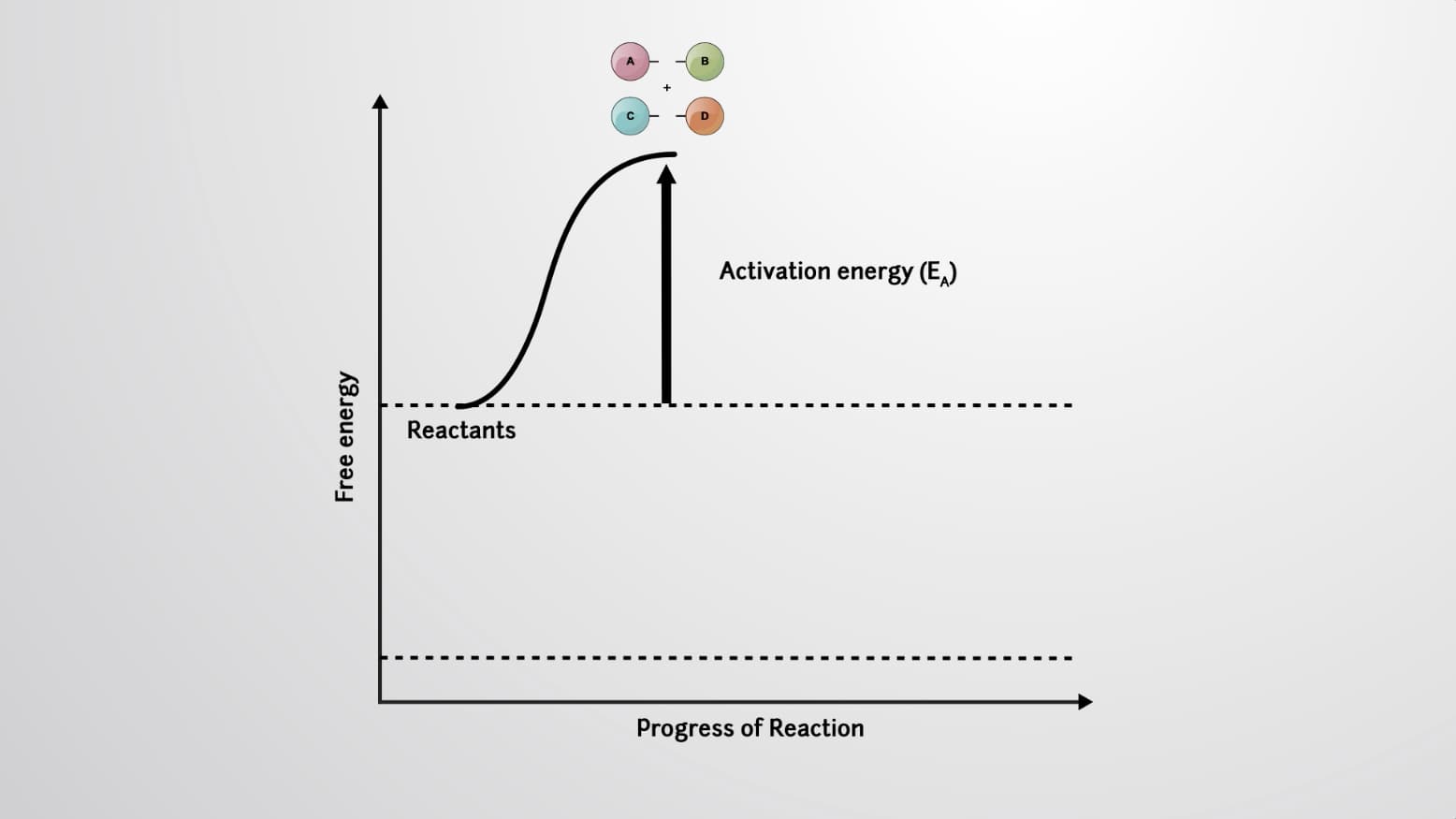
During the induced fit process, specific amino acid residues in the enzyme's active site reposition themselves to maximize favorable interactions with the substrate. These conformational changes involve hydrogen bonding, electrostatic interactions, and van der Waals forces. The result is an enzyme-substrate complex with dramatically lowered activation energy-often reducing it by 50-90% compared to the uncatalyzed reaction.
Consider the enzyme hexokinase, which catalyzes the first step of glucose metabolism in human cells. When glucose binds, hexokinase undergoes a significant conformational change that brings catalytic residues into proper alignment, while simultaneously excluding water molecules that could interfere with the reaction.
Clinical and Research Applications
The induced fit model has profound implications for drug design and medical treatment. Pharmaceutical companies use this understanding to develop enzyme inhibitors for conditions like diabetes and heart disease. For example, ACE inhibitors used to treat hypertension work by binding to the active site of angiotensin-converting enzyme, inducing a conformational change that prevents the enzyme from producing angiotensin II.
Students studying for the USMLE or pursuing careers in biotechnology must understand how drug-enzyme interactions follow induced fit principles, as this knowledge is essential for understanding pharmacokinetics and drug development.
Study Applications and Exam Relevance
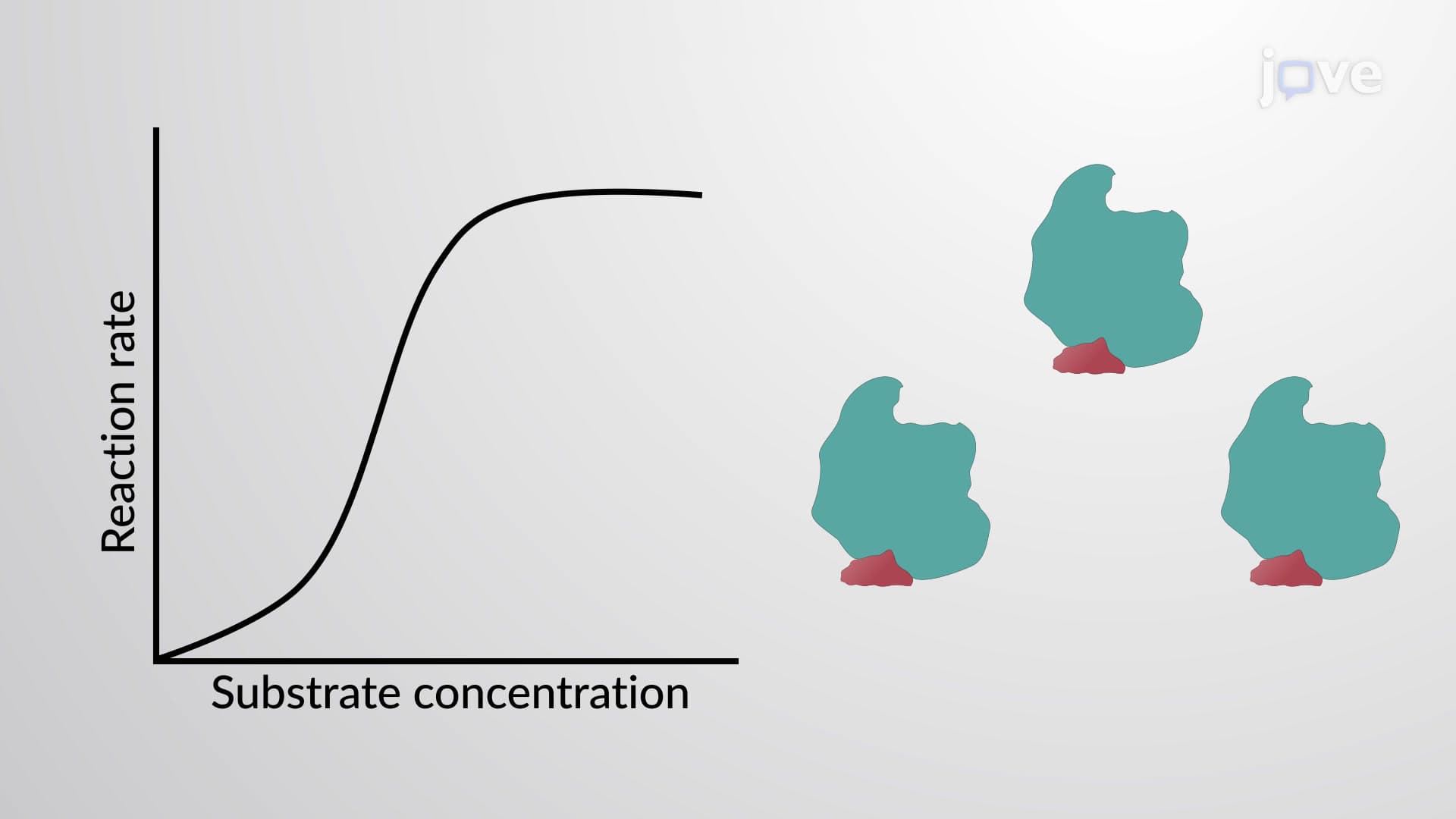
For students preparing for standardized tests, the induced fit model frequently appears in AP Biology free-response questions and college biochemistry exams. Understanding this concept helps explain enzyme regulation, competitive inhibition, and allosteric control-all high-yield topics. The model also provides the foundation for understanding more advanced concepts like enzyme evolution and protein engineering taught in upper-level courses.
Frequently Asked Questions
The induced fit model explains how enzymes change their shape when binding to substrates, like a glove molding to fit a hand. This flexibility allows enzymes to bind substrates more effectively than if they were rigid structures. The model shows that both enzyme and substrate adjust their conformations to achieve optimal binding and catalysis.
Both exams frequently test induced fit concepts through enzyme kinetics problems and comparative questions with the lock-and-key model. Expect questions about conformational changes, activation energy reduction, and enzyme specificity. Practice drawing energy diagrams showing how induced fit lowers activation barriers for reactions.
The lock-and-key model suggests rigid enzyme-substrate binding like a key fitting a lock exactly. The induced fit model shows both molecules as flexible, adjusting their shapes upon binding for optimal interaction. Current AP Biology curriculum emphasizes induced fit as the more accurate representation supported by experimental evidence.
Yes, induced fit is a fundamental concept tested on most college biochemistry exams. Expect questions about conformational changes, thermodynamic stability of enzyme-substrate complexes, and how mutations might affect induced fit binding. Understanding this model is essential for advanced topics like allosteric regulation.
Many medications work by inducing conformational changes in target enzymes or proteins. For example, statins used to lower cholesterol bind to HMG-CoA reductase and induce changes that inhibit the enzyme. Understanding induced fit helps explain how drugs achieve specificity and avoid unwanted side effects.
Not at all! The concept builds naturally on basic protein structure knowledge from introductory biology. Start with simple analogies like a baseball glove adjusting to catch different balls, then progress to molecular details. Most students grasp the concept quickly with proper visual aids and practice problems.
Focus on drawing and labeling diagrams showing the conformational change process from initial binding through product release. Practice comparing induced fit with lock-and-key models using specific examples. Create concept maps linking induced fit to enzyme kinetics, specificity, and regulation for comprehensive understanding.
Progress to allosteric regulation, enzyme inhibition mechanisms, and cooperativity in multi-subunit enzymes. These advanced topics build directly on induced fit principles and are essential for understanding metabolic regulation and drug action in clinical settings.
Related Micro-courses