Loading subject page…

- Biology
- Metabolism
- Potential Energy
Micro-course: Metabolism
1,097,517 views
Learn key concepts and earn your certificate.


Potential Energy


00:00
00:52
Video Summary: What Is Potential Energy
When a roller coaster sits at the top of a 200-foot drop at Six Flags, what invisible force is waiting to send riders screaming down the track? Potential energy is the stored energy that objects possess due to their position or structure, ready to transform into motion at any moment. From the chemical bonds in a Snickers bar powering your muscles to the gravitational energy in Hoover Dam's reservoir generating electricity for Las Vegas, potential energy surrounds us everywhere. Watch the full video on JoVE Coach to master this concept with expert-led visuals and step-by-step explanations.
- Understand what is potential energy and how it differs from kinetic energy in fundamental physics principles
- Identify the main types of potential energy including gravitational, elastic, chemical, and electrical potential energy
- Analyze how potential energy converts to kinetic energy in real-world systems and biological processes
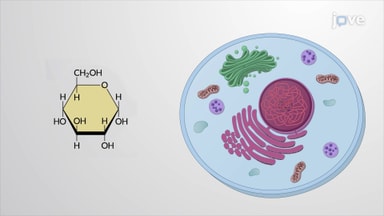
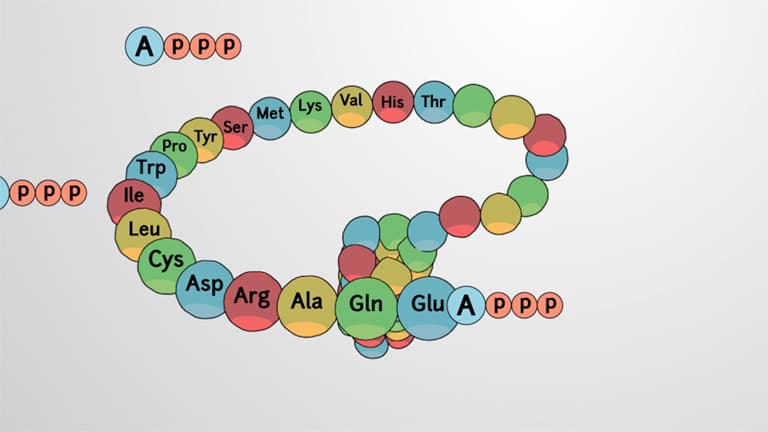
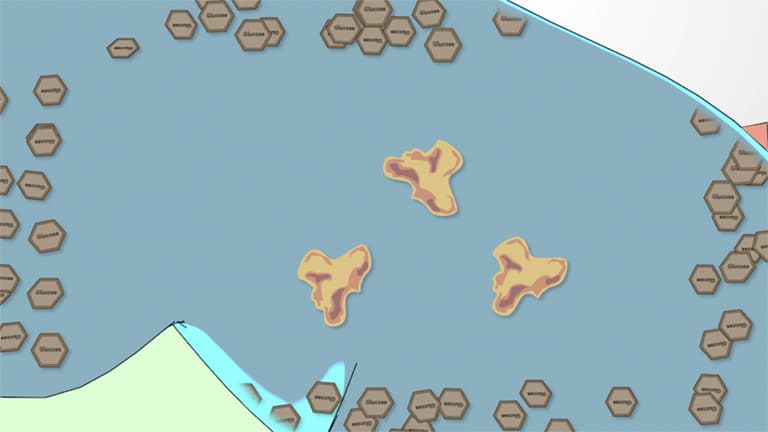
- Recognize potential energy storage mechanisms in molecular structures like glucose and ATP in cellular biology
- Apply potential energy concepts to solve physics problems involving energy conservation and transformations
- Evaluate the role of potential energy in photosynthesis and cellular respiration pathways
- Compare potential energy storage in different systems from mechanical springs to chemical bonds
- Explore how potential energy principles govern everything from hydroelectric power generation to muscle contraction
Understanding What is Potential Energy: The Foundation
What is potential energy represents one of the most fundamental concepts in physics and biology. Potential energy is the stored energy that an object or system possesses due to its position, configuration, or chemical composition. Unlike kinetic energy which involves motion, potential energy represents the capacity to do work that exists even when objects are at rest. This concept appears extensively on AP Physics exams, SAT Subject Tests, and introductory college physics courses.
Types of Potential Energy in Physics and Biology
Gravitational potential energy occurs when objects are elevated above a reference point. A 160-pound student standing on the observation deck of the Empire State Building possesses approximately 240,000 joules of gravitational potential energy relative to street level. The formula PE = mgh shows how mass (m), gravitational acceleration (g), and height (h) determine this stored energy.
Elastic potential energy exists in stretched or compressed materials. When you pull back the string on a compound bow used in Olympic archery competitions, you're storing elastic potential energy that will propel the arrow forward. Springs in car suspension systems store and release elastic potential energy to absorb road impacts.
Chemical potential energy resides in molecular bonds and represents the energy released during chemical reactions. The glucose molecule contains approximately 686 kilocalories per mole of chemical potential energy. When marathon runners "hit the wall" around mile 20, they're experiencing the depletion of readily available chemical potential energy stored as glycogen in muscles and liver.
Biological Applications of Potential Energy
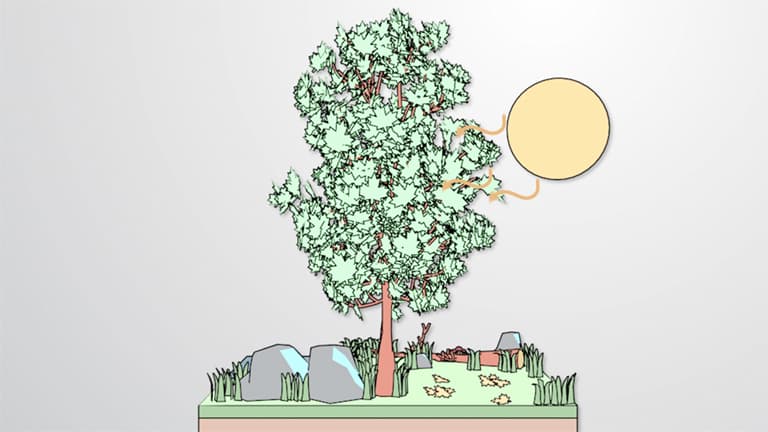
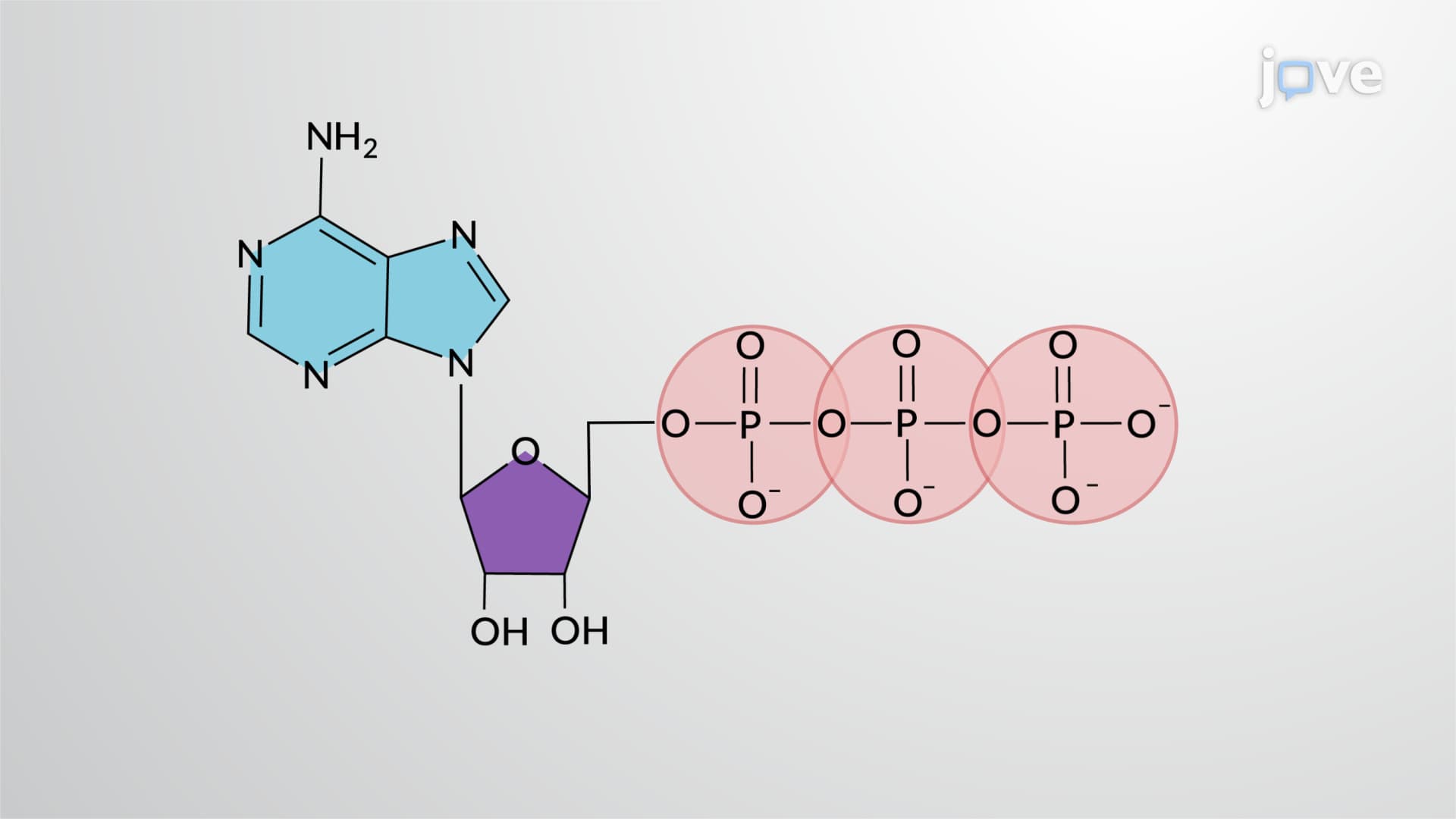
In photosynthesis, plants capture solar radiation and convert it into chemical potential energy stored in glucose bonds. A single corn plant can store enough chemical potential energy in one growing season to power a 100-watt light bulb for several hours. This process occurs in chloroplasts where light-dependent reactions create ATP (adenosine triphosphate), the universal energy currency containing high-energy phosphate bonds.
Cellular respiration reverses this process, breaking down glucose to release stored chemical potential energy. The complete oxidation of one glucose molecule yields 32 ATP molecules, each containing potential energy in phosphate bonds. This ATP then powers everything from muscle contractions during a basketball game to active transport across cell membranes in kidney nephrons.
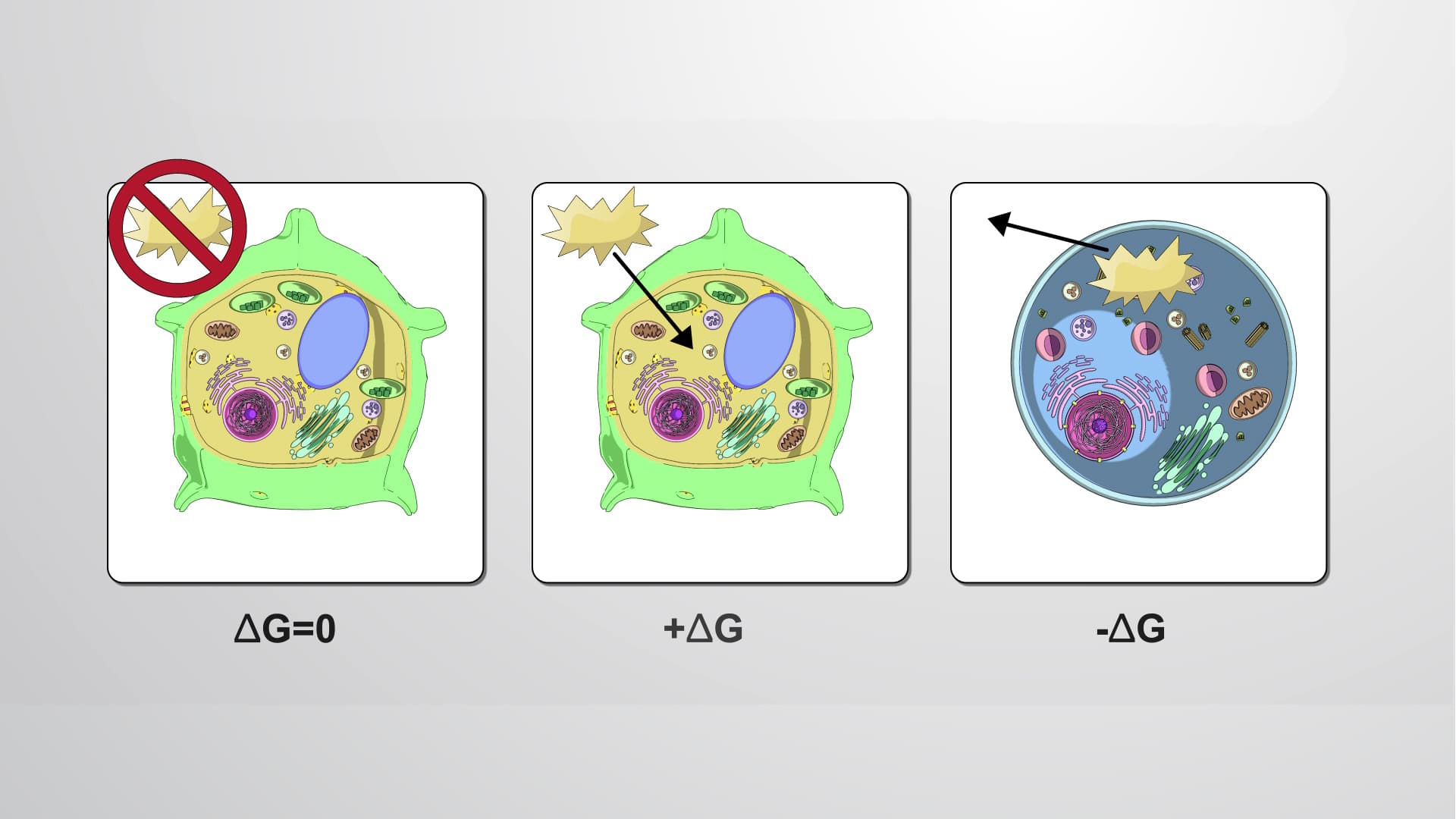
Medical school entrance exams like the MCAT frequently test understanding of how potential energy drives biological processes. Students must recognize how concentration gradients represent a form of potential energy that drives passive transport, or how the proton gradient across mitochondrial membranes stores potential energy used for ATP synthesis.
Frequently Asked Questions
Potential energy is stored energy that objects have because of their position or makeup, like a stretched rubber band or food before you digest it. It's energy waiting to be used, similar to money in your savings account that's ready to spend. This stored energy can transform into motion (kinetic energy) when released, powering everything from falling objects to cellular processes in your body.
AP Physics exams frequently test potential energy through energy conservation problems, pendulum motion, and spring-mass systems. College physics courses expand this to include electric potential energy and molecular interactions. Expect calculations involving PE = mgh for gravitational systems, PE = (1/2)kx² for springs, and energy transformation problems combining potential and kinetic energy.
The MCAT tests both concepts in biological contexts where potential energy represents stored energy (like ATP phosphate bonds or concentration gradients) while kinetic energy involves molecular motion and active processes. Understanding this distinction helps answer questions about metabolism, membrane transport, and enzyme kinetics that commonly appear in the Chemical and Physical Foundations section.
Think of Niagara Falls generating electricity for New York state - the elevated water has gravitational potential energy that converts to electrical energy through turbines. Similarly, the chemical potential energy in your breakfast converts to kinetic energy for walking to class, or the elastic potential energy in a baseball pitcher's arm transfers to the ball's motion reaching home plate.
Not at all! While advanced calculations require calculus, the core concept uses basic algebra that any high school student can master. Start with simple examples like dropping objects or stretching springs, then progress to energy conservation problems. Most introductory courses focus on conceptual understanding rather than complex mathematics.
Create energy diagrams showing transformations between potential and kinetic energy in different scenarios like roller coasters, pendulums, or biological processes. Practice identifying energy types in word problems and work backwards from final answers to understand solution methods. Focus on energy conservation principles since most exam problems involve calculating total mechanical energy.
Potential energy concepts become essential for biochemistry courses covering enzyme mechanisms, metabolic pathways, and thermodynamics. In organic chemistry, you'll study how molecular conformations affect potential energy landscapes. Advanced biology courses explore how potential energy gradients drive processes like photosynthesis, cellular respiration, and active transport across cell membranes.
Biomedical engineering applies potential energy principles to prosthetic design and medical device development. Environmental engineers use these concepts for renewable energy systems like hydroelectric and wind power. Healthcare professionals understand potential energy in muscle mechanics, while pharmaceutical researchers study molecular potential energy in drug design and protein folding.
Related Micro-courses