Loading subject page…


1,097,517 views

Video Summary: What Is Second Law of Thermodynamics
Ever wonder why your smartphone gets warm when charging or why perpetual motion machines remain science fiction? The second law of thermodynamics explains that energy transformations always increase disorder (entropy) in any system. Consider how a car engine converts gasoline's chemical energy into motion-most energy becomes waste heat rather than useful work, demonstrating this fundamental principle. Understanding what is second law of thermodynamics reveals why energy efficiency has limits in everything from power plants to biological systems. Watch the full video on JoVE Coach to master this concept with expert-led visuals and step-by-step explanations.
The second law of thermodynamics stands as one of physics' most profound principles, governing every energy transformation in the universe. Unlike the first law, which focuses on energy conservation, the second law addresses energy quality and direction. This fundamental principle states that entropy-a measure of disorder or randomness-always increases in isolated systems over time.
Rudolf Clausius first formulated this law in 1850, revolutionizing our understanding of heat, work, and natural processes. The second law thermodynamics definition encompasses several equivalent statements: heat flows spontaneously from hot to cold objects, no engine can be 100% efficient, and all natural processes increase total entropy.
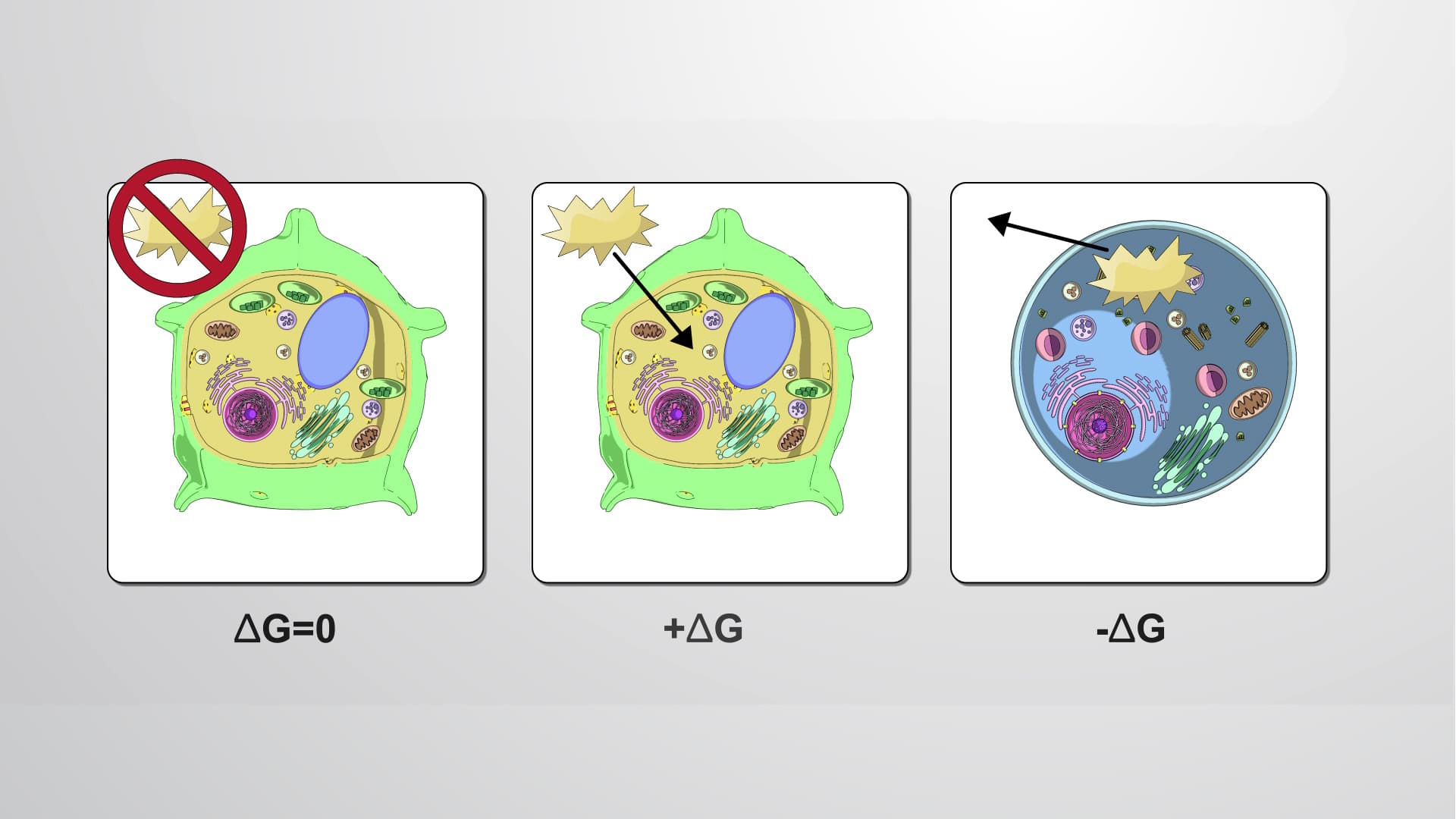
Entropy provides the key to understanding why certain processes occur spontaneously while others require external work. High-quality energy (like electricity or organized molecular motion) can perform useful work, while low-quality energy (like waste heat) has limited utility. This concept explains why a hot cup of coffee inevitably cools to room temperature but never spontaneously becomes hotter.
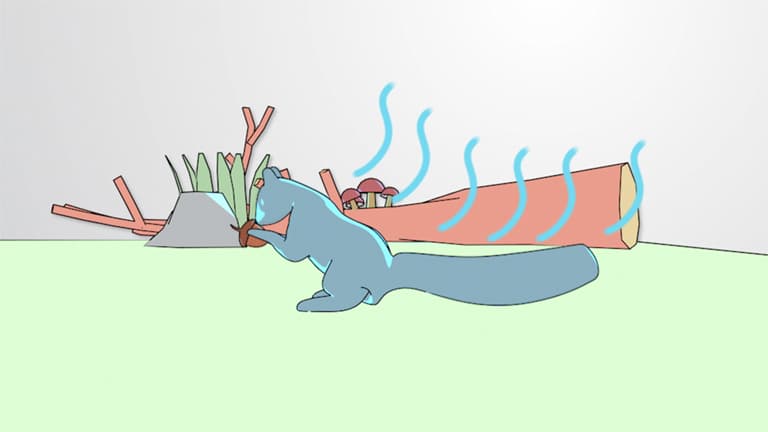
In biological systems, organisms maintain their complex organization by constantly consuming energy and producing entropy. Your body converts chemical energy from food into cellular work while releasing heat and waste products-a perfect demonstration of the second law of thermodynamics concept explained through living systems.
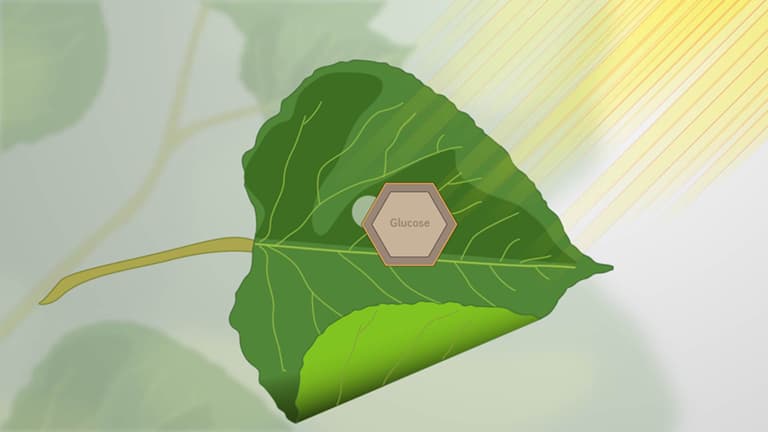
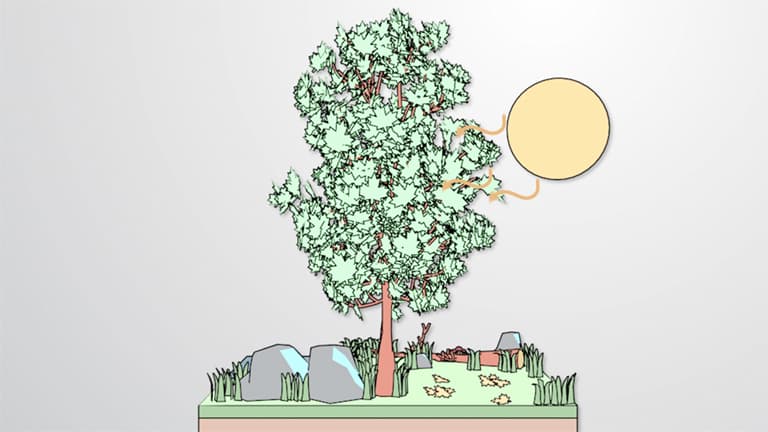
Ecological pyramids beautifully illustrate the second law in action. When solar energy enters an ecosystem through photosynthesis, plants capture only about 1-2% of incident sunlight. Primary consumers (herbivores) obtain roughly 10% of the plant's stored energy, with secondary consumers receiving 10% of that amount. This dramatic energy loss at each trophic level reflects entropy increase as energy transforms from organized chemical bonds to dispersed heat.
Consider Yellowstone National Park's food web: wolves, elk, and vegetation demonstrate this principle. Grass captures solar energy, elk extract a fraction while grazing, and wolves utilize an even smaller percentage when hunting elk. The remaining energy dissipates as heat, maintaining the ecosystem's dynamic equilibrium while illustrating entropy's inexorable increase.
Understanding the second law proves essential for AP Chemistry, AP Environmental Science, and college-level thermodynamics courses. Students frequently encounter problems involving heat engines, refrigerators, and spontaneous reactions. The MCAT heavily emphasizes these concepts in both chemistry and physics sections.
Modern technology constantly grapples with second law limitations. Internal combustion engines achieve roughly 25-30% efficiency, with the remainder lost as heat. Even advanced nuclear power plants operate at about 33% efficiency due to thermodynamic constraints. These real-world examples help students grasp why engineers continuously seek more efficient designs while acknowledging fundamental physical limitations.
Related Micro-courses