Loading…
Loading video…
5,730 views
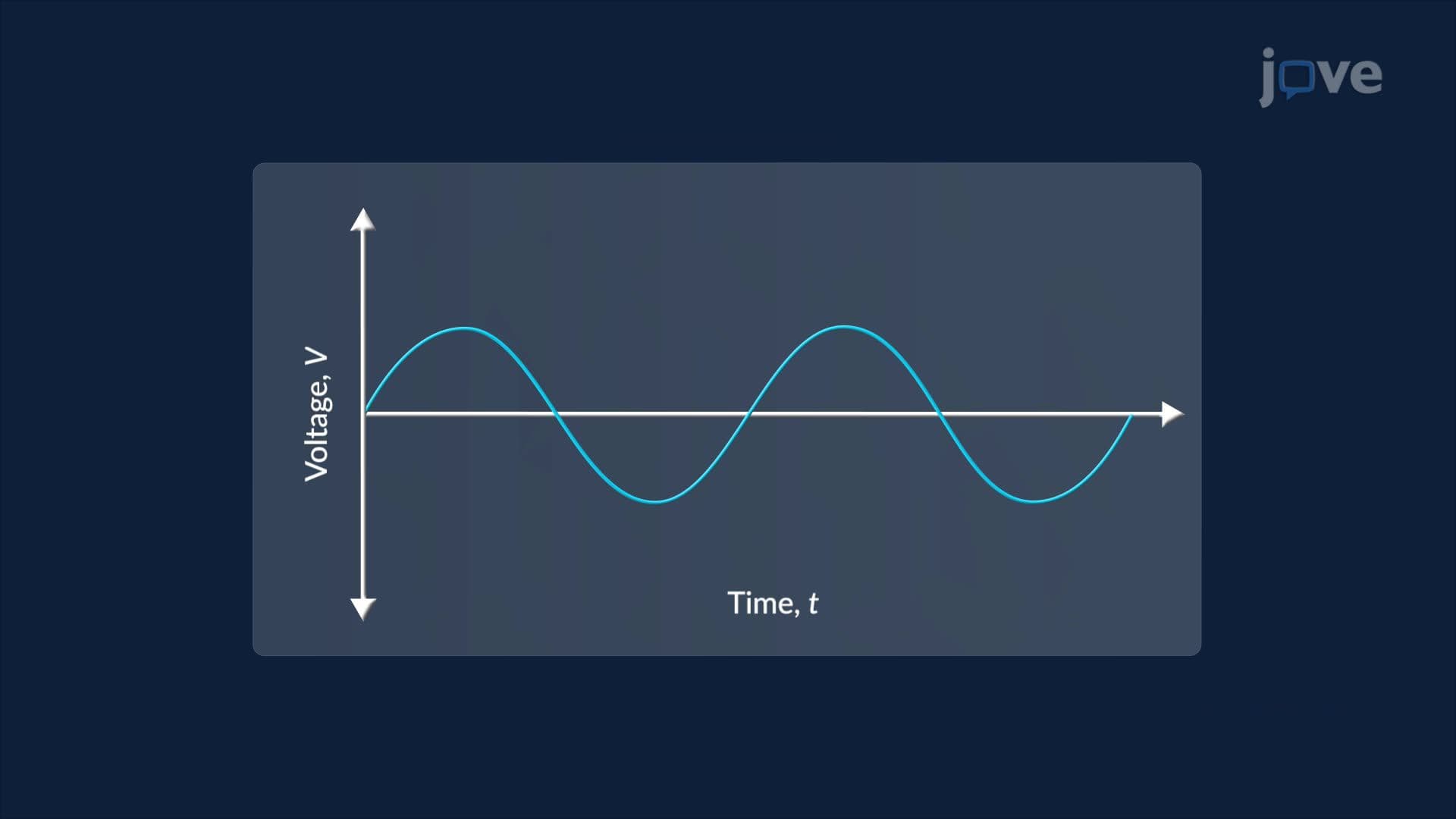
Did you know that electrical engineers use calculus to keep your phone charger from overheating? Understanding absolute and local extreme values — the core idea behind Absolute and Local Extreme Values Explained — is exactly how they do it. The Extreme Value Theorem guarantees that any continuous function on a closed interval has both a highest and lowest point, whether you're tracking daily temperatures in Chicago or voltage cycles in a circuit. Watch the full video on JoVE Coach to master this concept with expert-led visuals and step-by-step explanations.
When you study calculus, few ideas are as practically powerful as Absolute and Local Extreme Values Explained. These concepts allow mathematicians, engineers, economists, and scientists to pinpoint exactly where a function reaches its highest or lowest output — and that information drives everything from drug dosage optimization in US hospitals to maximizing profit margins in business models.
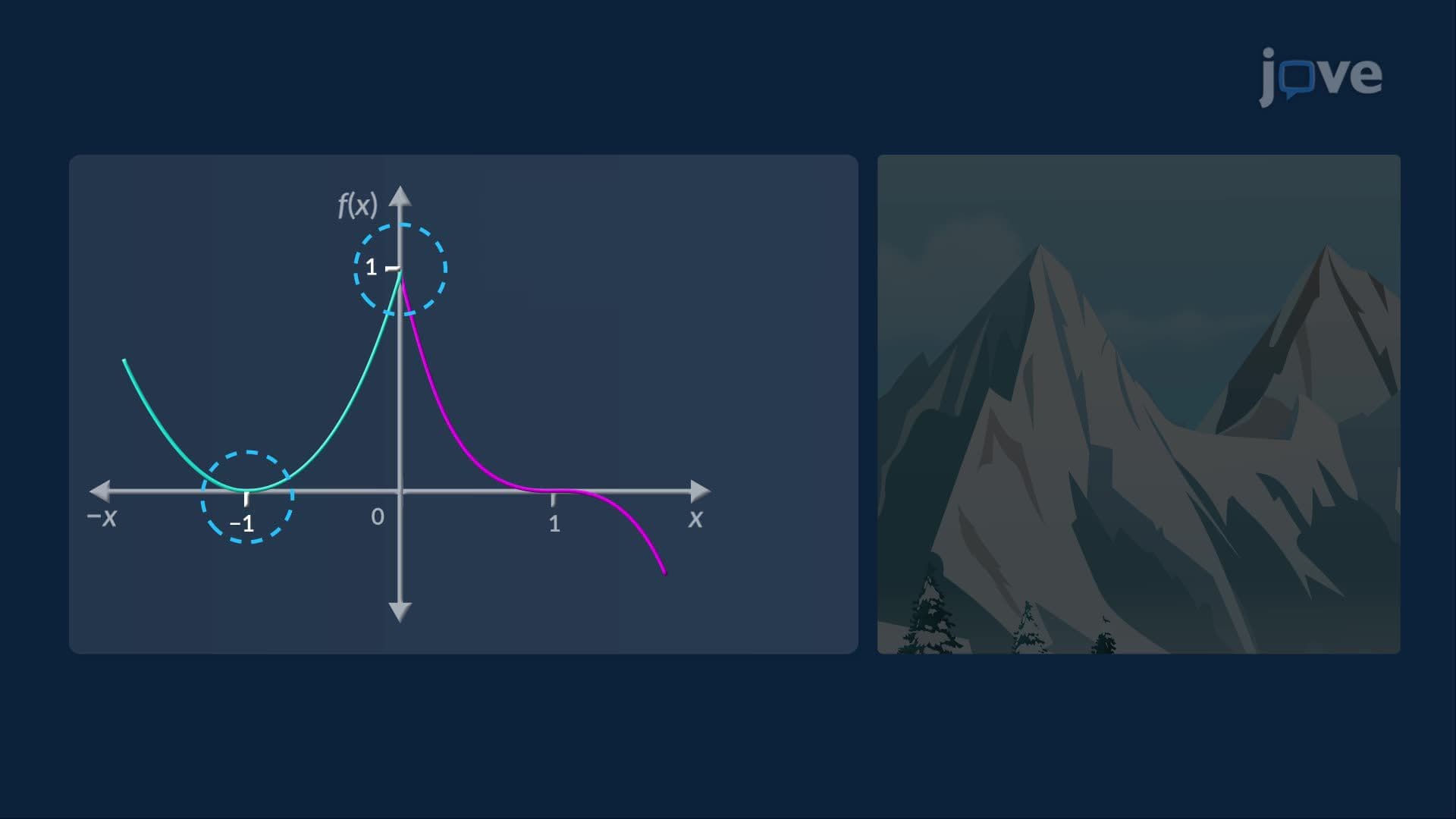
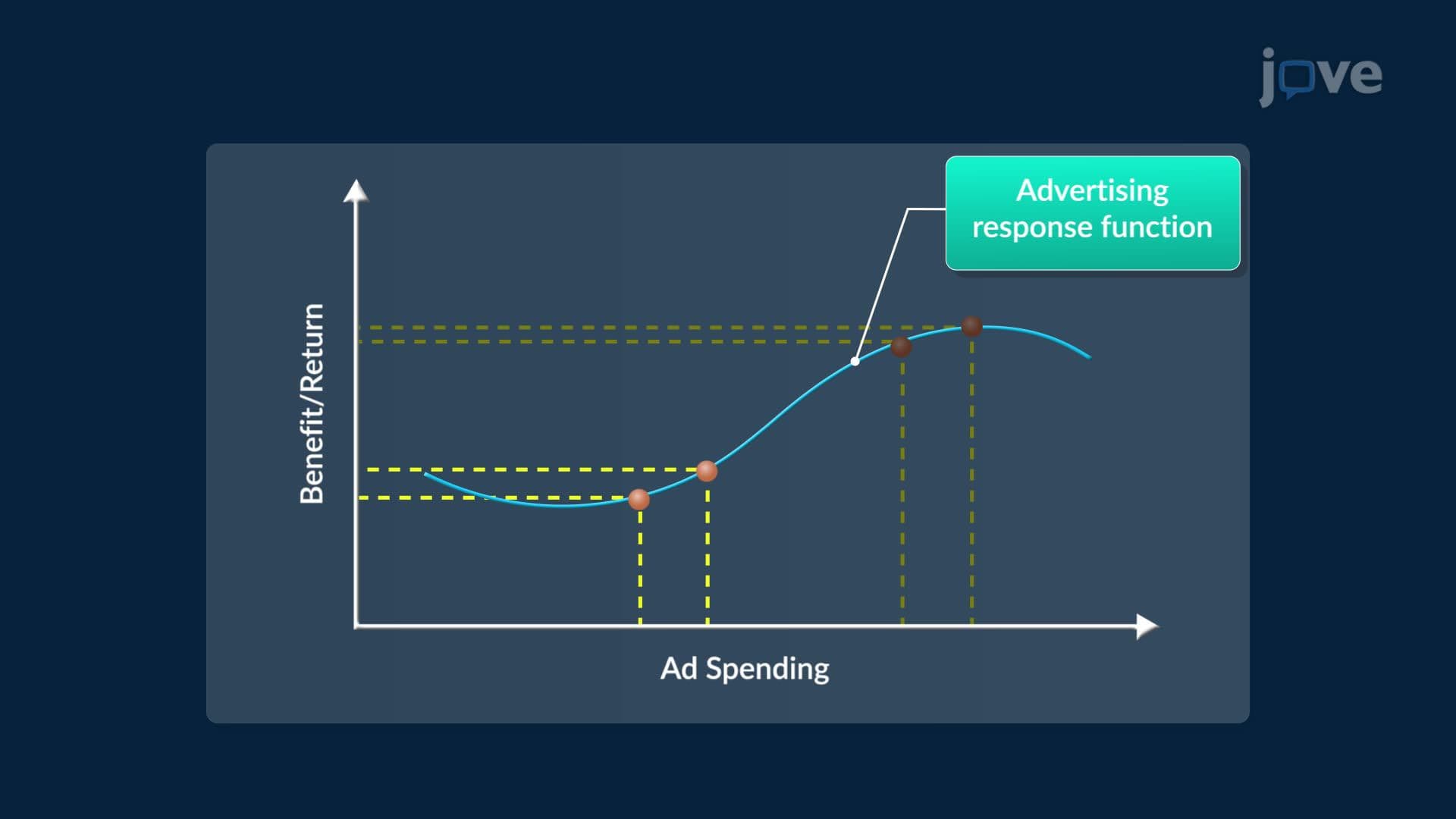
An absolute maximum (also called a global maximum) is the single largest value a function achieves over its entire domain or a specified interval. An absolute minimum is the smallest. In contrast, a local maximum (or relative maximum) is a point where the function value is higher than all nearby points — but not necessarily the highest overall. The same logic applies to a local minimum.
The Extreme Value Theorem is the foundation here. It states: if a function is continuous on a closed interval [a, b], then it must attain both an absolute maximum and an absolute minimum somewhere on that interval. This is not just a suggestion — it is a mathematical guarantee.
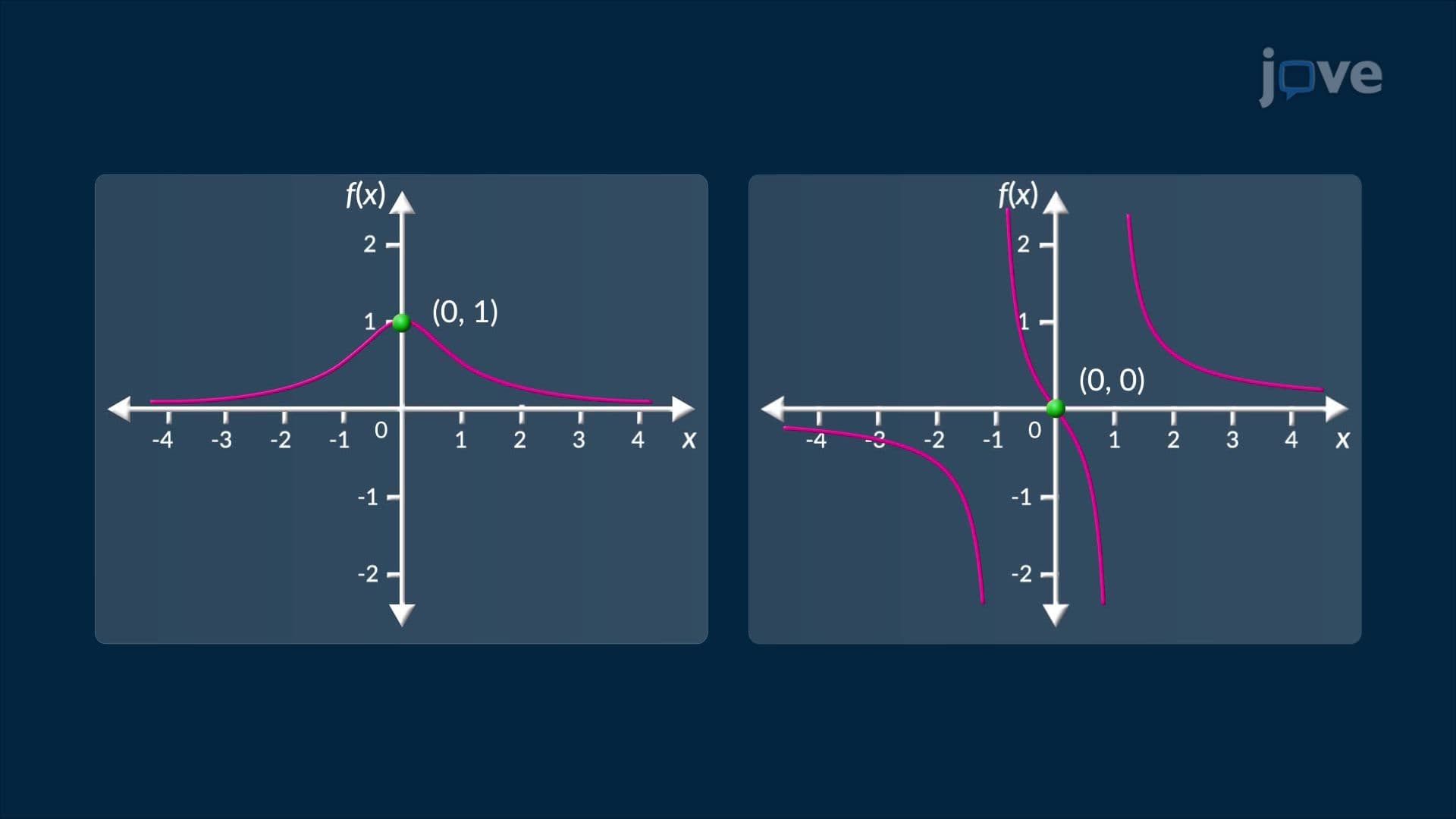
The word *closed* is critical. Open intervals or discontinuous functions do not carry this guarantee. For example, the function f(x) = 1/x on the open interval (0, 1) has no absolute maximum because the function grows without bound near x = 0.
To find absolute extreme values on a closed interval [a, b], follow these three steps:
1. Find the derivative of the function, f'(x). 2. Locate critical points — values of x where f'(x) = 0 or f'(x) is undefined, and which lie within the interval. 3. Evaluate the function at each critical point and at both endpoints (x = a and x = b).
The largest output is the absolute maximum; the smallest is the absolute minimum. This method is routinely tested on the AP Calculus AB and BC exams, and mastering it is essential for college midterms in Calculus I and II.
For example, a NASA mission planning team modeling fuel consumption over a fixed flight window uses exactly this method — they evaluate a continuous cost function at critical points and endpoints to find the most and least efficient burn rates.
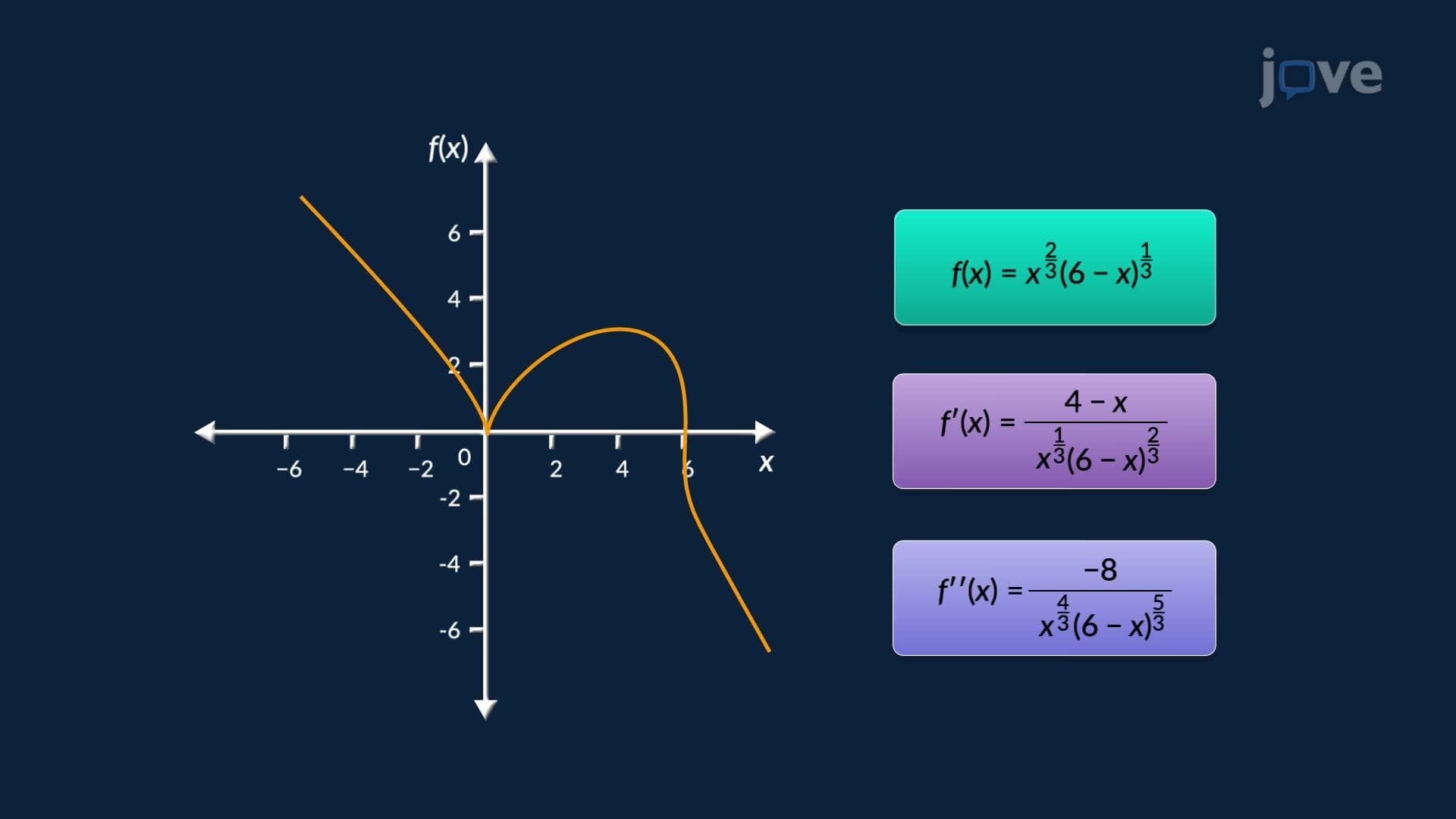
Understanding local extrema also requires knowing the First and Second Derivative Tests. The First Derivative Test checks whether f'(x) changes sign around a critical point — if it goes from positive to negative, you have a local maximum; negative to positive indicates a local minimum.
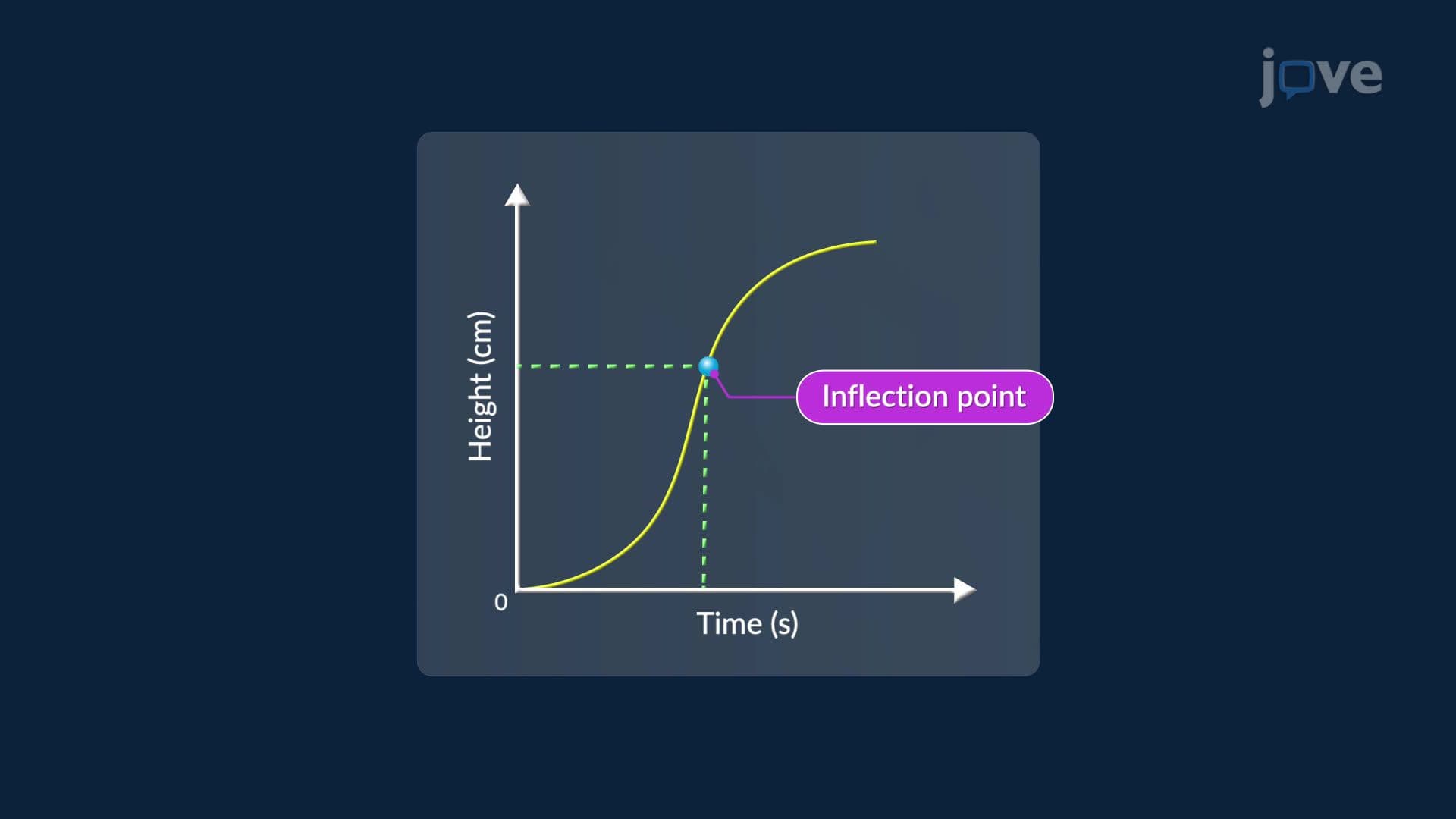
The Second Derivative Test uses concavity: if f''(x) < 0 at a critical point, the curve is concave down — a local maximum. If f''(x) > 0, the curve is concave up — a local minimum. Points where concavity changes are called inflection points, and they are closely related to optimization problems across physics, economics, and engineering.
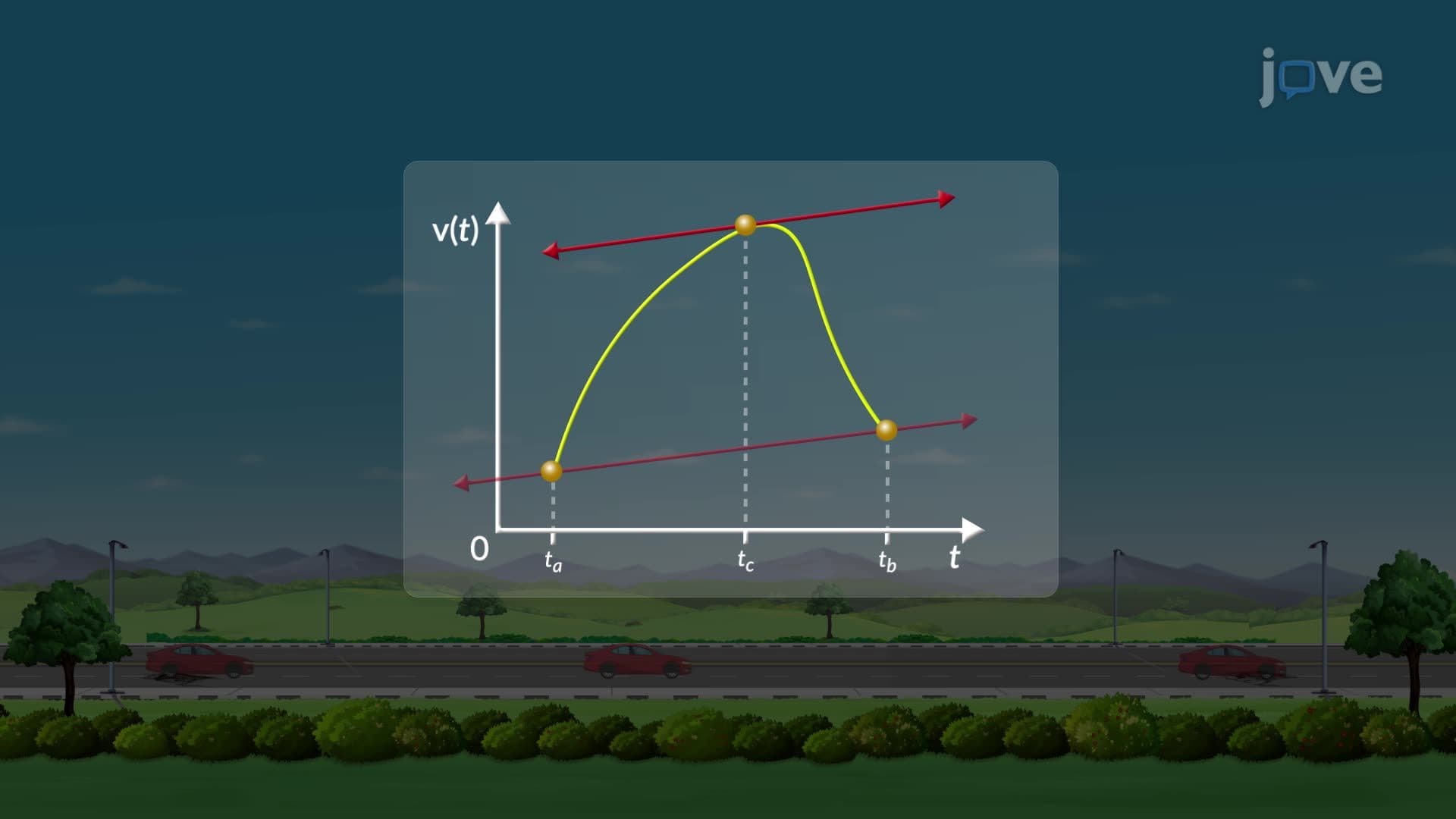
These tools also connect directly to the Mean Value Theorem, which guarantees at least one point where the instantaneous rate of change equals the average rate of change over an interval — a concept that appears in both AP Calculus FRQs and college-level proofs.
Frequently Asked Questions
An absolute extreme value is the highest or lowest value a function reaches over its entire interval, while a local extreme value is only highest or lowest compared to nearby points. Think of local extrema as regional peaks and valleys on a map, while the absolute extremum is the tallest mountain or deepest valley in the entire country. A local maximum can equal the absolute maximum, but that is not always the case. ---
It means understanding where a function hits its peak and valley — both globally across the whole domain and locally in smaller neighborhoods. These values are found using derivatives and are guaranteed to exist (for absolute extrema) when the function is continuous on a closed interval, per the Extreme Value Theorem. This concept is one of the most important ideas in differential calculus. ---
Absolute and local extreme values are explicitly listed in the AP Calculus AB course and exam description under Unit 5: Analytical Applications of Differentiation. Students are expected to apply the Closed Interval Method, the First Derivative Test, and the Second Derivative Test in both multiple-choice and free-response questions. Exam questions often involve interpreting graphs, setting derivatives equal to zero, and justifying conclusions in writing. ---
Yes — optimization problems built on extreme values are among the most common topics in Calculus I midterms and finals at US universities. Professors frequently test the Closed Interval Method, critical point analysis, and real-world word problems involving maximum area, minimum cost, or peak revenue. Practicing a variety of problem types before exams is the most effective strategy. ---
The MCAT does not directly test calculus-based extreme values, but the underlying reasoning — identifying maximum and minimum outputs from a model — appears in biochemistry and physics passages involving enzyme kinetics, energy functions, and population models. Students who understand extreme values conceptually will find it easier to reason through quantitative MCAT passages. Pre-med students taking Calculus I at US universities will encounter this topic formally in coursework. ---
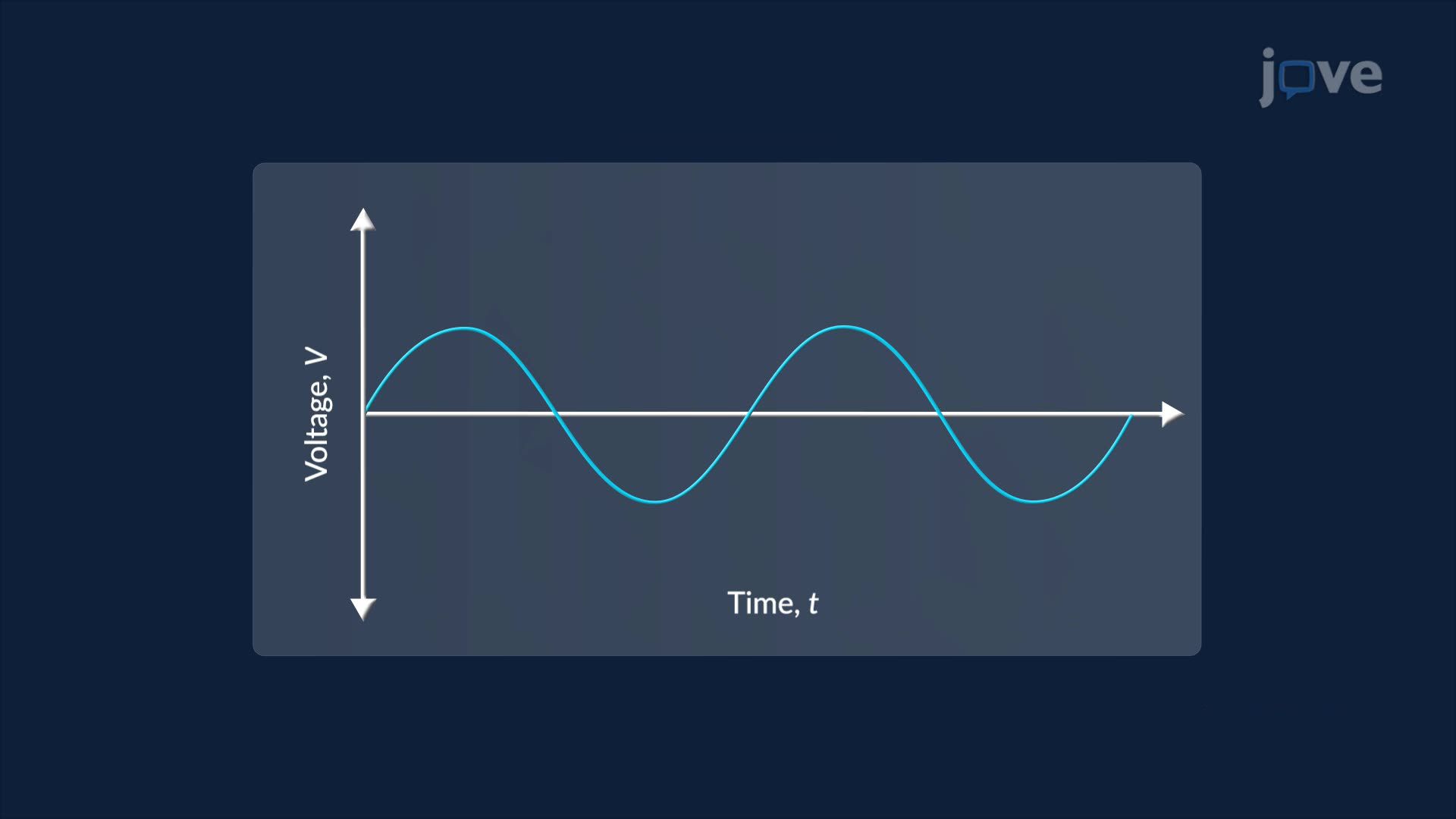
Electrical engineers at US companies like Texas Instruments use the concept when designing alternating current circuits — they identify absolute maxima and minima of voltage functions to ensure devices operate within safe ranges. Similarly, meteorologists at NOAA model daily temperature as a continuous function and use extreme values to report record highs and lows. Optimization problems in business, medicine, and aerospace all rely on the same foundational math. ---
A solid understanding of algebra and an introduction to derivatives is all you need to get started. If you know what a slope is and have seen basic derivative rules (like the power rule), you are ready to learn about extreme values. Most US high school students encounter this in Pre-Calculus or early AP Calculus, and it is taught from the ground up in any standard Calculus I course. ---
Start by memorizing the three-step Closed Interval Method, then practice applying it to at least ten different functions before your exam. Work through both graph-based and equation-based problems, since AP and college exams test both formats. Focus especially on justifying your answers in writing — AP graders award points for correct reasoning, not just correct numbers. ---
The natural next steps are the Mean Value Theorem, related rates, and full optimization problems, which build directly on your ability to find and interpret extreme values. From there, studying curve sketching — combining information from first and second derivatives — will give you a complete picture of function behavior. These topics together form the analytical core of AP Calculus and college Calculus I and II.
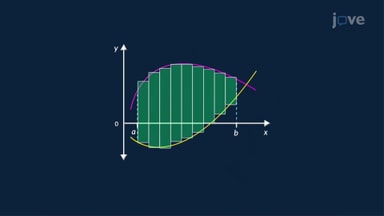
Area Problem explores a complementary area of Calculus, while Absolute and Local Extreme Values focuses on the specific concept covered in this video. Understanding both helps you build a stronger foundation in Calculus.
The ideas in Absolute and Local Extreme Values show up in everyday Calculus contexts, often alongside concepts like Area Between Curves: Integrating With Respect to x. This video connects the theory to practical situations you may encounter in coursework or exams.
After Absolute and Local Extreme Values, the natural next step is Critical Numbers and the Closed Interval Method in the Applications of Differentiation series. Following the playlist in order helps concepts build on each other without gaps.
The Absolute and Local Extreme Values video runs for 1 minute, so you can cover the core concept in a single focused study session without needing a long block of time.
Related Micro-courses


Related Subjects