Loading…
Loading video…
5,730 views
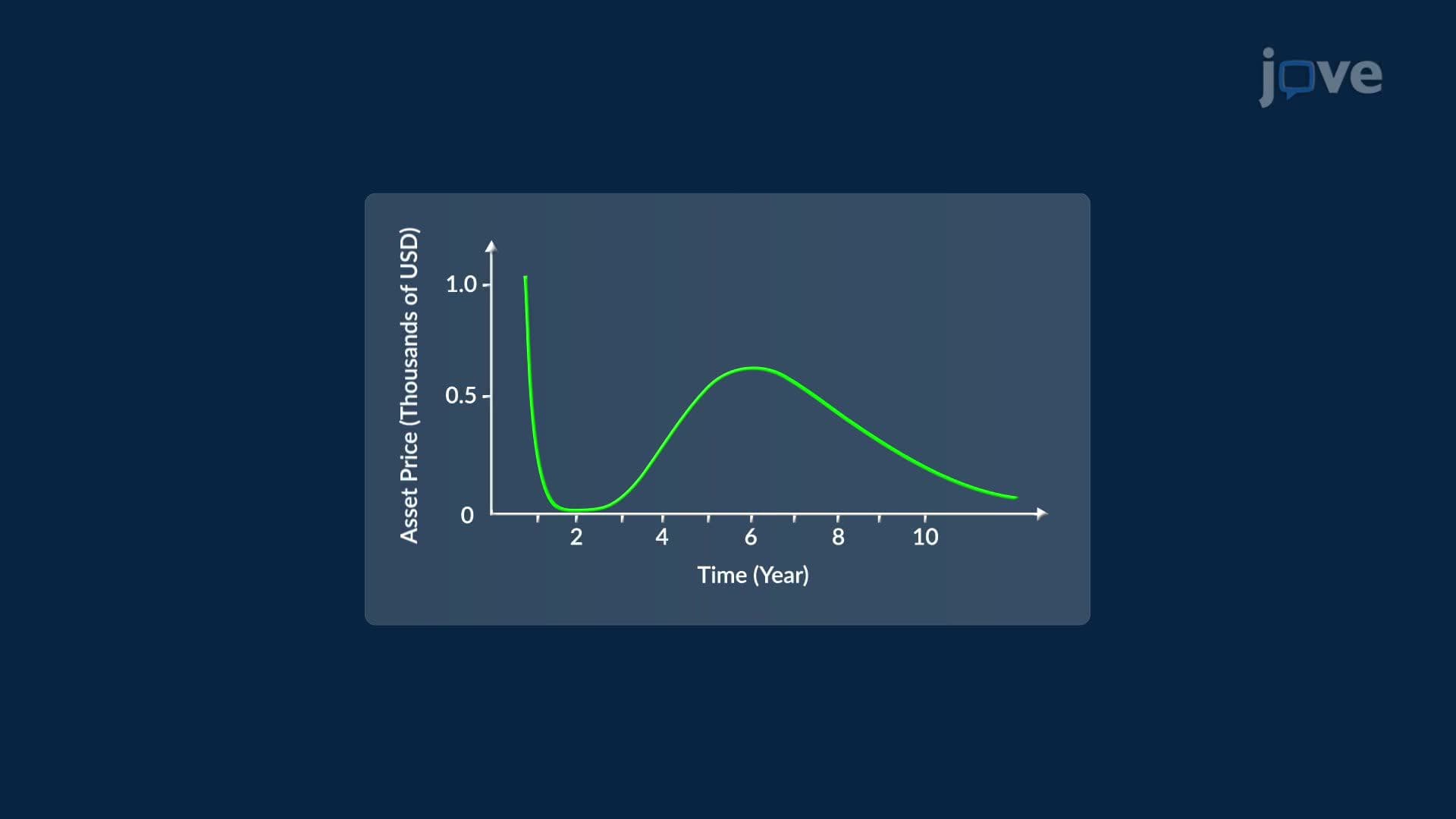
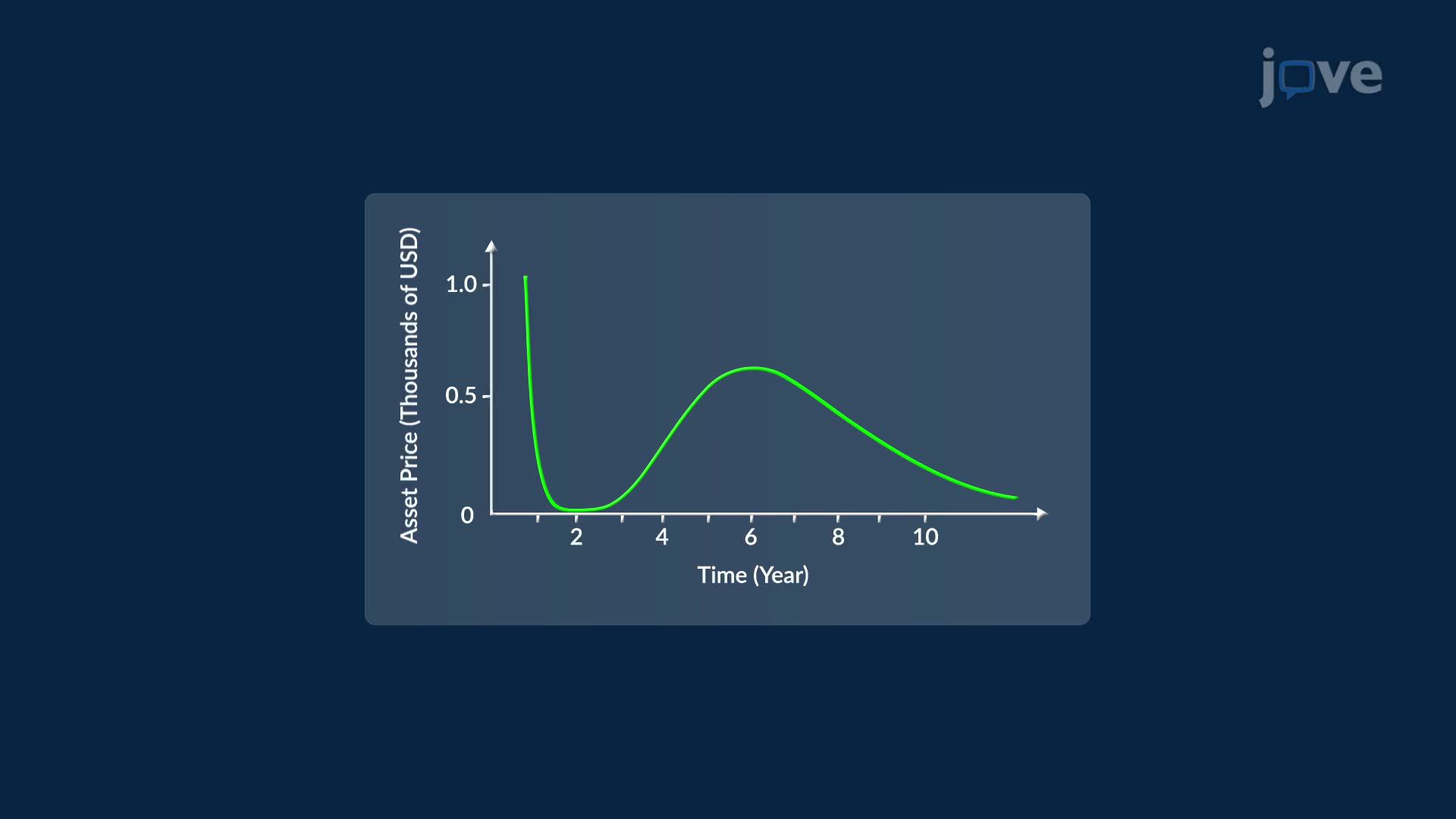
Did you know that Wall Street analysts use calculus to pinpoint the exact moment a stock hits its peak or bottom? Problem solving in first derivative test makes this possible. This concept — Problem Solving in First Derivative Test — reveals how derivatives detect local maxima and minima by tracking sign changes across critical intervals. Watch the full video on JoVE Coach to master this concept with expert-led visuals and step-by-step explanations.
Calculus would be incomplete without a reliable method for finding where functions reach their peaks and valleys. Problem solving in first derivative test is exactly that method — a structured, step-by-step process that uses the sign of a function's derivative to classify critical points as local maxima, local minima, or neither. This technique appears across AP Calculus AB and BC curricula, college Calculus I courses, and standardized assessments, making it one of the most tested and practically useful skills in introductory calculus.
A critical point occurs wherever the first derivative of a function equals zero or is undefined. These are the candidate locations for local maximum and minimum values — collectively called local extrema. For example, in an economics course at UCLA or MIT OpenCourseWare's Calculus sequence, students model revenue functions and use critical points to identify the production quantity that maximizes profit. Not every critical point is an extremum, however, which is precisely why the first derivative test adds an extra layer of sign analysis to confirm classification.
Solving optimization problems with the first derivative test follows a clear algorithm:
1. Differentiate the function using appropriate rules — product rule, quotient rule, or chain rule depending on the function's structure. 2. Factor the derivative expression completely to isolate critical points efficiently. 3. Set the derivative equal to zero and solve for all critical x-values. 4. Create a sign chart by dividing the number line into intervals separated by each critical point. 5. Select a test point within each interval and evaluate the sign of the derivative — not necessarily its exact value. 6. Interpret sign changes: positive to negative means a local maximum; negative to positive means a local minimum; no sign change means neither. 7. Substitute critical x-values into the original function to find the actual local maximum and minimum values.
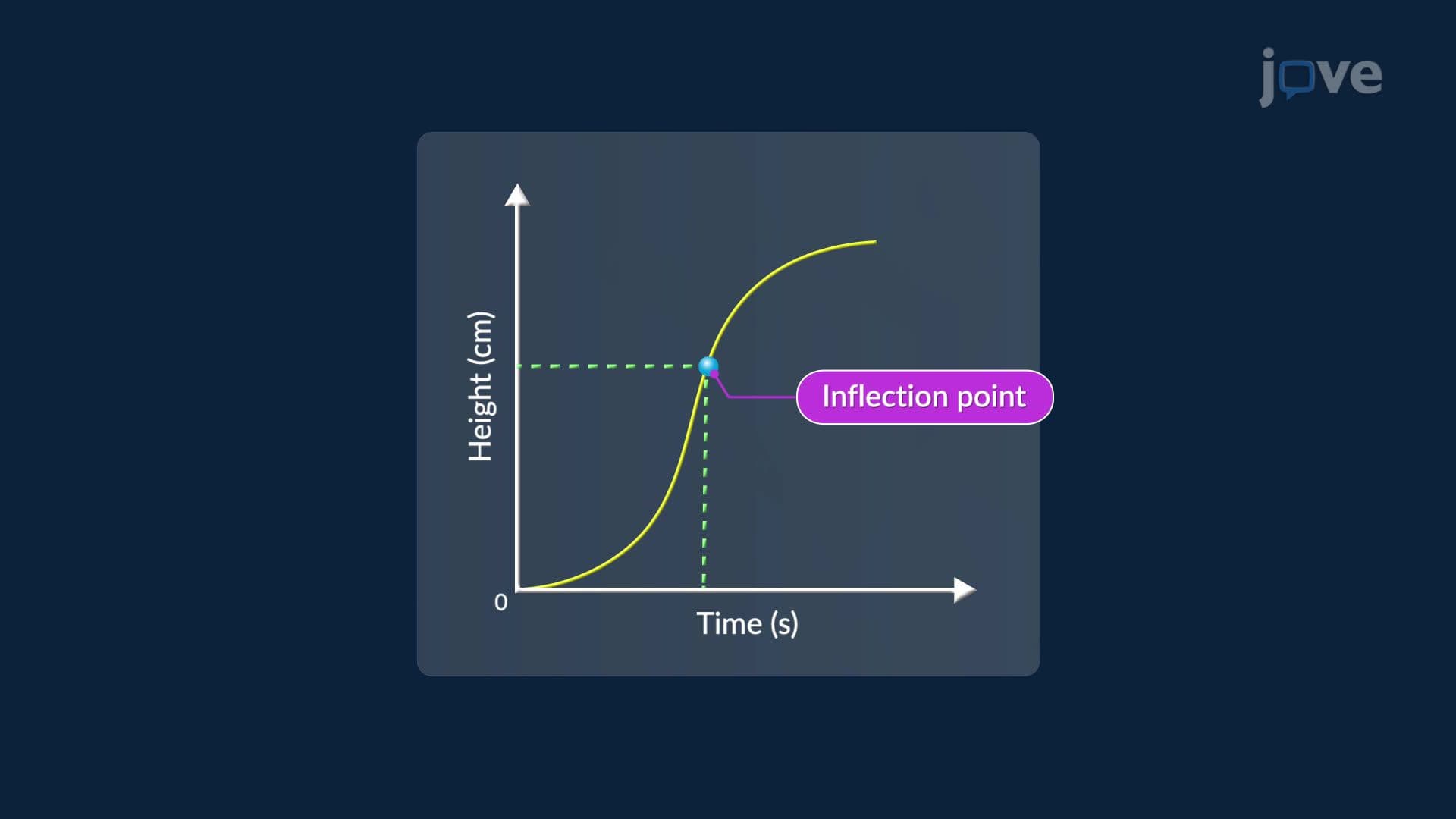
This process connects directly to curve sketching on the AP Calculus free-response section and is foundational to understanding concavity and inflection points studied alongside the second derivative.
Problem solving in first derivative test does not exist in isolation. It bridges naturally to several related ideas tested in US math courses:
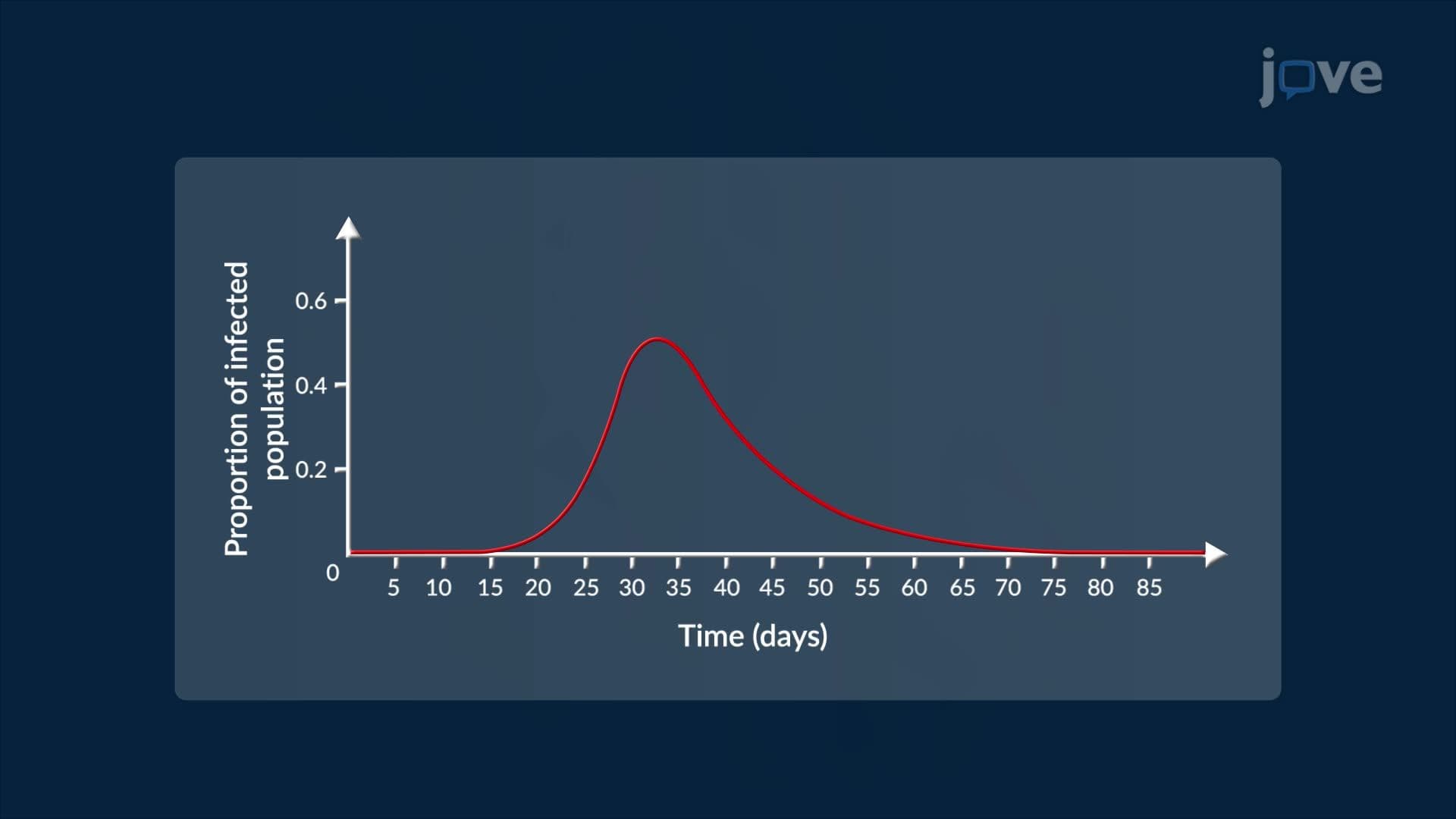
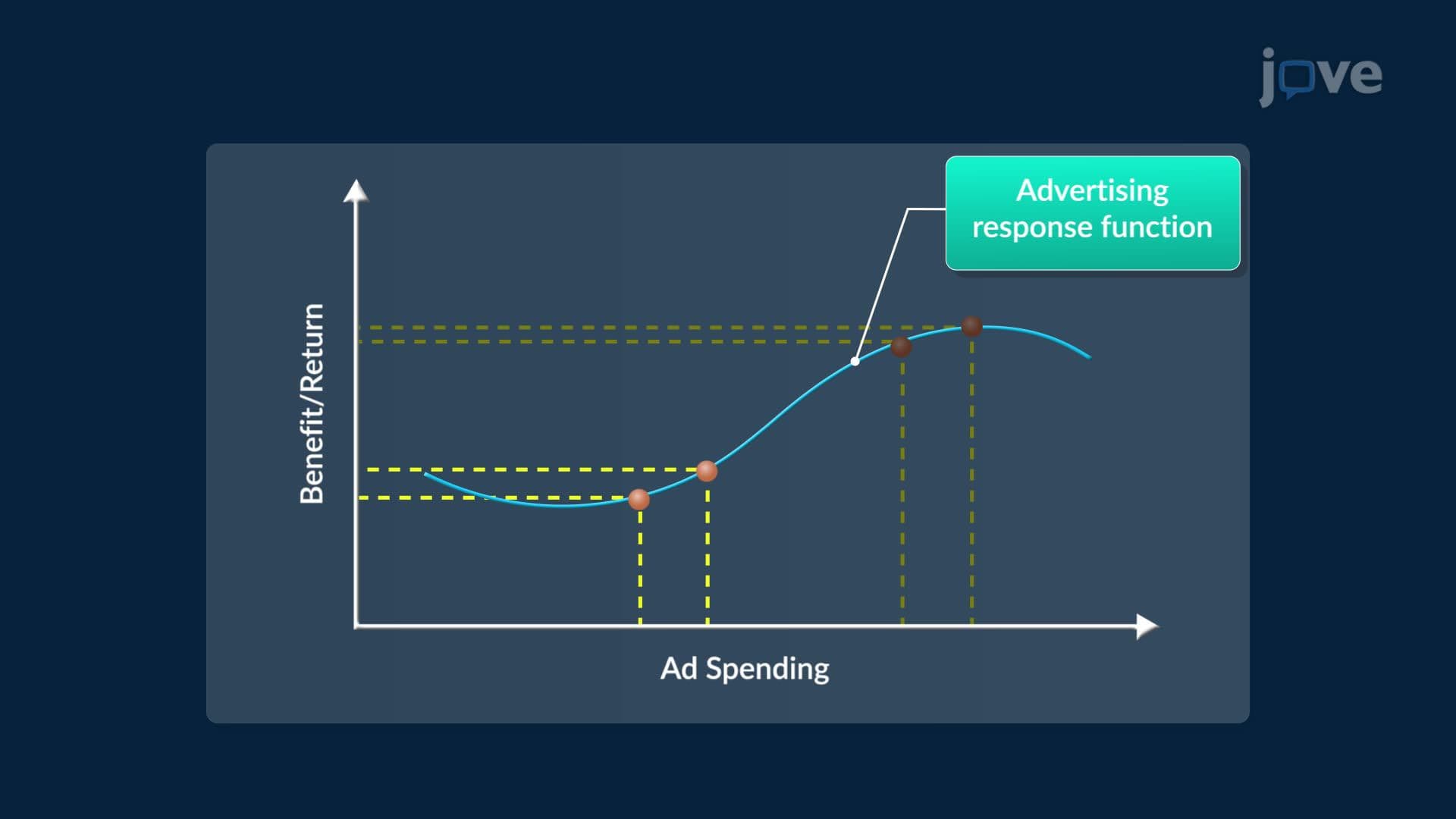
The first derivative test is not just an academic exercise. Financial analysts at firms like Goldman Sachs use derivative-based models to identify turning points in asset prices. Aerospace engineers at companies like Boeing apply optimization techniques rooted in the first derivative test to minimize drag on airframes. Even public health researchers model infection curves and use local extrema to determine when a disease outbreak peaks — a concept that became widely discussed during the COVID-19 pandemic in the United States. Mastering this test gives students a genuine analytical skill that transfers far beyond the exam room.
Frequently Asked Questions
Problem solving in first derivative test is the process of using the sign of a function's first derivative to locate and classify local maxima and minima. You find where the derivative equals zero, analyze sign changes across intervals, and substitute critical x-values into the original function to determine the extrema's actual values. It is one of the core techniques in introductory calculus for solving optimization problems. ---
At its core, the first derivative test basics include three skills: computing the derivative correctly, building a sign chart from critical points, and interpreting sign changes accurately. A positive-to-negative sign change confirms a local maximum; a negative-to-positive change confirms a local minimum. Students who master these three steps can handle the majority of extrema problems they encounter in AP Calculus or college Calculus I. ---
Yes — the first derivative test is a core topic in both AP Calculus AB and BC. It appears on multiple-choice questions requiring sign chart interpretation and on free-response questions involving optimization and curve sketching. College Board's AP Calculus curriculum explicitly lists identifying local extrema using the first derivative as a required learning objective, so expect at least one problem on every practice exam. ---
Most US college Calculus I courses — whether at community colleges or universities like the University of Texas or Penn State — include at least one optimization problem on midterms that requires the first derivative test. You will typically be given a function, asked to find all critical points, classify each as a local max or min, and state the corresponding function values. Knowing how to build a clean sign chart under time pressure is the key skill examiners look for. ---
The MCAT does not directly test calculus, but pre-med students encounter optimization logic in biochemistry kinetics and physics problems involving maximum velocity or minimum energy states. Understanding the conceptual framework of the first derivative test — how rates of change signal turning points — supports stronger reasoning on the Chemical and Physical Foundations section, even without explicit derivative calculations. ---
US financial analysts use local extrema identified through derivative-based models to detect market turning points — exactly the asset-price scenario that motivates this concept. Beyond finance, civil engineers working on projects like California's highway systems use optimization techniques to minimize construction material costs, and pharmacologists determine dosage timing by locating the peak plasma concentration of a drug using the same derivative sign-change logic. ---
Not at all — if you understand basic differentiation rules like the power rule, product rule, and how to factor algebraic expressions, you have everything you need. Most students encounter the first derivative test in their first semester of calculus or in AP Calculus AB, making it an accessible topic for motivated high school juniors and seniors. Comfort with algebra, especially factoring, will make the process significantly smoother. ---
Practice building sign charts by hand on at least ten varied functions before your exam — include polynomials, rational functions, and functions requiring the product rule. After each problem, check whether your classified extrema match a graphed version of the function using a graphing calculator or Desmos. This visual confirmation loop is one of the fastest ways to catch sign-chart errors and build genuine confidence before AP exam day or a college midterm. ---
Once you are comfortable with the first derivative test, the natural next step is the second derivative test and concavity analysis, which let you classify extrema without building a full sign chart in some cases. From there, explore absolute extrema on closed intervals and formal optimization word problems — both heavily tested on AP Calculus free-response sections and essential for college STEM coursework in physics, economics, and engineering.
Area Problem explores a complementary area of Calculus, while First Derivative Test: Problem Solving focuses on the specific concept covered in this video. Understanding both helps you build a stronger foundation in Calculus.
A basic understanding of First Derivatives and the Shape of a Graph is helpful before diving into First Derivative Test: Problem Solving. If you are starting from scratch, the Applications of Differentiation series builds knowledge progressively, so beginning from the first video requires no prior background in Calculus.
The ideas in First Derivative Test: Problem Solving show up in everyday Calculus contexts, often alongside concepts like Area Between Curves: Integrating With Respect to x. This video connects the theory to practical situations you may encounter in coursework or exams.
After First Derivative Test: Problem Solving, the natural next step is Second Derivatives and the Shape of a Graph in the Applications of Differentiation series. Following the playlist in order helps concepts build on each other without gaps.
The First Derivative Test: Problem Solving video runs for 1 minute, so you can cover the core concept in a single focused study session without needing a long block of time.
Related Micro-courses


Related Subjects