Loading…
Loading video…

5,730 views

How long can a rod be moved around a corner without getting stuck? Optimization problems tackle exactly these kinds of real-world puzzles using calculus. In this example, a rod navigating a right-angle turn between two hallways becomes a classic maximum-minimum challenge — the same type appearing in US college calculus courses and AP exams nationwide. Watch the full video on JoVE Coach to master this concept with expert-led visuals and step-by-step explanations.
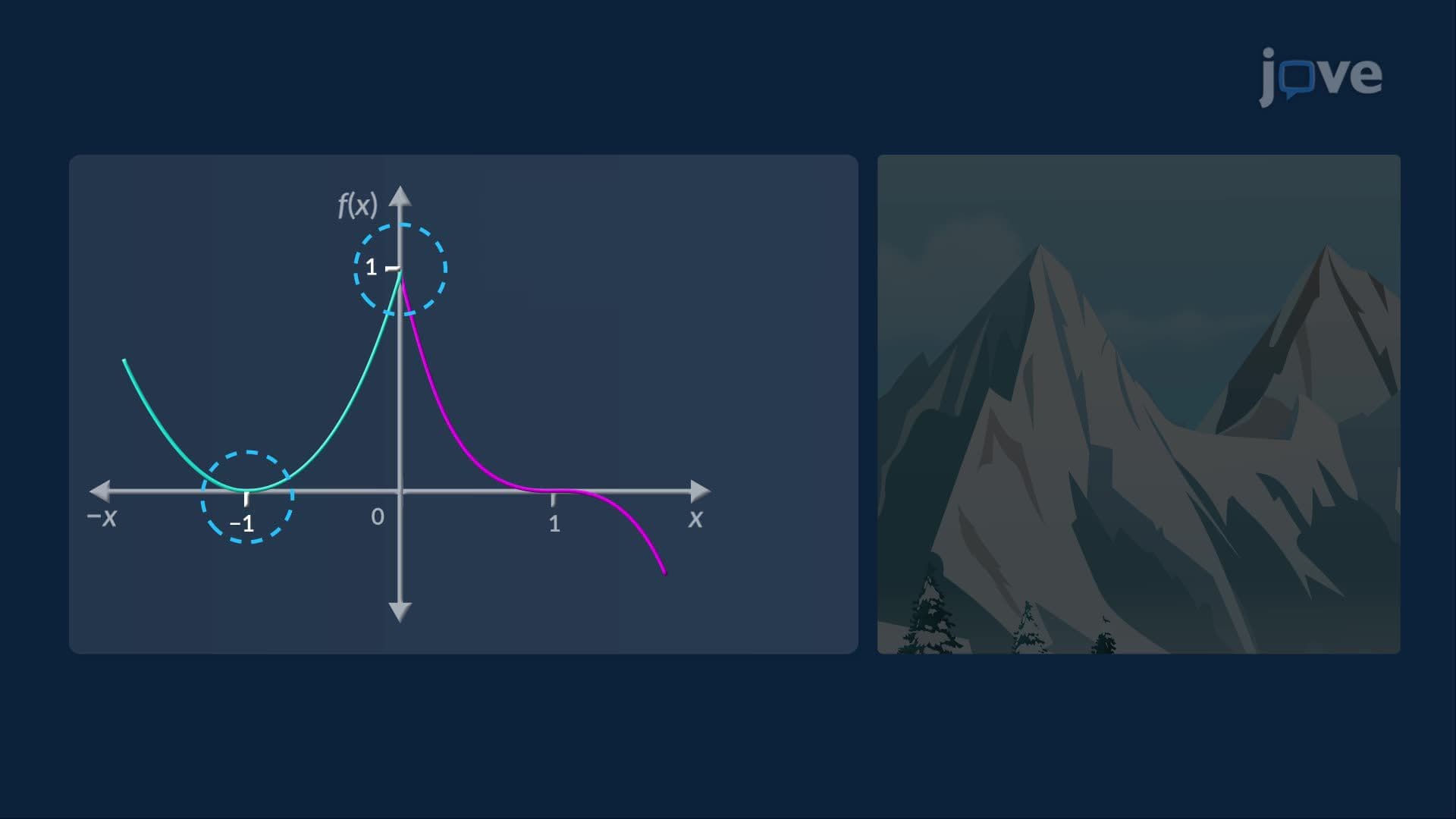
Optimization problems are among the most powerful and practical applications of differential calculus. At their core, they ask a simple question: what is the best possible outcome? "Best" might mean the largest area, the shortest distance, the lowest cost, or — as in the hallway rod example — the longest object that can physically navigate a tight space. These problems appear throughout AP Calculus AB and BC curricula, college-level Calculus I and II courses, and even standardized exams like the SAT Subject Tests and MCAT quantitative reasoning sections.
Every optimization problem has two essential ingredients: an objective function — the quantity you want to maximize or minimize — and constraints — the real-world limitations that shape the problem. In the hallway example, the objective function is the total length of the rod, expressed as a function of the angle it makes with the inner corner. The constraints are the fixed widths of the two hallways (3 meters and 2 meters). Translating a word problem into these two components is the critical first step students struggle with most. Practicing this translation skill — especially with geometry-based diagrams — dramatically improves performance on AP free-response questions.
Once the objective function is established, calculus takes over. To find the absolute maximum or minimum of a function, you differentiate it and set the derivative equal to zero. This locates critical points, where the function's slope momentarily flattens. In the moving rod problem, this step is counterintuitive: you actually minimize the length of the clearance line — not maximize it — because the shortest available clearance is what limits the rod's movement. This kind of strategic thinking separates strong calculus students from those who apply procedures mechanically. The derivative equation involves secant and cosecant terms, which simplify elegantly into a tangent-cubed expression when rearranged — a clean example of how trigonometric identities support calculus problem-solving.
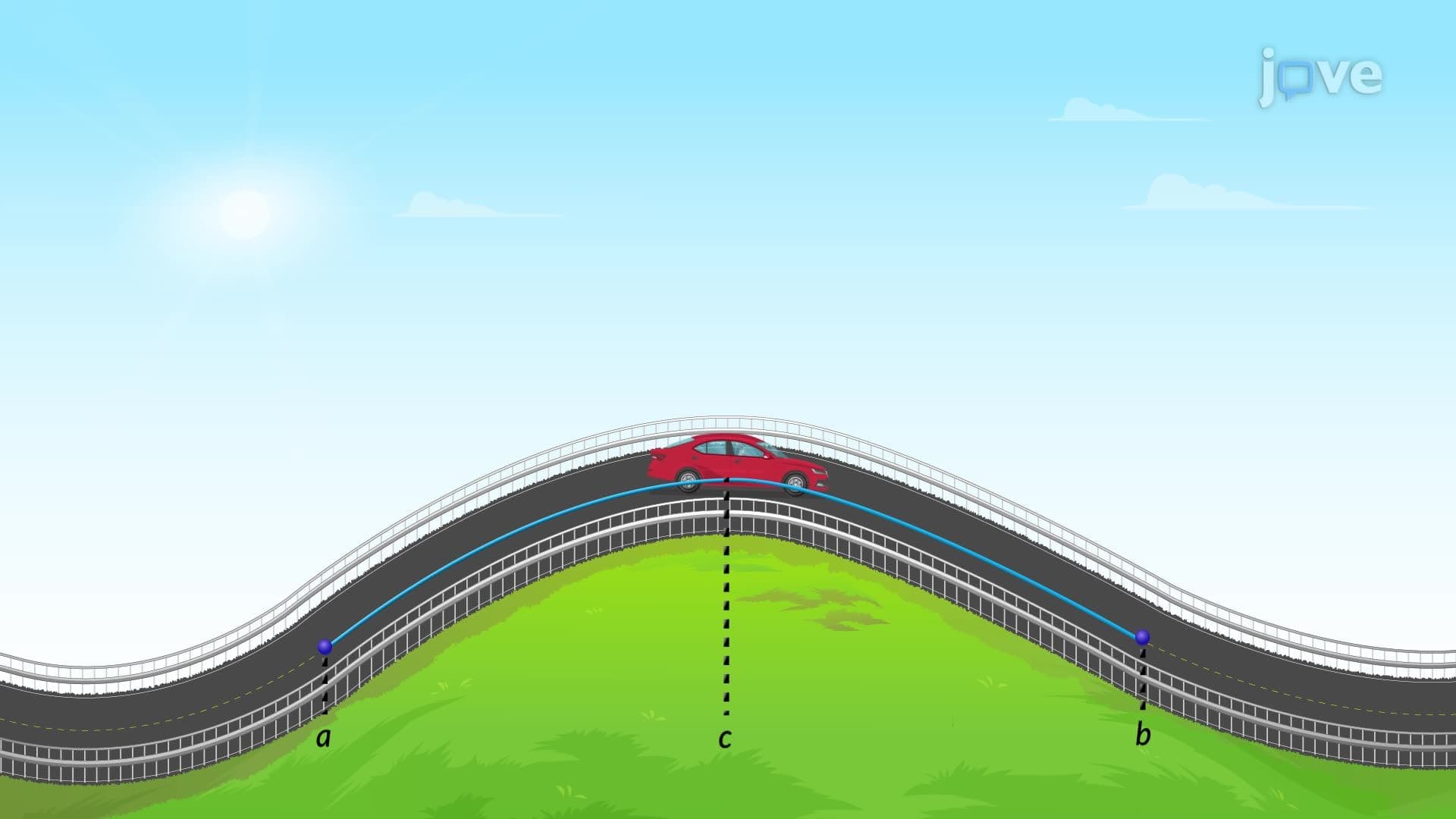
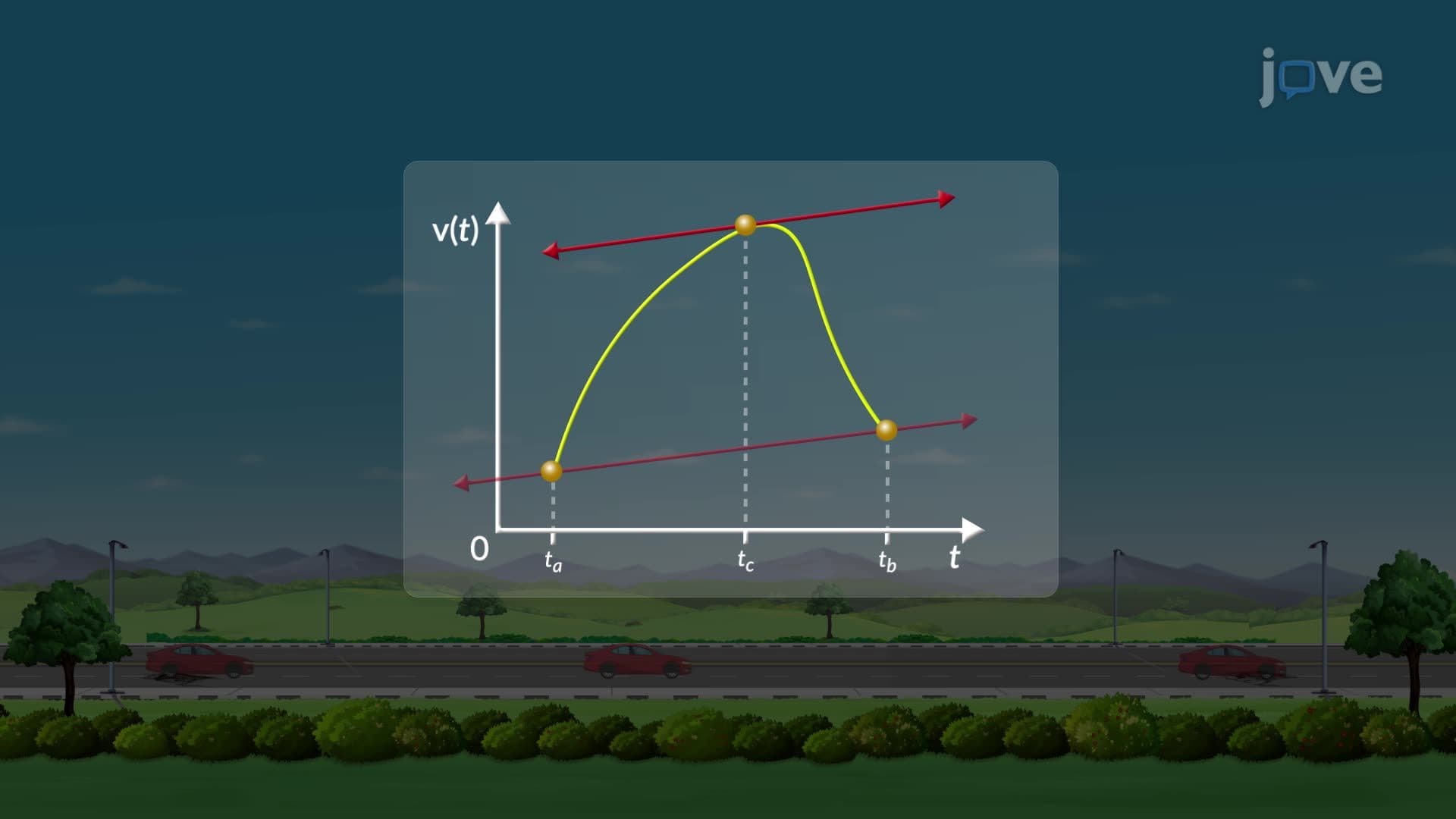
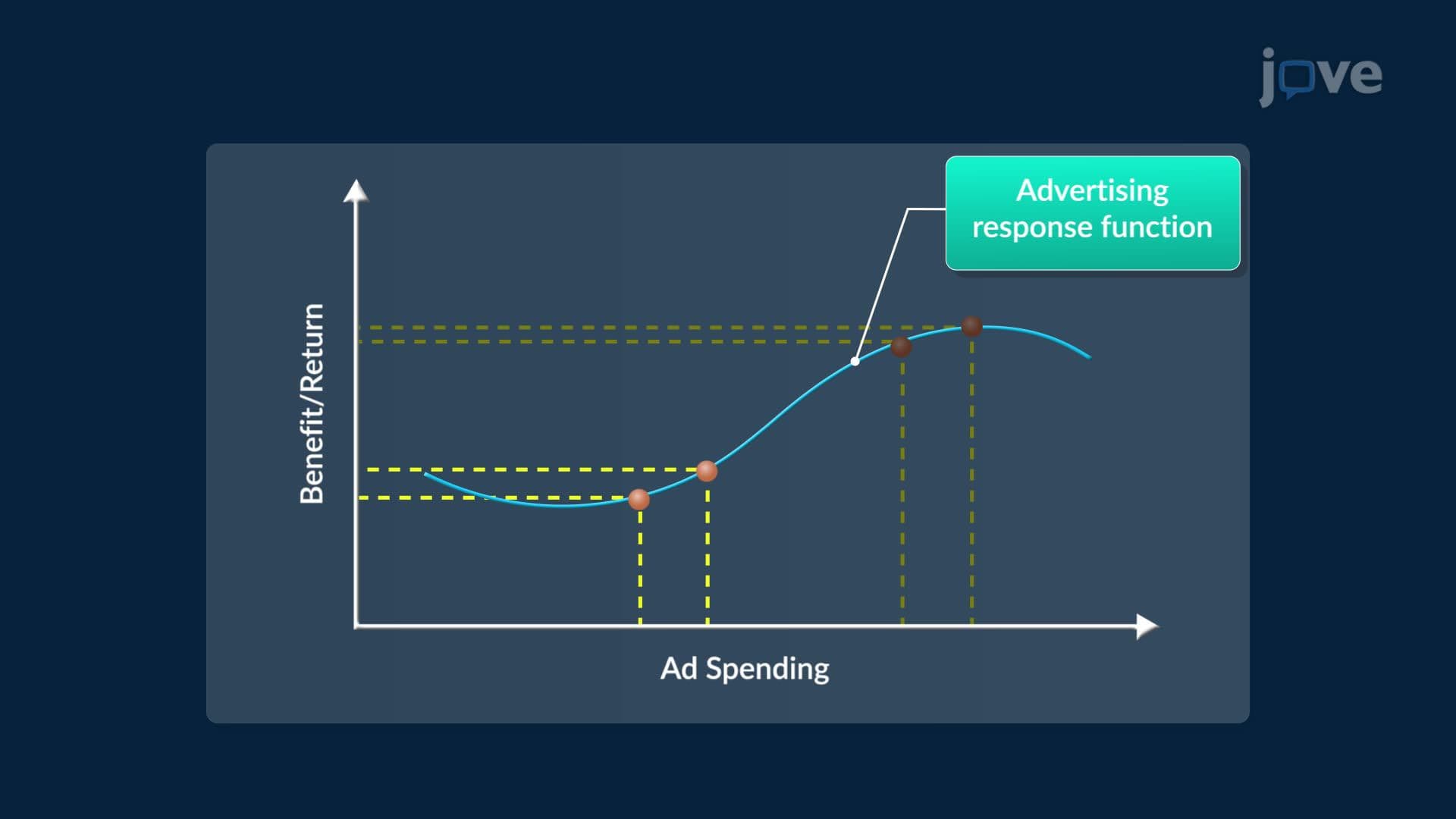
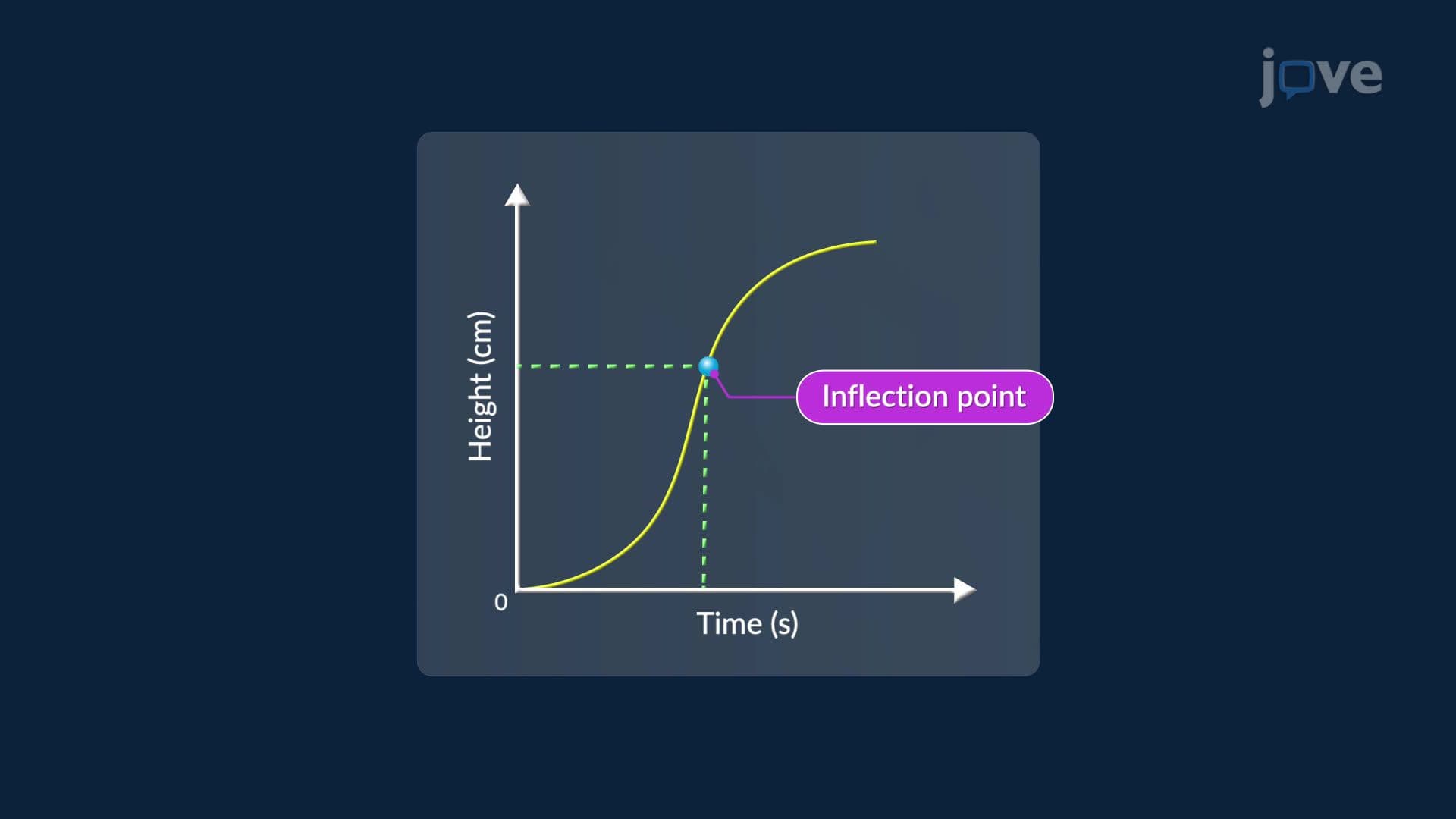
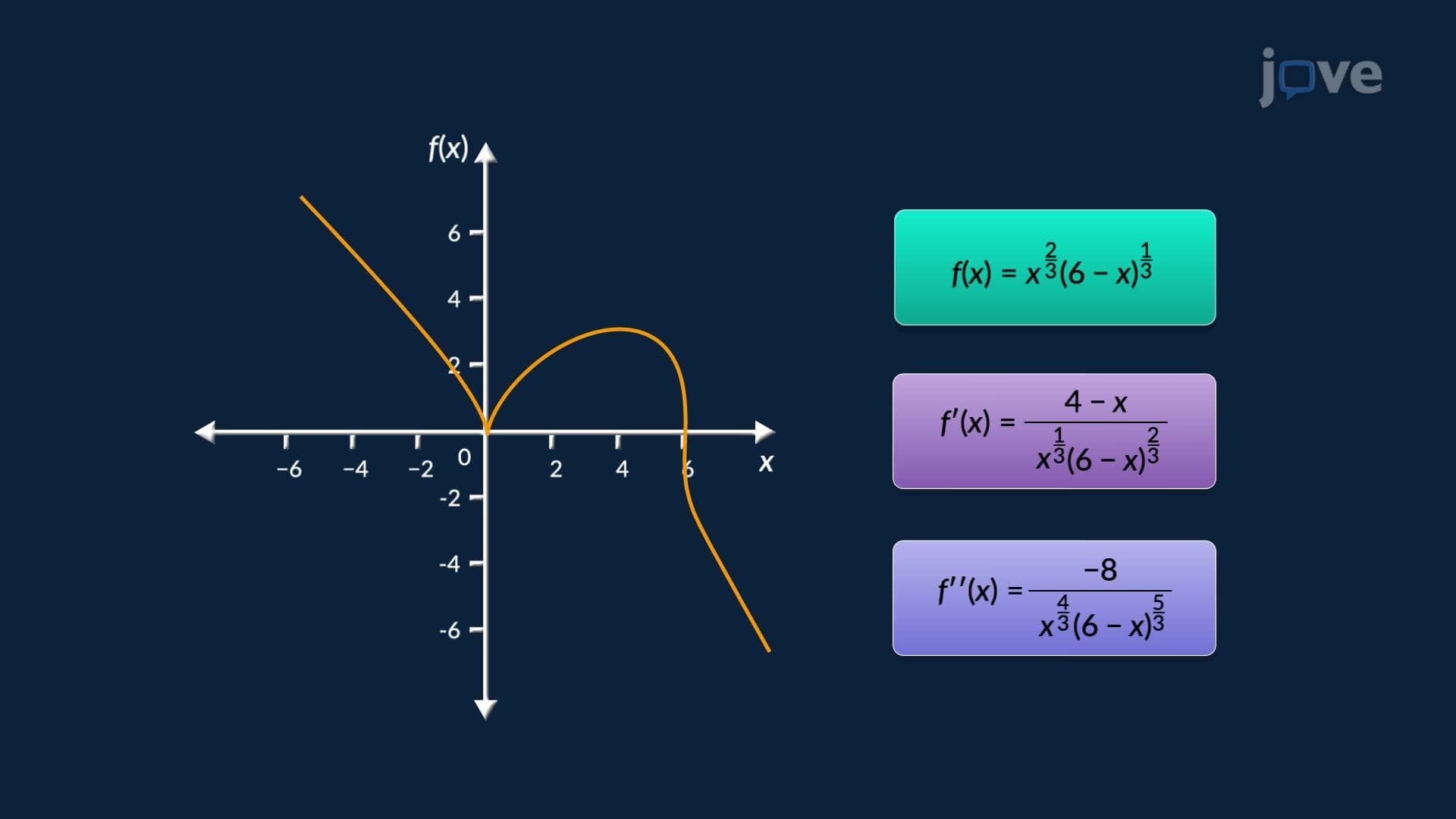
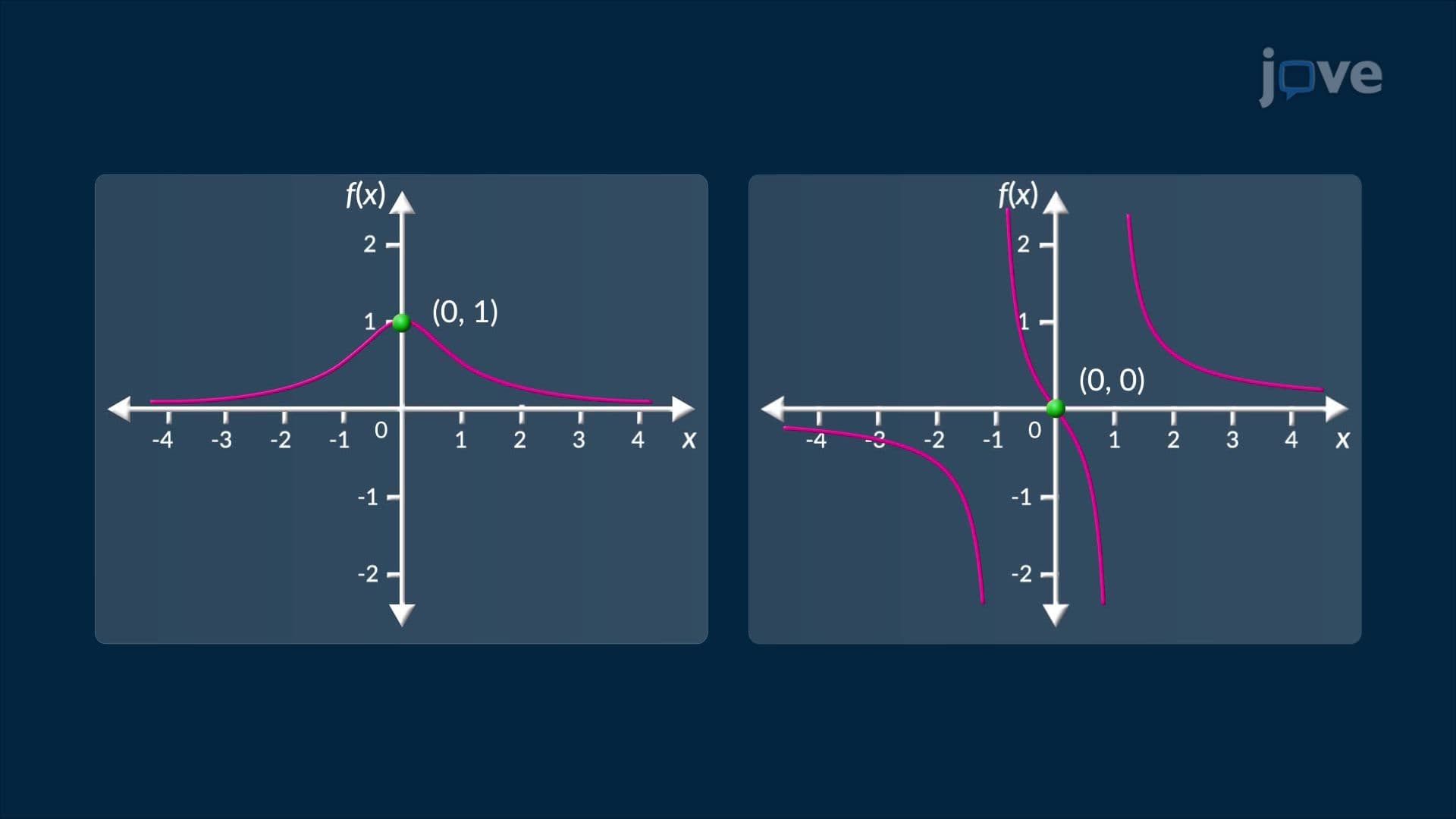
Optimization problems do not exist in isolation. They draw on curve sketching (to visualize where maxima and minima occur), concavity and inflection points (to confirm whether a critical point is truly a max or min), and the Mean Value Theorem (which guarantees that a derivative of zero exists somewhere on a smooth, continuous function). In a US college calculus course — whether at a large state university or a community college — these topics are typically taught together in a unified unit on applications of derivatives. Understanding how they interconnect makes each individual topic easier to master and remember.
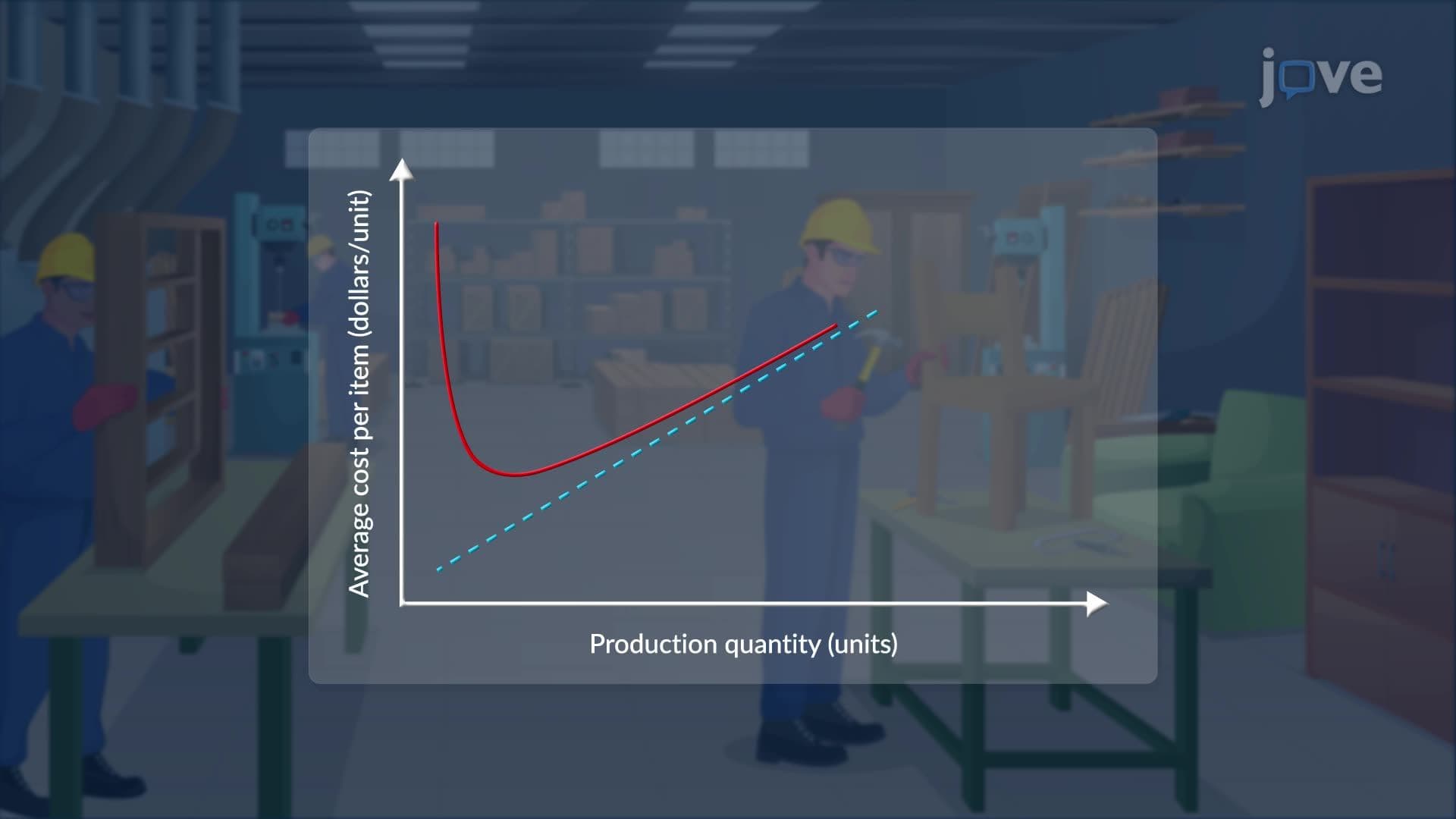
Optimization problems appear everywhere in professional and everyday contexts across the United States. Civil engineers minimize material costs when designing bridges and buildings. Economists maximize profit functions given budget constraints. Logistics companies like UPS and FedEx use optimization algorithms to minimize fuel consumption and delivery time. Even a homeowner fencing a backyard with limited materials is solving a basic optimization problem. Recognizing these real-world parallels helps students stay motivated and builds the intuition needed to set up novel problems correctly — a skill directly assessed in AP Calculus exam free-response sections and college midterms alike.
Frequently Asked Questions
Optimization problems use calculus to find the maximum or minimum value of a function within a given set of constraints. They require setting up an objective function, applying differentiation to find critical points, and interpreting results in real-world context. These problems are a cornerstone of AP Calculus AB and BC and appear in virtually every introductory college calculus course in the US. ---
An optimization problem asks: what is the best possible value of something, given certain limitations? For example, "what is the largest rectangular garden you can fence with 100 feet of fencing?" is a classic optimization problem. The "best" value could be the largest, smallest, cheapest, fastest, or most efficient — depending on the scenario. ---
Optimization problems are a high-frequency topic on both AP Calculus AB and AP Calculus BC exams, often appearing in the free-response section. Students are expected to define variables, write and differentiate the objective function, justify whether a critical point is a maximum or minimum, and interpret the answer in context. Practicing past College Board free-response questions is one of the most effective preparation strategies. ---
Yes — optimization is typically covered in the applications-of-derivatives unit of Calculus I, and it appears on nearly every college midterm and final exam in the US. Professors often include both straightforward and multi-step problems. Students who master setting up the objective function and applying the first or second derivative test consistently earn full credit on these questions. ---
While the MCAT does not test calculus directly, the analytical reasoning and constraint-based thinking practiced through optimization problems strengthens the quantitative reasoning and data interpretation skills assessed in the MCAT's Chemical and Physical Foundations section. Pre-med students who study calculus-based optimization often find complex MCAT graph and rate problems more approachable. ---
Optimization problems have direct applications across many US industries. Aerospace engineers at companies like Boeing use optimization to minimize aircraft weight while maximizing fuel efficiency. Retailers like Amazon optimize warehouse layouts to reduce order fulfillment time. Even GPS navigation apps solve real-time optimization problems to find the shortest or fastest route for millions of US drivers daily. ---
A solid grasp of algebra and basic differentiation is sufficient to get started with optimization problems. If you can evaluate a derivative and set it equal to zero, you already have the core tool. More complex problems introduce trigonometry or multi-variable functions, but most introductory optimization problems at the high school and early college level are very approachable with focused practice. ---
Start by mastering the setup: always define your variables, write the objective function, and note your constraints before touching derivatives. Then practice a variety of problem types — area, volume, distance, and cost problems — so the setup process becomes automatic. Reviewing AP Calculus free-response rubrics from the College Board website is especially helpful, as they reveal exactly what steps graders expect to see. ---
After optimization, the natural next steps are related rates (where quantities change with respect to time), curve sketching using derivatives, and eventually multivariable optimization in Calculus III. These topics build directly on the derivative skills used in optimization and appear together in most US university calculus sequences. Understanding how they connect turns separate topics into a unified, powerful analytical toolkit.
Area Problem explores a complementary area of Calculus, while Optimization Problems focuses on the specific concept covered in this video. Understanding both helps you build a stronger foundation in Calculus.
A basic understanding of Slant Asymptotes is helpful before diving into Optimization Problems. If you are starting from scratch, the Applications of Differentiation series builds knowledge progressively, so beginning from the first video requires no prior background in Calculus.
The ideas in Optimization Problems show up in everyday Calculus contexts, often alongside concepts like Area Between Curves: Integrating With Respect to x. This video connects the theory to practical situations you may encounter in coursework or exams.
After Optimization Problems, the natural next step is Application of Differentiation to Business in the Applications of Differentiation series. Following the playlist in order helps concepts build on each other without gaps.
The Optimization Problems video runs for 1 minute, so you can cover the core concept in a single focused study session without needing a long block of time.
Related Micro-courses


Related Subjects