Loading…
Loading video…
5,730 views
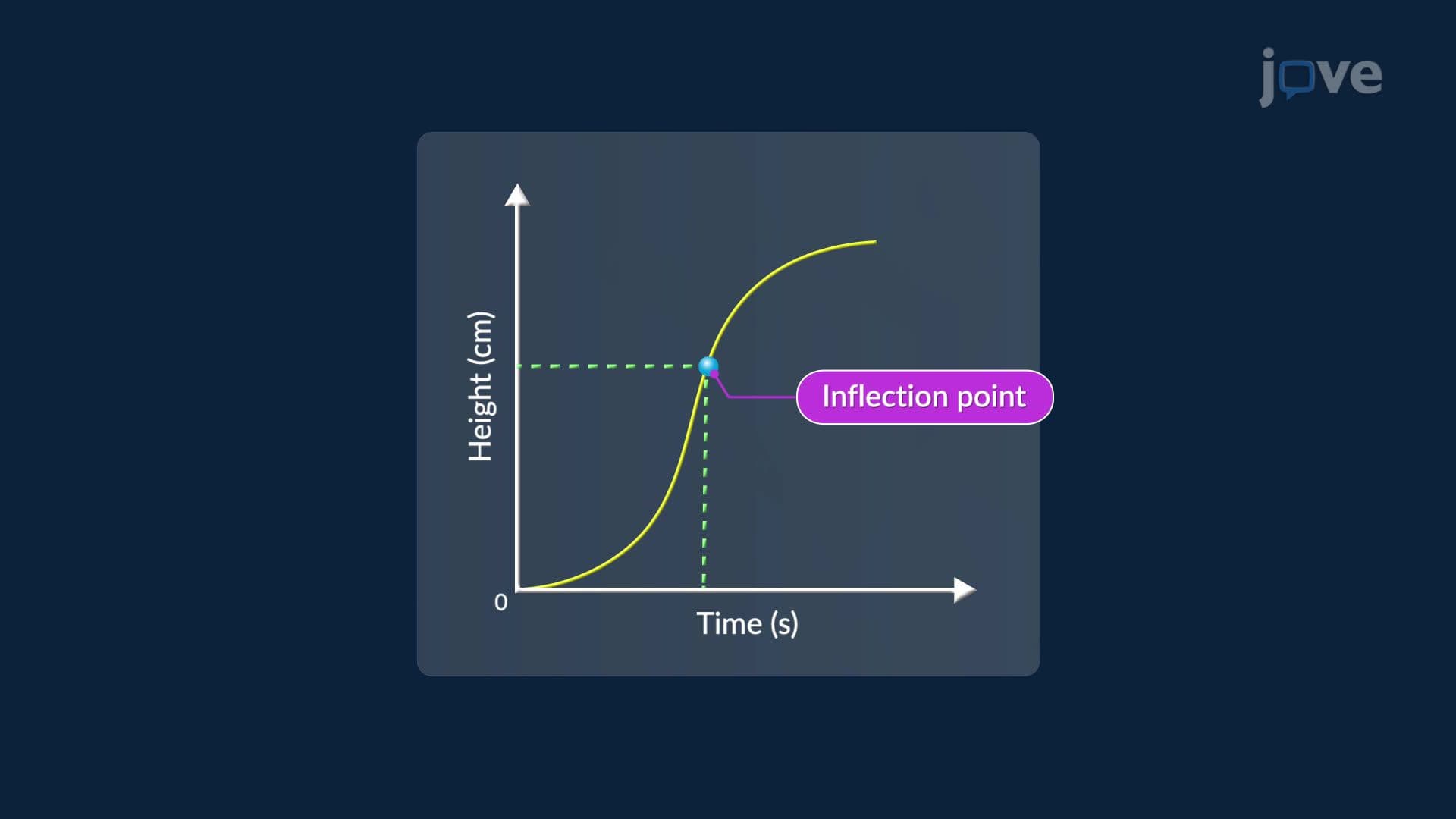
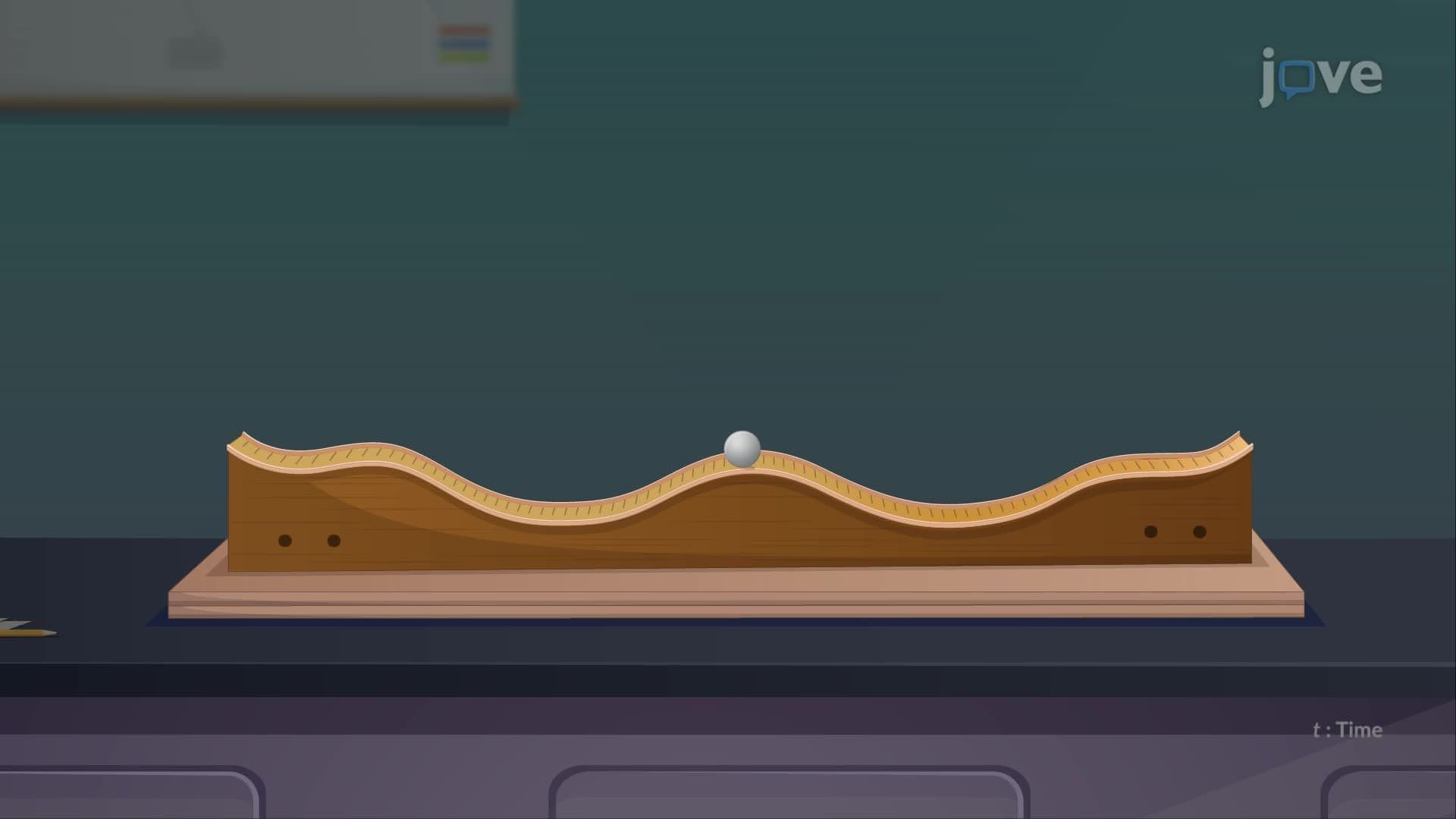
Did you know a coffee mug can teach you calculus? Problem Solving in Second Derivative Test becomes intuitive when you analyze how liquid rises in a mug with a curved shape — wider at top and bottom, narrow in the middle. The second derivative reveals whether the rise accelerates or decelerates, pinpointing inflection points where concavity shifts. Watch the full video on JoVE Coach to master this concept with expert-led visuals and step-by-step explanations.
The second derivative test is one of the most powerful tools in calculus — not just for passing exams, but for understanding how real systems behave. Whether you are analyzing the path of a roller coaster at Six Flags, modeling population growth for a biology course, or solving optimization problems on the AP Calculus AB exam, the second derivative gives you critical information about how a function is changing. Mastering problem solving in second derivative test basics means learning to read that information fluently.
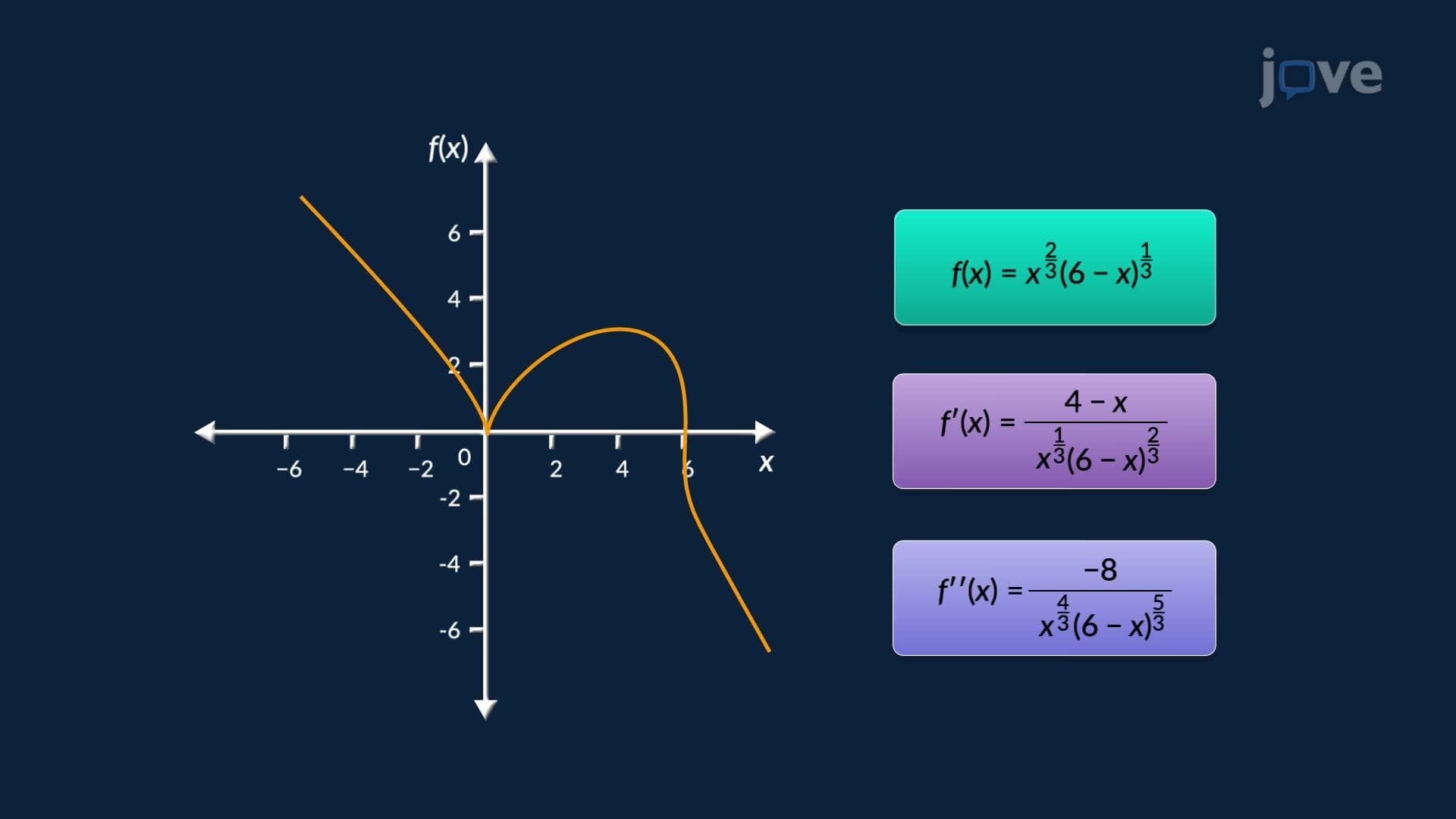
Most students know the first derivative tells you slope — whether a function is increasing or decreasing. The second derivative goes one level deeper: it measures how the slope itself is changing. In mathematical terms, if f''(x) > 0, the slope is increasing, which means the curve bends upward (concave up). If f''(x) < 0, the slope is decreasing, and the curve bends downward (concave down). Think of it like driving: the first derivative is your speed, and the second derivative is your acceleration. A positive second derivative means you are speeding up; a negative one means you are slowing down.
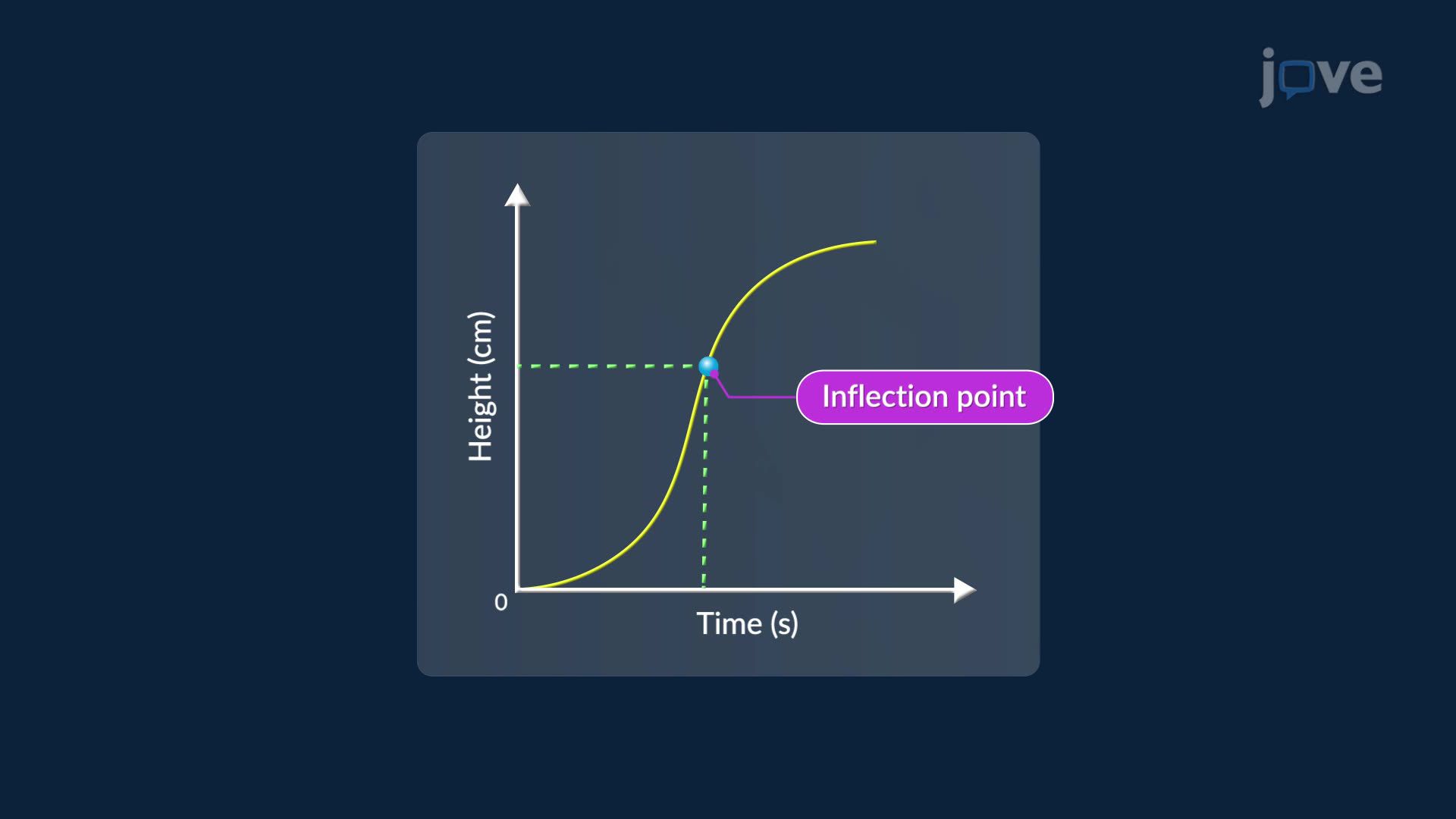
An inflection point occurs where the second derivative equals zero AND changes sign. This is not just a mathematical technicality — it marks a meaningful transition in the real world. In the classic mug example, the inflection point sits at the narrowest part of the mug, where the cross-sectional area is smallest. Below that point, the liquid level rises with increasing speed (concave up). Above it, the liquid level continues to rise but with decreasing speed (concave down). The second derivative transitions from positive to negative, passing through zero exactly at the inflection point. Students frequently confuse f''(x) = 0 with an automatic inflection point — always verify the sign change.
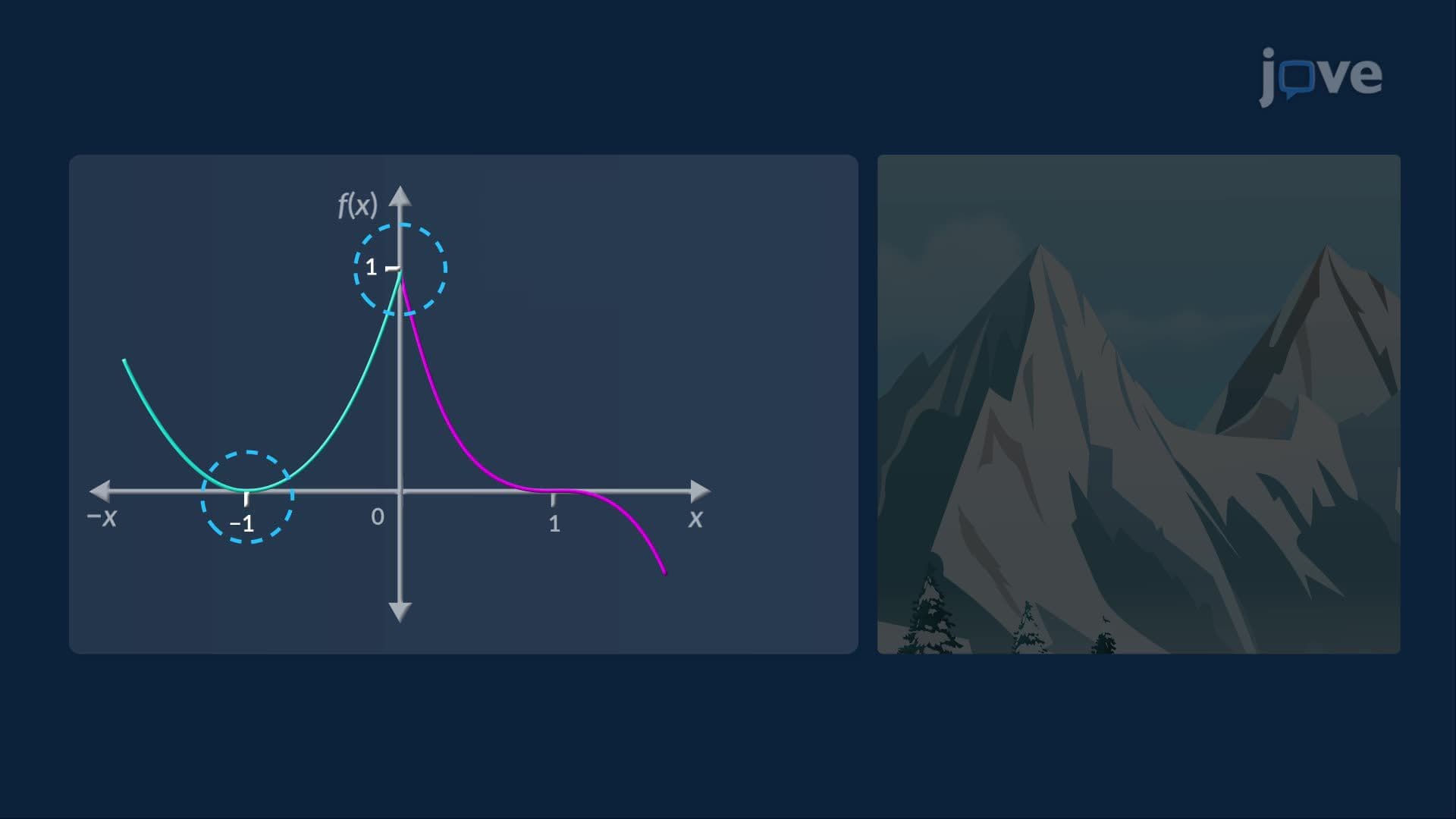
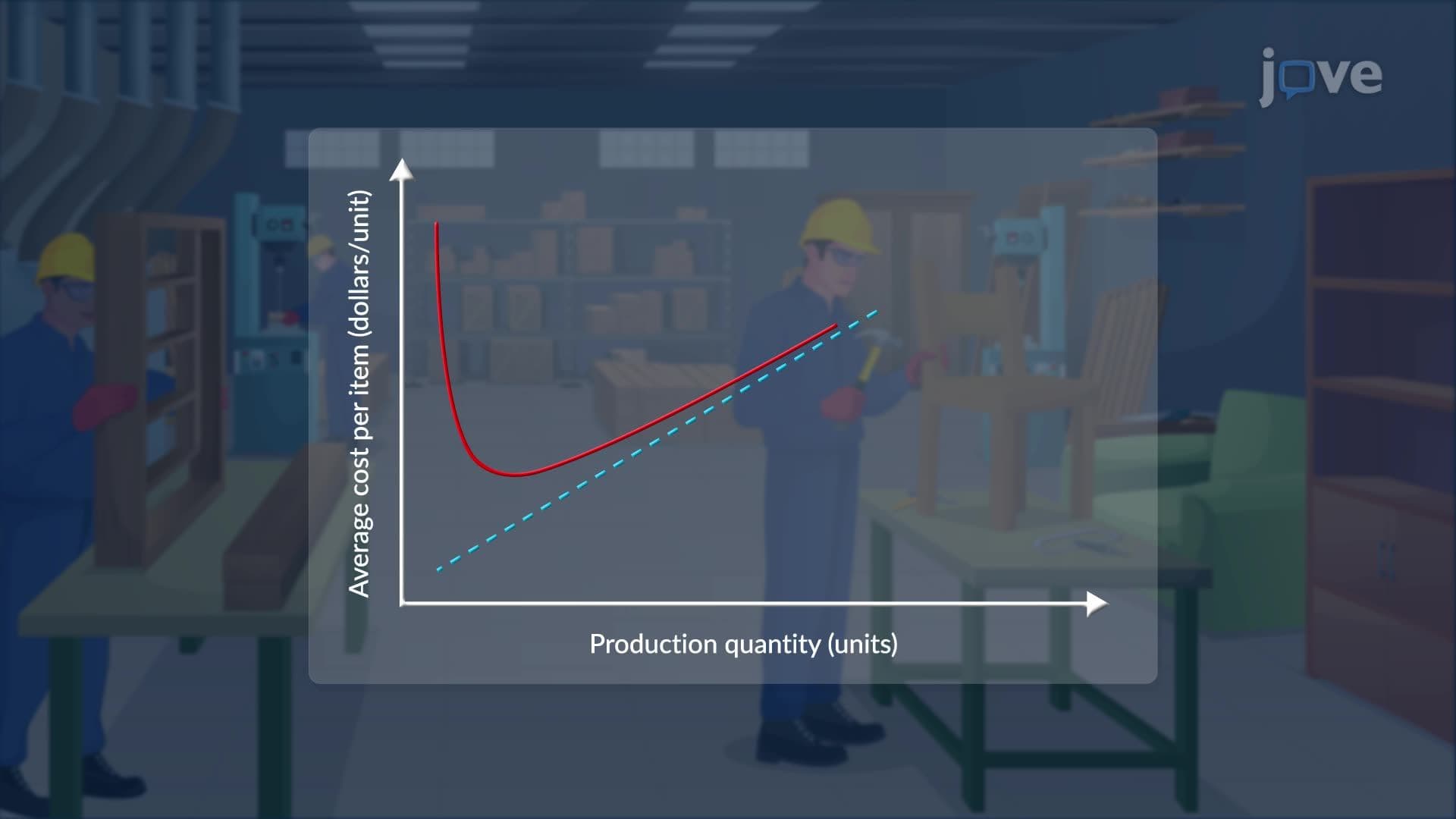
The second derivative test shines brightest when combined with optimization problems. Once you locate a critical point where f'(x) = 0, the second derivative tells you what type of critical point it is. If f''(x) > 0 at that point, it is a local minimum. If f''(x) < 0, it is a local maximum. If f''(x) = 0, the test is inconclusive and you must use other methods, such as the first derivative test. This application appears frequently on the AP Calculus BC free-response section, college midterms, and in engineering coursework where maximizing efficiency or minimizing cost is essential — for example, designing a fuel-efficient aircraft wing profile.
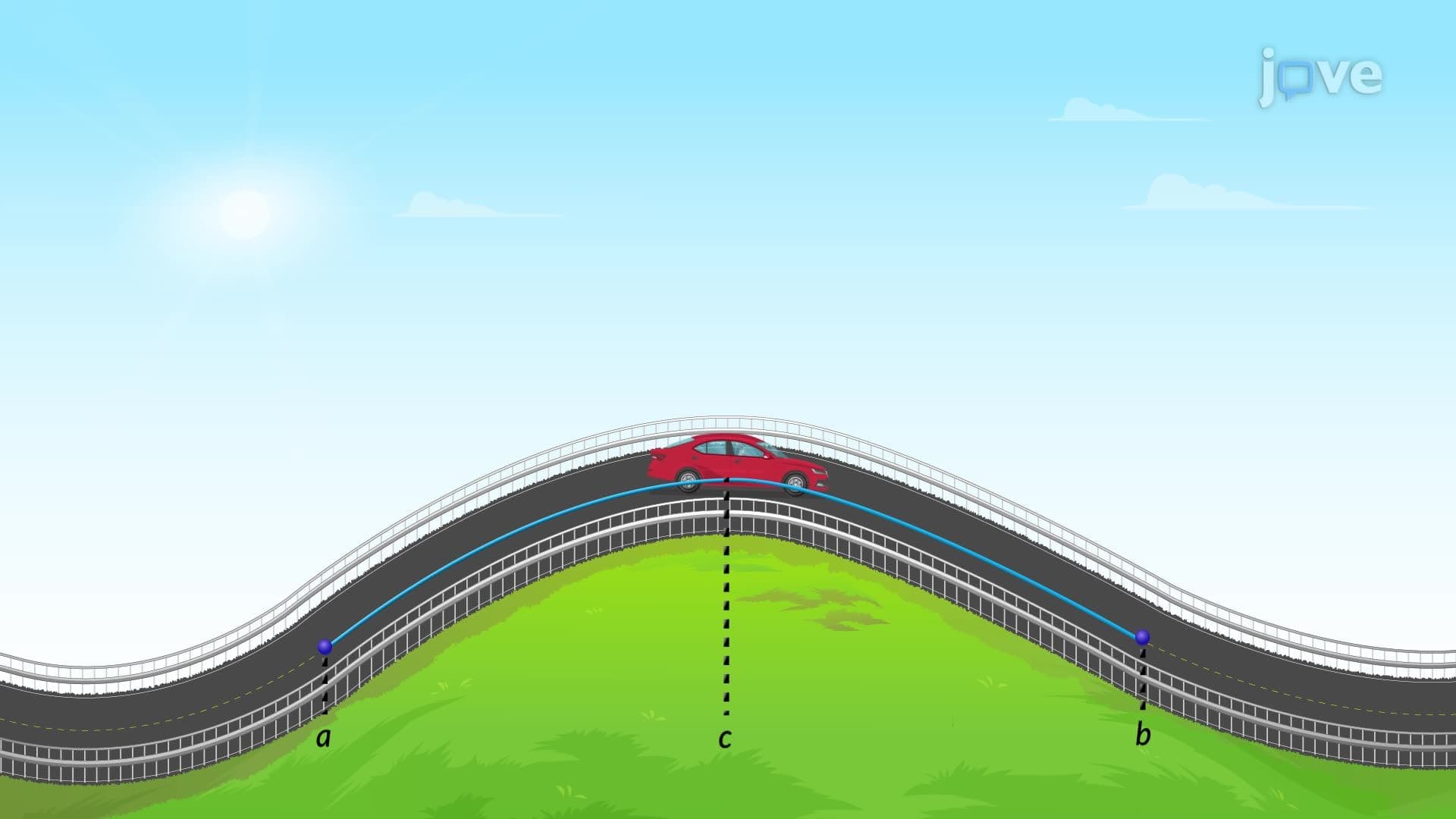
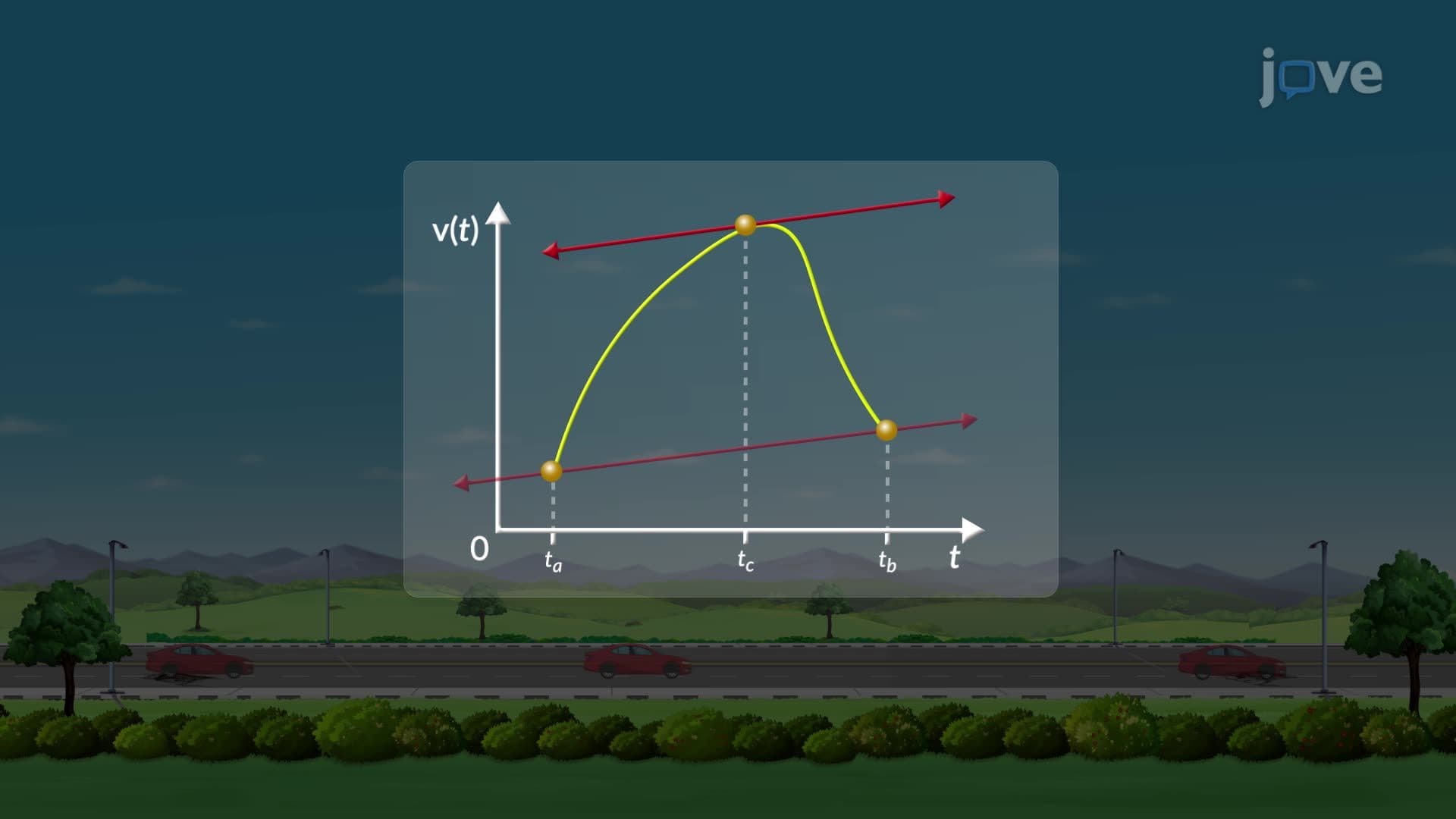
In AP Calculus and college courses across the United States, curve sketching tasks require students to synthesize information from both the first and second derivatives. You must identify intervals of increase or decrease, locate maximum and minimum values, determine concavity, and mark inflection points — all in one coherent analysis. Related rates problems, another core topic, sometimes involve the second derivative when the question asks not just how fast something changes, but whether that change is accelerating or slowing. The Mean Value Theorem also provides foundational logic here: it guarantees that the instantaneous rate of change matches the average rate somewhere on an interval, connecting smoothly to how the second derivative behaves across that same region. Practicing structured problem solving in second derivative test scenarios — especially with physical, visual models — dramatically improves both conceptual understanding and exam performance.
Frequently Asked Questions
Problem solving in second derivative test refers to using the second derivative of a function to determine concavity, locate inflection points, and classify critical points as local maxima or minima. It is a structured analytical method that goes beyond finding where a derivative equals zero — it explains the shape and behavior of the entire curve. This technique is foundational in AP Calculus, college-level analysis, and any field that involves optimization. ---
A critical point occurs where the first derivative equals zero or is undefined, signaling a potential maximum or minimum. An inflection point occurs where the second derivative changes sign, marking a shift in concavity — not necessarily a peak or valley. A function can have an inflection point without a critical point at the same location, and students who confuse the two often lose points on AP Calculus free-response questions. ---
The AP Calculus AB and BC exams regularly test the second derivative in both multiple-choice and free-response sections, covering concavity, inflection points, and the classification of critical points. You may be given a graph, a table of values, or an equation and asked to determine where the function is concave up or down. Expect to justify your answers using sign analysis of f''(x), not just stating the result. ---
Yes — virtually every Calculus I or Calculus II course at US universities includes the second derivative test as a core topic on midterms and finals. Courses at schools following the standard Calculus curriculum (such as those using Stewart's or Thomas's textbooks) dedicate entire chapters to curve sketching and optimization, both of which rely heavily on second derivative analysis. Strong performance here also supports later topics like Taylor series and multivariable optimization. ---
The MCAT does not test calculus directly, but the conceptual reasoning behind rates of change, acceleration, and optimization is embedded in the Physical and Chemical Foundations section. Pre-med students who understand the second derivative as a measure of how a rate itself changes will find it easier to interpret graphs of biological processes — such as enzyme kinetics or drug concentration curves — that appear on the exam. ---
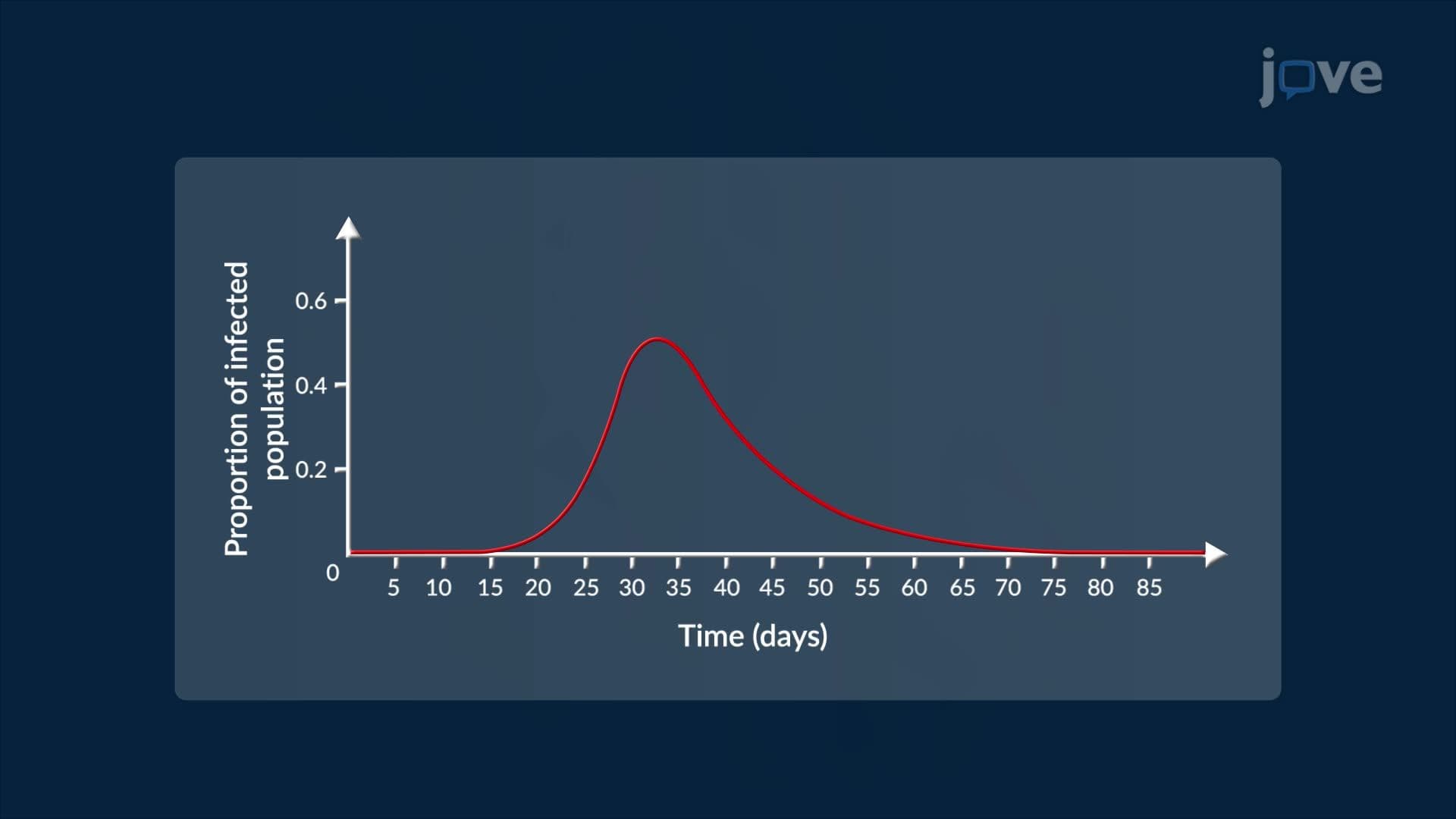
Engineers at companies like Boeing or SpaceX use second derivative analysis to optimize structural designs, minimizing material cost while maximizing load capacity. In finance, analysts at firms on Wall Street use the concept of convexity — essentially a second derivative measure — to assess bond price sensitivity to interest rate changes. Even public health departments use acceleration and deceleration of case counts (second derivative of infection data) to determine when a disease outbreak is peaking. ---
A solid understanding of basic differentiation rules — such as the power rule, product rule, and chain rule — is all you need to get started. If you are comfortable finding a first derivative, computing a second derivative is simply repeating that process once more. High school students in Pre-Calculus or early AP Calculus can fully grasp this concept with the right visual examples and guided practice. ---
Start by practicing sign charts for f''(x) across different intervals — this is the mechanical core of the test and must be automatic under exam conditions. Then move to interpreting graphs, since AP and college exams frequently show a graph of f' or f'' and ask you to draw conclusions about the original function f. Finally, solve three to five full optimization problems from end-of-chapter exercises, writing out each step explicitly to build both accuracy and confidence. ---
Once you are confident with the second derivative test, the natural next step is absolute extrema on closed intervals, which combines the second derivative test with boundary analysis using the Extreme Value Theorem. From there, related rates and applied optimization problems — including classic scenarios like maximizing the area of a garden or minimizing the cost of a storage container — will feel far more approachable and logically connected.
Area Problem explores a complementary area of Calculus, while Second Derivative Test: Problem Solving focuses on the specific concept covered in this video. Understanding both helps you build a stronger foundation in Calculus.
A basic understanding of Second Derivatives and the Shape of a Graph is helpful before diving into Second Derivative Test: Problem Solving. If you are starting from scratch, the Applications of Differentiation series builds knowledge progressively, so beginning from the first video requires no prior background in Calculus.
The ideas in Second Derivative Test: Problem Solving show up in everyday Calculus contexts, often alongside concepts like Area Between Curves: Integrating With Respect to x. This video connects the theory to practical situations you may encounter in coursework or exams.
After Second Derivative Test: Problem Solving, the natural next step is Curve Sketching and Derivatives in the Applications of Differentiation series. Following the playlist in order helps concepts build on each other without gaps.
The Second Derivative Test: Problem Solving video runs for 1 minute, so you can cover the core concept in a single focused study session without needing a long block of time.
Related Micro-courses


Related Subjects