Loading subject page…

- Cell Biology
- Biochemistry of the Cell
- What are Lipids?
Micro-course: Biochemistry of the Cell
181,211 views
Learn key concepts and earn your certificate.


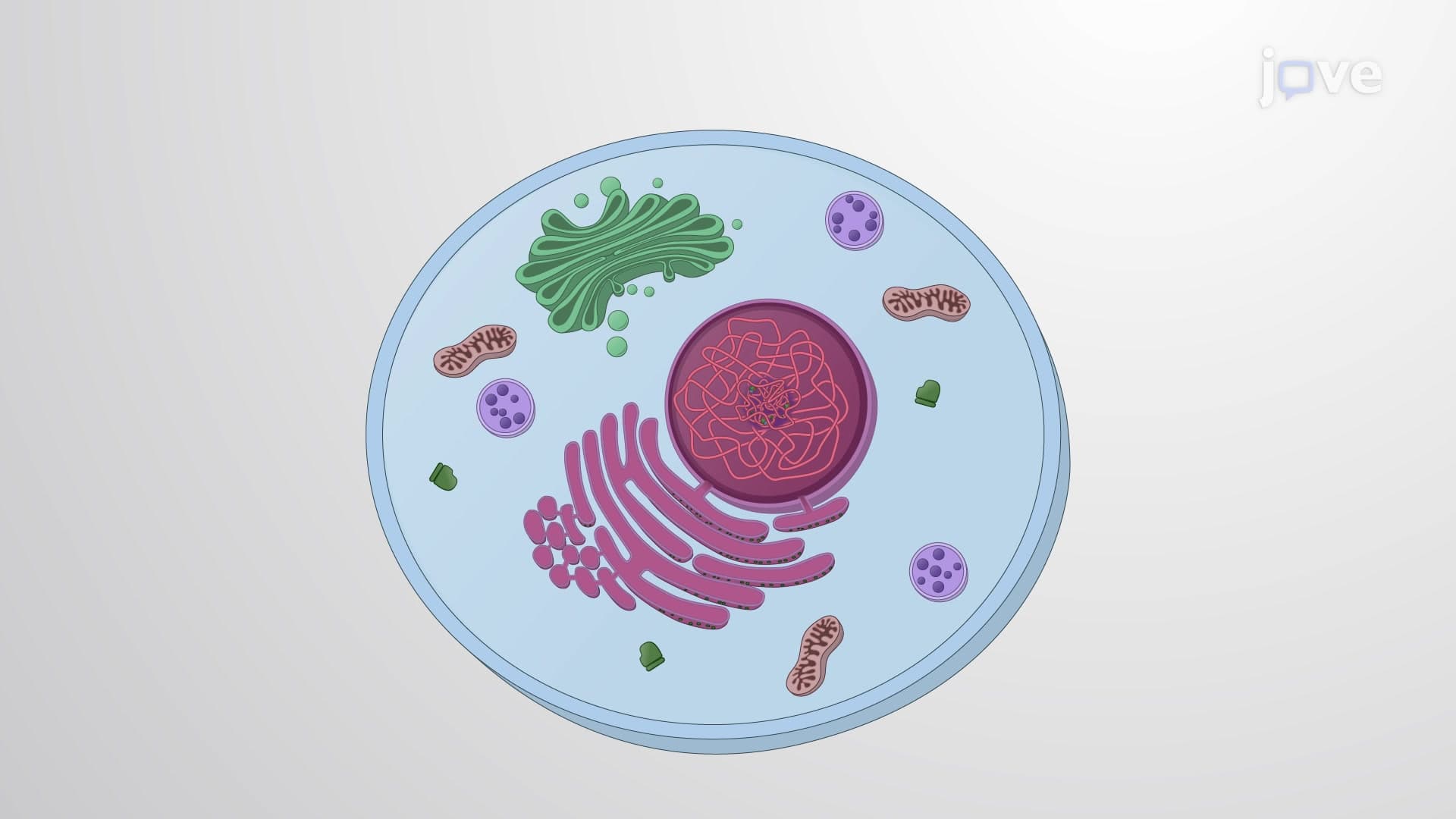
What are Lipids?

00:00
01:31
Video Summary: What are Lipids Structure Types and Biological Functions
Ever wonder why oil and water don't mix, or how your cell phone screen protects delicate electronics underneath? The answer lies in understanding lipids structure classification functions, the fundamental biochemical principles behind water-resistant barriers. From the cholesterol in McDonald's french fries to the phospholipids forming protective membranes around every cell in your body, What Are Lipids? Structure, Classification, and Functions reveals the molecular architecture that keeps life organized and energy stored. Watch the full video on JoVE Coach to master this concept with expert-led visuals and step-by-step explanations.
- Understand the fundamental concept of What Are Lipids? Structure, Classification, and Functions, including their hydrophobic properties and biological significance
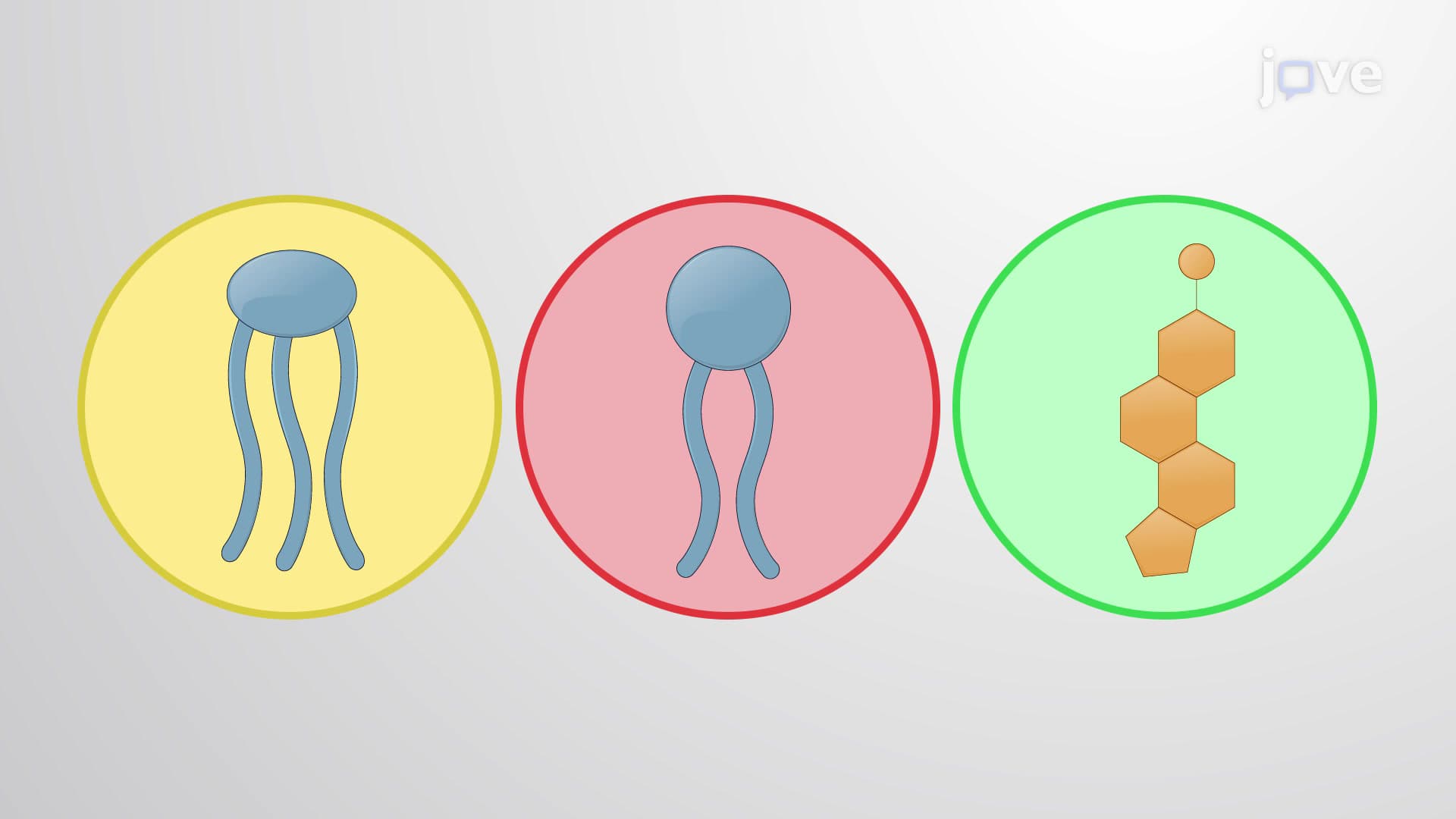
- Identify the three major categories of lipids: triglycerides (fats), phospholipids, and steroids, along with their distinct structural features
- Analyze the difference between saturated and unsaturated fatty acids and their impact on lipid properties and human health
- Compare the amphipathic nature of phospholipids versus the purely hydrophobic characteristics of triglycerides
- Evaluate how the unique four-ring structure of steroids like cholesterol differs chemically from other lipid types
- Apply knowledge of phospholipid bilayer formation to explain cell membrane structure and function
- Recognize the relationship between lipid structure and their roles in energy storage, membrane formation, and cellular signaling
- Explore how lipid classification principles apply to nutrition labels, medical conditions, and pharmaceutical development
Understanding What Are Lipids? Structure, Classification, and Functions
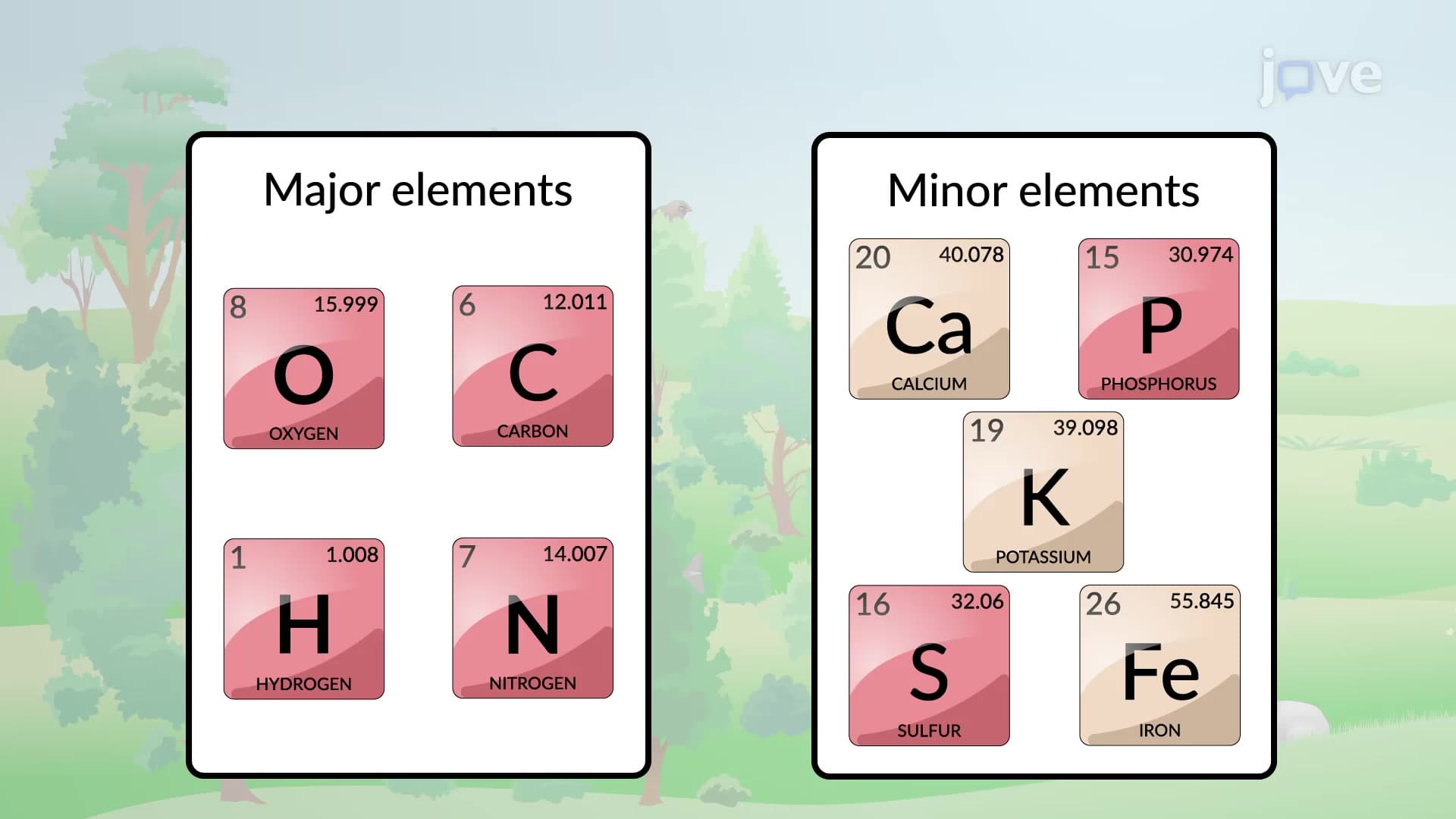
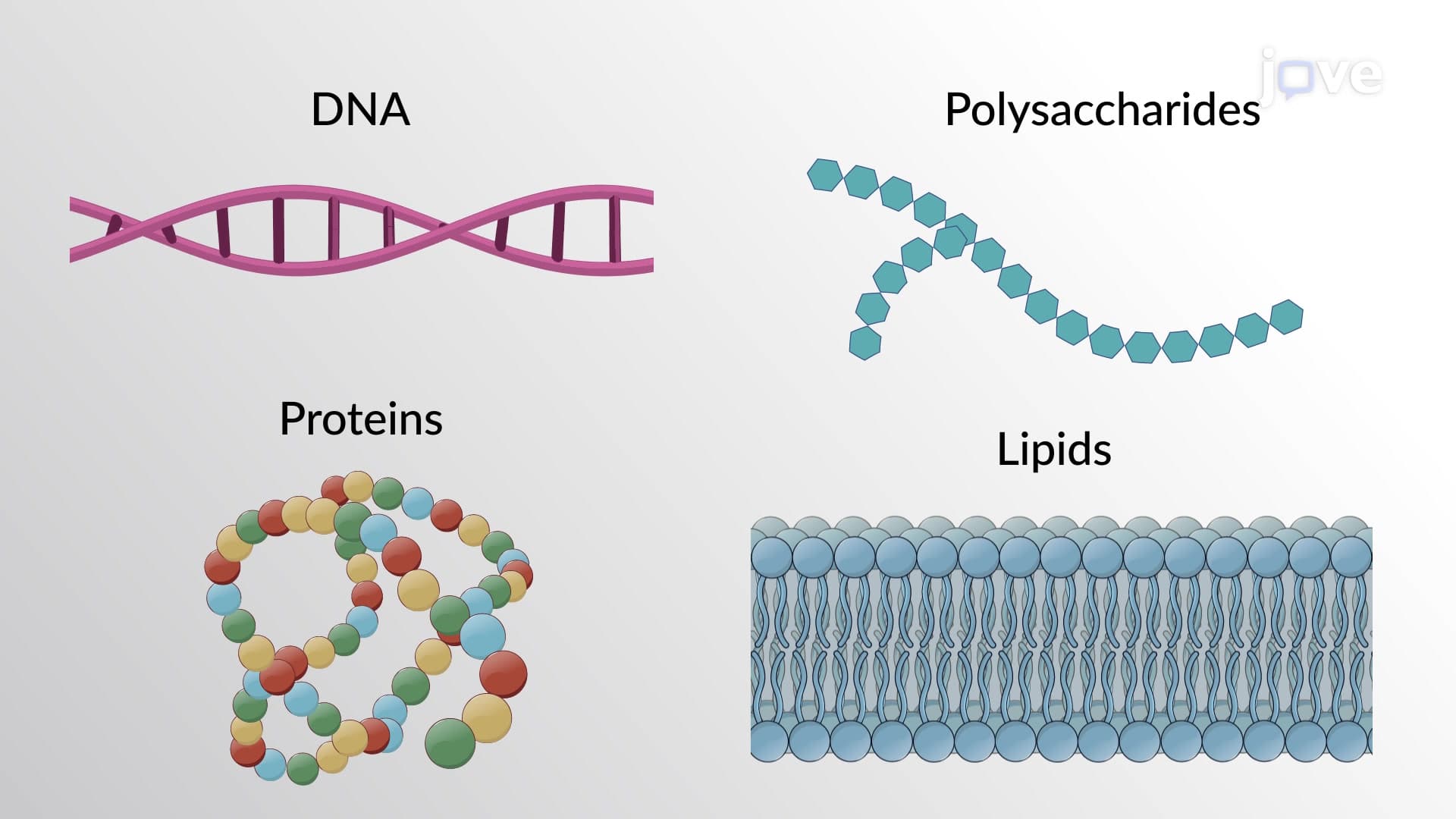
Lipids represent one of biology's most versatile macromolecule families, serving as everything from long-term energy storage to cellular gatekeepers. Unlike carbohydrates and proteins, lipids are predominantly composed of carbon and hydrogen atoms arranged in hydrocarbon chains, creating molecules that repel water, a property that makes them indispensable for life's organization and energy needs.
Triglycerides: The Body's Energy Warehouses
Triglycerides, commonly known as fats, dominate lipid classification types with their distinctive three-part structure. Each triglyceride consists of a glycerol backbone, a three-carbon molecule, attached to three fatty acid chains. These fat structure chemistry arrangements create highly efficient energy storage units, packing more than twice the energy per gram compared to carbohydrates. In the human body, adipose tissue stores triglycerides that fuel marathon runners through 26.2 miles, demonstrating their remarkable energy density.
The distinction between saturated and unsaturated fatty acids profoundly impacts both triglyceride phospholipid lipid properties and human health. Saturated fats, like those in butter and beef, contain no double bonds between carbon atoms, creating straight chains that pack tightly and remain solid at room temperature. Conversely, unsaturated fats, abundant in olive oil and salmon, contain one or more double bonds that create kinks in the fatty acid chains, resulting in liquid consistency and improved cardiovascular health profiles.
Phospholipids: Cellular Architecture Masters
Phospholipids showcase biological lipid functions through their amphipathic nature, possessing both water-loving (hydrophilic) phosphate heads and water-repelling (hydrophobic) fatty acid tails. This dual personality enables phospholipids to spontaneously arrange into bilayers that form cell membranes, creating the fundamental boundary between cellular interior and exterior environments. Every cell in your body, from neurons transmitting thoughts to muscle fibers enabling movement, relies on phospholipid membranes for structural integrity and selective permeability.
Steroids: The Signaling Specialists
Steroids represent the most structurally distinct lipid function biology category, featuring four interconnected hydrocarbon rings rather than linear fatty acid chains. Cholesterol, perhaps the most recognized steroid, serves dual roles as a membrane fluidity regulator and precursor for hormone synthesis. The sex hormones testosterone and estrogen, along with the stress hormone cortisol, all derive from cholesterol's four-ring framework, illustrating how structural diversity enables functional specialization.
This lipids explained biology chemistry foundation appears frequently on standardized exams including the AP Biology exam, MCAT biochemistry sections, and college-level organic chemistry courses. Understanding lipid structure-function relationships proves essential for medical school prerequisites and healthcare career preparation, particularly when studying cardiovascular disease, neurological disorders, and endocrine system function.
Frequently Asked Questions
Lipids are hydrophobic organic molecules composed primarily of hydrocarbon chains that serve three main biological roles: energy storage (triglycerides), membrane formation (phospholipids), and cellular signaling (steroids). Their water-repelling properties make them essential for creating biological barriers and storing concentrated energy. Unlike other macromolecules, lipids are classified by their structural features and solubility properties rather than their chemical bonds.
The MCAT frequently tests lipid membrane dynamics, fatty acid metabolism, and steroid hormone pathways in both biochemistry and biology sections. AP Biology emphasizes membrane structure, comparing saturated versus unsaturated fats, and analyzing how lipid composition affects cellular function. Students should master phospholipid bilayer properties, enzyme-lipid interactions, and lipid's role in signal transduction pathways.
Students often struggle with visualizing three-dimensional molecular structures and understanding how amphipathic properties create membrane organization. The connection between chemical structure and biological function requires integrating chemistry concepts with cell biology principles. Practice with molecular models and membrane permeability experiments helps solidify these abstract concepts.
Understanding lipids directly impacts interpreting nutrition labels, managing cardiovascular health, and making informed dietary choices. The FDA requires trans fat labeling due to their harmful effects on LDL cholesterol levels, while the American Heart Association recommends specific ratios of saturated to unsaturated fats. Medical professionals use lipid panels to assess heart disease risk in millions of Americans annually.
Basic high school chemistry knowledge of carbon bonding and molecular geometry provides sufficient foundation for understanding lipid concepts. Most biology courses introduce lipids with minimal chemistry prerequisites, focusing on functional significance rather than complex synthetic pathways. Students comfortable with simple organic structures like methane and ethanol typically master lipid concepts successfully.
Create comparison charts distinguishing triglycerides, phospholipids, and steroids by structure, properties, and functions. Draw phospholipid bilayer formation step-by-step, emphasizing hydrophobic and hydrophilic interactions. Practice identifying lipid types from molecular diagrams and connecting structural features to biological roles. Focus on medical applications like atherosclerosis and membrane transport for clinical context.
Delve into lipid metabolism pathways, including fatty acid synthesis and beta-oxidation for energy production. Explore membrane protein interactions, lipid rafts in cellular signaling, and prostaglandin synthesis from arachidonic acid. Advanced students benefit from studying lipid-based drug delivery systems and the role of lipids in neurodegenerative diseases.
Organic chemistry expands lipid understanding through detailed reaction mechanisms, stereochemistry of fatty acids, and synthetic pathways for complex lipids. Students learn fatty acid nomenclature, geometric isomerism in unsaturated fats, and laboratory techniques for lipid extraction and analysis. This foundation proves essential for biochemistry, molecular biology, and medical school preparation.
Related Micro-courses