Loading subject page…


181,211 views

Video Summary: What are Ph Regulation in Cells
Ever wonder how your cells stay alive when you drink acidic orange juice or take antacids? pH regulation in cells is the critical process that keeps your cellular environment stable despite constant chemical changes. Just like how diabetes patients monitor blood glucose levels, cells continuously monitor and adjust their internal acidity through specialized transport proteins. Understanding what are pH regulation in cells reveals how your body maintains the delicate chemical balance essential for survival, from muscle contractions during exercise to brain function during studying. Watch the full video on JoVE Coach to master this concept with expert-led visuals and step-by-step explanations.
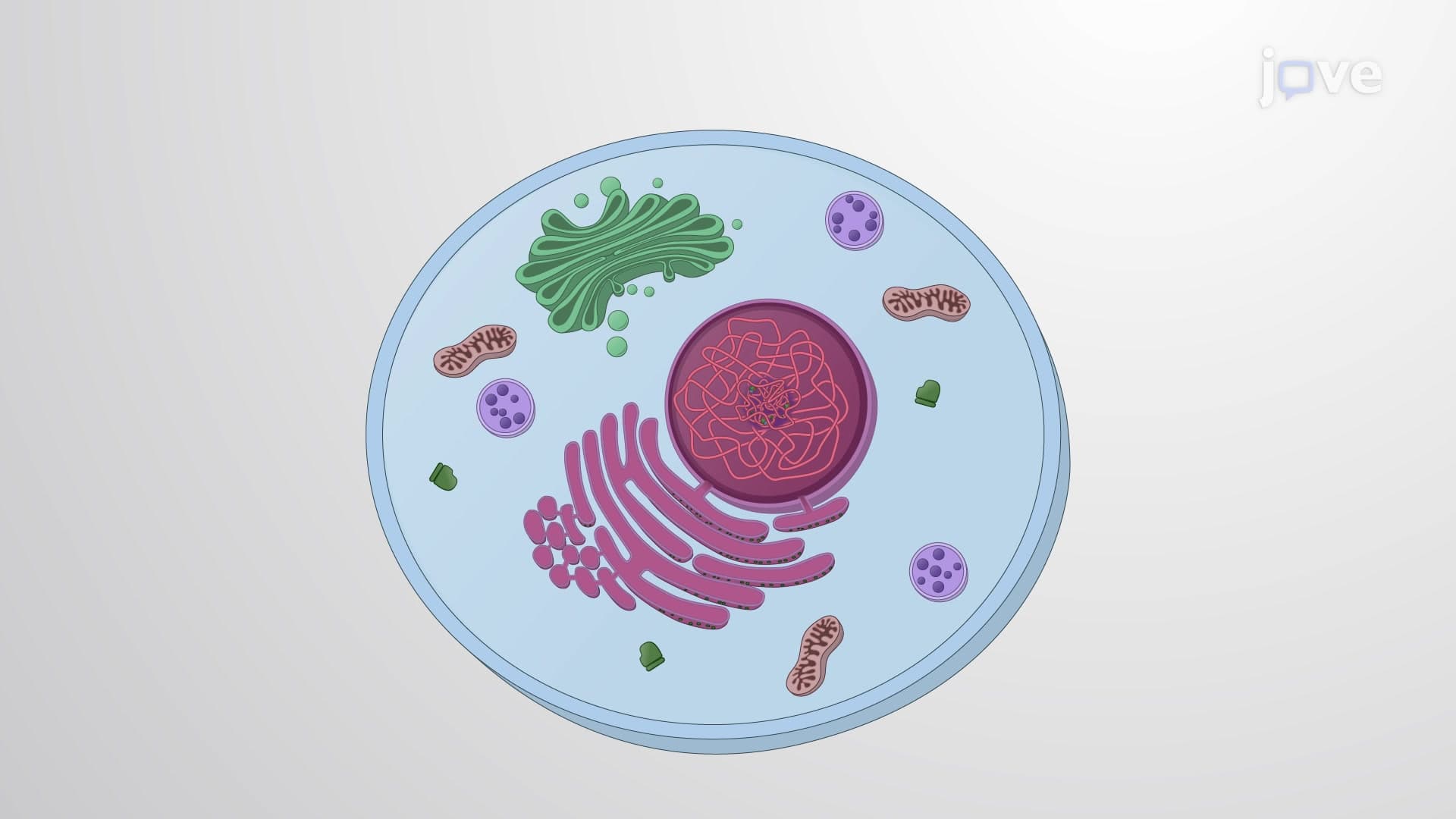
pH regulation in cells represents one of biology's most critical homeostatic mechanisms. Unlike the external environment where pH can vary dramatically, cellular interiors must maintain a narrow pH range of 7.0-7.4 to preserve protein structure, enzyme function, and membrane integrity. This precise control becomes especially important for students preparing for the AP Biology exam or college-level physiology courses, where understanding cellular homeostasis is fundamental.
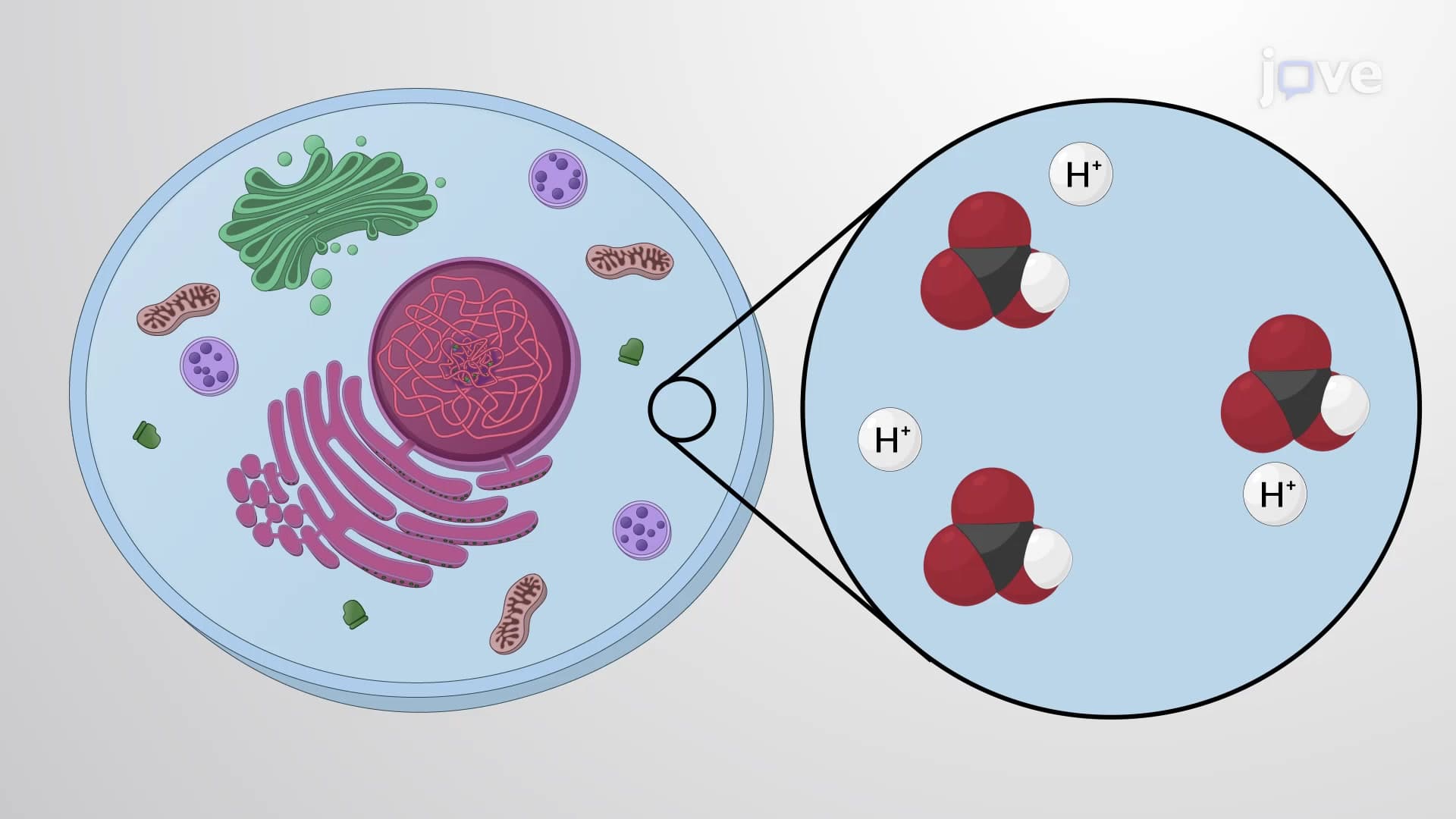
Cells face a constant threat from their own metabolic activities. During cellular respiration-the process that powers everything from muscle contractions during a marathon to brain activity during SAT preparation-cells produce carbon dioxide as a waste product. This CO2 doesn't simply disappear; it combines with water to form carbonic acid (H2CO3), which dissociates to release hydrogen ions and lower cellular pH. Without intervention, this acid accumulation would quickly destroy cellular components and halt vital processes.
The Na+/H+ exchanger serves as cells' primary acid-exporting system. This protein couples the removal of excess hydrogen ions with the import of sodium ions, effectively trading one type of ion for another. Think of it like a revolving door at a busy hospital-for every hydrogen ion that exits, one sodium ion enters, maintaining both pH balance and ionic equilibrium.
The Cl-/HCO3- exchanger provides additional pH buffering by importing bicarbonate ions while exporting chloride. Bicarbonate acts as a natural buffer, neutralizing excess acid much like antacids work in your stomach. This system becomes particularly important in tissues with high metabolic activity, such as exercising skeletal muscle or actively firing neurons.
Understanding pH regulation in cells proves essential for students pursuing healthcare careers. Medical students preparing for the USMLE encounter pH regulation concepts when studying respiratory and renal physiology. Nursing students taking the NCLEX must understand how conditions like diabetic ketoacidosis disrupt cellular pH balance. Even high school students taking AP Biology will find these concepts appearing in free-response questions about cellular homeostasis and membrane transport.
Related Micro-courses