Loading subject page…


181,211 views

Video Summary: What are Types of Chemical Bonds
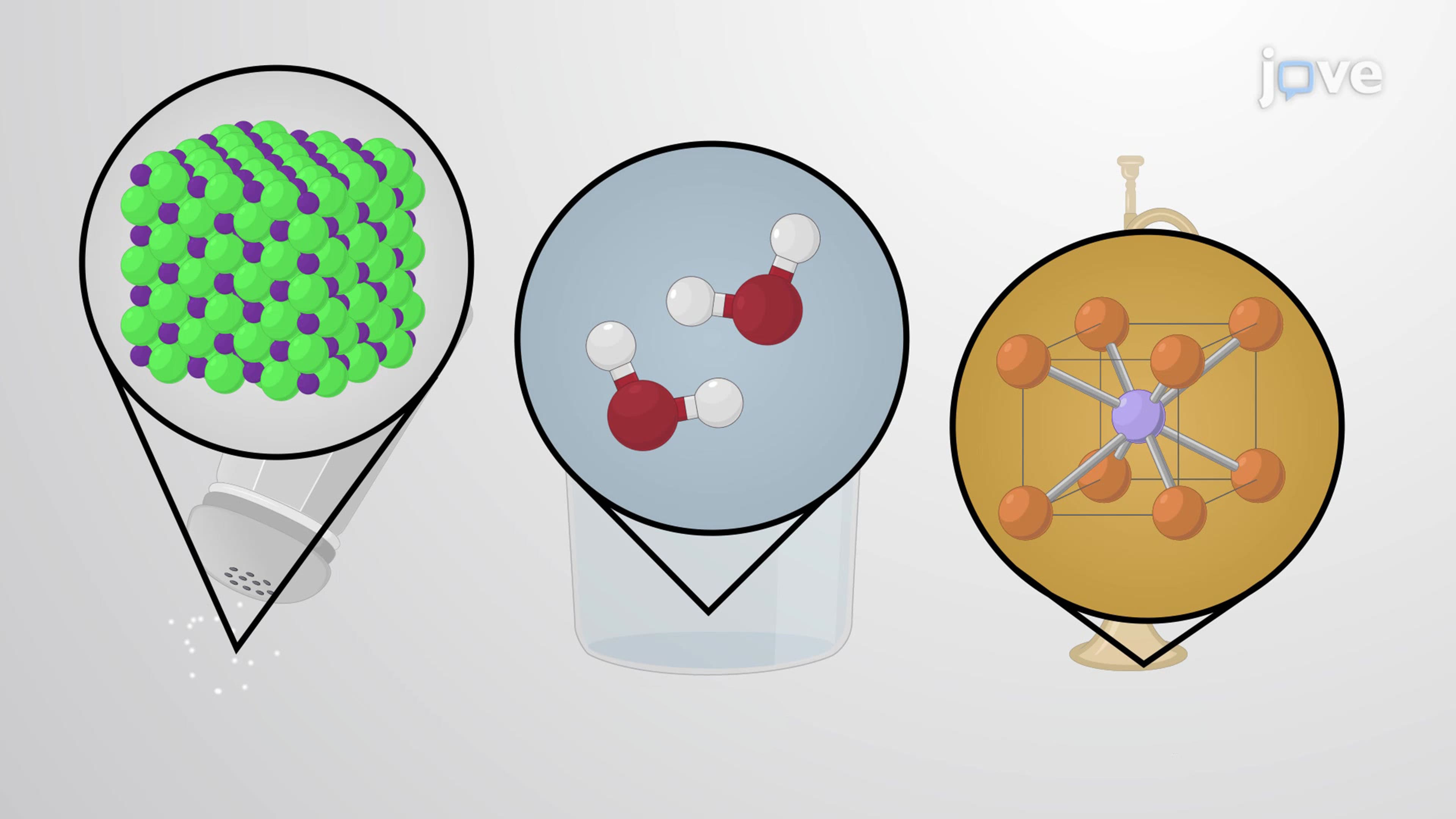
Ever wonder why table salt dissolves in water but oil doesn't? The answer lies in understanding types chemical bonds that hold molecules together. From the covalent bonds keeping water molecules intact to the ionic forces in sodium chloride used in US hospitals for IV solutions, chemical bonds determine everything from drug effectiveness to protein structure. What are Types of Chemical Bonds reveals how these fundamental forces shape biological processes and pharmaceutical interactions. Watch the full video on JoVE Coach to master this concept with expert-led visuals and step-by-step explanations.
Chemical bonds represent the fundamental forces that enable atoms to combine and form the complex molecules essential for life. These interactions determine not only molecular stability but also biological function, making them crucial for students preparing for AP Chemistry, college-level biochemistry, or pre-med coursework like the MCAT.
Covalent bonds form when atoms share electrons, creating the strongest and most stable chemical connections. In polar covalent bonds, electrons are shared unequally, as seen in water molecules where oxygen attracts electrons more strongly than hydrogen. This unequal sharing creates partial charges that enable water's unique properties-essential for understanding everything from cellular transport to drug solubility in pharmaceutical applications.
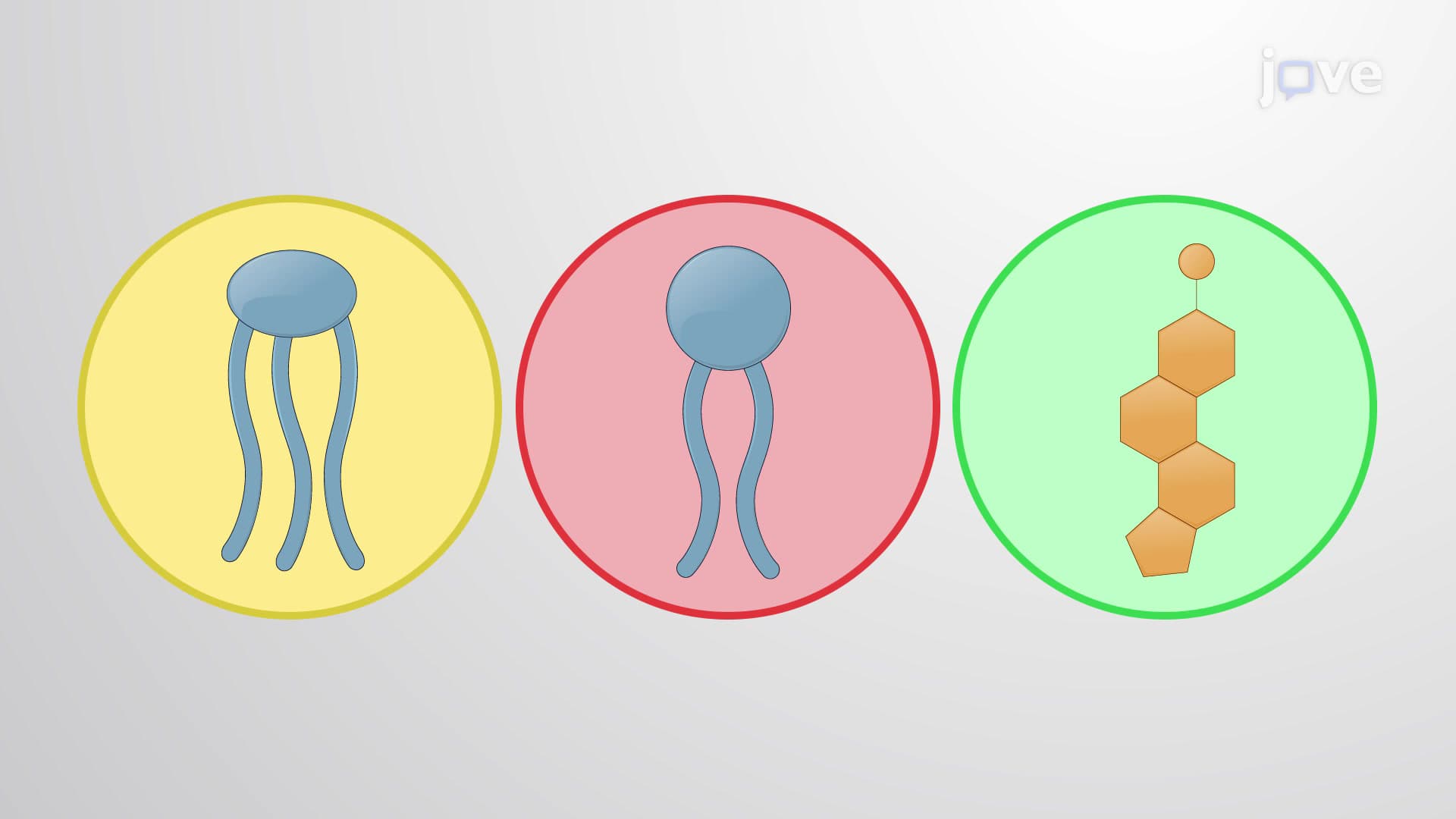
Nonpolar covalent bonds involve equal electron sharing, typically between identical atoms like those found in fatty acid chains. These bonds form the hydrophobic regions of cell membranes, critical for understanding how medications cross cellular barriers. Students encounter these concepts extensively in AP Biology and college organic chemistry courses.
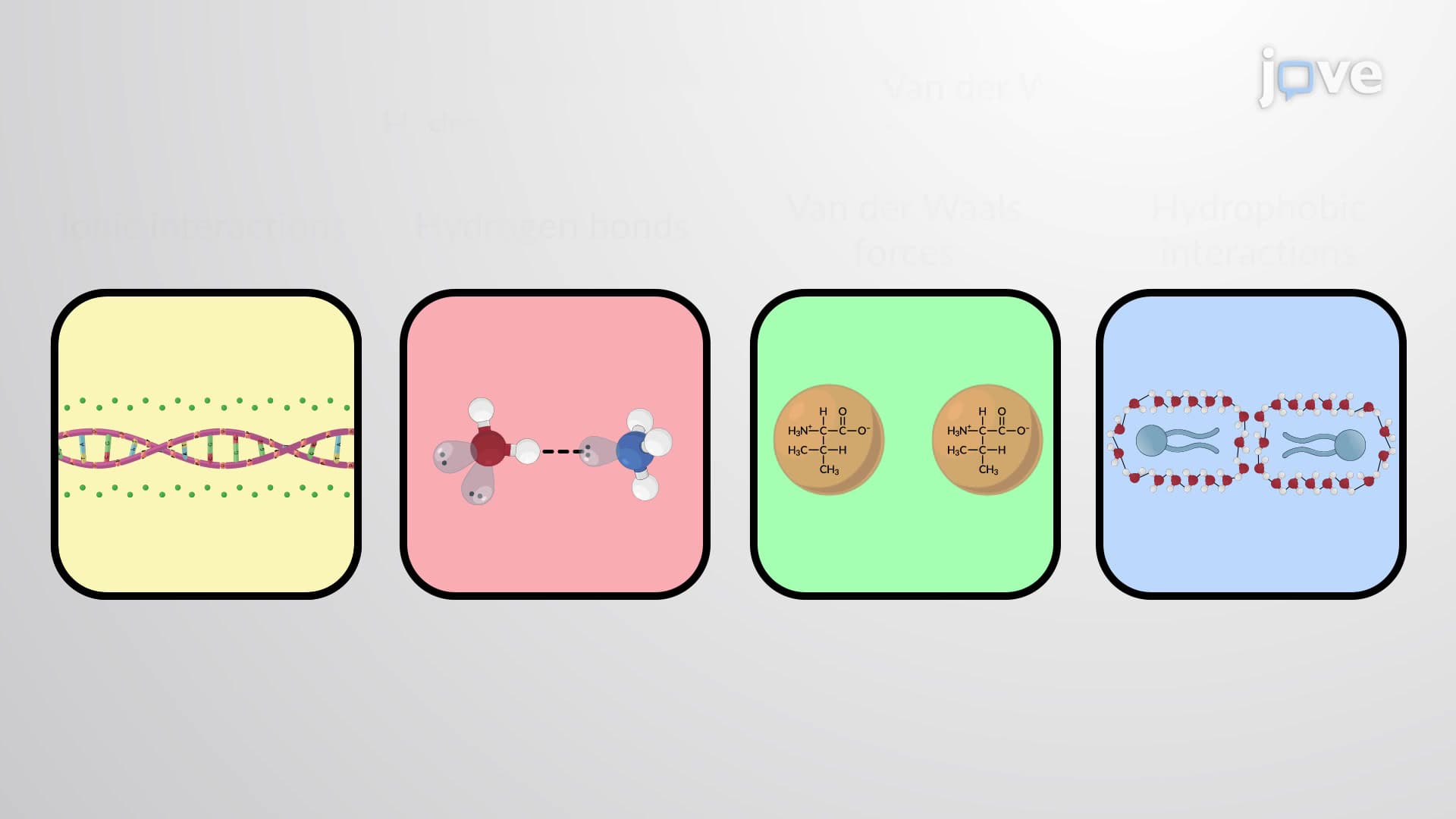
Ionic bonds result from complete electron transfer between atoms, creating charged ions held together by electrostatic forces. Sodium chloride exemplifies this interaction, where sodium loses an electron to chlorine. In biological systems, ionic interactions stabilize protein structures and enable nerve signal transmission-concepts fundamental to understanding conditions like hypertension and the mechanism of action for cardiovascular medications used in US healthcare.
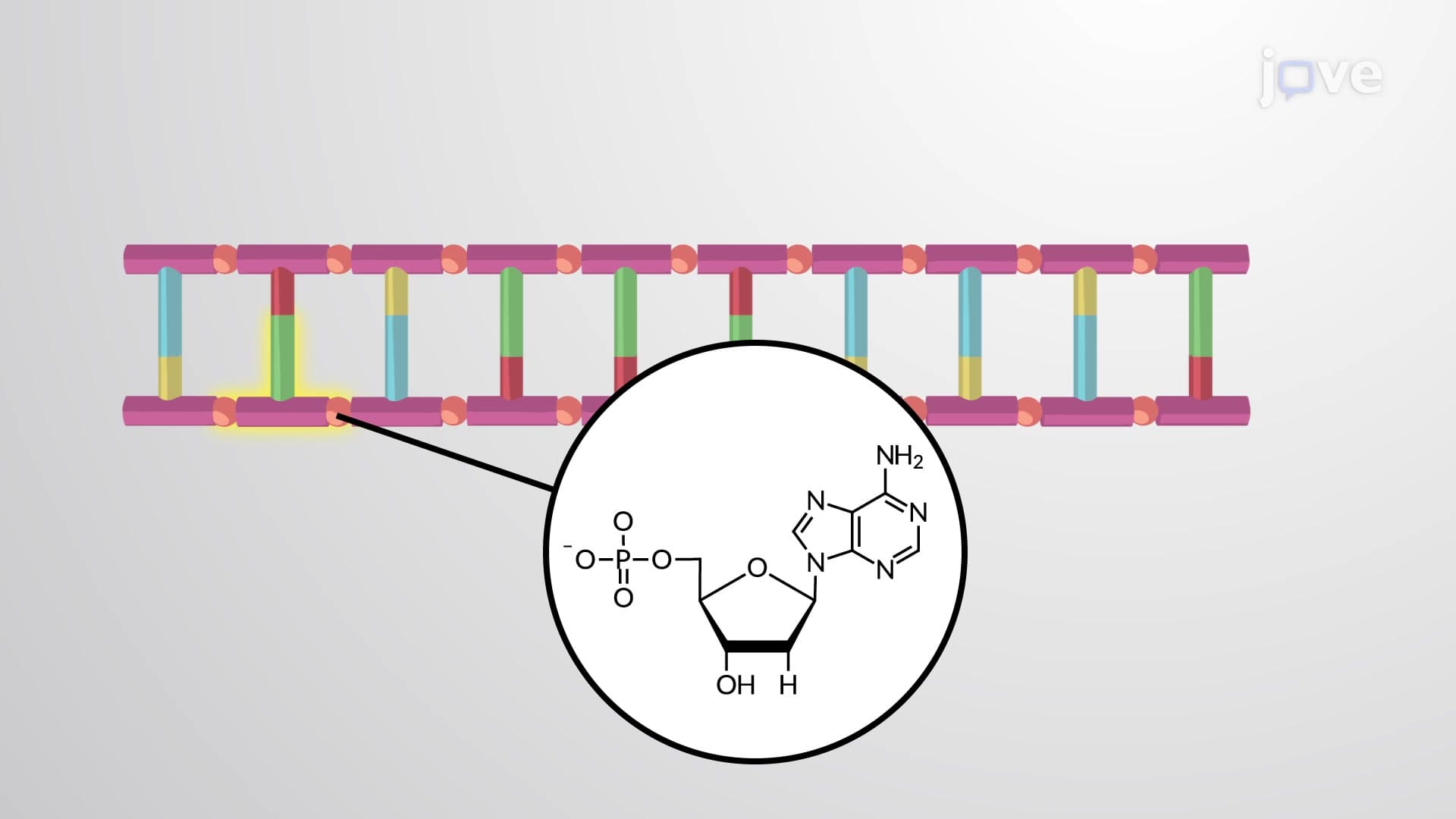
Hydrogen bonds, though weaker than covalent or ionic bonds, prove crucial for biological function. These interactions maintain DNA's double helix structure and determine protein folding patterns. The famous Watson-Crick base pairing in DNA relies on hydrogen bonds, enabling genetic information storage and replication.
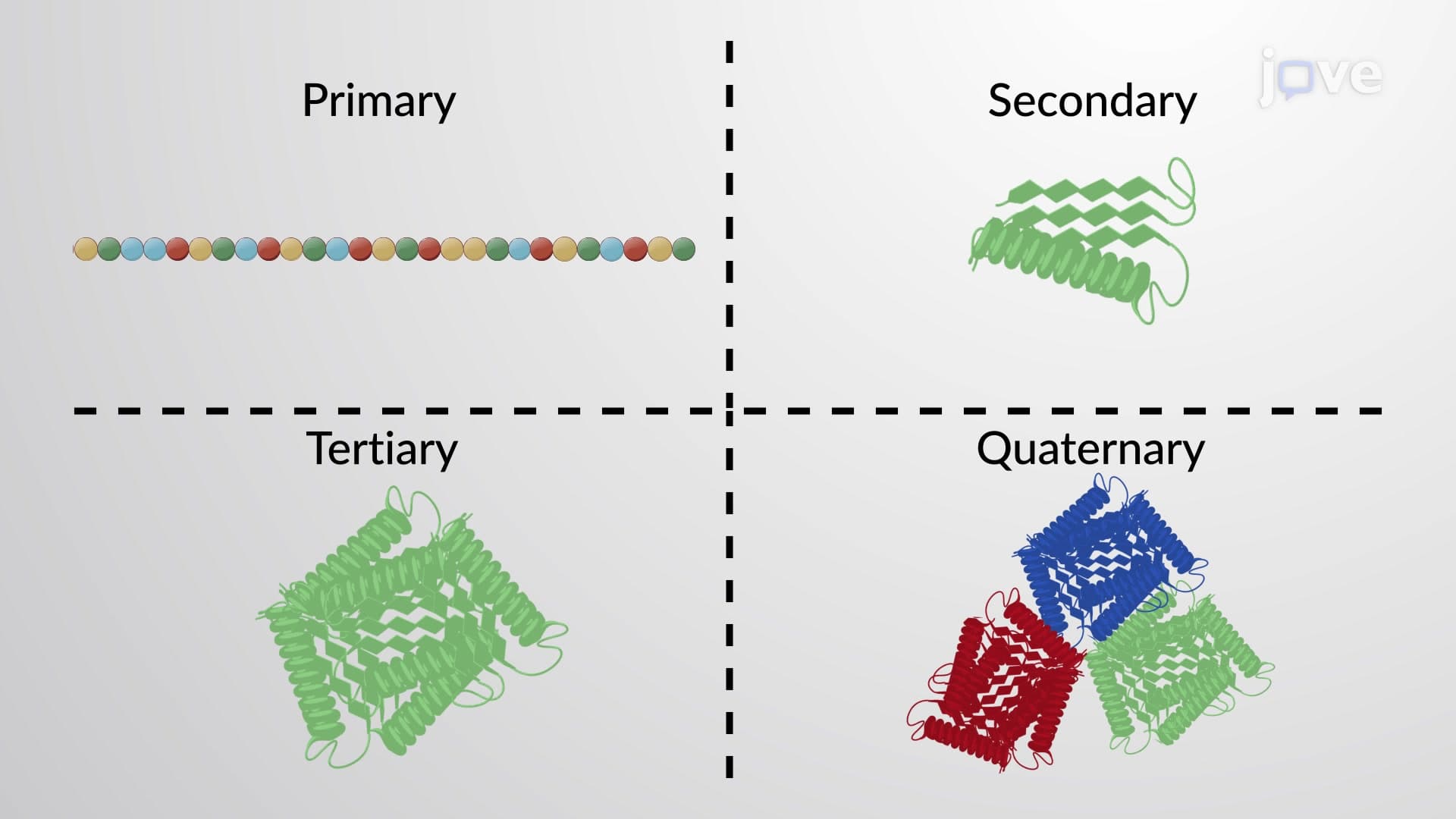
Van der Waals forces and hydrophobic interactions further influence molecular behavior. These weak forces contribute to protein folding and membrane stability, concepts that appear frequently in MCAT biochemistry sections and advanced placement exams. Understanding these interactions helps explain why certain drug molecules effectively bind to specific protein targets while others do not.
Related Micro-courses