Loading video…


 12 Concepts
 181.2K views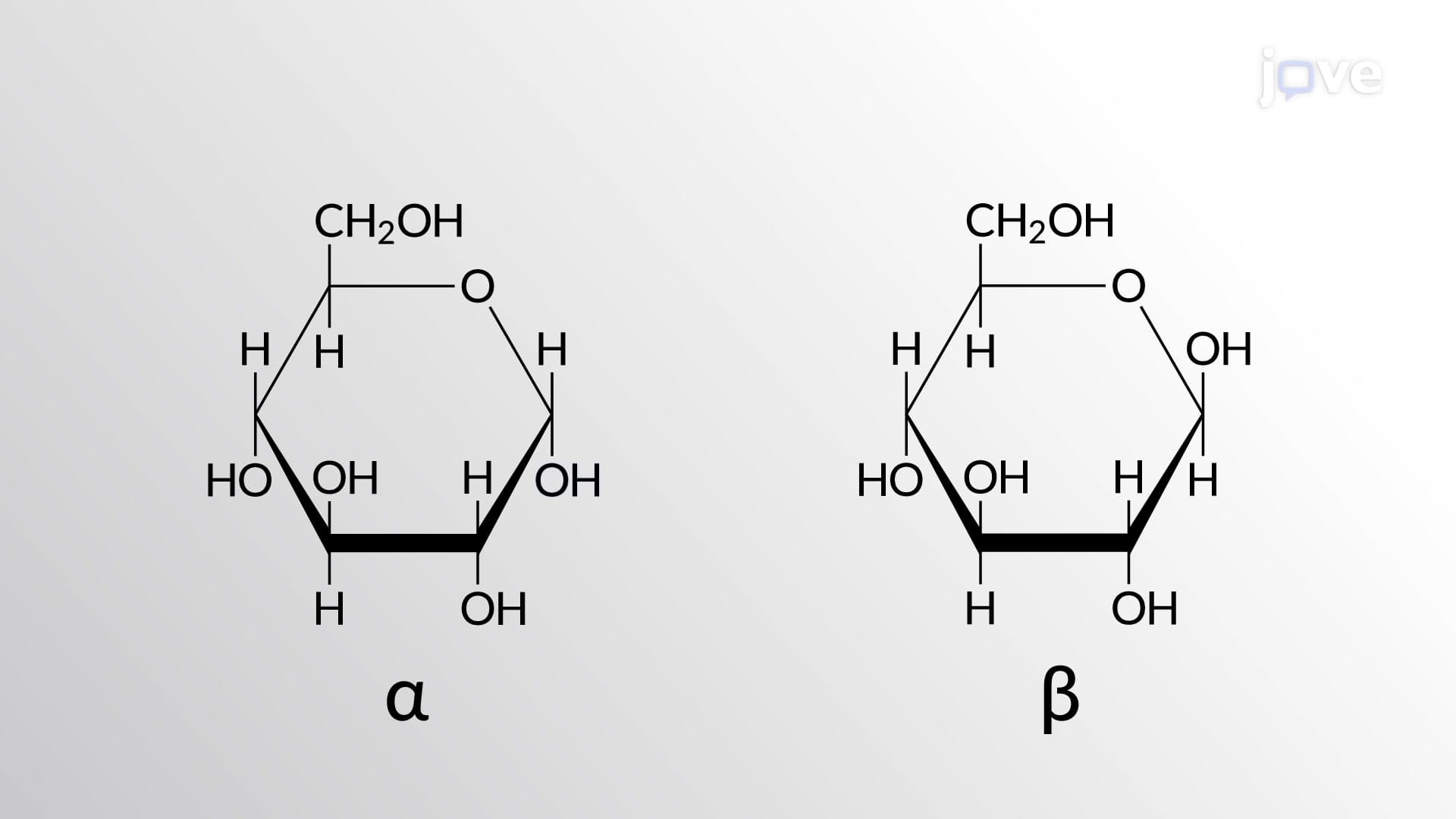

Video Summary: What Is Chemistry of Carbohydrates
Did you know that every breath you take requires glucose molecules breaking down to power your cells? The chemistry of carbohydrates forms the foundation of energy metabolism, from the sugar rush after eating a candy bar to marathon runners "carb-loading" before races. Understanding what is chemistry of carbohydrates reveals how these organic compounds-with their signature (CH2O)n formula-fuel everything from brain function during SAT tests to muscle contractions during sports. Watch the full video on JoVE Coach to master this concept with expert-led visuals and step-by-step explanations.
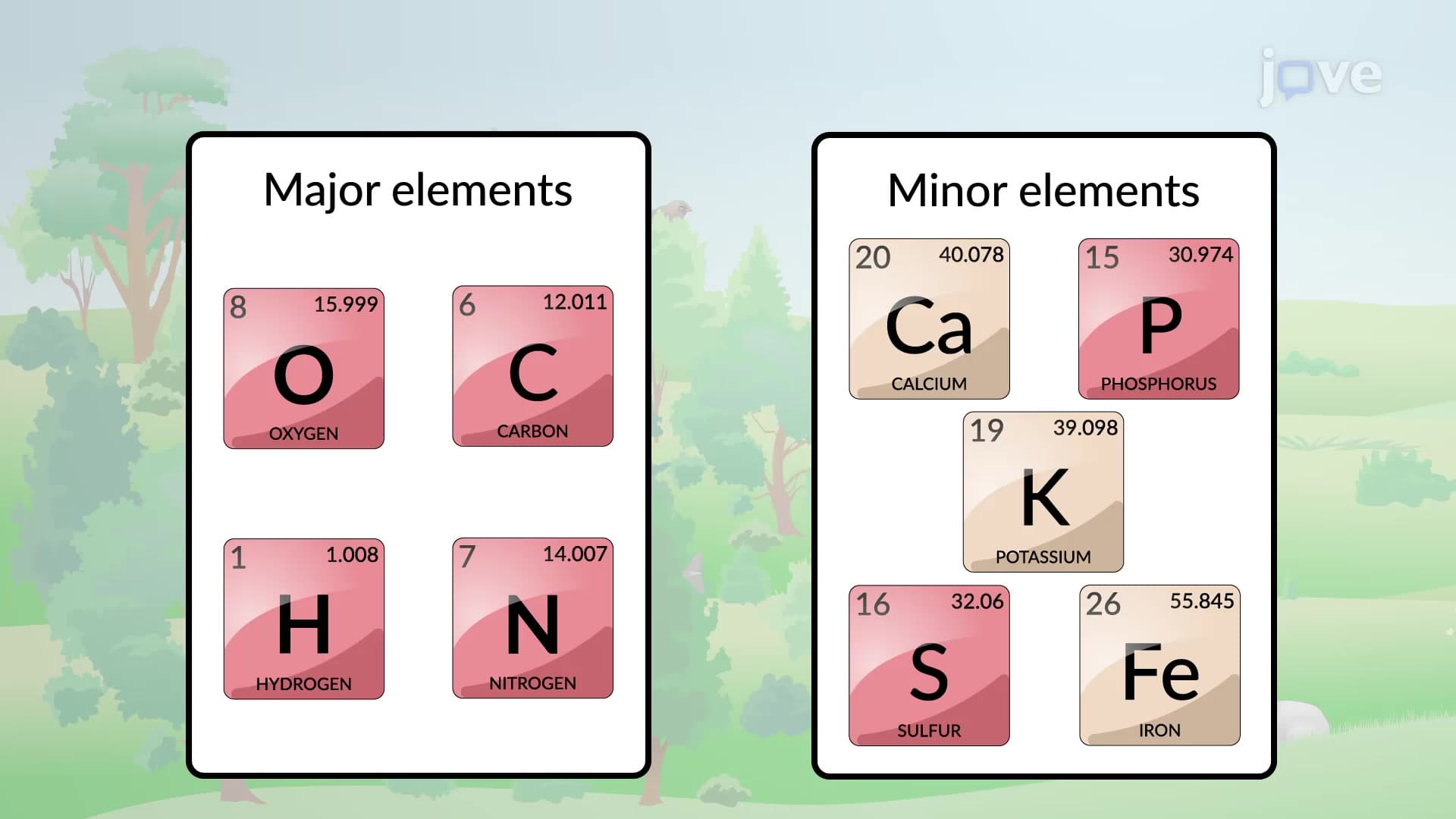
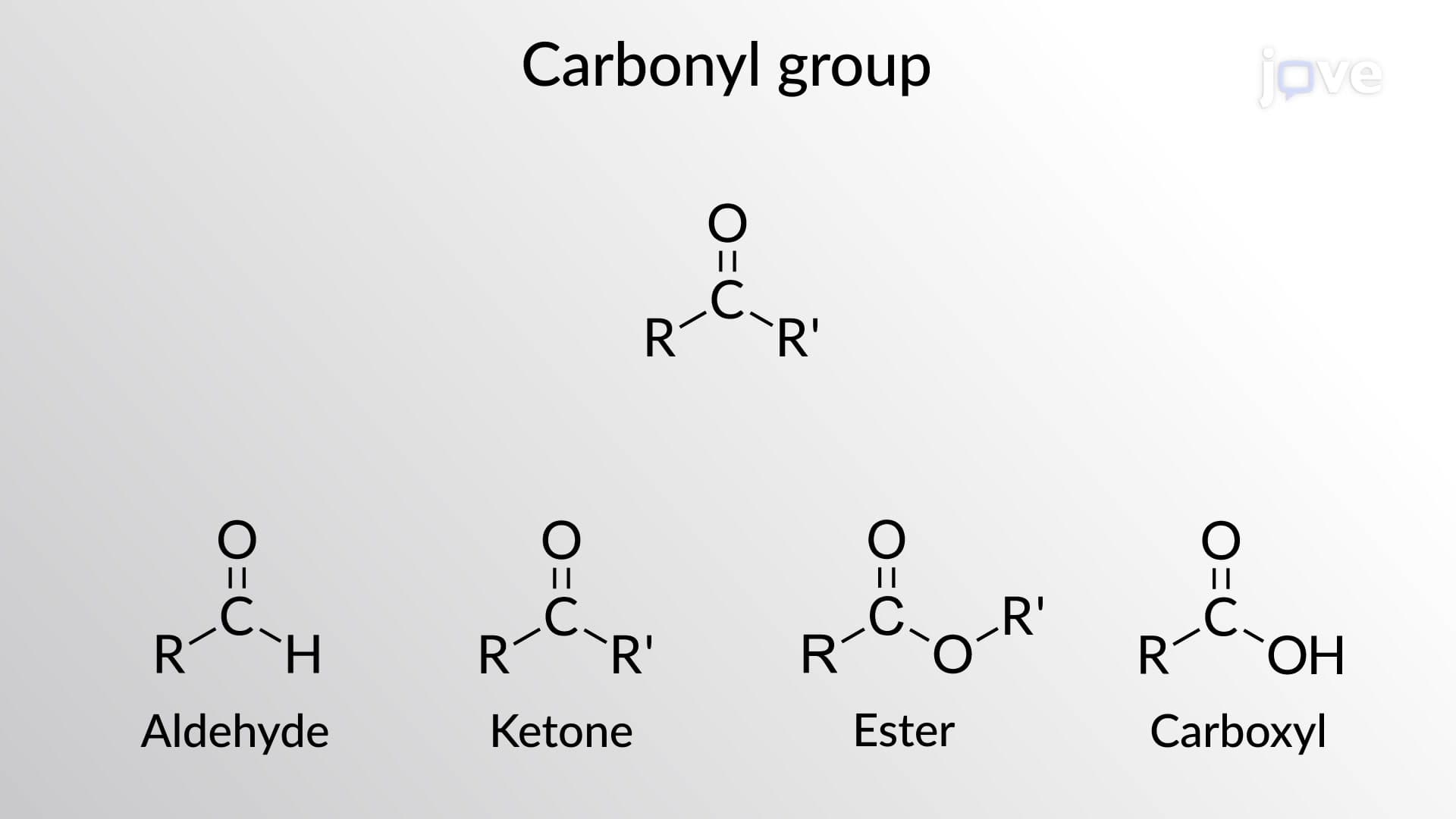
The chemistry of carbohydrates represents one of biochemistry's most essential topics, as these biomolecules serve dual roles as cellular fuel and structural components. Carbohydrates are organic compounds containing carbon, hydrogen, and oxygen atoms, typically following the empirical formula (CH2O)n, where n represents the number of carbon atoms. This formula reveals why early chemists called them "hydrates of carbon," though modern understanding shows they're far more complex than this simple description suggests.
Simple sugars like glucose and fructose exemplify monosaccharides-the most basic carbohydrate units. Glucose, with its six-carbon structure (C6H12O6), powers everything from your brain during AP Chemistry exams to muscle contractions during high school athletics. The stereochemistry of these molecules proves crucial: glucose and galactose are identical in molecular formula but differ in spatial arrangement, leading to dramatically different biological functions. In aqueous solutions, these sugars adopt ring structures rather than linear forms, a concept frequently tested on MCAT biochemistry sections.
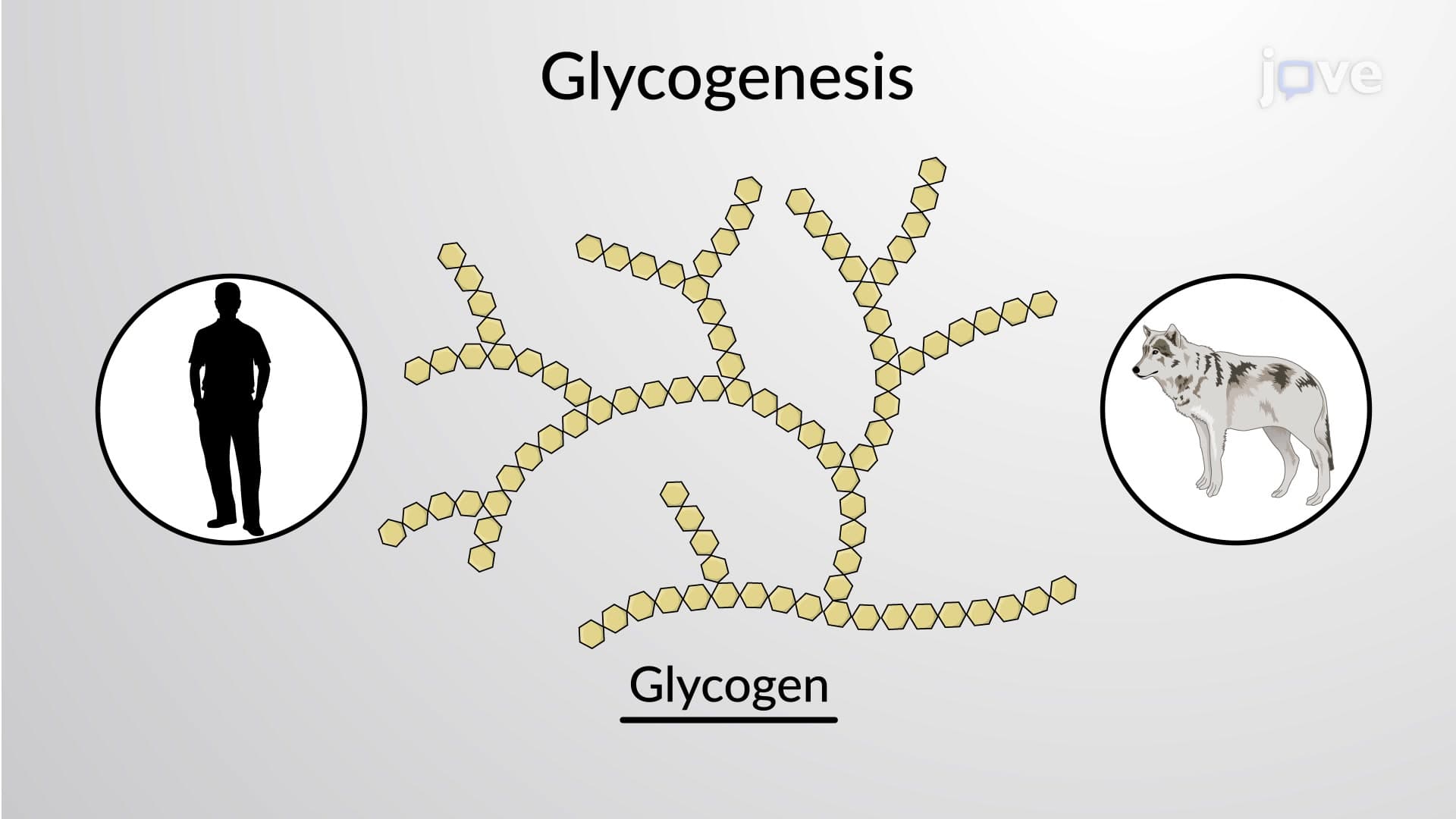
When monosaccharides link together through glycosidic bonds, they form disaccharides, oligosaccharides, and polysaccharides. Sucrose (table sugar) exemplifies disaccharides, combining glucose and fructose through an α(1→2) glycosidic linkage. Polysaccharides like starch serve as energy storage in plants, while glycogen fills the same role in animals-particularly important for understanding metabolism in college-level physiology courses. Cellulose, another glucose polymer, provides structural support in plant cell walls through β(1→4) linkages that humans cannot digest.
Carbohydrate metabolism connects directly to major health concerns across America. Diabetes mellitus affects over 34 million Americans, fundamentally involving disrupted glucose regulation. Understanding glycolysis-the pathway breaking down glucose for energy-proves essential for pre-med students preparing for MCAT biochemistry sections. Athletic performance also depends on carbohydrate chemistry: "carb-loading" before marathons maximizes glycogen stores, while sports drinks provide rapid glucose absorption during endurance events. These real-world applications make carbohydrate chemistry particularly relevant for students pursuing healthcare careers or sports science programs.
Related Micro-courses