Loading subject page…


181,211 views

Video Summary: What Is Chemistry of the Cell
Why do pharmaceutical companies spend billions developing drugs that target specific cellular molecules? Chemistry cell interactions determine whether a medication will successfully treat diseases like diabetes or cancer in American patients. The chemistry of the cell governs everything from how insulin regulates blood sugar to how chemotherapy drugs attack tumor cells at the molecular level. Understanding these chemical principles helps explain why some treatments work while others fail. Watch the full video on JoVE Coach to master this concept with expert-led visuals and step-by-step explanations.
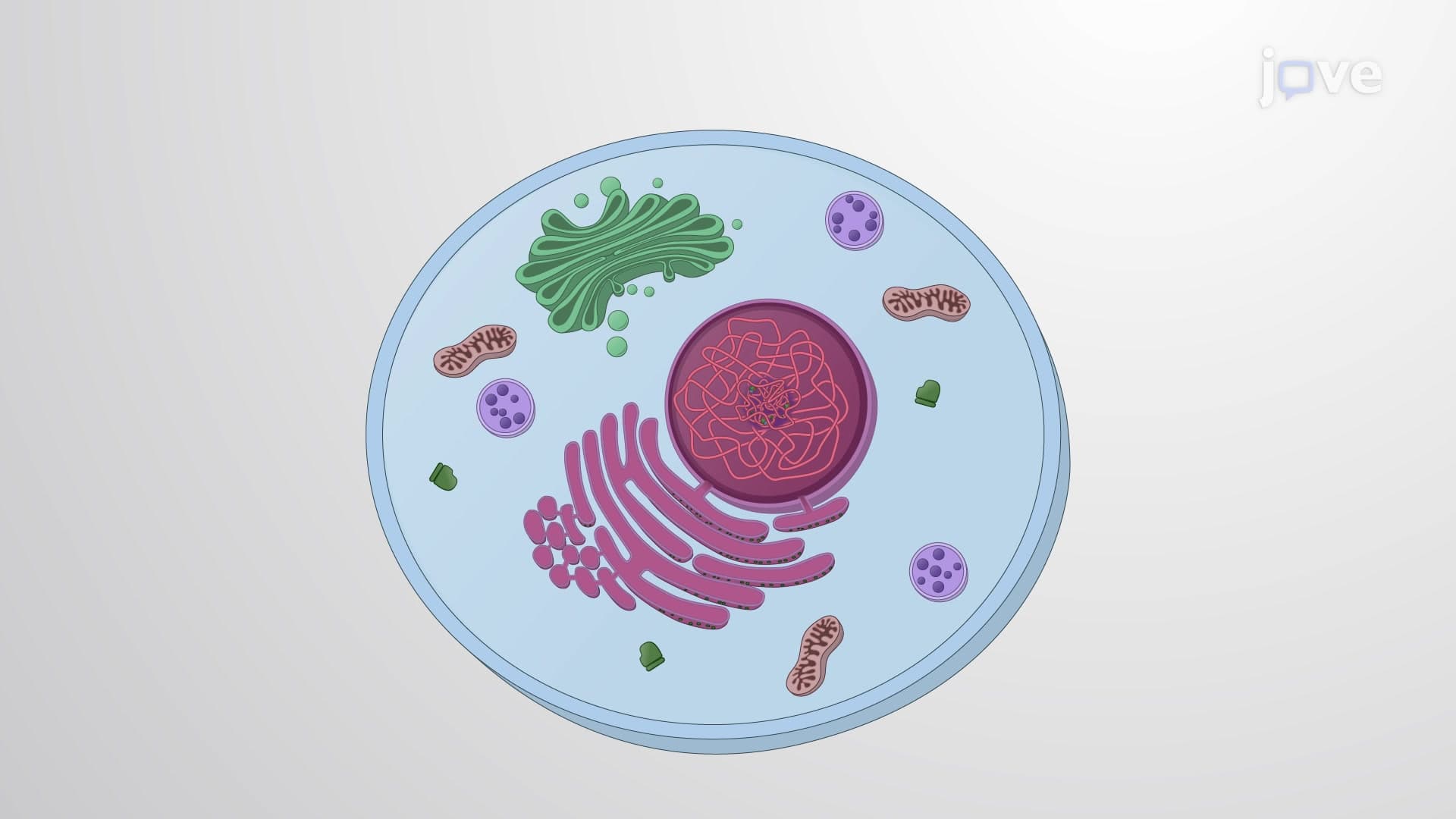
Chemistry of the cell represents the fundamental chemical principles that govern all cellular processes, from basic metabolism to complex signaling pathways. This foundational concept bridges general chemistry with biology, explaining how atomic and molecular interactions create the remarkable complexity of living systems. Students preparing for AP Biology, pre-med courses, or the MCAT must master these principles to understand advanced topics in biochemistry and cell biology.
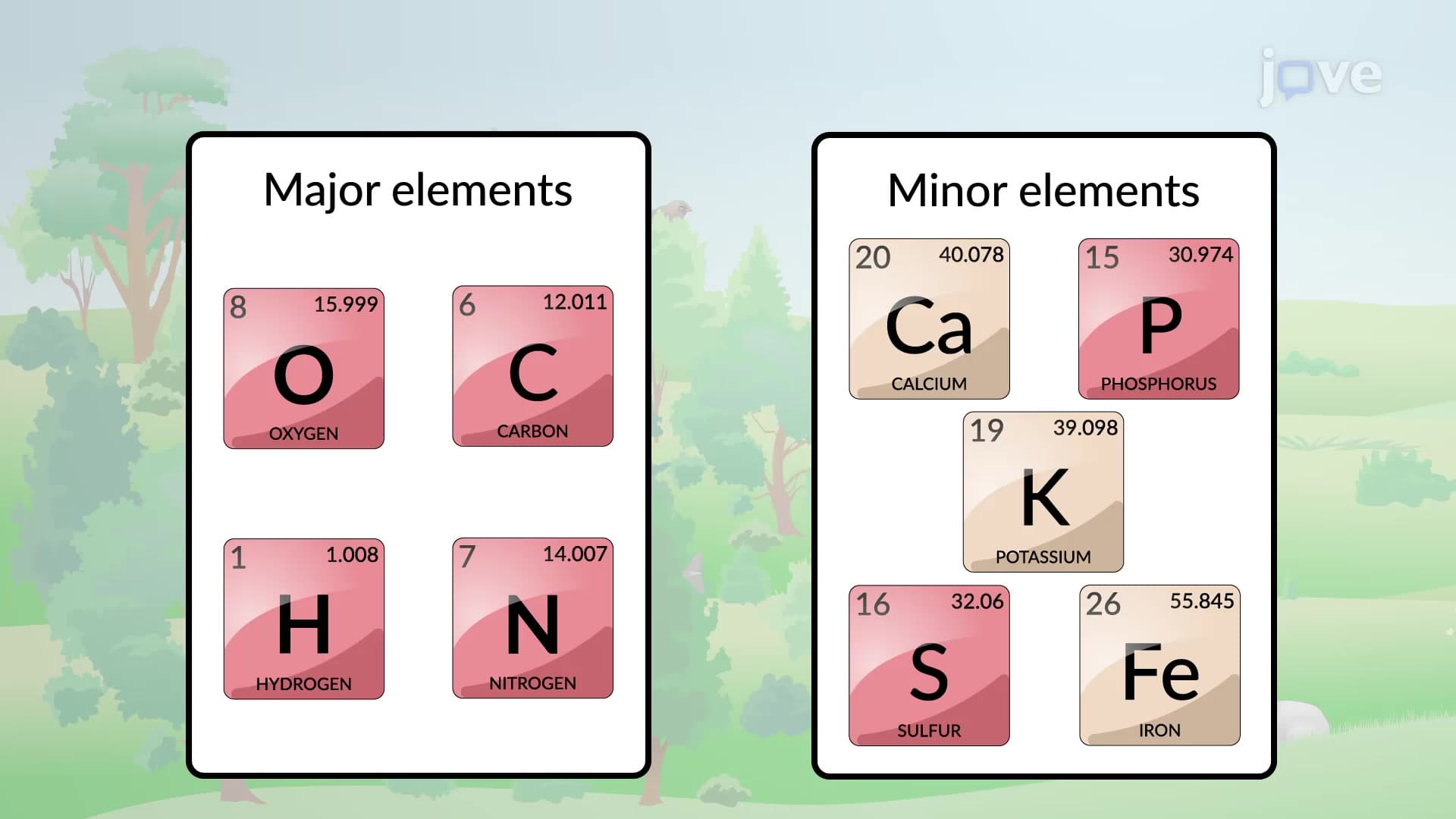
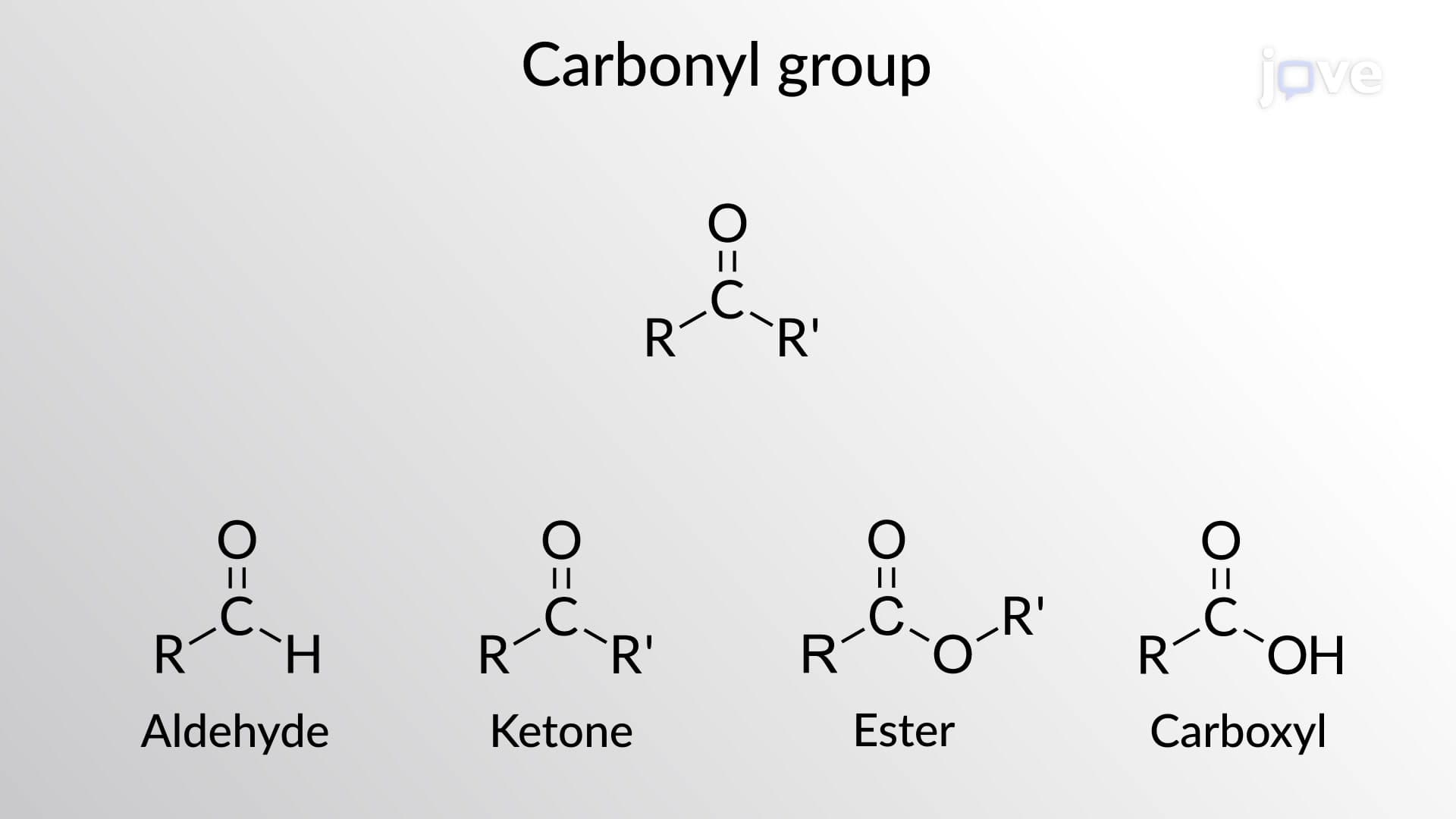
Six primary elements dominate cellular chemistry: carbon, hydrogen, oxygen, nitrogen, phosphorus, and sulfur. Carbon's unique ability to form four covalent bonds makes it the backbone of organic molecules, while nitrogen enables the formation of amino acids and nucleic acids. These elements combine through covalent bonding to create the four major biomolecule classes that define cellular structure and function.
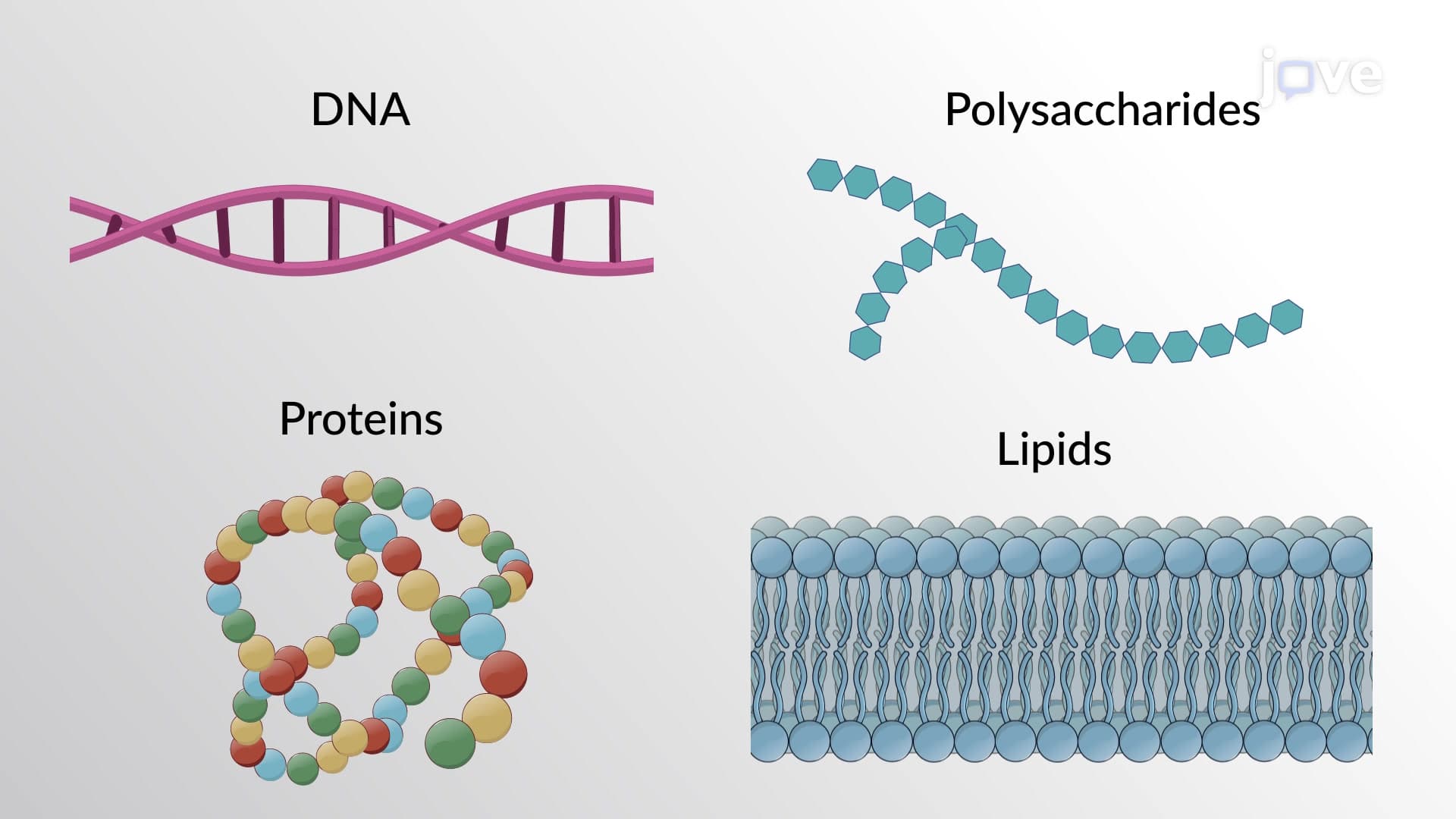
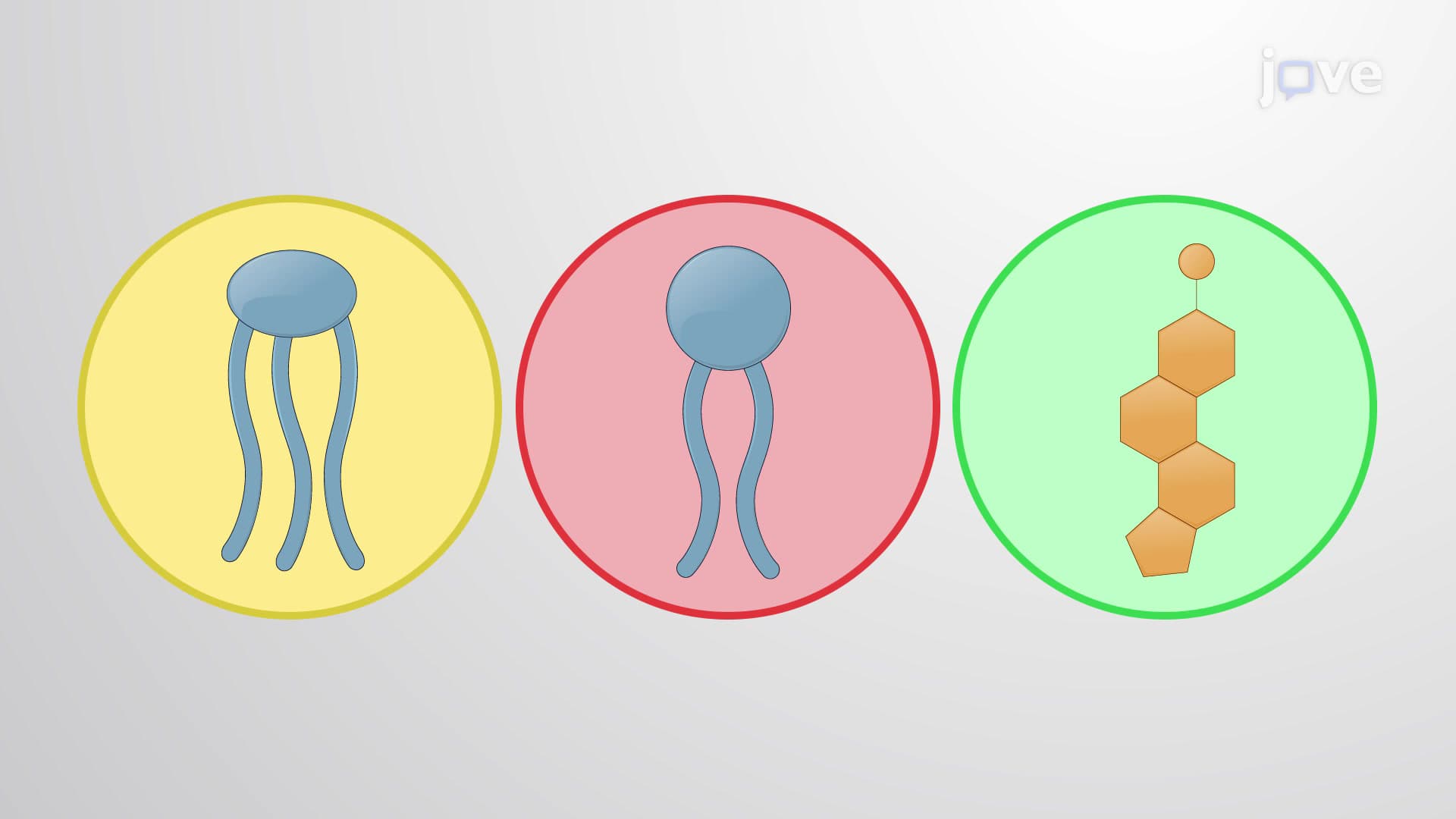
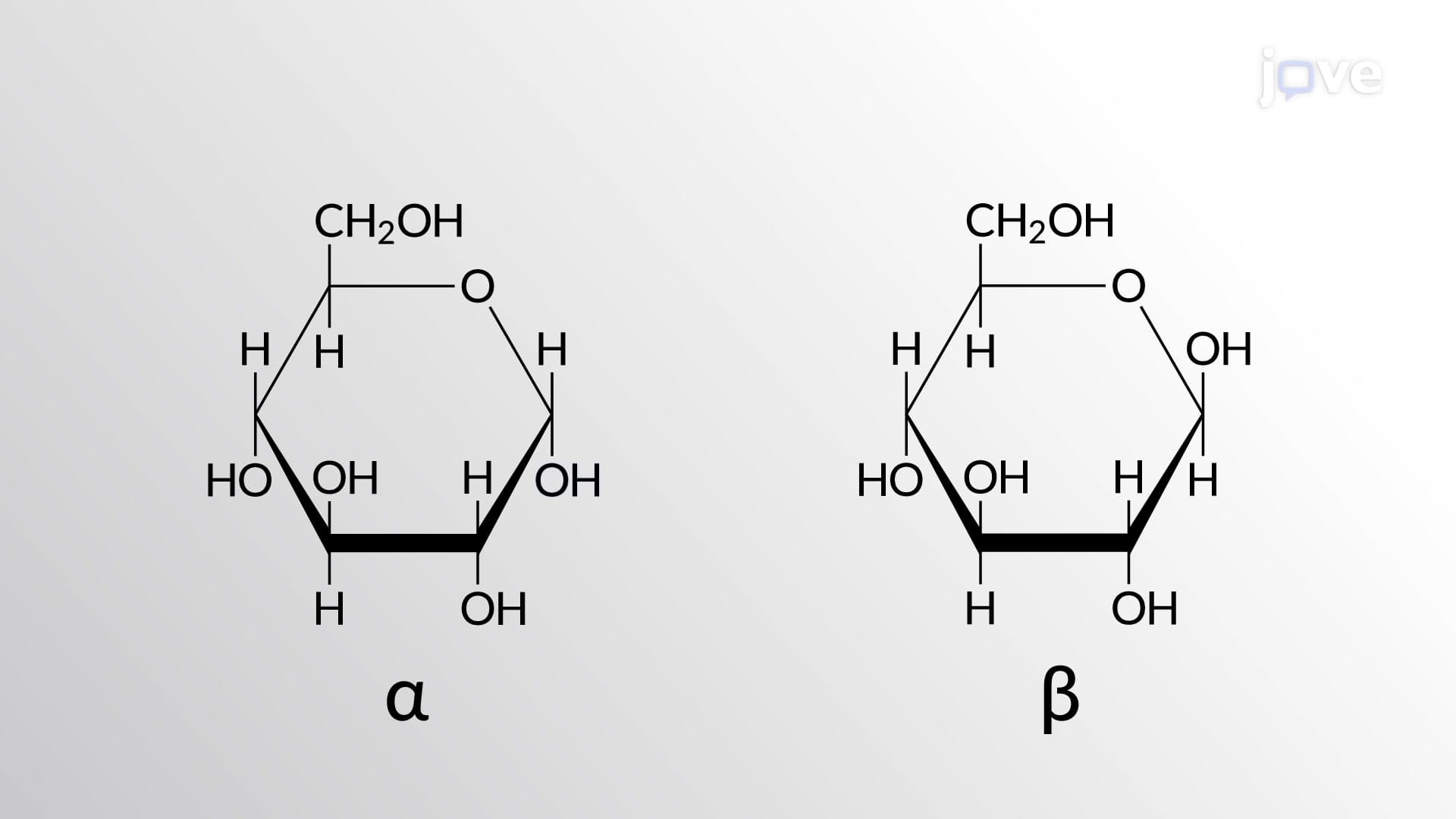
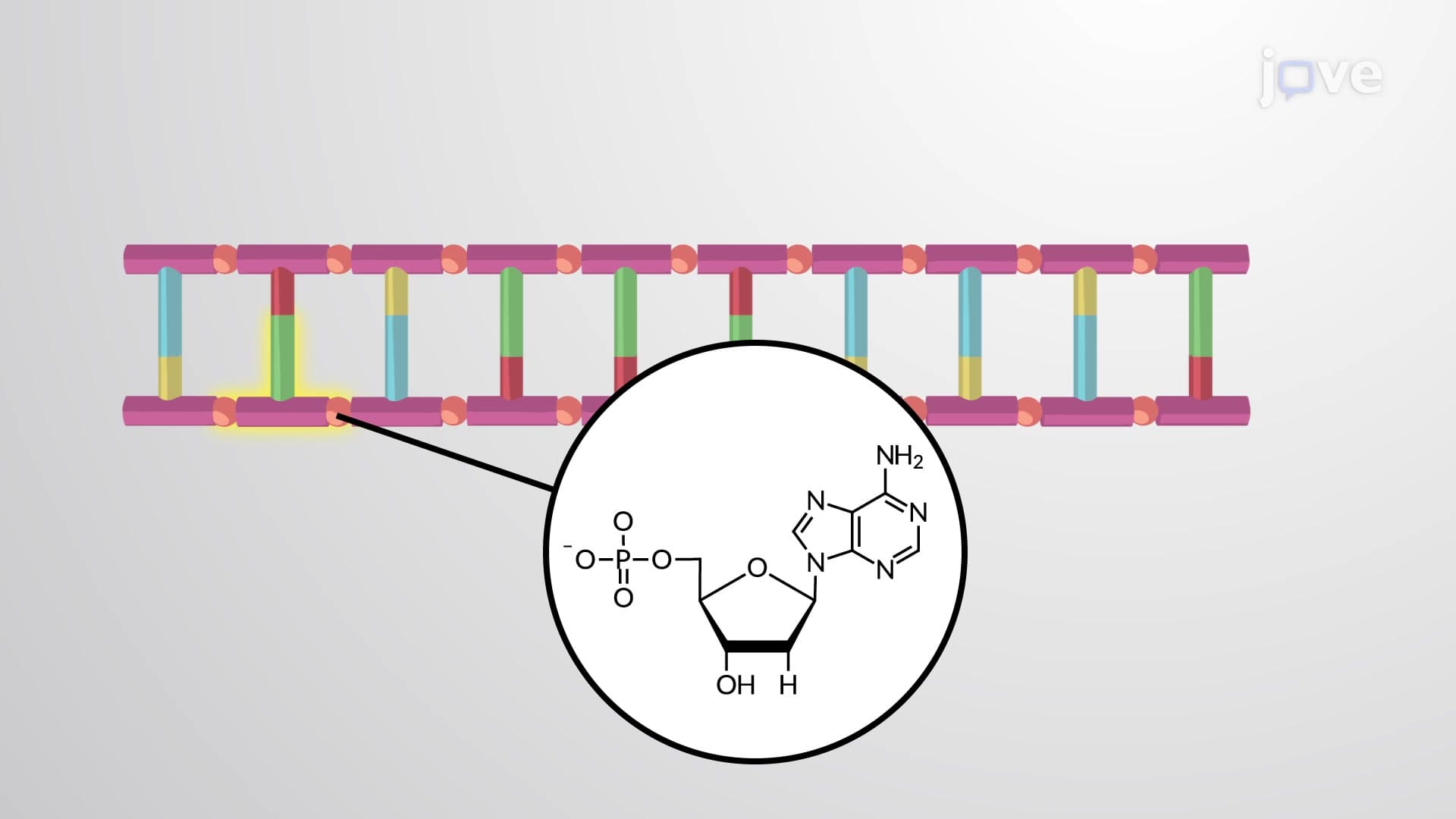
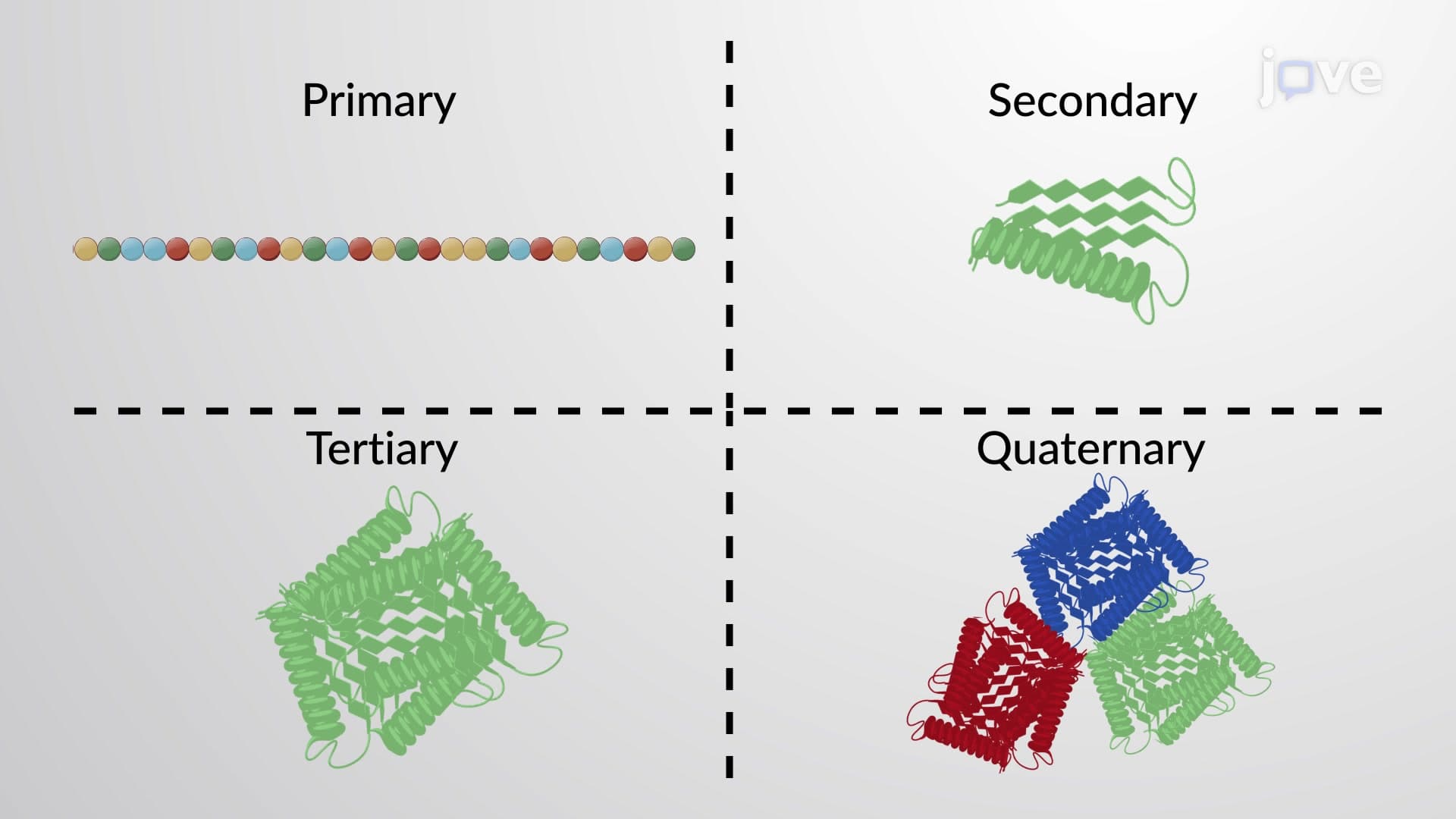
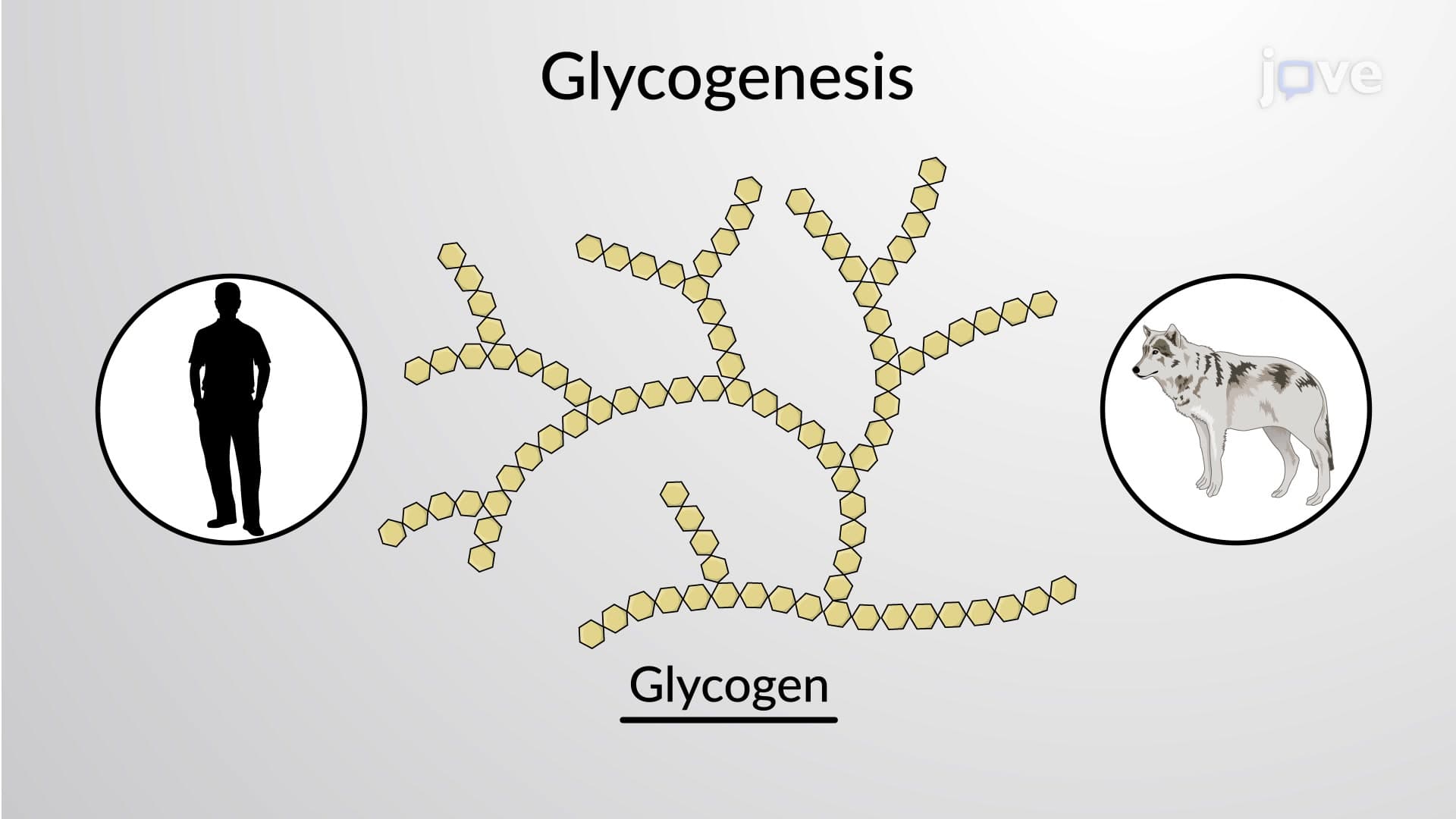
Carbohydrates serve as energy sources and structural components, with glucose providing immediate energy for cellular processes. Lipids form cell membranes and store long-term energy, while proteins function as enzymes, structural elements, and signaling molecules. Nucleic acids (DNA and RNA) store and transmit genetic information, with their chemical stability ensuring accurate inheritance across generations.
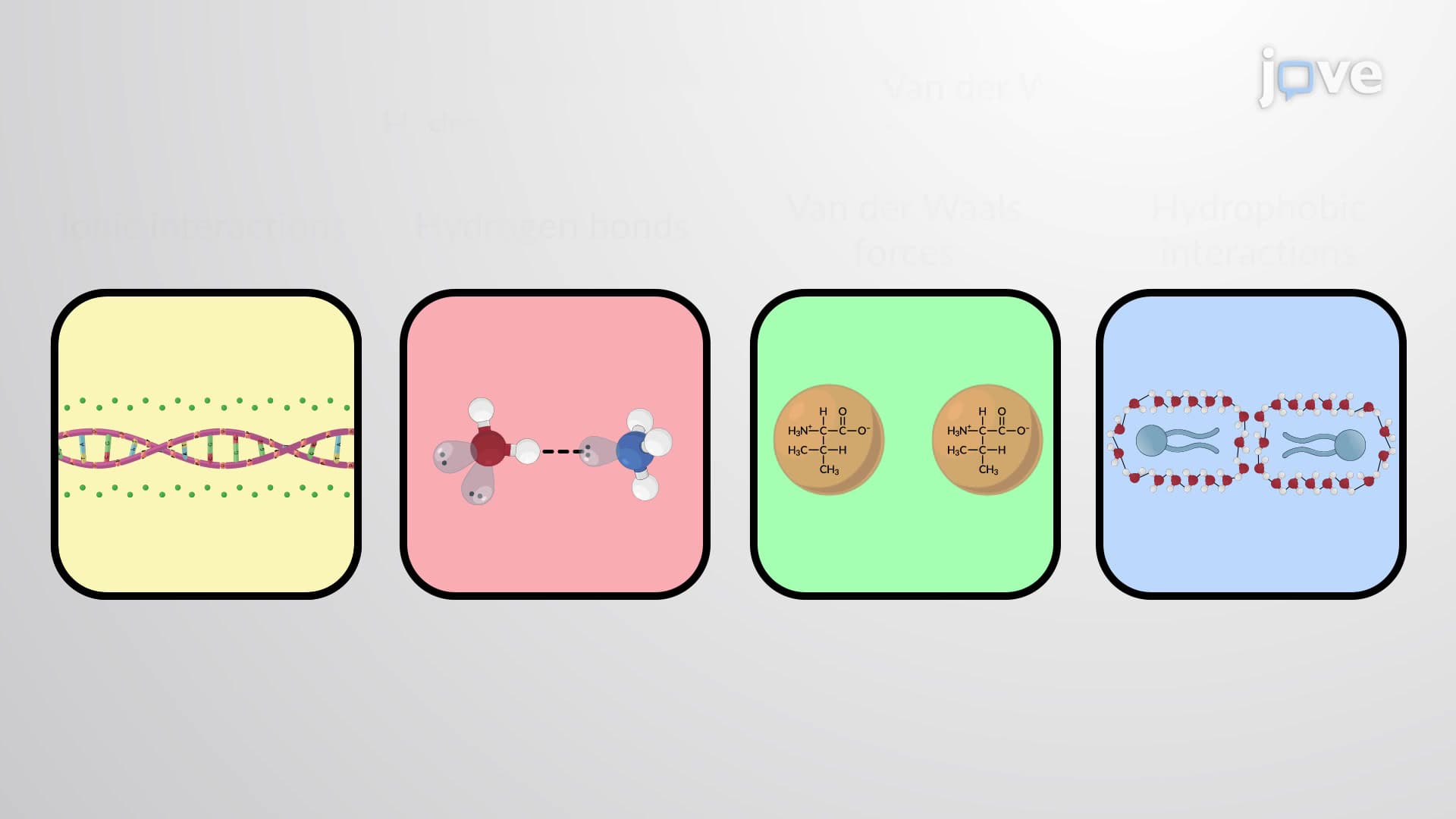
Non-covalent interactions-including hydrogen bonds, ionic interactions, and van der Waals forces-provide the dynamic flexibility essential for cellular processes. These weaker bonds allow proteins to change shape during enzymatic reactions and enable DNA double helix formation. Understanding bond strengths helps explain why some cellular structures remain stable while others rapidly assemble and disassemble as needed.
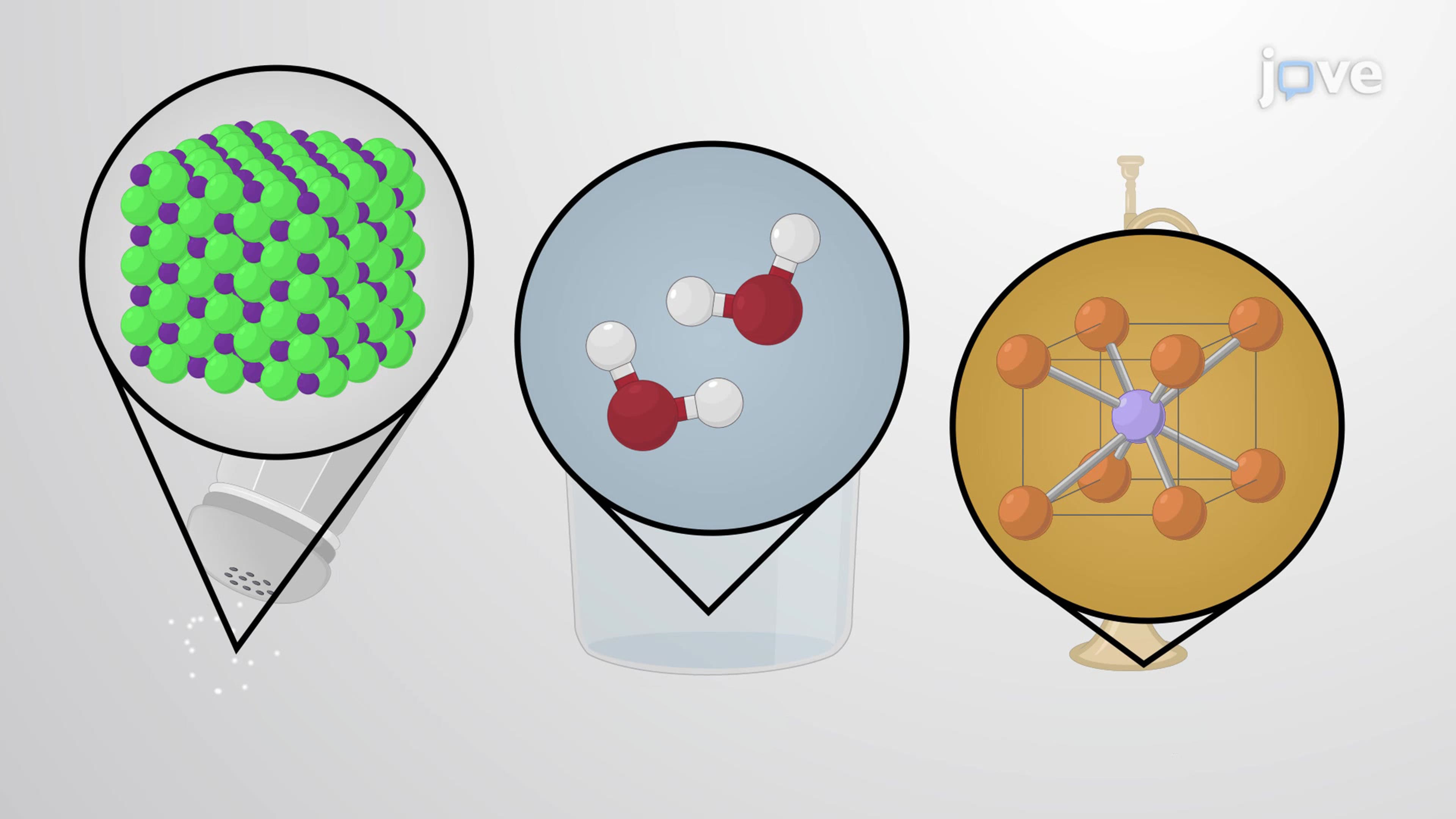
Water's unique properties exemplify how chemical principles determine biological function. Its polarity enables dissolution of ionic compounds and polar molecules, while hydrogen bonding creates the liquid state essential for cellular chemistry. These properties make water an ideal biological solvent, facilitating nutrient transport and waste removal in American healthcare contexts.
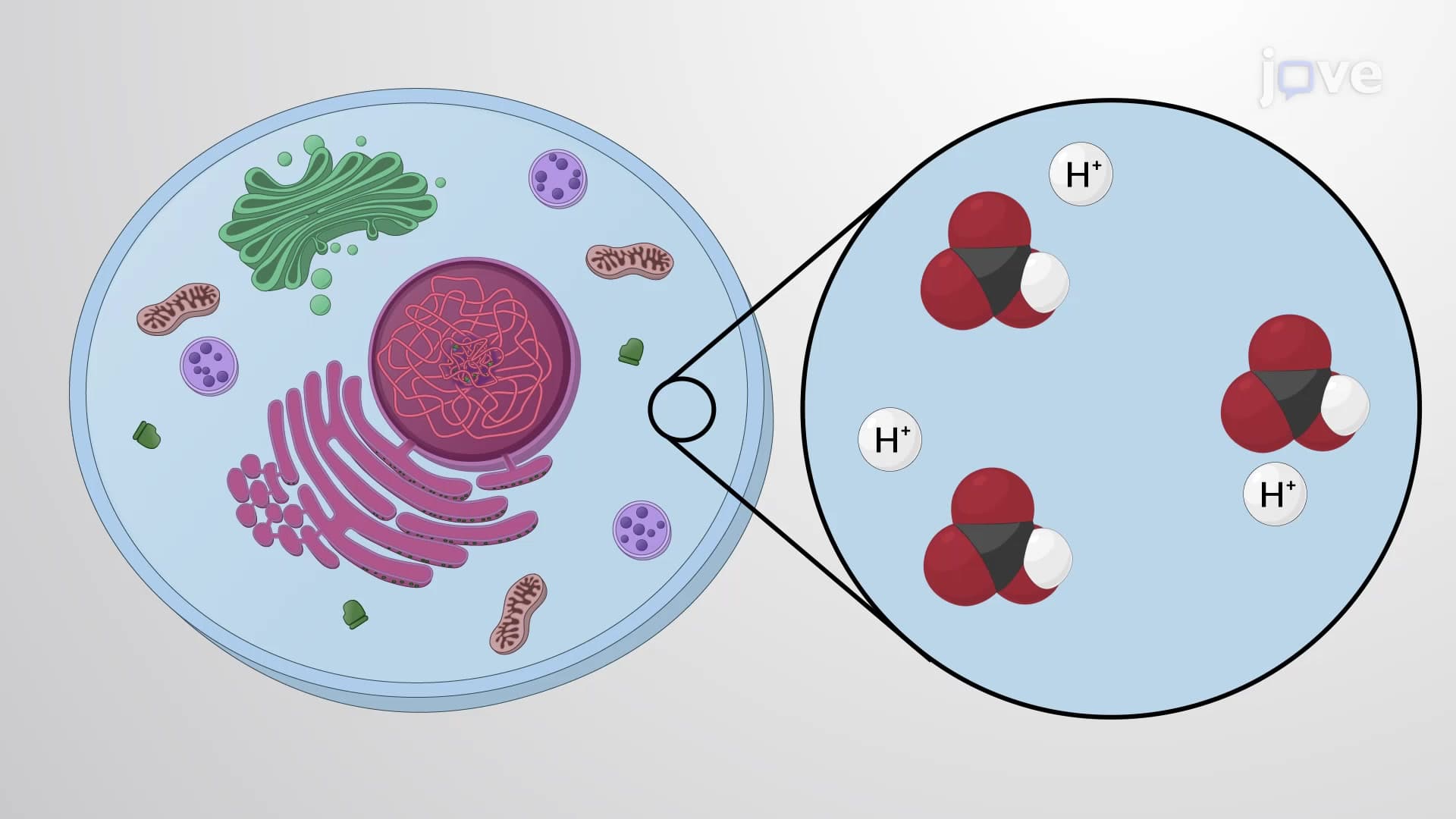
Cellular chemistry operates within narrow pH ranges maintained by buffer systems. Enzyme catalysis demonstrates how molecular shape and chemical properties enable specific reactions to occur efficiently at body temperature. These concepts directly relate to clinical scenarios-for instance, how aspirin inhibits specific enzymes to reduce inflammation, or how diabetes medications enhance insulin sensitivity through molecular interactions.
Related Micro-courses