Loading subject page…


181,211 views

Video Summary: What Is Noncovalent Attractions in Biomolecules
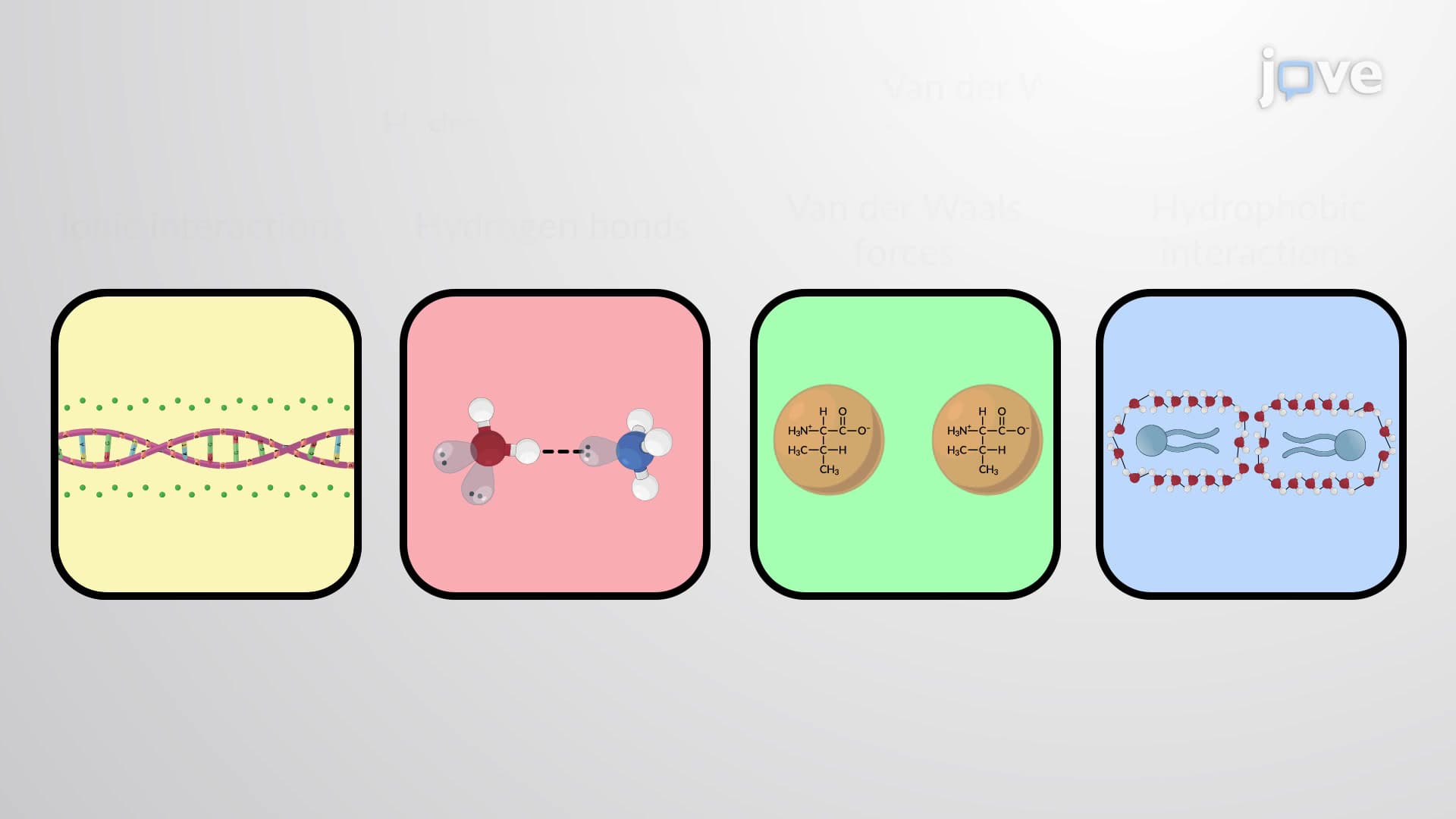
Why do your muscles contract when you flex, yet proteins remain flexible enough to change shape millions of times? The answer lies in noncovalent attractions biomolecules use to maintain their complex three-dimensional structures while allowing dynamic movement. These weak but essential forces-including hydrogen bonds, ionic interactions, van der Waals forces, and hydrophobic effects-enable everything from insulin binding to glucose receptors in diabetic patients to the precise folding of hemoglobin in your red blood cells. Watch the full video on JoVE Coach to master this concept with expert-led visuals and step-by-step explanations.
Noncovalent attractions biomolecules represent the fundamental weak forces that govern biological structure and function without involving electron sharing between atoms. Unlike the strong covalent bonds that form the backbone of biomolecules, these interactions are reversible and typically 10-100 times weaker, making them perfect for dynamic biological processes that require both stability and flexibility.
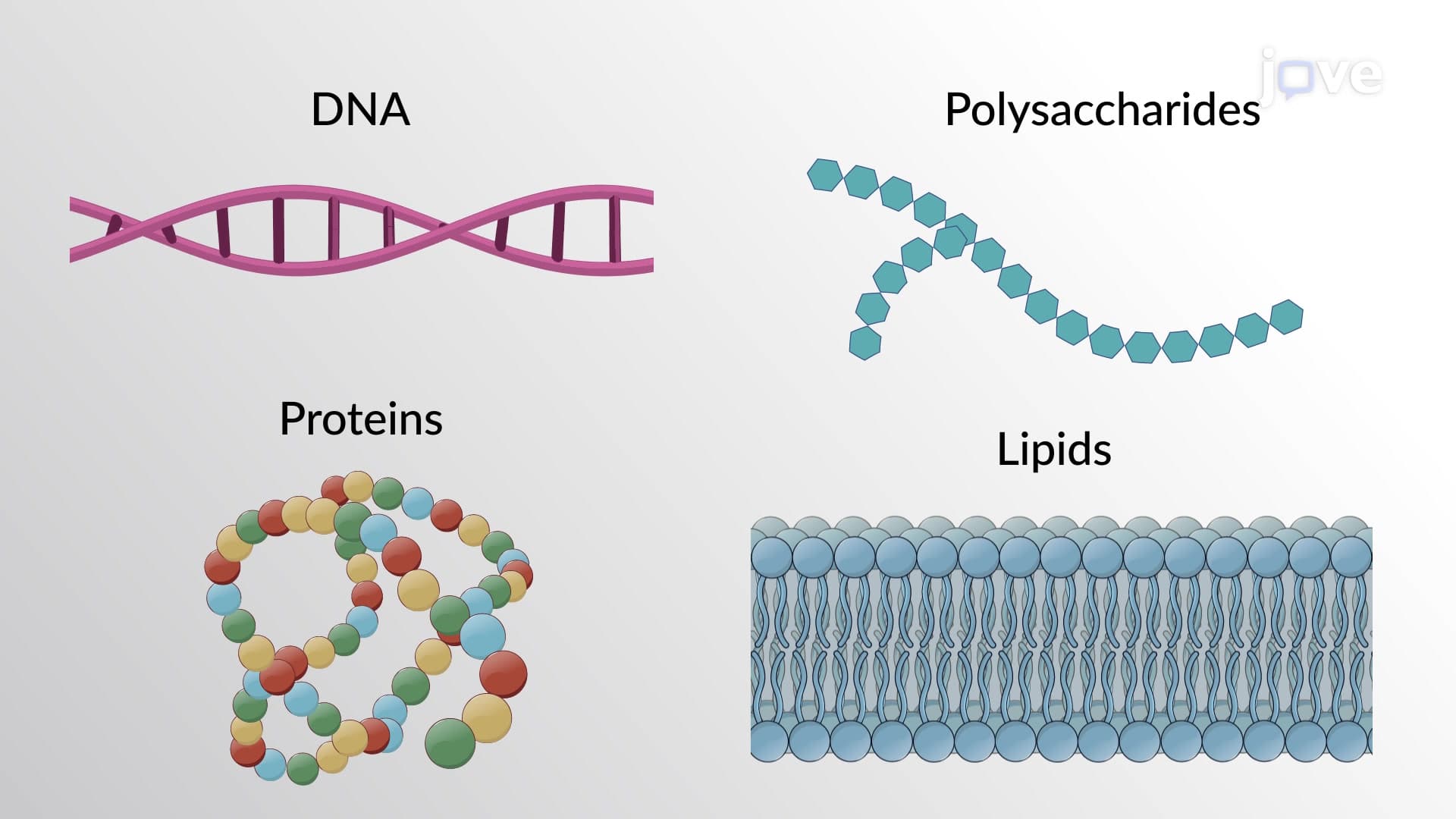
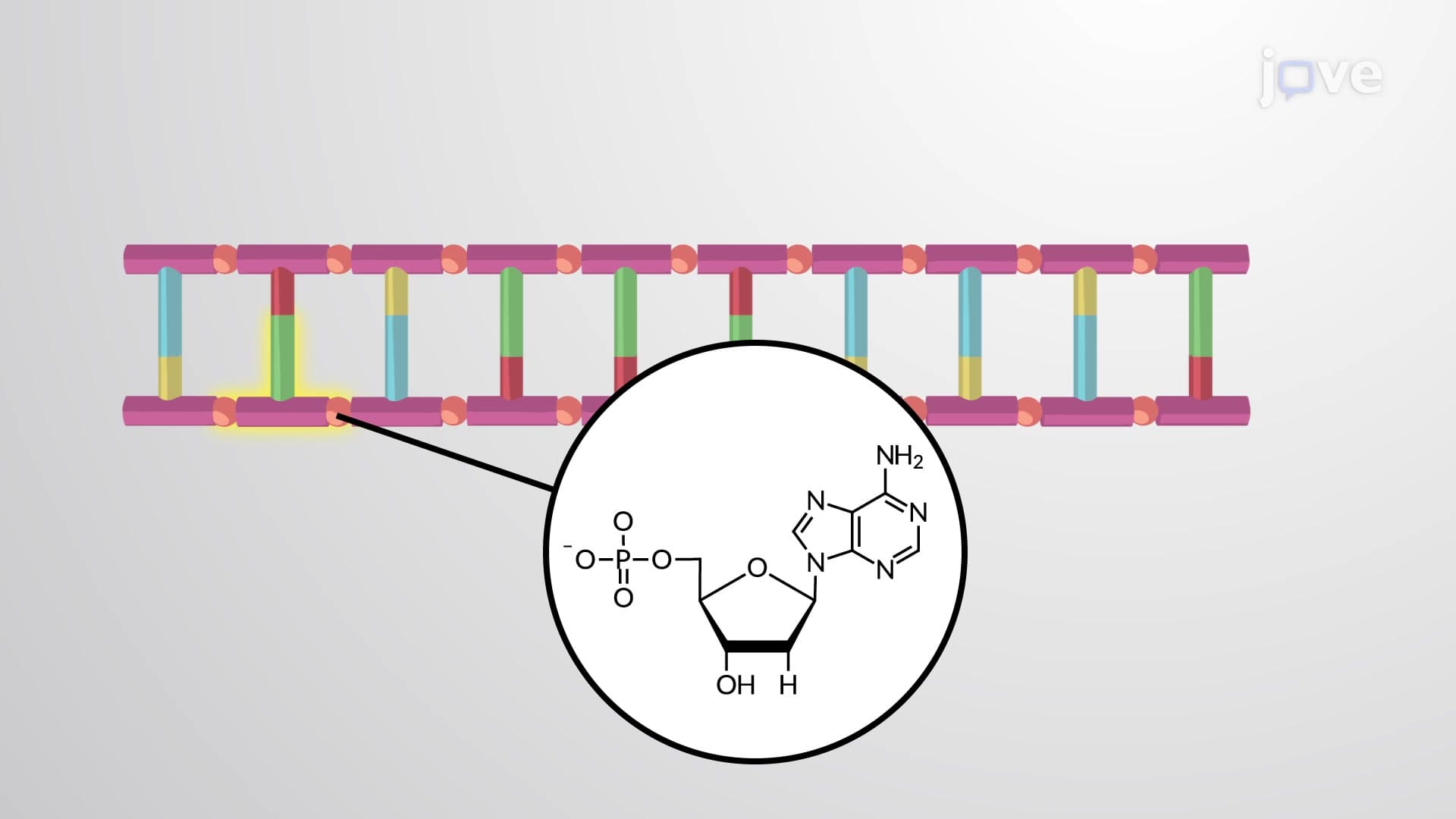
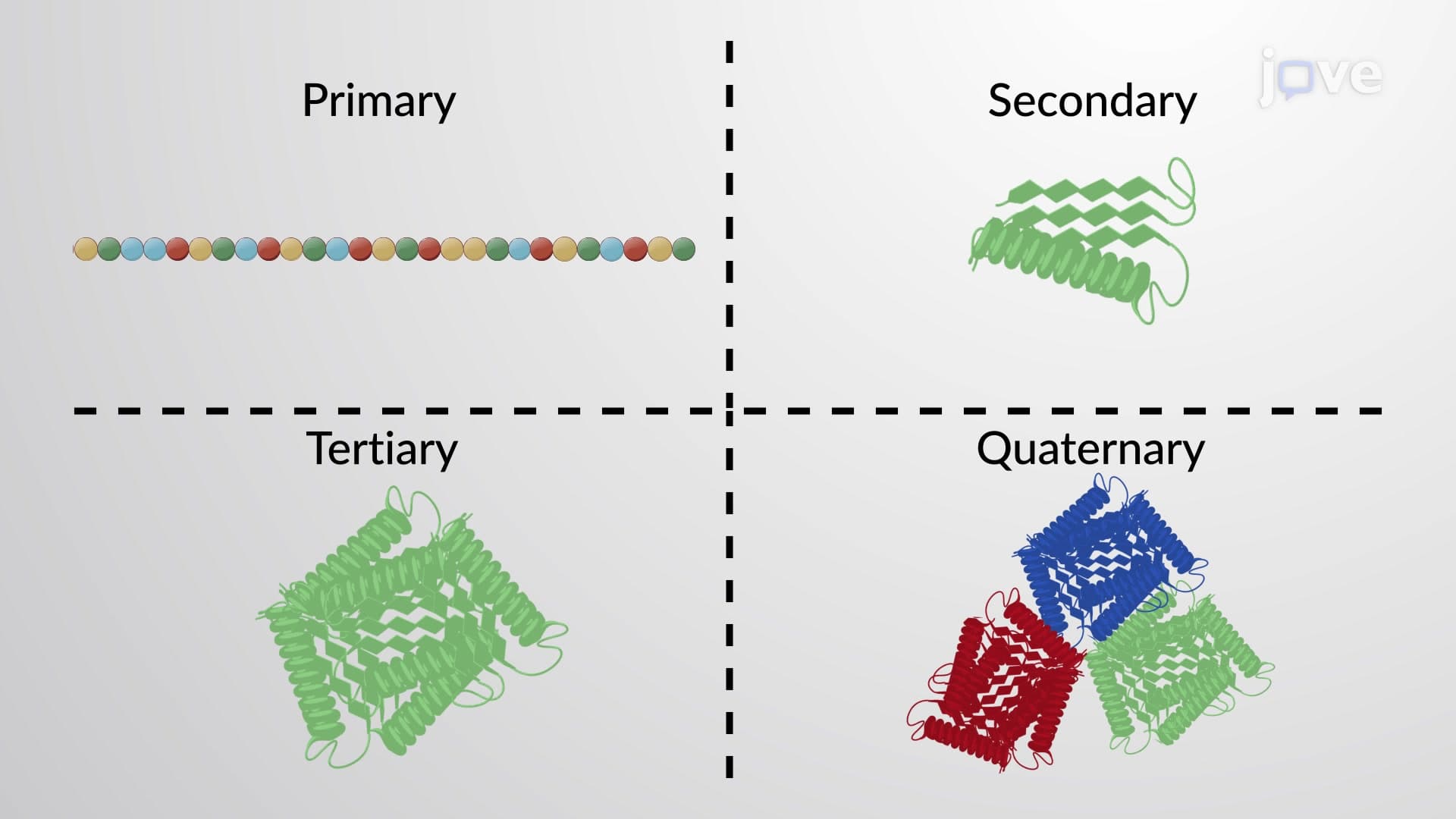
Hydrogen bonds serve as the molecular glue in biological systems, forming when a hydrogen atom covalently bonded to an electronegative atom (oxygen, nitrogen, or fluorine) interacts with another electronegative atom. In the human body, hydrogen bonds stabilize the alpha-helix structure of keratin in your hair and enable the complementary base pairing (A-T and G-C) that makes DNA replication possible. These bonds are crucial for maintaining the secondary structure of proteins and the double-helix stability of nucleic acids.
Ionic interactions (also called salt bridges) occur between oppositely charged groups and are particularly important in physiological conditions. The binding of oxygen to hemoglobin in your lungs involves ionic interactions that help stabilize the protein's quaternary structure. These forces are especially significant in enzyme active sites, where charged amino acid residues create specific binding pockets for substrates.
Van der Waals forces represent the weakest individual attractions but become collectively powerful in large biomolecules. These temporary attractions between electron clouds enable the tight packing of atoms in protein cores and contribute to the specificity of drug-receptor interactions. For example, the cholesterol-lowering medications called statins rely on van der Waals forces to fit precisely into the active site of HMG-CoA reductase.
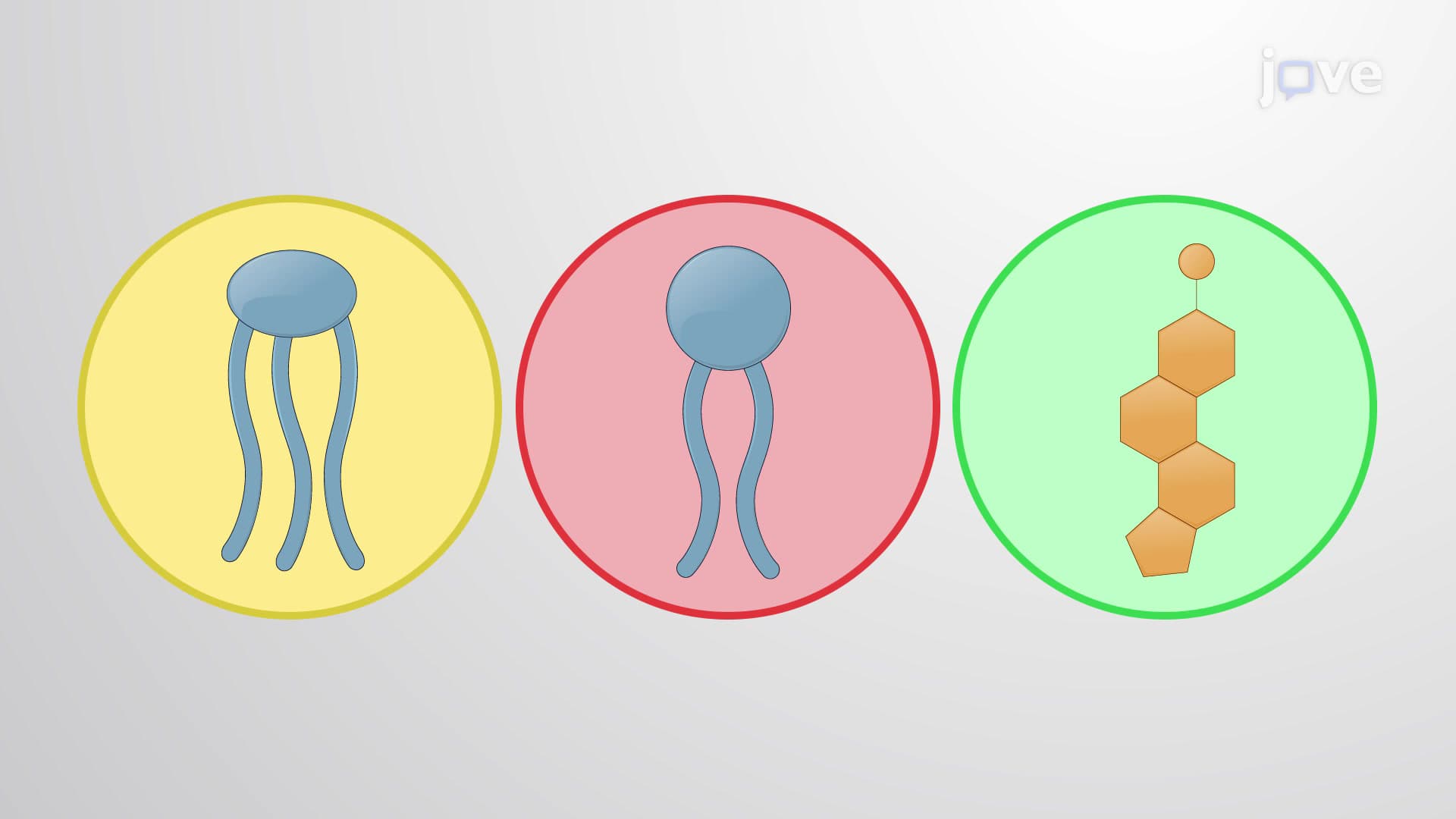
The hydrophobic effect drives some of the most critical biological processes, including protein folding and membrane formation. Nonpolar amino acid residues cluster together in protein cores to avoid water, while hydrophilic residues face outward toward the aqueous environment. This principle explains how cell membranes self-assemble from phospholipids, with hydrophobic tails pointing inward and hydrophilic heads facing the water on both sides.
For students preparing for the MCAT or AP Biology exams, understanding these concepts is essential for questions about protein structure, enzyme kinetics, and membrane biology. College biochemistry courses frequently test these principles through problem sets involving protein denaturation, drug binding affinity, and membrane permeability calculations.
Related Micro-courses