Loading subject page…

- Cell Biology
- Cell Division
- Condensins
Micro-course: Cell Division
37,915 views
Learn key concepts and earn your certificate.
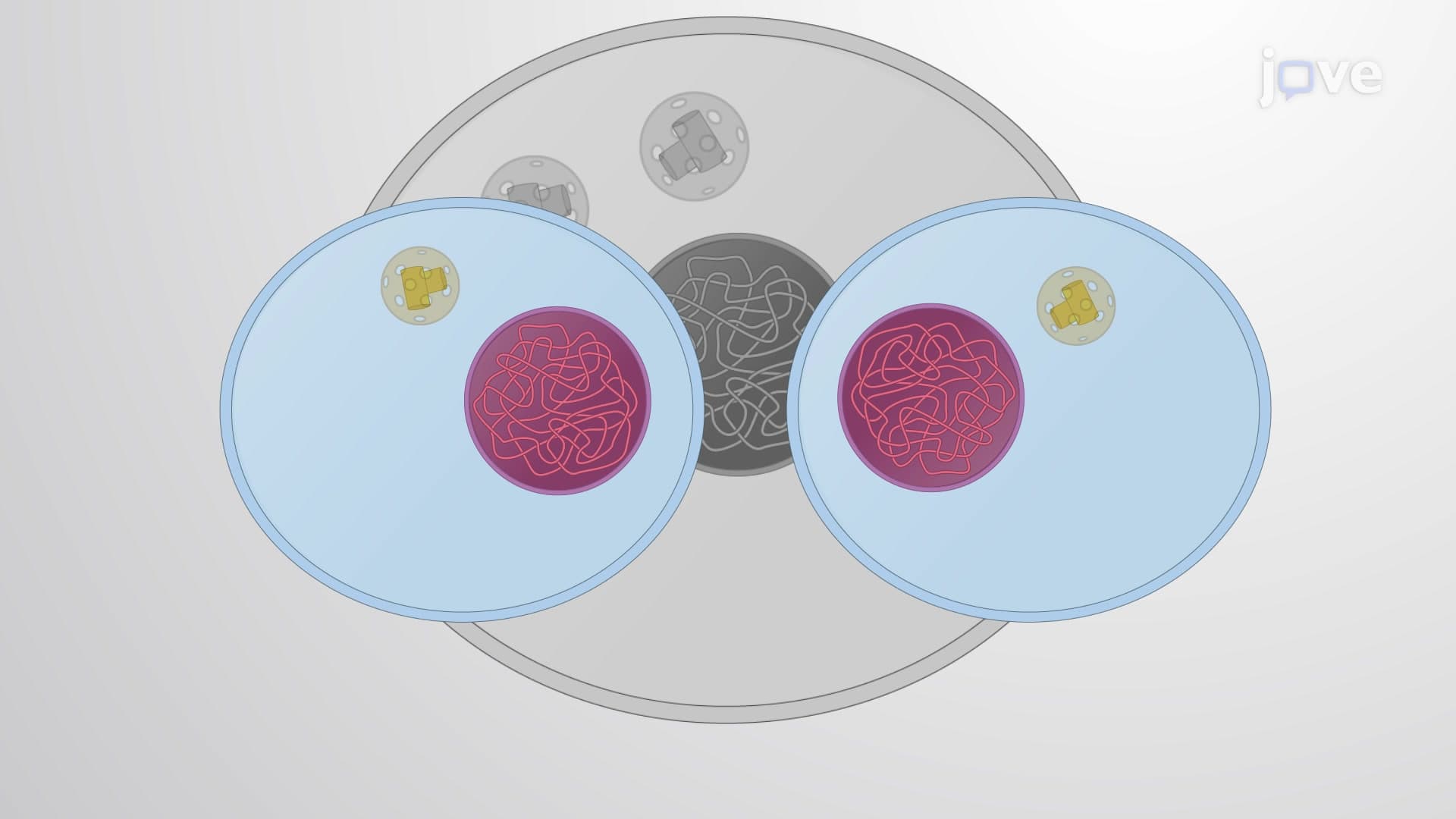

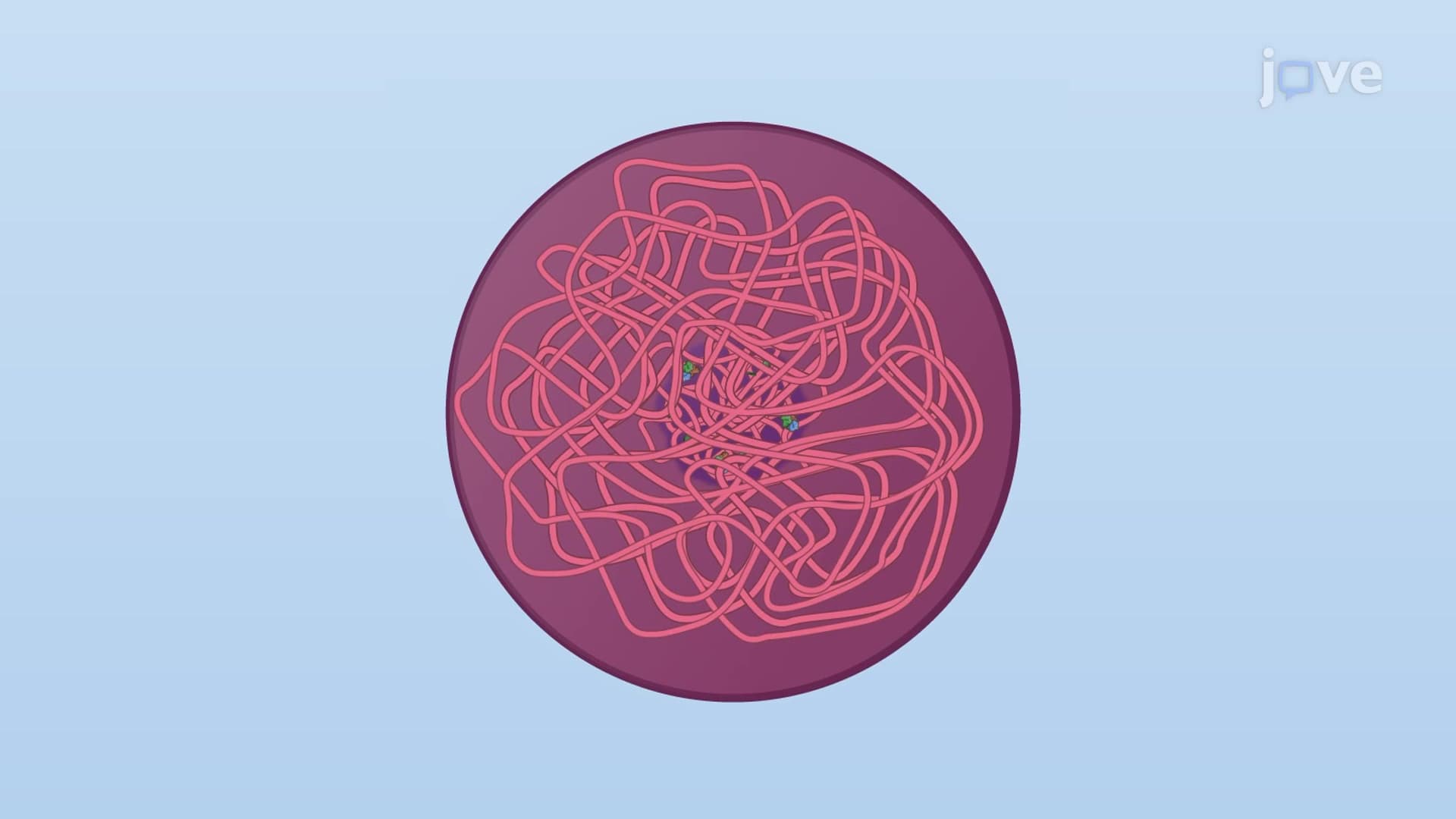
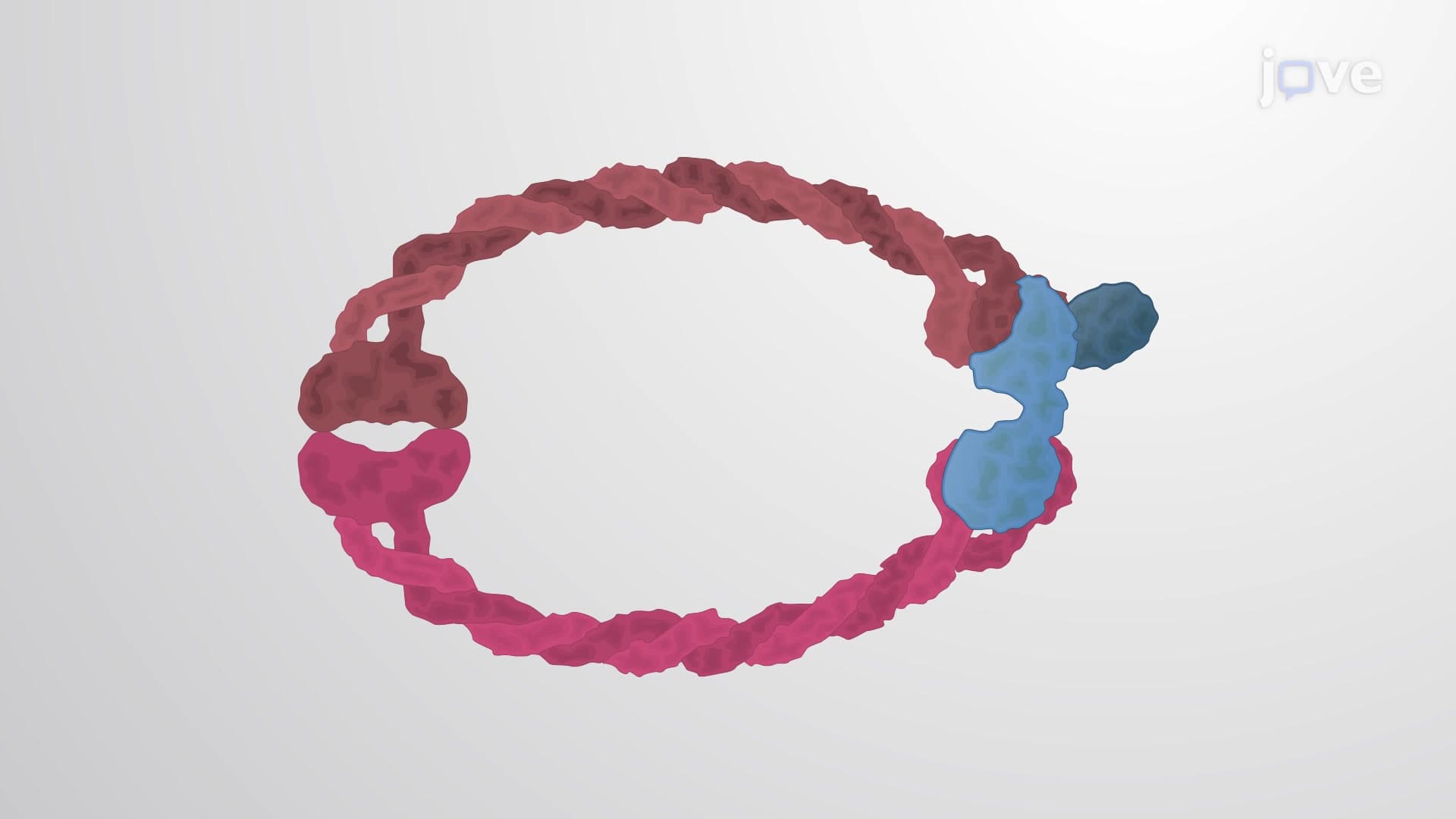
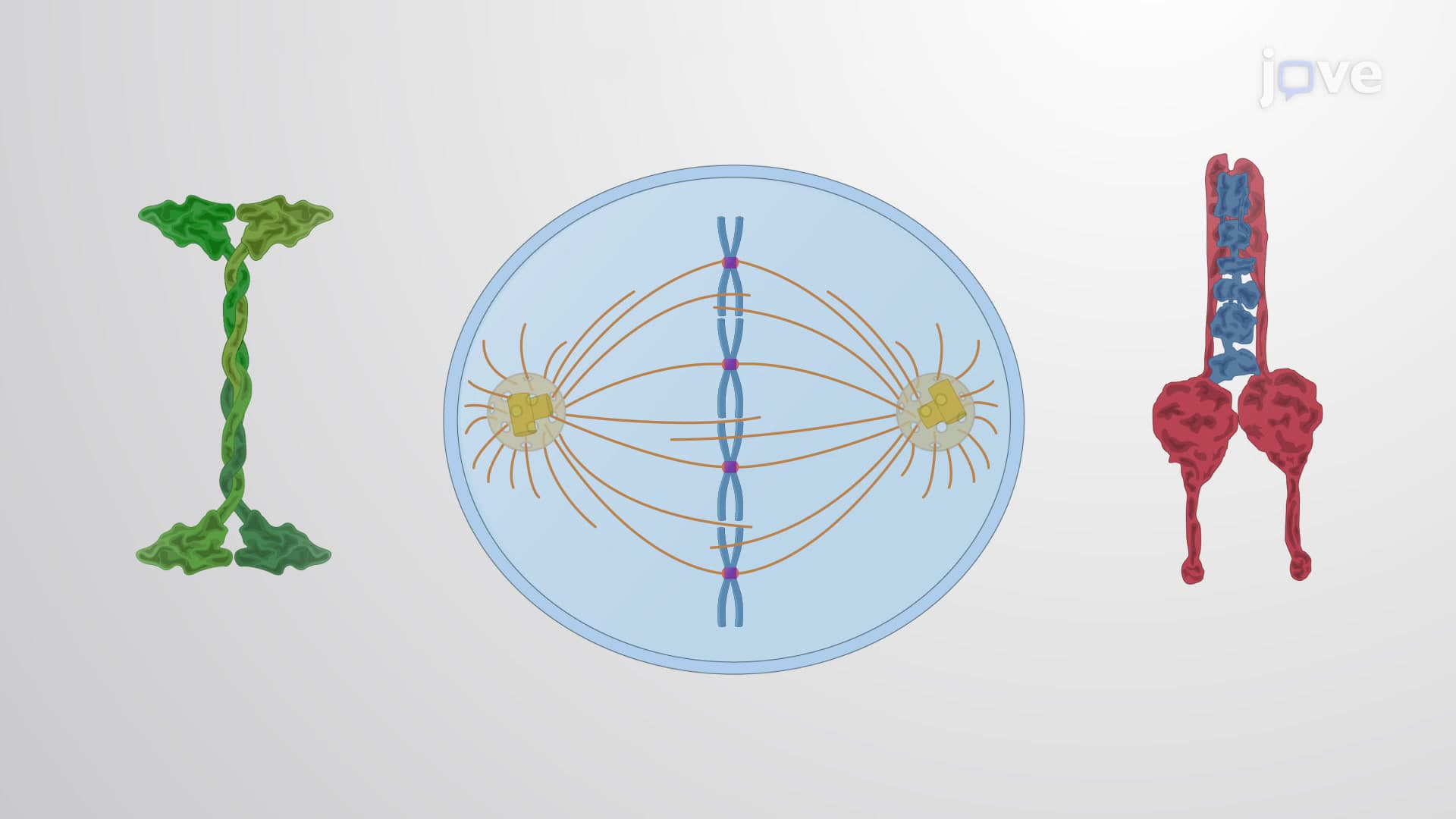
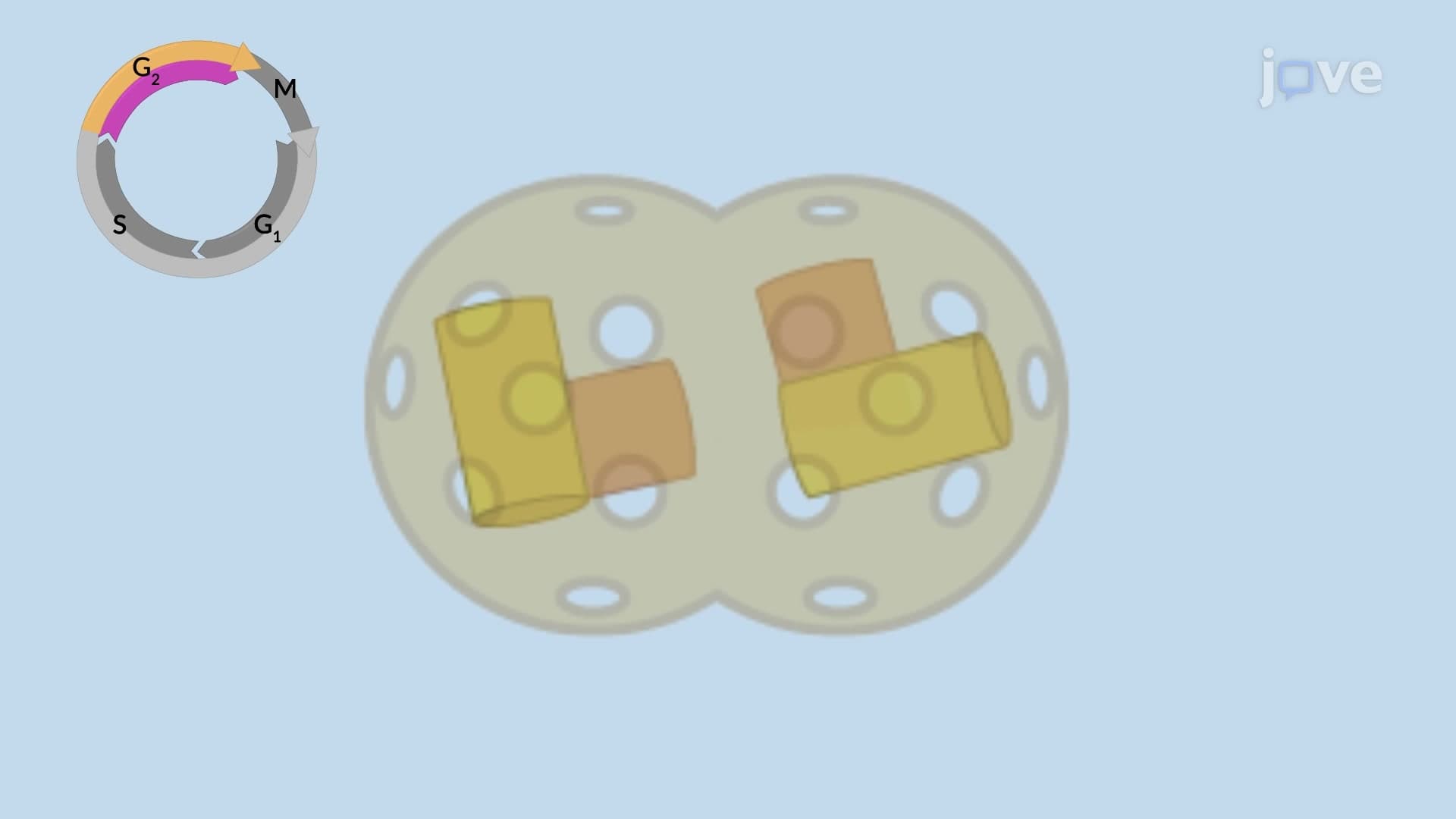

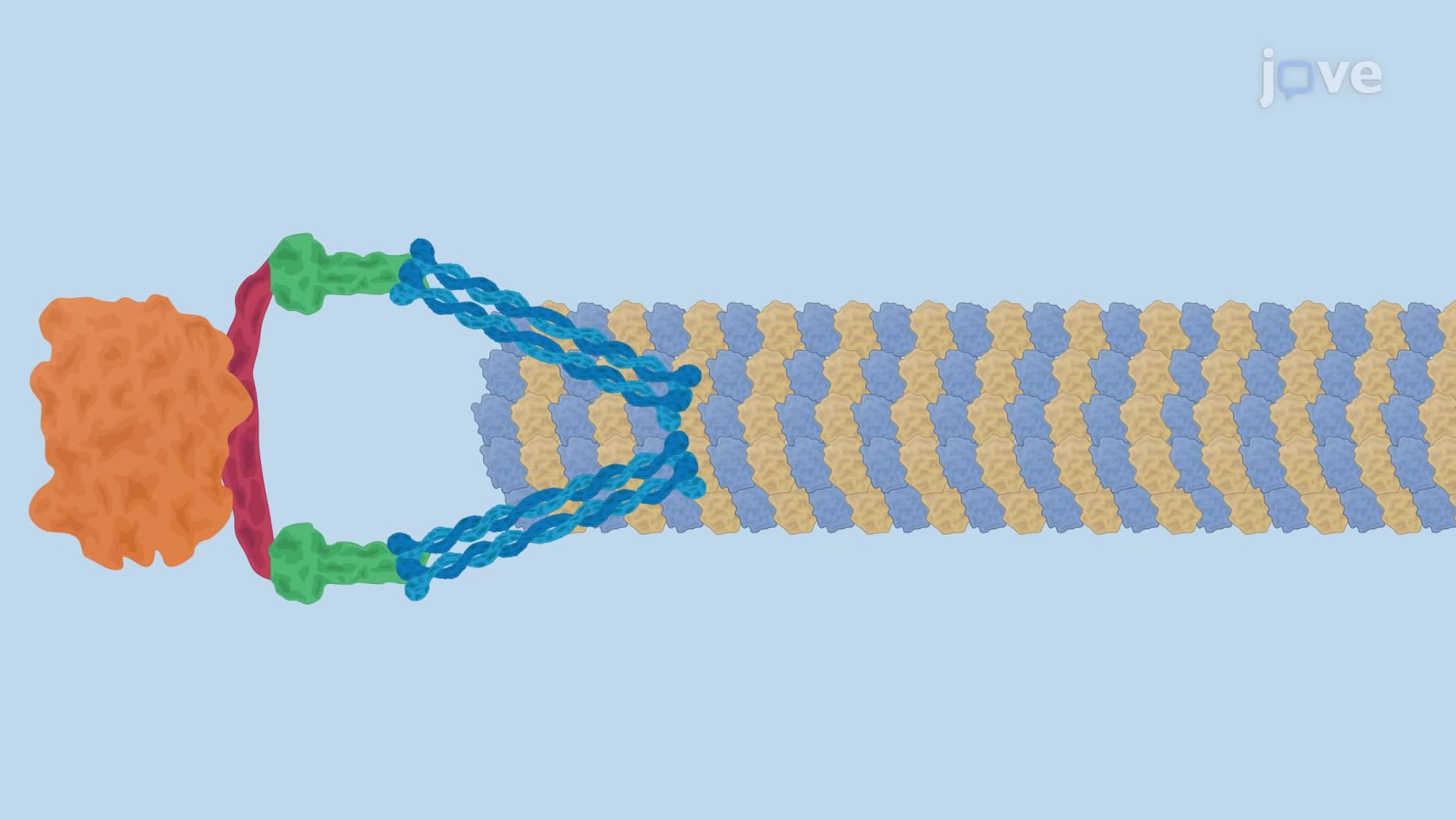
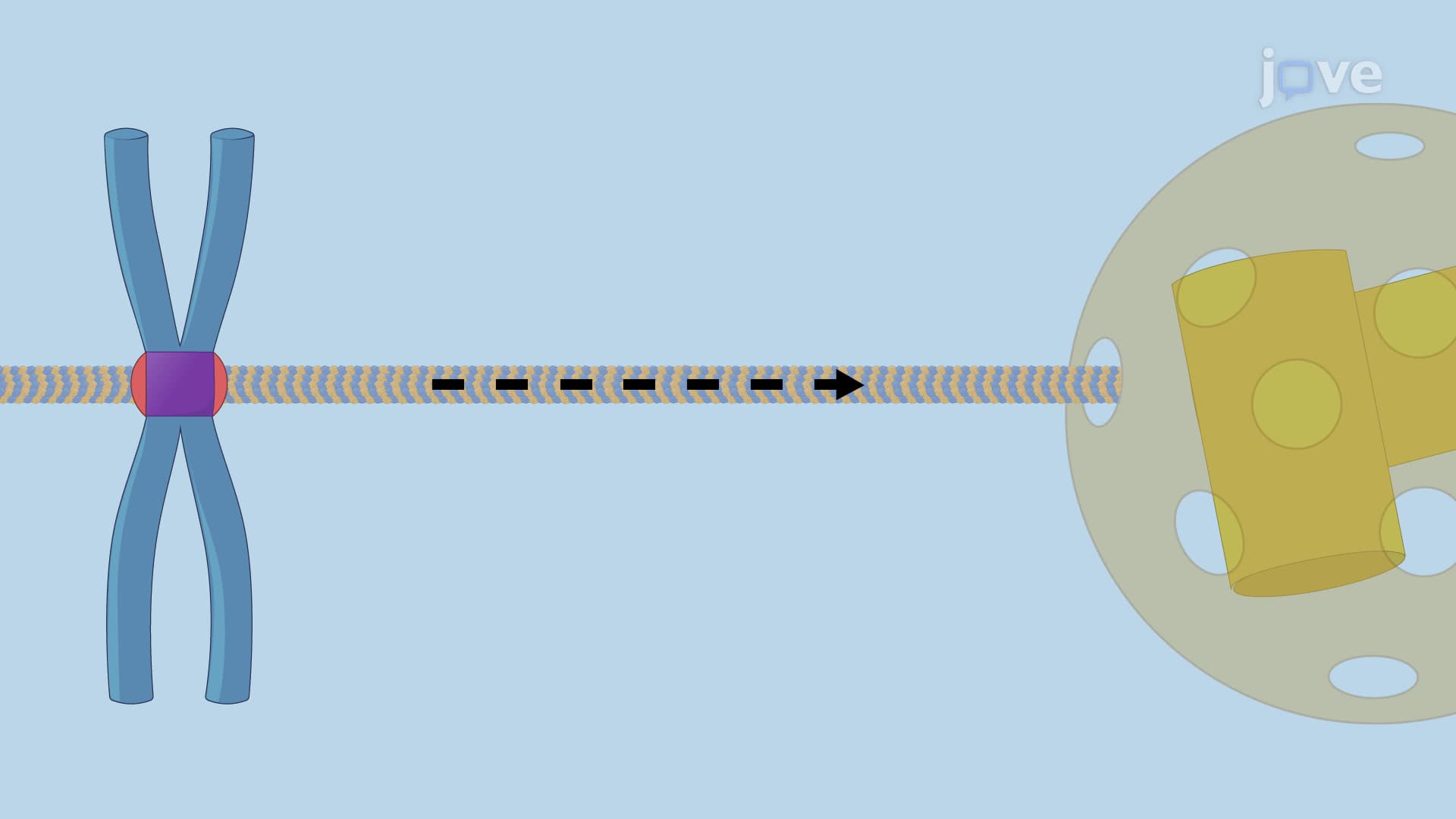

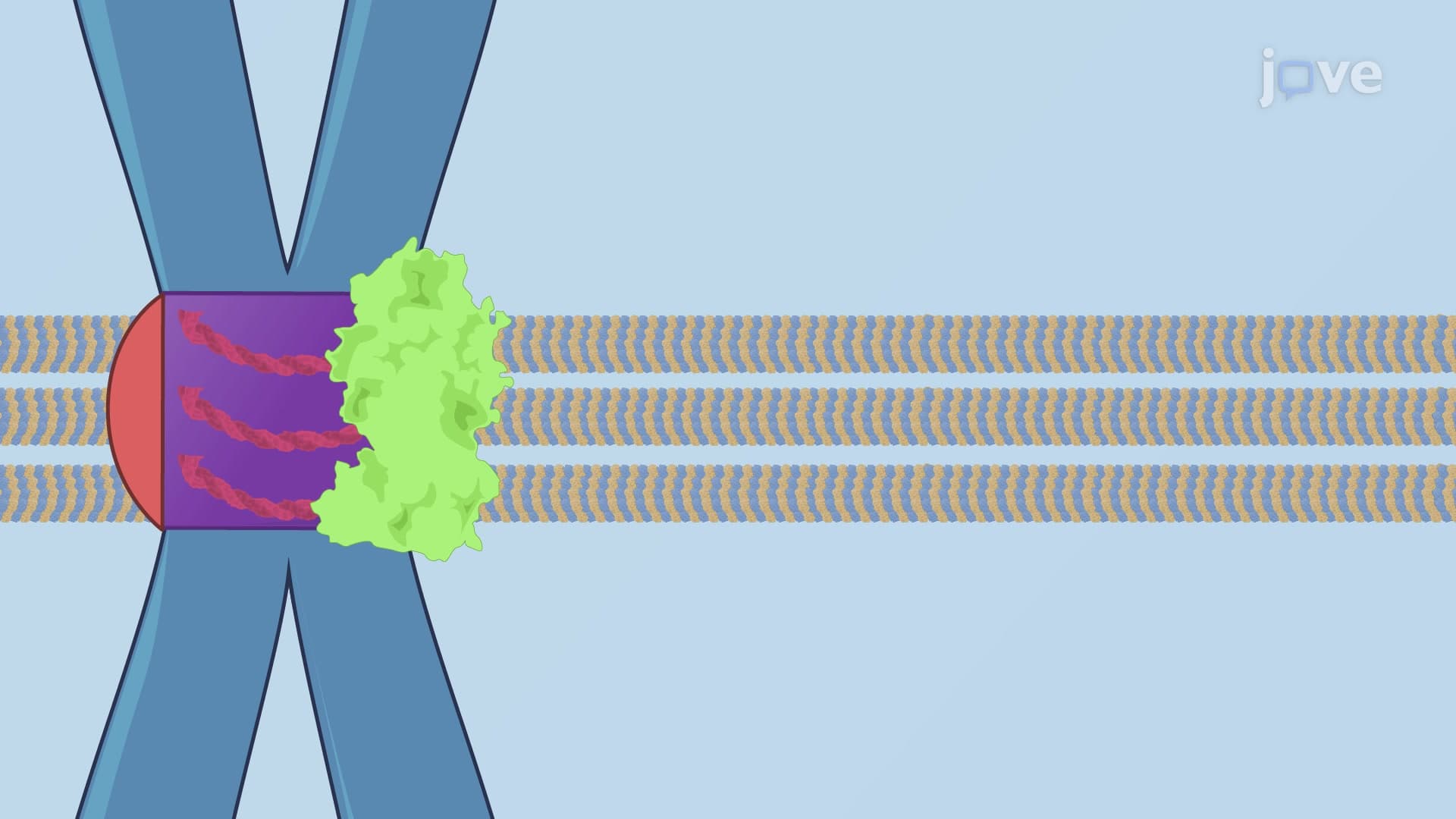
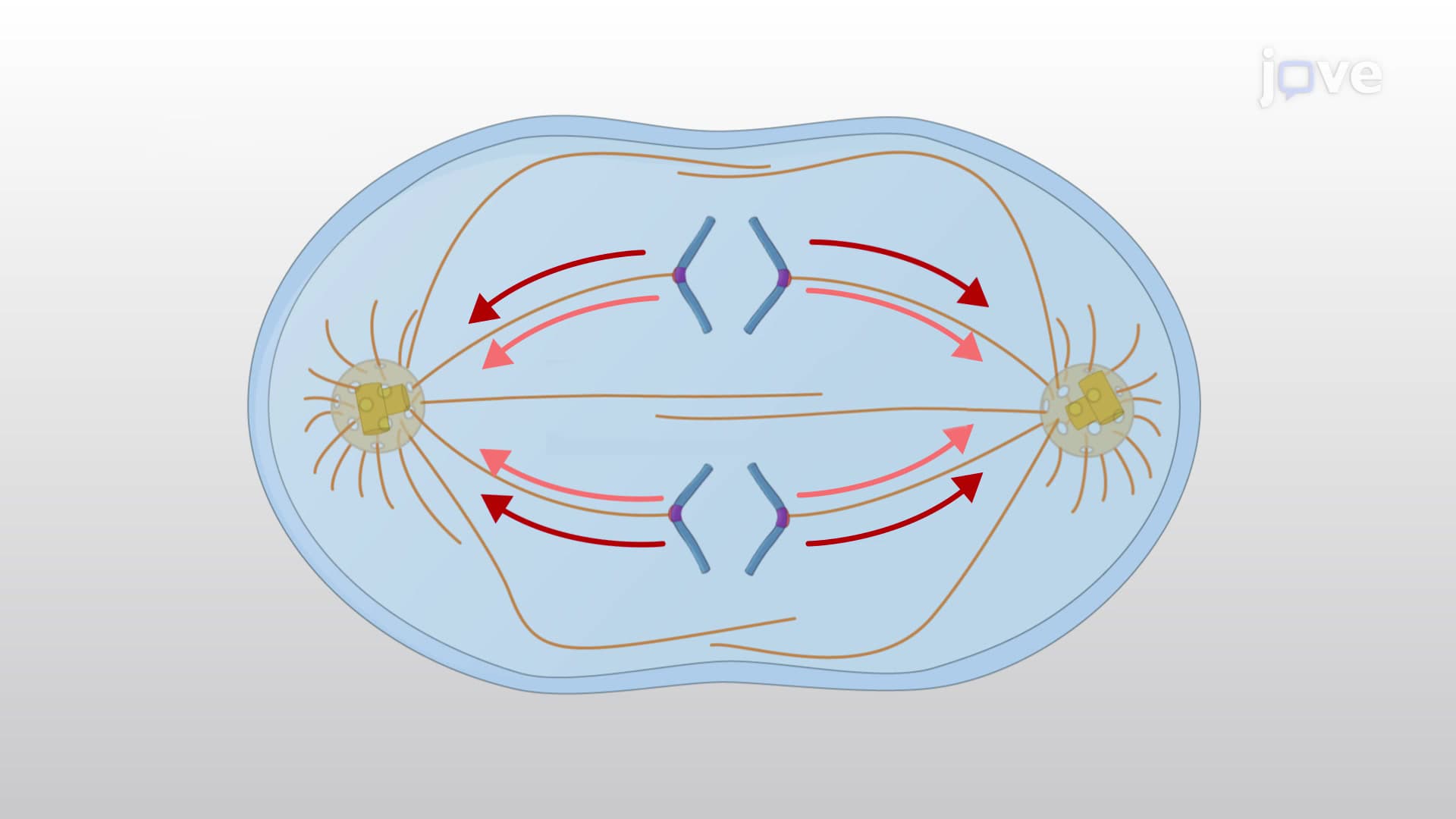

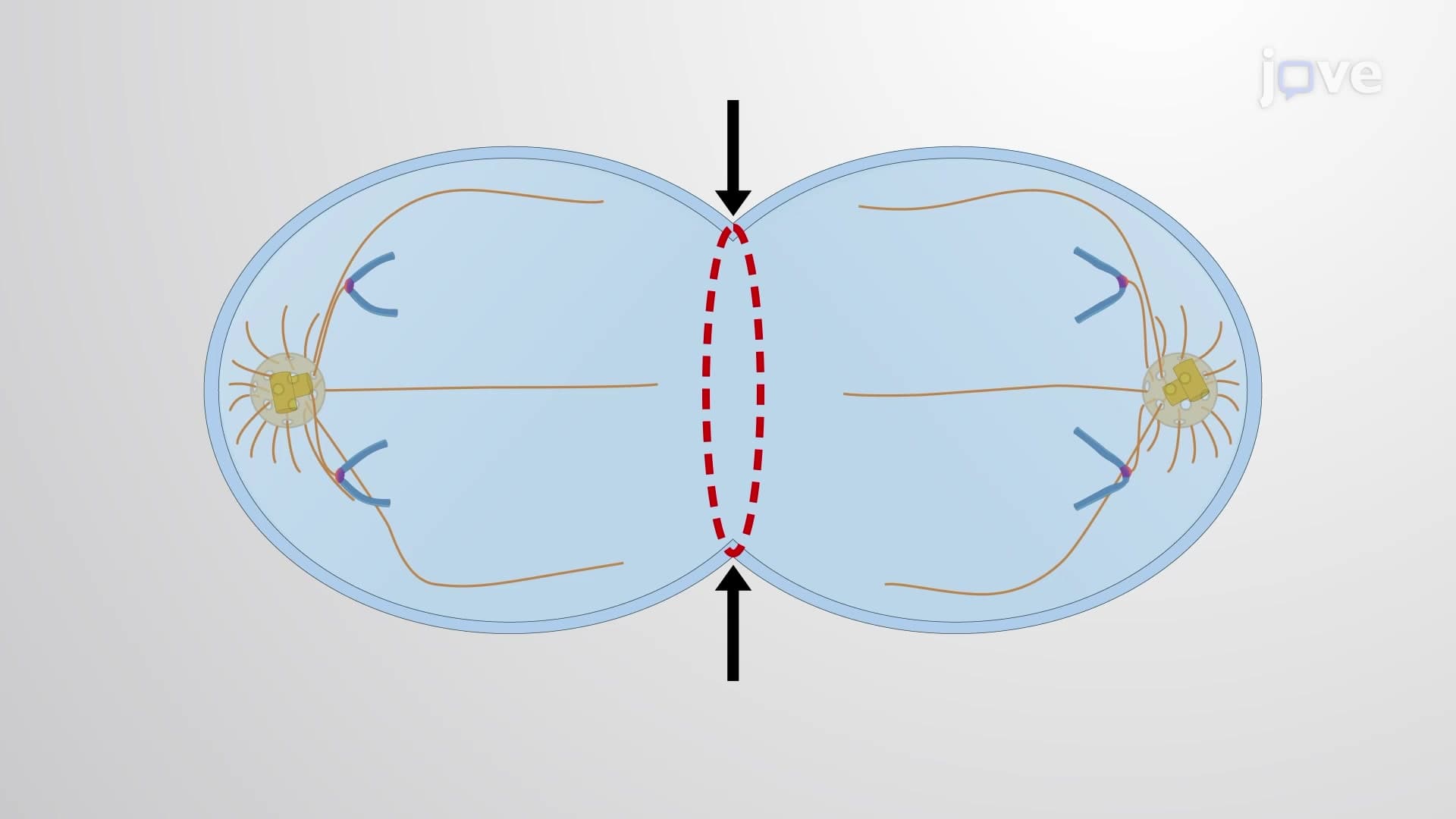
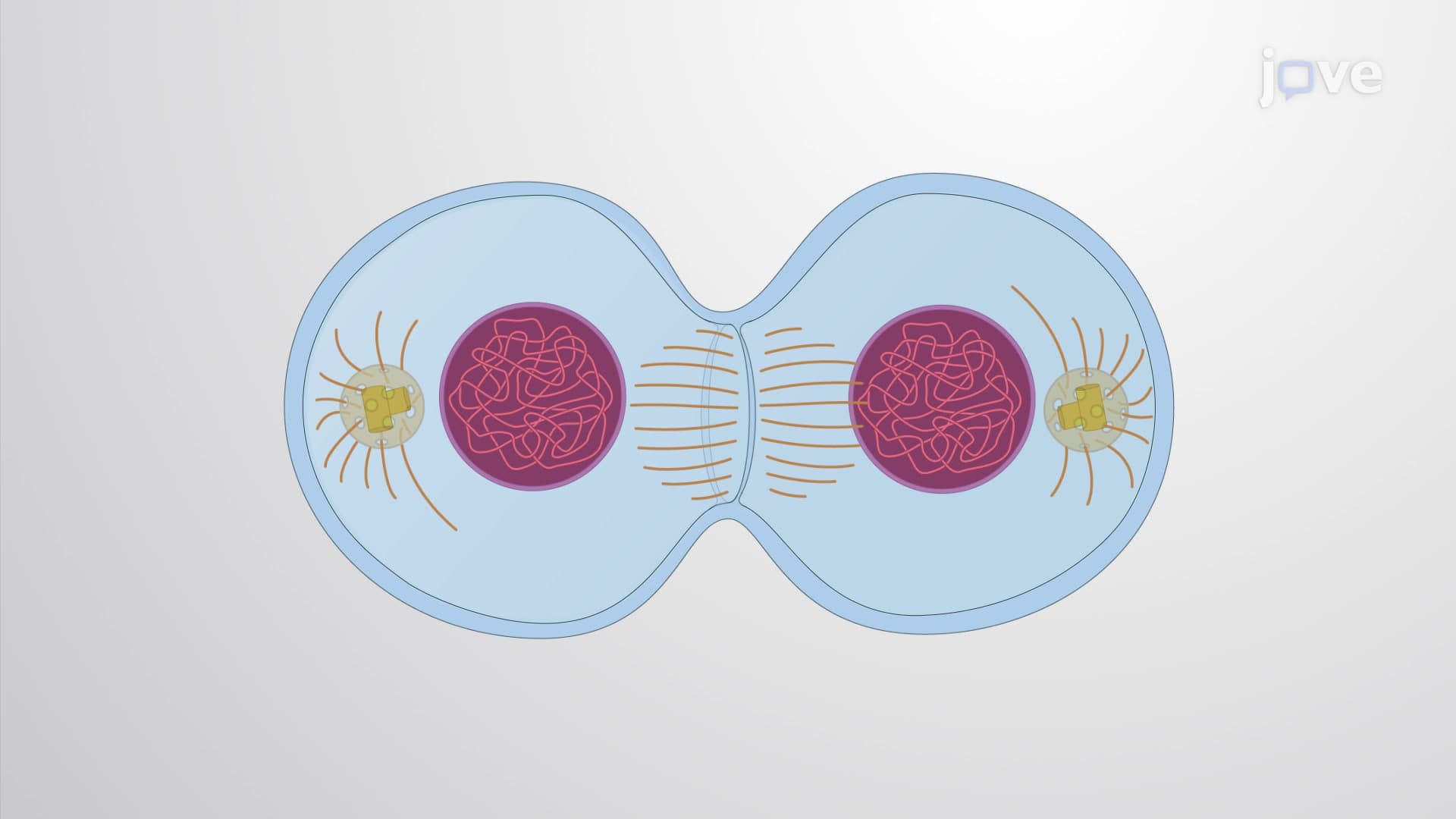
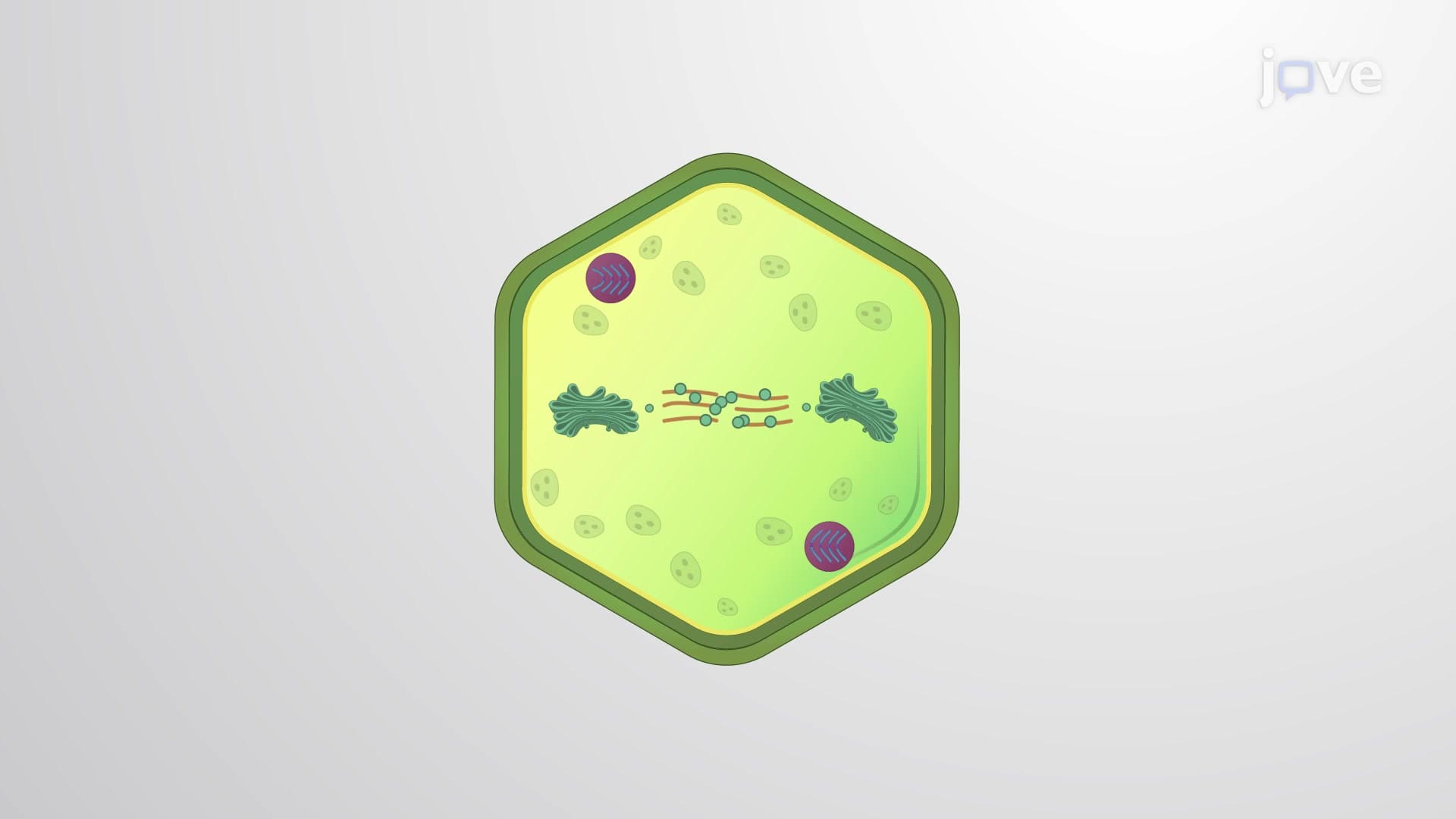
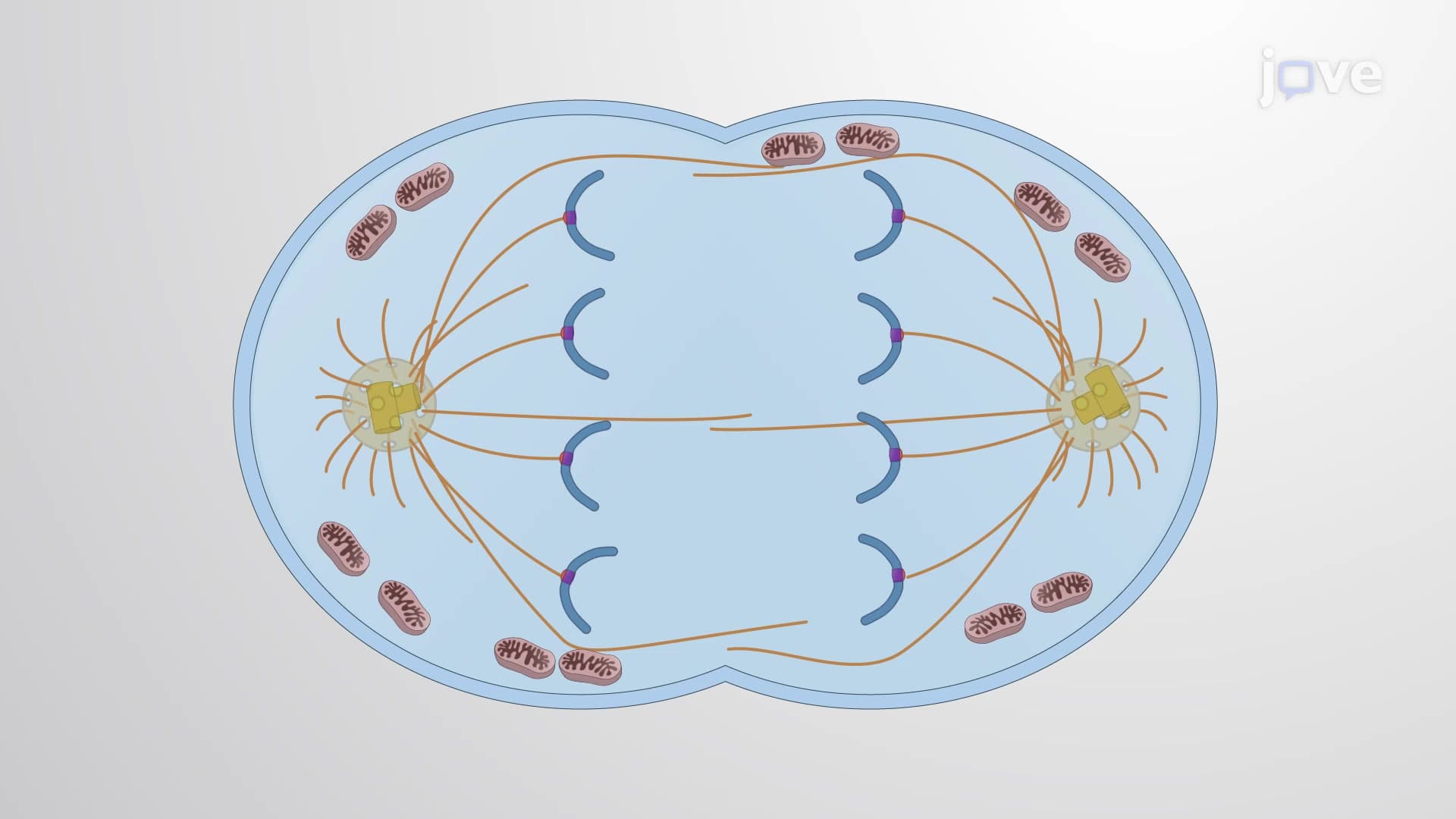
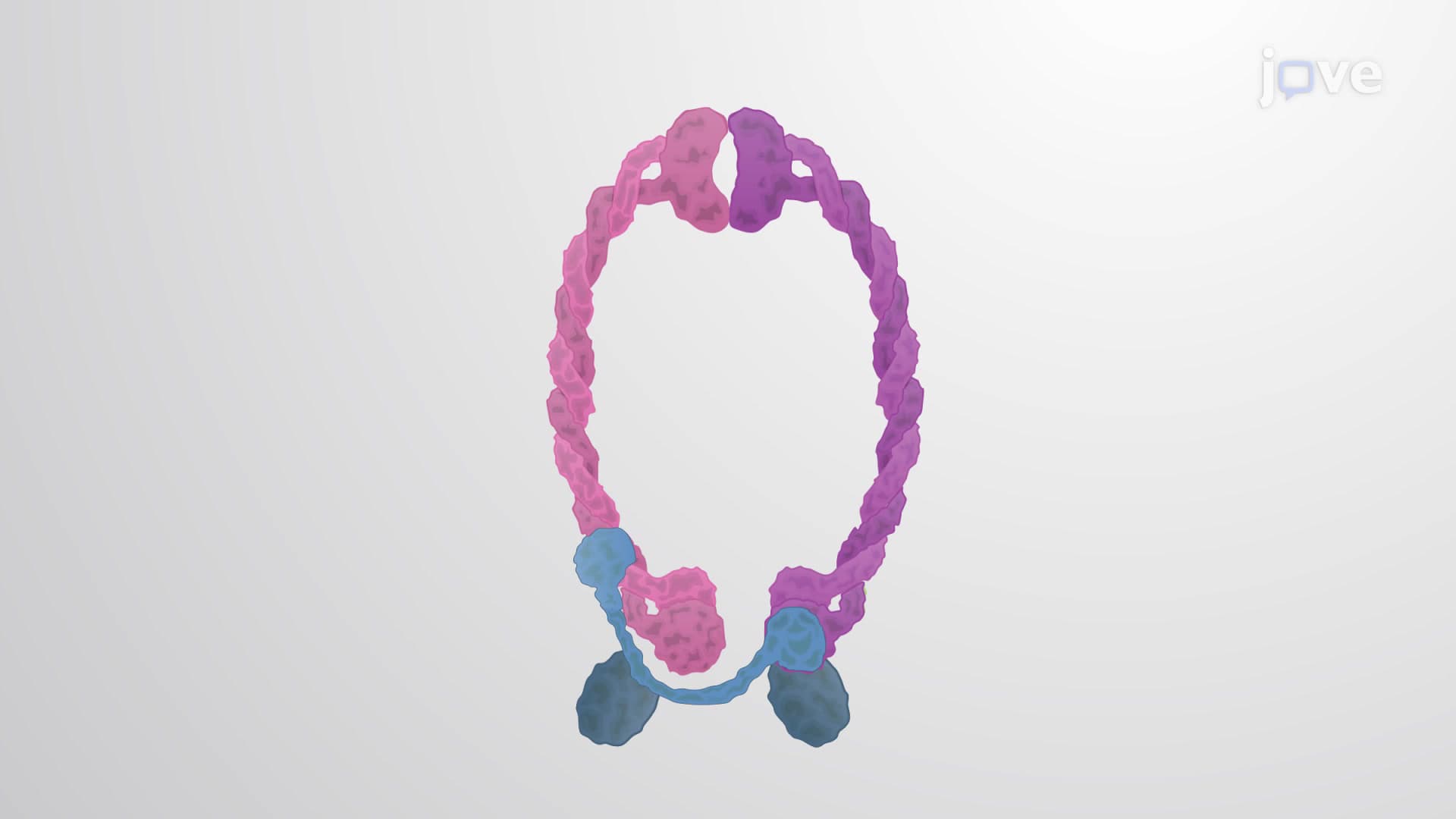
Condensins

00:00
02:15
Video Summary: What are Condensins
Ever wonder how your DNA, stretched end-to-end over 6 feet long, fits into microscopic cells without becoming tangled chaos? Condensins are molecular machines that solve this packaging puzzle by compacting chromosomes during cell division. These protein complexes act like cellular organizers, ensuring chromosomes condense properly for accurate segregation-a process critical in preventing cancer-causing chromosomal instability observed in many US cancer research studies. Understanding what are condensins reveals how cells maintain genetic integrity during millions of divisions throughout your lifetime. Watch the full video on JoVE Coach to master this concept with expert-led visuals and step-by-step explanations.
- Understand what are condensins and their fundamental role as multi-subunit protein complexes responsible for chromosome condensation during mitosis and meiosis
- Identify the two main types of condensins (condensin I and II) and explain their distinct subunit compositions and sequential functions during cell division phases
- Compare condensins and cohesins to distinguish their complementary but unique roles in chromosome architecture and cellular processes
- Analyze the molecular mechanisms by which condensins introduce positive supercoils and facilitate DNA loop extrusion for chromosome compaction
- Evaluate how condensin dysfunction contributes to chromosomal instability, cancer development, and genetic disorders in clinical contexts
- Apply knowledge of condensin regulation through phosphorylation and ATPase activity to understand cell cycle control mechanisms
- Recognize condensins' involvement in DNA repair processes and transcriptional regulation beyond their primary condensation function
- Explore therapeutic implications of targeting condensin pathways for treating diseases involving chromosomal missegregation
What Are Condensins: Essential Chromosome Organizers
Condensins represent one of biology's most elegant solutions to a geometric impossibility. These ring-shaped protein complexes transform loosely organized chromatin into the tightly packed, X-shaped chromosomes visible under microscopes during cell division. Unlike cohesins that hold sister chromatids together, condensins function as molecular motors that actively compact DNA through ATP-dependent mechanisms.
The discovery of condensins in the 1990s revolutionized our understanding of chromosome structure, explaining how cells achieve the 10,000-fold compaction necessary for accurate chromosome segregation. This concept frequently appears on AP Biology exams and college cell biology courses, particularly when discussing mitosis regulation and cancer biology.
Types of Condensins and Their Specialized Functions
Two distinct types of condensins orchestrate chromosome condensation with precise timing. Condensin I operates primarily during prometaphase, working from chromosome arms inward to achieve final compaction. Condensin II initiates earlier during prophase, beginning condensation from chromosome cores outward. This sequential action ensures systematic, error-free chromosome organization.
Both complexes share a similar architecture featuring SMC (Structural Maintenance of Chromosomes) proteins that form the ring structure, but differ in their regulatory subunits. These differences allow each complex to respond to distinct cell cycle signals and phosphorylation patterns. Understanding these distinctions helps explain why mutations affecting specific condensin types cause different developmental disorders.
Molecular Mechanisms and Clinical Significance
Condensins operate through sophisticated molecular mechanisms involving ATP hydrolysis and topological changes in DNA structure. They introduce positive supercoils and facilitate loop extrusion, progressively organizing chromatin into condensed chromosomes. This process requires coordination with topoisomerase II, which relieves topological stress generated during condensation.
Research at major US cancer centers like MD Anderson and Memorial Sloan Kettering has revealed that condensin defects contribute to chromosomal instability-a hallmark of cancer cells. Approximately 70% of solid tumors exhibit some form of chromosomal instability, often linked to condensin pathway disruptions. This connection makes condensins attractive therapeutic targets for developing novel cancer treatments.
Broader Cellular Functions and Academic Applications
Beyond chromosome condensation, condensins participate in DNA repair, transcriptional regulation, and maintenance of genomic stability. They help organize DNA repair complexes at double-strand breaks and influence gene expression by modulating chromatin accessibility. These diverse functions explain why condensin-related questions appear across multiple biology disciplines, from molecular genetics to developmental biology.
For students preparing for the MCAT or advanced placement exams, understanding condensins provides crucial insight into cell cycle regulation, cancer biology, and genetic stability mechanisms that form the foundation of modern biomedical research.
Frequently Asked Questions
Condensins are ring-shaped protein complexes that compact chromatin into condensed chromosomes during cell division. They act as molecular machines using ATP energy to introduce DNA loops and supercoils, achieving the dramatic chromosome condensation visible under microscopes. These essential proteins ensure accurate chromosome segregation and maintain genomic stability.
Condensin I and condensin II work sequentially with distinct roles during chromosome condensation. Condensin II initiates condensation during prophase, working from chromosome cores outward, while condensin I completes the process during prometaphase, compacting from arms inward. Their different regulatory subunits allow response to specific cell cycle signals and phosphorylation patterns.
Exams frequently test condensin functions in mitosis, their role in chromosome structure, and connections to cancer biology through chromosomal instability. Students should understand condensin vs. cohesin distinctions, ATP-dependent mechanisms, and how condensin defects contribute to genetic disorders. Cell cycle regulation questions often include condensin phosphorylation and timing during mitotic phases.
Condensin defects cause chromosomal instability, found in approximately 70% of solid tumors treated at major US cancer centers. Malfunctioning condensins lead to improper chromosome segregation, creating aneuploidy and genomic instability that drive cancer progression. This connection makes condensins promising therapeutic targets for developing novel cancer treatments and understanding tumor biology.
Students benefit from foundational knowledge in cell biology, basic biochemistry, and molecular genetics, typically covered in introductory biology courses. Understanding protein structure, ATP hydrolysis, and cell cycle phases provides essential context. However, condensin concepts are accessible to motivated high school students with strong biology backgrounds, especially those in AP or honors courses.
Focus on creating visual diagrams comparing condensin I and II functions during different mitotic phases. Practice drawing chromosome condensation mechanisms and connecting condensins to broader topics like cancer biology and DNA repair. Use active recall with flashcards covering molecular mechanisms, and relate condensin functions to clinical examples from cancer research studies.
Condensins participate in DNA repair by organizing repair protein complexes at double-strand breaks and influence transcriptional regulation through chromatin accessibility modulation. They also contribute to maintaining genomic stability between cell divisions and interact with other chromosomal proteins like topoisomerase II. These diverse functions explain their importance across multiple biological disciplines and research applications.
Condensins link to epigenetics through chromatin organization, developmental biology via proper chromosome segregation during embryogenesis, and cancer research through chromosomal instability mechanisms. Advanced students explore condensin regulation networks, their role in stem cell biology, and therapeutic targeting strategies. Understanding condensins provides foundation for studying chromosomal disorders and precision medicine approaches.
Related Micro-courses


