Loading subject page…

- Cell Biology
- Cell Division
- Centrosome Duplication
Micro-course: Cell Division
37,915 views
Learn key concepts and earn your certificate.
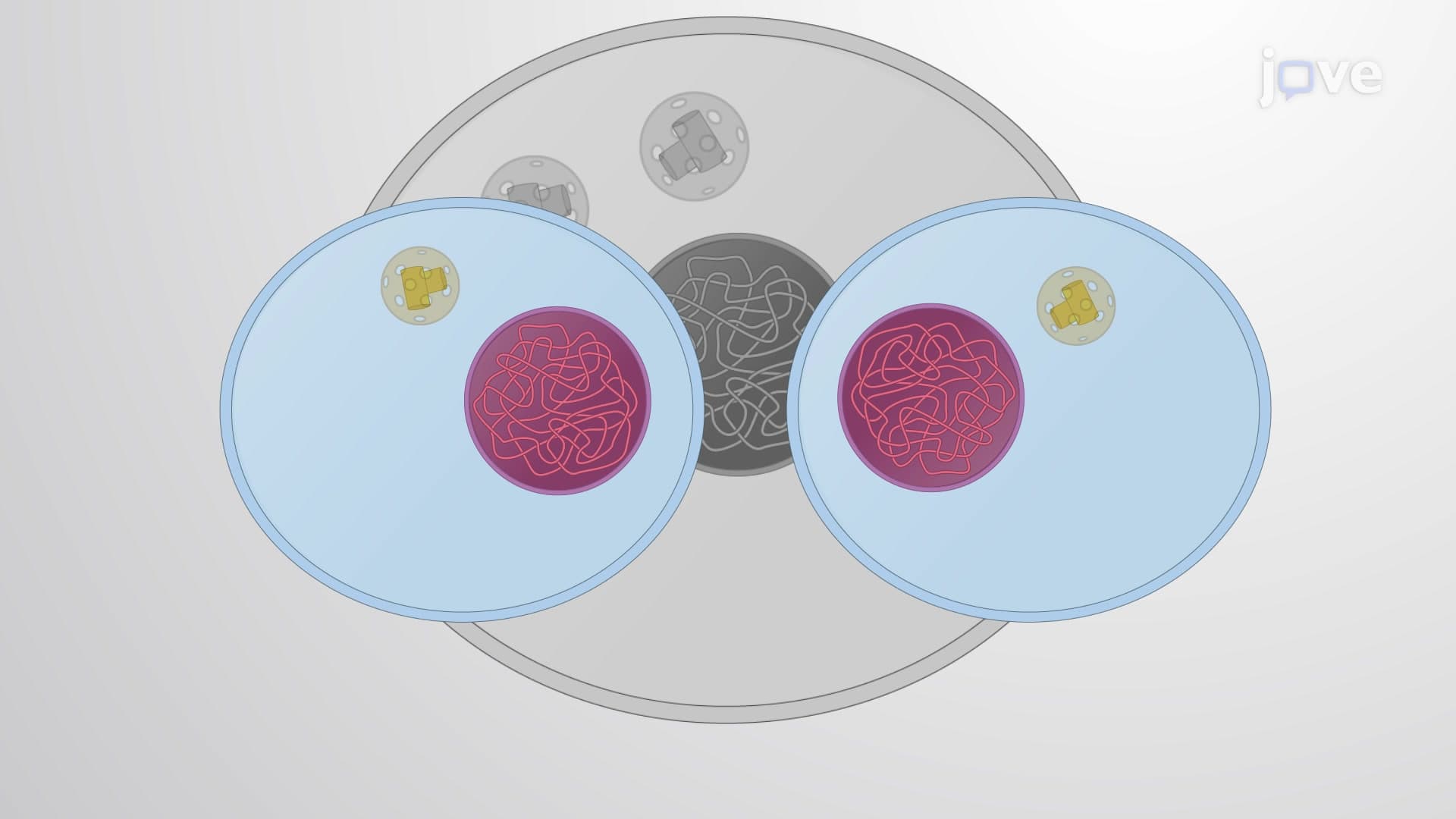

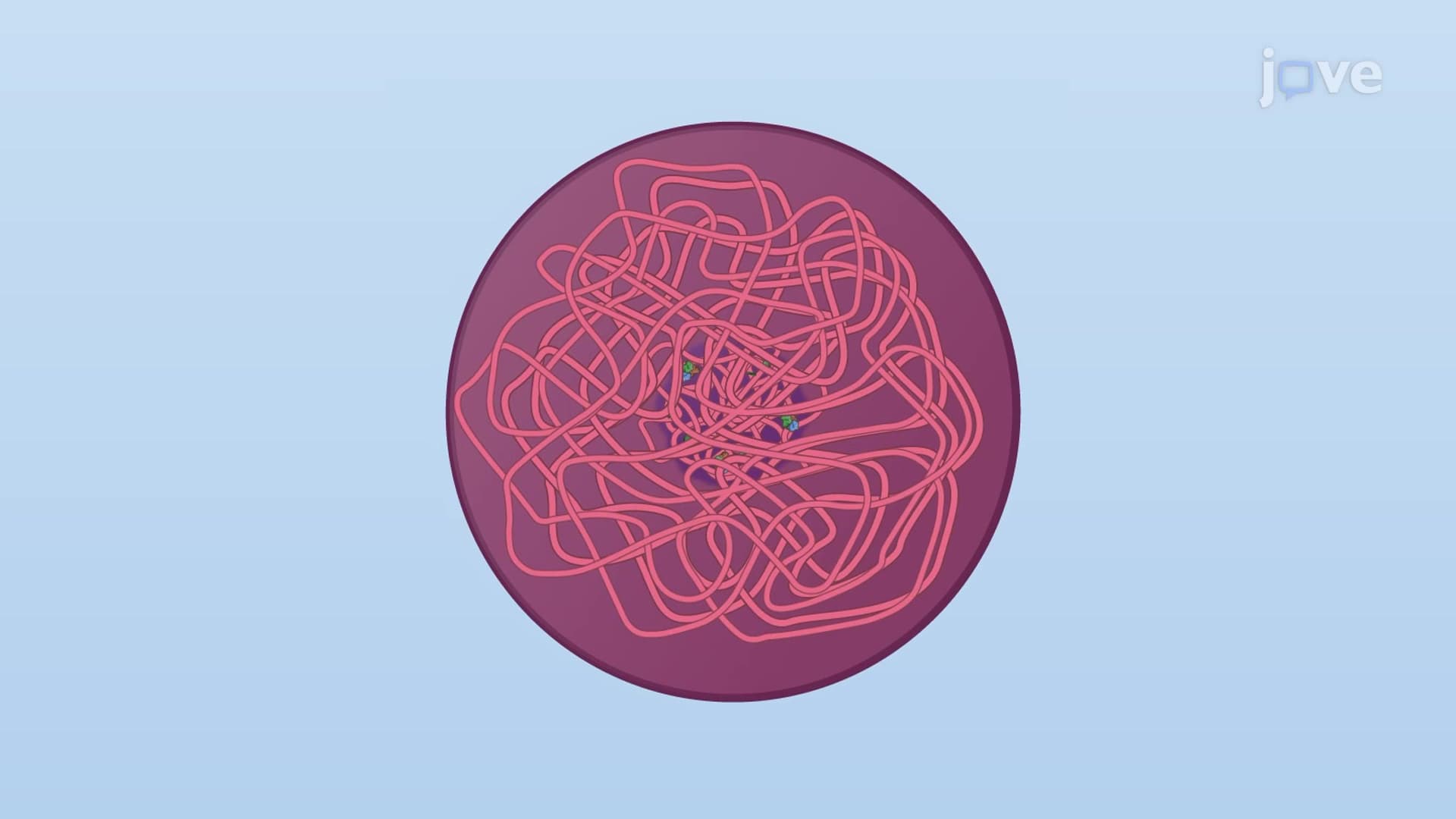
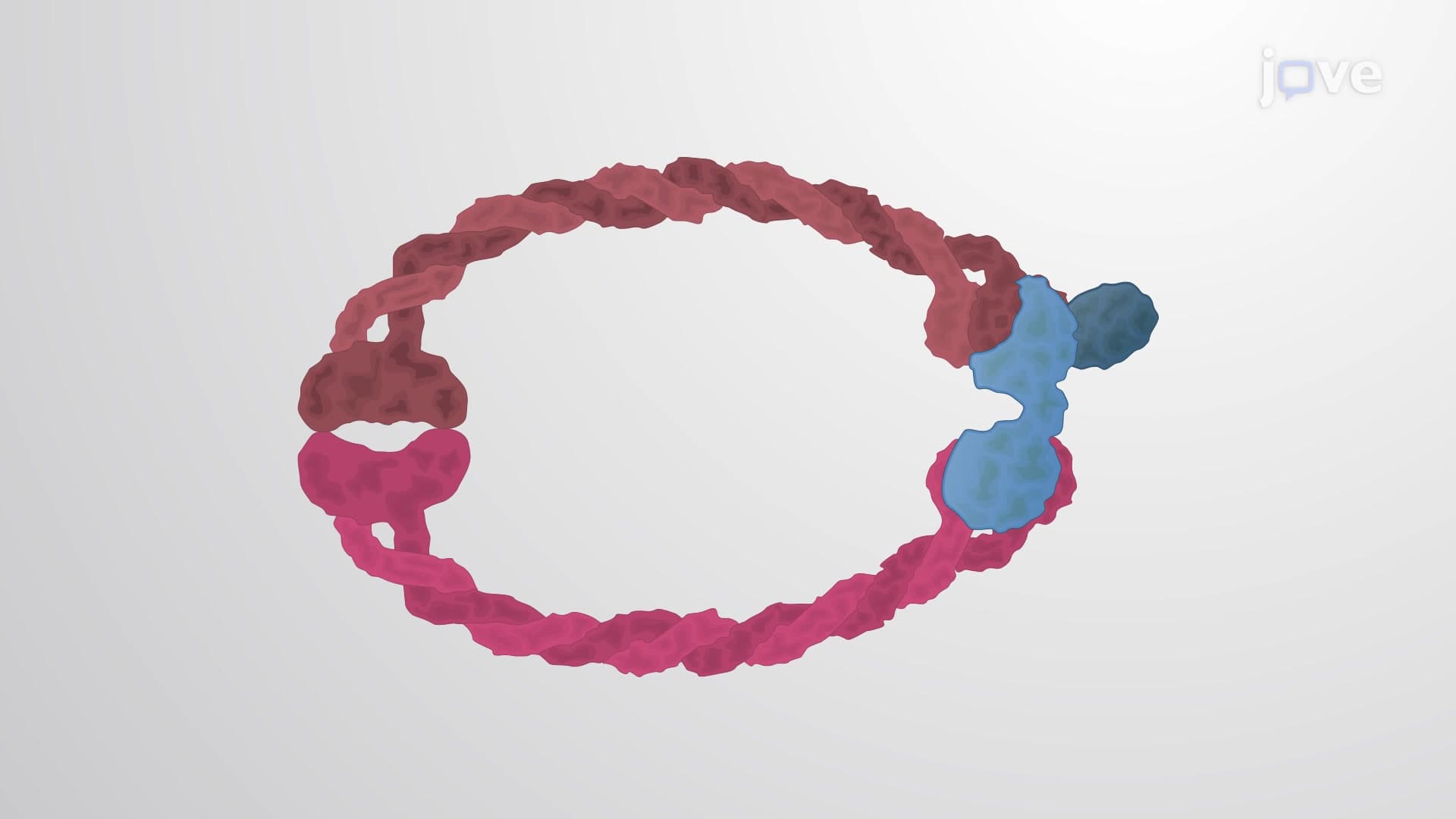
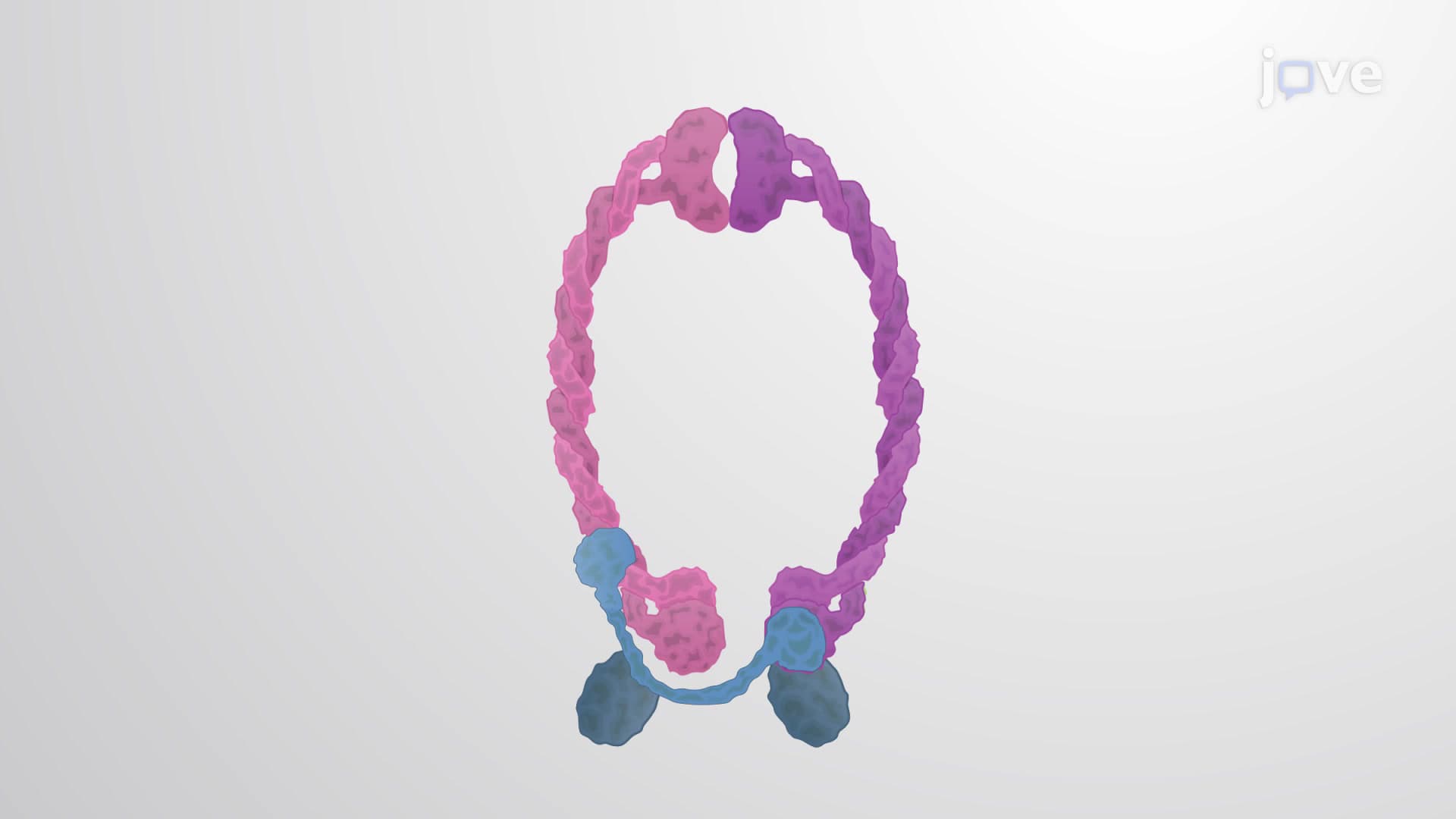
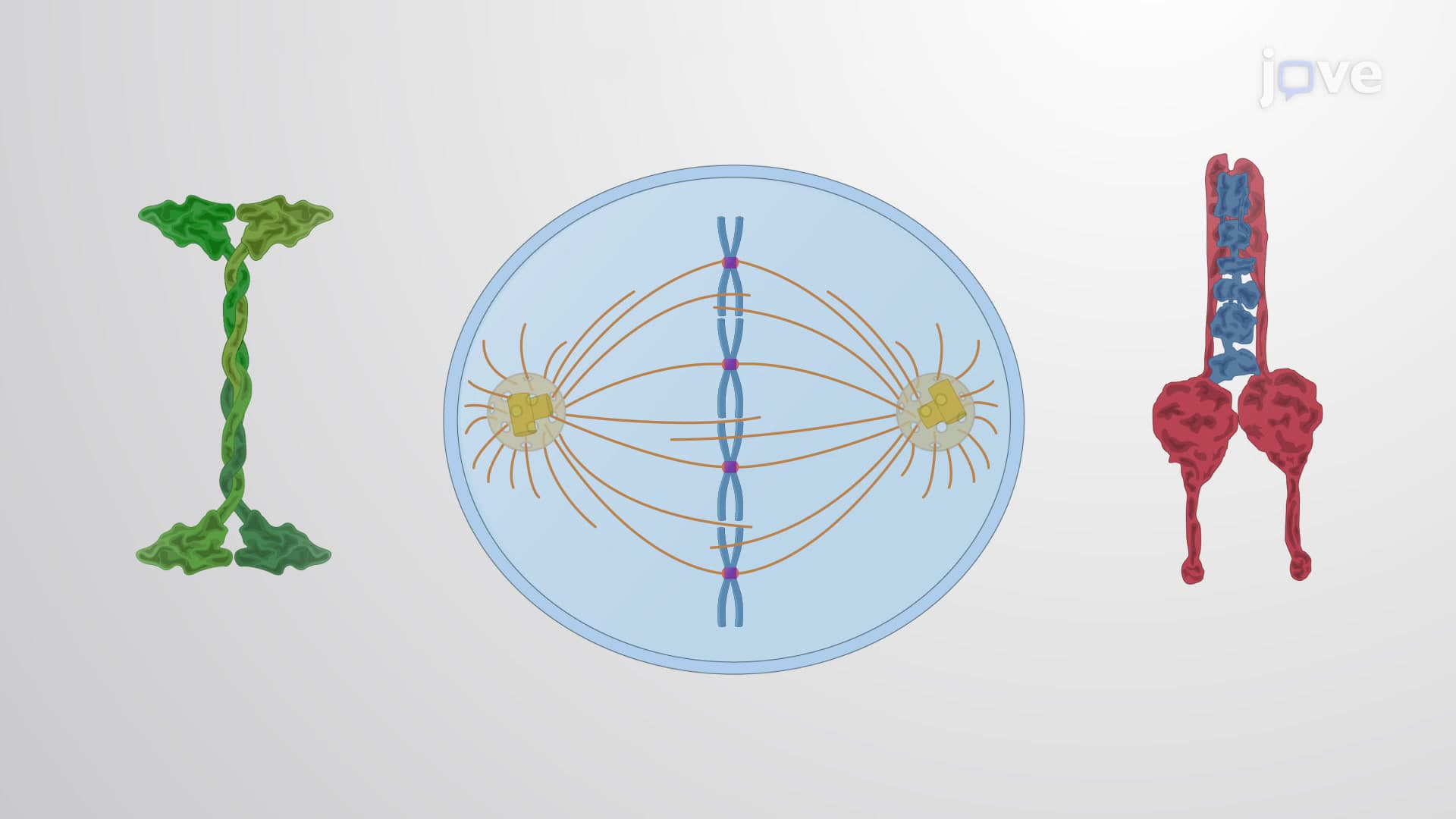

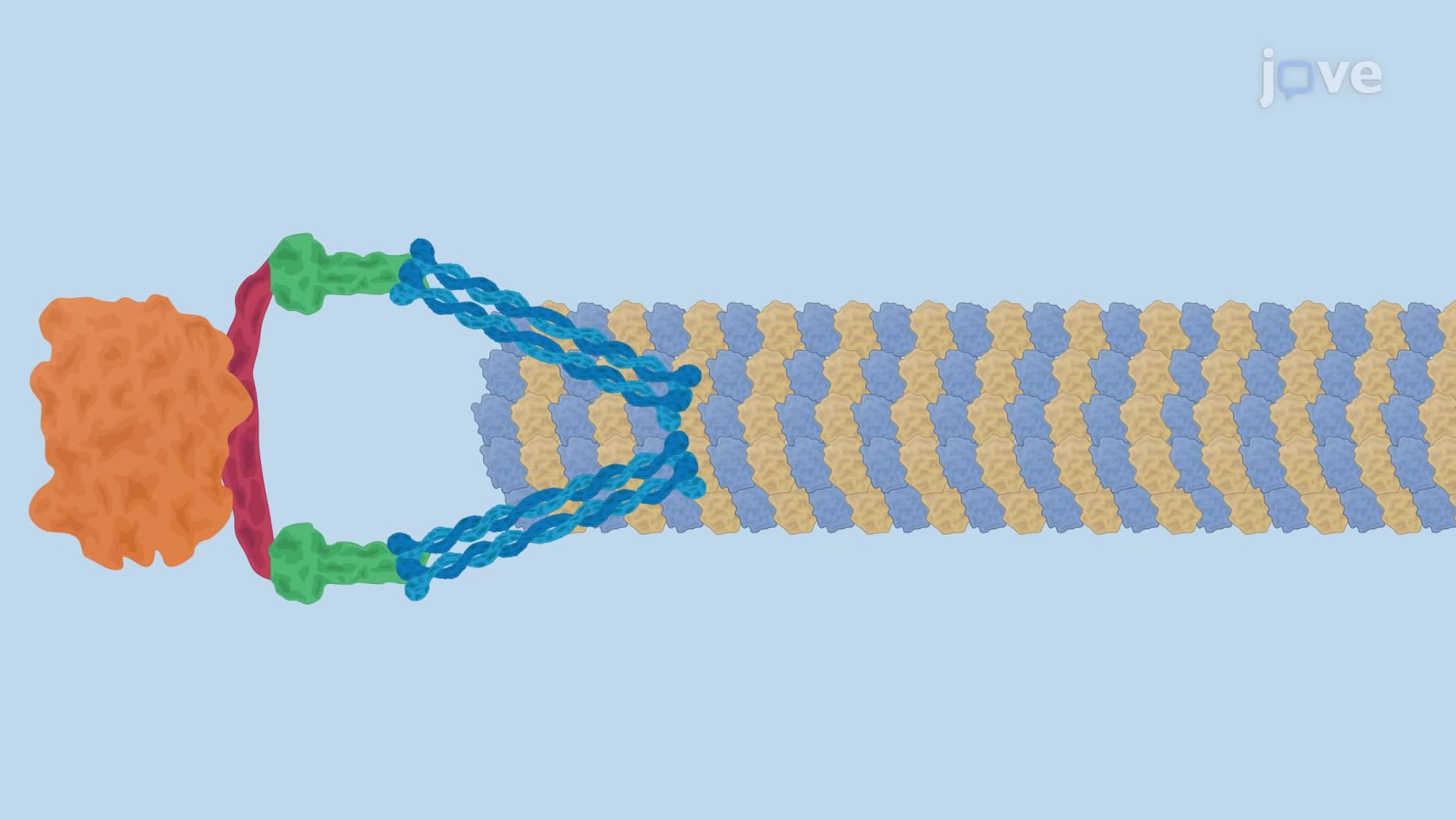
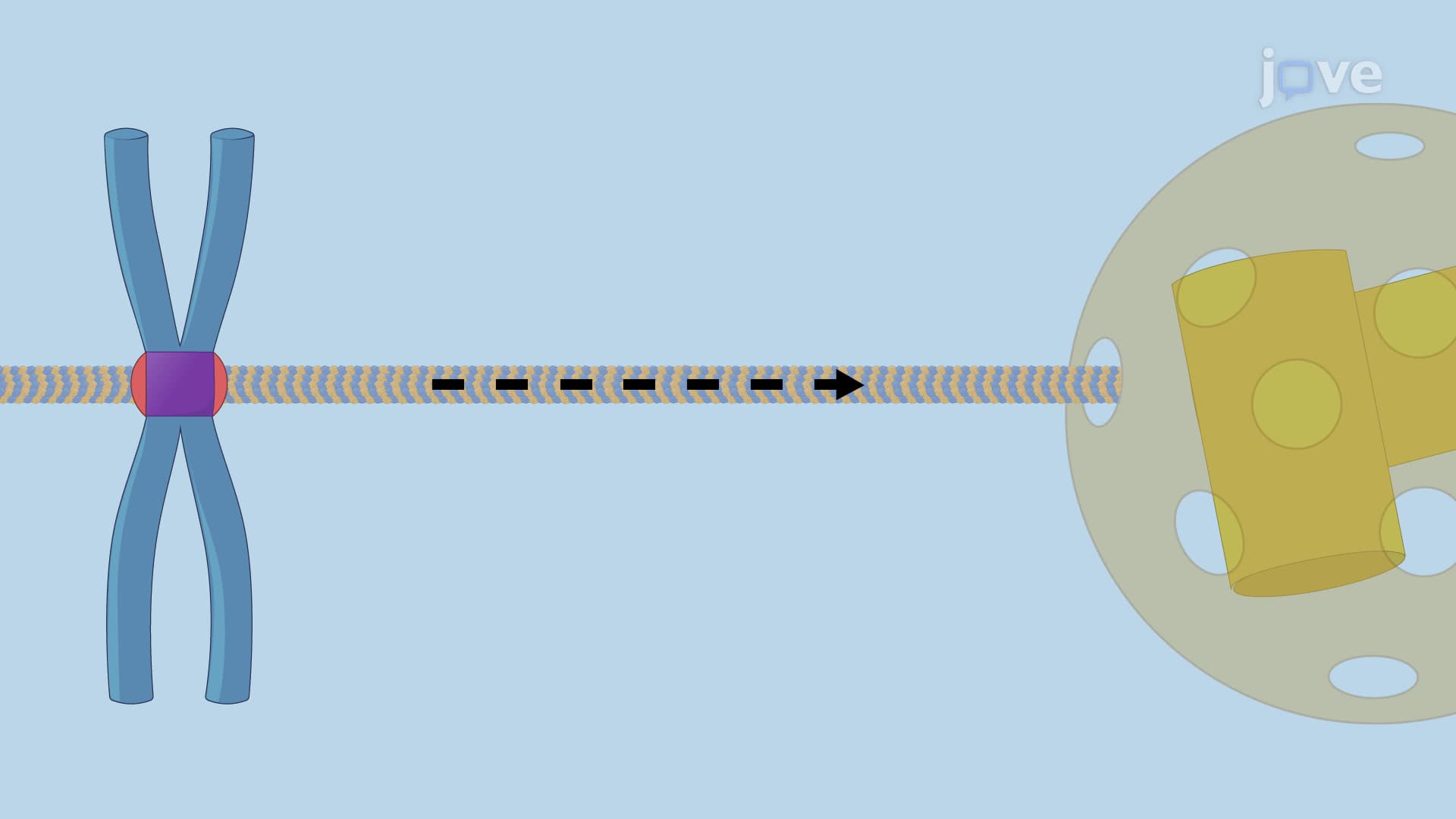

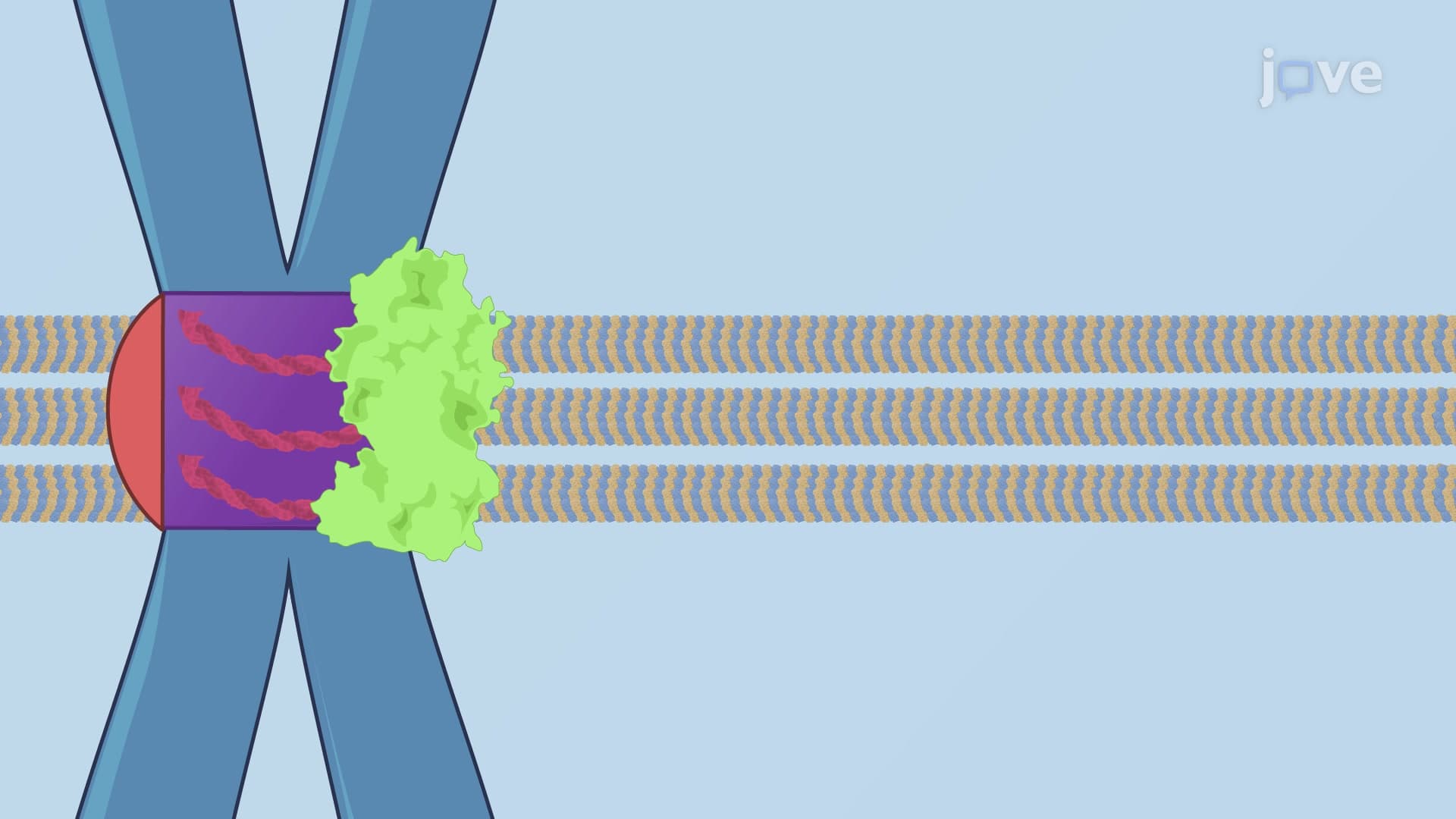
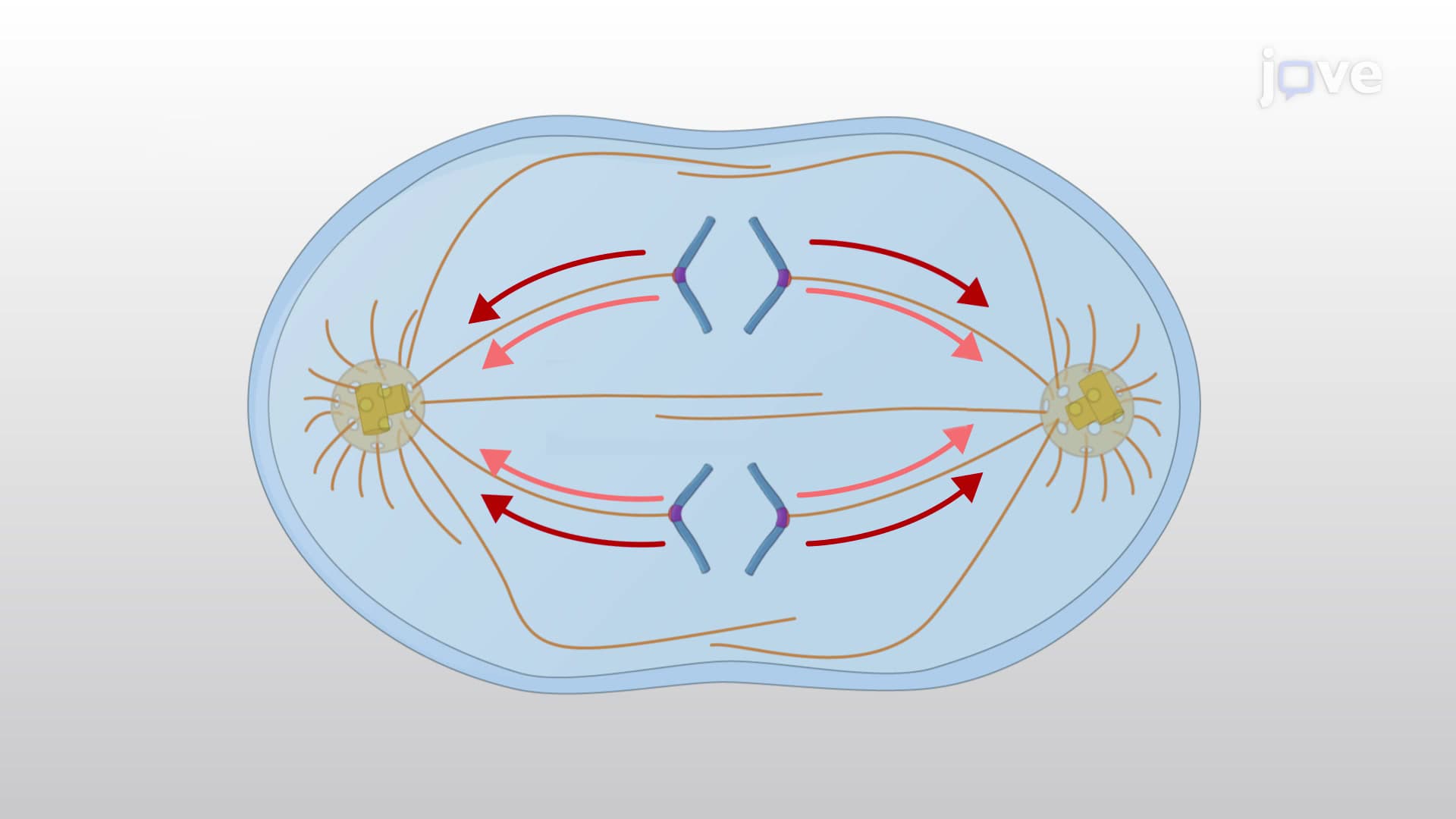

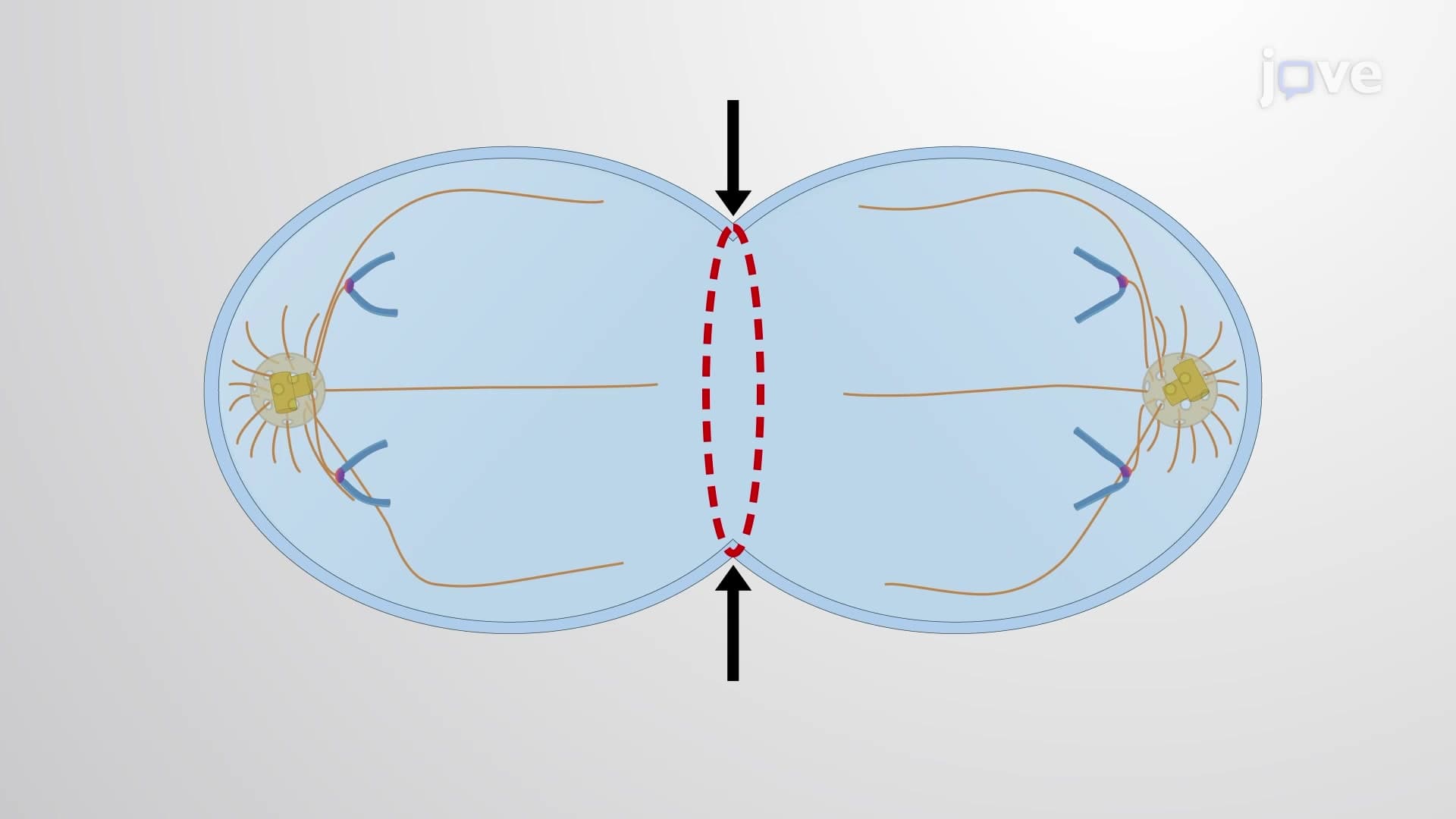
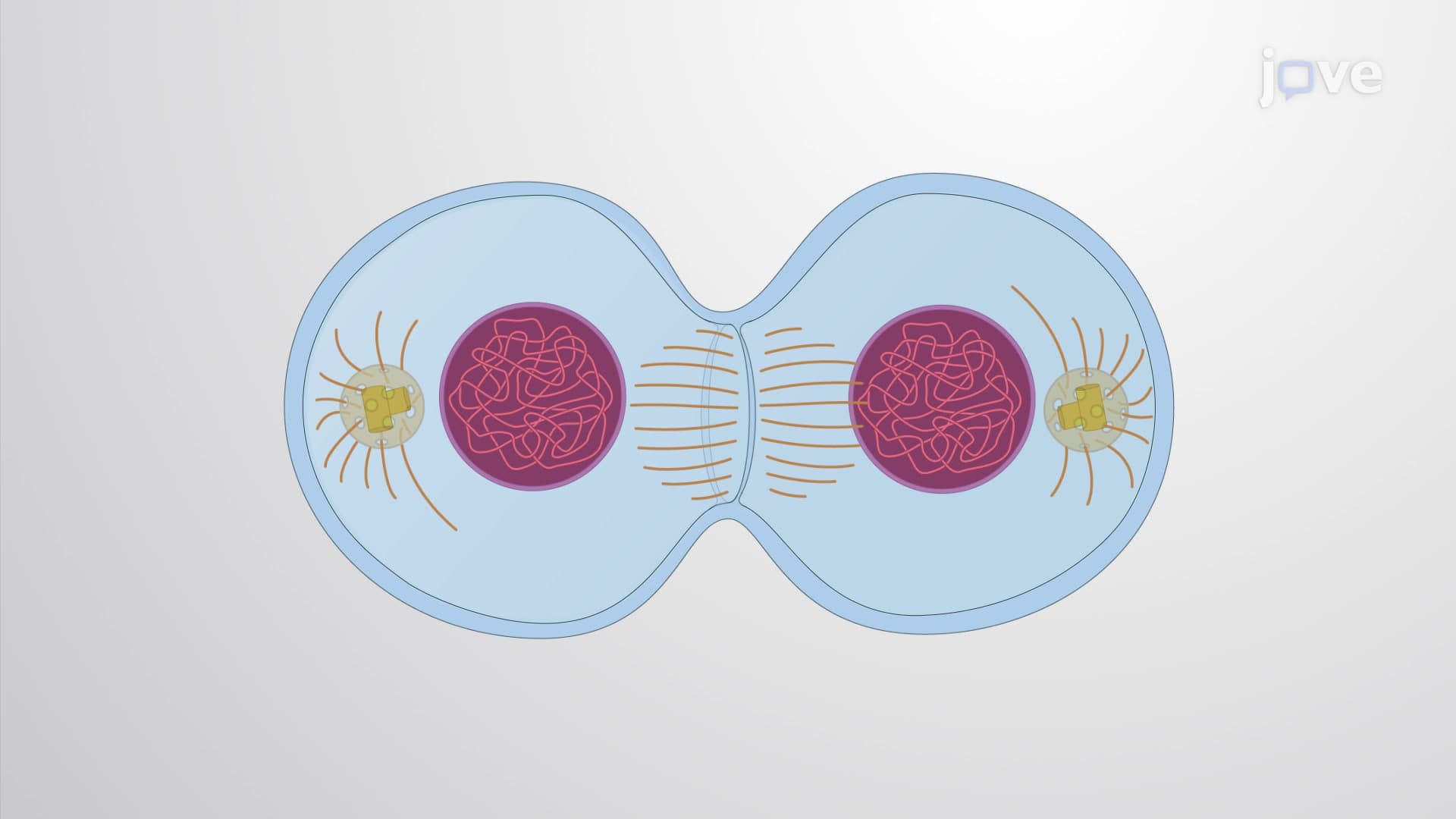
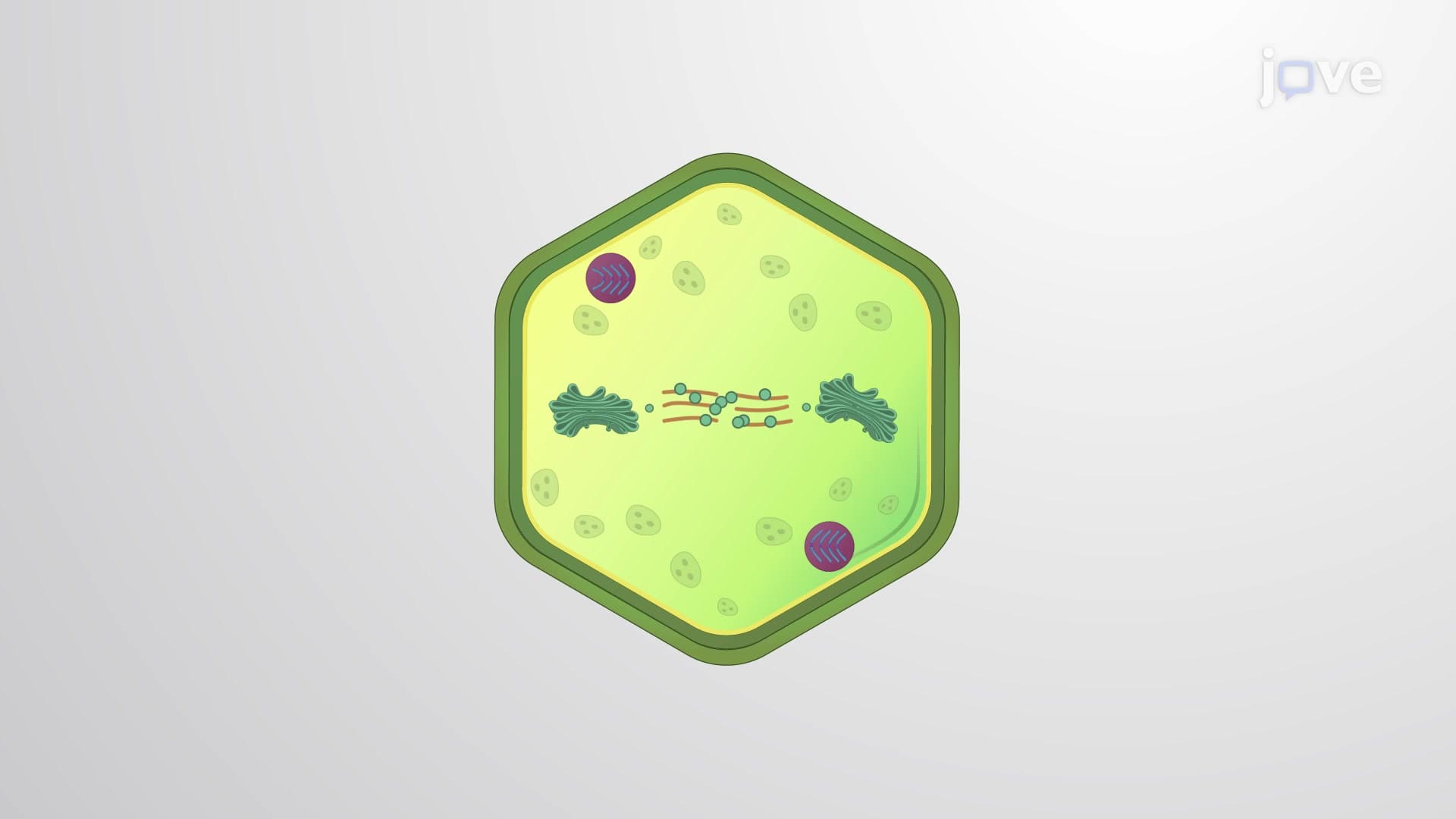
Centrosome Duplication

00:00
02:25
Video Summary: What Is Centrosome Duplication
Did you know that cancer cells at the MD Anderson Cancer Center often have too many centrosomes, disrupting normal cell division? Centrosome duplication is the precisely controlled process where cells copy their microtubule-organizing centers once per cell cycle. This cellular event, critical for proper chromosome separation during mitosis, involves complex molecular machinery including PLK4 and SAS-6 proteins that ensure each daughter cell receives exactly one centrosome. Watch the full video on JoVE Coach to master this concept with expert-led visuals and step-by-step explanations.
- Understand what is centrosome duplication and its essential role in maintaining cellular division accuracy
- Identify the key molecular players like PLK4, SAS-6, and STIL that regulate centriole biogenesis
- Analyze the four main phases of centrosome duplication: disengagement, procentriole formation, elongation, and maturation
- Recognize how centrosome duplication errors contribute to cancer development and chromosomal instability
- Evaluate the relationship between centrosome dysfunction and developmental disorders
- Apply knowledge of centrosome licensing mechanisms to understand cell cycle checkpoint controls
- Explore the connection between centrosome amplification and tumor progression in oncology
- Compare centrosome-dependent versus centrosome-independent spindle assembly pathways
Understanding Centrosome Duplication Fundamentals
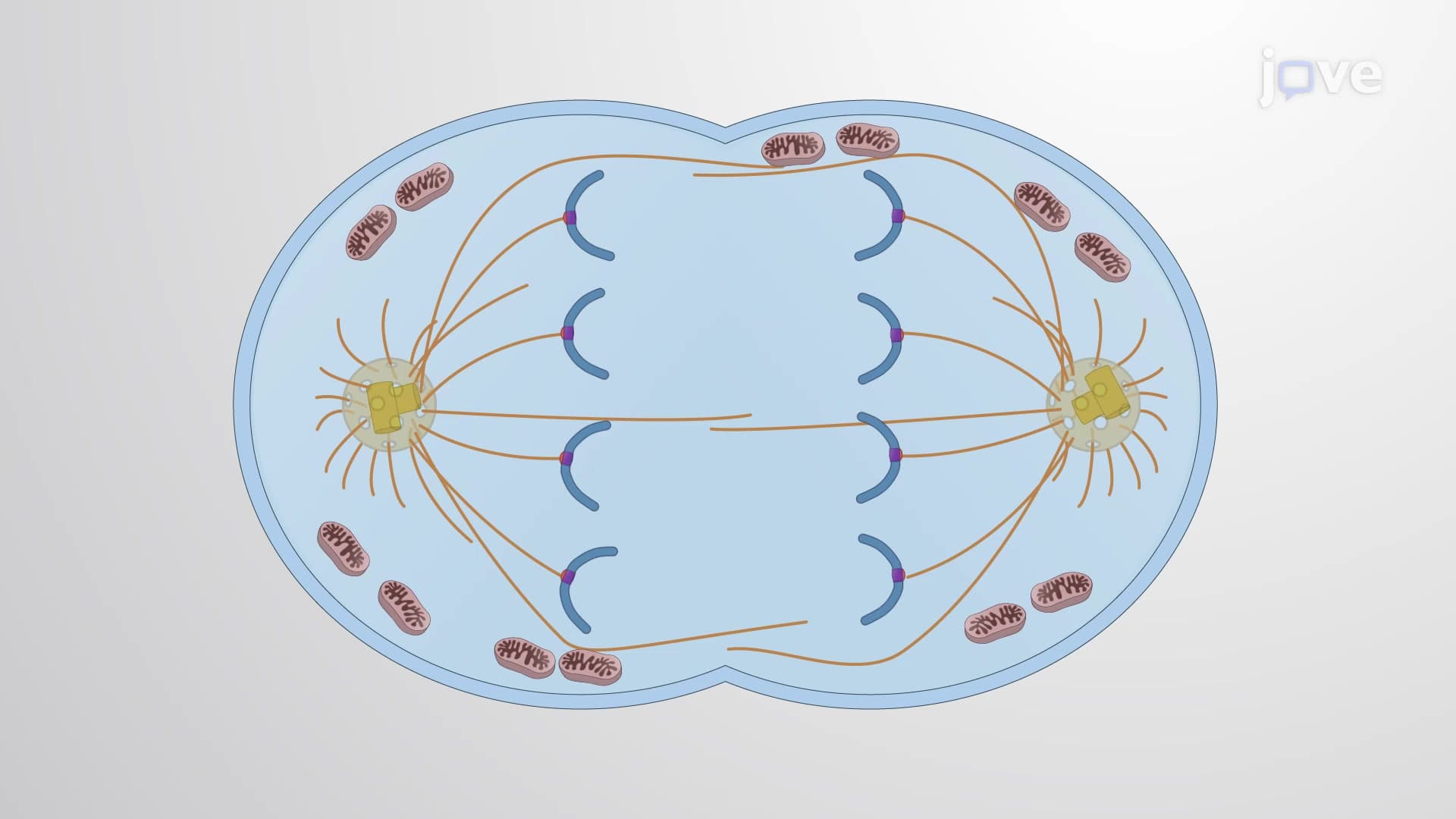
Centrosome duplication represents one of biology's most precisely orchestrated cellular events. This process ensures that dividing cells maintain genomic stability by providing exactly two centrosomes to organize the bipolar mitotic spindle. Each centrosome contains two centrioles surrounded by pericentriolar material that serves as the primary microtubule nucleation site in animal cells.
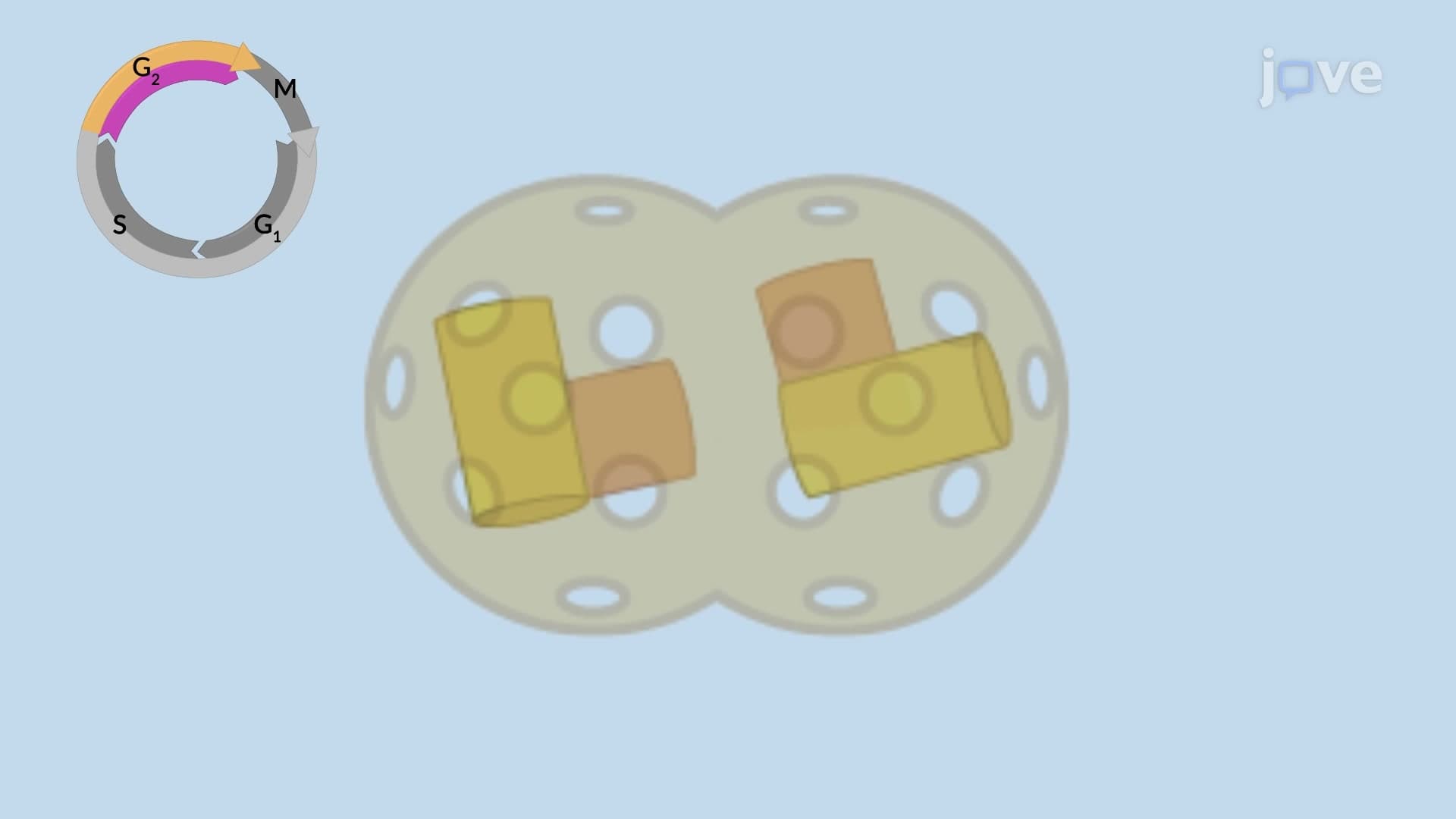
The timing of this process is crucial-centrosome duplication occurs exclusively during S phase of the cell cycle, coinciding with DNA replication. This coordination prevents cells from accumulating extra centrosomes, which would lead to multipolar spindles and catastrophic chromosome missegregation.
Molecular Machinery and Regulatory Controls
The centrosome duplication process involves sophisticated molecular machinery. PLK4 (Polo-like kinase 4) initiates centriole biogenesis by phosphorylating key substrates. SAS-6 and STIL proteins form the cartwheel structure that templates new centriole formation. This process follows strict licensing rules-each existing centriole can produce only one procentriole per cell cycle.
Students studying for the MCAT or AP Biology exams should understand that centrosome duplication failures commonly appear in cancer biology questions. The process involves four distinct phases: centriole disengagement (allowing duplication to begin), procentriole formation (creating new centriole structures), elongation (extending procentriole length), and maturation (completing functional centrosome assembly).
Clinical Significance and Real-World Applications
Centrosome abnormalities have profound clinical implications, particularly in oncology. Research at institutions like Johns Hopkins and Memorial Sloan Kettering has demonstrated that over 80% of solid tumors exhibit centrosome amplification. This cellular defect contributes to chromosomal instability, promoting tumor progression and drug resistance.
Developmental biology also relies heavily on proper centrosome function. Mutations in centrosome duplication genes cause primary microcephaly, a condition where patients develop significantly smaller brain sizes. These examples illustrate why understanding centrosome biology is essential for pre-med students and those pursuing biomedical research careers.
Educational Context and Exam Relevance
College-level cell biology courses extensively cover centrosome duplication when discussing cell cycle control mechanisms. This topic frequently appears on medical school entrance exams, particularly in questions linking cellular dysfunction to disease states. Students should focus on understanding the regulatory checkpoints that prevent centrosome overduplication and the consequences when these controls fail.
Frequently Asked Questions
Centrosome duplication is the tightly regulated process where cells copy their microtubule-organizing centers once per cell cycle. This ensures proper chromosome separation during cell division, preventing genetic errors that could lead to cancer or developmental disorders.
These exams often test centrosome duplication in cell cycle and cancer biology contexts. Questions may ask about the consequences of duplication errors, the timing relative to S phase, or how centrosome amplification contributes to tumor development.
Centrosome duplication errors cause serious medical conditions including cancer progression and developmental disorders like microcephaly. Hospitals like Boston Children's Hospital treat patients with centrosome-related genetic conditions that affect brain development and cellular function.
Not at all-while the molecular details are complex, the basic concept builds on fundamental cell biology principles you already know. Understanding that cells need to carefully control their division machinery makes this process approachable for motivated high school students.
Focus on the four phases (disengagement, formation, elongation, maturation) and key regulatory proteins (PLK4, SAS-6, STIL). Practice connecting centrosome dysfunction to disease states, as this frequently appears on cell biology and pathology exams.
This knowledge directly applies to pathology, oncology, and developmental biology courses in medical school. Many genetic diseases and cancer mechanisms involve centrosome dysfunction, making this concept essential for future physicians and researchers.
Explore cell cycle checkpoints, mitotic spindle assembly, and chromosome segregation mechanisms. These interconnected processes build on centrosome biology and frequently appear together in advanced biology courses and standardized exams.
Related Micro-courses


