Loading subject page…

- Cell Biology
- Cell Division
- The Phragmoplast
Micro-course: Cell Division
37,915 views
Learn key concepts and earn your certificate.




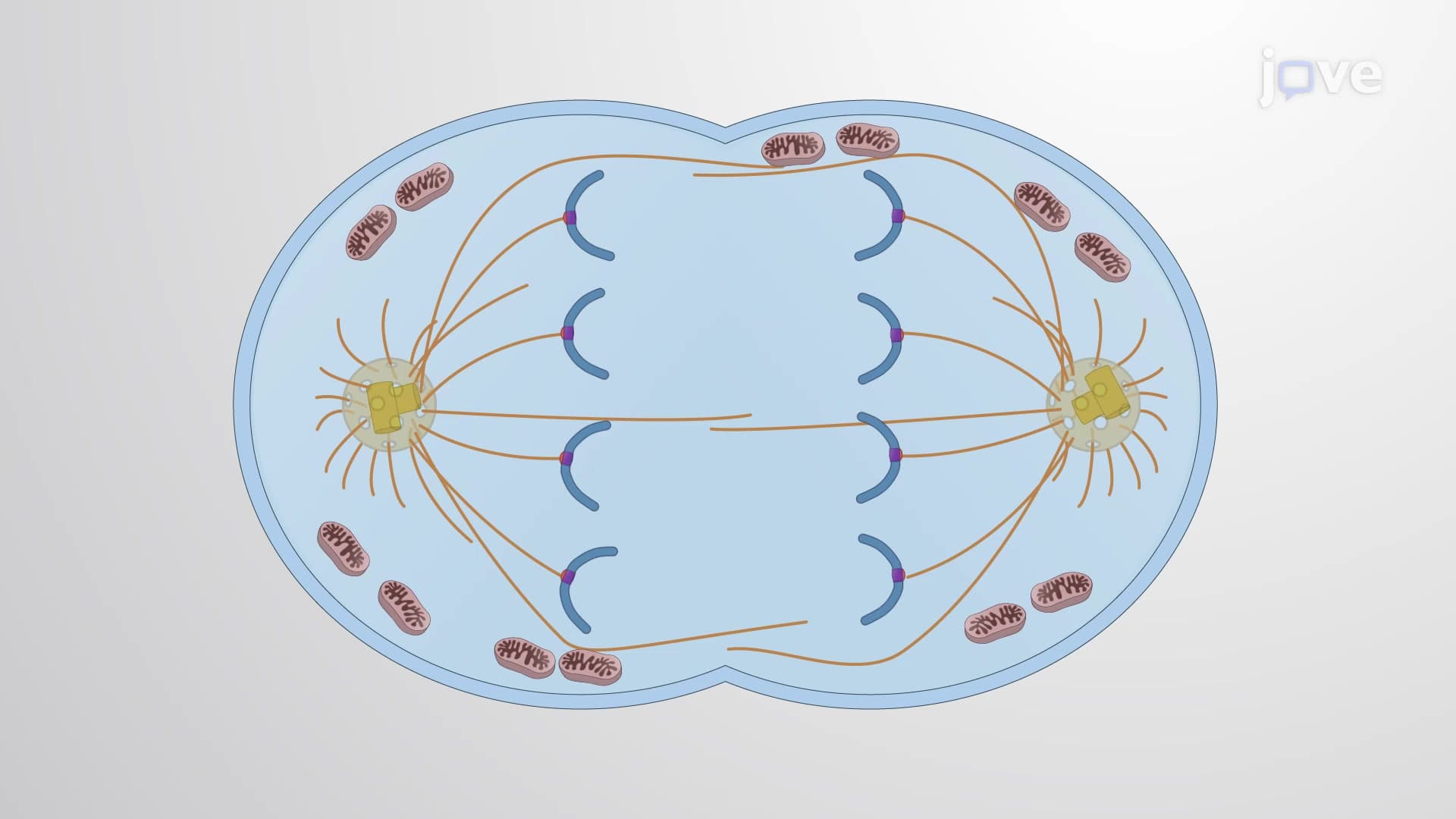
The Phragmoplast

00:00
01:59
Video Summary: What Is the Phragmoplast
While animal cells pinch apart like splitting a water balloon, plant cells must build walls between daughter cells during division-but how? The phragmoplast, a specialized cytoskeletal structure unique to plant cells, orchestrates this complex process by guiding the formation of new cell walls during cytokinesis. This mechanism is crucial for understanding how crops like corn and wheat achieve proper growth and development in American agriculture. Watch the full video on JoVE Coach to master this concept with expert-led visuals and step-by-step explanations.
- Understand what the phragmoplast is and its essential role in plant cell division
- Identify the key structural components including microtubules, actin filaments, and associated proteins
- Compare plant cytokinesis mechanisms with animal cell division processes
- Analyze how vesicle trafficking and fusion create the cell plate structure
- Recognize the dynamic nature of microtubule polymerization and depolymerization during cell division
- Evaluate the agricultural and biotechnology applications of phragmoplast research
- Apply knowledge of phragmoplast function to explain plant growth and development patterns
- Explore the regulatory pathways that coordinate cell wall biosynthesis
What is The Phragmoplast: Structure and Function
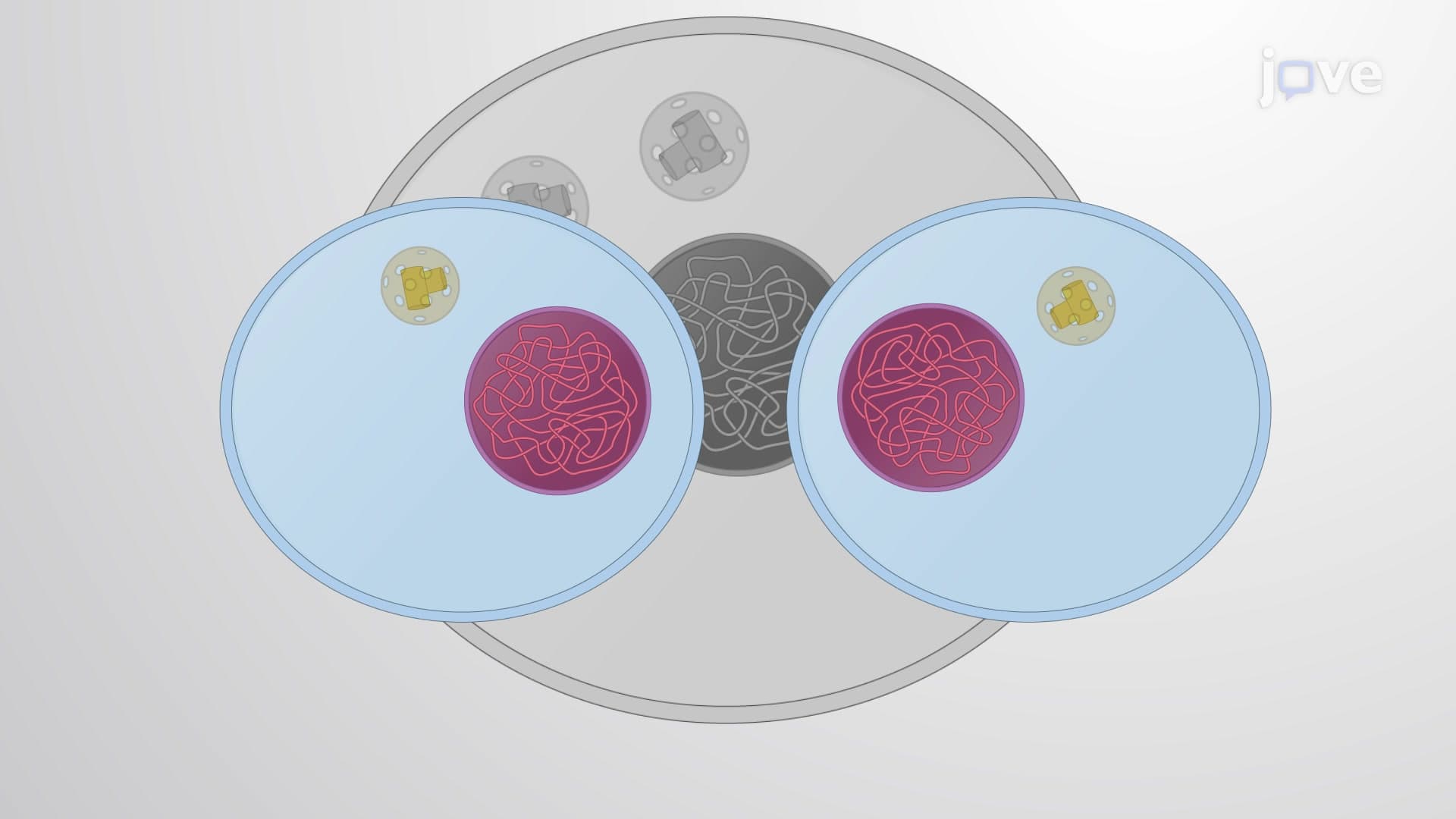
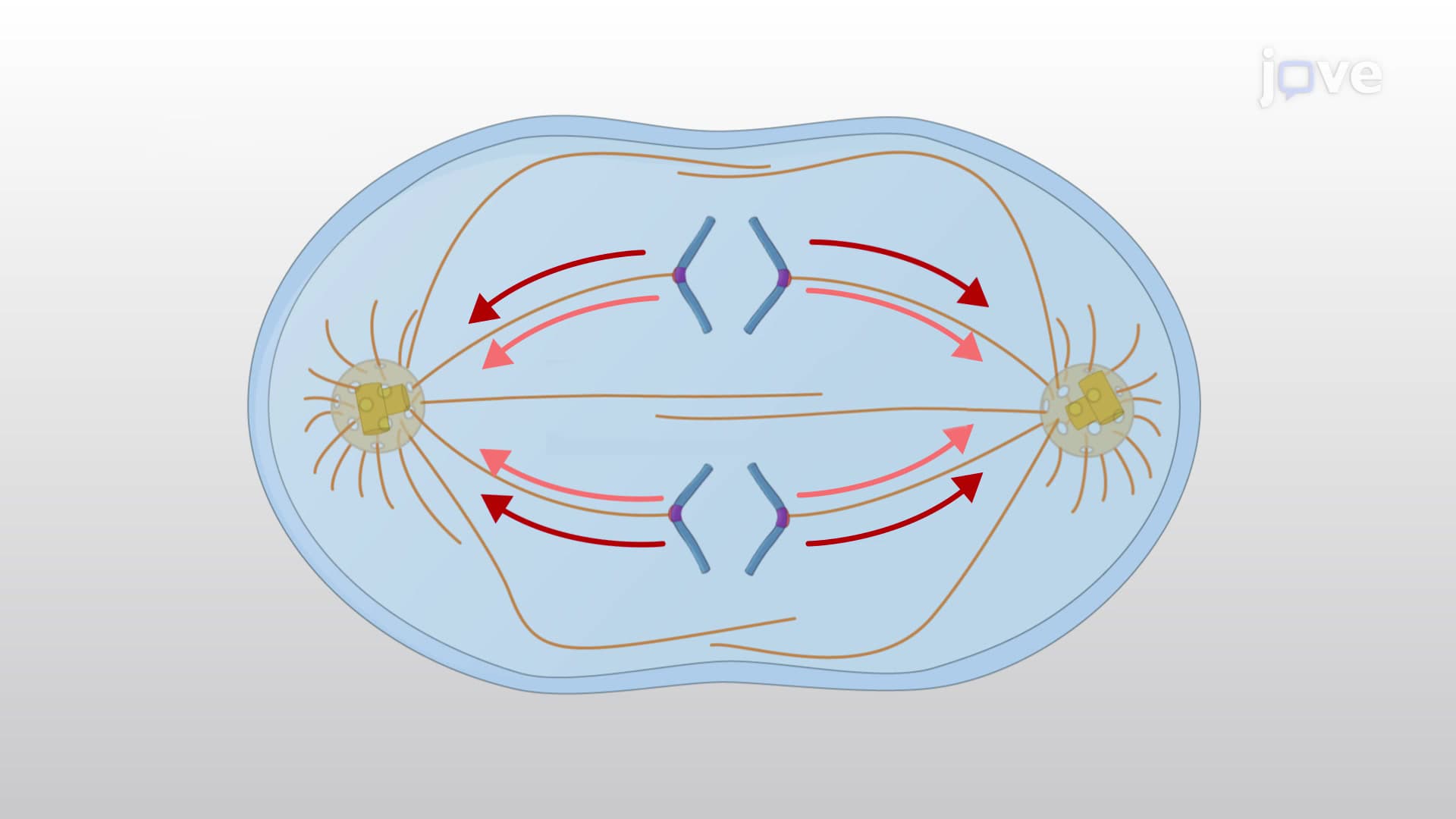
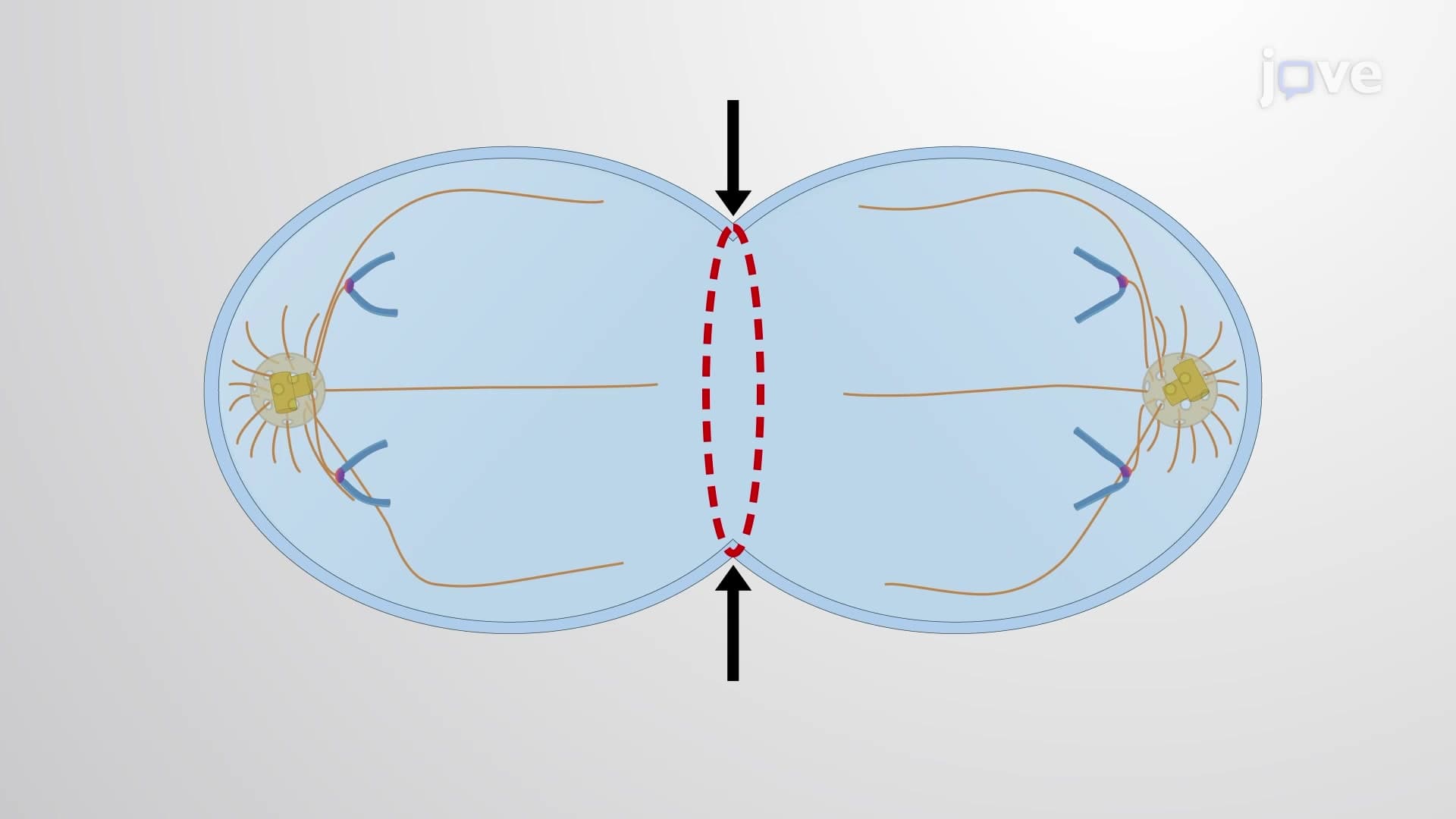
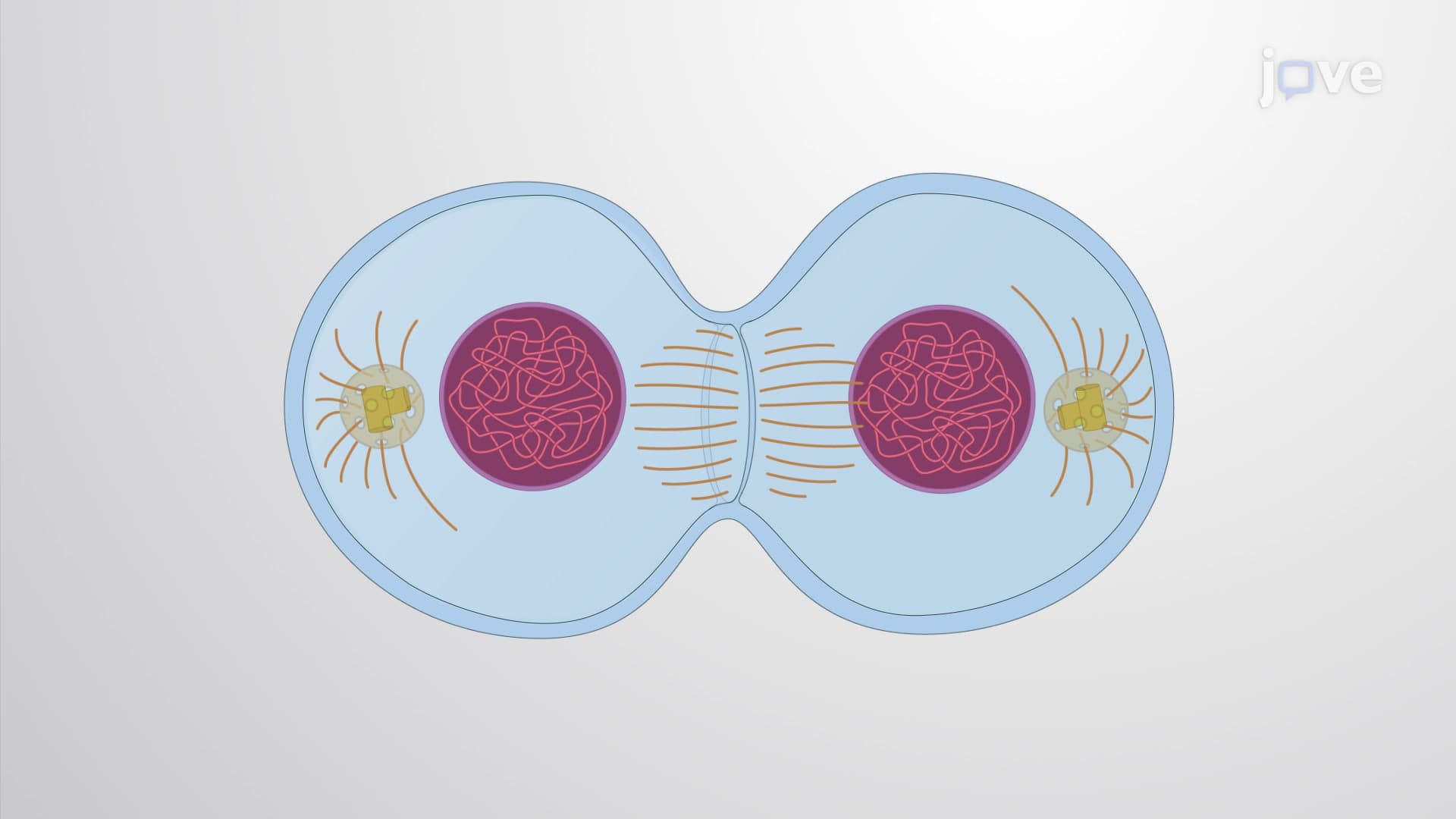
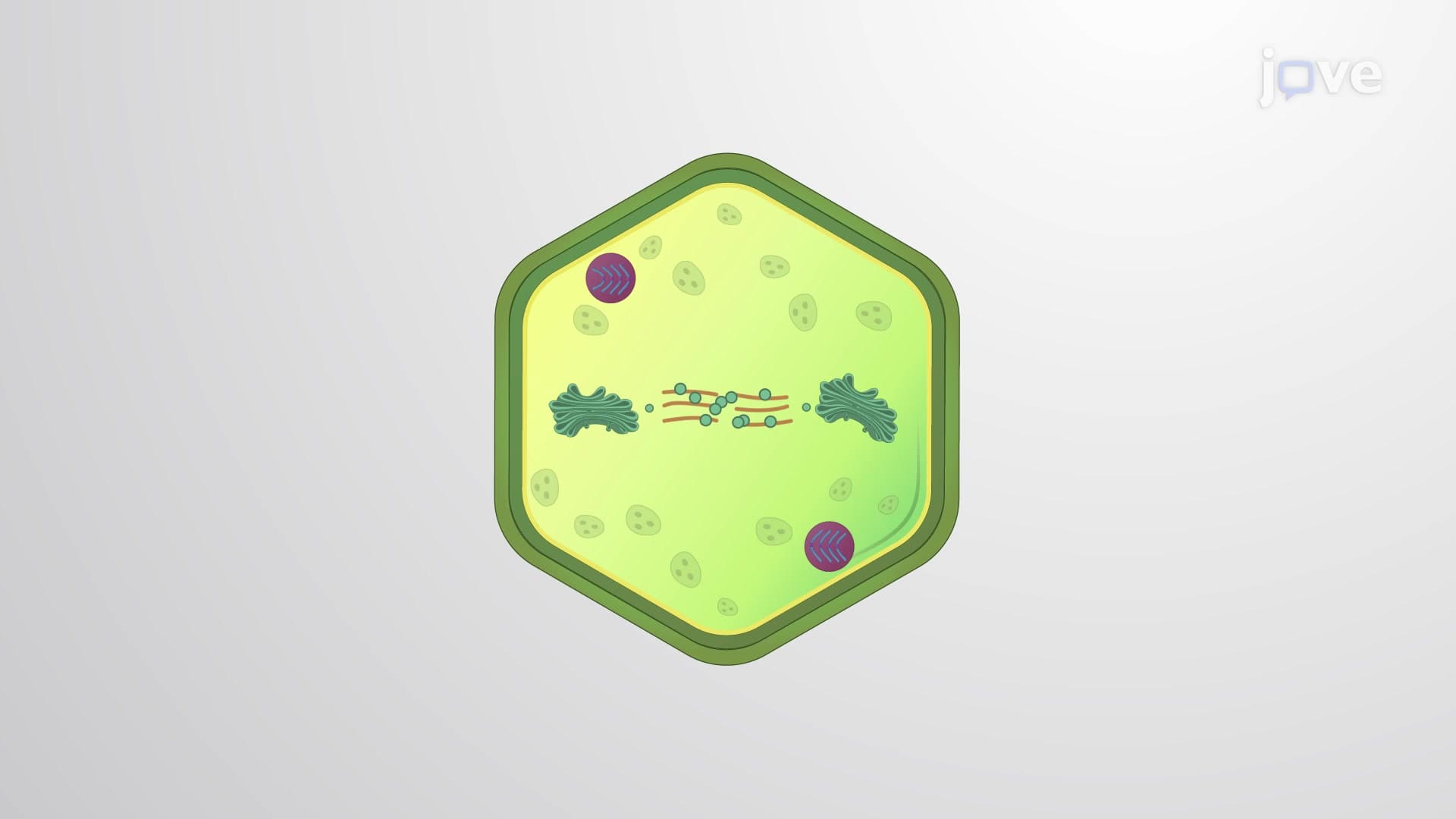
The phragmoplast represents one of nature's most sophisticated cellular construction systems, exclusively found in plant cells. This cytoskeletal apparatus forms between newly divided nuclei during mitosis, creating a framework that guides the assembly of a new cell wall. Unlike the contractile ring mechanism in animal cells that simply pinches the cell in two, the phragmoplast must coordinate the precise delivery and assembly of complex cell wall materials.
Molecular Architecture and Components
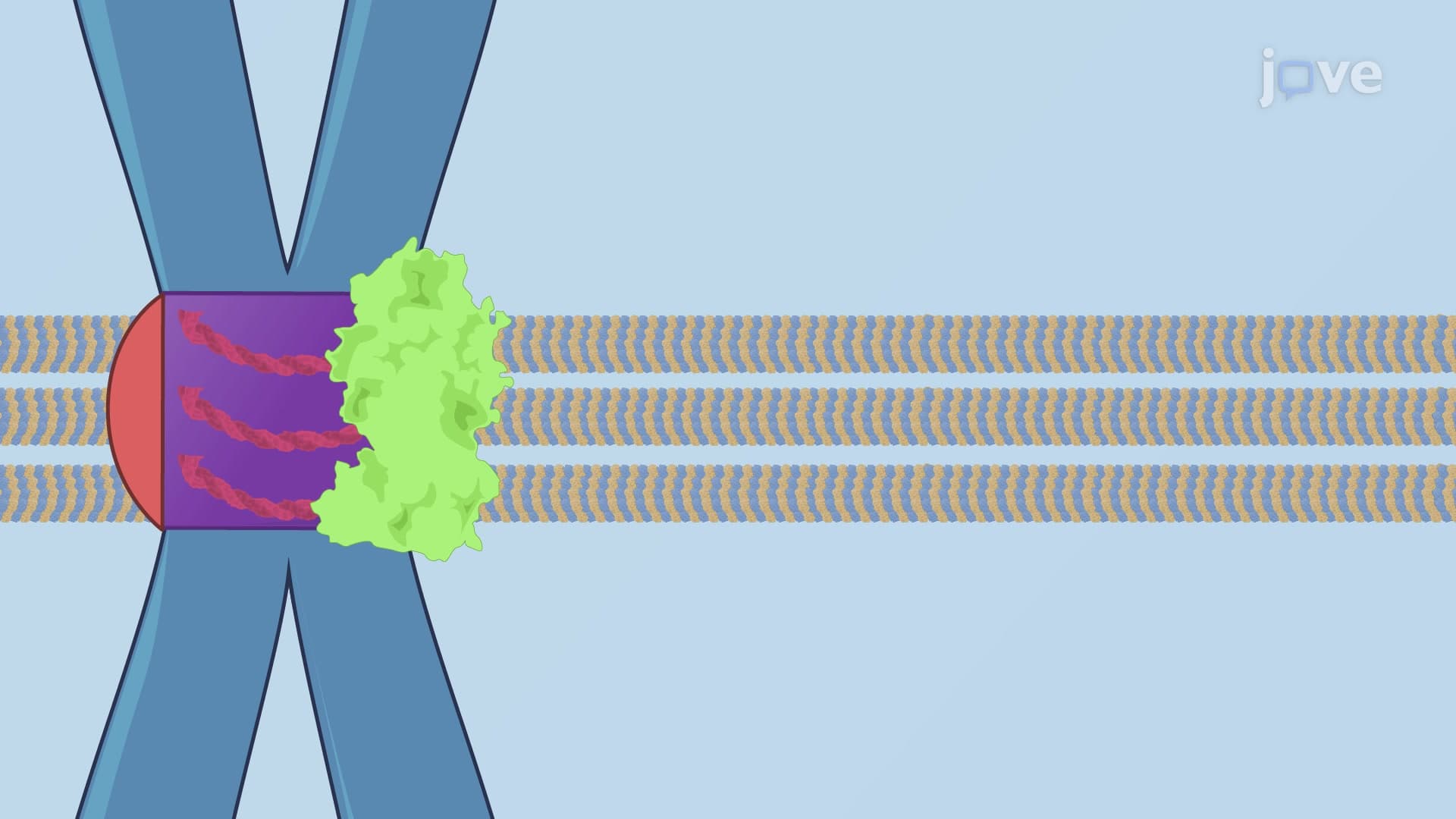
The phragmoplast's structure centers around parallel arrays of microtubules that extend from each daughter nucleus toward the cell's center. These microtubules interweave with actin filaments and are stabilized by microtubule-associated proteins (MAPs). Motor proteins, particularly kinesins, transport Golgi-derived vesicles along these tracks. These vesicles carry essential cell wall components including cellulose precursors, pectins, and hemicelluloses-the same materials that make plant-based biofuels possible in American energy research.
Cell Plate Formation Process
The magic happens at the phragmoplast's center, where vesicles fuse to form the initial cell plate. This process begins as a disk-like structure that gradually expands outward, much like a growing dinner plate. The phragmoplast dynamically reorganizes during this expansion, with microtubules continuously polymerizing at the growing edge while depolymerizing behind it. This ensures that the structural framework always supports the expanding cell plate until it reaches the parent cell wall.
Significance in Plant Biology and Applications
Understanding phragmoplast function is crucial for AP Biology students studying plant reproduction and development. This knowledge appears frequently on college entrance exams and forms the foundation for advanced botany courses. In practical applications, researchers at institutions like UC Davis and Cornell University study phragmoplast mechanisms to develop crops with enhanced cell wall properties, improving both agricultural yields and biofuel production efficiency.
Frequently Asked Questions
The phragmoplast is a plant-specific cytoskeletal structure that guides cell wall formation during cell division. It's essential because plant cells, unlike animal cells, must build rigid walls between daughter cells rather than simply pinching apart. This process is fundamental to all plant growth and development.
The phragmoplast frequently appears in AP Biology questions about cell division, plant structure, and cellular transport mechanisms. Students should understand how it differs from animal cytokinesis and be able to explain vesicle trafficking during cell plate formation. This concept often connects to broader topics like plant reproduction and cell wall biosynthesis.
Absolutely. MCAT biology sections test plant vs. animal cell division mechanisms, and the phragmoplast is a key distinguishing feature. Questions may ask about microtubule dynamics, vesicle transport, or comparative cell biology. Strong knowledge of this concept demonstrates understanding of fundamental cellular processes.
Phragmoplast research directly impacts American agriculture and energy sectors. Scientists manipulate cell wall formation to develop crops with enhanced nutritional content or improved resistance to environmental stress. Additionally, understanding cell wall biosynthesis helps optimize plant materials for biofuel production, supporting renewable energy initiatives.
Not at all. While the molecular details are complex, the basic concept is straightforward: plant cells need a special structure to build walls during division. High school biology courses typically introduce this as part of cell division units, building on students' existing knowledge of mitosis and cellular structures.
Focus on three key areas: structure (microtubules and associated proteins), function (cell plate formation), and comparison with animal cytokinesis. Create diagrams showing the step-by-step process, and practice explaining how vesicle trafficking works. Many students find it helpful to contrast this mechanism directly with animal cell division.
Consider studying callose deposition, cell wall modification enzymes, and plant cell expansion mechanisms. These topics build naturally on phragmoplast knowledge and are important for understanding plant development. Advanced students might also explore the molecular genetics of cell wall biosynthesis pathways.
Related Micro-courses


