Loading subject page…

- Cell Biology
- Cell Division
- The Spindle Assembly Checkpoint
Micro-course: Cell Division
37,915 views
Learn key concepts and earn your certificate.
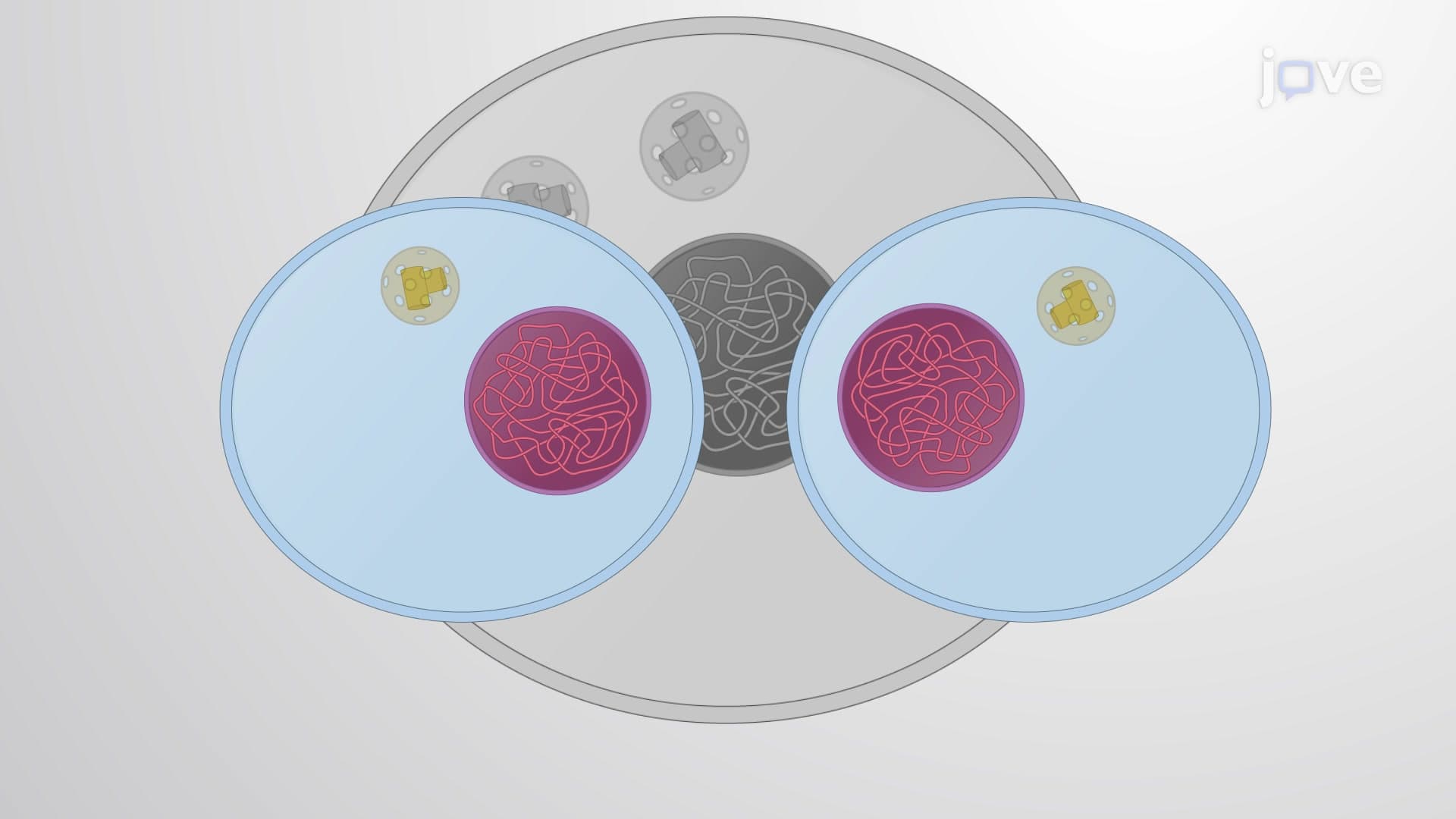

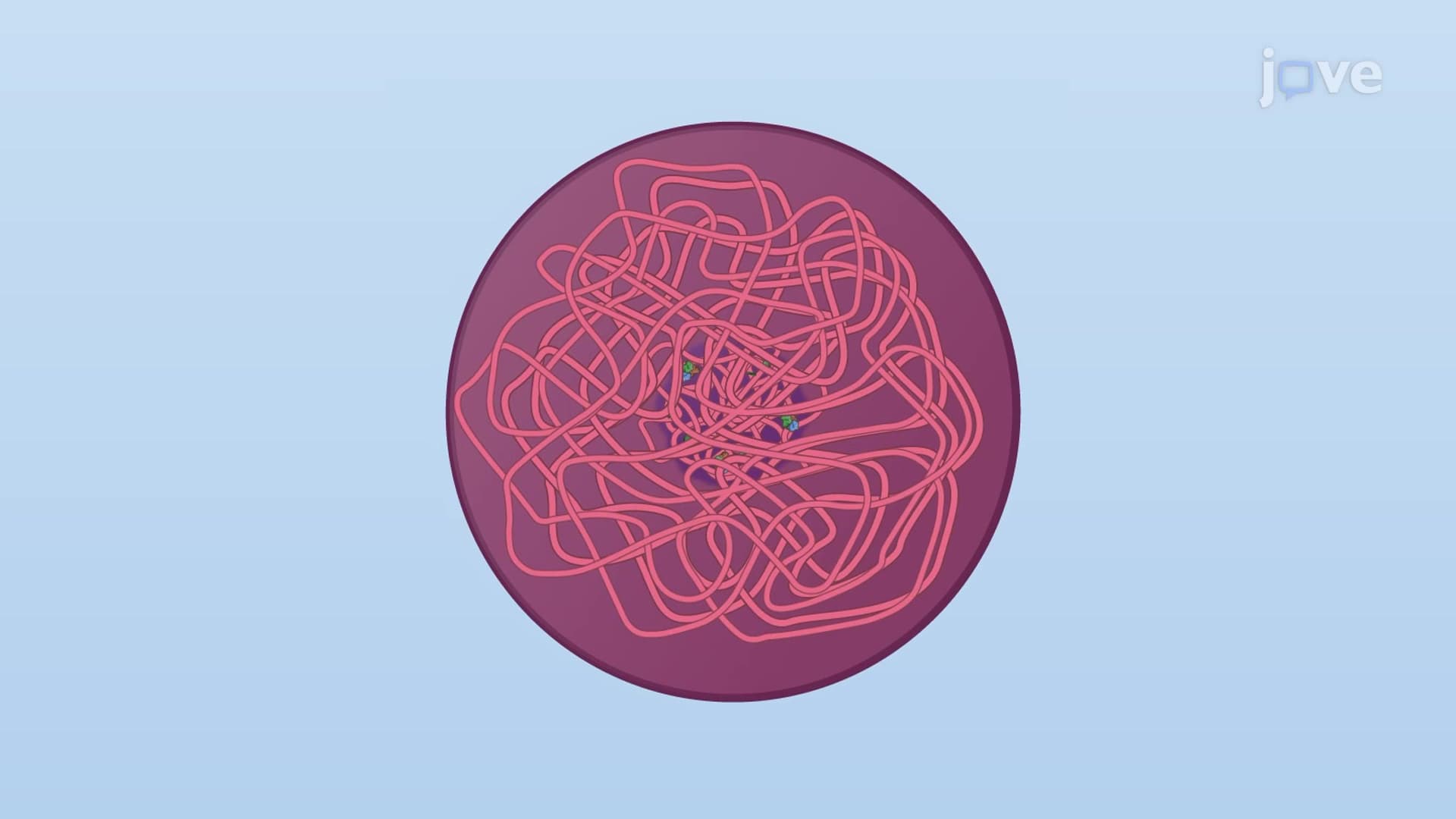
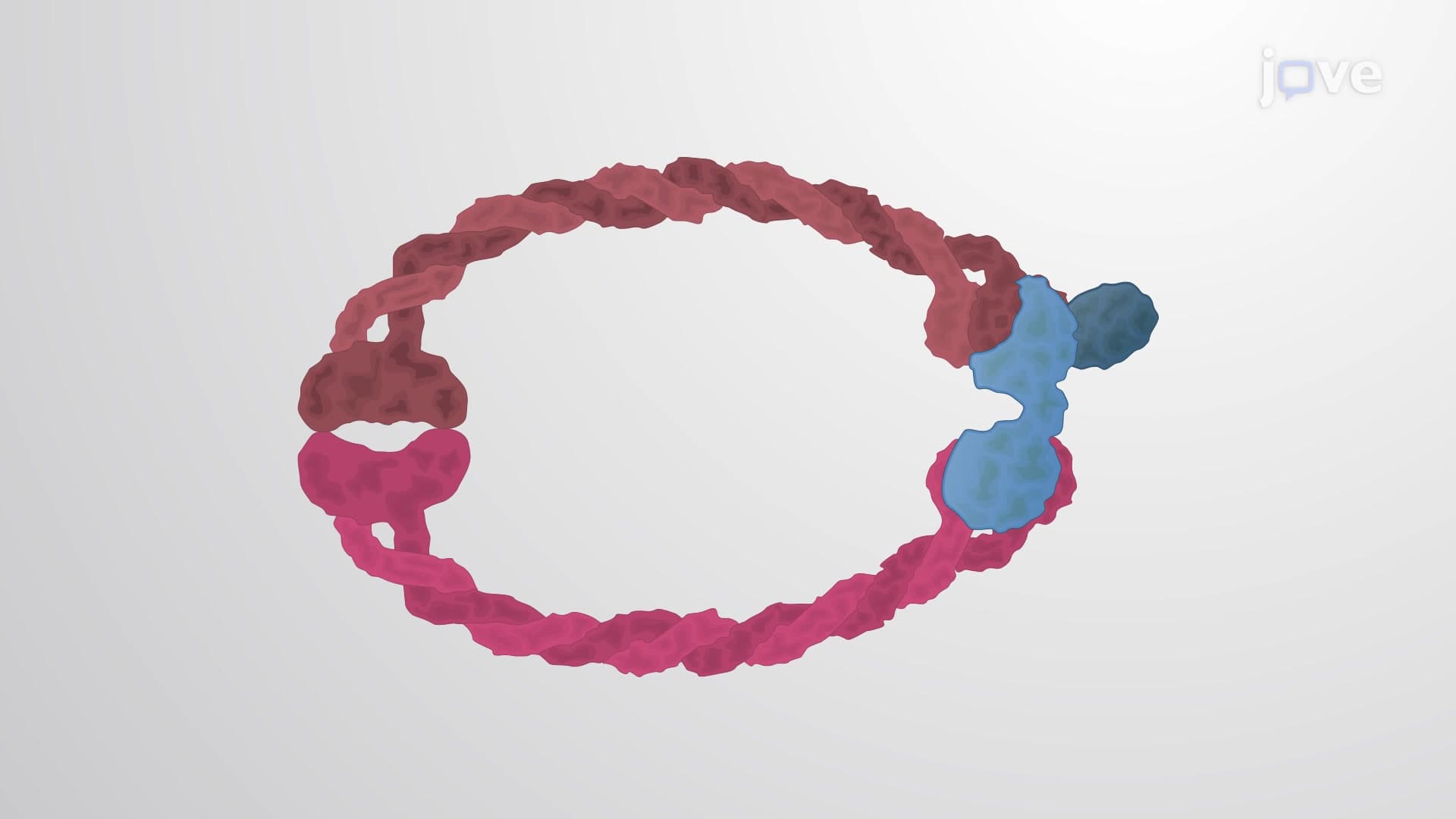
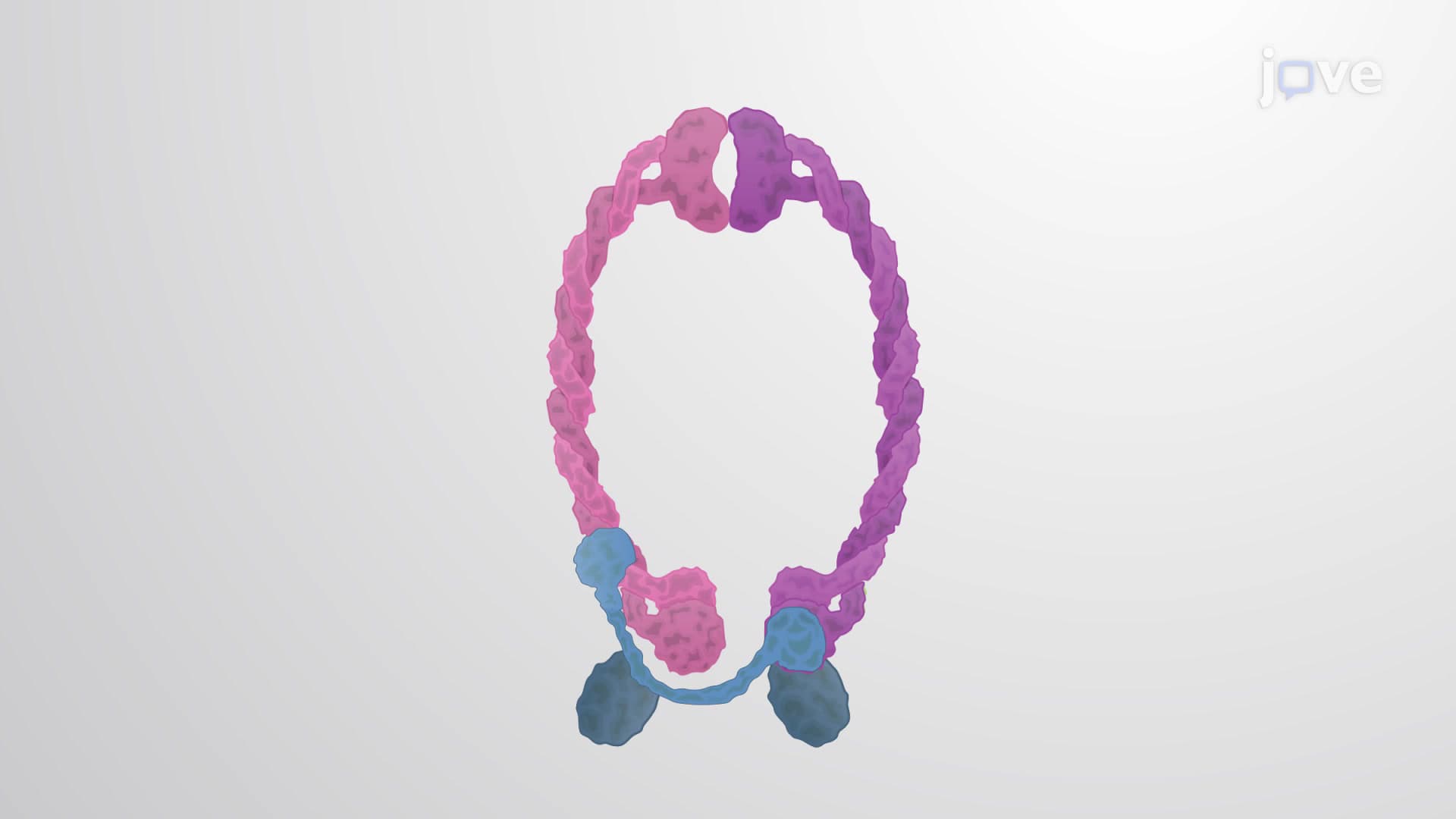


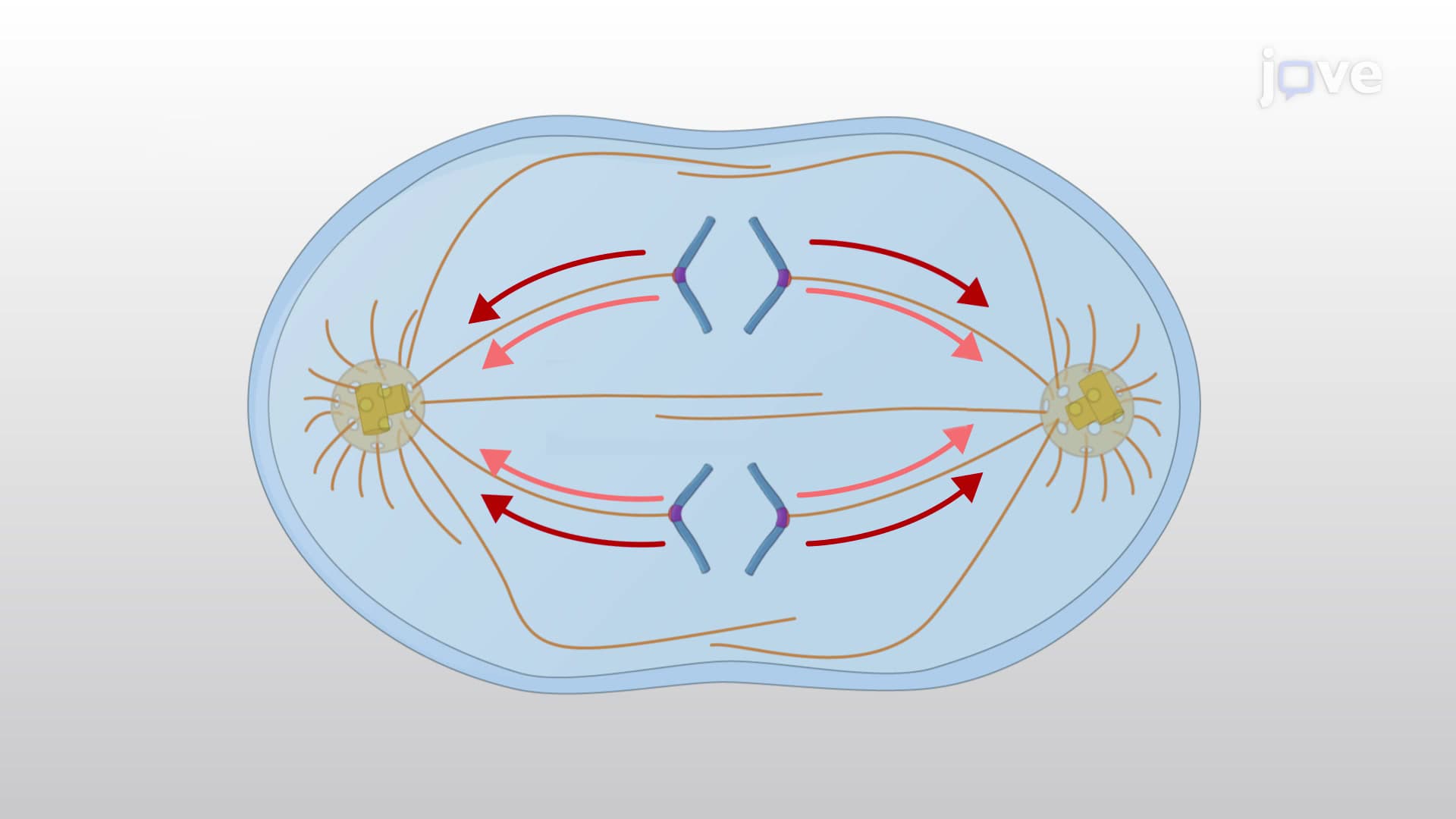

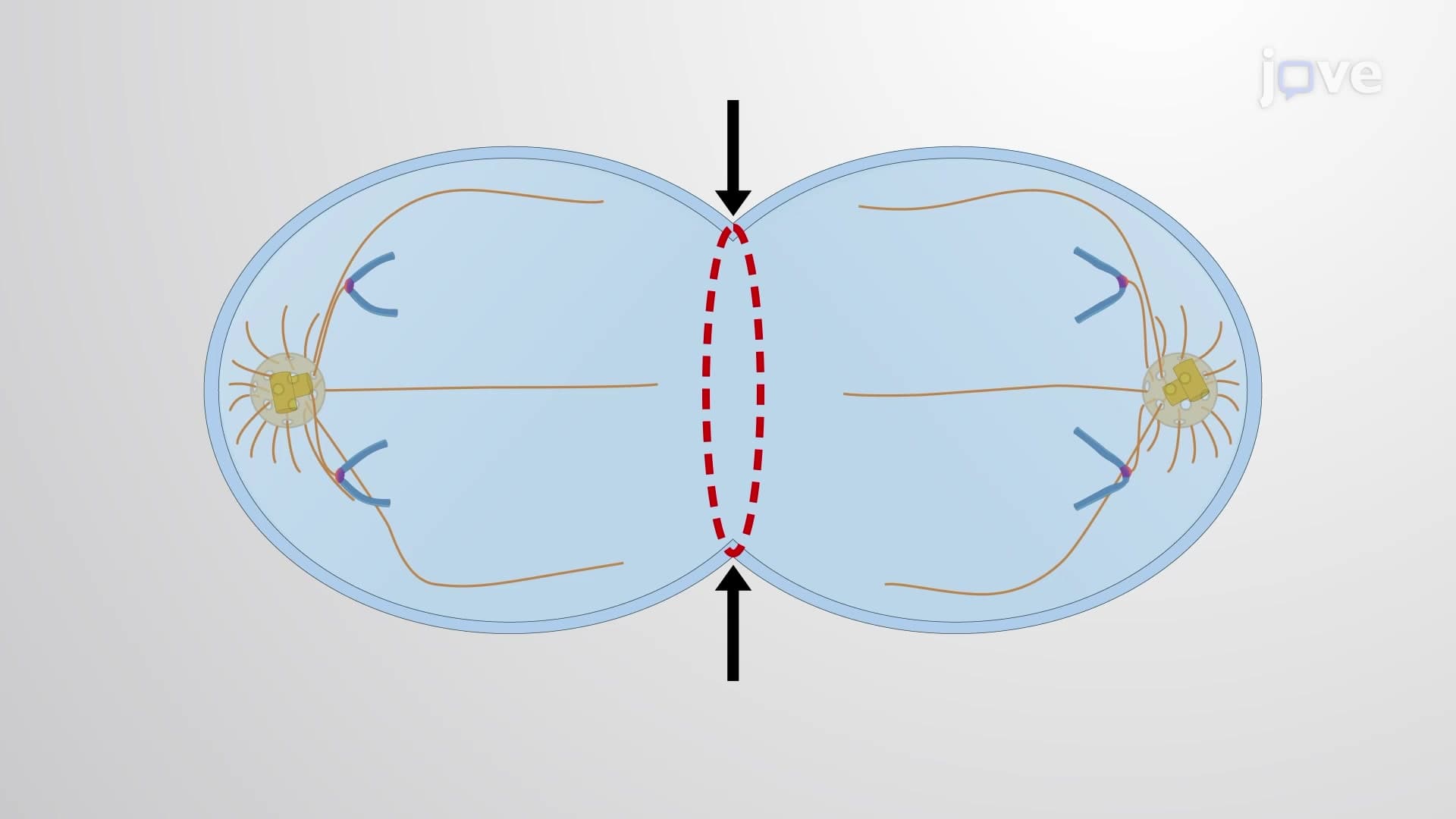
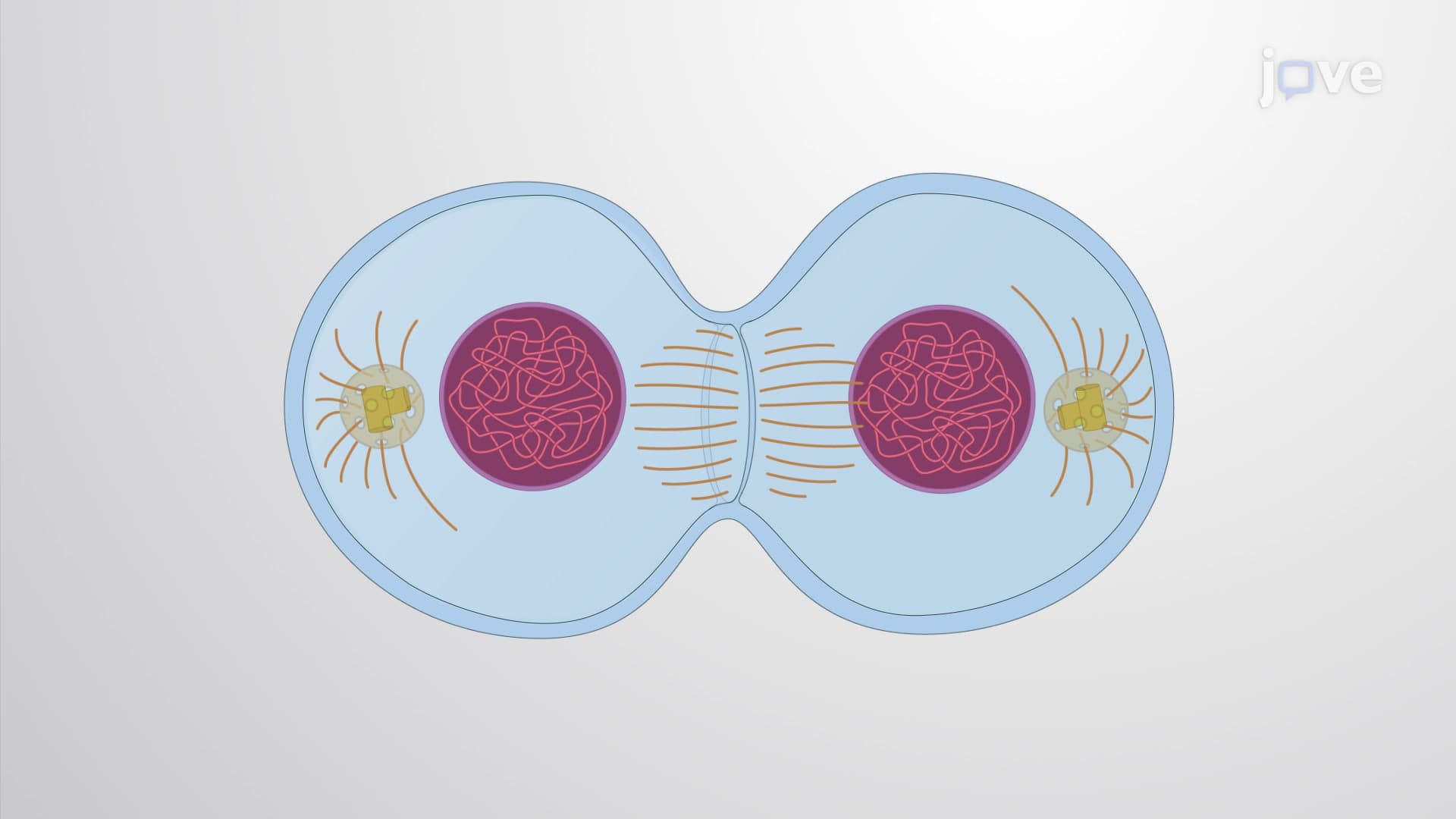
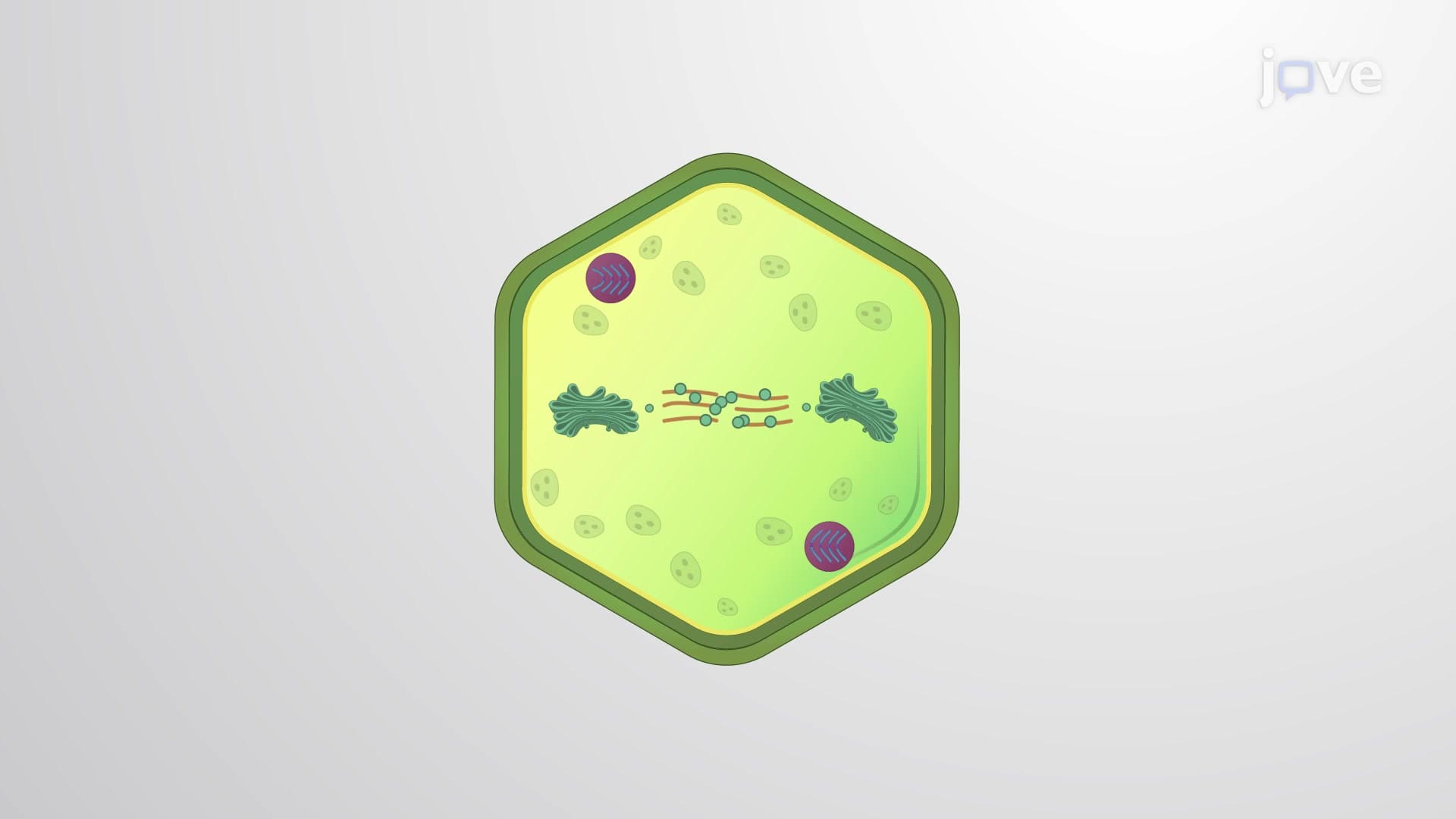
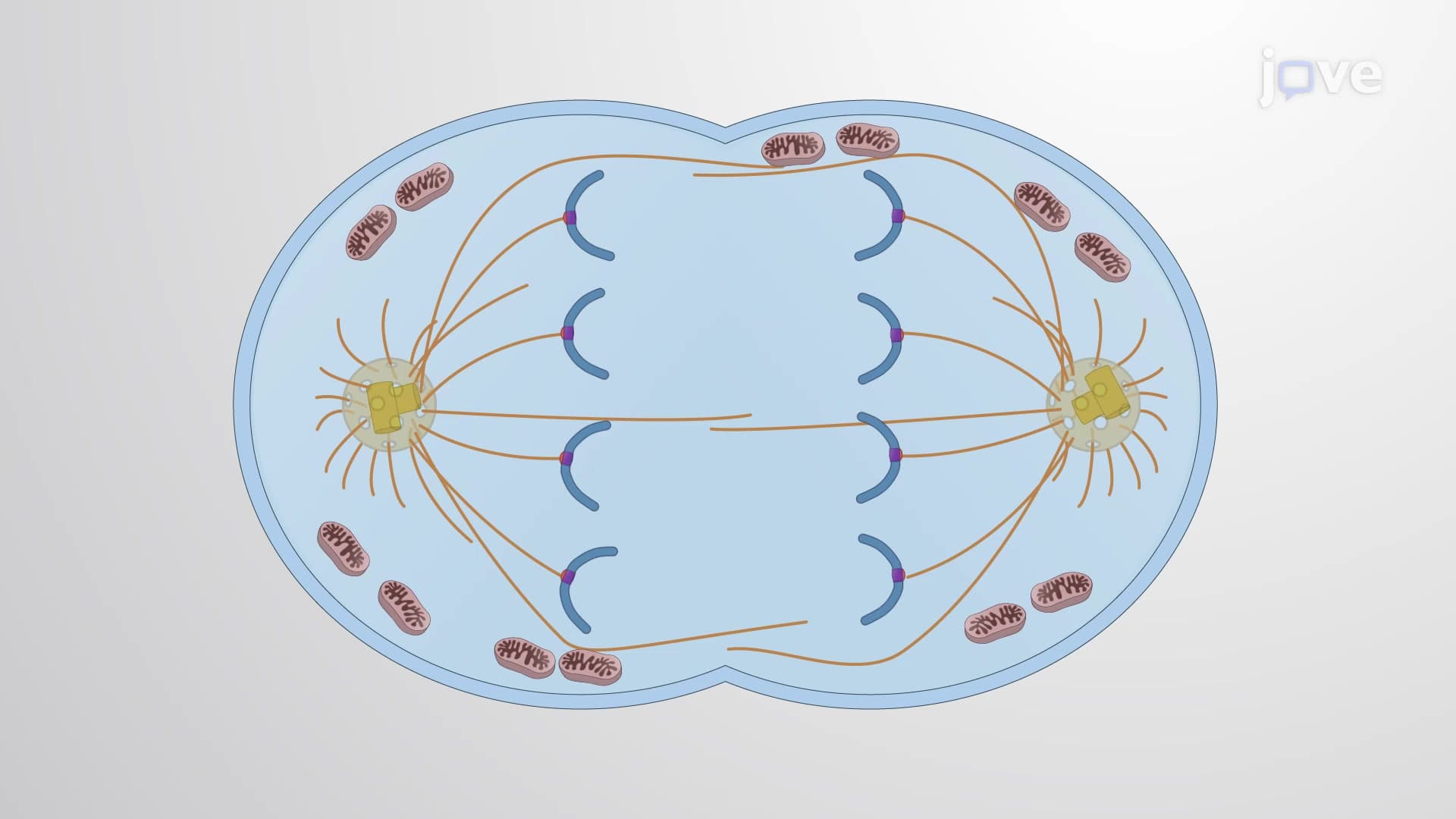
The Spindle Assembly Checkpoint

00:00
02:19
Video Summary: What Is the Spindle Assembly Checkpoint
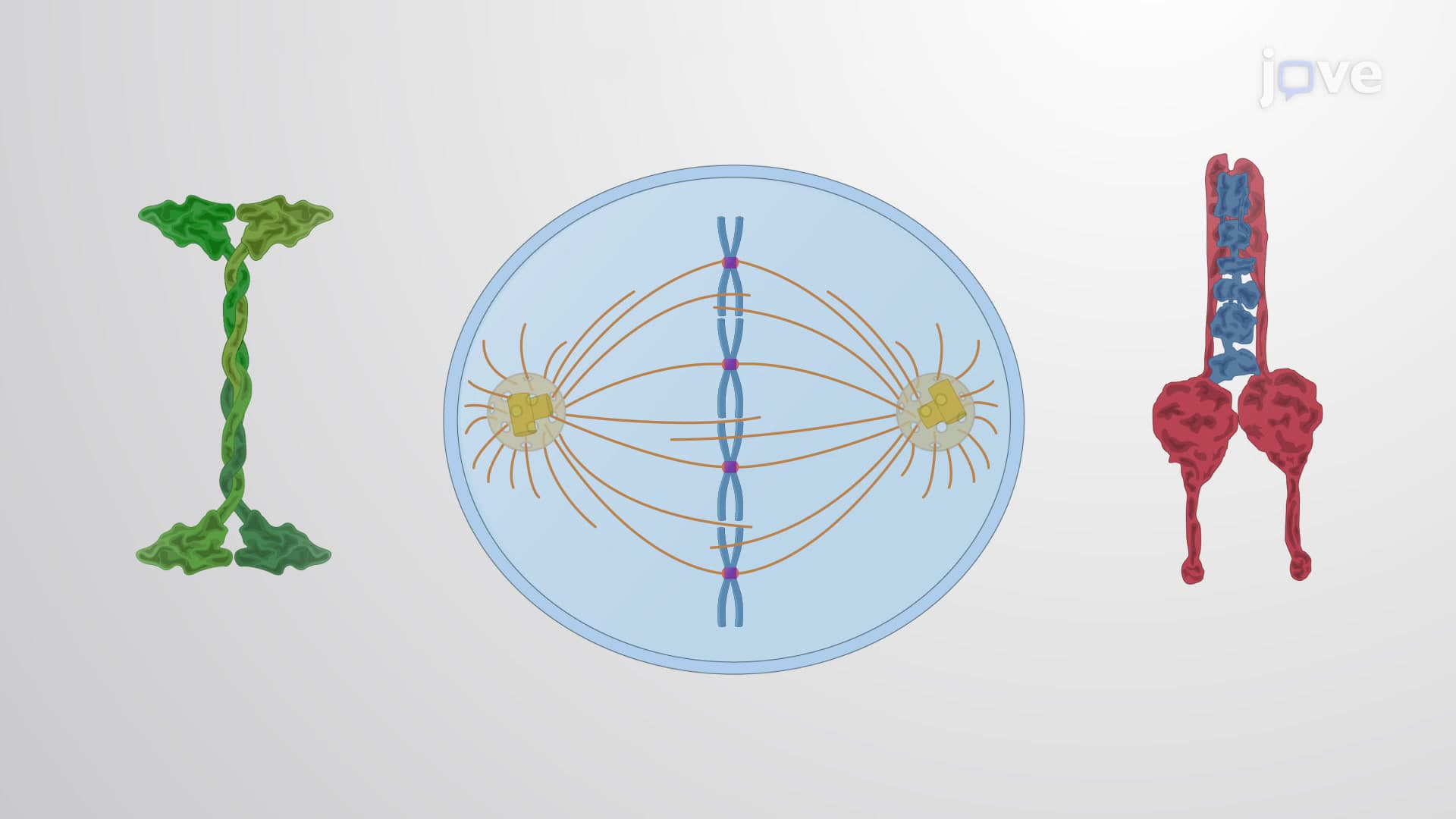
Every minute, millions of your cells divide to help you grow and heal, but a single mistake could trigger cancer. The spindle assembly checkpoint ensures chromosomes separate correctly during cell division, preventing the genomic chaos that leads to diseases like the brain tumors treated at MD Anderson Cancer Center in Texas. This cellular quality control system acts as a molecular "stoplight," halting division until every chromosome is properly positioned. Watch the full video on JoVE Coach to master this concept with expert-led visuals and step-by-step explanations.
- Understand what the Spindle Assembly Checkpoint is and why it serves as a critical quality control mechanism during mitosis
- Identify the key protein components (MAD, BUB, MPS1 kinases) that monitor chromosome attachment and generate checkpoint signals
- Analyze how the checkpoint prevents aneuploidy by blocking anaphase until all kinetochores are properly attached to spindle microtubules
- Compare normal checkpoint function with defective mechanisms that contribute to cancer development and tumor progression
- Evaluate the role of the Anaphase Promoting Complex (APC/C) in checkpoint signaling and cell cycle progression
- Apply knowledge of checkpoint mechanisms to understand how chemotherapy drugs like taxanes target rapidly dividing cancer cells
- Recognize the clinical significance of checkpoint defects in cancer biology and therapeutic resistance
- Explore the historical discovery of the checkpoint through genetic studies in model organisms
Understanding the Spindle Assembly Checkpoint Mechanism
The spindle assembly checkpoint represents one of biology's most sophisticated quality control systems, ensuring that genetic material passes accurately from one cell generation to the next. This checkpoint functions like a highly sensitive security system that monitors every chromosome during cell division, preventing catastrophic errors that could lead to cancer or developmental disorders.
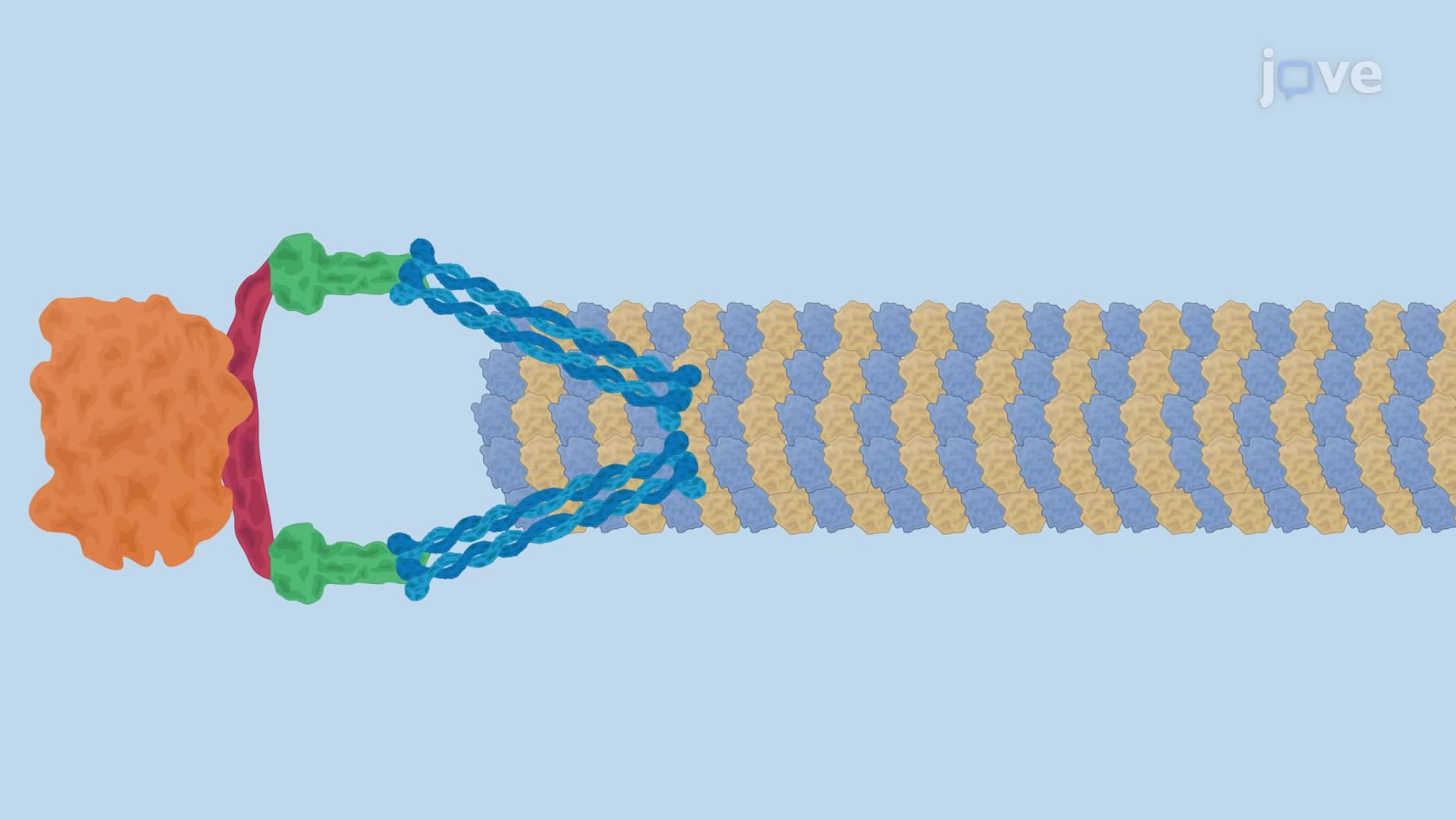
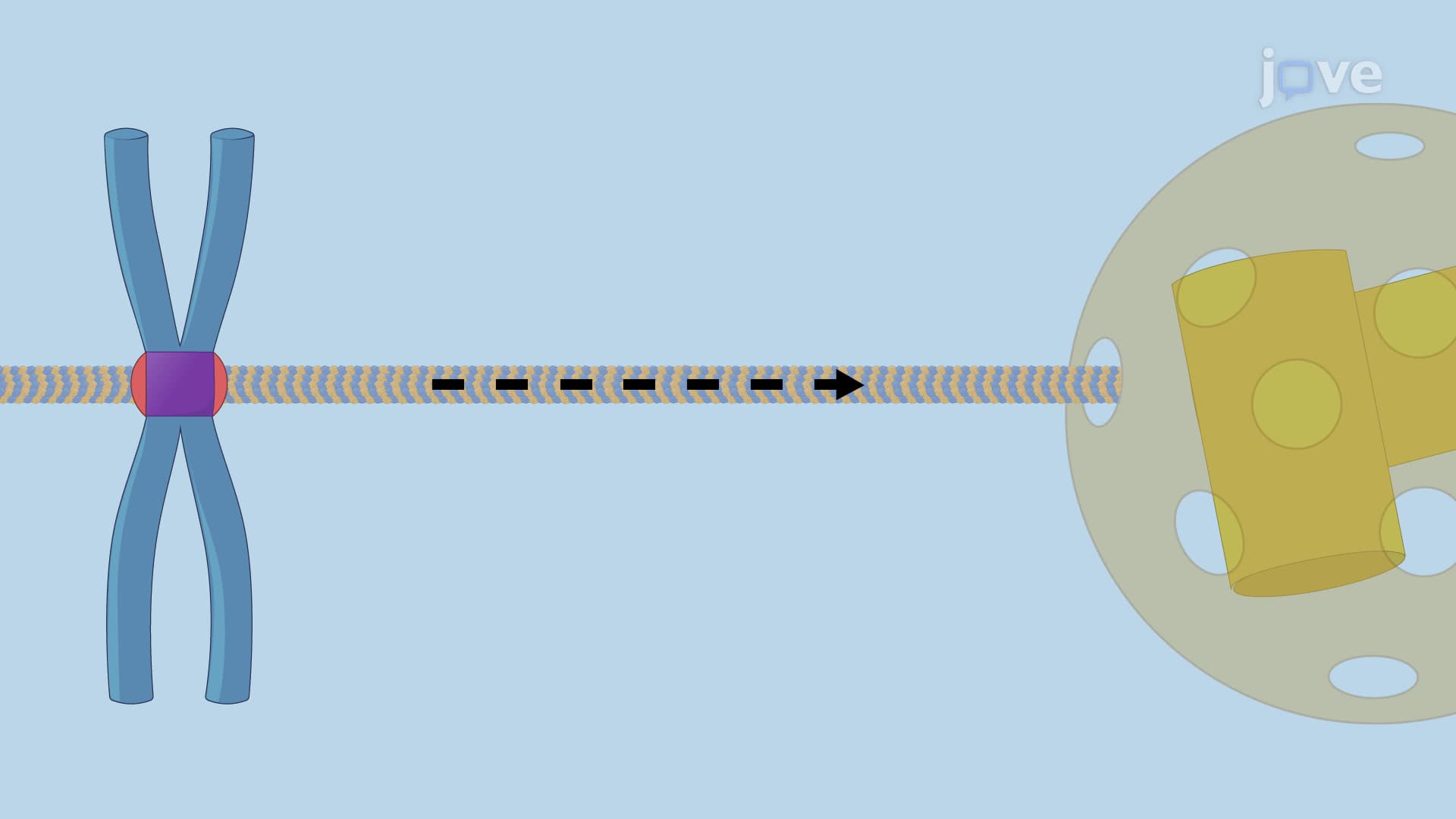
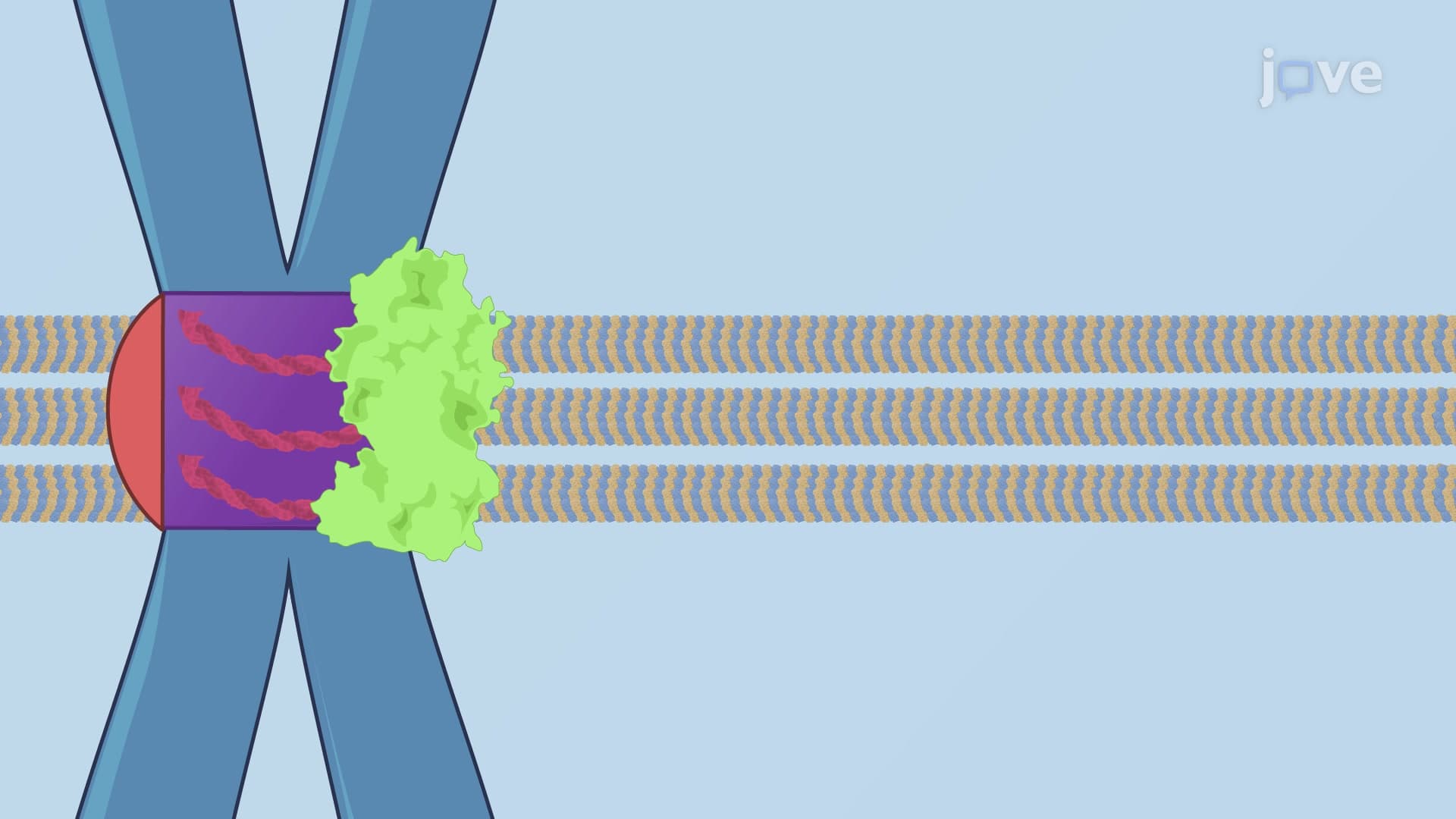
At its core, the checkpoint monitors the attachment between chromosomes and spindle fibers through specialized protein structures called kinetochores. When even a single chromosome remains unattached, the checkpoint generates a powerful "wait" signal that halts the entire division process. This all-or-nothing approach ensures genomic integrity-a principle that makes this concept particularly important for students taking AP Biology or preparing for the MCAT.
Molecular Players and Their Roles
The checkpoint's molecular machinery includes several key protein families that work in concert. MAD (Mitotic Arrest Deficient) proteins, BUB (Budding Uninhibited by Benzimidazole) proteins, and MPS1 kinases form the core surveillance network. These proteins detect unattached kinetochores and recruit additional checkpoint components to amplify the arrest signal.
The checkpoint's target is the Anaphase Promoting Complex (APC/C), a molecular machine responsible for triggering chromosome separation. When active, checkpoint proteins inhibit APC/C function, preventing the degradation of key cell cycle regulators like securin and cyclin B. Only when all chromosomes achieve proper bipolar attachment does the checkpoint signal dissipate, allowing APC/C activation and anaphase progression.
Clinical Relevance and Cancer Therapeutics
Understanding checkpoint function has revolutionized cancer treatment strategies across major US medical centers. Chemotherapeutic agents like paclitaxel (Taxol) and vincristine exploit the checkpoint by disrupting microtubule dynamics, forcing cancer cells into prolonged mitotic arrest that ultimately triggers cell death. The MD Anderson Cancer Center and Memorial Sloan Kettering have pioneered treatments based on these principles.
However, cancer cells can develop checkpoint defects that allow them to bypass these controls, contributing to genomic instability and therapeutic resistance. Research at institutions like the National Cancer Institute continues to explore how checkpoint dysfunction drives tumor evolution and how this knowledge can inform next-generation therapies.
Educational Applications and Exam Preparation
For students, mastering checkpoint concepts provides essential preparation for advanced coursework and standardized exams. The MCAT frequently tests understanding of cell cycle control mechanisms, while AP Biology emphasizes the relationship between checkpoint function and cancer development. College cell biology courses at institutions like UCLA and MIT build upon these foundations to explore cutting-edge research in checkpoint biology and its therapeutic applications.
Frequently Asked Questions
The spindle assembly checkpoint is a cellular quality control mechanism that ensures accurate chromosome separation during mitosis by monitoring kinetochore-microtubule attachments. It prevents genomic instability by blocking anaphase until all chromosomes are properly positioned. This checkpoint is crucial because errors in chromosome segregation can lead to aneuploidy, a hallmark of cancer and many genetic disorders.
The MCAT tests checkpoint concepts in cell biology sections, often asking about protein functions, checkpoint defects in cancer, or drug mechanisms. AP Biology includes checkpoint questions in cell cycle units, focusing on regulatory mechanisms and their role in preventing genetic disorders. Students should understand both molecular details and clinical applications for comprehensive exam preparation.
Inherited checkpoint defects can lead to mosaic variegated aneuploidy syndrome, a rare condition causing developmental delays and increased cancer risk. Children born with these mutations often receive treatment at specialized centers like Boston Children's Hospital or Cincinnati Children's Hospital. Early diagnosis through genetic testing at institutions like the National Institutes of Health allows for enhanced cancer surveillance and preventive care.
While basic understanding of protein structure helps, you can grasp checkpoint concepts with high school biology knowledge. Focus on the functional roles of proteins rather than detailed biochemistry. The key is understanding how proteins work together as a system to monitor and control cell division, making this topic accessible to students beginning their cell biology studies.
Create concept maps linking checkpoint proteins to their functions, then practice drawing the signaling pathway from unattached kinetochores to APC/C inhibition. Use active recall by explaining the checkpoint to study partners, and connect molecular mechanisms to clinical examples like cancer drug actions. Focus on cause-and-effect relationships rather than memorizing protein names in isolation.
Taxol stabilizes microtubules and prevents proper kinetochore-microtubule dynamics, triggering prolonged checkpoint activation in rapidly dividing cancer cells. This leads to mitotic arrest followed by cell death, while normal cells with slower division rates experience less severe effects. Major cancer centers like MD Anderson use this principle to selectively target tumors while minimizing damage to healthy tissues.
Build on checkpoint knowledge by exploring other cell cycle checkpoints (G1/S and intra-S), DNA damage response pathways, and p53 tumor suppressor function. Advanced topics include checkpoint adaptation, centrosome biology, and emerging cancer therapies targeting checkpoint proteins. These concepts form the foundation for understanding modern cell biology and cancer research.
Leading institutions like Harvard Medical School and Stanford University are developing drugs that target specific checkpoint proteins to overcome therapeutic resistance. Clinical trials at major cancer centers test combination therapies that manipulate checkpoint function alongside traditional treatments. This research aims to create more effective, personalized cancer therapies based on individual tumor checkpoint profiles.
Related Micro-courses


