Loading subject page…

- Cell Biology
- Cells, Genomes, and Evolution
- Eukaryotic Compartmentalization
Micro-course: Cells, Genomes, and Evolution
336,523 views
Learn key concepts and earn your certificate.


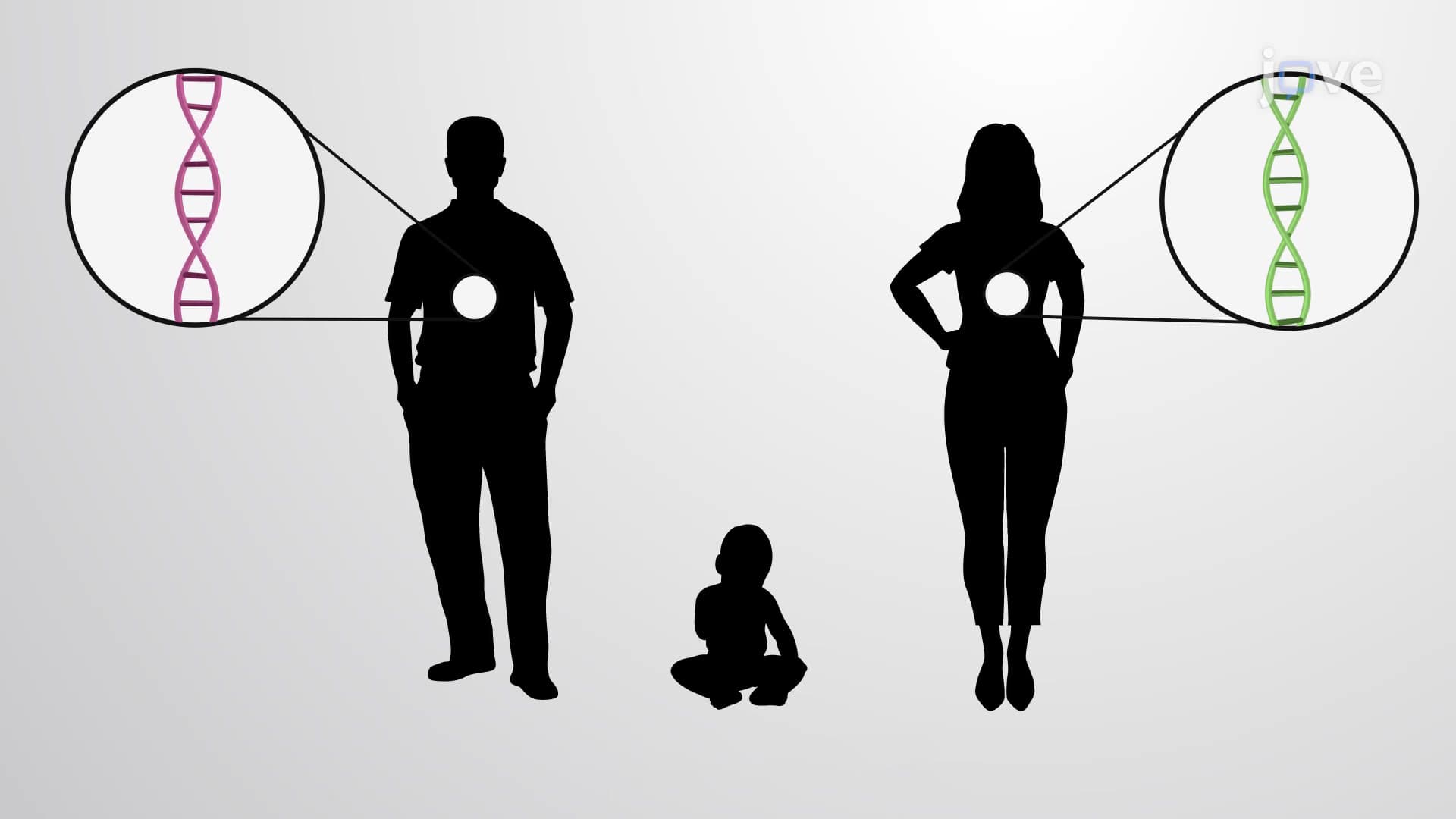
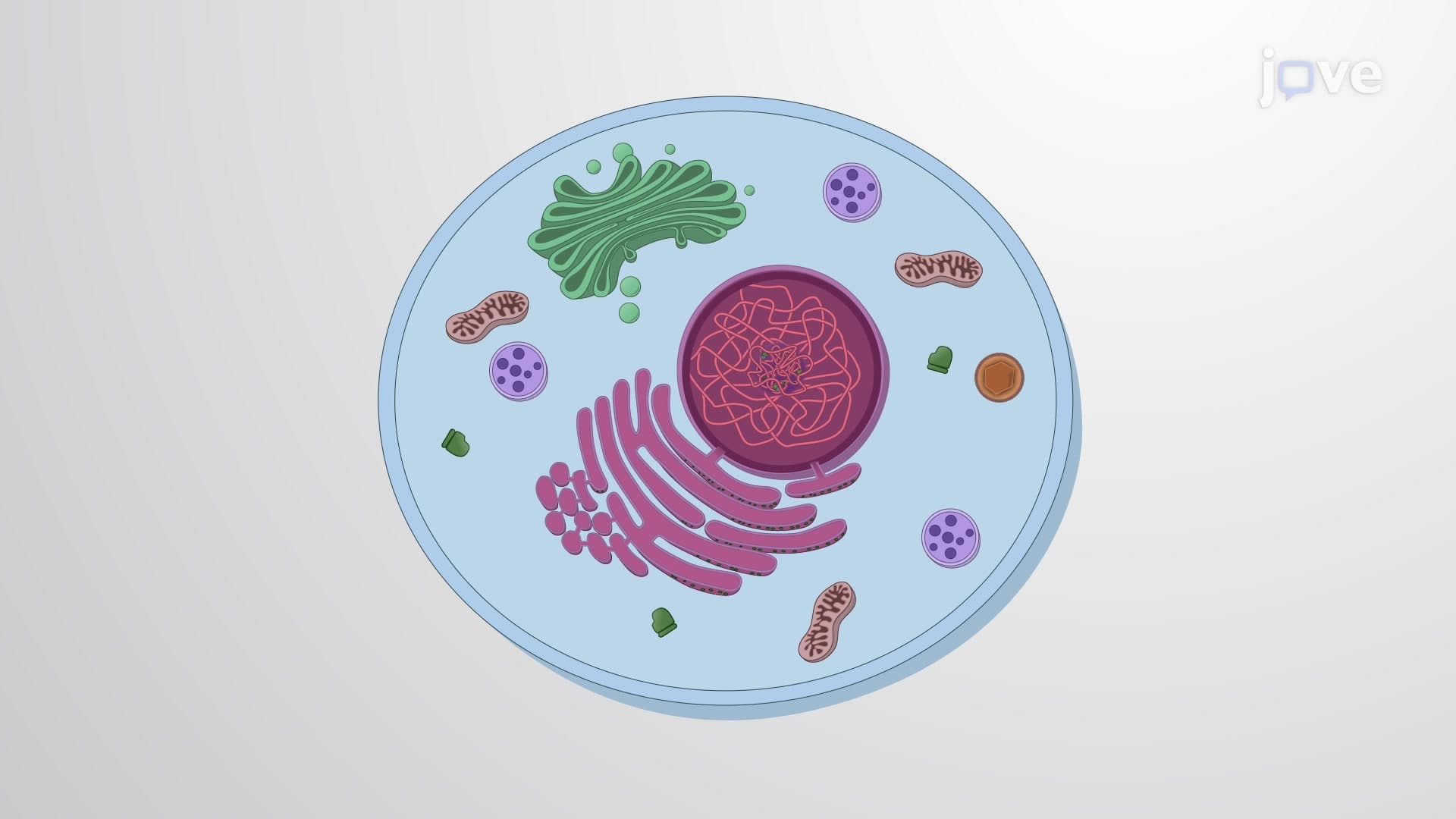
Eukaryotic Compartmentalization

00:00
01:37
Video Summary: What Is Eukaryotic Compartmentalization
Ever wonder why a human liver cell can simultaneously break down toxins while producing proteins without poisoning itself? Eukaryotic compartmentalization biology explains how cells use membrane-bound organelles to create specialized microenvironments for different functions. Like how a hospital separates its emergency room from its laboratory to prevent contamination, eukaryotic cells isolate incompatible processes within distinct compartments. This cellular organization allows your pancreatic cells to produce insulin safely while breaking down waste materials. Watch the full video on JoVE Coach to master this concept with expert-led visuals and step-by-step explanations.
- Understand what is eukaryotic compartmentalization in biology and why membrane-bound organelles are essential for cellular survival
- Identify the major organelles involved in cellular compartmentalization and their specific environmental requirements
- Analyze how nuclear pore complexes regulate molecular transport between the nucleus and cytoplasm
- Compare the pH requirements of different cellular compartments, from acidic lysosomes to neutral cytoplasm
- Evaluate how organelle specialization prevents toxic byproducts from damaging other cellular components
- Apply knowledge of compartmentalization to explain why certain diseases occur when organelles malfunction
- Recognize the energy advantages of mitochondrial compartmentalization in ATP production
- Explore how vesicle transport maintains communication between isolated cellular compartments
Understanding Eukaryotic Compartmentalization
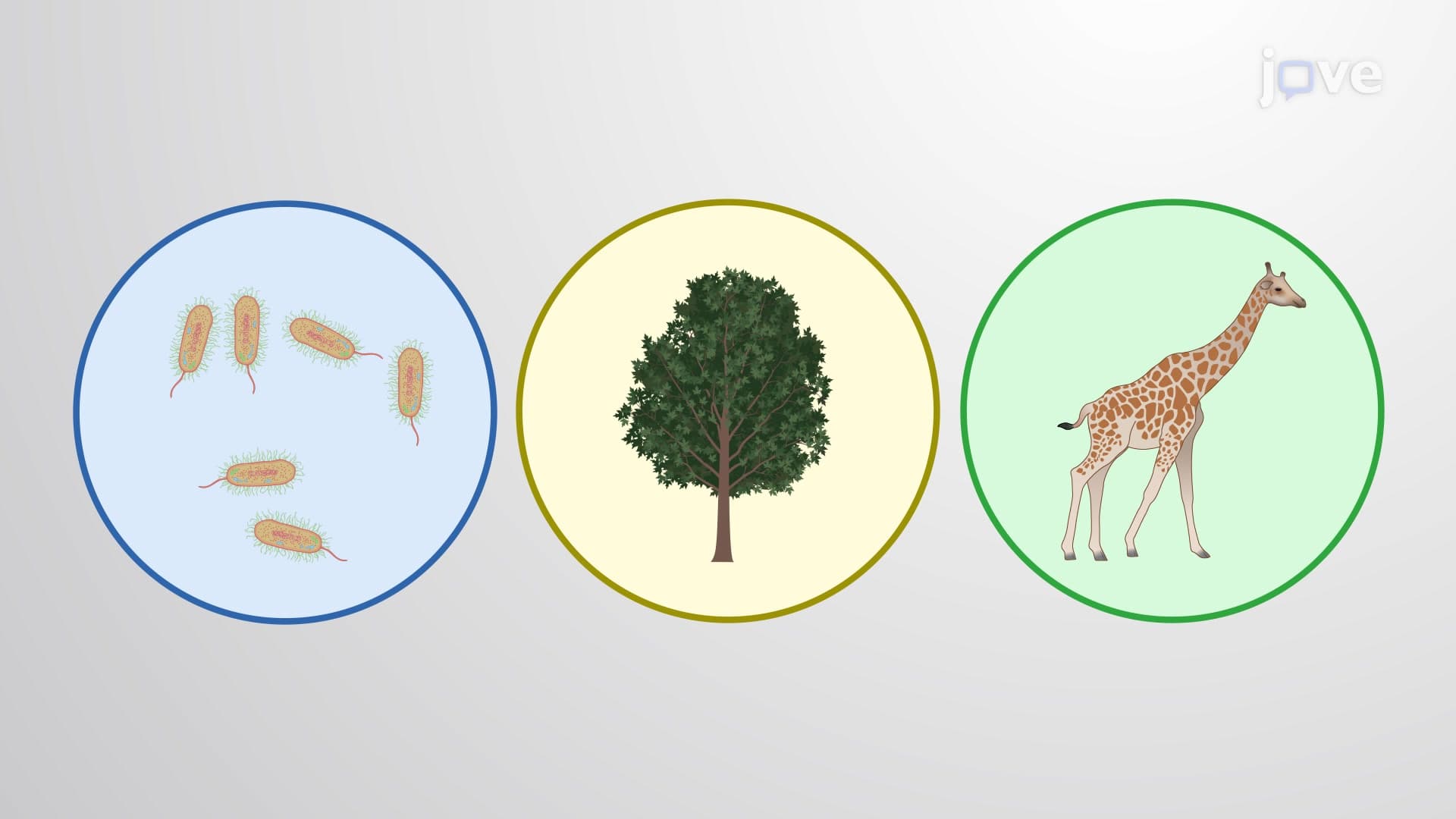
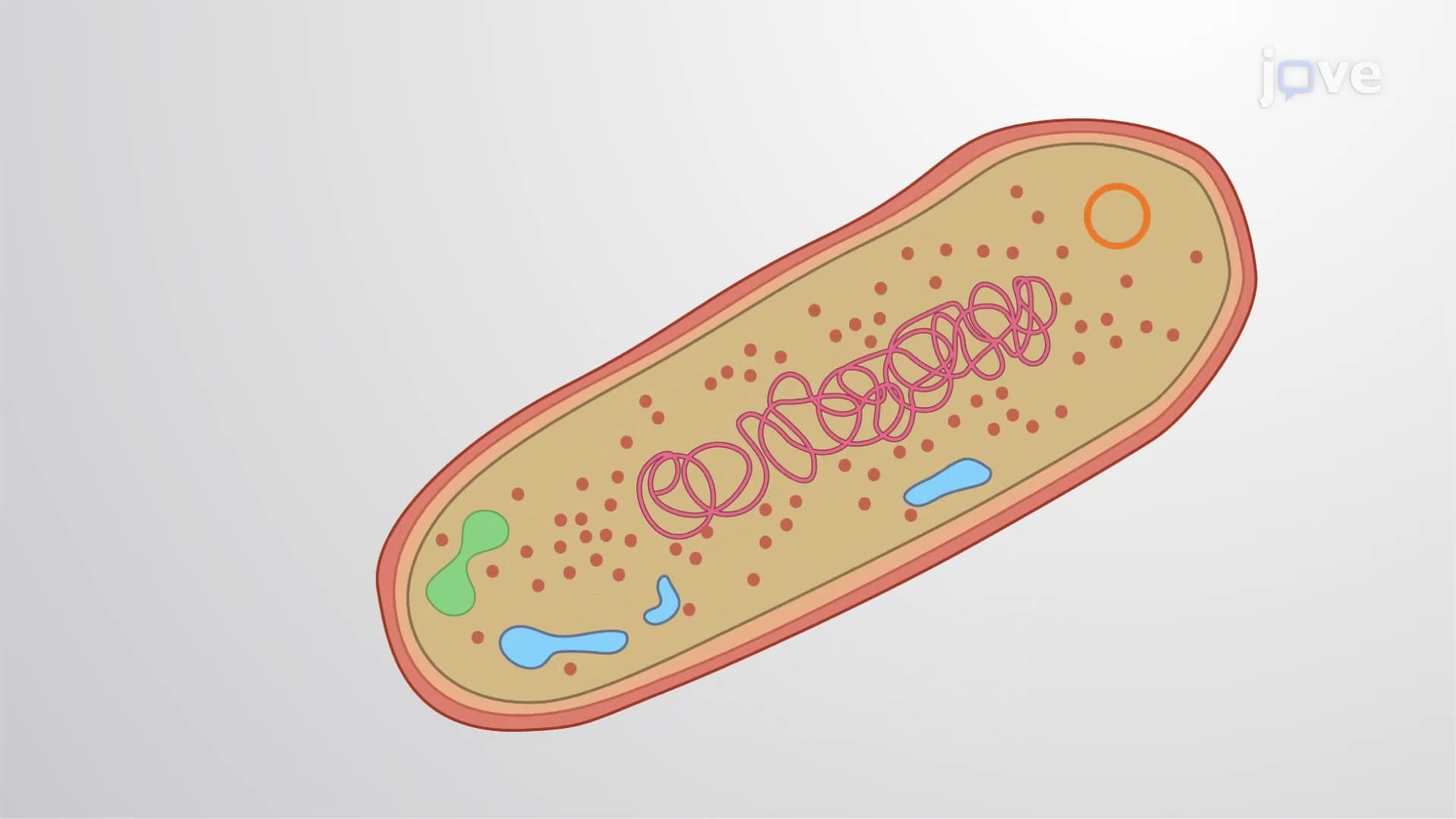
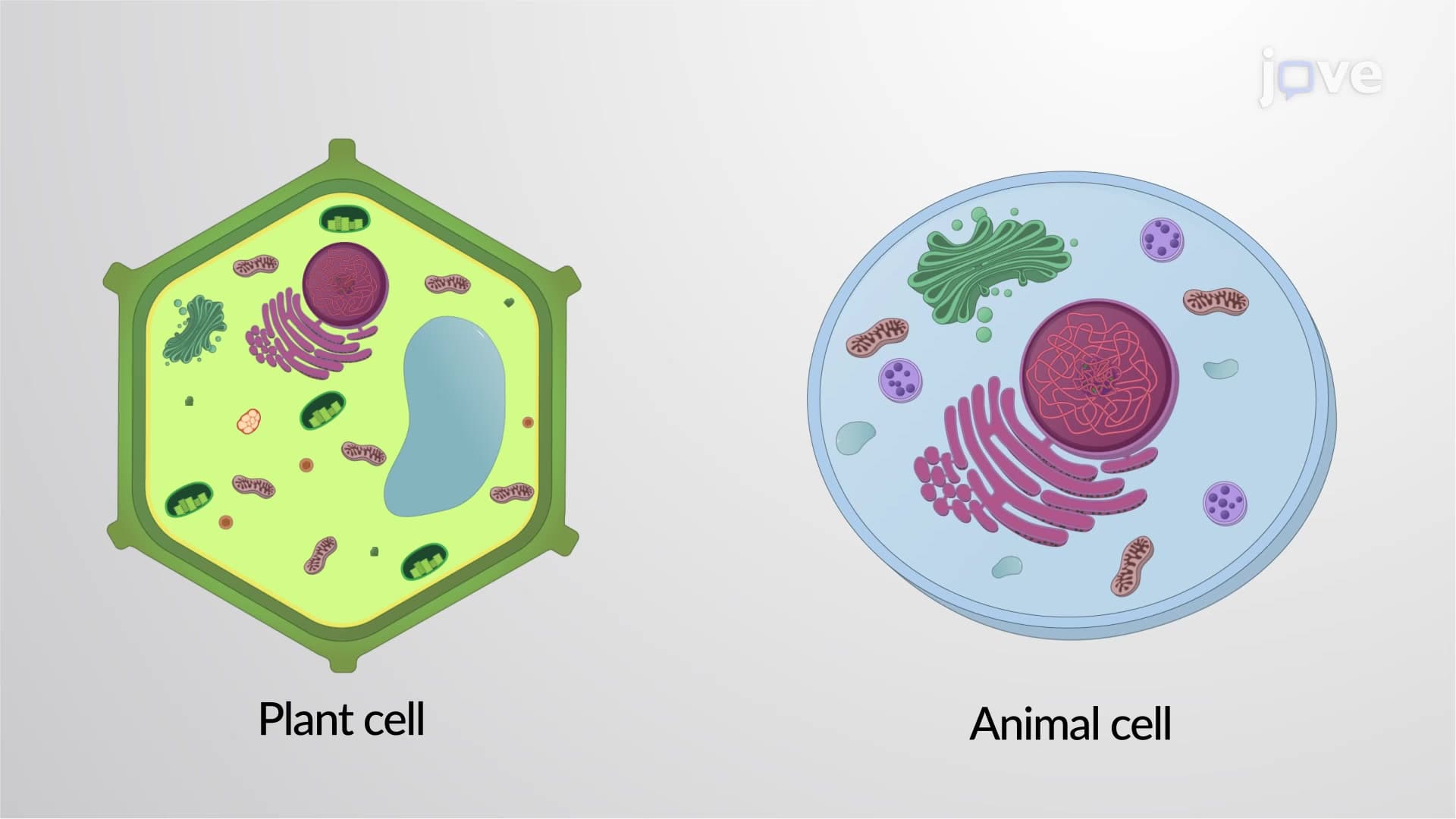
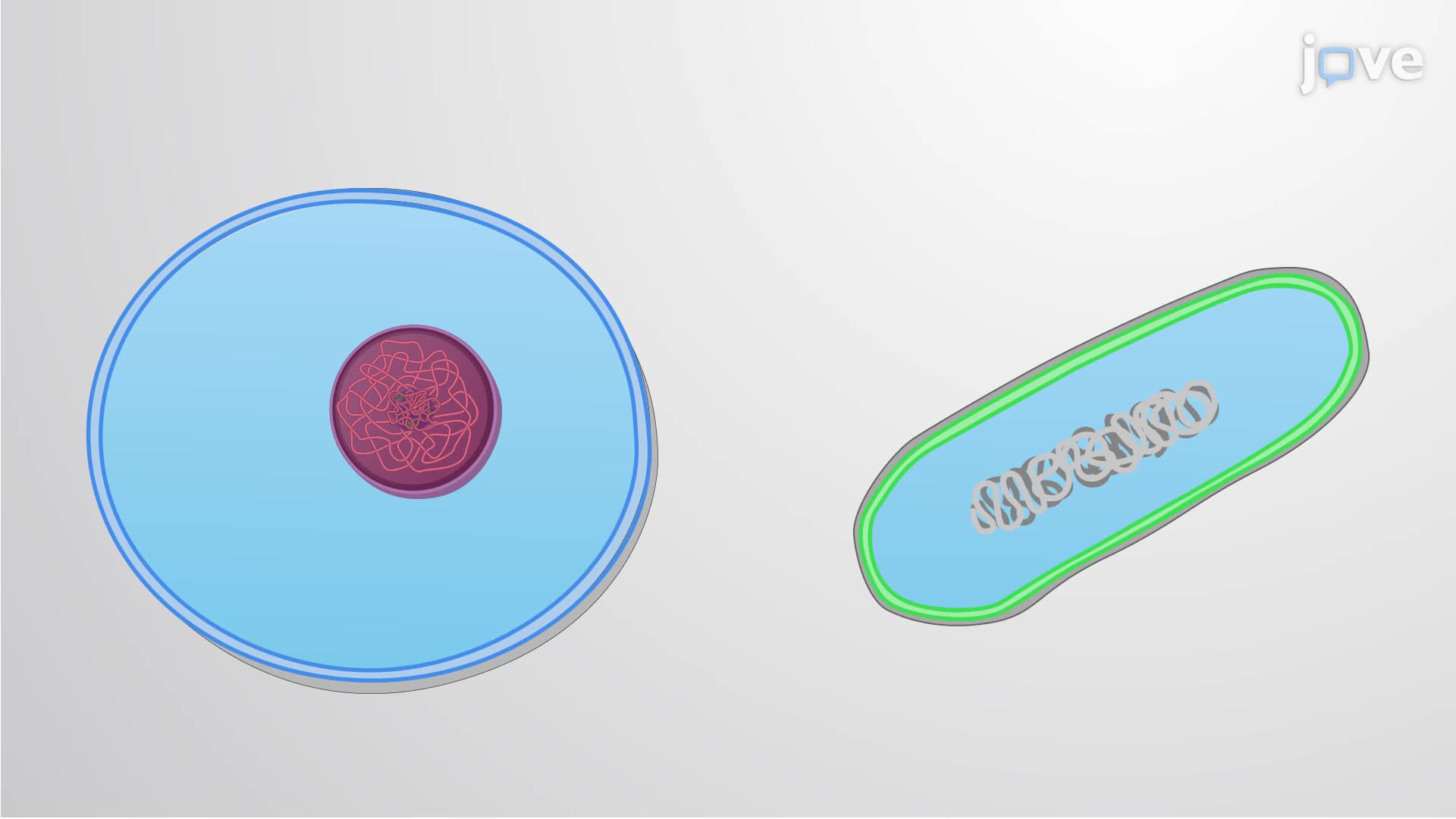
Eukaryotic compartmentalization biology represents one of evolution's most sophisticated solutions to cellular complexity. Unlike prokaryotic cells that conduct all processes in a single space, eukaryotic cells use membrane bound organelle eukaryote structures to create specialized environments. This cellular compartmentalization advantage allows cells to maintain incompatible chemical conditions simultaneously-a feat impossible without physical separation.
Nuclear Compartmentalization and Gene Regulation
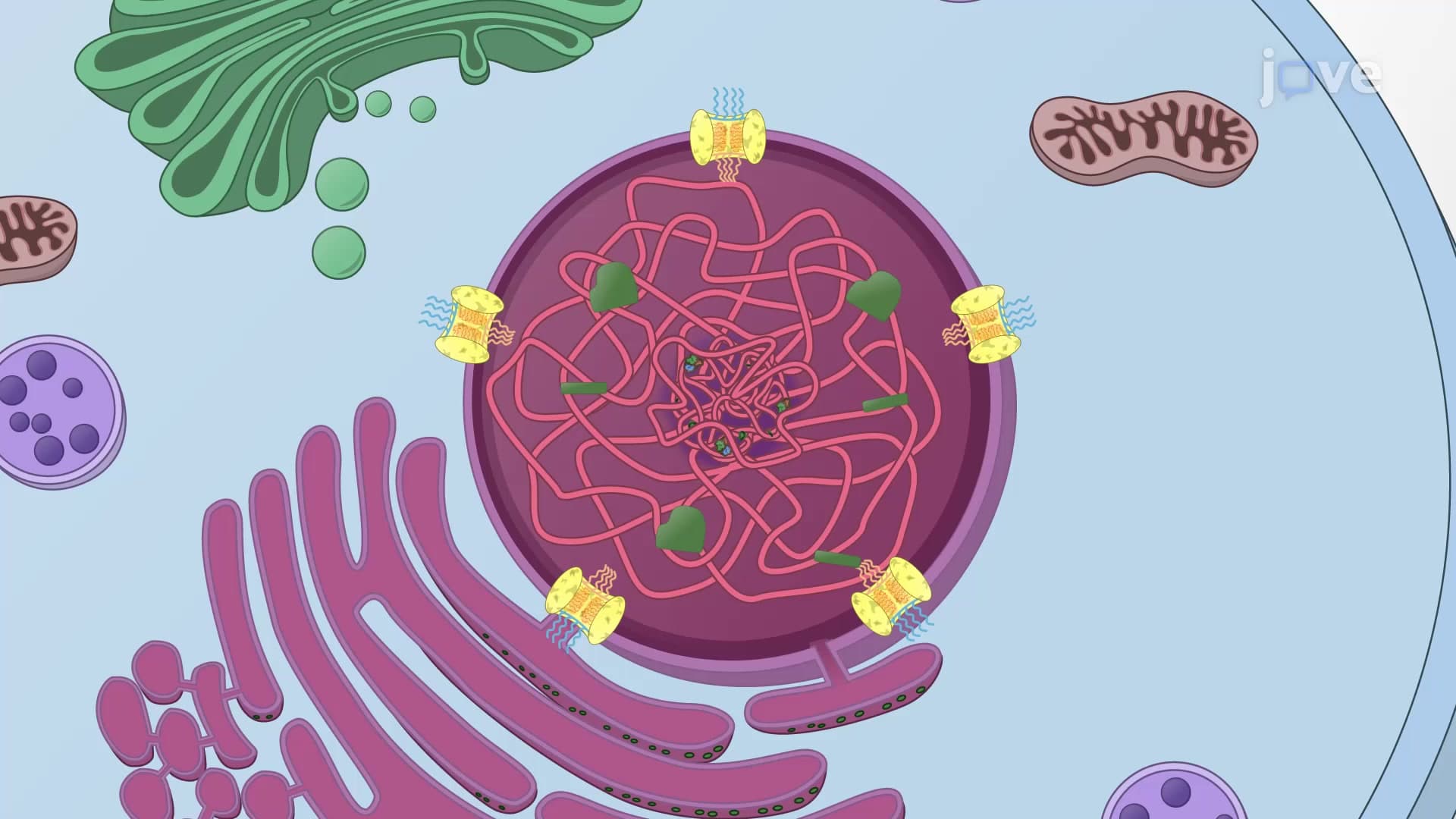
The nucleus exemplifies functional compartment cell design through its double membrane envelope and nuclear pore complexes. These molecular gatekeepers control which proteins, RNA molecules, and other substances enter or exit the nuclear space. This selective permeability maintains optimal conditions for DNA replication and transcription while protecting genetic material from potentially damaging cytoplasmic enzymes. Students studying for the AP Biology exam frequently encounter questions about nuclear transport mechanisms and how compartmentalization affects gene expression regulation.
Metabolic Compartmentalization and Energy Production
Organelle specialization eukaryote cells demonstrate remarkable efficiency in energy metabolism through mitochondrial compartmentalization. The intermembrane space maintains a lower pH than the matrix, creating the proton gradient essential for ATP synthesis. This nucleus mitochondria compartment separation allows cells to generate energy through oxidative phosphorylation while protecting other organelles from reactive oxygen species. Medical students preparing for the MCAT must understand how mitochondrial dysfunction relates to metabolic diseases affecting American patients.
Protective Compartmentalization Systems
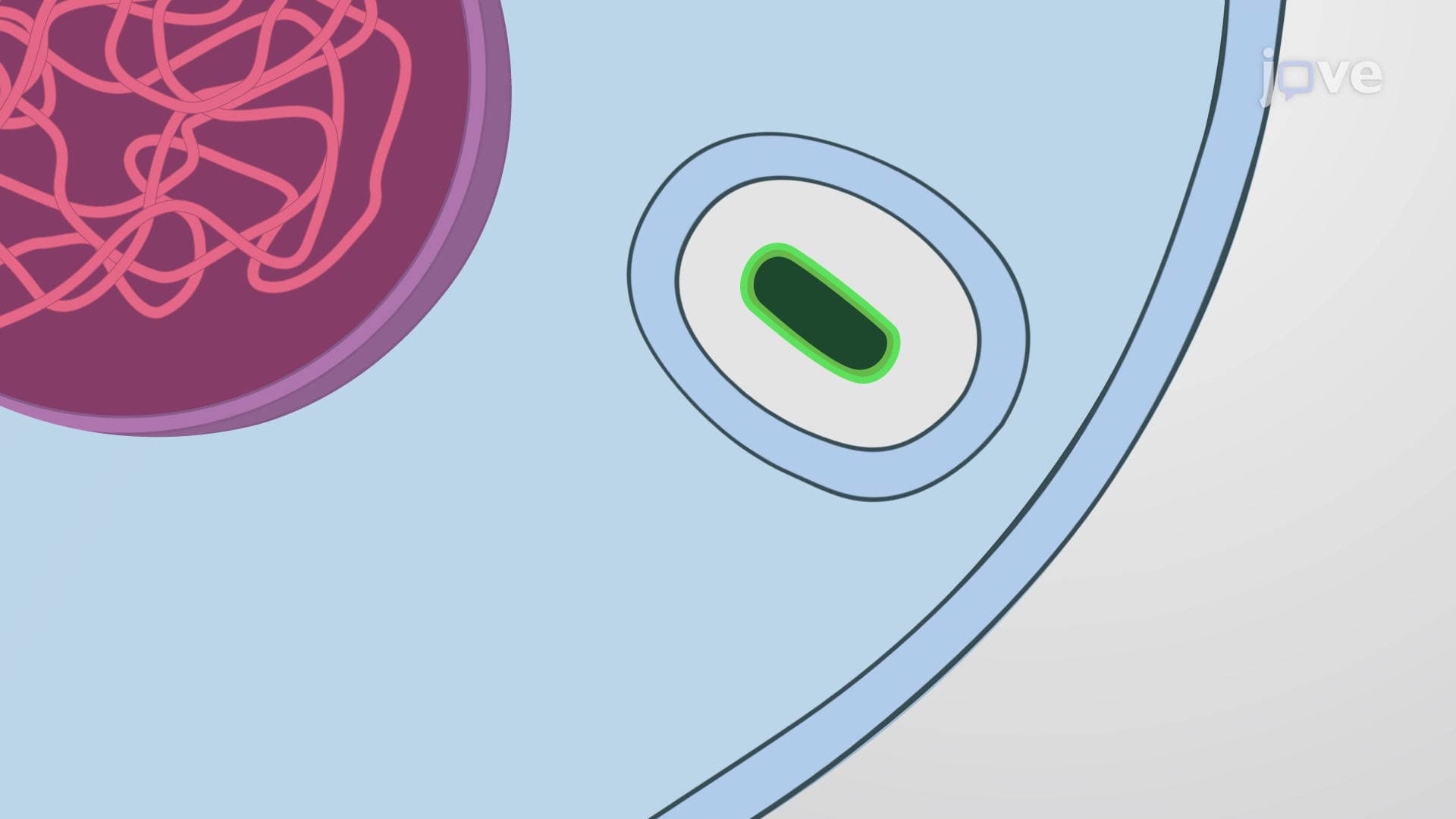
Peroxisomes and lysosomes showcase cell compartment function biology through their protective roles. Peroxisomes isolate enzymes that produce hydrogen peroxide as a byproduct, immediately converting this toxic compound to harmless water and oxygen. Lysosomes maintain highly acidic environments (pH 4.5-5.0) necessary for digestive enzyme function while protecting the neutral cytoplasm from these destructive proteins. Healthcare students studying for the NCLEX or HESI A2 exams encounter clinical scenarios involving lysosomal storage diseases, where compartmentalization failures cause cellular damage in American patients.
Frequently Asked Questions
Eukaryotic compartmentalization is the organization of cellular functions within membrane-bound organelles that create distinct microenvironments. This system allows cells to conduct incompatible chemical processes simultaneously without interference. It's essential because it enables complex multicellular organisms like humans to maintain specialized tissues while protecting cellular integrity from toxic byproducts.
AP Biology frequently tests compartmentalization through questions about organelle function, membrane transport, and cellular energetics. Students encounter free-response questions requiring explanations of how pH differences between organelles affect enzyme activity. Multiple-choice questions often focus on predicting outcomes when compartmentalization fails, such as in genetic diseases affecting organelle membranes.
The MCAT extensively covers compartmentalization in biochemistry and biology sections, particularly regarding metabolic pathways and disease mechanisms. Test-takers must understand how mitochondrial compartmentalization enables oxidative phosphorylation and how lysosomal dysfunction causes storage diseases. Questions often integrate compartmentalization with pharmacology, asking how drugs target specific cellular compartments.
Many genetic diseases result from compartmentalization defects, including Tay-Sachs disease (lysosomal dysfunction) and Zellweger syndrome (peroxisome defects). American patients with these conditions demonstrate how organelle failures cause cellular toxicity. Understanding compartmentalization helps healthcare providers explain treatment strategies and genetic counseling to affected families.
Not at all-compartmentalization builds on familiar concepts like room organization in houses. Students who understand basic cell structures and pH differences can grasp organelle specialization. Starting with simple analogies (kitchen vs. bathroom functions) helps students visualize why cells need separate spaces for different activities before progressing to molecular details.
Create organelle comparison charts listing each compartment's pH, major functions, and key molecules. Practice drawing cellular transport pathways showing how materials move between compartments. Focus on understanding WHY compartmentalization exists rather than memorizing lists-this approach helps with application questions common in college assessments.
After mastering basic compartmentalization, explore membrane transport mechanisms, particularly how cells maintain different ion concentrations across organelle membranes. Study specific metabolic pathways like photosynthesis (chloroplast compartmentalization) and cellular respiration to understand how compartmentalization enables complex biochemical processes.
Related Micro-courses

12 Concepts
22 Concepts
12 Concepts