Loading subject page…

- Cell Biology
- Membrane Structure and Components
- Membrane Lipids
Micro-course: Membrane Structure and Components
167,918 views
Learn key concepts and earn your certificate.

Membrane Lipids

00:00
01:32
Video Summary: What are Membrane Lipids
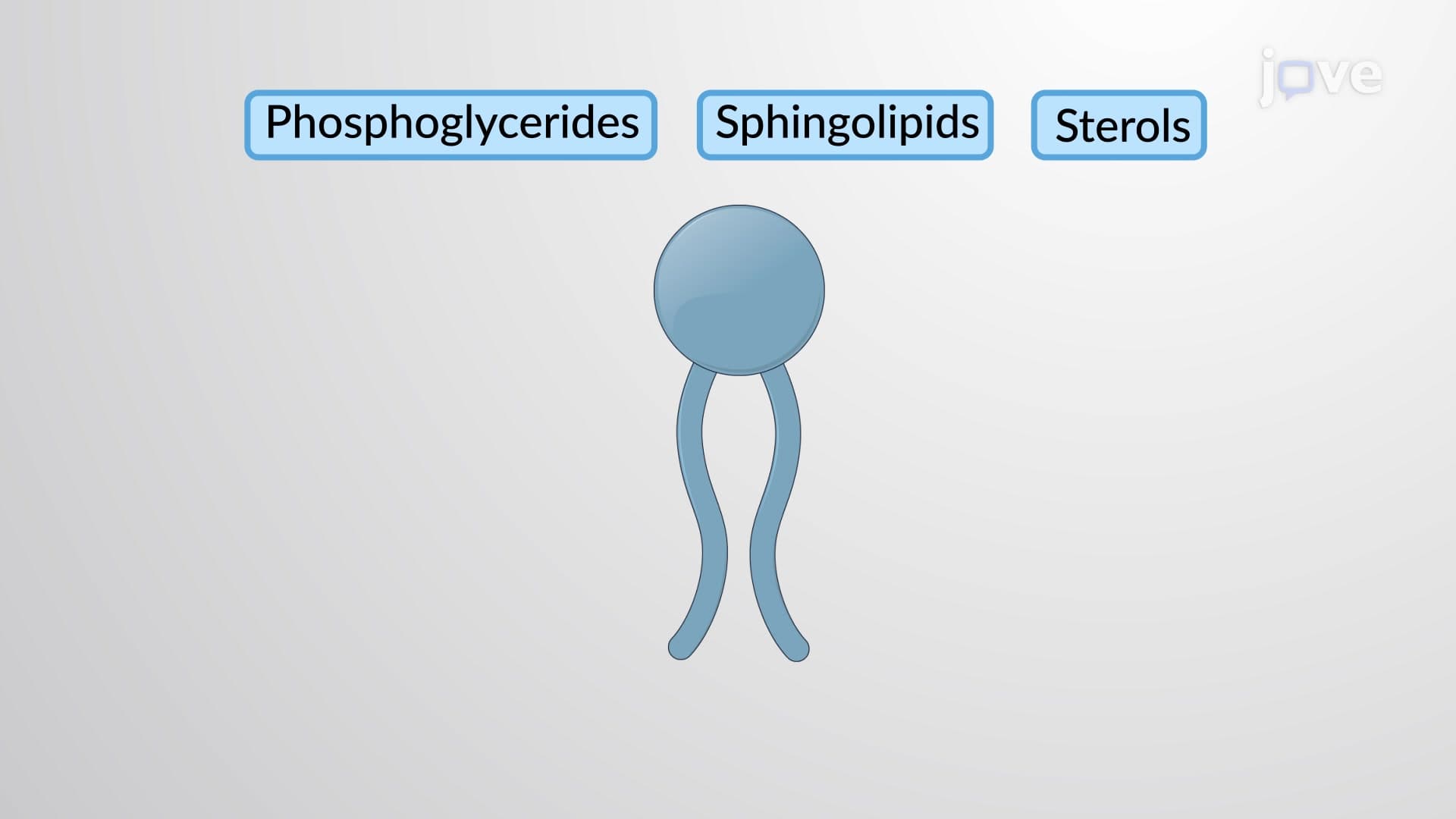
Did you know that every cell in your body is surrounded by a dynamic barrier made of three distinct types of membrane lipids explained in precise molecular arrangements? From the neurons firing in your brain to the muscle cells powering a marathon runner at the Boston Marathon, what are membrane lipids determines how efficiently cells communicate and survive. These essential molecules-phosphoglycerides, sphingolipids, and sterols-work together to create the flexible yet selective boundaries that keep life functioning. Watch the full video on JoVE Coach to master this concept with expert-led visuals and step-by-step explanations.
- Understand what are membrane lipids and identify the three major classes: phosphoglycerides, sphingolipids, and sterols
- Analyze membrane lipid composition biology by distinguishing the structural components of each lipid type and their unique backbones
- Compare the molecular structures of phosphatidylcholine, phosphatidylethanolamine, and other common phosphoglycerides
- Identify sphingolipid membrane components including ceramide, sphingomyelin, and glycolipids in cellular structures
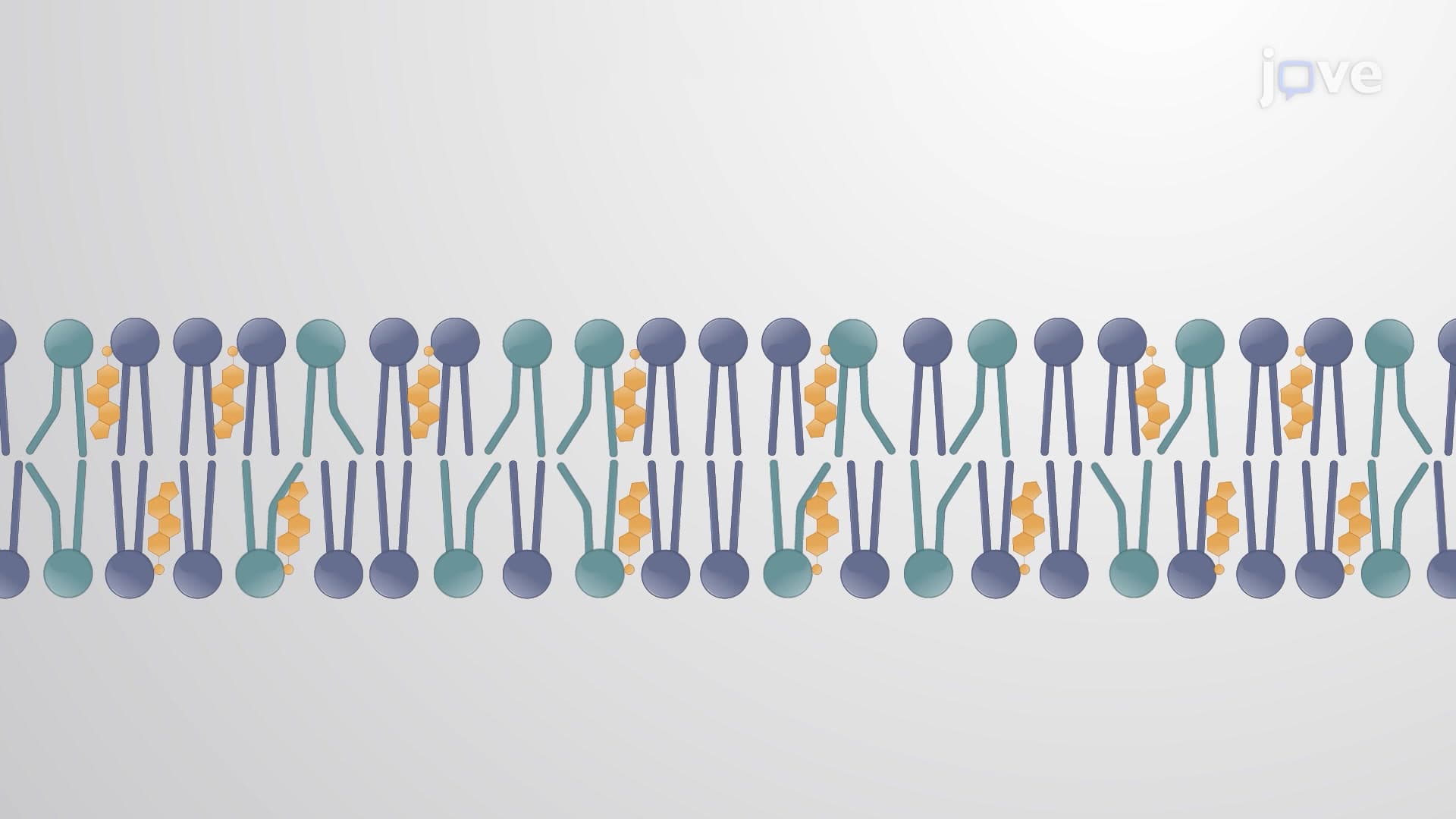
- Evaluate how cholesterol membrane lipid interactions affect membrane fluidity and cellular function
- Recognize the role of lipid raft membrane domains in cellular signaling and protein organization
- Apply knowledge of phospholipid bilayer composition to predict membrane behavior under different conditions
- Explore how membrane lipid fluidity changes impact cellular processes like endocytosis and membrane fusion
Understanding What Are Membrane Lipids: The Foundation of Cellular Architecture
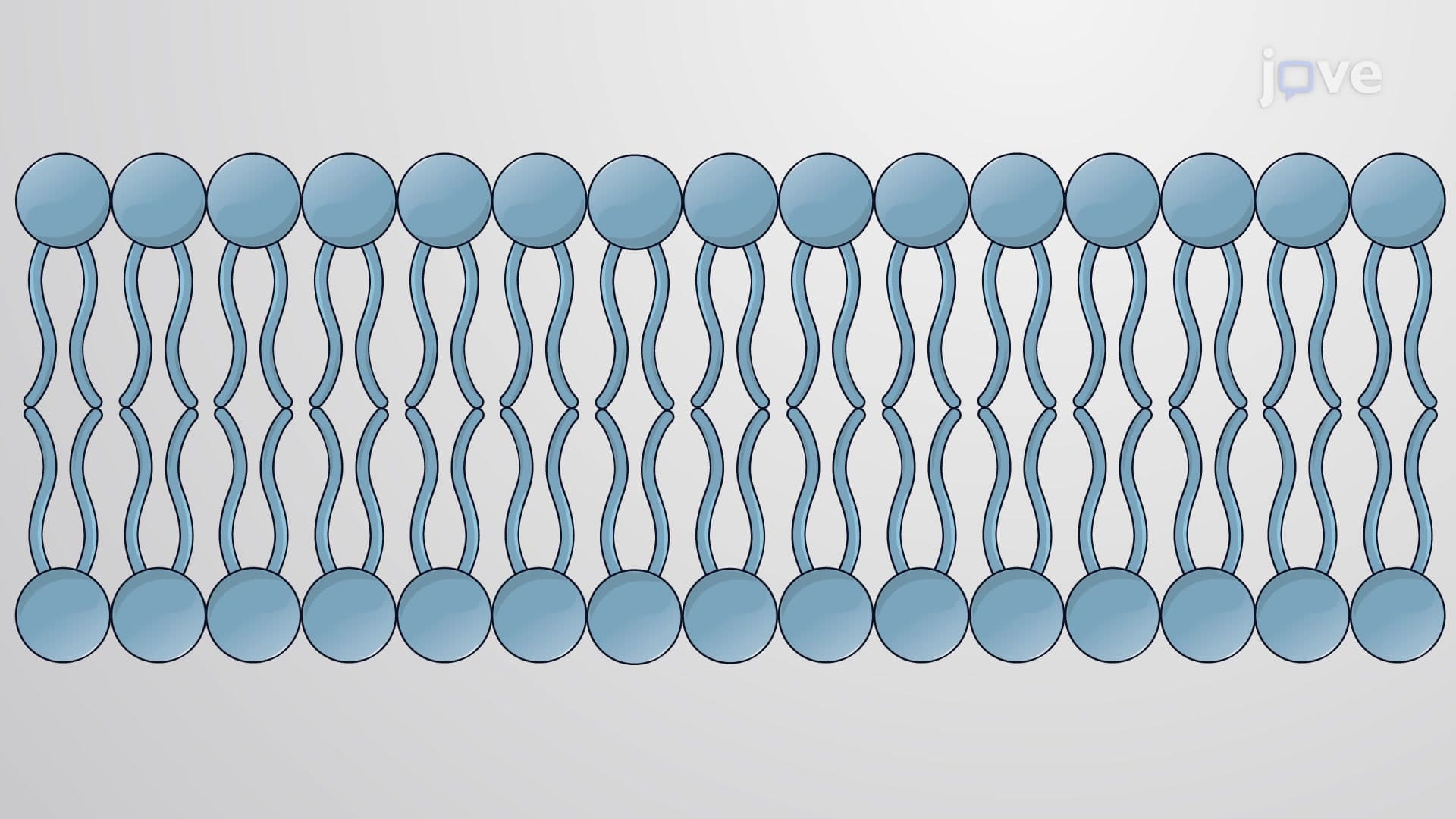
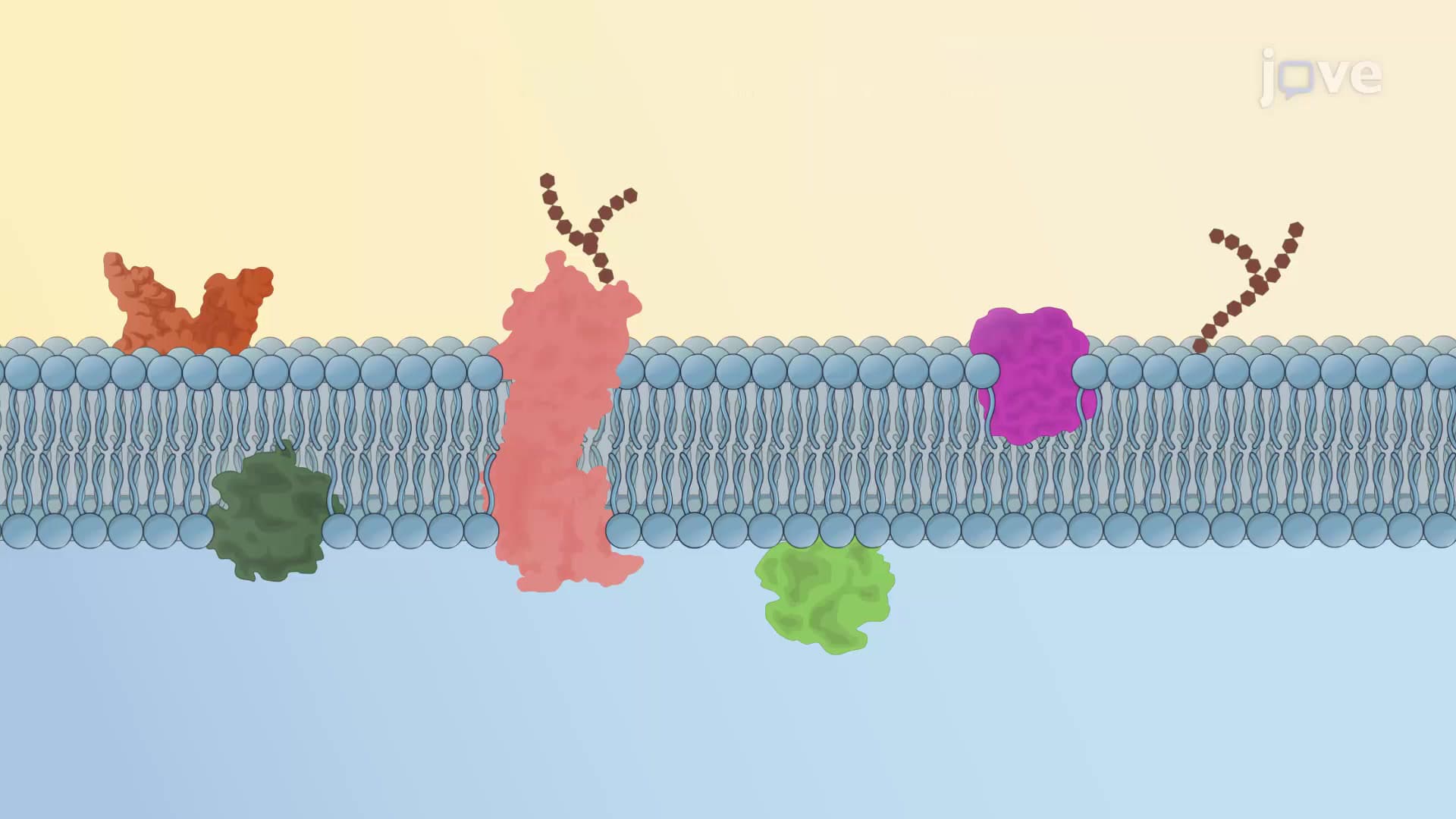
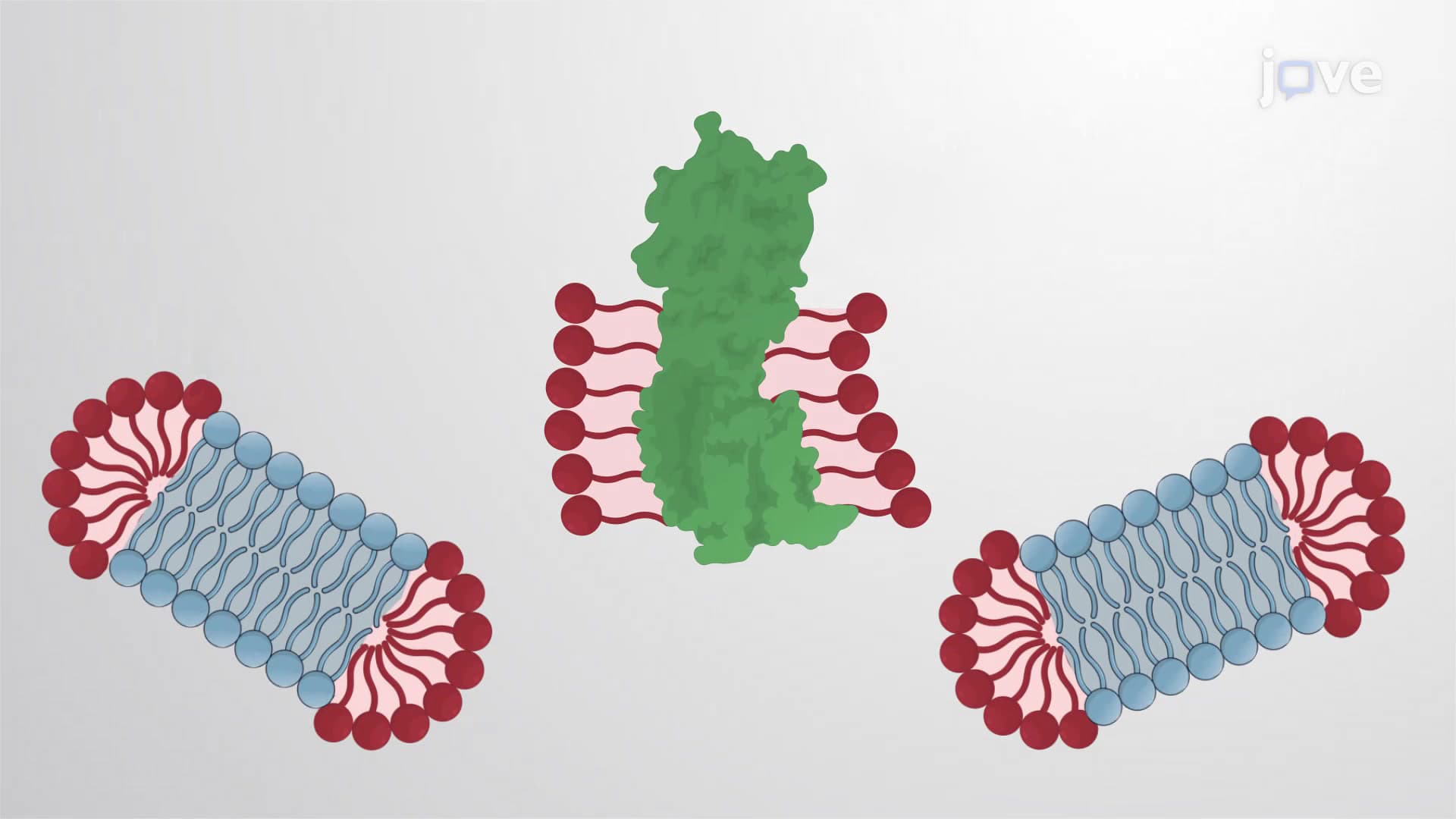
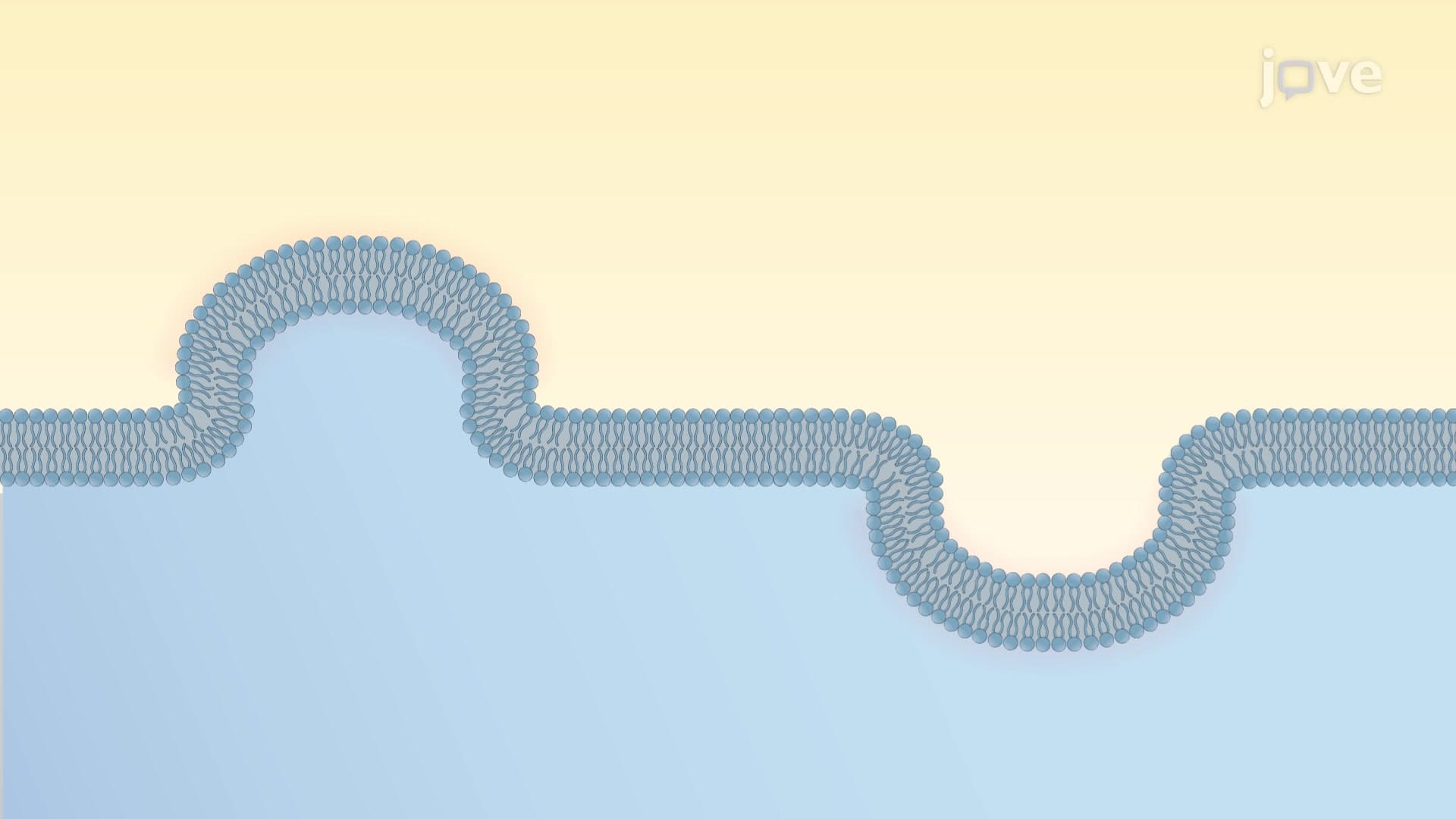
Membrane lipids explained reveals a sophisticated molecular system that forms the structural basis of all cellular membranes. These amphiphilic molecules possess both hydrophilic (water-loving) and hydrophobic (water-fearing) regions, enabling them to spontaneously organize into the bilayer structures essential for life. Understanding membrane lipid composition biology is crucial for students preparing for AP Biology, college biochemistry courses, and pre-medical studies, as these concepts frequently appear on standardized exams.
Phosphoglycerides: The Structural Workhorses of Membrane Architecture
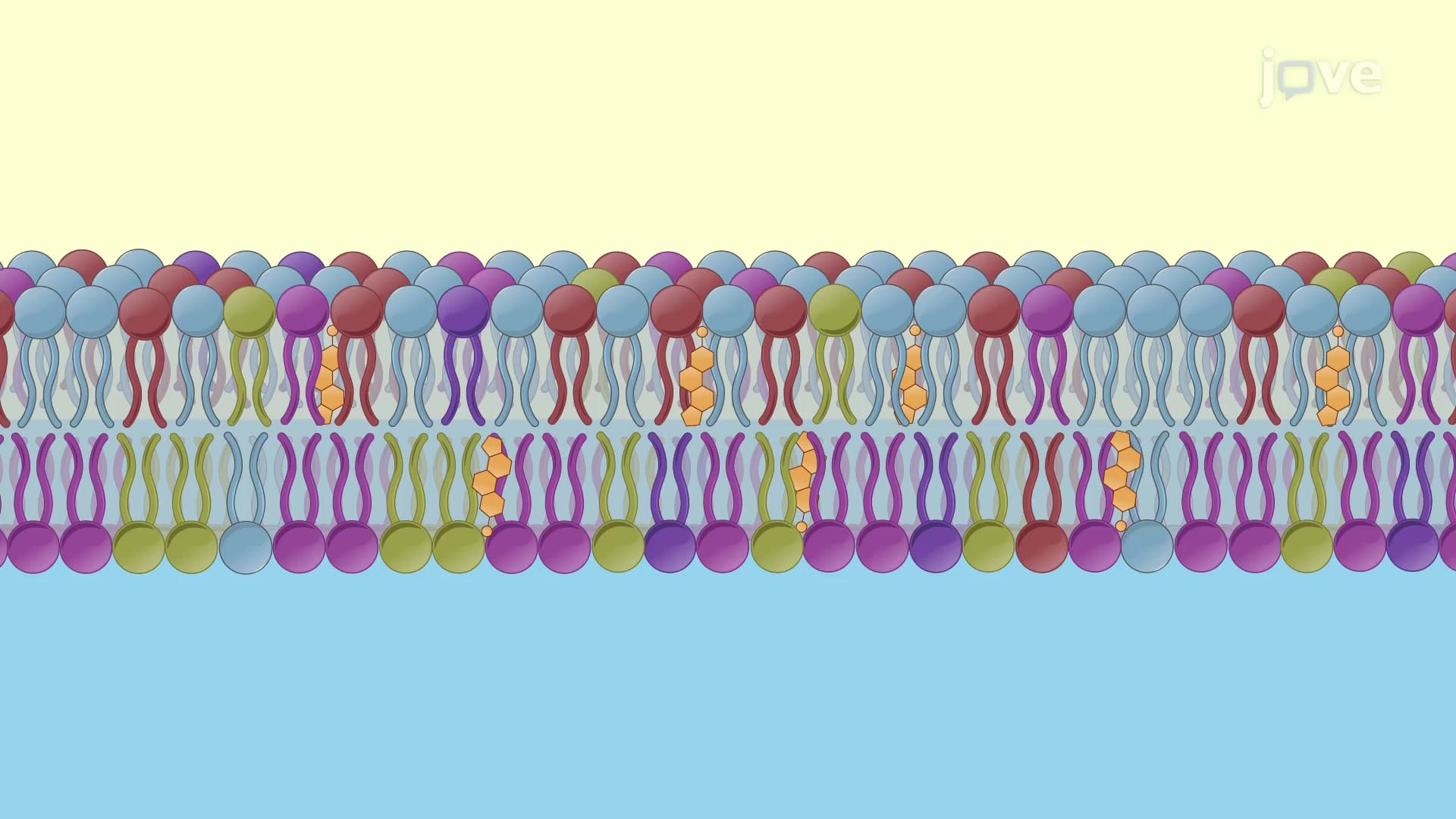
Phosphoglycerides represent the most abundant membrane lipids in mammalian cells, comprising up to 60% of total membrane lipid content. Built on a glycerol backbone, these molecules feature two fatty acid chains typically ranging from 16 to 22 carbons, with the third carbon linked to a phosphate group bearing various head groups. Phospholipid bilayer composition varies significantly between different cellular compartments-for instance, neurons in the human brain contain high concentrations of phosphatidylserine in their inner membrane leaflets, crucial for proper synaptic function.
The diversity of phosphoglycerides directly impacts membrane function. Phosphatidylcholine, the most abundant phospholipid in most mammalian membranes, provides structural stability. Phosphatidylethanolamine contributes to membrane curvature, particularly important during processes like endocytosis. Meanwhile, phosphatidylinositol serves as a precursor for critical signaling molecules, making it essential for cellular communication pathways studied extensively in molecular biology courses.
Sphingolipids and Cholesterol: Specialized Membrane Components
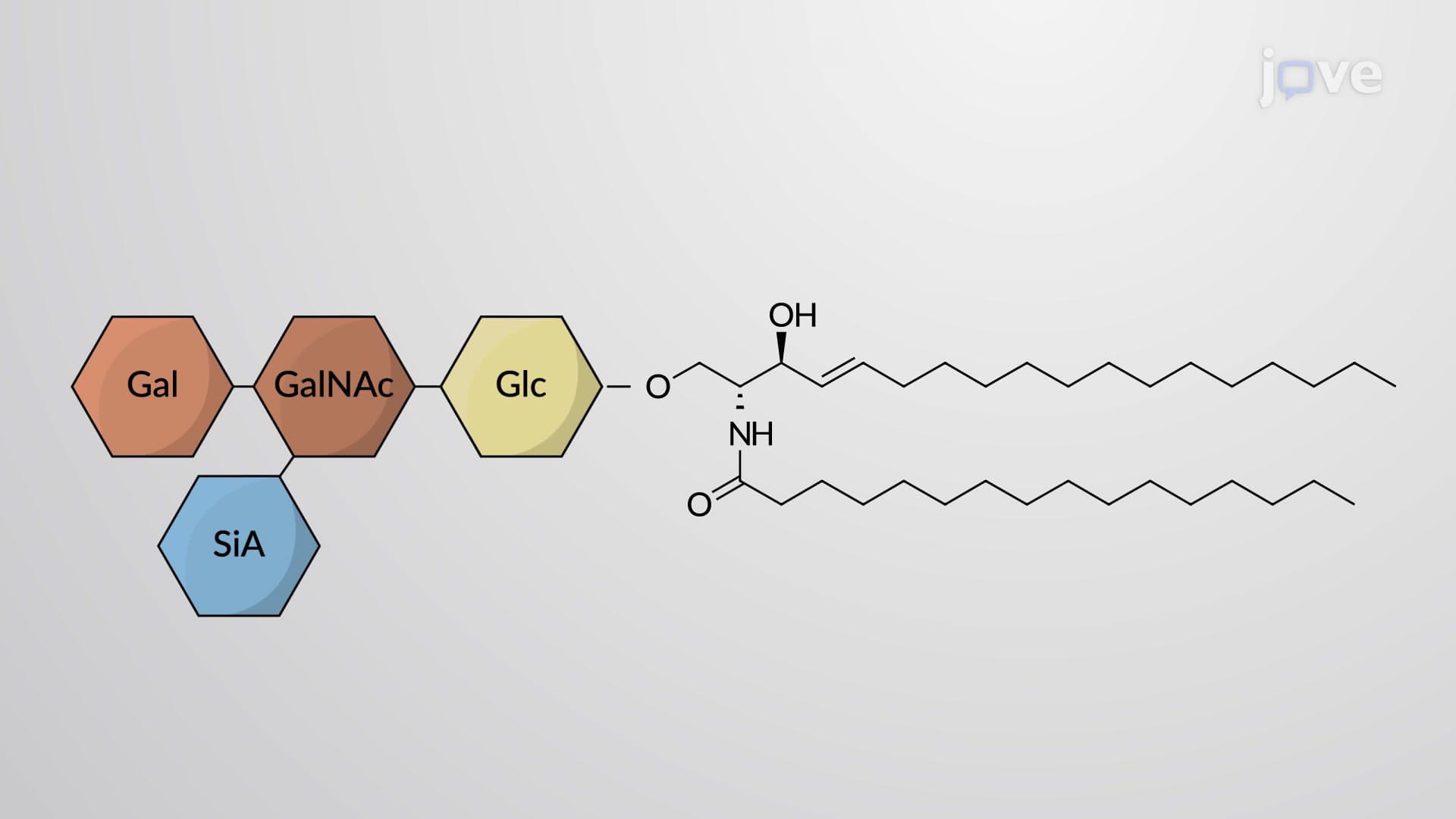
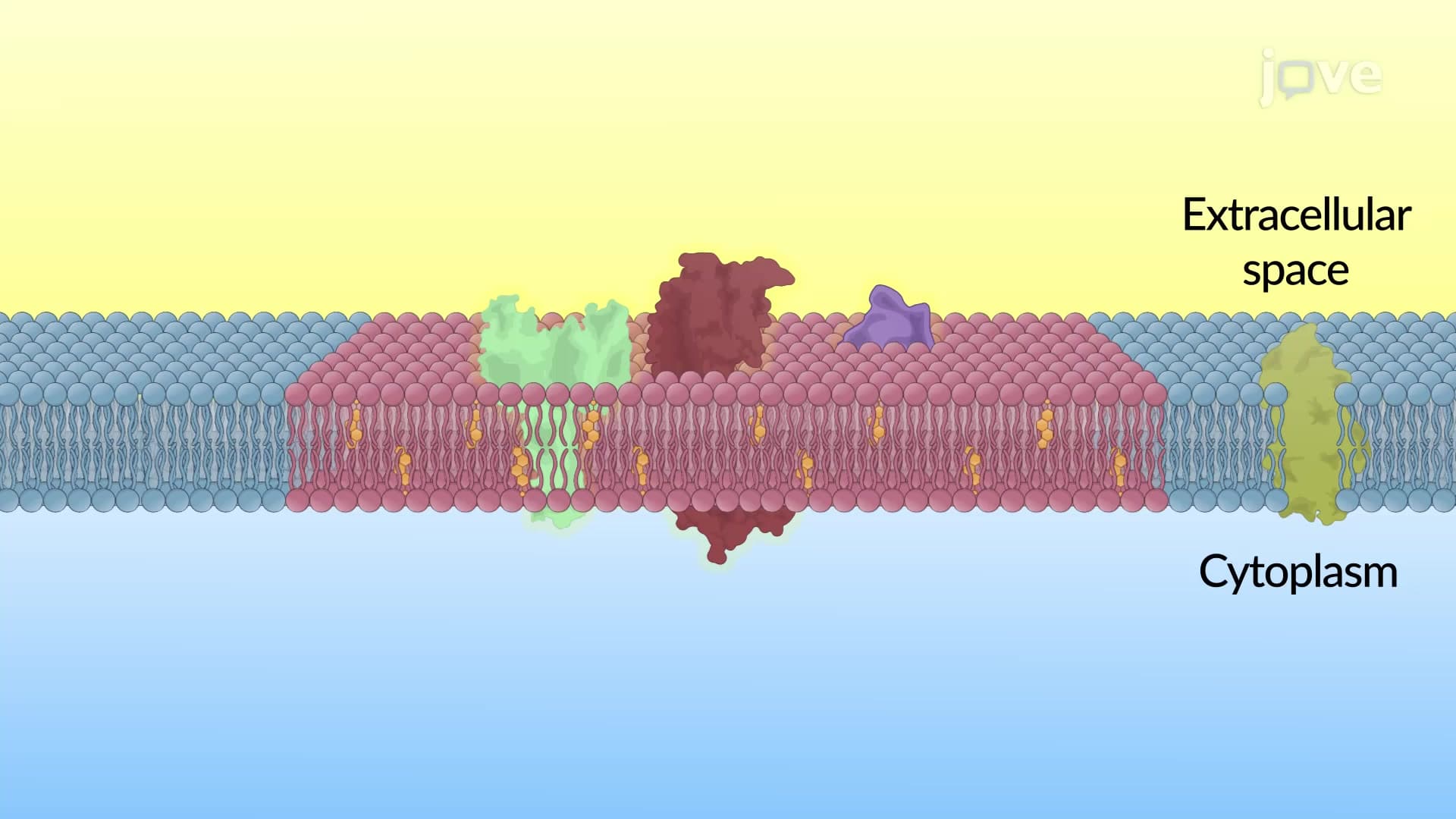
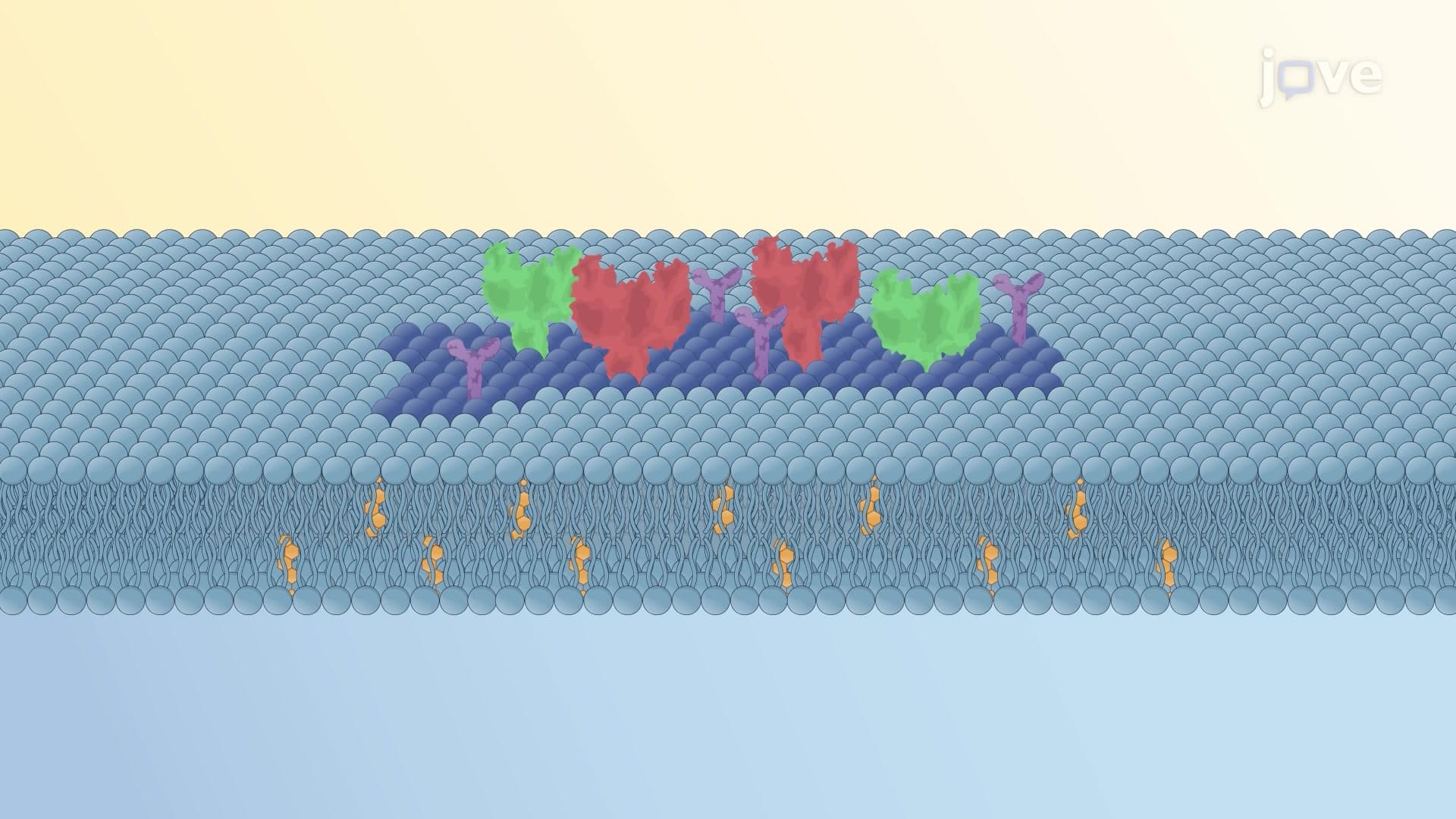
Sphingolipid membrane components, though less abundant than phosphoglycerides, play crucial specialized roles. Built on a sphingosine backbone rather than glycerol, sphingolipids like sphingomyelin concentrate in specific membrane domains called lipid rafts. These structures are particularly important in neurological function-patients with Tay-Sachs disease, for example, cannot properly break down certain sphingolipids, leading to severe neurological symptoms.
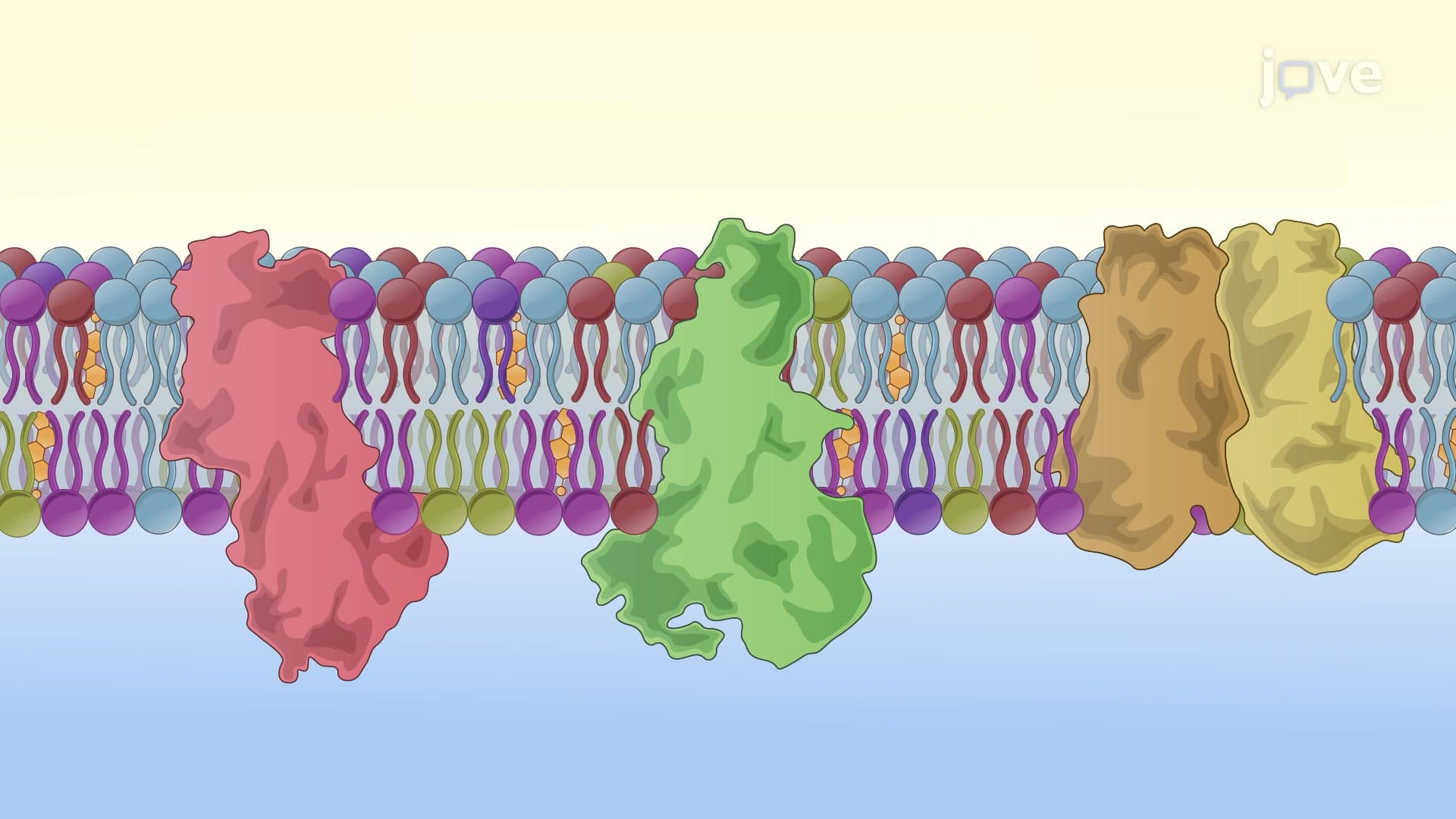
Cholesterol membrane lipid interactions represent a critical aspect of membrane lipid fluidity regulation. Unlike other membrane lipids, cholesterol cannot form bilayers independently but intercalates between phospholipids, acting as a "fluidity buffer." This function proves essential for maintaining optimal membrane properties across varying temperatures-a concept frequently tested on MCAT biochemistry sections and college physiology exams.
Frequently Asked Questions
Membrane lipids are amphiphilic molecules that form the structural foundation of all cellular membranes through three main types: phosphoglycerides, sphingolipids, and sterols. They create selective barriers that control molecular transport, maintain cellular shape, and facilitate critical processes like signaling and energy production. Without these lipids, cells couldn't maintain the compartmentalization necessary for life.
Different cell types exhibit distinct lipid profiles based on their specific functions. For example, myelin sheaths around neurons contain high concentrations of sphingomyelin and galactocerebroside, while red blood cell membranes are rich in phosphatidylcholine and cholesterol. These compositional differences directly correlate with each cell type's specialized role and appear frequently on AP Biology and college-level biochemistry exams.
Focus on understanding phospholipid bilayer structure, cholesterol's role in membrane fluidity, and how lipid composition affects membrane permeability. The MCAT frequently tests knowledge of amphiphilic properties, membrane asymmetry, and how temperature changes affect lipid behavior. Practice identifying structural differences between phosphoglycerides and sphingolipids, as these distinctions commonly appear in passage-based questions.
Membrane lipid disorders significantly impact human health and frequently appear in clinical scenarios. Familial hypercholesterolemia affects cholesterol metabolism, leading to cardiovascular disease. Gaucher disease involves defective sphingolipid breakdown, causing cellular accumulation and organ dysfunction. Understanding these connections helps pre-medical students grasp the clinical relevance of biochemical concepts.
While membrane lipids involve organic chemistry principles, the concepts build logically from basic molecular structures students learn in introductory biology. Focus first on understanding the "soap-like" amphiphilic nature of these molecules, then gradually explore structural details. Most high school and college courses introduce these concepts progressively, making them accessible to students with standard prerequisite knowledge.
Create visual diagrams comparing the three major lipid classes, emphasizing their distinct backbones and functional groups. Practice drawing phospholipid bilayers and identifying how different lipids contribute to membrane properties. Use active recall techniques by covering structural formulas and attempting to reconstruct them from memory-this approach proves particularly effective for standardized tests requiring structural identification.
Membrane lipid knowledge serves as foundation for studying membrane proteins, cellular signaling cascades, and metabolic pathways. These concepts directly connect to topics like enzyme kinetics, signal transduction, and cellular metabolism that appear in upper-level biochemistry and cell biology courses. Mastering lipid fundamentals now facilitates understanding these more complex interconnected systems later.
Modern drug delivery systems extensively utilize liposome technology based on phospholipid bilayer principles. Pharmaceutical companies develop lipid-based nanoparticles for targeted drug delivery, including the mRNA vaccines used during the COVID-19 pandemic. Understanding membrane lipid properties helps students appreciate how fundamental biochemistry principles translate into cutting-edge medical technologies and therapeutic approaches.
Related Micro-courses