Loading subject page…

- Cell Biology
- Membrane Structure and Components
- Membrane Proteins
Micro-course: Membrane Structure and Components
167,918 views
Learn key concepts and earn your certificate.

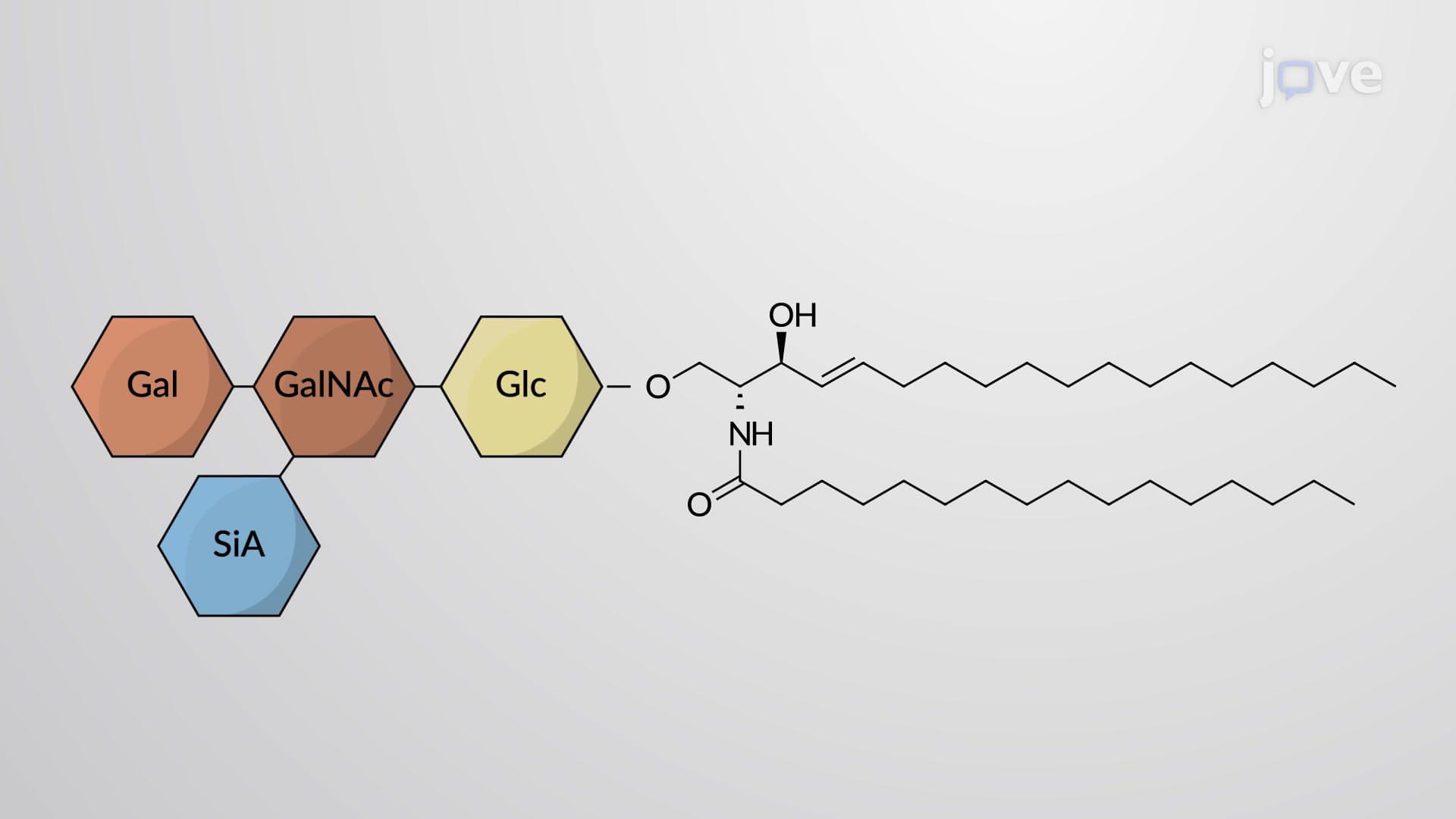
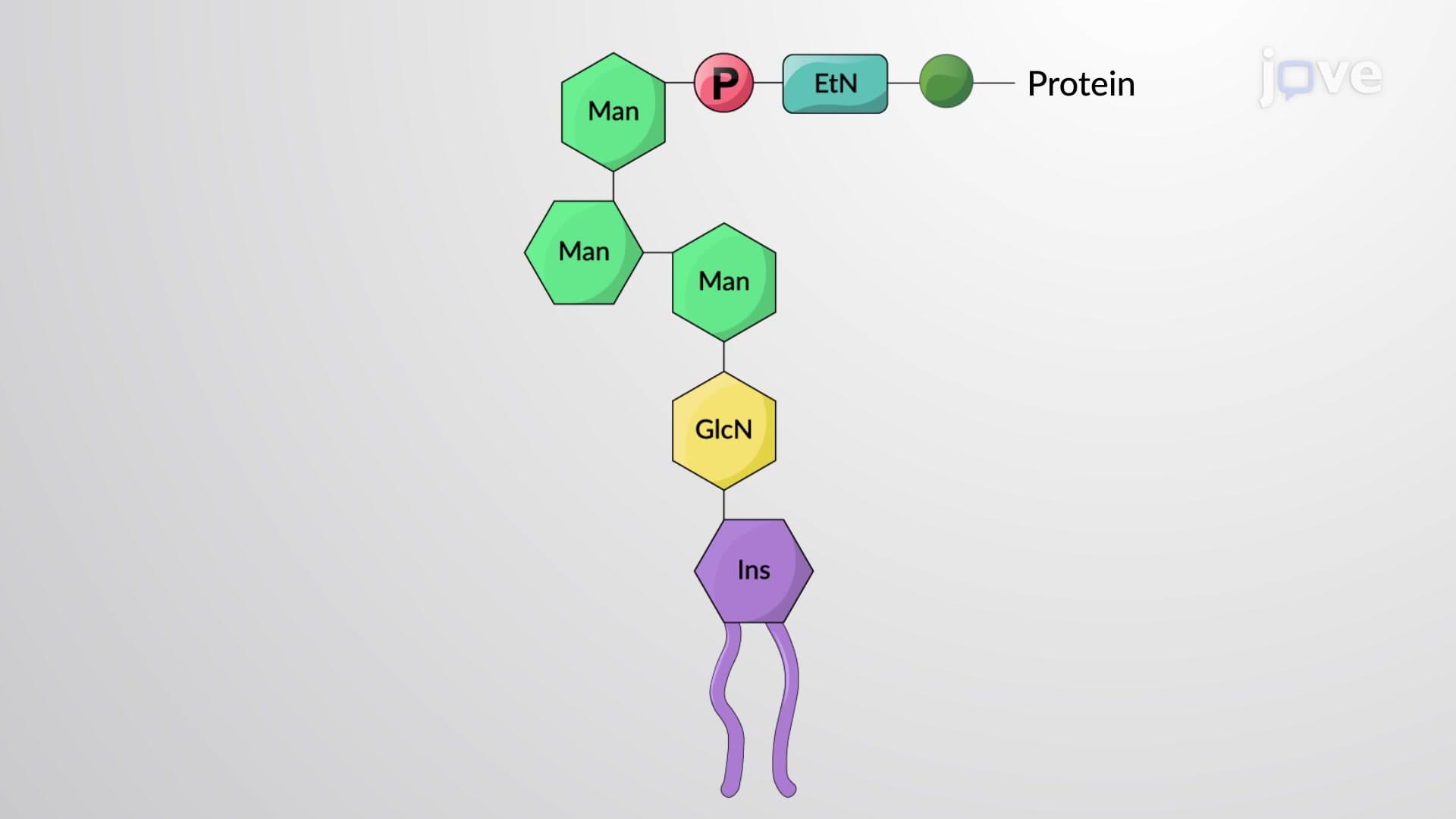
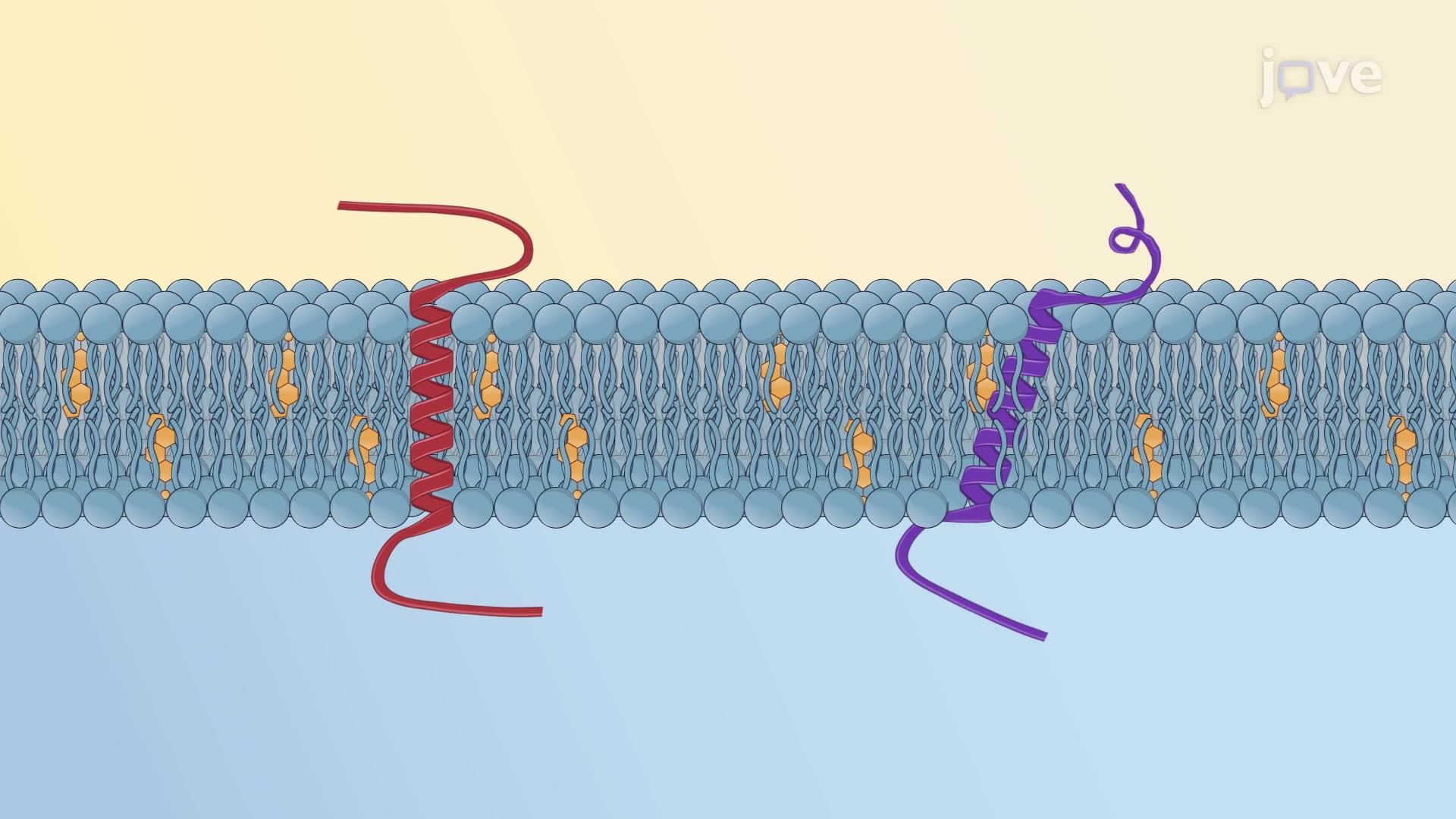
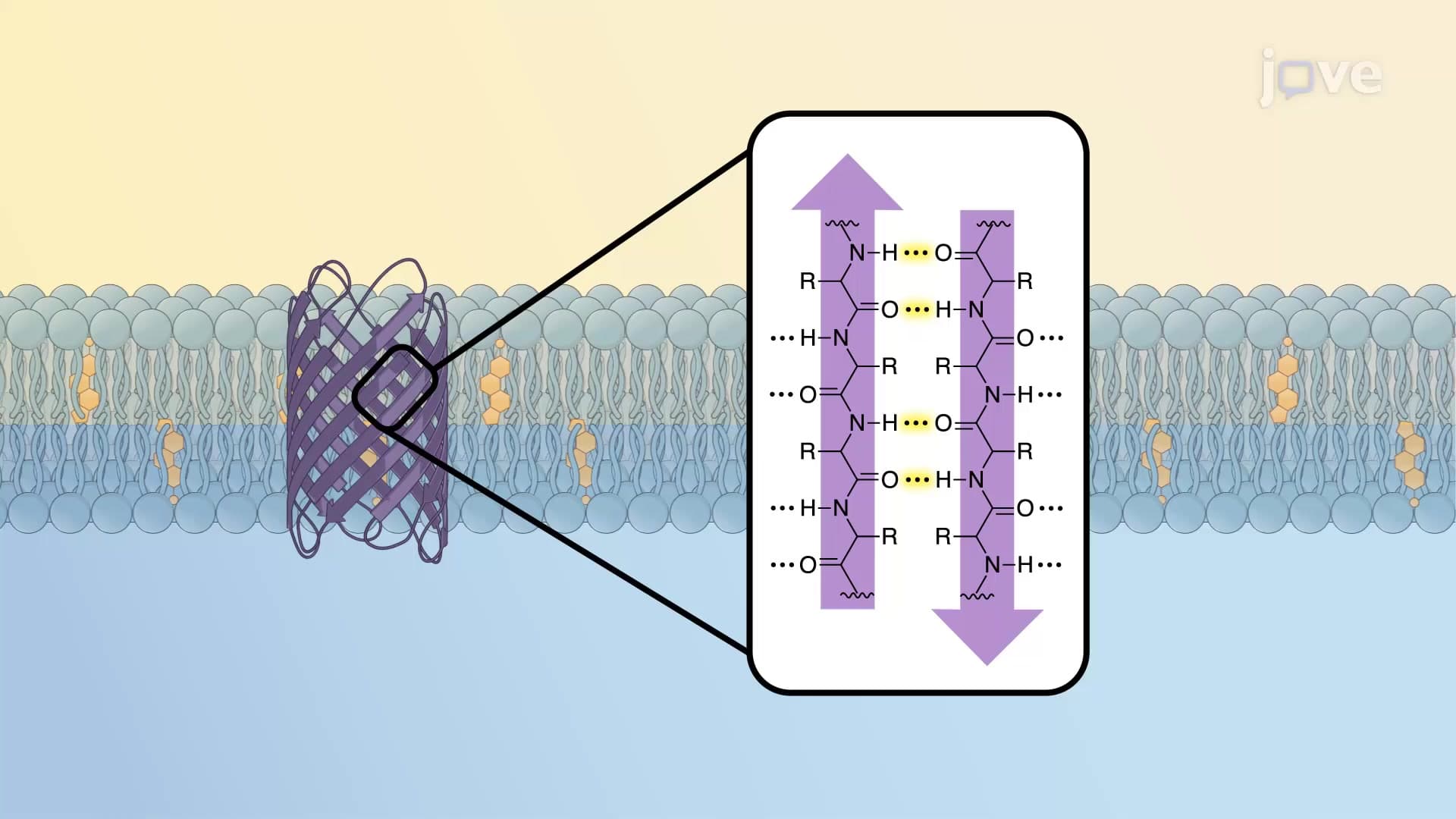


Membrane Proteins

00:00
01:30
Video Summary: What are Membrane Proteins
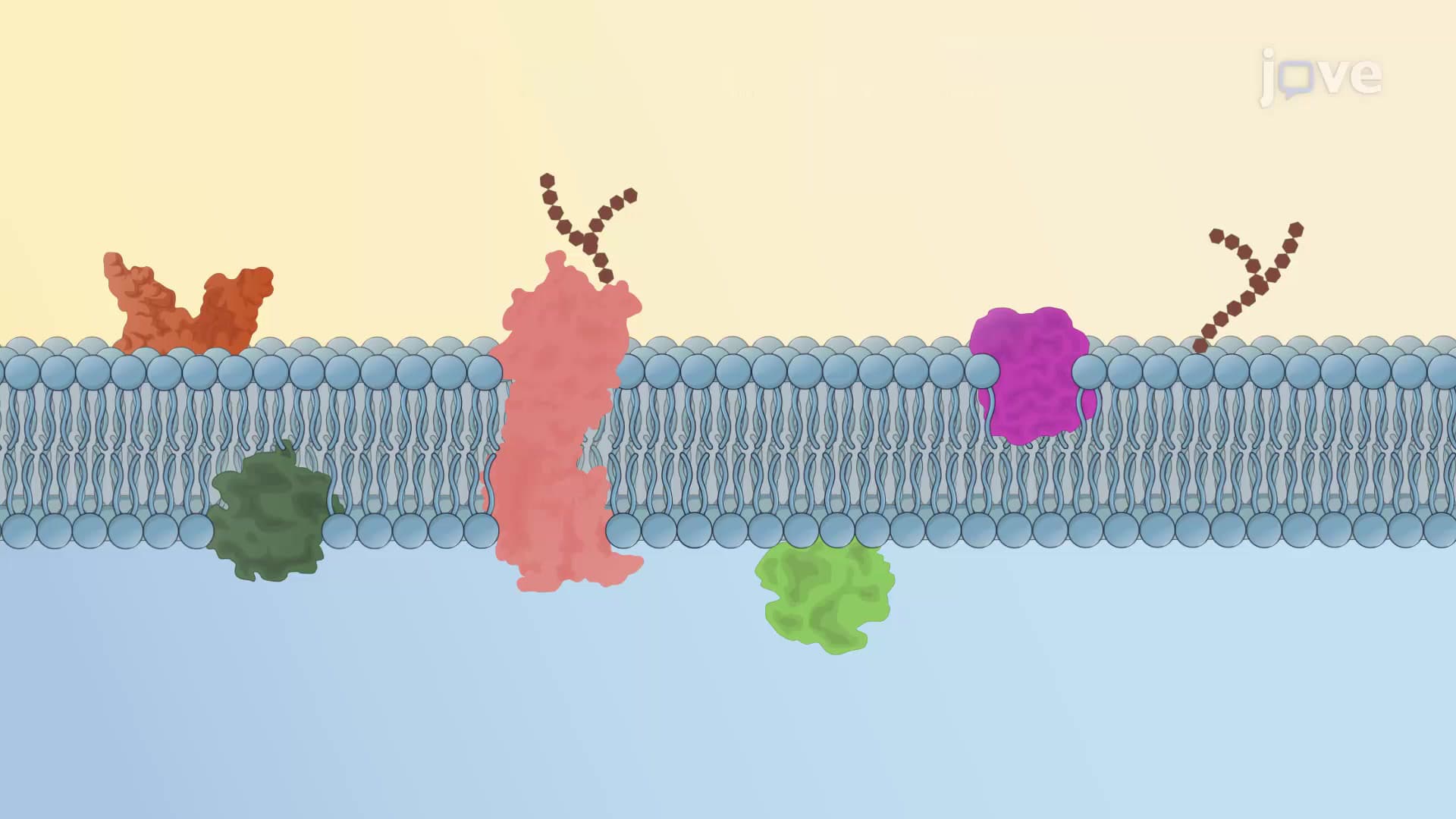
Ever wondered how insulin enters your cells or how your neurons communicate? Membrane proteins explained reveals the molecular gatekeepers that make cellular life possible. These specialized proteins, including channels and receptors, control everything from glucose transport in diabetic patients to nerve signal transmission. The two main categories-peripheral and integral membrane proteins-each serve distinct but crucial roles in maintaining cellular function. Watch the full video on JoVE Coach to master this concept with expert-led visuals and step-by-step explanations.
- Understand what are membrane proteins and distinguish between peripheral and integral protein categories
- Identify the structural differences between monotopic, bitopic, and polytopic membrane proteins
- Analyze how amphipathic properties enable integral proteins to span lipid bilayers
- Compare the attachment mechanisms of peripheral versus integral membrane proteins
- Evaluate the functional roles of transmembrane proteins in cellular transport and signaling
- Apply knowledge of membrane protein structure to predict their cellular functions
- Recognize the relationship between protein topology and membrane orientation
- Explore how membrane protein dysfunction relates to human diseases and therapeutic targets
What are Membrane Proteins and Why They Matter
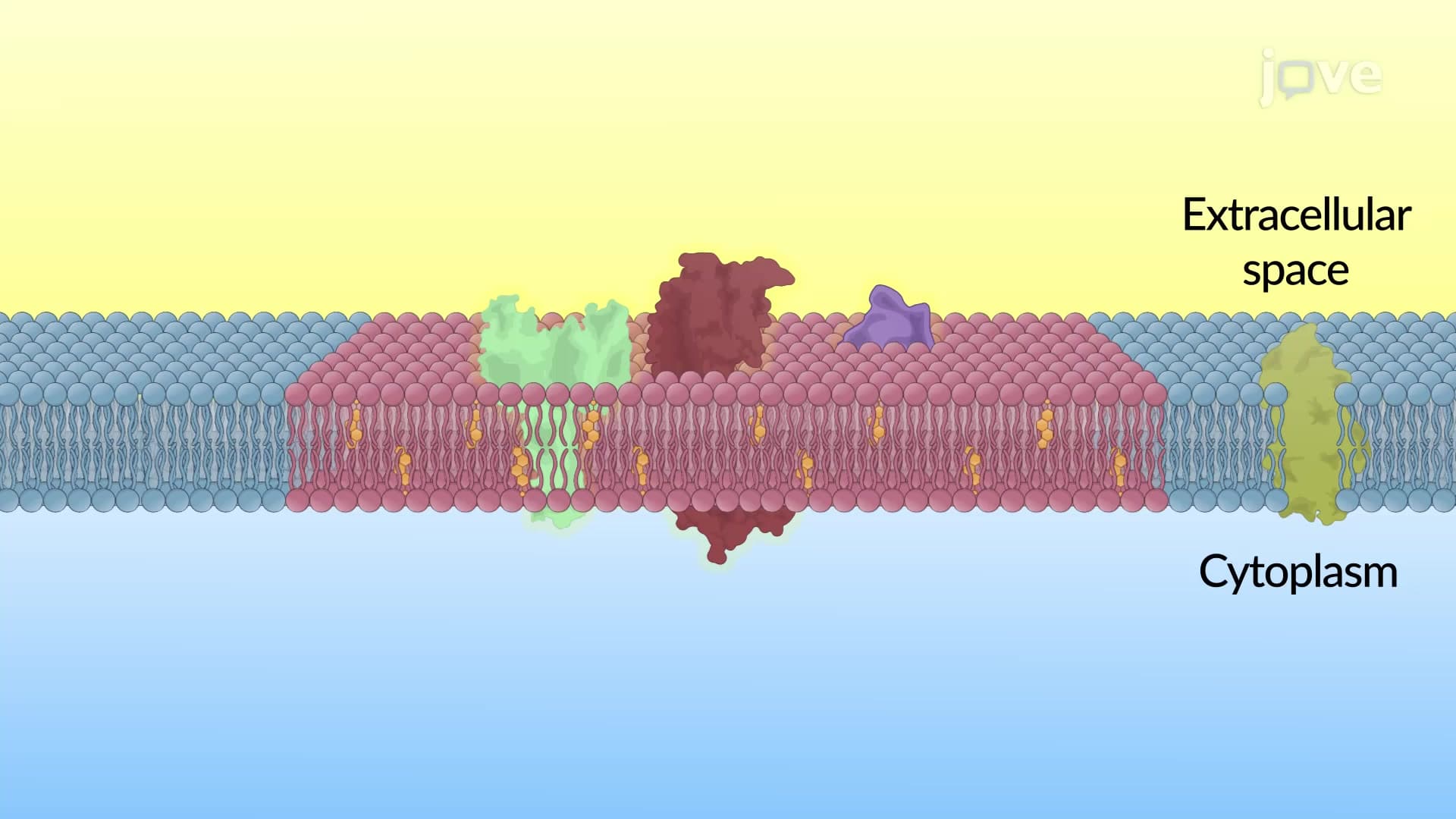
Membrane proteins serve as the functional workhorses of cell membranes, acting as molecular machines that enable cells to interact with their environment. These proteins are essential for processes ranging from nutrient uptake to waste removal, making them critical targets for pharmaceutical development. In fact, over 60% of all FDA-approved drugs target membrane proteins, highlighting their therapeutic importance.
Peripheral Membrane Proteins: The Temporary Attachments
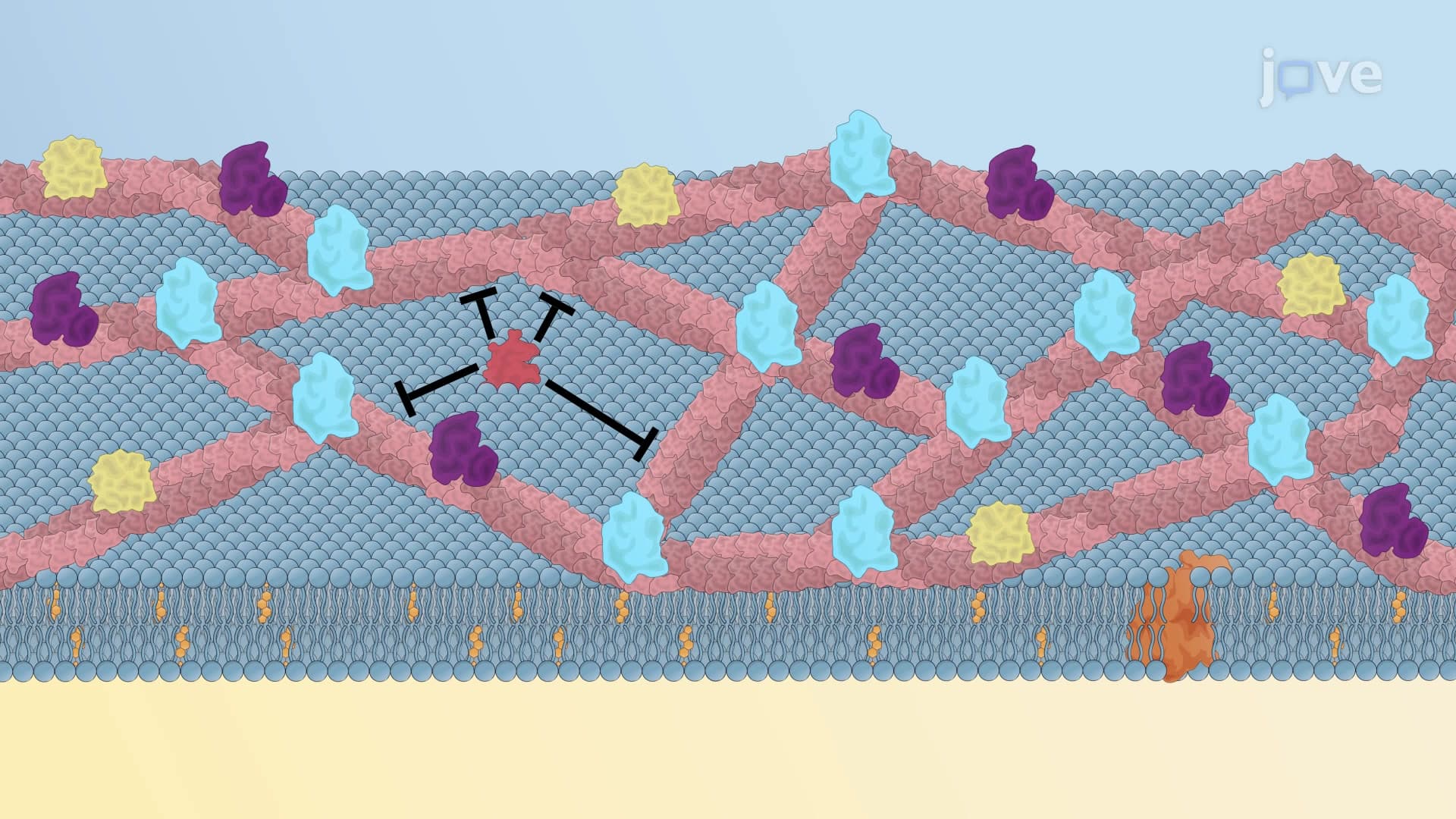
Peripheral membrane proteins associate with cell membranes through weak, non-covalent interactions rather than embedding directly into the lipid bilayer. These proteins typically bind to the hydrophilic head groups of phospholipids or interact with the exposed domains of integral proteins. Their loose association allows them to detach and reattach as needed, making them ideal for regulatory functions.
A prime example is protein kinase C (PKC), which plays crucial roles in cell signaling cascades. When activated by cellular signals, PKC temporarily associates with the membrane to phosphorylate target proteins, then dissociates to terminate the signal. This dynamic behavior makes peripheral proteins excellent molecular switches in cellular communication networks.
Integral Membrane Proteins: The Embedded Specialists
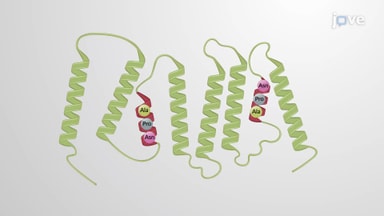
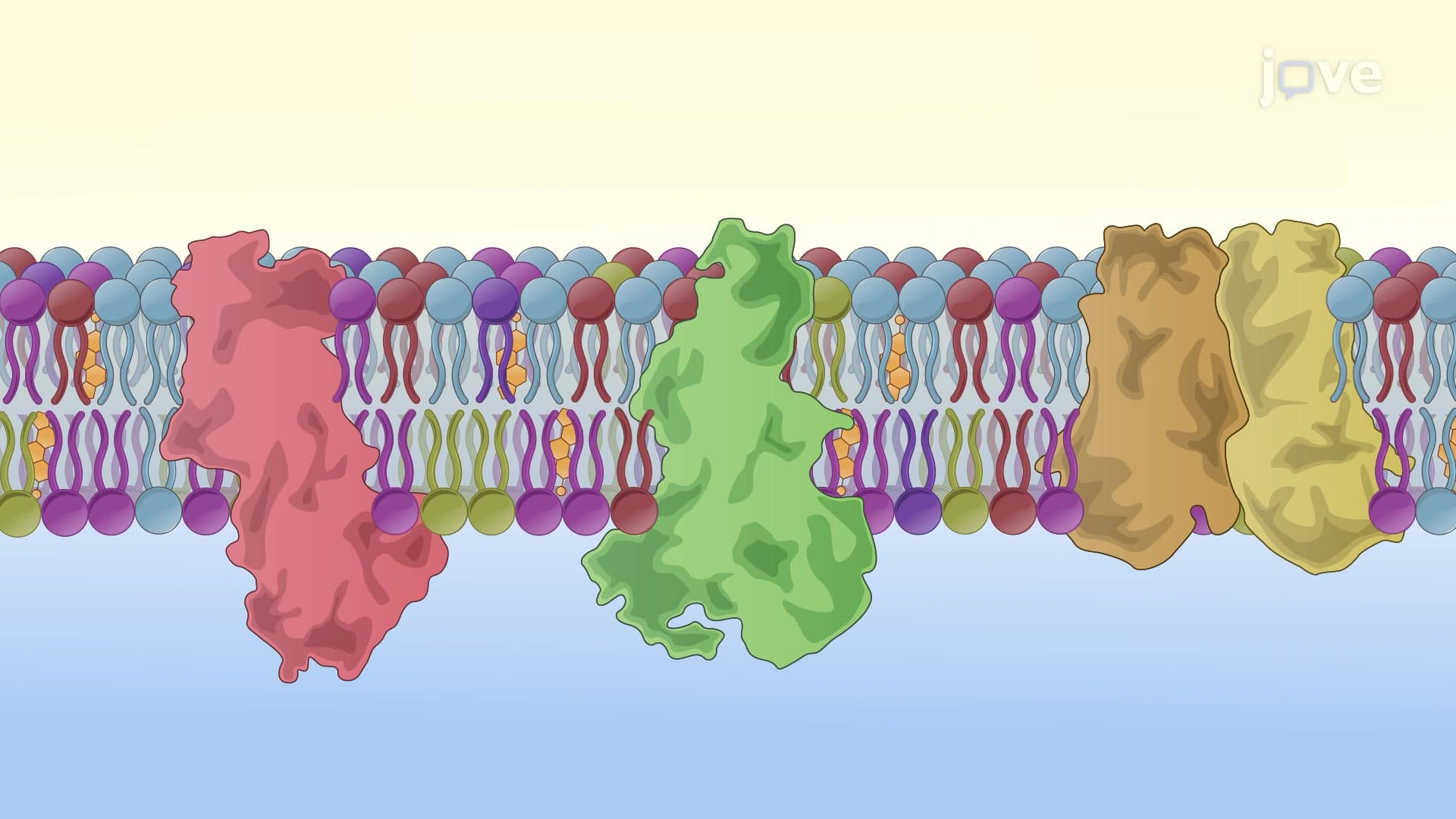
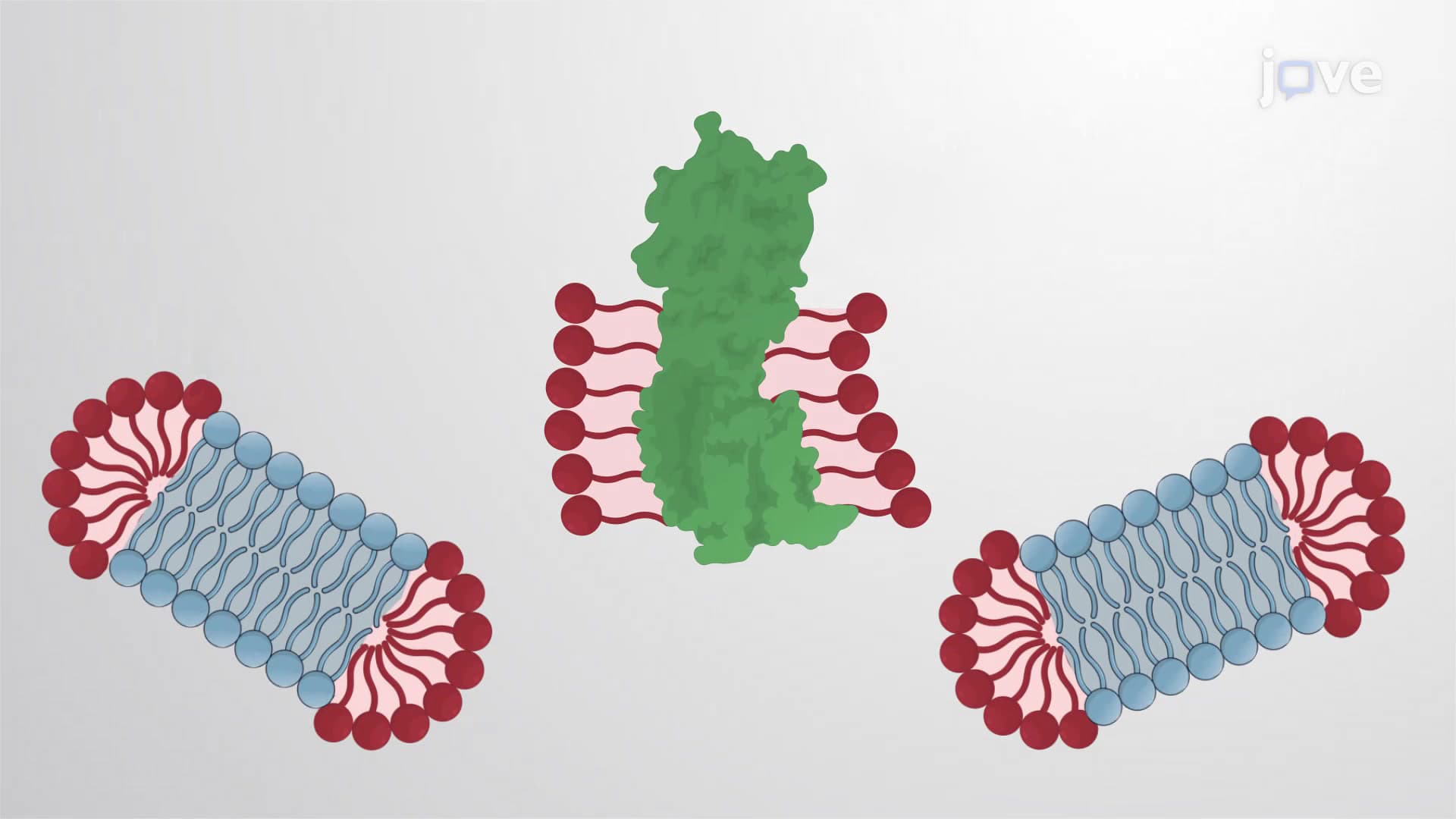
Integral membrane proteins possess amphipathic properties, meaning they contain both hydrophilic (water-loving) and hydrophobic (water-fearing) regions. This dual nature allows them to span the lipid bilayer, with hydrophobic domains interacting with fatty acid tails while hydrophilic regions face the aqueous environments on either side of the membrane.
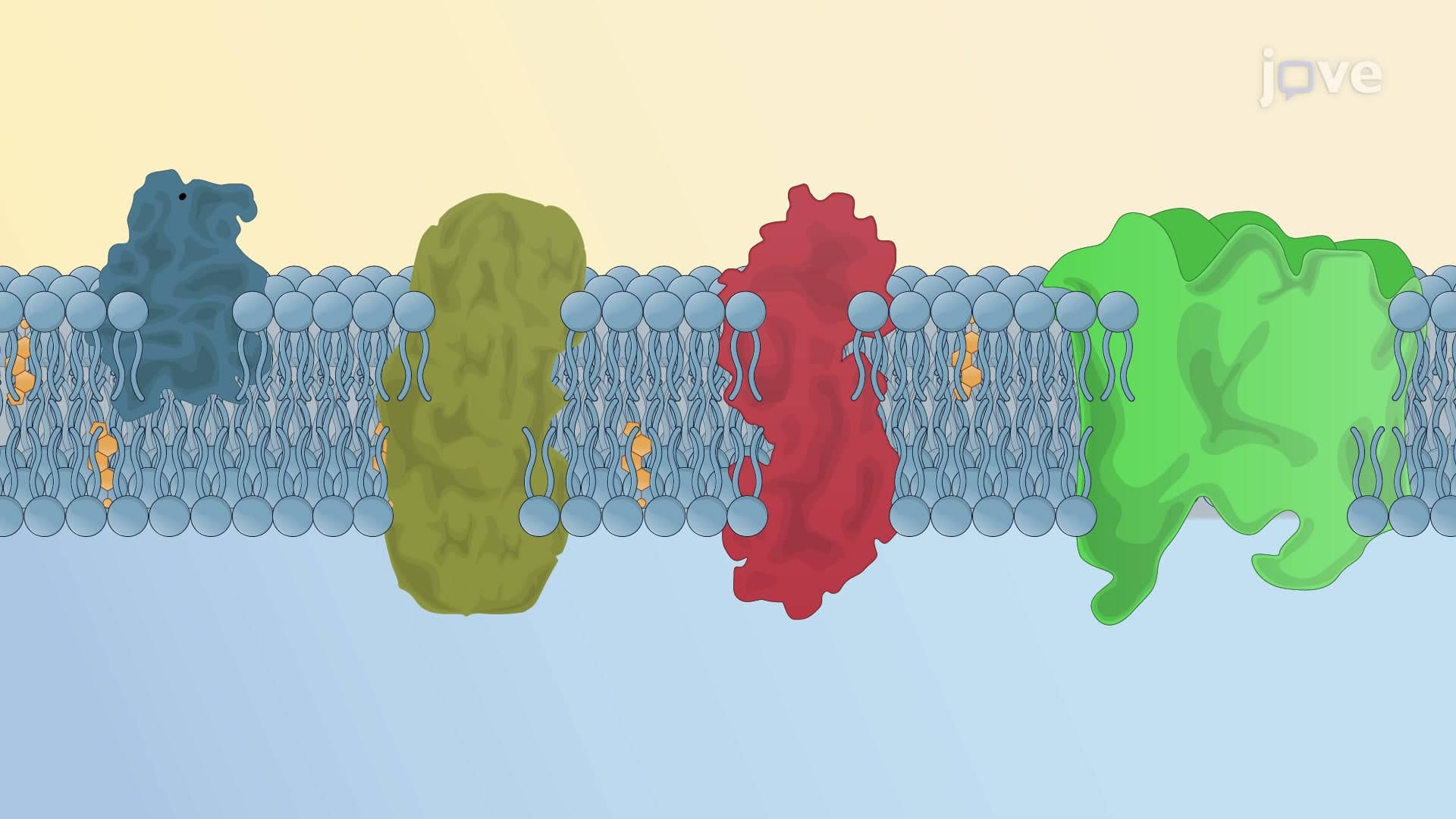
These proteins are further classified by their membrane topology:
- Monotopic proteins embed into only one side of the membrane
- Bitopic proteins span the membrane once with a single alpha-helix
- Polytopic proteins cross the membrane multiple times through multiple alpha-helices or beta-barrel structures
Transmembrane Protein Functions in Health and Disease
Transmembrane protein function extends far beyond simple structural support. Ion channels like sodium-potassium pumps maintain cellular electrical gradients essential for nerve function. Receptor proteins such as insulin receptors enable hormone signaling that regulates blood glucose levels. Transport proteins facilitate the movement of molecules too large or polar to cross the lipid bilayer independently.
Understanding these functions proves crucial for students preparing for the MCAT or AP Biology exams, where questions often focus on protein structure-function relationships. Clinical applications also abound-cystic fibrosis results from mutations in the CFTR chloride channel, while many cardiac medications target voltage-gated ion channels.
The channel receptor membrane protein category includes ligand-gated ion channels that respond to neurotransmitters, enabling rapid synaptic communication. These proteins undergo conformational changes upon ligand binding, opening or closing channels to allow specific ions to flow across the membrane.
Frequently Asked Questions
Membrane proteins are specialized proteins that associate with or embed within cell membranes to facilitate cellular functions. Unlike cytoplasmic proteins, they possess hydrophobic regions that interact with lipid bilayers and often span membranes to enable transport, signaling, and structural functions. Their unique amphipathic structure distinguishes them from water-soluble proteins found in the cell interior.
The MCAT frequently tests membrane protein structure-function relationships, particularly focusing on transport mechanisms and signal transduction pathways. AP Biology exams emphasize classification of protein types and their roles in cellular processes. Expect questions about how protein structure determines function, membrane transport kinetics, and the relationship between protein dysfunction and disease.
Create visual mnemonics linking protein names to their topology: "Mono" means one side, "Bi" means spanning twice (once across), and "Poly" means multiple crossings. Draw simple diagrams showing each type's membrane orientation. Practice identifying proteins by their described functions rather than just memorizing definitions, as this builds deeper understanding for exam applications.
Basic chemistry concepts like polarity, hydrogen bonding, and hydrophobic interactions provide sufficient background for understanding membrane proteins. Most high school chemistry or introductory college chemistry covers these topics adequately. The key is understanding how molecular properties determine protein behavior rather than memorizing complex chemical structures.
Many common diseases involve membrane protein dysfunction, making this topic highly clinically relevant. Diabetes involves insulin receptor problems, cystic fibrosis results from chloride channel mutations, and many heart medications target ion channels. Understanding these connections helps students see the practical importance of membrane protein biology beyond academic study.
Progress to studying specific transport mechanisms (active vs. passive transport), signal transduction pathways, and protein trafficking to membranes. Advanced topics include protein folding in membranes, post-translational modifications like glycosylation, and the role of membrane proteins in cell-cell communication. These concepts build naturally on basic membrane protein knowledge.
Glycoproteins are membrane proteins with attached carbohydrate groups, typically found on the extracellular surface of cell membranes. They function primarily in cell recognition, signaling, and protection, playing crucial roles in immune system function and tissue organization. The carbohydrate modifications don't change their basic classification as integral or peripheral proteins but add important functional capabilities.
Related Micro-courses